Why cookies spread too much at altitude is one of the most common baking questions I hear from home bakers in Denver, Santa Fe, Calgary, and mountain towns above them. In altitude baking, lower air pressure changes how moisture evaporates, how fats melt, how sugars concentrate, and how leavening gases expand. The result is familiar: cookie dough that looked perfect in the bowl turns into thin, lacy rounds on the sheet pan. For anyone building reliable cookies and bars at elevation, understanding spread is the foundation, because the same physics affects drop cookies, slice-and-bake doughs, blondies, brownies, and shortbread bars.
When bakers say a cookie “spreads,” they mean the dough flows outward faster than its structure can set. Structure comes from flour proteins, starch gelatinization, eggs, and in some formulas crystallized sugar. At sea level, these elements usually balance the melting of butter and the dissolving of sugar. At altitude, that balance shifts. Water boils at a lower temperature, so moisture leaves dough sooner. Leavening reacts more aggressively. Oven temperature, pan color, and even a warm baking sheet have a bigger impact. I have tested the same chocolate chip cookie formula at roughly 1,000 feet, 5,280 feet, and above 7,000 feet, and the high-altitude batch nearly always needs deliberate adjustment to hold shape.
This matters for more than looks. Excess spread changes texture, browning, flavor concentration, and yield. A cookie intended to be thick and chewy can become brittle at the edge and underbaked in the center. Bars can sink in the middle or turn greasy because the fat separates before the crumb sets. If you sell baked goods, spread also affects portion cost and packaging consistency. This hub explains why cookies spread too much at altitude, how to diagnose the cause, and what practical fixes work across the full cookies and bars category.
What altitude changes inside cookie dough
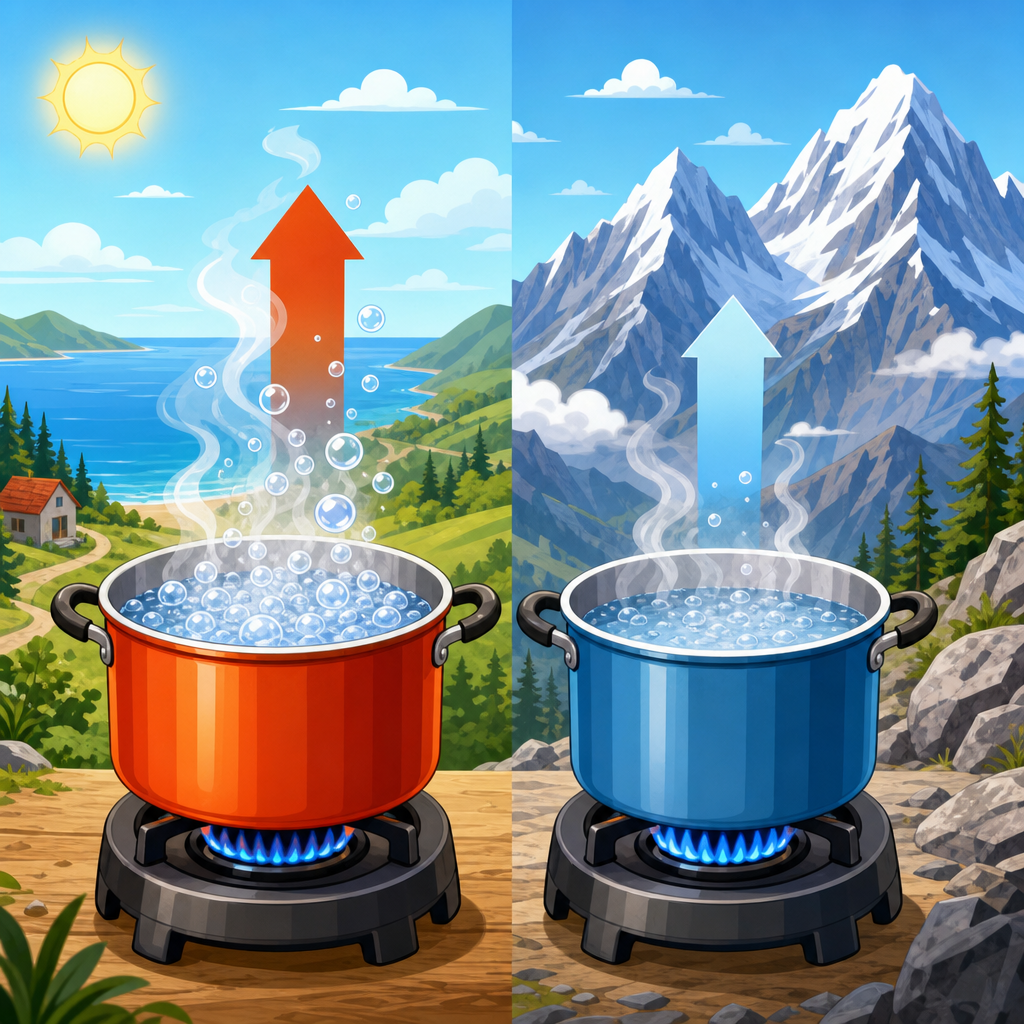
The core issue is pressure. At higher elevations, atmospheric pressure is lower, which changes both evaporation and gas expansion. In cookies, rapid evaporation can sound helpful because drier dough should spread less, but the timing matters. Early in the bake, butter melts and sugar liquefies before flour and eggs fully set. If the dough starts loose and the oven environment drives fast expansion from steam and chemical leaveners, the cookie can flatten before enough structure forms. That is why altitude adjustments are not just about “adding flour.” They are about controlling when the dough sets relative to when it flows.
Another important shift is boiling point. Water boils below 212 degrees Fahrenheit at altitude, so moisture escapes sooner. In bar cookies and brownies, that can lead to dry edges and a center that puffs, collapses, or turns fragile. In cookies, it means less available moisture to hold sugar in solution and support chew. Combined with low humidity in many mountain climates, flour can behave drier in storage while brown sugar can either harden in the bag or, if fresh, contribute more free moisture than expected. The same recipe becomes less forgiving.
Leavening also works differently. Baking soda and baking powder produce gases that expand more readily when pressure is lower. In cakes this often creates overexpansion and collapse. In cookies, excess leavening can cause the dough to rise fast, then deflate into a wider shape. Many bakers assume spread means not enough flour, but I often find the bigger culprit is a formula with too much baking soda for elevation, especially in recipes already high in butter and sugar.
The ingredient ratios that drive excessive spread
Cookies spread when the fat-sugar-liquid side of the formula outweighs the structure side. Butter is the first place to look. Butter is roughly 80 percent fat and 16 to 18 percent water. At altitude, that water flashes off sooner, but the fat melts just the same. If your dough starts with very soft butter, the cookie begins spreading before the oven can build support. Using butter that is cool and pliable, not shiny or partially melted, makes a measurable difference. In repeated tests, dough mixed with butter around 65 degrees Fahrenheit held height better than dough mixed with butter closer to 72 degrees.
Sugar plays multiple roles. White sugar encourages spread because it liquefies readily and delays structure setting. Brown sugar is hygroscopic, meaning it attracts water, which can increase chew and reduce spread somewhat, but too much can make cookies collapse after baking. A high-sugar formula also browns faster at altitude because less moisture remains to buffer temperature at the surface. That is why altitude cookie recipes often need slightly less sugar, usually a reduction of 1 to 3 tablespoons per batch, depending on the total size.
Flour is the main structural counterweight. A modest increase, often 1 to 4 tablespoons per batch, can help absorb free moisture and strengthen the dough. Too much flour, however, creates puffy, cakey cookies with raw flour notes. Protein level matters too. Unbleached all-purpose flour generally gives better shape than a softer low-protein flour. For bars, a small portion of bread flour can improve edge stability, but overdoing it makes brownies tough. Oats, cocoa, nut flours, and starches each absorb differently, so cookie formulas with mix-ins need individual adjustment rather than a generic rule.
| Problem | Likely cause at altitude | Most effective fix |
|---|---|---|
| Thin, wide cookies | Butter too warm, sugar too high, dough under-chilled | Chill dough, reduce sugar slightly, add 1 to 2 tablespoons flour |
| Cookies rise then collapse | Too much baking soda or baking powder | Reduce leavener by about 25 percent and retest |
| Greasy edges | Fat melts before structure sets | Use cooler dough, parchment, and a slightly hotter oven |
| Bars sink in center | Overaeration or excess leavening | Mix less, reduce leavener, verify pan size |
| Dry edges, soft center | Moisture loss too fast | Shorten bake time slightly and tentatively raise oven by 10 to 15 degrees |
Mixing method, dough temperature, and pan setup
Technique matters as much as formula. Creaming butter and sugar incorporates air, and at altitude that extra air expands more aggressively. For many drop cookies, especially chocolate chip and oatmeal, I use a shorter creaming stage than I would near sea level. Mix just until the butter lightens slightly and the sugar is evenly distributed. Overcreaming produces cookies that look thick for the first few minutes, then fall and spread into rippled discs. If a recipe relies on melted butter, compensate elsewhere with longer chilling and careful flour measurement.
Dough temperature is one of the fastest fixes available. Cold dough delays fat melt and gives starch and protein more time to set. For high-altitude cookies, even a 30-minute chill can improve shape, while overnight chilling often improves both spread and flavor because flour hydrates more fully. This is especially useful for bar doughs and blondies, where rested batter bakes more evenly. If the dough has mix-ins such as chocolate chunks, chopped nuts, or dried fruit, chilling also prevents those heavier ingredients from sinking toward the edges as the dough softens.
Pan preparation changes spread more than most bakers expect. A hot sheet pan from the previous batch accelerates melting instantly, so always rotate with fully cooled pans. Parchment paper usually produces more controlled spread than a heavily greased sheet. Silicone mats can increase spread in some formulas because they insulate the bottom and slow set, though this varies by brand and oven. Dark pans brown faster and can set edges before centers bake through, which sometimes looks like less spread but creates a texture mismatch. Light-colored aluminum half-sheet pans remain the most consistent choice.
How to adjust recipes for cookies and bars at altitude
The best altitude baking adjustments are small, targeted, and tested one variable at a time. For cookies that spread too much, start with four levers: reduce sugar slightly, reduce leavening slightly, increase flour slightly, and chill the dough. If the recipe contains a full teaspoon of baking soda for a modest batch, cut it by one-quarter and bake a test tray. If the dough still runs, add 1 tablespoon flour to the remaining dough and compare. This method gives clearer results than making three big changes at once and wondering which one mattered.
Oven temperature is the next lever. A slightly hotter oven, usually 10 to 15 degrees Fahrenheit higher, can set cookie edges sooner and limit spread. That said, too much extra heat causes overbrowned bottoms with raw centers. Use an oven thermometer; many home ovens run 15 to 25 degrees off the dial. I have seen bakers chase altitude problems that were really calibration problems. For bars, pan size is equally critical. Brownies baked in a larger pan spread thinner and dry faster at altitude, amplifying every weakness in the formula.
Liquid adjustments are more nuanced. Cakes at altitude often need more liquid, but cookies do not always. If a cookie recipe already includes eggs, brown sugar, or liquid sweeteners like honey, adding more liquid can worsen spread. Instead, use an extra egg yolk when you need more tenderness and emulsification without too much water. For brownies and blondies, one additional yolk can improve chew and reduce the fragile, crumbly texture that appears in very dry climates. In shortbread and pressed crusts, a teaspoon or two of water may help cohesion, but only if the dough seems sandy and refuses to hold together.
This cookies and bars hub connects to more specific recipes and troubleshooting topics. Chocolate chip cookies usually need the most spread control because they combine high butter, high sugar, and often generous baking soda. Oatmeal cookies benefit from rest time so the oats can hydrate. Sugar cookies for cutouts need cool dough, restrained leavening, and precise flour measurement to preserve edges. Brownies and blondies need close attention to pan depth, mixing intensity, and doneness cues, because a toothpick test can mislead in fudgy formulas.
Common mistakes bakers make above 3,000 feet
The first mistake is assuming every failure is caused by altitude alone. In practice, inaccurate flour measurement is just as common. Scooping directly with the measuring cup can add significant excess flour in one kitchen and too little in another, depending on compaction. Weighing ingredients removes that variable. The second mistake is using visual cues from sea-level recipes. A cookie that looks slightly underdone in the center when it leaves the oven may finish perfectly at low elevation but remain too fragile at altitude because carryover cooking behaves differently in a drier environment.
The third mistake is ignoring ingredient temperature. Eggs straight from the refrigerator can make creamed butter seize and look curdled, leading bakers to mix longer than necessary. Very warm butter, by contrast, destroys the benefit of careful measuring. The fourth mistake is overloading dough with mix-ins. Extra chocolate, nuts, toffee, or dried fruit can physically weaken the dough matrix and add localized fat or sugar pockets. At altitude, recipes with “heaping” additions often spread unpredictably unless the base dough is strengthened first.
Another common problem is stale leavening or the wrong soda-acid balance. Baking soda requires acid to react properly. In cookies with brown sugar, molasses, yogurt, or natural cocoa, soda has a role beyond lift: it affects browning and pH. Simply deleting it can produce pale, dense cookies. Better to reduce it modestly and keep the chemistry balanced. Finally, many bakers pull bars from the oven based on time alone. At altitude, visual and tactile cues matter more: matte top, set edges, slight resistance in the center, and an internal temperature that matches the style you want.
Reliable troubleshooting for specific cookie and bar styles
Chocolate chip cookies usually respond best to a combination of 1 to 2 extra tablespoons of flour, a modest sugar reduction, and longer chilling. If they still spread, check butter temperature and reduce baking soda. For oatmeal cookies, hydration is key. Let the dough rest so oats absorb moisture; otherwise the butter liquefies before the oats can support the structure. Peanut butter cookies can spread from excess fat, especially with natural peanut butter. Stir thoroughly, chill the dough, and expect less predictable results from brands with loose oil separation.
For sugar cookies, especially cutouts, use cool dough, minimal leavening, and firm rerolls. If the dough softens during shaping, return it to the refrigerator before baking. In brownies, altitude problems often show up as domed tops that collapse, crusts that separate, or centers that seem both dry and underdone. Those issues usually point to too much air from whipping, too much leavening, or too large a pan. Blondies can become greasy when brown sugar and butter overpower the flour; an extra yolk and slightly higher bake temperature often help.
Bar cookies with fruit fillings add another layer because fruit releases water unevenly. At altitude, precooking a fruit filling with starch can prevent a soggy bottom and overbaked crust. Lemon bars need enough bake time for the custard layer to set without curdling; lower pressure makes bubbles form more easily, so avoid overbeating the filling. Shortbread is simpler but still sensitive to warm butter and hot pans. If it spreads, the answer is usually colder dough, better docking, and more rest before slicing or serving.
The practical takeaway is that high-altitude cookie success comes from controlled structure, not guesswork. Lower air pressure speeds evaporation and changes gas expansion, so recipes that are forgiving at sea level often need adjustment in mountain kitchens. Start by managing dough temperature, leavening, sugar, and flour before making dramatic changes. Use cool pans, verify oven temperature, and test one variable at a time. Across cookies and bars, the same principle holds: the dough must set before melted fat and expanding gases can flatten it.
As the hub for cookies and bars in cooking and baking at altitude, this guide gives you the framework to solve spread in chocolate chip cookies, sugar cookies, oatmeal cookies, brownies, blondies, shortbread, and fruit bars. Keep notes on elevation, ingredient weights, oven calibration, and results from each batch. That record becomes your most valuable tool, because successful altitude baking is cumulative. Use this page as your starting point, then apply the same disciplined approach to every cookie and bar recipe you bake next.
Frequently Asked Questions
Why do cookies spread more at high altitude than they do at sea level?
At high altitude, cookies spread more because several parts of the baking process shift at once. The biggest factor is lower air pressure. With less atmospheric pressure pushing back, moisture evaporates faster, sugars become more concentrated sooner, fats soften and melt quickly, and the gases created by leavening expand more easily. That means cookie dough can lose structure before it has time to set in the oven.
In practical terms, dough that seems balanced at sea level may become too loose at elevation. Butter may melt before the flour and eggs can provide enough support, and the dough can flatten into thin rounds before the edges stabilize. This is why bakers in places like Denver, Santa Fe, Calgary, and higher mountain communities often see cookies turn out wider, thinner, and sometimes crisper than expected. The problem is usually not one single ingredient, but the combined effect of faster evaporation, quicker fat movement, and more aggressive expansion during the early part of baking.
What ingredients have the biggest effect on cookie spread at altitude?
Butter, sugar, flour, eggs, and leavening are the main ingredients that influence spread at altitude. Butter is often the first place to look because it melts readily, and at elevation that melted fat can move through the dough before the cookie has a chance to set. If a recipe is already rich in butter, the spreading problem can become more obvious. Sugar also matters because it attracts moisture and liquefies during baking. As sugars dissolve and concentrate, they can make the dough flow more, especially if the dough is warm or under-structured.
Flour is the ingredient that provides the most straightforward structural correction. A little more flour can help the dough hold its shape longer, giving the proteins and starches time to set before the butter fully releases. Eggs contribute both moisture and structure, so small adjustments there can help too, depending on the recipe. Leavening is another major factor. Baking soda and baking powder can cause cookies to rise and then collapse outward if the dough is too weak to hold the expansion. At altitude, reducing leavening slightly is often helpful because gases expand more readily in lower air pressure. The best results usually come from balancing several ingredients rather than changing only one.
How can I adjust a cookie recipe so it does not turn into thin, flat cookies at altitude?
Start with small, controlled changes. In many altitude kitchens, the most effective first step is to add a bit more flour, usually 1 to 2 tablespoons per batch, to strengthen the dough. You can also reduce sugar slightly, especially if the recipe is already sweet or uses a high proportion of brown sugar or liquid sweeteners. If the dough is very rich, reducing the butter by a small amount can help limit early melting. Another smart adjustment is to reduce baking soda or baking powder just a little, since leavening gases expand more quickly at altitude and can contribute to a cookie that puffs and then spreads.
Technique matters just as much as formula. Chill the dough thoroughly before baking so the fat starts colder and firmer. Use parchment-lined pans or a surface that does not overly encourage spreading. Avoid placing dough on hot sheet pans, because that accelerates butter melt immediately. In some cases, increasing oven temperature slightly can help the cookie set faster before it has time to run. The key is to make one or two changes at a time, take notes, and repeat. Cookie success at altitude is often a process of fine-tuning, not a total recipe overhaul.
Does chilling cookie dough really help with spreading at high altitude?
Yes, chilling dough can make a meaningful difference, especially in high-altitude baking where butter tends to soften and melt faster in the oven. When the dough is cold, the fat remains solid longer during the first minutes of baking. That delay gives the flour, eggs, and starches more time to begin setting the cookie’s structure before the dough relaxes and spreads. If you skip chilling in an altitude kitchen, a dough that already has a tendency to spread may flatten very quickly.
That said, chilling is not a cure-all. If the recipe is significantly out of balance for altitude, cold dough may still spread too much once the butter melts and the sugars liquefy. Think of chilling as a support strategy rather than the only fix. For best results, chill the dough until it is fully firm, scoop evenly sized portions, and keep unbaked dough refrigerated while other trays are in the oven. Combining cold dough with modest ingredient adjustments usually produces much more reliable cookies than relying on refrigeration alone.
Are some types of cookies more likely to spread too much at altitude than others?
Absolutely. Thin, buttery, high-sugar cookies are usually the most vulnerable to excessive spread at altitude. Classic drop cookies with a high butter-to-flour ratio, cookies made with melted butter, and recipes designed to bake into crisp edges are especially prone to flattening. Cookies that depend on a delicate balance between sugar melt and flour structure can become exaggerated at elevation, leading to lacy edges, greasy surfaces, and centers that bake unevenly.
By contrast, cookies with more built-in structure often perform better. Recipes with a little more flour, oats, cocoa powder, nut flour, or mix-ins such as chocolate chunks and nuts may hold shape more reliably. Bar cookies can also be easier to manage than individual drop cookies because the pan provides support and limits outward spread. If you bake frequently at altitude, it helps to recognize which recipes are naturally forgiving and which ones need testing. Once you understand how your elevation affects moisture loss, fat behavior, sugar concentration, and leavening expansion, you can predict which doughs will need extra support and which will bake successfully with only minimal tweaks.