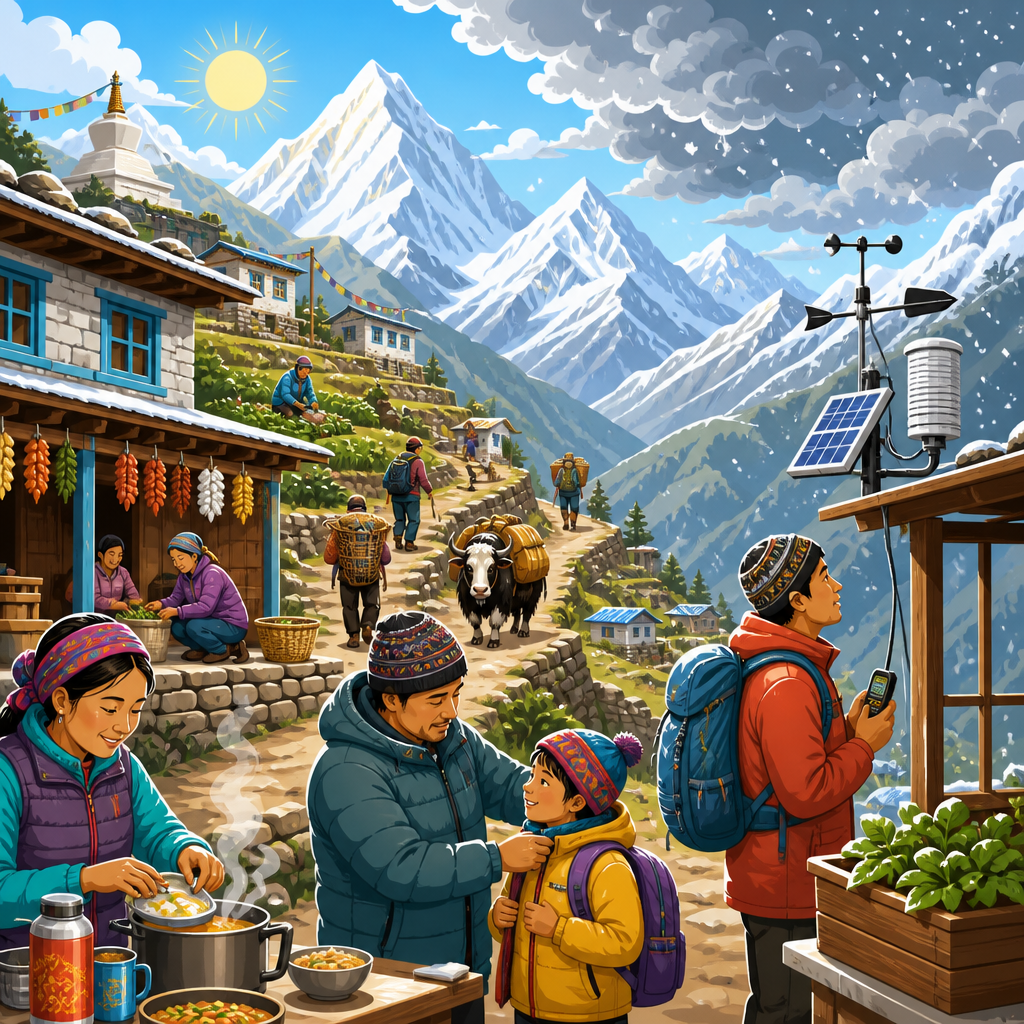
Mountain communities design daily life around altitude and weather because survival, health, work, and culture all change when air gets thinner, temperatures swing faster, and storms can isolate a village within hours. In high-altitude regions, everyday routines are shaped by elevation, topography, seasonality, snowpack, solar exposure, and shorter growing windows. Altitude usually refers to height above sea level, but in practical terms it means lower oxygen pressure, stronger ultraviolet radiation, colder average temperatures, and larger day-night temperature shifts. Weather adds another layer: wind funnels through passes, precipitation can arrive as rain, sleet, or snow within the same day, and freeze-thaw cycles affect roads, roofs, water pipes, and crops. I have worked with planners, guides, and local businesses in mountain towns, and one pattern is constant: successful communities do not treat altitude and weather as background conditions. They build calendars, buildings, infrastructure, diets, and social systems around them.
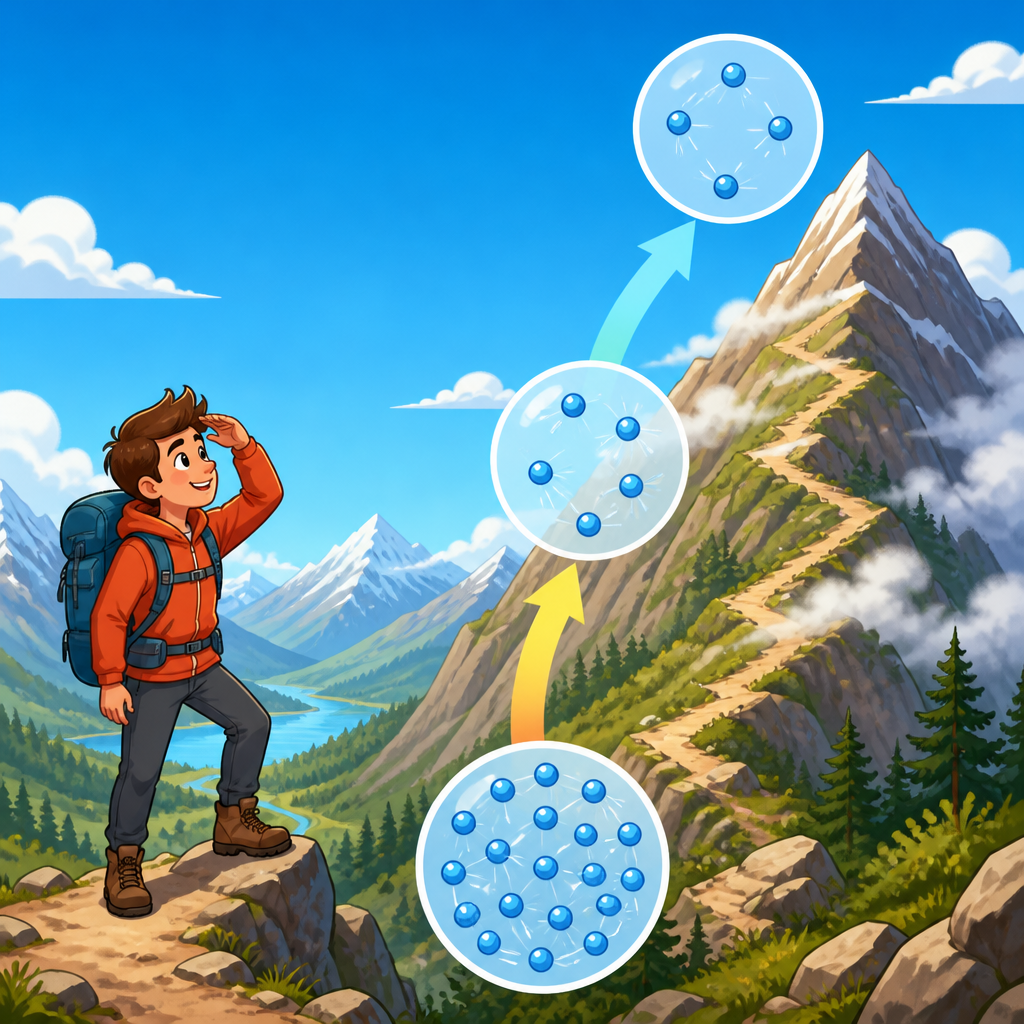
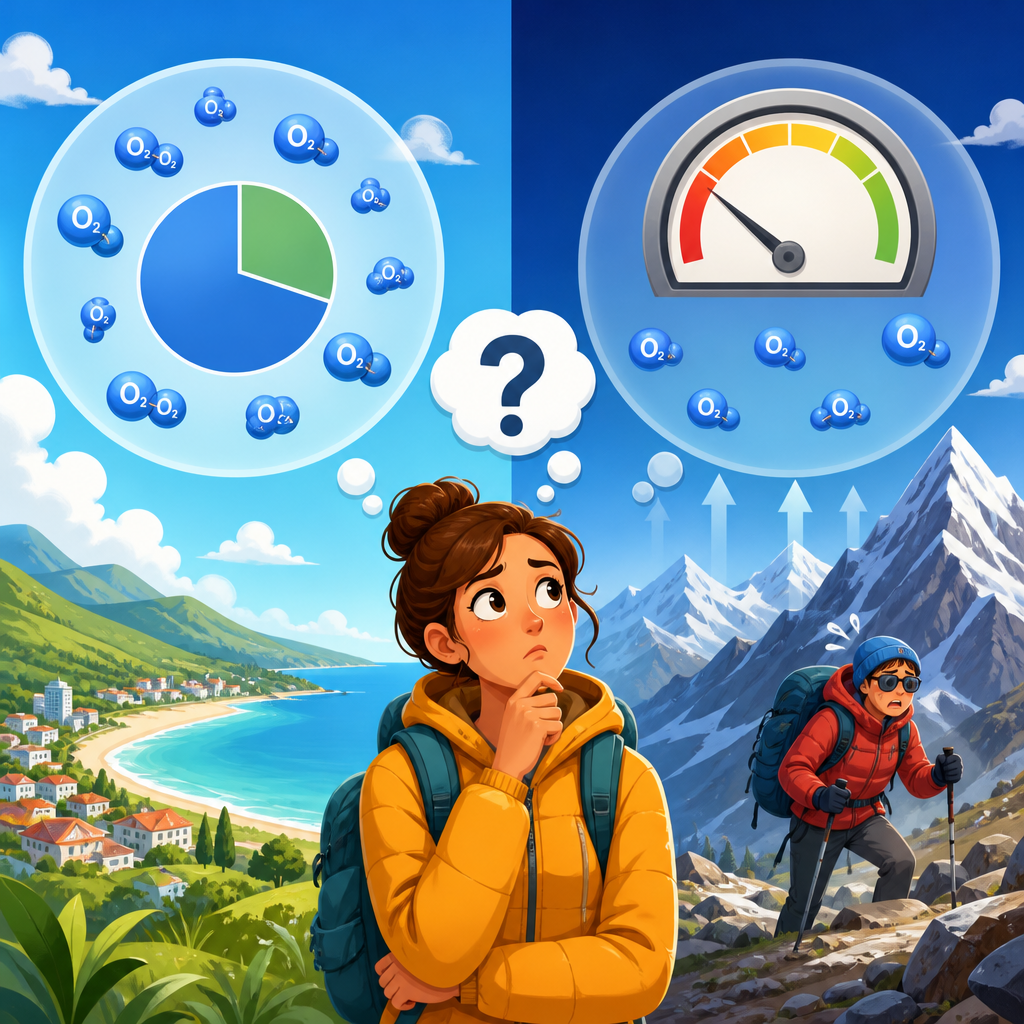
This matters far beyond remote villages. Roughly 15 percent of the world’s population lives in mountain areas or directly depends on mountain systems for water, energy, agriculture, and tourism. Major cities downstream rely on mountain snowpack and glaciers, while global travel has made high-altitude destinations more economically important and more fragile. The science is straightforward. As elevation rises, air pressure falls, reducing the amount of oxygen available with each breath. Above about 2,500 meters, many visitors notice faster breathing, poor sleep, or headaches. At the same time, mountain weather can shift quickly because terrain forces air upward, cools it, and triggers precipitation. Communities that endure over generations learn to read slope aspect, avalanche paths, monsoon timing, and wind direction as carefully as others read traffic signals. Their daily life becomes a practical fusion of environmental science and local culture.
As a hub topic, science and culture belong together because neither explains mountain living on its own. Physiology explains why people acclimatize slowly, but culture explains why meals, work hours, and festivals are timed to support acclimatization and seasonal labor. Engineering explains steep-roof design and retaining walls, but custom explains why homes cluster for wind protection or why livestock shelters sit below living quarters to share heat. Economics explains tourism cycles, but social norms explain mutual aid during storms and why food storage remains a respected household skill. Understanding how mountain communities design daily life around altitude and weather reveals a larger principle: resilience is not a single technology. It is a system of habits, buildings, institutions, and beliefs tested repeatedly by terrain and climate.
Health, physiology, and the tempo of everyday life
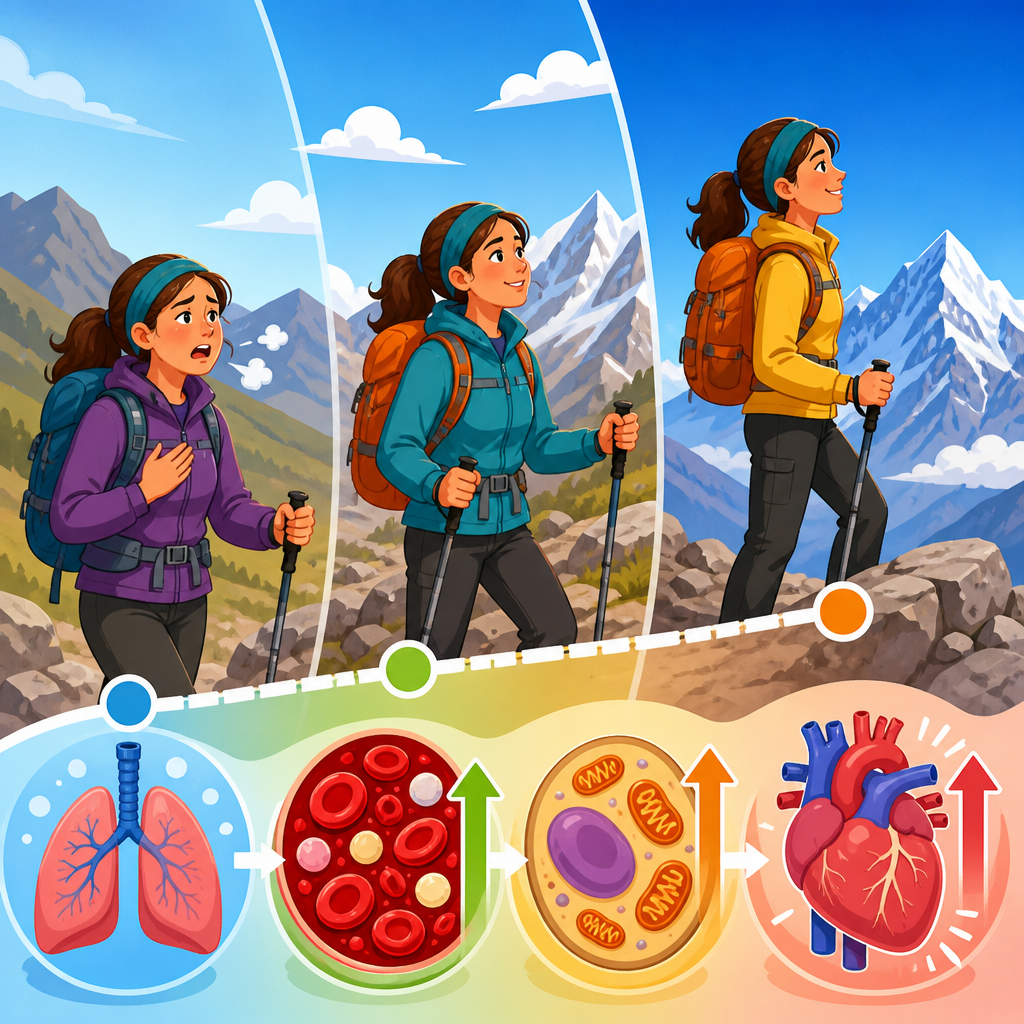
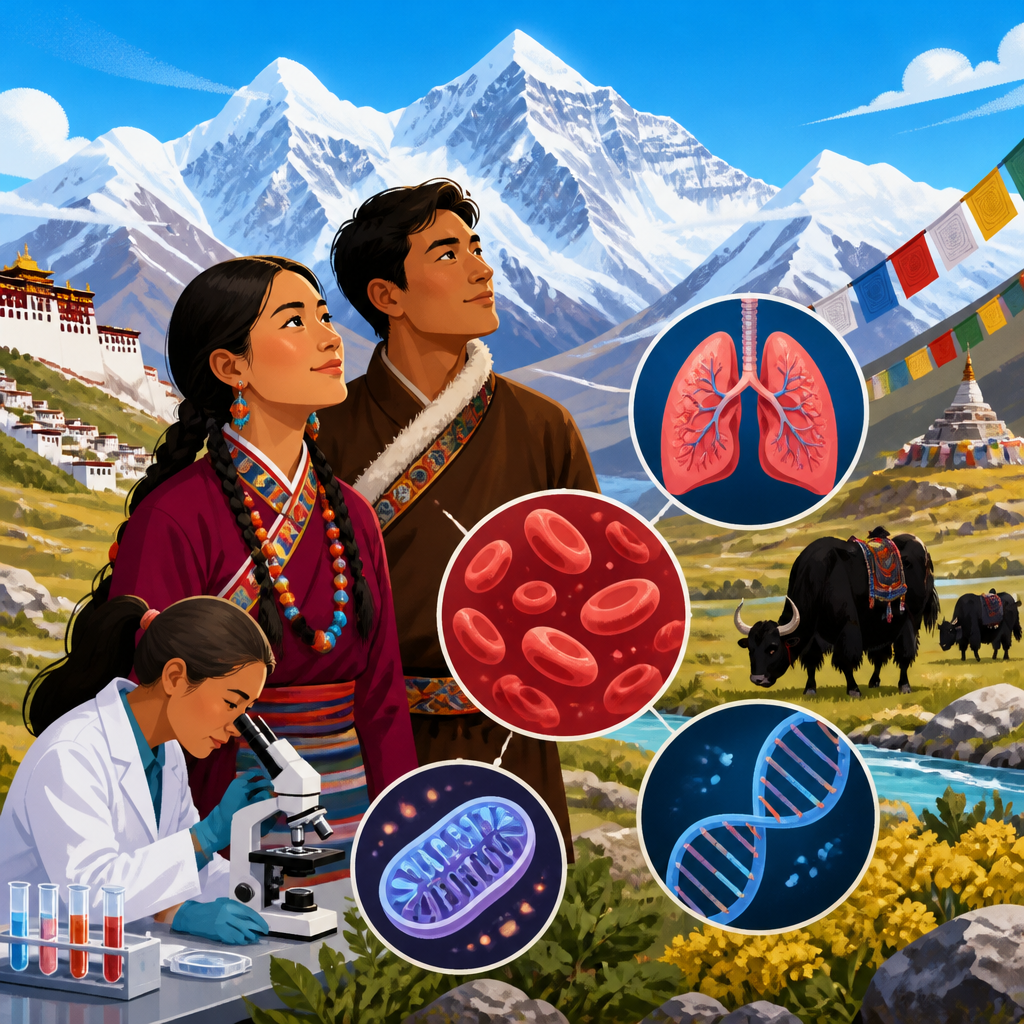
The first design constraint in high places is the human body. Lower oxygen pressure means the body must work harder to deliver oxygen to tissues, especially during exertion. New arrivals often increase breathing rate and heart rate within hours. Over days, the kidneys adjust fluid balance, and over weeks the body can increase red blood cell production. Long-term adaptation varies by population. Research on Andean, Tibetan, and Ethiopian highlanders shows different physiological patterns, proving there is no single mountain body. In daily life, this translates into pacing. In many communities, heavy labor starts after a gradual morning warm-up, school routes are shorter than map distance suggests, and tasks are sequenced to limit needless climbs. Even carrying groceries or water is planned with slope and rest points in mind.
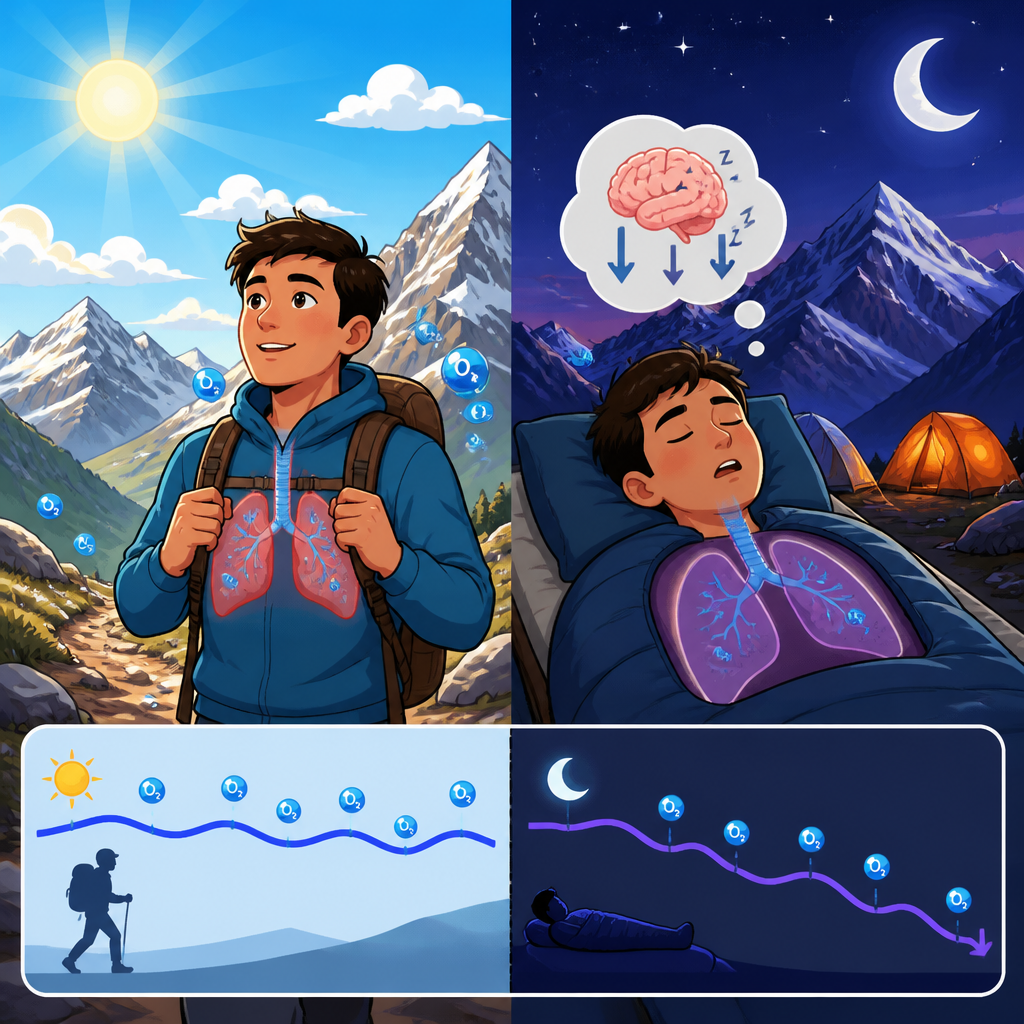
Health design also includes prevention. Clinics in mountain districts routinely educate visitors and seasonal workers about acute mountain sickness, hydration, sun exposure, and cold injury. Ultraviolet radiation increases with elevation, so sunglasses, hats, and protective clothing are not cosmetic choices. Sleep routines matter because high altitude can fragment sleep, especially above 3,000 meters. In places such as Ladakh, Cusco, and high villages in Nepal, people often recommend lighter activity on the first day, warm carbohydrate-rich meals, and steady fluid intake. Those habits are grounded in experience and align with clinical guidance from organizations such as the Wilderness Medical Society. Communities normalize adaptation rather than treating discomfort as personal weakness. That social expectation reduces risk, because people are more likely to rest early than push until symptoms become dangerous.
Homes, infrastructure, and settlement patterns built for slope and storm
Mountain settlement design begins with site choice. A safe and functional location balances sunlight, drainage, access to water, distance from avalanche runout zones, and protection from prevailing wind. South-facing slopes in the Northern Hemisphere often receive more winter sun, reducing ice buildup and heating demand, while valley bottoms may trap cold air or flood during snowmelt. In the Alps, Himalaya, Andes, and Rockies, traditional builders learned to avoid gullies that look convenient in summer but become debris-flow channels during intense rain. They also recognized the difference between a stable terrace and an undercut slope. Modern hazard mapping now confirms much of this inherited knowledge using geotechnical surveys, LiDAR, and snowpack analysis.
Architecture reflects those conditions. Roof pitch is steep where snow shedding matters, but not so steep that wind uplift becomes unmanageable. Eaves are sized to move melting snow away from walls. Foundations must tolerate freeze-thaw cycles, and retaining structures need drainage because trapped water increases pressure and failure risk. In many cold mountain towns, entry vestibules reduce heat loss, boot rooms keep meltwater contained, and balconies are oriented to capture winter light while avoiding dangerous snow loading. Roads require switchbacks, grade control, rockfall protection, and winter maintenance plans. Water systems need buried lines below frost depth or continuous circulation. Power networks often include redundancy because a single storm can isolate a ridge settlement. Good mountain infrastructure is not merely rugged. It is deliberately redundant, inspectable, and easy to repair with limited access.
| Daily challenge | Common mountain design response | Why it works |
|---|---|---|
| Thin air and fatigue | Shorter task blocks, acclimatization days, closer service clustering | Reduces exertion during low-oxygen adjustment |
| Snow load and ice | Steep roofs, snow guards, insulated attics, protected entries | Limits structural stress and dangerous shedding near doors |
| Rapid weather shifts | Layered clothing norms, backup heat, local forecasting habits | Keeps households functioning during sudden cold or storms |
| Short growing season | Terracing, cold-hardy crops, food storage, staggered planting | Maximizes limited frost-free days and preserves surplus |
| Isolation during storms | Mutual aid networks, stocked staples, resilient communications | Maintains safety when roads or passes close |
Food systems, water, and seasonal work
Altitude and weather shape what can be grown, when it can be harvested, and how food must be stored. Short frost-free seasons push communities toward cold-tolerant crops such as barley, potatoes, buckwheat, rye, and hardy brassicas. Terracing is common because it creates flatter planting surfaces, slows erosion, and manages scarce water more precisely. In Peru and Bolivia, potato diversity is not just culinary heritage; it is risk management across microclimates. In Himalayan regions, barley and buckwheat support diets where rice is less reliable. Livestock choices also reflect altitude. Yaks, llamas, alpacas, sheep, and goats convert sparse forage into transport, fiber, manure, and milk. Mixed systems are efficient because they spread risk across weather conditions.
Food preservation becomes a core part of daily life, not a nostalgic extra. Drying, fermenting, curing, smoking, cellar storage, and controlled grain drying all extend nutrition through snowbound months. I have seen households maintain inventories with impressive discipline because a blocked road is not hypothetical; it is a winter certainty. Water management is equally central. Snowpack, springs, glacier melt, monsoon timing, and irrigation channels determine planting decisions and household routines. In many mountain areas, people wake early to use predictable morning water pressure or to move livestock before afternoon storms. Work calendars follow weather windows: hay must be cut and dried quickly, roofs repaired before the first heavy snow, fuel stacked before freeze-up, and paths cleared before school and market days. Daily life feels highly scheduled because missing one narrow seasonal window can create months of consequences.
Mobility, risk management, and social organization
In mountain communities, mobility is never just transportation. It is a constant negotiation with slope, ice, visibility, and time. A ten-kilometer trip can involve altitude gain, river crossings, shaded black ice, and a road exposed to rockfall. That is why vehicles, route choice, and departure times differ from lowland assumptions. School buses may leave earlier to avoid afternoon storms. Delivery schedules may cluster around plowed-road windows. Households keep tire chains, traction tools, radios, headlamps, and spare food as routine gear. In places with avalanche risk, people know which gullies to avoid after fresh snowfall and warming. Public works departments use hazard zoning, culvert maintenance, and snow fencing, but community knowledge remains essential because local terrain creates microhazards that broad forecasts can miss.
Social organization fills the gaps left by geography. Mountain living rewards reciprocity because storms and injuries can cut off formal services. Shared labor traditions, volunteer rescue groups, rotating grazing systems, and neighborhood communication chains are practical institutions, not romantic relics. In the Alps, cooperative management of meadows, forests, and water channels has long reduced conflict and spread maintenance burdens. In Nepal and Bhutan, trails, bridges, and irrigation often depend on collective labor. In North American ski towns, the modern version appears in emergency text trees, wildfire mitigation days, and informal ride sharing during storms. These systems work because they are predictable. People know who checks on elders, who has a generator, who understands first aid, and who can clear a blocked lane. Culture turns hazard response into a daily civic habit.
Identity, ritual, tourism, and adaptation in a warming climate
Mountain culture is shaped by weather not only through labor but through meaning. Festivals often mark transhumance, planting, snowmelt, harvest, or the reopening of passes. Clothing traditions began as climate technology before becoming identity markers. Diets emphasize energy density and warmth because those qualities matter physically at altitude. Architecture, music, storytelling, and local calendars encode practical environmental knowledge. When elders describe the “right” time to move herds or repair channels, they are transmitting climate memory. That memory helps communities interpret subtle changes, such as weaker spring snowpack, later frosts, or new pest pressure. Science increasingly validates these observations through glacier monitoring, stream gauges, satellite snow data, and phenology records.
Tourism adds opportunity and strain. Mountain towns can earn income from skiing, trekking, climbing, spas, and scenic travel, but tourism also raises housing costs, stresses water systems, and can push construction into hazard-prone areas. Communities that manage tourism well set design limits, enforce building codes, diversify beyond one season, and protect year-round residents from displacement. Climate change raises the stakes. Warming reduces snow reliability, increases rain-on-snow events, destabilizes permafrost, shifts wildfire behavior, and alters downstream water timing. Adaptation now includes avalanche forecasting upgrades, fire-resistant defensible space, slope monitoring, distributed energy, and revised crop choices. The key lesson is enduring: mountain communities remain resilient when they align science, culture, and planning instead of treating them as separate worlds. To understand high-altitude life, follow the daily decisions. They show exactly how people turn exposure into knowledge, risk into routine, and difficult terrain into a durable home.
For readers exploring the wider subject of science, culture, and high-altitude communities, this hub offers the core framework. Start with the body: altitude changes oxygen, sleep, hydration, and effort, so daily schedules, health advice, and social expectations all adapt around acclimatization. Then look at place: settlement patterns, roof forms, drainage, road design, and utility systems are responses to snow load, freeze-thaw cycles, wind, and slope instability. Add food and water: short growing seasons, terraced fields, cold-hardy crops, preservation methods, and tightly managed irrigation make seasonal uncertainty livable. Finally, study culture as infrastructure. Mutual aid, seasonal festivals, herding calendars, building customs, and local weather knowledge are not decorative traditions. They are operating systems for life where mistakes can be costly.
The main benefit of this perspective is clarity. Instead of seeing mountain life as simply remote or picturesque, you can see it as a sophisticated model of adaptation. These communities combine physiology, engineering, land management, and social trust in ways many lowland regions can learn from, especially as climate volatility increases. If you are building content, planning travel, researching upland regions, or designing policy, use this article as your starting map and then go deeper into health, architecture, agriculture, hazards, and climate adaptation across the rest of this subtopic.
Frequently Asked Questions
How does high altitude change everyday routines in mountain communities?
High altitude affects daily life in practical, constant ways because thinner air changes how people move, work, sleep, and recover. With less oxygen available at higher elevations, physical tasks can feel harder and take longer, especially for newcomers or seasonal workers who are not acclimatized. As a result, many mountain communities build slower, more deliberate rhythms into the day. Heavy labor is often scheduled for times when temperatures are manageable and weather is more predictable, such as mid-morning after icy surfaces soften slightly but before afternoon winds or storms develop. People may pace chores differently, rest more frequently, and organize household tasks around energy conservation as much as convenience.
Altitude also influences hydration, sun exposure, and indoor living patterns. The air is often drier, and stronger ultraviolet radiation means residents become highly attentive to clothing layers, hats, skin protection, and timing outdoor activity to avoid the harshest sun or the fastest weather swings. In many high-elevation places, homes are arranged to capture warmth, block wind, and use available sunlight efficiently. Even short errands can require planning if steep terrain, snow cover, or sudden cloud buildup make travel harder. Over time, these adaptations stop feeling unusual and simply become the logic of everyday life: wake with conditions in mind, move according to terrain and weather, and always plan for the possibility that the mountain will change the day’s schedule.
Why is weather planning so central to how mountain villages function?
Weather planning is essential in mountain communities because conditions can shift quickly and have immediate consequences for safety, transport, agriculture, and access to supplies. A valley may begin the morning clear and calm, then face dense fog, strong winds, snowfall, or thunderstorms by afternoon. In many mountain settings, a single road, pass, bridge, or trail may connect a village to nearby towns, schools, clinics, and markets. If that route becomes blocked by snow, ice, landslides, avalanche danger, or flooding from rapid melt, the entire community can be temporarily isolated. That reality encourages a culture of anticipation rather than reaction.
Daily life is therefore organized around forecasts, local observation, and seasonal experience. Residents often learn to read cloud patterns, snow conditions, slope exposure, and wind direction with impressive accuracy, not as a hobby but as a survival skill. Households may keep extra food, fuel, medicine, and animal feed because resupply is not always guaranteed. Builders, farmers, teachers, drivers, and shop owners all factor weather into their routines. Construction and repairs are timed around freeze-thaw cycles. School transport may change with road conditions. Deliveries are scheduled before storms. Community events are planned with alternate timing because everyone knows that mountain weather has the final say. This dependence on close weather awareness shapes a more flexible, preparedness-based way of living than in many lower-elevation areas.
How do mountain communities adapt homes, infrastructure, and transportation to altitude and severe weather?
Homes and infrastructure in mountain regions are usually designed with exposure, insulation, drainage, and access in mind. Buildings often prioritize heat retention, roof strength, and orientation to sunlight. In snowy climates, steep roofs may help shed snow, while durable materials protect structures from repeated freezing and thawing. Windows and walls are planned to balance warmth, ventilation, and light, especially in places where winter days are cold but sunny. Entrances, storage spaces, and heating systems are also adapted to local conditions, with room for wet gear, fuel, preserved food, and tools needed for snow clearing or storm response. In windy or exposed zones, structures may be built to reduce heat loss and withstand seasonal storms.
Infrastructure requires similar adaptation. Roads may need retaining walls, avalanche control, snow fencing, switchbacks, and regular maintenance to stay passable on steep terrain. Water systems have to account for freezing temperatures, while drainage channels and slope stabilization are critical where snowmelt and heavy rain can trigger erosion or landslides. Transportation itself is often seasonal and conditional. A route that works in summer may be dangerous or closed in winter, so communities rely on flexible travel habits, specialized vehicles, footpaths, cable systems, pack animals, or coordinated ride-sharing depending on the region. These adjustments are not merely engineering choices; they are reflections of a larger principle in mountain life: built environments must cooperate with altitude, slope, and climate rather than ignore them.
What role do seasons and short growing periods play in work, food, and community life?
Seasonality is one of the strongest organizing forces in mountain communities because the productive window for farming, building, grazing, and transport is often much shorter than it is at lower elevations. Colder temperatures, lingering snowpack, steep terrain, and variable frost dates compress the calendar, which means communities must make careful use of favorable weeks. Planting and harvesting are timed closely to local microclimates, slope orientation, melt patterns, and sun exposure. South-facing slopes may warm earlier, while shaded areas remain frozen longer. Because a missed weather window can affect an entire season’s output, work during peak periods can be intense and highly coordinated.
This seasonal pressure influences food systems and social customs alike. Communities often rely on preservation methods such as drying, fermenting, curing, cellaring, or storing hardy crops and animal products to bridge long winters or storm-prone months. Livestock movement may follow elevation, with herding patterns shifting through the year as pasture conditions change. At the same time, seasonal transitions often shape festivals, maintenance routines, and collective labor traditions. People repair roofs before snow, clear irrigation channels after thaw, stack fuel before winter, and coordinate planting or harvest with neighbors when labor is limited and timing matters. In this way, altitude and weather do not just affect economics; they help define the annual rhythm of family life, diet, cooperation, and local identity.
How do altitude and mountain weather influence health, culture, and long-term resilience?
Altitude and mountain weather affect health both directly and indirectly. Thinner air can cause shortness of breath, fatigue, headaches, sleep disruption, and reduced physical performance, especially for those who are newly arrived or medically vulnerable. Cold exposure, dry air, and strong ultraviolet radiation add additional stress, making proper clothing, shelter, hydration, and pacing essential parts of wellness. Access to medical care may also be shaped by weather and terrain, so prevention matters more when a storm or blocked road can delay treatment. For that reason, many mountain communities develop strong habits around self-monitoring, local first-aid knowledge, neighbor support, and practical readiness.
These environmental pressures also help shape culture. People who live with altitude and rapid weather changes often develop traditions rooted in observation, mutual aid, and respect for place. Shared knowledge about safe travel, snow conditions, water sources, seasonal signs, and animal behavior is passed across generations because it remains useful. Architecture, clothing, cuisine, and festivals commonly reflect the realities of cold seasons, limited growing windows, and the need to make the most of brief productive periods. Over the long term, resilience in mountain communities comes from combining experience, local ecological knowledge, and adaptive planning. Whether the issue is snowpack variability, changing storm patterns, or shifting water availability, communities that thrive are usually those that treat altitude and weather not as occasional obstacles, but as core factors around which healthy, durable daily life must be designed.