How fast should you ascend with a dog? The safest answer is slowly enough that your dog can acclimate, hydrate, rest, and be observed for early signs of altitude sickness before you gain substantially more elevation. In practical terms, most healthy dogs do best when elevation gain is staged, especially once you sleep above roughly 8,000 feet, because rapid ascent increases the chance of hypoxia-related stress, dehydration, gastrointestinal upset, and dangerous complications such as high-altitude pulmonary edema. I have planned mountain trips with working dogs, trail dogs, and older pets, and the pattern is consistent: dogs that are fit at sea level can still struggle badly if they are driven upward too fast. Understanding dogs and altitude sickness matters because more owners now travel from low elevations to ski towns, trailheads, and camps in a single day, often assuming that if a dog can run hard, it can tolerate thin air. That assumption causes preventable emergencies.
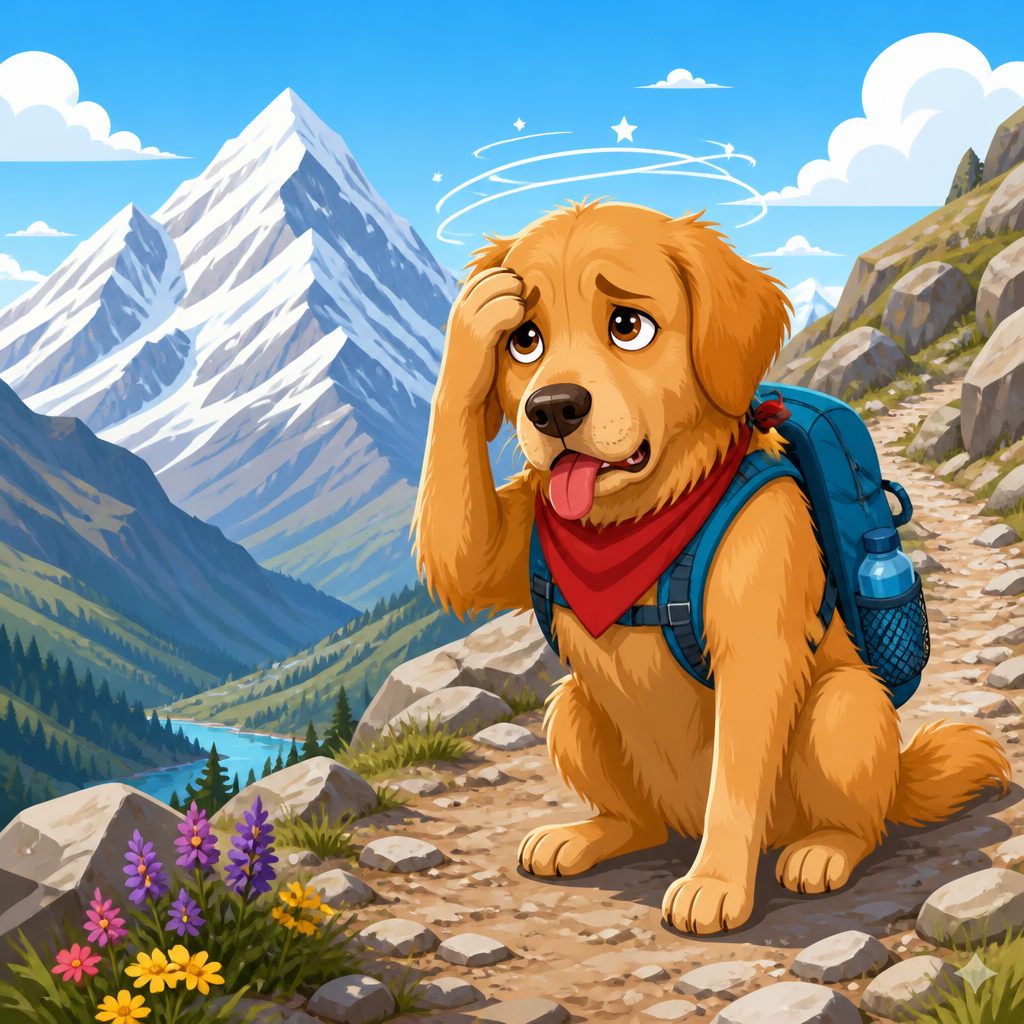
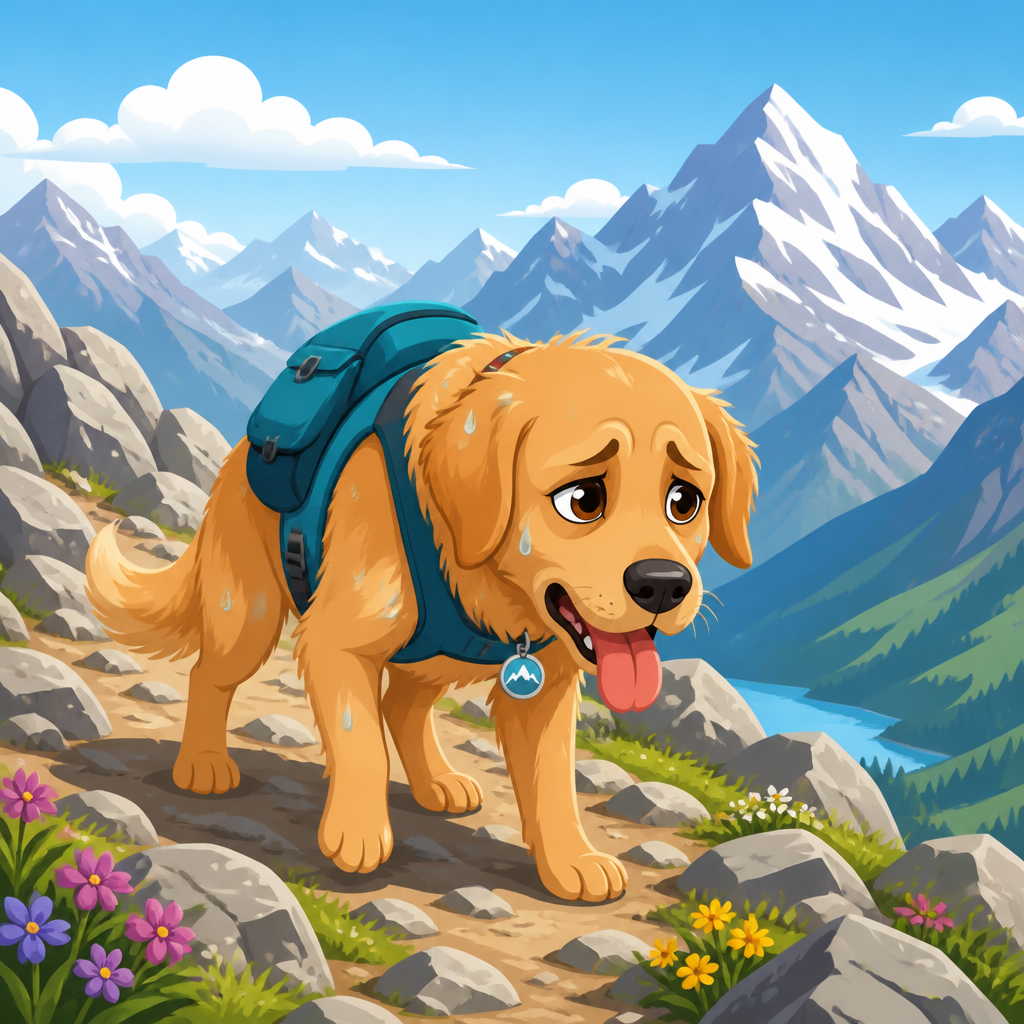
Altitude sickness in dogs refers to illness caused by reduced oxygen availability at higher elevation. Veterinarians may describe the underlying problem as hypobaric hypoxia, meaning lower air pressure leads to less oxygen entering the bloodstream with each breath. Dogs cannot explain headache, dizziness, or nausea the way humans can, so owners must read indirect signs: unusual panting at rest, lethargy, refusal to eat, stumbling, vomiting, pale or bluish gums, persistent coughing, or a sudden unwillingness to continue. Severity ranges from mild acclimation stress to life-threatening fluid buildup in the lungs. Breed, age, cardiovascular health, airway anatomy, weather, exertion level, and sleeping altitude all affect risk. Short-nosed dogs, dogs with heart or lung disease, puppies, seniors, and overweight dogs deserve extra caution. The core principle is simple: gain altitude conservatively, monitor continuously, and descend early if symptoms appear.
How quickly can most dogs ascend safely?
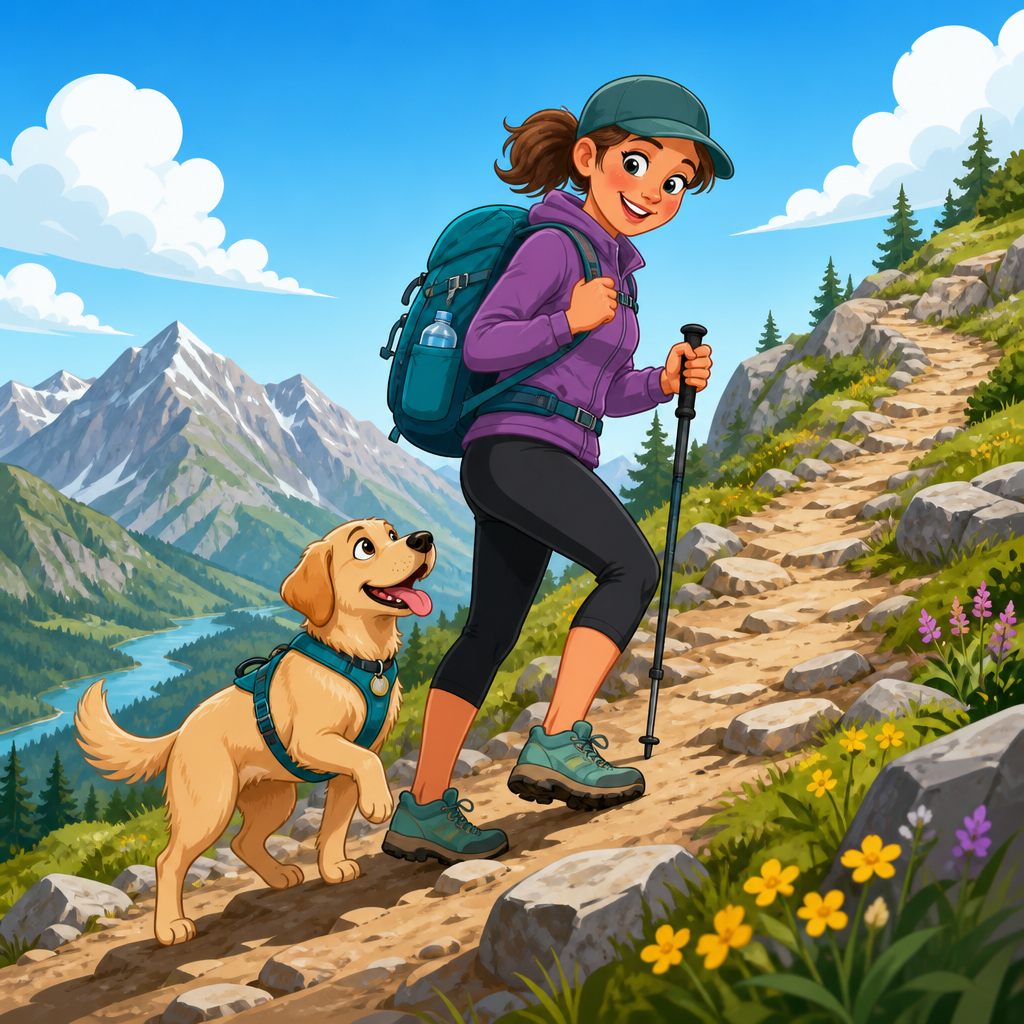
For most healthy adult dogs, a conservative ascent rate mirrors prudent human mountain travel more than people expect. If you are coming from low elevation, avoid jumping from near sea level to strenuous activity above 8,000 to 10,000 feet on the same day whenever possible. A practical guideline is to spend a night around 5,000 to 7,000 feet first, then limit the next day’s sleeping elevation increase to roughly 1,000 to 1,500 feet when moving higher. Day hikes higher than camp are often tolerated better than sleeping high, provided the dog returns to a lower sleeping altitude, has access to water, and is not pushed into prolonged all-out effort. This is not a guaranteed formula; it is a risk-reduction strategy based on how acclimatization works. Thin air affects oxygen delivery immediately, while physiologic adaptation takes time.
If your dog lives at altitude already, it will generally tolerate local hikes much better than a flatland dog arriving for a weekend. Acclimatization is not the same as fitness. I have seen strong hunting dogs from low elevation show marked fatigue on the first day in Colorado, while a less athletic local dog moved comfortably at the same pace. Owners should also distinguish driving altitude from climbing altitude. Driving from Denver to a 10,000-foot trailhead and starting a steep hike right away compresses exposure, exertion, and dehydration into one risk window. The safer version is arriving, walking briefly, letting the dog rest, feeding modestly, checking water intake and urine output, then choosing an easier first outing. When in doubt, slow the itinerary rather than trying to test your dog’s limits in the mountains.
What altitude makes dogs sick, and which dogs are most at risk?
There is no exact threshold at which every dog develops altitude sickness, but risk increases meaningfully as you move above 8,000 feet and rises further above 10,000 feet, especially with exertion or overnight stays. Some dogs show mild signs lower than that if they ascend very rapidly, are stressed, or have hidden medical issues. High wind, cold temperatures, and dry air can compound the problem because they increase respiratory water loss and energy demand. A dog that skips water, pants heavily, and runs hard in thin air can deteriorate quickly even on a moderate trail.
Several groups deserve special caution. Brachycephalic breeds such as Bulldogs, Pugs, and Boston Terriers already have anatomical airway limitations, so reduced oxygen pressure can affect them earlier and more severely. Dogs with collapsing trachea, laryngeal paralysis, chronic bronchitis, heart murmurs, pulmonary hypertension, anemia, or obesity also have less reserve. Very young and very old dogs may have weaker tolerance for temperature swings, dehydration, and prolonged exertion. Sporting and working breeds often have strong motivation that masks fatigue; they may keep going long after they should have stopped. That is why owner judgment matters. A veterinarian can assess fitness for high-altitude travel, and for dogs with known cardiopulmonary disease, that check should happen before the trip, not after a problem starts.
Signs of altitude sickness in dogs and when to descend immediately
Early signs are often subtle. The dog may lag behind, stop seeking treats, pant disproportionately to effort, or seem anxious and unusually clingy. As the problem worsens, you may see vomiting, diarrhea, excessive drooling, glassy eyes, weakness, stumbling, confusion, or collapse. Respiratory signs deserve the most urgency: coughing, noisy breathing, blue-tinged gums, flared nostrils, or rapid breathing that does not settle with rest. In severe cases, high-altitude pulmonary edema can develop, meaning fluid leaks into the lungs. A dog with pulmonary edema may cough frothy fluid, refuse to lie down, or look panicked because breathing feels impossible. That is an emergency.
The decisive treatment for suspected altitude illness is descent. Do not wait for symptoms to “burn off” during continued climbing. Stop exertion, keep the dog warm but not overheated, offer small amounts of water, and descend to a lower elevation as directly as terrain allows. If you have vehicle access, use it. If your dog cannot walk safely, carry it if possible or seek rescue assistance. Supplemental oxygen, if available through veterinary or some backcountry rescue settings, can stabilize a severely affected dog, but oxygen does not replace descent and veterinary care. A useful field rule is this: if signs are worsening after rest, or if breathing is abnormal at rest, the trip is over and the priority is getting lower fast.
How to acclimate a dog before hiking, camping, or skiing at elevation
Good acclimation starts before the mountain. Build aerobic conditioning gradually at home, maintain a lean body weight, and schedule a veterinary exam for any dog with prior respiratory, cardiac, or exercise intolerance issues. Ask specifically whether your dog is a poor candidate for high elevation. Then design the trip around adaptation rather than mileage. On day one, keep activity light. Use leash walks, not summit pushes. Feed normally but avoid one large pre-hike meal, which can worsen nausea or bloat risk in deep-chested breeds. Bring familiar food and treats because some dogs eat less at altitude, and appetite is one of your best monitoring tools.
Paw care and sleep also matter. Dry alpine ground, talus, ice crust, and hot sun on exposed rock can damage pads and increase stress hormones, which indirectly worsens recovery. Plan shaded breaks, protect against cold nights, and never underestimate how much rest helps acclimatization. Dogs need downtime just as humans do. If you are camping, a warm insulated pad reduces overnight energy expenditure. If you are staying in a lodge or rental at altitude, keep the first evening quiet and avoid repeated stair sprints, fetch sessions, or rough play. Acclimation is a whole-system process, not only a lung issue.
| Travel scenario | Safer ascent plan | What to watch for |
|---|---|---|
| Sea level to mountain town at 6,500 feet | Drive up, short leash walks only, sleep one night before a real hike | Resting panting, poor appetite, unusual fatigue |
| First overnight above 8,000 feet | Limit exertion that day and keep sleeping gain modest the next night | Vomiting, cough, disturbed sleep, refusal to continue |
| Day hike to 10,000 to 12,000 feet | Start early, pace slowly, return to lower camp or lodging | Stumbling, glassy eyes, heavy panting at rest |
| Senior dog or brachycephalic breed | Choose lower elevation, shorter outings, and more frequent breaks | Noisy breathing, overheating, prolonged recovery |
Hydration, nutrition, weather, and exertion: the factors owners overlook
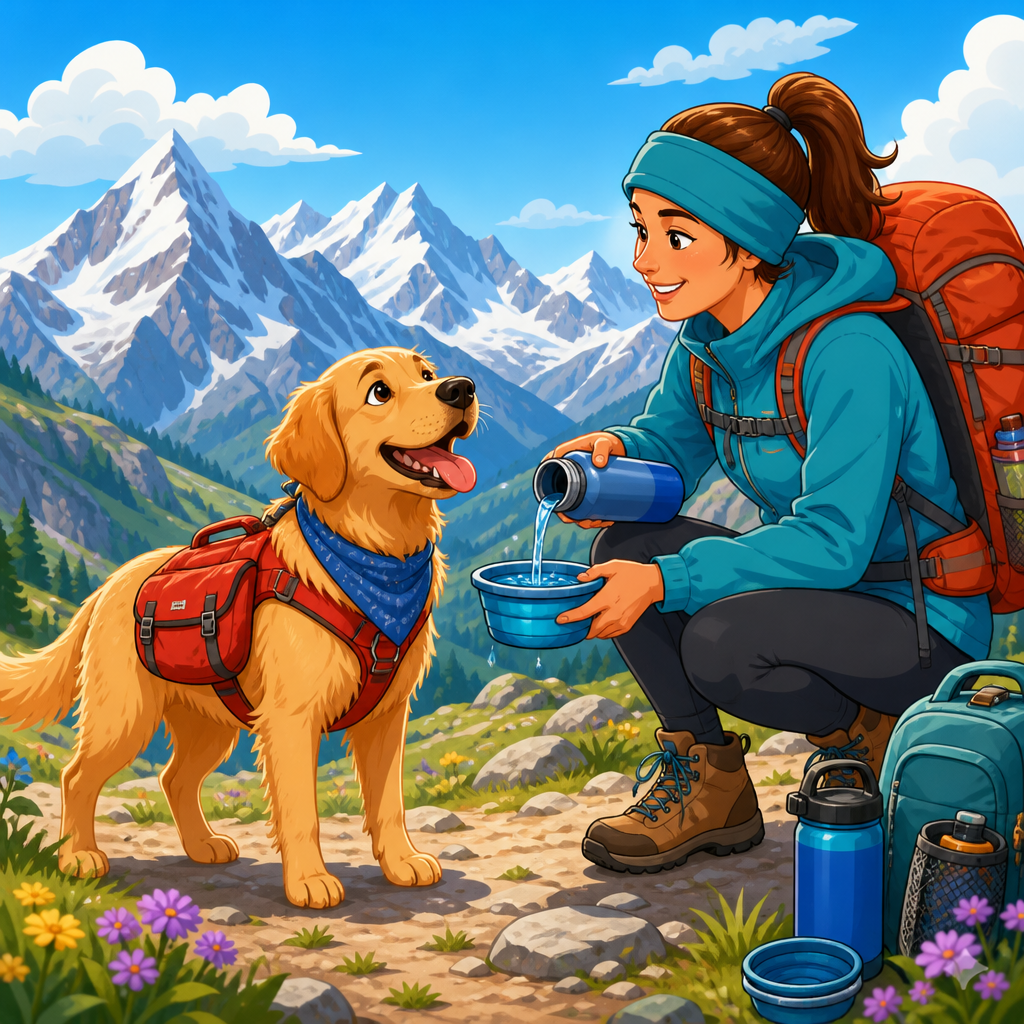
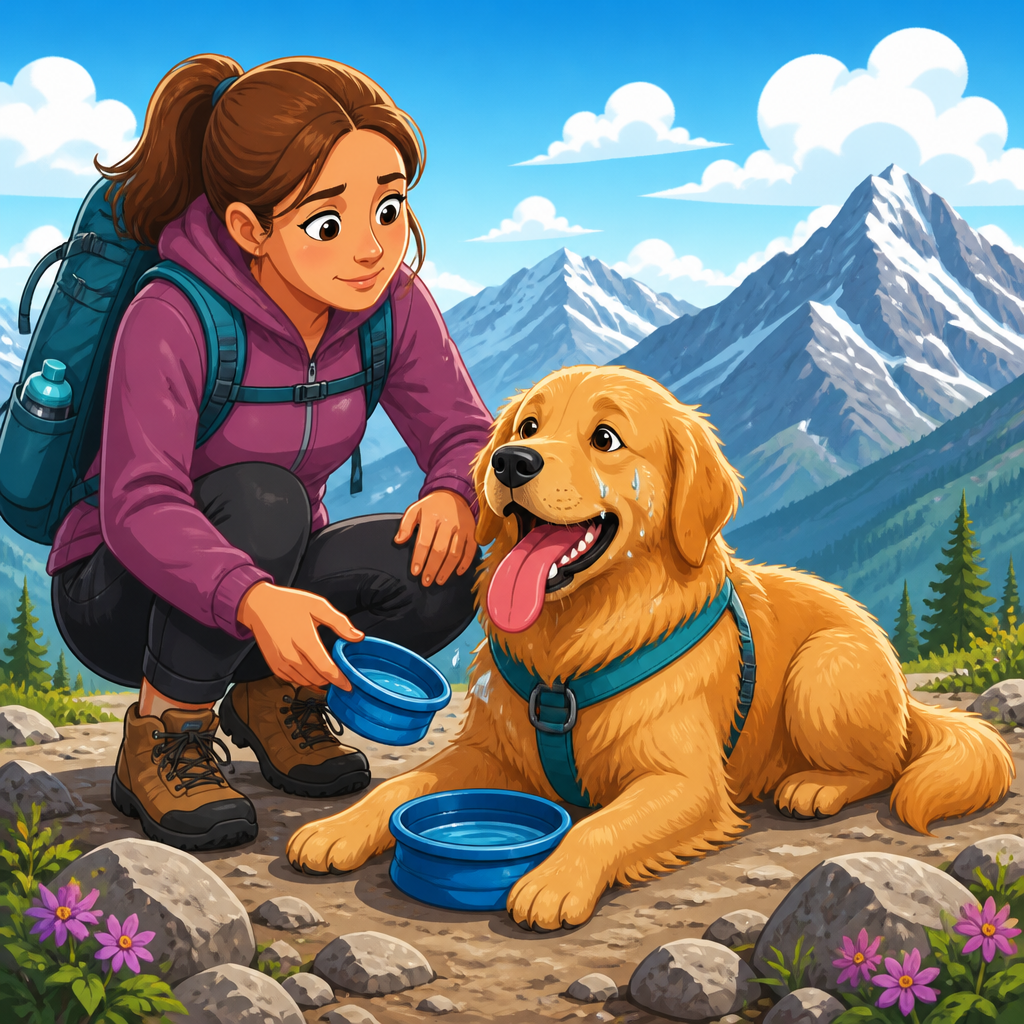
Most altitude problems in dogs are not caused by elevation alone. They are caused by elevation plus poor hydration, overexertion, sun exposure, and owner optimism. Dogs lose water quickly through panting in dry mountain air, and many drink less than they should when excited or distracted. Carry more water than you think you need and offer it often instead of waiting for obvious thirst. Portable bowls work better than asking dogs to drink from icy streams, and untreated surface water can contain Giardia or other pathogens. Some owners use canine electrolyte products, but plain water is usually the foundation unless your veterinarian recommends otherwise.
Nutrition should support steady energy without gastrointestinal upset. For long hikes, small snack breaks are usually better than one heavy feeding. Working and sporting dogs may need higher caloric intake over multiday trips, but abrupt diet changes often backfire. Weather amplifies risk in both directions. Cold air can irritate airways and increase caloric demand, while strong sun at altitude raises heat stress despite moderate ambient temperature. Snow travel is particularly deceptive; dogs can overheat under dense coats while owners assume conditions are cool. Exertion should be managed by terrain, not enthusiasm. Ball chasing at 9,000 feet is a poor idea on day one because sprint intervals spike oxygen demand far more than steady walking. Many altitude incidents start with a dog that looked “fine” until the second hour.
Breed-specific and medical considerations for high-altitude travel
Not every dog is a suitable mountain companion. Brachycephalic dogs face the clearest limitations because stenotic nares, elongated soft palate, and other airway issues reduce airflow before altitude is even added. In these dogs, mild stress can become a breathing crisis quickly. Giant breeds and deep-chested breeds add another planning layer because fatigue, orthopedic strain, and bloat risk complicate travel. Herding and retriever breeds often perform well if acclimated, but their drive can hide exhaustion, so they still need structured pacing. Sled-type and northern breeds may tolerate cold well, yet that does not make them immune to altitude illness.
Medical history changes everything. A dog with a heart murmur may have an innocent condition or a disease that reduces exercise safety at altitude. Dogs with prior pneumonia, chronic airway disease, anemia, or seizures warrant specific veterinary guidance. Ask whether altitude, cold, or exertion could interact with prescribed medications. Sedatives, for example, may alter breathing or coordination and should never be used casually to “calm” a dog in the mountains. If your dog has had unexplained collapse, chronic cough, or exercise intolerance at home, postpone the trip until diagnostics are complete. The mountain is not the place to discover hidden cardiopulmonary disease.
Emergency response, veterinary treatment, and trip planning best practices
If your dog develops suspected altitude sickness, first reduce demand on the body: stop, rest, shade or warm the dog appropriately, and assess breathing, gum color, gait, and responsiveness. Then descend. Call the nearest veterinary clinic while en route so the team can prepare oxygen, imaging, and supportive care if needed. Veterinary treatment may include oxygen supplementation, chest radiographs, pulse oximetry, careful fluid management, anti-nausea medication, and monitoring for pulmonary edema or aspiration. Do not give human altitude medications unless a veterinarian has specifically prescribed them for your dog; dosing and indications are not interchangeable.
Smart trip planning prevents most problems. Research the altitude of your lodging, trailhead, and highest point, not just the town name. Identify the nearest emergency veterinarian, note whether cell service is reliable, and carry proof of rabies vaccination if you are crossing regions or using public facilities. Pack a canine first-aid kit with booties, bandage material, tweezers, a thermometer, any prescribed medications, and an emergency sling or harness. Keep identification current. For hub readers exploring related topics, useful next steps include detailed guides on hiking with senior dogs, brachycephalic dog travel safety, canine first aid for respiratory distress, and how to choose altitude-safe trails. The big lesson is straightforward: most dogs can enjoy mountains, but very few dogs benefit from a fast ascent.
The right ascent speed for a dog is the slowest pace that preserves normal breathing, appetite, energy, and coordination while allowing real acclimatization between gains in sleeping elevation. For a healthy dog coming from low elevation, that usually means an easy first day, a night at moderate elevation if possible, modest increases afterward, and immediate descent if abnormal signs appear. Altitude sickness in dogs is not rare, not always dramatic at first, and not prevented by fitness alone. It is influenced by sleeping altitude, breed, age, body condition, weather, hydration, and the kind of effort you ask for in thin air.
Owners who do best in the mountains treat altitude as a medical and logistical variable, not just a scenery upgrade. They know their dog’s baseline behavior, plan conservative itineraries, watch for subtle changes, and turn around early without trying to salvage the route. That approach protects the dog and usually leads to better trips overall. If you are building a safe high-country routine, start with a veterinary check, choose a slower itinerary than you think you need, and use this hub as your foundation for every dogs and altitude sickness decision that follows.
Frequently Asked Questions
How fast should you ascend with a dog to higher altitude?
The safest approach is to ascend slowly enough that your dog has time to acclimate before you add substantially more elevation. In general, staged elevation gain is the most sensible plan, especially once you will be sleeping above about 8,000 feet. Rather than driving from low elevation to a very high trailhead and immediately asking your dog to hike hard, it is better to build in time for rest, hydration, bathroom breaks, meals, and close observation. A gradual schedule lowers the risk of altitude-related stress, dehydration, gastrointestinal upset, and more serious complications tied to low oxygen exposure.
For many healthy dogs, “slowly” means limiting big jumps in sleeping elevation whenever possible and avoiding intense exercise on the first day at a new altitude. If you can, spend a night at a moderate elevation before going higher. Once you arrive, keep activity lighter than usual and monitor your dog closely for any change in breathing, energy, appetite, coordination, or behavior. There is no single perfect number that fits every dog, because age, fitness, breed, underlying medical issues, temperature, and prior altitude experience all matter. The key principle is simple: if your dog has not had time to adapt, do not keep pushing upward.
What are the early signs that a dog is not tolerating altitude well?
Early signs of altitude trouble in dogs can be subtle at first, which is why a slow ascent matters so much. Common warning signs include unusual fatigue, excessive panting even when the effort level is low, restlessness, reduced appetite, nausea, vomiting, diarrhea, reluctance to continue, weakness, or seeming “off” compared with your dog’s normal behavior. Some dogs may appear anxious or have trouble settling down to rest. Others may lag behind, lie down more often, or lose interest in food and water.
More serious signs require immediate action. These can include persistent coughing, labored breathing at rest, blue-tinged gums, collapse, confusion, severe lethargy, poor coordination, or an inability to recover after mild exertion. These symptoms may indicate dangerous altitude-related illness and should never be ignored. If you notice anything concerning, stop ascending right away. Rest your dog, encourage hydration if they are able, and descend to a lower elevation as soon as safely possible. When signs are moderate to severe, or when symptoms do not improve quickly with rest and descent, urgent veterinary care is the right move.
Does sleeping altitude matter more than daytime hiking elevation?
Yes, sleeping altitude is often one of the most important factors in acclimatization. A dog may tolerate a daytime outing to a higher elevation better if they return to sleep lower, because the body gets more recovery time in denser oxygen. Problems become more likely when a dog is taken rapidly to a high sleeping elevation without time to adjust first. That is why staged overnight stops can be so helpful, particularly once your trip moves above roughly 8,000 feet.
Even if your dog seems fine during a short hike, symptoms can appear later after a rapid gain in sleeping elevation. Overnight, you may notice restlessness, heavier breathing, poor appetite, or unusual fatigue the next morning. For that reason, many experienced hikers and travel veterinarians emphasize conservative overnight planning rather than focusing only on the miles covered during the day. If your route allows it, climb higher during the day only if your dog is comfortable, then return to a lower camp or lodging to sleep. This simple strategy can make a meaningful difference in how well your dog handles altitude.
Which dogs need an even slower ascent or may not be good candidates for high altitude?
Some dogs need extra caution because they are more vulnerable to reduced oxygen, cold stress, overexertion, or dehydration. Puppies, senior dogs, overweight dogs, and dogs with heart disease, respiratory disease, anemia, or other chronic medical conditions often need a more conservative plan. Brachycephalic breeds, such as Bulldogs, Pugs, and Boston Terriers, may be at higher risk because their airway anatomy can already make breathing less efficient. Dogs with a history of exercise intolerance or heat stress also deserve closer scrutiny before any high-altitude trip.
Fitness helps, but it does not guarantee altitude tolerance. A very athletic dog can still become sick if the ascent is too fast. Temperament matters too: highly driven dogs may ignore fatigue and keep going until they are in trouble, while stoic dogs may hide early symptoms. If your dog falls into a higher-risk group, talk with your veterinarian before the trip, especially if you are planning to sleep high or travel to remote terrain. In some cases, the safest answer may be a lower-altitude adventure, a slower itinerary, or deciding that the destination is not appropriate for that individual dog.
What should you do to help a dog acclimate safely during an ascent?
Start with a realistic itinerary. Build in time for your dog to adjust, especially before sleeping high or doing strenuous activity. Keep the first day easier than usual, offer frequent water, and encourage regular rest breaks even if your dog seems eager to continue. Feeding normal meals, avoiding sudden diet changes, and watching for signs of nausea or diarrhea can also help. In dry mountain air, dogs can dehydrate faster than owners expect, so hydration should be an active priority, not an afterthought.
Observation is just as important as pacing. Check your dog’s gum color, breathing effort, energy level, coordination, appetite, and interest in the environment. Protect paws from rough terrain, avoid the hottest part of the day, and do not assume that a dog who is still moving is doing well. If your dog shows any concerning symptoms, stop gaining elevation. If signs persist or worsen, descend promptly and seek veterinary care when needed. The safest ascent is never about reaching a certain speed or mileage target. It is about matching the pace to your dog’s response and giving them every chance to acclimate before asking for more.