Cooking beans at altitude is one of the clearest examples of how mountain conditions change everyday food science, because dried beans that soften predictably near sea level often stay tough, split unevenly, or take far longer once elevation lowers boiling temperature. In this cooking methods hub, “altitude” means locations generally above 3,000 feet, where atmospheric pressure drops enough to affect simmering, evaporation, and pressure differentials inside foods. “Stovetop” refers to conventional soaking and simmering in an open or partially covered pot, while “pressure cooker” includes stovetop and electric models that trap steam and raise the cooking temperature above the local boiling point. The distinction matters because beans depend on sustained heat, moisture, and time to gelatinize starches and dissolve pectins in their cell walls. I have tested pintos, black beans, chickpeas, and cannellini beans in both methods across elevations from roughly 5,000 to 8,000 feet, and the pattern is consistent: altitude magnifies small process errors. If you under-soak, salt too late, use old beans, or let the pot boil hard, the penalty grows. If you choose the right method, however, altitude does not stop you from getting creamy centers and intact skins. This article explains how each method works, where each shines, and how to decide which cooking path fits your kitchen and the bean dish you want.
Why altitude changes bean cooking
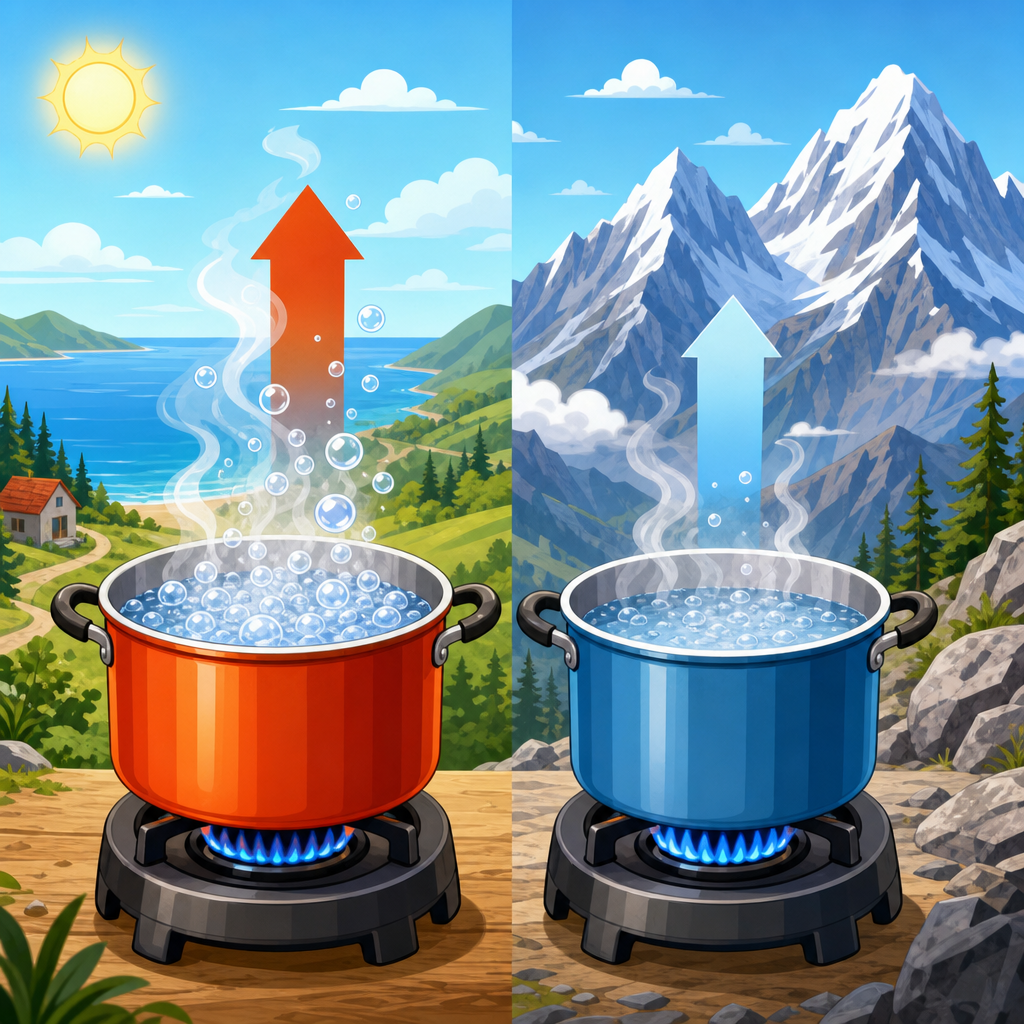
At higher elevations, water boils at a lower temperature than 212°F. Around 5,000 feet, boiling is close to 203°F, and by 7,500 feet it is lower still. Beans cooked in an open pot therefore simmer in cooler water, which slows starch gelatinization and softening of hemicellulose and pectin in the seed coat. That is why a pot of chickpeas that might finish in 90 minutes near sea level can take two to three hours in Denver or Santa Fe. Lower pressure also increases evaporation, so the water level drops faster and beans can become exposed, leading to uneven cooking and split skins.
Bean age matters even more at altitude. Old beans lose internal moisture over storage and can develop the hard-to-cook defect, especially when stored warm. Minerals in water also matter. Hard water high in calcium and magnesium can reinforce pectin structure and delay softening. Acids from tomatoes, vinegar, wine, or molasses likewise slow softening if added early. Salt is different: despite old kitchen myths, salting the soaking water or early cooking water generally improves flavor and can help beans cook more evenly by seasoning the interior. The practical takeaway is simple: at altitude, method choice is important, but ingredient handling is just as important.
Stovetop beans at altitude: strengths, limits, and best uses
The stovetop method gives the cook maximum control. You can watch the foam, adjust the simmer, test texture every 15 minutes, and decide exactly when to add aromatics, salt, or acidic ingredients. For brothy beans, baked bean preparations, and recipes where bean liquor is part of the final dish, this control is valuable. A Dutch oven or heavy stockpot with a tight lid works best because it buffers temperature swings and reduces evaporation. At altitude, I recommend starting with beans sorted and rinsed, soaking them in salted water for 8 to 12 hours when possible, draining, then simmering in fresh water with enough headroom for expansion.
The key with stovetop cooking is maintaining a true simmer, not a rolling boil. Aggressive boiling breaks skins, especially on black beans and cannellini, while under-heating prolongs the cook. Keep beans covered by at least 1 to 2 inches of water throughout cooking. Many mountain cooks need to add near-boiling water two or three times during a long batch; adding cold water can slow the pot and toughen skins temporarily. A lid set slightly ajar usually balances steam retention with boil-over control. For aromatic flavoring, onions, garlic, bay, and chile can go in early, but tomatoes, citrus, and vinegar should wait until beans are nearly tender.
Stovetop drawbacks are time and inconsistency. An altitude batch of unsoaked pintos may take three hours or more, and even soaked beans can vary widely because bean age is rarely labeled. Energy use is higher, and electric coil or weak gas burners can struggle to hold a steady low simmer. Still, for cooks who want tactile control and are making soups, stews, cassoulet-style dishes, or freezer batches, stovetop remains the most flexible option.
Pressure cooker beans at altitude: why they often perform better
A pressure cooker solves the main altitude problem by increasing the cooking temperature. At full pressure, water can reach roughly 240°F to 250°F depending on the device, far above the local boiling point in an open pot. That higher temperature speeds starch gelatinization and cell-wall breakdown, so beans soften faster and more consistently. In my own altitude tests, soaked black beans that needed about 95 to 120 minutes on the stovetop at 5,500 feet reached a creamy texture in about 18 to 22 minutes at high pressure with a natural release. Chickpeas that stretched beyond two hours open-pot were reliably tender in 35 to 45 minutes.
Pressure cookers also reduce evaporation, preserve more bean liquor, and minimize the need for babysitting. This is especially useful in dry climates, where stovetop pots lose water quickly. For meal prep, pressure cooking is the most dependable route to weeknight beans. It is also the easiest method for beans with thick skins, such as chickpeas and large limas. Stovetop pressure cookers generally reach and maintain slightly higher effective pressure than many electric multicookers, so they can finish beans faster. Electric models trade some speed for convenience and safety features, but both outperform open-pot cooking at altitude.
The limitations are real. Pressure cookers offer less mid-cook visibility, and overcooking can turn delicate beans mushy. Foaming can clog valves if the pot is overfilled or if split peas and lentils are handled carelessly. Most manufacturers recommend filling no more than halfway for beans plus liquid. Quick release can cause vigorous starch foaming, so natural release for 15 to 20 minutes is usually safer and gives more even texture. For dishes where you want immaculate bean skins for salads or specific doneness gradients, pressure cooking takes practice, but the learning curve is worth it.
Stovetop vs pressure cooker: method comparison for common altitude goals
Choosing between stovetop and pressure cooker is easier when you match the method to the result you need. If your priority is speed and reliable tenderness, pressure cooking wins. If your priority is close monitoring, gradual seasoning, and control over broth reduction, stovetop wins. For many cooks, the best workflow is hybrid: pressure-cook beans until nearly tender, then finish them uncovered with aromatics, fat, or acidic ingredients. That gives you pressure cooker efficiency with stovetop flavor development.
| Cooking goal | Stovetop at altitude | Pressure cooker at altitude | Best choice |
|---|---|---|---|
| Fast weeknight batch | Often 90 to 180+ minutes | Usually 20 to 50 minutes under pressure plus release | Pressure cooker |
| Brothy beans with reduced liquor | Excellent control over concentration | Good, but often needs post-cook reduction | Stovetop |
| Even tenderness in old beans | Variable, especially with hard water | More consistent because of higher temperature | Pressure cooker |
| Salad beans with intact skins | Easy to stop at exact texture | Possible, but timing must be precise | Stovetop for beginners |
| Large batch meal prep | Works, but needs supervision and water checks | Highly efficient if fill limits are respected | Pressure cooker |
Bean variety also shifts the decision. Pintos and black beans do well in both methods. Chickpeas, scarlet runners, and other large beans benefit most from pressure. Cannellini and navy beans can become fragile under pressure if the timing is not dialed in, so soaked beans and natural release help. If your water is hard, consider filtered water for either method. If your beans are more than a year old and seem resistant, add a small amount of baking soda to the cooking water, about 1/8 to 1/4 teaspoon per pound, but use restraint because too much can create soapy flavor and damaged texture.
Technique adjustments that matter most at altitude
Soaking is the first big lever. A traditional overnight soak shortens total cook time and usually improves evenness, especially for larger beans. A quick soak, bringing beans to a boil briefly and then resting them for an hour, is helpful but less effective than overnight in my tests. At altitude, I salt the soak at roughly 1 to 1.5 tablespoons of kosher salt per quart of water. This seasons the beans and helps skins stay intact. After draining, cook in fresh water unless you want a more intensely starchy pot liquor.
Water ratio is the second lever. In an open pot, start with generous water because evaporation is relentless in high, dry climates. In a pressure cooker, use enough liquid for safety and even cooking, but do not flood the pot unnecessarily; too much water can dilute flavor and promote splitting. For most pressure-cooked beans, 3 to 4 cups water per cup of dry beans is a practical range, depending on bean size and whether they were soaked. For stovetop, 4 to 6 cups is often more realistic because of losses over time.
Seasoning timing is the third lever. Salt early. Add herbs and alliums early if desired. Add acids late. Fat can go either way: olive oil, bacon, or lard in the pot can improve mouthfeel, but too much fat may increase foaming in pressure cooking. Finally, let beans rest in their cooking liquid for 15 to 30 minutes after they are tender. This equalizes moisture and reduces blown-out skins. That short rest often makes the difference between beans that seem merely cooked and beans that feel creamy and fully seasoned.
Building a reliable bean workflow for mountain kitchens
The most reliable altitude bean routine is repeatable rather than complicated. Buy from stores with good turnover or from specialty suppliers that note harvest freshness. Label purchase dates at home. Sort and rinse every batch. Use filtered water if your tap water is hard. Choose one pot, one bean-to-water ratio, and one release method, then keep notes. A kitchen scale helps because bean size and cup volume vary. I log dry weight, soak time, altitude, cooker type, pressure level, and final texture. After two or three batches, patterns become clear and your timing tightens dramatically.
This hub page connects to the rest of the cooking methods coverage within Cooking & Baking at Altitude. If you are comparing dried versus canned beans, testing electric multicooker timing, troubleshooting foaming, or adapting bean soups and chilis, those focused guides should sit beneath this overview in your kitchen reference system. The core principle across all of them is unchanged: altitude lowers boiling temperature, so either compensate with more time and tighter stovetop control or use pressure to reclaim the heat you lost. If you want creamy beans with less uncertainty, start with a pressure cooker. If you want maximum control over broth and final texture, use the stovetop deliberately. Pick one method, standardize your process, and cook the same bean three times this month. That small experiment will teach you more than any generic timing chart.
Beans at altitude are not difficult once you understand the physics and build a method around it. Open-pot cooking offers visibility, gradual flavor development, and fine control, but it demands more time, more water management, and more attention to bean age and evaporation. Pressure cooking raises the effective temperature, shortens cooking dramatically, and produces the most consistent tenderness in mountain kitchens, especially for chickpeas and older beans. Neither method is universally better; each serves a different cooking goal. What matters is using the right tool for the texture, broth, and schedule you need.
The biggest gains come from fundamentals, not gadgets alone. Start with fresher beans, soak thoughtfully, salt early, delay acidic ingredients, and account for hard water. Keep cooking notes because altitude, pot design, and bean age all change outcomes. If you are building out your own Cooking & Baking at Altitude reference, use this page as the hub for cooking methods and branch into your specific bean questions from here. Then test one stovetop batch and one pressure cooker batch with the same beans, compare the results side by side, and let that data guide your everyday method.
Frequently Asked Questions
Why do beans take so much longer to cook at altitude on the stovetop?
At altitude, the main issue is that water boils at a lower temperature because atmospheric pressure is lower. Once you get above roughly 3,000 feet, that drop becomes noticeable in everyday cooking, and beans are especially sensitive to it. On a conventional stovetop, beans soften as heat, moisture, and time work together to break down their cell walls and gradually gelatinize starches. Near sea level, simmering water is hot enough to move that process along at a fairly predictable pace. In mountain conditions, however, simmering liquid may be several degrees cooler, which means the beans are technically cooking, but much more slowly.
That lower simmering temperature changes more than just the clock. It can lead to uneven softening, where the outer layers begin to weaken while the centers stay firm. It also increases evaporation over long cook times, so the pot may need more frequent topping up with hot water to keep the beans submerged. If the liquid level drops too much, exposed beans can cook unevenly or split. In practical terms, stovetop beans at altitude often require significantly more time than the bag directions suggest, and the exact increase depends on the bean variety, age of the beans, soaking method, water chemistry, and your elevation. That is why cooks at altitude usually need to rely less on standard timing charts and more on testing for tenderness throughout the cooking process.
Is a pressure cooker better than the stovetop for cooking beans at altitude?
In most cases, yes. A pressure cooker is usually the most reliable and efficient way to cook beans at altitude because it solves the exact problem that mountain cooking creates. Instead of being limited by the lower boiling point of water, a pressure cooker raises the pressure inside the pot, which raises the temperature of the cooking liquid as well. That higher temperature lets beans soften more like they would at lower elevations, and often better, because the environment is tightly controlled and less prone to evaporation.
For altitude cooks, the advantages are substantial. Pressure cooking typically shortens total cook time, reduces the need to monitor water levels, and improves consistency from batch to batch. It can also help prevent the drawn-out stovetop simmer that sometimes produces beans with burst skins and stubbornly firm interiors. That said, “better” depends on your goal. If you want a delicate broth, maximum control over doneness, or are cooking fragile varieties that can turn mushy quickly, a stovetop pot may still be useful. But for dependable tenderness in a reasonable time, especially with chickpeas, pintos, black beans, kidney beans, and other commonly used dried beans, the pressure cooker is usually the superior method at altitude.
The one caution is that pressure cooking still is not completely identical to sea-level cooking. Very high elevations can still require modest time adjustments, and bean age remains a major variable. Old beans may resist softening even under pressure. Still, if the question is which method is generally more forgiving and efficient in mountain conditions, the pressure cooker is the clear winner for most home cooks.
How should I adjust soaking, water, and seasoning when cooking beans high in the mountains?
Altitude changes how beans cook, but good preparation still makes a major difference. Soaking is one of the easiest ways to improve results because it starts hydrating the beans before heat is applied. At altitude, that matters even more: pre-soaked beans often cook more evenly and may reduce the total time needed on both the stovetop and in a pressure cooker. An overnight soak is the standard approach, while a quick-soak method can help if you are short on time. Either way, discard the soaking water if that aligns with your preference, then cook in fresh water for a cleaner flavor and more predictable texture.
Water management is critical in mountain kitchens. Because evaporation is greater during long stovetop cooking, beans should be covered with enough liquid to stay fully submerged throughout the simmer. It is smart to keep extra hot water nearby so you can replenish the pot without cooling it down. In a pressure cooker, liquid loss is far lower, but the minimum fill requirements of the appliance still matter, and beans should not be packed too tightly. Adequate liquid helps promote even cooking and reduces scorching.
Seasoning deserves a nuanced approach. Salt used to be blamed for tough beans, but current kitchen experience and food science both suggest that moderate salting does not make beans hard; in fact, salting the cooking liquid can improve flavor throughout the bean rather than just on the surface. Acidic ingredients are different. Tomatoes, vinegar, wine, citrus, and other acids can slow softening if added early, so it is generally best to wait until the beans are nearly tender before adding strongly acidic components. Sugar-rich ingredients can also slow things slightly, especially in baked-style preparations. Aromatics such as onion, garlic, bay leaf, and herbs can go in early, but if you are chasing the most even softening possible at altitude, save acid-heavy additions for later in the process.
Why are my beans still tough, splitting, or cooking unevenly even when I follow the recipe?
Beans that refuse to cooperate are often the result of multiple factors working at once, and altitude amplifies all of them. The first variable is bean age. Older dried beans lose moisture over time and can become dramatically slower to soften, even if they look fine in the bag. A recipe may assume relatively fresh beans, but if your beans have been stored for a long period in a warm pantry or sat on a store shelf for months, they may need far more time than expected. At altitude, where stovetop simmering is already less effective, that difference becomes even more obvious.
Water chemistry can also interfere. Very hard water, which contains higher levels of minerals such as calcium and magnesium, may contribute to firmer bean skins and slower softening. Recipe directions rarely account for this, but your local water can absolutely affect results. Then there is heat management. Beans should be kept at a gentle, steady simmer on the stovetop, not a vigorous boil. A hard boil can batter the skins and cause splitting before the interiors are fully tender. On the other hand, if the heat is too low and the simmer is barely active, progress can stall. At altitude, finding that middle ground matters more because the cooking temperature is already reduced.
Uneven cooking may also come from uneven hydration. If some beans were not fully soaked, or if the pot was not stirred occasionally and the liquid level dropped, some beans may soften while others lag behind. Acidic ingredients added too early can worsen the problem by slowing softening across the batch. In pressure cooking, rapid pressure release can sometimes contribute to split skins, especially with delicate beans. The fix is usually a combination of using fresher beans, soaking consistently, maintaining steady heat, delaying acids, and allowing enough total time. When beans remain stubbornly hard after all reasonable adjustments, the simplest answer may be that the beans are old enough that no recipe tweak will make them cook as expected.
What is the best overall method for tender, consistent beans at altitude: stovetop or pressure cooker?
If your priority is the most dependable path to tender beans, the pressure cooker is generally the best overall method at altitude. It addresses the central challenge of mountain cooking by increasing pressure and therefore increasing cooking temperature, allowing the beans to soften more efficiently than they can in an open pot. For many home cooks, that means fewer surprises, shorter cooking times, and a much lower chance of ending up with beans that are simultaneously split outside and firm inside. It is especially useful for routine meal prep, big batches, and bean varieties that are naturally dense or slow-cooking.
The stovetop still has a place, though, and not just as a backup. It offers more minute-by-minute control, which can be valuable if you want to stop the cooking at a very specific texture for salads, soups, or braises. It also makes it easier to monitor broth development, skim foam if desired, and adjust seasoning gradually. Some cooks prefer the stovetop for small batches or for heirloom beans that can go from perfect to overdone quickly. But at altitude, that extra control comes with tradeoffs: longer cooking, more evaporation, closer supervision, and greater variability.
So the best method depends on what “best” means for you. For efficiency, consistency, and the highest chance of fully tender beans in mountain conditions, choose the pressure cooker. For flexibility, visual control, and a more traditional simmered result, choose the stovetop, knowing that you will likely need patience and active management. In practice, many experienced altitude cooks use both methods: pressure cooker for most beans most of the time, and stovetop when texture precision or broth character is the top priority.