Bryce Canyon acclimatization matters because this park sits high enough to affect breathing, energy, sleep, hydration, and hiking judgment within hours of arrival. Many visitors picture hoodoos, overlooks, and easy scenic walks, but fewer realize that much of Bryce Canyon National Park ranges from about 8,000 to over 9,000 feet above sea level. Acclimatizing means giving your body time to adjust to lower oxygen pressure at elevation so you can enjoy the park safely and comfortably. In practical terms, that includes pacing activity, increasing fluids, moderating alcohol, eating strategically, sleeping well, and recognizing altitude-related symptoms early.
I have planned high-elevation park trips for travelers who expected Bryce to feel like a typical desert stop and were surprised by cold mornings, dry air, and shortness of breath on stairs. Bryce Canyon is often paired with Zion, Capitol Reef, or Grand Canyon itineraries, and that transition can be deceptive. Someone coming from Las Vegas, Phoenix, or sea level may gain thousands of feet in a single day. Even fit hikers notice the difference. You may not develop true altitude illness, but reduced stamina, mild headaches, restless sleep, and faster dehydration are common. That is why a Bryce Canyon travel guide should treat acclimatization as a core planning topic, not an afterthought.
As a National Park Guides hub page, this article covers the full framework: when to arrive, what to do on day one, how to choose lodging, what to eat and drink, how to modify hikes, what warning signs require caution, and how to build a Bryce itinerary that works for families, casual sightseers, and serious hikers. If you are asking how to acclimatize before visiting Bryce Canyon, the short answer is simple: arrive early if possible, sleep at intermediate elevation, hydrate steadily, avoid overexertion the first day, and increase activity gradually. The rest of this guide explains how to do that well.
Understand Bryce Canyon altitude and why it feels harder than expected
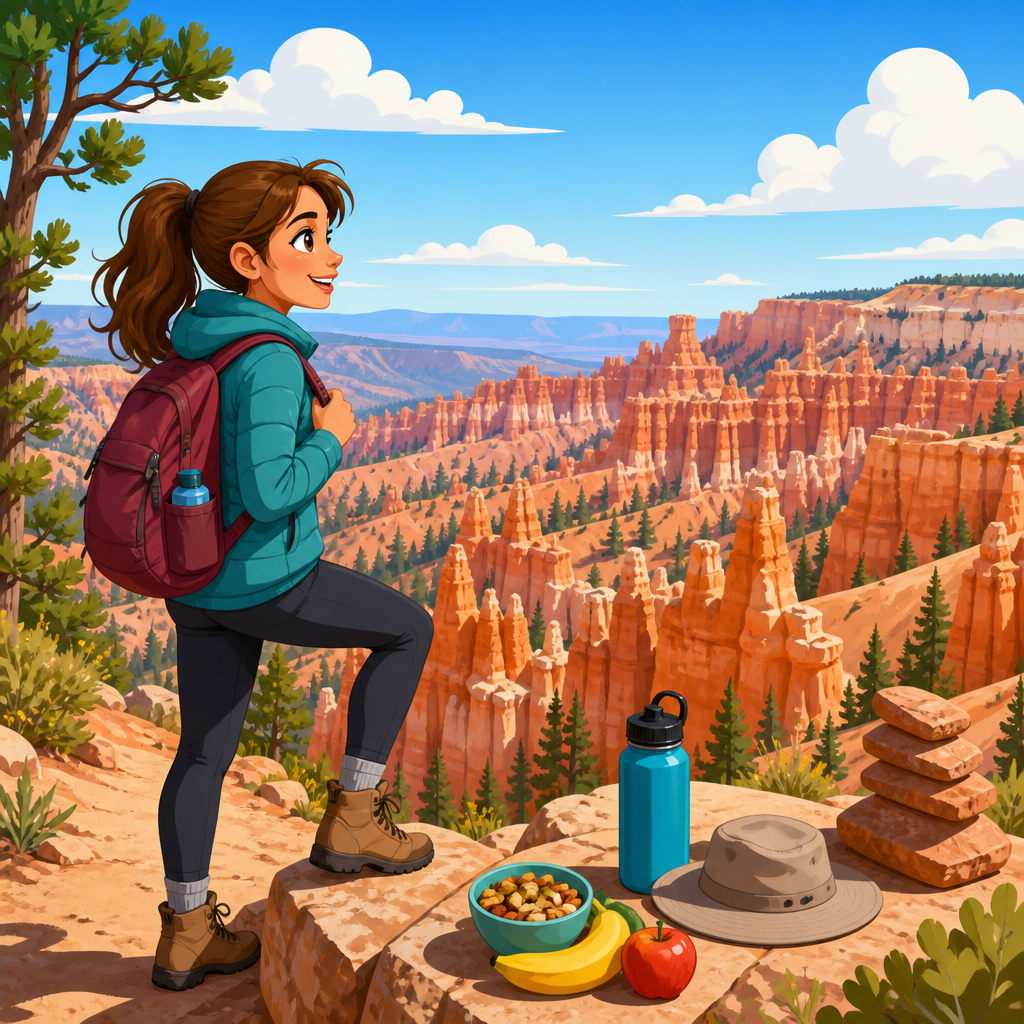
Bryce Canyon National Park is not a canyon in the river-carved sense; it is a series of natural amphitheaters cut into the Paunsaugunt Plateau. The main visitor areas are high. Sunrise Point sits near 8,000 feet, Bryce Point is higher, and Rainbow Point rises to roughly 9,100 feet. At those elevations, the percentage of oxygen in the air stays the same, but barometric pressure drops, so each breath delivers less oxygen to your bloodstream. Your body responds by increasing breathing rate and heart rate. That response is normal, but it can leave you feeling winded on short climbs that would be trivial at lower elevation.
Dryness amplifies the effect. Bryce Canyon’s air is typically far less humid than what visitors experience on the coasts or in the Midwest. You lose water through breathing and perspiration faster than you think, especially in summer sun and wind. Add a long driving day and many people begin hiking already mildly dehydrated. Temperature swings also matter. Summer afternoons can be pleasant, yet mornings and evenings are cool, while spring and fall may bring freezing temperatures. Cold air can feel sharper at altitude, and poor layering often causes visitors to tense up, breathe shallowly, and tire faster.
For most healthy travelers, Bryce Canyon altitude causes discomfort rather than emergency. Still, mild acute mountain sickness can occur even below 10,000 feet, especially after a rapid ascent. Typical early symptoms include headache, nausea, unusual fatigue, dizziness, poor appetite, and disrupted sleep. These should not be ignored. The mistake I see most often is treating altitude symptoms as something to push through because the hike looks short on the map. In Bryce, many trails descend first and climb back out later. That return climb is where altitude, sun exposure, and overconfidence catch up with people.
Plan your arrival to reduce altitude stress before you hike
The best Bryce Canyon acclimatization strategy starts before you enter the park. If your itinerary allows, avoid driving from very low elevation straight to Bryce, checking in late, sleeping poorly, and attempting Navajo Loop or Peekaboo the next morning. A smarter approach is to stage your ascent. Travelers coming from Las Vegas often benefit from a night in St. George, Cedar City, Kanab, or even the Bryce Canyon City area with a relaxed evening rather than a packed arrival day. The goal is not perfect physiological adaptation, which takes longer, but reducing cumulative stress so your first full day feels manageable.
Timing also matters. Arrive with enough daylight to settle in, walk gently, drink water, and eat a balanced meal. If possible, make your first park activity a rim viewpoint rather than a strenuous descent into the amphitheater. Sunrise Point, Sunset Point, Inspiration Point, and Bryce Point let you enjoy signature scenery with minimal exertion. That first exposure helps you gauge how your body feels at elevation. If stairs to an overlook leave you unusually winded, that is useful information. Adjust the next day’s plan instead of locking yourself into a demanding route because it looked easy on social media.
Lodging choice can support acclimatization too. Staying close to the park reduces total travel fatigue and allows easier midday rest. The Lodge at Bryce Canyon offers immediate access, while hotels in Bryce Canyon City make sunrise starts simple. Campers should remember that sleeping at altitude can feel harder than sleeping in town at lower elevation, especially on the first night. Cold temperatures, dry air, and unfamiliar breathing patterns may reduce sleep quality. If you know you do not sleep well above 8,000 feet, build a lighter next morning rather than forcing a major hike after a rough night.
What to do in your first 24 hours at Bryce Canyon
Your first day should be about assessment, hydration, and controlled activity. Start drinking water before you feel thirsty, but do not force extreme amounts. The National Park Service generally emphasizes steady hydration rather than overdrinking, because too much plain water without food or electrolytes can create its own problems. Eat regularly, especially carbohydrates, since they are efficient fuel when your body is adjusting. I usually recommend a breakfast or lunch with fruit, whole grains, and some protein, followed by small snacks through the day instead of one heavy meal that leaves you sluggish.
Keep your first walk short and choose terrain that lets you turn back easily. The Rim Trail between Sunrise and Sunset Points is ideal because it offers iconic views without the immediate commitment of a steep return climb. Drive the scenic road to overlooks if you want broader sightseeing on day one. Rainbow Point is beautiful, but remember that it is one of the highest developed areas in the park, so even brief walking there may feel harder. If you experience a persistent headache, light nausea, or unusual fatigue, make that your cue to scale back and prioritize rest.
Alcohol deserves special mention. A celebratory drink after arrival may sound harmless, but alcohol can worsen dehydration and disrupt sleep, both of which make altitude adjustment feel tougher the next morning. The same caution applies to sedatives. Caffeine is more nuanced; moderate intake is usually fine for habitual coffee drinkers, but it should not replace water or meals. Sunscreen and lip balm matter more than many first-time visitors expect. Sunburn, windburn, and chapped lips are small issues individually, yet together they increase overall physical stress and make you feel worse faster.
| Situation | Best first-day choice | Why it helps |
|---|---|---|
| Arriving from sea level | Viewpoints and short rim walks | Limits exertion while you assess symptoms |
| Poor sleep the previous night | Scenic drive and early bedtime | Fatigue magnifies altitude discomfort |
| Traveling with kids or older adults | Frequent breaks and simple overlooks | Conserves energy and reduces overexertion |
| Planning a long hike tomorrow | Hydrate, eat well, avoid alcohol | Supports recovery and better sleep |
Hydration, food, and pacing strategies that actually work
Hydration advice becomes vague too often, so it helps to be specific. Drink consistently during the day, increase intake in dry or windy conditions, and pair fluids with food. Electrolyte tablets or sports drinks can help on longer hikes, particularly for people who sweat heavily, but they are supplements, not magic protection from altitude. Clear or pale urine is one rough indicator of hydration, though not a perfect one. What matters most is avoiding the cycle of underdrinking on the drive, pounding water at the trailhead, then wondering why you still feel bad halfway through a climb.
Food should support stable energy. Bryce Canyon hikes often involve repeated step-down and step-up movement on dusty switchbacks, which can drain glycogen stores quickly. I advise travelers to carry snacks they will actually eat: bananas, trail mix, jerky, sandwiches, pretzels, or energy bars with moderate sugar and some sodium. If you are prone to nausea at altitude, small frequent bites work better than large meals. Carbohydrates are especially useful before and during activity, while protein helps after. Salty foods are practical in hot weather, but they should complement, not replace, regular fluid intake.
Pacing is the hidden skill that separates comfortable Bryce visitors from miserable ones. Use a conversational pace from the start, especially on return climbs. If you cannot speak in full sentences, slow down. Trekking poles can reduce leg strain on steeper routes like Wall Street or Queen’s Garden connections. Build micro-breaks into uphill sections rather than marching until you are exhausted. This is particularly important for families, older travelers, and enthusiastic hikers from lower elevations. Fast starts create a debt you pay later. Steady effort usually means better views, fewer symptoms, and more enjoyable afternoons.
Choose hikes and activities that match your acclimatization level
Not every visitor needs the same acclimatization plan, because Bryce Canyon offers a wide range of effort levels. For first-day or low-energy sightseeing, the rim overlooks and accessible viewpoints provide the classic experience without major elevation loss and regain. The Rim Trail lets you tailor distance easily. For moderate hikers feeling good after a night or two, Queen’s Garden combined with Navajo Loop is the most balanced introduction to the amphitheater. It showcases hoodoos, switchbacks, and tunnels while staying shorter than more committing routes. Even then, the climb back to the rim deserves respect.
Strenuous hikes like Peekaboo Loop or Fairyland Loop are better after you know how your body responds. These routes are rewarding but more exposed, longer, and physically demanding. The issue is not only mileage. Bryce trails often combine altitude, direct sun, limited shade, and elevation gain during the return. That combination turns a moderate sea-level hiker into a slow, overheated Bryce hiker very quickly. If you are joining this park with a larger Southwest road trip, save your biggest effort for the day after arrival, not the hour after stepping out of the car.
Photography, ranger programs, and scenic driving are not consolation prizes; they are excellent acclimatization-friendly ways to experience the park. Sunrise and sunset light at Bryce can be extraordinary from the rim, and night sky programs are among the best in the region because of dark-sky conditions. If you are lightly symptomatic, these activities allow enjoyment without forcing a hard physical output. In a National Park Guides itinerary, that flexibility is valuable. A great Bryce visit does not require a punishing hike. It requires matching the day’s plan to current conditions, including weather, energy, and altitude response.
Know the warning signs and when to change plans
The most important safety rule is simple: mild altitude symptoms can be managed with rest, hydration, food, and reduced exertion, but worsening symptoms require a lower-intensity plan and sometimes lower elevation. A mild headache alone may improve with fluids, snacks, and a slower pace. A headache combined with nausea, vomiting, dizziness, unusual weakness, or poor coordination is more concerning. Shortness of breath out of proportion to effort, chest tightness, or confusion should never be dismissed. Those are not normal parts of sightseeing, and they justify immediate caution and medical evaluation.
Travelers with heart disease, lung disease, sleep apnea, anemia, or recent illness should talk with a clinician before a high-elevation trip. The same is true for anyone with a history of altitude sickness. Some people use acetazolamide preventively for rapid ascents, but that is a medical decision, not a generic travel hack. I also tell visitors to be honest about group dynamics. Altitude problems get worse when one person does not want to “ruin the trip” and hides symptoms until they are far down a trail. Build permission into your plan to turn around without debate.
Weather can intensify risk. Summer thunderstorms, shoulder-season ice, and winter snow all increase exertion and make a slow return climb harder. Bryce’s altitude means conditions can shift quickly, and temperatures are often colder than visitors expect. Check the National Park Service alerts, ask rangers about trail status, and carry layers even on bright days. If acclimatization is your goal, smart prevention beats recovery. A conservative first day, good hydration, realistic hike choice, and close attention to symptoms will solve most problems before they start.
Bryce Canyon rewards travelers who respect elevation as much as scenery. The core lessons are straightforward: arrive with time to adjust, understand that 8,000 to 9,000 feet changes how your body performs, begin with easy viewpoints or rim walks, hydrate steadily, eat for sustained energy, and save major hikes until you know you feel strong. For most visitors, acclimatization is not a complicated medical process. It is a disciplined travel strategy that prevents headaches, exhaustion, and disappointing trail days while making the park safer and more enjoyable.
As this National Park Guides hub for Bryce Canyon trip planning, the article’s main benefit is simple: better preparation leads to better experiences. When you build your itinerary around altitude realities, you get more than safety. You get better sunrise mornings, steadier hiking legs, clearer thinking on switchbacks, and enough energy to appreciate the hoodoos instead of merely enduring the climb. Bryce is one of the most visually distinctive parks in the United States, and it deserves more than a rushed visit from a dehydrated traveler who underestimated elevation.
Use this guide to shape your first day, then connect it to your larger Travel & Destinations planning for Zion, Capitol Reef, Grand Canyon, and Utah road-trip logistics. If your Bryce Canyon acclimatization plan starts now, your visit is far more likely to feel memorable for the right reasons. Book lodging early, watch the forecast, review trail options, and give yourself permission to go slower than usual. At Bryce Canyon, that is not settling for less. It is the smartest way to see more.
Frequently Asked Questions
Why is acclimatizing important before visiting Bryce Canyon?
Bryce Canyon sits much higher than many first-time visitors expect, with most commonly visited areas ranging from about 8,000 to over 9,000 feet above sea level. At that elevation, the air still contains oxygen, but the oxygen pressure is lower, which means your body has to work harder to take in what it needs. That change can affect breathing, stamina, hydration, sleep quality, appetite, and even your judgment about how much activity feels manageable. In other words, you may feel fine when you arrive, but then notice that climbing a short hill leaves you unusually winded or that a hike that seemed easy on paper feels much harder in practice.
Acclimatizing matters because it helps reduce the chances of altitude-related symptoms and makes your visit safer and more enjoyable. Even healthy, active travelers can feel headaches, fatigue, mild dizziness, nausea, or poor sleep during the first day at elevation. Those symptoms can be especially noticeable at Bryce Canyon because sightseeing often includes walking uphill from overlooks, descending into the amphitheater, or spending long hours outdoors in dry mountain air. Giving your body time to adjust helps you pace yourself, stay hydrated, and avoid turning a memorable trip into one cut short by preventable discomfort.
How long should I spend acclimatizing before doing strenuous hikes at Bryce Canyon?
A good rule of thumb is to give yourself at least the first 24 hours at Bryce Canyon for lighter activity, especially if you are arriving from low elevation. For many visitors, that means using arrival day for scenic drives, overlooks, short walks, and relaxed exploration rather than immediately tackling longer or steeper trails. If you have time, 24 to 48 hours of gradual adjustment is even better before attempting strenuous hikes such as routes that descend into the canyon and require a steady uphill climb back out.
Your ideal acclimatization window depends on several factors, including your starting elevation, age, hydration status, sleep, fitness, and whether you are prone to altitude symptoms. Being fit does not necessarily protect you from the effects of elevation, and strong hikers sometimes push too hard too soon because they underestimate how much the thinner air can slow them down. If you are planning a demanding itinerary, the safest approach is to build in a progression: easy walks on day one, moderate activity once you feel normal, and more strenuous hikes only if you are breathing comfortably, sleeping reasonably well, and staying symptom-free. If you develop a headache, nausea, unusual fatigue, or lightheadedness, that is a signal to rest and scale back rather than push through.
What are the best ways to acclimatize safely when I first arrive at Bryce Canyon?
The most effective strategy is to ease in. Start with gentle activity, drink water consistently, avoid overexertion, and give yourself permission to move slower than you normally would. Bryce Canyon’s scenery makes this easy because you can still enjoy a great first day by visiting overlooks, taking short rim walks, and spending time outside without launching straight into a steep hike. Many visitors make the mistake of treating arrival day like any other travel day and then adding a long trail on top of it. Travel fatigue plus elevation plus dry air is a combination that can catch up with you quickly.
Hydration is especially important because the air at Bryce Canyon is dry, and you can lose moisture faster than you realize through breathing and sweat. Drink water steadily throughout the day rather than chugging all at once, and pair that with regular meals or snacks so your energy stays stable. It also helps to limit alcohol during your first day or two, since alcohol can worsen dehydration and make altitude symptoms feel stronger. Prioritize rest, avoid sprinting up inclines, and pay attention to how you feel during routine movements like climbing stairs or walking from the parking lot to an overlook. If those feel harder than expected, treat that as useful feedback and keep the day light.
What symptoms of altitude should I watch for at Bryce Canyon, and when should I be concerned?
Mild altitude symptoms can include headache, unusual shortness of breath with exertion, fatigue, lightheadedness, poor sleep, decreased appetite, and mild nausea. These are common ways the body signals that it is adjusting to elevation, especially in the first several hours after arrival. In many cases, the best response is to slow down, drink water, rest, eat something light, and avoid strenuous exertion until you feel better. It is important not to dismiss these symptoms completely, though, because they can affect your hiking decisions, energy reserves, and ability to handle heat, sun, or long climbs safely.
You should be more concerned if symptoms are worsening rather than improving, or if they become severe enough to interfere with normal activity. Warning signs include a bad headache that does not improve with rest and hydration, vomiting, marked dizziness, confusion, chest tightness, trouble breathing even at rest, or difficulty walking normally. Those symptoms are not something to “push through” on a trail. If they occur, stop exerting yourself, descend to a lower elevation if possible, and seek medical help promptly. Bryce Canyon is remote enough that prevention matters, so taking early symptoms seriously is one of the smartest things you can do.
Can I still enjoy Bryce Canyon if I do not have much time to acclimatize?
Yes, absolutely. Many people visit Bryce Canyon on a tight schedule and still have a great experience. The key is adjusting your expectations and planning your day around the realities of elevation. If you are short on time, focus on scenic overlooks, easier rim walks, ranger programs, and short trails that do not require a major climb back out. Bryce Canyon offers exceptional views without demanding that every visitor complete a strenuous hike, so you can still take in the hoodoos, changing light, and wide-open vistas while minimizing the risk of overdoing it.
If you have only one day, think of that day as a “smart arrival” day rather than a “maximum mileage” day. Drink water before you feel thirsty, snack regularly, use sunscreen, and walk at a deliberate pace. Choose lower-intensity activities early, then reassess how you feel before committing to anything harder. If you remain energetic and symptom-free, you may be able to add a moderate trail. If not, there is no downside to keeping things easy. Bryce Canyon rewards slower travel, and visitors who respect the altitude often end up enjoying the park more because they feel better, stay safer, and have enough energy to appreciate the experience rather than simply endure it.