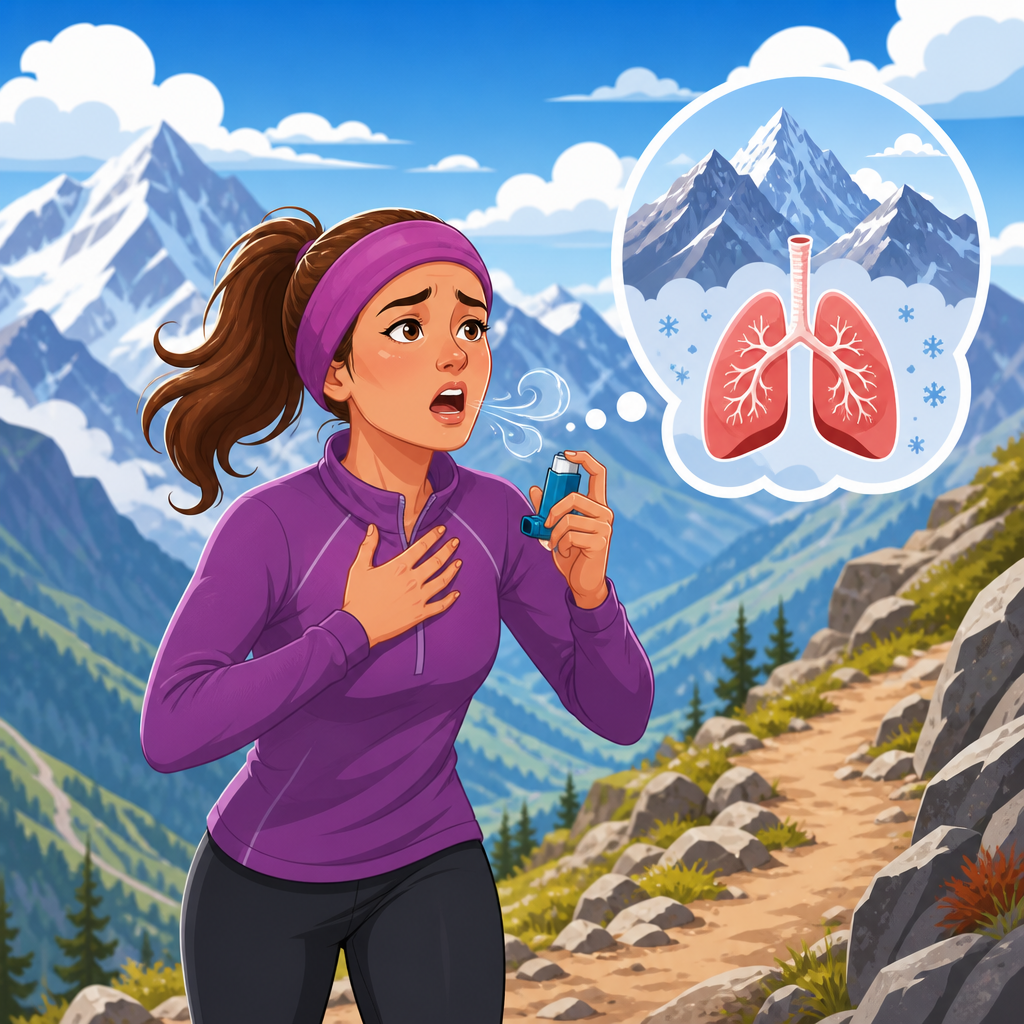
A ski holiday can be safe and enjoyable for many people with mild heart disease, but it should never be treated like an ordinary winter getaway because altitude, cold exposure, exertion, dehydration, travel stress, and limited access to medical care can all increase cardiovascular strain. When I help patients plan mountain travel, the most useful starting point is simple: “mild heart disease” is not one condition. It may mean stable angina, well-controlled hypertension with left ventricular hypertrophy, a prior stent with no recent symptoms, mild heart failure with preserved daily function, a repaired valve problem, or a rhythm disorder controlled on medication. “Discuss before a ski trip” means having a focused pre-travel conversation with a clinician about fitness for travel, medication adjustments, warning signs, insurance, and what type of skiing or snow activity is realistic.
This matters because skiing combines several stressors at once. Even before the first run, travelers may deal with airport walking, hauling luggage, disrupted sleep, alcohol, heavy meals, and dry cabin air. At the resort, altitude reduces available oxygen, cold narrows blood vessels and can raise blood pressure, and carrying gear can push heart rate higher than people expect. If you already have coronary artery disease or another cardiac diagnosis, these factors can turn a manageable condition into chest pain, breathlessness, palpitations, or a preventable emergency. Good planning does not remove all risk, but it substantially improves the odds that the trip stays enjoyable rather than medical.
As a hub page for travel with medical conditions, this article focuses on ski travel while also outlining the broader framework people with chronic cardiovascular and respiratory issues should use before any active trip. The practical questions are consistent across conditions: Is the disease stable? What exertion is expected? What environmental triggers are involved? Are medications optimized? What backup plan exists if symptoms change? For ski trips, those questions become more specific. Can you walk uphill carrying boots without symptoms? Have you exercised recently in cold weather? Does your resort sit at 1,500 meters or above 2,500 meters? Will you be days from your usual hospital? Those details shape the advice more than the diagnosis label alone.
The goal is not to discourage travel. Many people with stable, mild cardiac disease ski, snowshoe, or simply enjoy mountain holidays without incident. The goal is to replace guesswork with a structured conversation before departure. That conversation should cover exertion limits, altitude tolerance, medication timing, device considerations, emergency planning, and whether your itinerary matches your actual conditioning. If you use this article as a checklist, you will be better prepared not only for a ski trip but for future travel with a medical condition, where the same principles of stability, planning, and rapid response apply.
Start with medical stability, not destination appeal
The first discussion point is whether your heart condition is currently stable enough for travel. In practice, I tell travelers to think in terms of recent symptoms and recent changes. Stable means no new or worsening chest pain, no unexplained shortness of breath at rest or with usual activity, no recent fainting, no uncontrolled swelling, and no meaningful medication changes because of deterioration. It also means no recent hospitalization for a heart issue, no recent emergency department visit for palpitations or blood pressure spikes, and no pending cardiac investigation for symptoms that remain unexplained. If any of those are present, the ski trip should be reviewed very carefully and may need to be delayed.
Your clinician will usually want to know your baseline functional capacity. A practical way to frame this is what you can do comfortably at home. Can you climb two flights of stairs without chest discomfort? Can you walk briskly for twenty to thirty minutes? Can you carry groceries or a small suitcase without needing to stop? Skiing itself varies widely, but a mountain vacation often includes exactly these kinds of exertional bursts, plus altitude and cold. If your everyday baseline is marginal, the mountain environment will expose that quickly. For some patients, the answer is not “do not go,” but “change the plan”: choose a lower-altitude resort, avoid steep terrain, take lessons, skip backpacking or off-piste excursions, and schedule rest days.
Testing is not required for every traveler, but some people benefit from a pre-trip review that may include blood pressure assessment, ECG review, exercise tolerance evaluation, or confirmation that lipid-lowering, antiplatelet, antianginal, and heart failure treatments are optimized. The reason is straightforward: travel is not the time to discover that your angina threshold is low, your blood pressure remains uncontrolled, or your diuretic schedule leaves you dehydrated by midday.
Altitude, cold, and exertion: the ski-specific risks
People often underestimate how different mountain exertion feels. At higher altitude, lower oxygen pressure means the heart and lungs work harder to deliver oxygen to tissues. Heart rate rises, breathing deepens, and people can fatigue earlier than expected. For someone with coronary artery disease, that extra demand may narrow the margin between feeling fine and developing ischemic symptoms. Add cold weather, which causes peripheral vasoconstriction and can increase blood pressure and myocardial oxygen demand, and the cardiovascular load becomes more significant.
Common ski resort elevations vary, but many base areas in North America and Europe sit between roughly 1,500 and 2,500 meters, with higher lifts well above that. Altitude effects are individual, yet symptoms such as headache, unusual fatigue, poor sleep, dizziness, and reduced exercise tolerance can affect otherwise healthy travelers, let alone those with chronic disease. The key point to discuss with your clinician is not only the maximum elevation on the map but how quickly you will ascend. Flying into a high-altitude airport and skiing the next morning is very different from arriving at a moderate elevation, hydrating well, and allowing a day to acclimatize.
Exertion on ski trips is also uneven. Many cardiac symptoms occur not during smooth downhill gliding but during stop-start work: carrying skis from the parking lot, climbing icy steps in ski boots, pushing on flat sections, standing up repeatedly after falls, or hurrying to make a lesson. Patients with mild disease often tolerate steady moderate activity but run into trouble with short, intense bursts in cold air. That pattern deserves explicit discussion because it changes how you pace the day.
Questions to ask your clinician before booking and before departure
A good pre-travel visit should answer direct, operational questions. Ask whether your diagnosis is stable enough for mountain travel, whether any symptoms should trigger cancellation, and whether your current exercise tolerance supports skiing or only less demanding activities. If you have angina, ask what level of exertion should be avoided and whether using nitrates in cold conditions requires any special caution. If you have a history of arrhythmia, ask whether altitude, alcohol, poor sleep, or dehydration are likely triggers in your case. If you take a beta blocker, ask how to gauge safe effort when heart rate response is blunted.
Medication questions matter just as much. Confirm the names, doses, timing, and purpose of every cardiac medicine you take. Ask what to do if you miss a dose during travel delays, whether time-zone changes affect schedule, and whether your diuretic timing should be adjusted to balance fluid status against frequent bathroom stops on the mountain. Patients taking anticoagulants should ask about injury risk, bruising, and what to do after a fall or head strike, even if they initially feel well. Device users should discuss pacemaker or ICD identification, security screening, and when remote monitoring issues matter.
Finally, ask your clinician to define your personal red flags in plain language. For one traveler that may be chest pressure lasting more than a few minutes. For another it may be marked breathlessness, resting tachycardia, lightheadedness, or new ankle swelling. Specificity improves decisions on the mountain, where people otherwise talk themselves out of seeking help.
Medication, equipment, and documents to organize
Preparation is where safe travel usually succeeds. Carry medication in original labeled containers in hand luggage, never in checked baggage. Bring extra supply in case weather disrupts return flights. Pack a current medication list, diagnoses, allergies, device details, recent procedure dates, and your clinician’s contact information. If you have ever needed nitroglycerin, carry it where it stays accessible and protected from temperature extremes. If you use home blood pressure monitoring and your doctor finds it helpful, a compact validated cuff can be worth packing for longer trips.
Travel insurance deserves serious attention. Many general policies exclude pre-existing conditions unless stability criteria are met for a defined period, often 30 to 180 days depending on the insurer. That means a recent medication adjustment, chest pain assessment, or specialist review can affect coverage. Read the exclusion wording carefully and confirm that winter sports, altitude activities, ambulance transfer, and out-of-country cardiac care are covered. Medical evacuation from mountain regions can be expensive, and helicopter rescue on the slopes may not be included in a basic policy.
| Topic | What to discuss or pack | Why it matters on a ski trip |
|---|---|---|
| Medications | Extra doses, timing plan, nitroglycerin, anticoagulant instructions | Delays, cold, exertion, and falls can all complicate usual routines |
| Documents | Diagnosis list, allergies, device card, clinician contacts, insurance details | Speeds treatment if you need mountain clinic or hospital care |
| Activity limits | Maximum effort, symptoms that require stopping, acceptable alternatives | Prevents overexertion when terrain or group pressure increases |
| Emergency plan | Nearest clinic, hospital route, local emergency number, companion briefing | Fast action is critical for chest pain, arrhythmia, or injury |
Choosing the right trip: resort, itinerary, and activity level
The safest ski trip is often designed before anyone buys lift tickets. Resort selection matters. A destination with lower base elevation, reliable on-site medical services, shuttle access, and lodging close to lifts can reduce strain substantially. Ski-in, ski-out convenience is not just luxury for someone with mild heart disease; it can eliminate repeated uphill walks carrying equipment. If your group wants aggressive terrain and long, high-altitude days, be realistic about whether the social plan fits your health plan.
Many travelers also benefit from rethinking what “ski trip” means. Alpine skiing may be reasonable for one patient, while another is better suited to scenic gondola rides, short beginner runs, snowshoeing on flat routes, or simply a mountain holiday without strenuous snow sports. There is no medical prize for keeping pace with fitter friends. In my experience, avoidable problems often start with embarrassment or group pressure: one more run, one steeper section, one fast hike to the lift. The best plan is one you can sustain comfortably for several days, not one dramatic morning followed by exhaustion.
Build acclimatization and recovery into the itinerary. Arrive a day early if possible. Keep the first day light. Limit alcohol initially because it worsens dehydration, sleep quality, and judgment. Eat regularly; large heavy meals before exertion can feel surprisingly taxing. Dress warmly in layers to reduce cold stress, and remember that chairlift rides can chill the body even when skiing itself feels vigorous.
When to stop, when to seek help, and when not to travel
Every traveler with mild heart disease should know the line between discomfort and danger. Stop activity and seek urgent medical evaluation for chest pain or pressure that is new, worsening, or occurs at lower exertion than usual; shortness of breath out of proportion to effort; fainting; sustained palpitations with dizziness; confusion; or symptoms that do not settle promptly with rest. If prescribed nitroglycerin, use it exactly as instructed by your clinician and local emergency guidance. Do not keep skiing to “see if it passes.” Time matters in cardiac events.
There are also situations where traveling is usually unwise until reviewed. Recent unstable angina, decompensated heart failure, uncontrolled arrhythmia, severe uncontrolled hypertension, recent myocardial infarction, or recent cardiac surgery generally call for individualized clearance and often postponement. Even with milder disease, an unexplained decline in exercise tolerance before departure is a reason to pause. Mountain trips are physically and logistically demanding, and denial is not a safety strategy.
The broader lesson for travel with medical conditions is consistent across diagnoses: match the trip to the condition, not the condition to the trip. A clinician can help you decide whether skiing is appropriate, how to reduce risk, and what alternatives preserve the holiday if full skiing is not the best option. Use this article as your pre-trip checklist, then book a targeted review before you travel. That one conversation can prevent cancellations, emergencies, and the most common mistake of all: assuming stable at home automatically means ready for the mountain.
Frequently Asked Questions
Can someone with mild heart disease safely go on a ski trip?
In many cases, yes, but it should be treated as a medical planning issue rather than a routine holiday decision. “Mild heart disease” can describe several different situations, including stable angina, well-controlled high blood pressure with some heart muscle thickening, a prior stent with good recovery, mild valve disease, or a history of rhythm problems that are currently stable. These are not interchangeable. The key question is not whether skiing is automatically allowed or forbidden, but whether your specific condition is stable enough for cold-weather exertion, altitude exposure, travel stress, and potentially delayed medical access.
Before booking, it is worth discussing recent symptoms with your clinician in detail. Chest pressure, unusual breathlessness, palpitations, dizziness, reduced exercise tolerance, ankle swelling, or recent medication changes all matter. Even if symptoms seem minor at home, skiing adds layers of cardiovascular demand. Cold air causes blood vessels to tighten, which can increase blood pressure and make the heart work harder. Altitude lowers oxygen availability, which may raise heart rate and worsen angina or shortness of breath. Skiing itself often involves bursts of effort rather than smooth, predictable exercise, especially when walking in boots, carrying equipment, climbing stairs, or getting up after a fall.
A useful discussion with your doctor should include whether your condition has been stable for several months, whether you can already tolerate moderate physical activity without symptoms, and whether any pre-trip testing is appropriate. Some travelers may need a medication review, an updated blood pressure assessment, or a stress test depending on their history. The goal is not just to get “clearance,” but to create a practical plan that reduces avoidable risk while helping you enjoy the trip safely.
What specific heart-related issues should be discussed with a doctor before traveling to a ski resort?
The most important conversation is about how your exact diagnosis behaves under stress. If you have stable angina, ask whether altitude, cold, and exertion could trigger symptoms and whether your current treatment is enough. If you have high blood pressure, discuss how well it is controlled and whether cold weather may push readings higher. If you have a history of atrial fibrillation or other rhythm problems, ask about the effects of dehydration, alcohol, poor sleep, and altitude on recurrence. If you have mild valve disease or reduced heart pumping function, you should discuss whether lower oxygen levels and physical strain could worsen breathlessness or fatigue.
Medication planning is equally important. Go through each prescription carefully, including timing, side effects, and what to do if you miss a dose during travel. Diuretics can increase dehydration risk. Blood pressure medicines may interact with altitude-related lightheadedness or reduced fluid intake. Blood thinners raise additional concerns about falls and injury on the slopes. If you carry nitrate medication for angina, make sure you understand when to use it, when a symptom means “stop immediately,” and when to seek urgent care. Ask whether you should bring an updated medication list, extra doses in your carry-on, and a summary of your medical history.
You should also discuss practical emergency planning. Ask what symptoms would mean you should not ski at all that day, such as chest discomfort at rest, worsening shortness of breath, fainting, or sustained palpitations. Clarify how long you should wait after a recent procedure, medication adjustment, or episode of unstable symptoms before traveling. If the resort is remote, find out whether your clinician thinks you should stay closer to full medical services. This type of conversation is often more valuable than a simple yes-or-no approval because it prepares you for real decisions once you are in the mountains.
How do altitude and cold weather affect people with mild heart disease?
Altitude and cold are two of the biggest reasons a ski trip places different demands on the heart than everyday life. At higher elevation, the air contains less oxygen. Your body responds by increasing heart rate and often increasing breathing effort to maintain oxygen delivery. For someone with mild heart disease, that extra workload may be well tolerated, or it may bring out symptoms that are usually quiet at sea level. People with angina may notice chest tightness sooner with exertion. Those with blood pressure issues may see higher readings. People with rhythm problems may be more vulnerable to palpitations, especially if they are tired, dehydrated, or drinking alcohol.
Cold weather adds another layer. When you are exposed to cold, blood vessels constrict, which raises resistance in the circulation and can increase blood pressure and cardiac workload. Breathing very cold air can also be uncomfortable and can make exertion feel harder. This matters not only during skiing but also during common resort activities such as walking uphill in heavy clothing, carrying skis, waiting outdoors, or shoveling snow around a cabin or car. Some people think only downhill skiing matters, but the “off-slope” exertion is often where overexertion happens.
A good pre-trip discussion should cover how to reduce these stresses. Gradual acclimatization can help, especially if you are traveling to a high-altitude resort. Starting with an easier first day, taking frequent breaks, layering clothing well, covering the mouth and nose in very cold air, staying hydrated, and avoiding sudden intense effort are all sensible measures. If your doctor advises avoiding very high elevations or pushing hard during the first 24 to 48 hours, that recommendation should be taken seriously. The goal is to let your body adapt rather than forcing your cardiovascular system to keep up with an aggressive itinerary.
Are there medications or trip-planning details that need special attention before skiing?
Yes. Medication review is one of the most practical and often overlooked parts of planning a ski holiday with mild heart disease. Even when the heart condition itself is stable, travel schedules, time zone changes, early departures, missed meals, altitude, and increased activity can disrupt a routine that normally works well. Review exactly when to take your medicines, whether any doses need adjustment if you are more active than usual, and what to do if poor appetite, stomach upset, or dehydration become an issue. Do not make changes on your own unless your doctor has already given you a clear plan.
Certain medications deserve extra attention. Diuretics may contribute to dehydration, which can worsen dizziness, low blood pressure, kidney strain, and palpitations. Blood pressure medicines can be very effective at home but may need closer monitoring if altitude, alcohol, hot tubs, or reduced food intake make you lightheaded. Blood thinners increase the significance of falls, even if the injury seems minor at first. Anti-anginal medicines should be easy to access, not packed deep in luggage. If you use nitroglycerin, know how and when to take it and understand that persistent chest pain after using it is an emergency, not something to “wait out” in a chalet.
Trip logistics matter too. Carry enough medication for longer than the planned stay in case of delays. Keep medicines in original labeled containers and bring a written medication list. It is wise to split supplies between bags only if one set stays with you at all times. Ask your clinician whether you should bring a home blood pressure monitor or pulse monitor if you are managing hypertension or rhythm symptoms. Also consider travel insurance, the distance from the resort to emergency care, and whether your accommodation allows easy rest without long uphill walks or excessive stair climbing. Good planning does not remove all risk, but it can prevent small problems from becoming major ones.
What warning signs during the trip mean skiing should stop and medical help should be sought?
You should stop skiing and seek medical assessment promptly if you develop chest pain, chest pressure, unusual shortness of breath, fainting, near-fainting, new confusion, or a racing or irregular heartbeat that does not settle quickly with rest. These symptoms should never be dismissed as just altitude, fatigue, or being out of shape, especially if you have known heart disease. Warning signs also include symptoms occurring with less effort than usual, symptoms that are new for you, or a clear drop in your ability to tolerate activity compared with your normal baseline.
There are also more subtle clues that deserve attention. If you find yourself unusually exhausted after routine walking, needing far more rest than expected, becoming lightheaded when standing, developing swelling in the legs, or feeling breathless at night or while lying flat, those changes may indicate that your cardiovascular system is under stress. For some people, especially older adults, serious heart problems do not always present with dramatic chest pain. Nausea, sweating, weakness, or an unexplained sense that something is “not right” can also be important.
Before the trip, you should ask your doctor for a clear action plan: what symptoms require rest, what symptoms require same-day medical review, and what symptoms require emergency services immediately. If you have prescribed rescue medication, know exactly how to use it. Travel companions should also know your condition, your medication list, and where you keep emergency medication. On a ski holiday, people often hesitate to disrupt the itinerary, but when cardiac symptoms appear in a cold, high-altitude setting with limited medical access, delaying evaluation is rarely worth the risk. The safest approach is to act early rather than hope symptoms will pass on their own.