Skip to content

  • Home
  • Altitude Illness & Acclimatization
    • Acclimatization Plans
    • Altitude Medications & Oxygen
    • AMS Basics & Risk Factors
    • AMS Management & Recovery
    • AMS Symptoms & Diagnosis
    • Descent, Treatment & Emergency Response
    • HACE
    • HAPE
    • Monitoring & Decision Tools
    • Pre-Acclimation & Training
  • Cooking & Baking at Altitude
    • Baking Fundamentals
    • Baking Troubleshooting & Workflow
    • Cakes & Cupcakes
    • Candy, Preserves & Canning
    • Cookies & Bars
    • Cooking Methods
  • Daily Life, Skin, Eyes & Home Comfort
    • Comfort Troubleshooting
    • ENT & Sensory Issues
    • Everyday Health & Comfort
    • Eye Care & Vision
    • Indoor Air & Humidity
    • Lifestyle Adjustments
  • Fitness, Hiking & Performance
    • Cycling
    • Hiking Strategy
  • Family, Pregnancy & Kids
    • Family Logistics & Planning
    • Infants & Postpartum
    • Kids & Family Travel
  • Gear, Monitoring & Safety
    • Clothing, Sleep & Shelter
    • Monitoring & Oxygen
  • Travel & Destinations
    • National Park Gateways
    • National Park Guides
    • Ski Town Guides
    • Trek Preparation
    • Trip Planning & Logistics
    • US City Guides
    • US Lake & Mountain Guides
  • Sleep, Hydration & Nutrition
    • Nutrition & Fueling
    • Practical Meal Planning
    • Recovery & Return to Sea Level
    • Sleep & Recovery
    • Substances & Supplements
  • Respiratory, Cardio & Chronic Conditions
    • Other Chronic Conditions
    • Pre-Trip Medical Planning
    • Pregnancy
    • Sleep Apnea & Breathing Disorders
    • Travel with Medical Conditions
  • Toggle search form

Best wildlife safety habits for dog owners in mountain towns

Posted on By

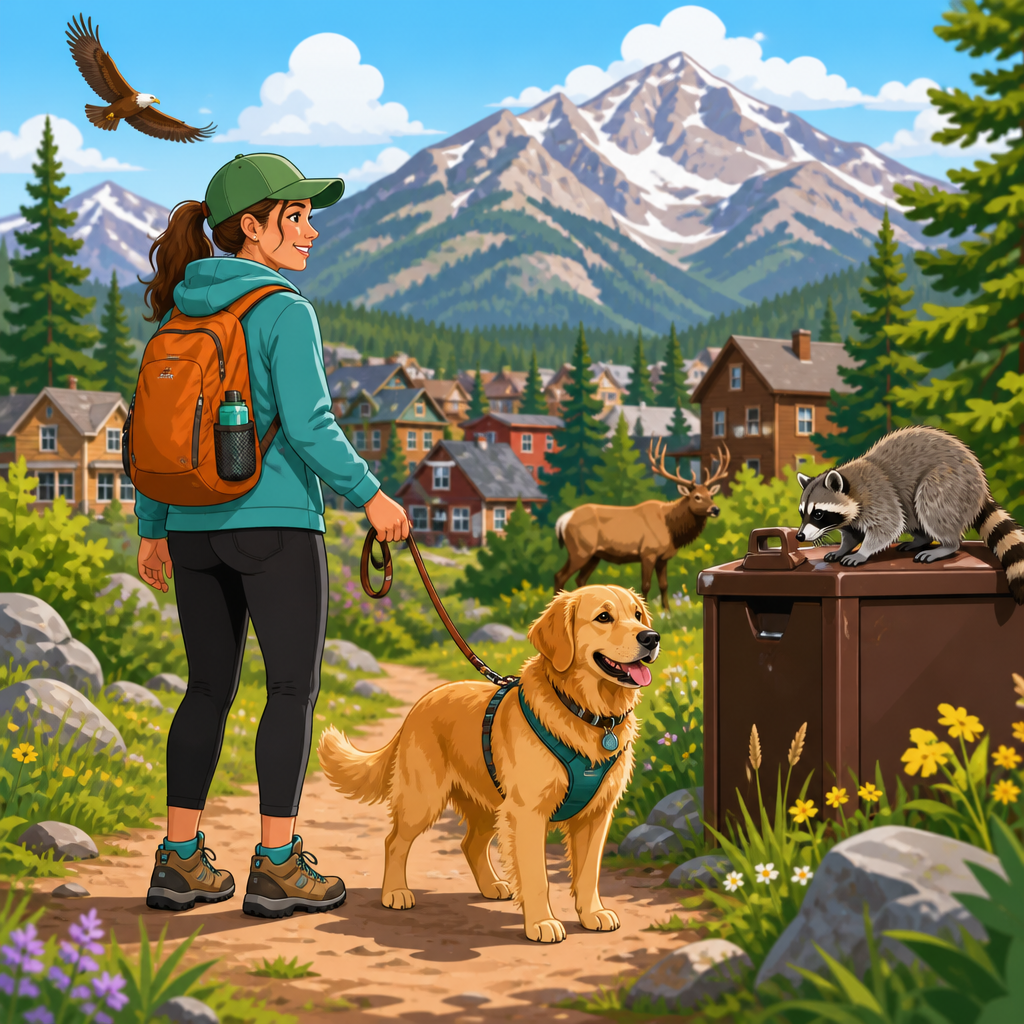
Living with dogs in a mountain town means sharing trails, yards, and even neighborhoods with deer, elk, bears, moose, coyotes, mountain lions, rattlesnakes, and smaller scavengers, so wildlife safety is not a seasonal side issue but a core part of responsible pet ownership. The best wildlife safety habits for dog owners in mountain towns combine prevention, training, health planning, and fast decision-making when encounters happen. In practice, that means keeping dogs under control, reducing attractants around the home, understanding local species behavior, and preparing for emergencies before they occur. I have worked with families in high-country communities where one loose dog chasing elk turned into a fractured leg, and where one open trash can brought a bear back three nights in a row. Those cases are common because mountain living compresses the boundary between domestic space and habitat. A safe routine protects the dog, protects wildlife, and reduces conflict with neighbors and local agencies. It also supports broader pet health and planning, since vaccination status, identification, fitness, recall reliability, route selection, and evacuation readiness all affect outcomes. This article serves as a practical hub for that larger topic, showing which daily habits matter most, why they work, and how to build them into ordinary life.

Understand local wildlife patterns before you walk

Wildlife safety starts with species-specific awareness, not generic caution. In mountain towns across North America, the highest-risk animals for dogs usually vary by elevation, season, and development pattern. Moose are often more dangerous than predators because they stand their ground and react explosively to dogs, especially near calves or in deep snow when movement is difficult. Bears are drawn to food rewards and unsecured garbage, but many encounters can be avoided by controlling scents and never letting a dog investigate carcasses, berry patches, or creek bottoms with limited visibility. Coyotes may test small dogs at dawn and dusk near open space edges. Mountain lions usually avoid people, yet off-leash dogs moving ahead on quiet trails can trigger pursuit or defensive behavior. Rattlesnakes matter in warmer, rocky foothill zones and on south-facing slopes.

The most useful habit is checking recent local reports before each outing. Many mountain towns post wildlife advisories through parks departments, sheriff alerts, ranger districts, homeowners associations, or trail apps. If a calf nursery area, bear closure, or carcass site is posted, reroute immediately. I advise owners to treat these notices as operational guidance, not background news. Timing matters too. Spring brings protective ungulates and emerging bears; summer increases trail traffic and off-leash mistakes; fall concentrates animals on food sources; winter pushes wildlife into plowed corridors, roadsides, and creek edges where dogs also walk. Learn where visibility is poor, where leashes are legally required, and which routes pass through choke points such as willows, dense timber, or frozen river bottoms. Good planning lowers risk before the leash ever clips on.

Control your dog with training, leashes, and distance

The single best wildlife safety habit is reliable control. In mountain towns, “friendly” is irrelevant if a dog cannot stop, return, and stay close under distraction. I have seen otherwise obedient dogs break command when a deer bolts or a porcupine rustles under brush. That is why recall must be proofed around motion, scent, and surprise, not just practiced in a yard. Start with a long line, reward fast turn-and-return behavior, and build an emergency recall word used only for high-value reinforcement. Add a solid leave-it cue and a stop at distance. These are safety commands, not party tricks.

Leash use should be conservative. Even where off-leash access is legal, on-leash is usually the smarter choice in wildlife corridors, dawn and dusk windows, and any trail with brushy blind corners. Standard six-foot leashes provide better control than retractable leashes, which create slack, speed, and entanglement at exactly the wrong moment. Small dogs should be kept close in coyote and raptor country, and large dogs should not be allowed to charge ahead into creek beds or timber. Distance is your margin of safety. Most wildlife incidents escalate because the dog closes space too fast, the animal feels cornered, and the owner arrives too late to interrupt the sequence. If you cannot see ahead, shorten the leash. If your dog is aroused, turn around early. Prevention is cheaper, kinder, and more reliable than response.

Make your home and yard unattractive to wildlife

Most owners think about wildlife safety on trails, but many serious conflicts begin at home. Bears learn quickly, coyotes patrol edges, foxes investigate pet food, skunks den under decks, and moose browse ornamental shrubs. The guiding principle is simple: do not reward wildlife for entering domestic space. Secure garbage in bear-resistant containers where required, store birdseed and livestock feed inside, clean grills, remove fallen fruit, and feed pets indoors. Unsupervised dogs in fenced yards are not automatically safe. A fence may keep a dog in, yet it can trap the dog with a moose, enable barking harassment that escalates a predator encounter, or fail to exclude smaller carnivores.

Lighting, line of sight, and supervision matter. Motion-activated lights can help around entrances, but they are not a substitute for checking the yard before letting a dog out at night. Use a flashlight, scan for eye shine, and listen. Keep dogs on leash for nighttime bathroom trips in bear, skunk, and coyote areas. If you compost, do it properly and avoid meat scraps. If you keep chickens, rabbits, or goats, understand that their feed and scent can increase predator traffic around your dog. Water features can also draw wildlife in dry periods. Ask your local wildlife agency or extension office which attractants are most common in your area, because regional patterns differ. Households that remove food cues, supervise outdoor time, and maintain clear sightlines see fewer repeat visits and fewer dangerous surprises.

Build a pet health and planning system, not just a reaction plan

Wildlife safety is a pet health and planning issue because outcomes depend on preparation long before an encounter. Every mountain-town dog should have current rabies vaccination, core preventive care, visible ID tags, and a registered microchip with updated contact information. In bite, scratch, or scavenging incidents, vaccination records immediately shape veterinary decisions and legal reporting requirements. Preventive medications also matter because wildlife-heavy environments increase exposure to ticks, fleas, intestinal parasites, and diseases carried by feces or carcasses.

A strong system includes physical conditioning, route planning, insurance review, and emergency logistics. Dogs that are overweight, heat-intolerant, or poorly conditioned make slower decisions and recover worse after stress or injury. Brachycephalic breeds and seniors need more conservative timing and terrain choices. Keep a canine first-aid kit with saline, nonstick dressings, self-adherent wrap, tweezers, a tick remover, booties, and your veterinarian’s number plus the nearest emergency clinic. Save offline maps because mountain cell coverage fails often. If your area has wildfire, avalanche, flood, or severe winter storm risk, add evacuation planning: crate access, go-bag, vaccination records, medications, extra leash, muzzle if medically needed, and enough food for several days. The best owners think in layers. Training handles the first minute, gear handles the first hour, and planning protects the days after an incident.

Habit Why it matters Best practice
Leash management Prevents chasing, surprise contact, and delayed response Use a fixed six-foot leash on blind trails, at dusk, and near homesites
Vaccination and ID Speeds treatment and helps recovery if the dog is lost after an encounter Keep rabies current, tag the collar, and register the microchip
Yard supervision Reduces nighttime conflicts with bears, skunks, coyotes, and moose Scan with a light and accompany the dog outside after dark
Trail planning Avoids hotspots such as calving zones, carcass sites, and dense brush Check local alerts and choose routes with visibility and legal leash rules
Emergency readiness Improves response when injuries or evacuations happen Carry first aid, save clinic numbers, and keep a pet go-bag ready

Respond correctly to common wildlife encounters

When an encounter happens, your goal is to create distance without triggering chase or panic. For moose, keep the dog leashed and move away immediately; if the moose shows raised hackles, pinned ears, lip licking, or a head toss, increase distance fast and use terrain or a solid object as a barrier. With bears, do not allow the dog to run out and then back to you with the bear following, a pattern I have unfortunately seen more than once. Back away, keep the dog close, speak calmly, and follow local bear-safety guidance, including carrying bear spray where legal and knowing how to deploy it. Bear bells are far less reliable than voice and awareness.

For coyotes, pick up small dogs if safe, make yourself large, haze assertively, and never let the dog chase. For mountain lions, maintain eye contact, keep children and pets close, and do not run. For porcupines, prevent contact rather than trying home removal of quills; sedation and proper extraction by a veterinarian reduce complications from broken quills migrating into tissue. For rattlesnakes, leave the area calmly and seek immediate veterinary care if bitten; do not cut the wound, ice it, or apply a tourniquet. Across scenarios, the repeated pattern is this: shorten distance to your dog, lengthen distance from the animal, avoid sudden pursuit behavior, and leave early. The owner who turns around at the first sign of trouble usually avoids the emergency the bolder owner later regrets.

Adjust habits for seasons, visitors, and town life

Wildlife safety habits fail most often when routine changes. Holiday visitors leave food out, renters ignore leash norms, snowbanks reduce fence height, and shoulder-season weather shifts animal movement into neighborhoods. Build rules that still work when life gets messy. Tell guests not to feed wildlife, not to leave pet food on porches, and not to let dogs out unsupervised. If you manage a short-term rental or host family frequently, post simple pet rules near the door and provide a leash, flashlight, and local emergency numbers.

Seasonal adjustments are just as important. In winter, deep snow can force moose and deer onto packed paths where dogs also travel; give these animals extreme room because they burn critical energy when disturbed. In spring, nesting birds, newborn ungulates, and denning carnivores make off-trail exploration riskier. Summer brings heat, snakes, and crowded trails, while fall often intensifies bear feeding behavior before denning. Urban-edge mountain towns add traffic, cyclists, and mixed-use paths, so wildlife management overlaps with standard dog safety. Keep vaccinations current, maintain licensing, and know local ordinances on voice control, leash zones, and wildlife harassment. Community habits matter too. Report aggressive or habituated wildlife through the right agency rather than posting only on social media. Accurate reporting helps officials track patterns, issue closures, and intervene before a preventable conflict becomes a destroyed animal or an injured pet.

The best wildlife safety habits for dog owners in mountain towns are consistent, practical, and preventive. Know the animals in your area, check conditions before you go, keep your dog under reliable control, remove food attractants at home, and maintain a complete pet health and planning system that includes vaccinations, identification, first aid, and evacuation readiness. Those habits work because they address the real causes of conflict: surprise, speed, scent, access, and human overconfidence. They also support every other part of responsible mountain dog ownership, from routine trail use to emergency response after storms or wildfire. If you treat wildlife safety as a daily discipline instead of an occasional concern, your dog will have safer walks, your neighborhood will see fewer attractant-driven visits, and native animals will be less likely to pay the price for human mistakes. Review your current routine this week, tighten the weak spots, and build one safer habit at a time. Mountain living is rewarding, but it asks dog owners to be prepared every day.

Frequently Asked Questions

What are the most important everyday wildlife safety habits for dog owners in mountain towns?

The most effective wildlife safety habits are the ones practiced every day, not just on remote hikes or during certain seasons. Start with control: keep your dog leashed where required, use a long line only when appropriate, and make sure recall is truly reliable before allowing any off-leash freedom. A dog that runs ahead, disappears around a corner, or charges wildlife can quickly turn a preventable situation into an emergency. Good control also protects your dog from defensive animals like moose, elk, and bears, which may react aggressively if surprised or chased.

At home, reduce attractants that bring wildlife into your yard or neighborhood. Store trash securely, feed pets indoors, clean up spilled birdseed, harvest fallen fruit, and never leave pet food outside. Keep dogs supervised during early morning, dusk, and nighttime hours, when many wild animals are most active. Motion lights, secure fencing, and checking the yard before letting your dog out can make a major difference. On walks and trails, stay alert, avoid headphones that block ambient sound, and scan ahead for animals, scat, tracks, or carcasses that could signal wildlife activity.

Training and health planning matter just as much as gear. Teach a strong recall, “leave it,” and an emergency U-turn so you can redirect your dog quickly. Keep vaccinations current, use parasite prevention, and know where the nearest emergency veterinarian is located. In mountain towns, the safest dog owners assume encounters are possible every day and build routines that reduce risk before a problem starts.

How should I handle a wildlife encounter when I am out walking or hiking with my dog?

Your first priority is to create distance without triggering pursuit, panic, or defensive behavior. As soon as you see wildlife, leash your dog immediately if it is not already leashed, shorten the leash, and keep your dog close at your side. Do not let your dog bark, lunge, or stare at the animal. Calmly turn around or move away at an angle while speaking in a steady voice. In many situations, especially with deer, elk, coyotes, or moose, simply increasing distance early is the safest response.

The exact response depends on the animal and the situation. If you encounter a bear, avoid running, keep your dog under control, and back away slowly while giving the bear space. If you see a moose, be especially cautious because moose can be unpredictable and may charge if they feel crowded or if a dog agitates them. During calving or rutting seasons, elk and deer can also become more defensive than people expect. If you encounter a rattlesnake, stop immediately, keep your dog from approaching, and back away slowly; do not try to kill or move the snake.

Mountain lion and coyote encounters require control and confidence. Pick up small dogs if it is safe to do so, make yourself look larger, maintain eye contact when appropriate, and leave the area without turning your back. Never allow your dog to chase wildlife, even if the animal appears to be retreating. Chasing can lead your dog into traffic, rough terrain, or an ambush response. After any encounter, assess your dog for injuries, stress, or puncture wounds, and contact a veterinarian if there is any sign of a bite, kick, goring, swelling, or unusual behavior.

How can I make my yard and neighborhood less attractive to bears, coyotes, and other wildlife?

Wildlife usually shows up where food, shelter, and easy opportunities exist, so the goal is to remove the rewards. Use bear-resistant trash containers or keep garbage secured indoors until pickup day. Do not leave dog food, treats, bones, compost scraps, or unclean grills outside. If you feed birds, understand that spilled seed attracts rodents and scavengers, which can in turn attract foxes, coyotes, and even larger predators. In many mountain communities, wildlife professionals recommend pausing bird feeding entirely during bear-active months.

Yard maintenance matters too. Pick up dog waste regularly, trim dense brush near play areas, and remove fallen fruit from trees. Close off crawl spaces, sheds, and spaces under decks where smaller animals may den. If you have chickens or other small animals, secure them with predator-resistant enclosures rather than assuming a standard fence is enough. Letting dogs roam alone in a yard, especially at dawn, dusk, or overnight, creates unnecessary risk because predators often use those quiet windows to move through residential areas.

Neighborhood awareness is another major part of prevention. Pay attention to local wildlife alerts, community social media reports, and seasonal migration patterns. If a bear has been seen on your street, if coyotes are denning nearby, or if moose are moving through greenbelts, change your routine temporarily. Walk dogs in more open areas, keep them closer, and avoid letting them linger near creek corridors, trash enclosures, or brushy lots. The best yards in mountain towns are not wildlife-proof, but they are much less rewarding to investigate.

What training and gear help most with wildlife safety for dogs?

The most valuable tools are a reliable leash system, practical training, and owner readiness. A sturdy six-foot leash gives you better control than a retractable leash, which can create dangerous delays during sudden encounters. A well-fitted harness or secure collar is important, but fit matters as much as brand because dogs can slip loose when startled. For hiking, many owners also carry bear spray where legal and appropriate, but it is essential to know how to use it safely and to understand that it is not a substitute for leash control and situational awareness.

In training, focus on commands that work under pressure. A dependable recall can save your dog’s life, but it must be practiced around distractions, not just in the living room. “Leave it” helps prevent a dog from approaching snakes, carcasses, scat, or smaller animals. An emergency U-turn teaches your dog to turn with you instantly when you need to leave an area fast. Loose-leash walking, check-ins, and calm passing behavior are also critical because a dog that fixates on movement is much more likely to escalate an encounter.

Other useful gear includes a headlamp for nighttime potty trips, a strong flashlight for scanning the yard, a first-aid kit, a charged phone, and ID tags or a microchip in case your dog gets loose. In snake country, ask your veterinarian about local risks and response planning. In bear or lion country, avoid relying on bells or gadgets alone; they are far less important than staying alert, making human presence known, and keeping your dog close. The best gear supports good habits, but training and supervision are what truly prevent most wildlife-related incidents.

What should I do if my dog is bitten, kicked, chased, or otherwise injured during a wildlife encounter?

Treat any wildlife-related injury as urgent, even if it looks minor at first. Dogs with puncture wounds, crush injuries, internal trauma, or envenomation may not show the full severity immediately. If your dog has been bitten or kicked, leash and muzzle only if necessary and safe, keep movement limited, and get veterinary help right away. Do not assume a small puncture is superficial; bites from coyotes, mountain lions, or bears can introduce infection deep into tissue, and kicks from deer, elk, or moose can cause hidden internal injuries or fractures.

If you suspect a rattlesnake bite, keep your dog as calm and still as possible and go to a veterinarian immediately. Do not cut the wound, apply ice, use a tourniquet, or attempt to suck out venom. Time matters. If your dog has been sprayed by a skunk, check the eyes, nose, and mouth for irritation and use an appropriate decontamination approach, but still contact your veterinarian if your dog seems distressed or if there is any concern about rabies exposure. For porcupine quills, seek veterinary care rather than trying to remove deeply embedded quills yourself, since they can migrate and cause further injury.

Even if your dog was only chased and appears physically unharmed, monitor closely afterward. Stress, overheating, sore muscles, and delayed swelling can show up later. Document where and when the encounter happened, report it to local animal control or wildlife authorities if appropriate, and reassess what led to the incident. Fast action, veterinary follow-up, and honest review of your routine are what turn a frightening encounter into a lesson that improves safety going forward.
Pet Health & Planning, Pets & Animals

Post navigation

Previous Post: How to move pets from sea level to a mountain town with less stress
Next Post: What altitude does to working dogs and search-and-rescue dogs

Related Posts

Can dogs get altitude sickness? Dogs & Altitude Sickness
Signs your dog is struggling at altitude Dogs & Altitude Sickness
Best hydration plan for dogs on high-altitude hikes Dogs & Altitude Sickness
How to acclimate your dog for a mountain vacation Dogs & Altitude Sickness
What to do if your dog starts panting excessively at altitude Dogs & Altitude Sickness
Can older dogs handle high-altitude travel? Dogs & Altitude Sickness

Pages

  • Privacy Policy
  • Welcome to HighAltitudeLife.com — Your Complete Guide to Living, Traveling, and Thriving at Elevation

Posts by category

  • Category: Altitude Illness & Acclimatization
    • Can you lose acclimatization after a few days back at sea level?
    • Does sleeping in a lower town really make a difference?
    • Can heat training replace altitude acclimatization?
    • Can sauna training help you prepare for altitude?
    • Do hypoxic tents work for high-altitude travel?
    • Can a weekend trip help you pre-acclimate for a bigger mountain trip?
    • Do altitude masks help with acclimatization?
    • Should you use HRV to monitor altitude adaptation?
    • How to track acclimatization with resting heart rate
    • Low SpO2 at altitude without symptoms: should you worry?
    • What is a normal oxygen saturation at 8,000 feet?
    • How to use a pulse oximeter at altitude without overreacting
    • How fast high-altitude pulmonary edema can progress after a rapid ascent
    • Why HAPE can happen even without classic altitude sickness first
    • What pink frothy sputum at altitude means and why it is an emergency
    • When chest tightness at altitude means you need to descend now
    • HAPE vs bronchitis: how to spot a dangerous cough at altitude
    • Early signs of HAPE every traveler should know
    • How quickly HACE can become life-threatening if you keep ascending
    • What to do if someone becomes disoriented at high altitude
    • HACE vs severe AMS: when symptoms cross into emergency territory
    • Why stumbling and confusion at altitude should never be ignored
    • Early signs of HACE that people mistake for simple exhaustion
    • Why descent is still the most important treatment for severe altitude illness
    • What to do if someone collapses at altitude
    • What to do if AMS hits on night one in a ski town
    • When to descend immediately because altitude symptoms are getting worse
    • When to go to urgent care for altitude symptoms
    • Why altitude symptoms often peak on the first night
    • Why you feel hungover at altitude even when you did not drink
    • Shortness of breath at altitude: what is normal and what is not
    • Why your hands and face can feel puffy after gaining elevation
    • Why your resting heart rate jumps after a rapid ascent
    • Altitude fatigue vs normal travel fatigue: how to tell the difference
    • Why dizziness at altitude feels worse when you stand up quickly
    • Loss of appetite at high altitude: when to push calories and when to rest
    • What causes nausea at altitude and what actually helps?
    • Acute mountain sickness symptoms timeline: what can start within 6 to 12 hours
    • Can poor sleep be your first sign that altitude is not going well?
    • Do anti-nausea meds help with altitude sickness?
    • How long should you wait before trying to go higher again after AMS?
    • Why appetite loss at altitude can quietly make symptoms worse
    • Can dehydration alone cause an altitude-like headache?
    • What not to do when you get altitude sick in a resort town
    • How to use rest days correctly while acclimatizing
    • Why mild altitude symptoms should change your next day’s plan
    • Can you get altitude sickness after moving higher within the same mountain region?
    • Why altitude illness symptoms can look like a hangover
    • Why some people get altitude sickness below the usual risk threshold
    • Do older adults acclimate more slowly at high altitude?
    • Do children get altitude sickness differently than adults?
    • What travelers usually miss about the altitude where they sleep
    • How altitude sickness feels different when you fly in vs drive up
    • Can you still get altitude sickness if you were fine last time?
    • What happens if you ignore mild altitude sickness symptoms?
    • How to know whether a mountain headache is just a headache or AMS
    • Why physical fitness does not protect you from altitude sickness
    • First-night altitude sickness: what to do before symptoms spiral
    • Why altitude sickness often feels worse after dinner
    • What does mild altitude sickness feel like at night?
    • How quickly can altitude sickness start after you arrive?
    • Can you get altitude sickness at 6,000 feet?
    • Altitude sickness vs dehydration: how to tell the difference on day one
    • When oxygen helps at altitude and when it is not enough
    • Can ibuprofen help with altitude headache?
    • What medications can make altitude sleep worse?
    • How long does acetazolamide take to start working?
    • Acetazolamide vs dexamethasone for altitude illness prevention
    • Acetazolamide side effects: what is normal and what is not
    • When should you take acetazolamide for high altitude travel?
    • Category: Acclimatization Plans
      • How to build a week-long acclimatization plan for a 14er trip
      • Driving to altitude vs flying to altitude: which is easier on your body?
      • How to acclimatize after flying straight from sea level to the mountains
      • How to acclimatize for a mountain wedding or family reunion
      • Why symptoms often improve during the day and worsen overnight
      • How many buffer nights do you need before going higher?
      • What climb high, sleep low actually means for normal travelers
      • Why sleeping altitude matters more than daytime altitude
      • How staged ascent lowers your risk of getting sick
      • Should you rest or exercise on your first day at altitude?
      • What a good first 48 hours at altitude actually looks like
      • How long does acclimatization take for a ski vacation?
      • How long does it take to acclimatize after moving to 6,500 feet?
      • How to acclimatize when you only have one extra day
      • Acclimatization plan for 8,000 to 10,000 feet
    • Category: Altitude Medications & Oxygen
    • Category: AMS Basics & Risk Factors
    • Category: AMS Management & Recovery
    • Category: AMS Symptoms & Diagnosis
    • Category: Descent, Treatment & Emergency Response
    • Category: HACE
    • Category: HAPE
    • Category: Monitoring & Decision Tools
    • Category: Pre-Acclimation & Training
  • Category: Cooking & Baking at Altitude
    • Can you cold ferment bread dough at altitude?
    • Biscuits at altitude: how to keep them flaky and tall
    • Best high altitude strategy for enriched doughs
    • How altitude changes sourdough discard recipes
    • Why your crust hardens too fast at altitude
    • Should you use bread flour or all-purpose flour at altitude?
    • How to proof dough in a cold mountain kitchen
    • Challah at altitude: how to keep braids tall and even
    • Focaccia at altitude without giant air tunnels
    • High altitude bagels: better chew without overproofing
    • Bread machine baking at altitude: how to stop overflow and collapse
    • High altitude cinnamon rolls that stay soft
    • How to fix dry dinner rolls at altitude
    • Pizza dough at altitude: timing bulk fermentation correctly
    • Whole wheat bread at altitude without a dense crumb
    • Why bread loaves collapse after rising beautifully at altitude
    • High altitude sourdough hydration: how to adjust for dry flour
    • How to make soft sandwich bread at altitude
    • Sourdough at altitude: how to manage a hyperactive starter
    • High altitude bread baking: how to slow overproofing
    • Why yeast dough rises too fast at altitude
    • Best oven rack position for muffins and quick breads at altitude
    • What high altitude does to buttermilk baking
    • Pumpkin bread at altitude without collapse
    • Cinnamon streusel muffins at altitude that actually hold together
    • Zucchini bread at altitude without a wet middle
    • Crepes at altitude: do you need to change anything?
    • Scones at altitude: why they spread and how to fix them
    • Waffles at altitude: crisp outside, fully cooked inside
    • Pancakes at altitude: why they turn gummy in the middle
    • Cornbread at altitude: moist texture without crumbling
    • Blueberry muffins at altitude without gummy centers
    • Quick breads at altitude: why they over-rise and collapse
    • Banana bread at altitude: how to stop the center from sinking
    • Muffins at altitude: how to avoid mushroom tops and tunnels
    • High altitude pastry cream without a grainy texture
    • Why whipped cream behaves differently in very dry climates
    • Best thickener choices for fruit pies at altitude
    • Souffles at altitude: why timing matters even more
    • How to blind bake pie crust successfully at altitude
    • Custards at altitude: how to avoid curdling and underbaking
    • Tart shells at altitude without slumping
    • How to fix hollow macarons in dry mountain air
    • Puff pastry at altitude: what matters and what does not
    • Cream puffs and choux pastry at altitude
    • Meringue at altitude: how to stop weeping and shrinking
    • Macarons at altitude: can they actually work?
    • Pumpkin pie at altitude without cracks or weeping
    • Pie crust at altitude: how to keep it flaky
    • Fruit pies at altitude: how to avoid runny fillings
    • Coffee brewing at altitude: how to get better extraction
    • Grilling at altitude: how wind and thinner air change cooking
    • Instant Pot altitude adjustments that actually work
    • Pressure cooking at altitude for soups and stews
    • Roasting meat at altitude: why thermometers beat timing
    • Slow cooker meals at altitude: do you need to adjust time?
    • Beans at altitude: stovetop vs pressure cooker
    • Cooking rice at altitude without mush or crunch
    • Pasta at altitude: why it takes longer than you expect
    • How long to boil eggs at altitude
    • Category: Baking Fundamentals
      • How altitude affects gluten-free baking
      • Best tools for reliable high altitude baking at home
      • How to test a new recipe at altitude without wasting ingredients
      • Why eggs matter more in high altitude baking
      • How much extra liquid to add when baking at altitude
      • When to reduce baking powder and baking soda at altitude
      • When to reduce sugar in high altitude baking
      • When you should increase oven temperature at altitude
      • Why your flour behaves differently in dry mountain air
      • Why water boils at a lower temperature at altitude and why it matters
      • High altitude baking conversion chart for beginners
      • How to adjust a sea-level recipe for high altitude
      • Why low air pressure changes rise, moisture, and structure
      • High altitude baking basics: why recipes fail above 3,000 feet
      • What counts as high altitude for baking?
    • Category: Baking Troubleshooting & Workflow
      • Best freezer strategies for make-ahead baking at altitude
      • How to troubleshoot overproofed bread in a dry mountain kitchen
      • Best notebook system for testing and improving high-altitude recipes
      • Why pie fillings bubble differently at altitude
      • How to adapt family recipes without losing the original feel
      • How to adjust cheesecake water baths at altitude
      • Can you use convection mode for high-altitude baking?
      • What altitude does to brownie edges vs brownie centers
      • Why high-altitude cakes brown before the center is done
      • How to rescue a batch of flat cookies at altitude
    • Category: Cakes & Cupcakes
      • High altitude wedding cake planning for home bakers
      • How to keep sheet cakes soft at altitude
      • Bundt cakes at altitude: why they stick and how to fix it
      • Sponge cake at altitude: how to stabilize the foam
      • Cheesecake at altitude: how to avoid cracks and underbaked centers
      • Angel food cake at altitude: how to keep it from collapsing
      • High altitude red velvet cake without a dense crumb
      • How to keep layer cakes from drying out at altitude
      • Best frosting choices for dry mountain climates
      • How to adapt box cake mix for 5,000 to 8,000 feet
      • Why cupcakes dome and crack at altitude
      • High altitude vanilla cake: how to prevent tunneling and collapse
      • How to fix a gummy cake at altitude
      • Why cakes sink in the middle at high altitude
      • High altitude chocolate cake that stays moist and tall
    • Category: Candy, Preserves & Canning
      • Best thermometer use for sugar work at high altitude
      • Altitude-safe fruit preserving for mountain home cooks
      • Why home canning mistakes are riskier at altitude
      • Pressure canning at altitude: how to adjust pressure safely
      • Boiling-water canning at altitude: how to adjust processing time
      • High altitude canning basics for beginners
      • Jam and jelly at high elevation: safer set points and timing
      • Fudge at altitude without graininess
      • Caramel at altitude: why your thermometer matters more
      • Candy making at altitude: how soft-ball and hard-crack stages change
    • Category: Cookies & Bars
      • Should you chill cookie dough longer at altitude?
      • Best pan choice for cookies at high altitude
      • Peanut butter cookies at altitude: how to stop cracking
      • High altitude lemon bars without a soggy crust
      • Why blondies turn cakey at altitude
      • Snickerdoodles at altitude: why they flatten and how to fix them
      • Shortbread at altitude: how to keep it tender
      • Bar cookies at altitude: how to avoid underbaked centers
      • Brownies at altitude: chewy edges without a dry center
      • Fudgy brownies at 7,000 feet: the easiest adjustments
      • Best high altitude oatmeal cookie adjustments
      • High altitude sugar cookies that hold their shape
      • High altitude chocolate chip cookies that do not go flat
      • Why cookies spread too much at altitude
      • How to fix dry cookies at altitude
    • Category: Cooking Methods
    • Category: Pies, Pastries & Meringues
    • Category: Quick Breads & Breakfast Bakes
    • Category: Yeast Breads & Sourdough
  • Category: Daily Life, Skin, Eyes & Home Comfort
    • Best lip SPF for high elevation conditions
    • How to protect your scalp from altitude sun
    • Sunburn on cloudy mountain days: why it still happens
    • How to read the UV Index before a mountain hike
    • Best UPF clothing for high altitude summer days
    • Best sunscreen for high altitude hiking and snow reflection
    • How often should you reapply sunscreen while skiing?
    • How altitude changes eczema triggers
    • Does acne get better or worse at altitude?
    • Why UV exposure is stronger at altitude
    • How to treat a nose that feels raw in dry mountain weather
    • Best overnight routine for repairing skin after sun and wind exposure
    • Windburn vs sunburn: how to tell the difference after a mountain day
    • How to stop chapped lips from coming back in mountain air
    • Why your hands crack faster at altitude and what helps
    • Best moisturizers for mountain dryness without feeling greasy
    • How to build a high altitude skincare routine that actually works
    • How to reduce fatigue during your first month at altitude
    • Does allergy season get better or worse at higher elevation?
    • Why your skin gets drier at 7,000 feet
    • How to dress for 40-degree temperature swings in one day
    • Why coffee tastes different in the mountains
    • What shoulder season living is really like in mountain towns
    • How to dry laundry faster in cold, dry air
    • Best pet hydration routine for mountain homes
    • How to keep houseplants alive at altitude
    • Best place to put a humidifier in a mountain bedroom
    • Best houseplants for adding humidity in dry climates
    • How to reduce nosebleeds caused by dry indoor air
    • Static electricity at altitude: why it gets so bad
    • How to use a bedroom humidifier without creating mold
    • Why your sinuses hurt more in dry mountain houses
    • How to keep produce fresh longer in mountain air
    • Indoor humidity at altitude: what range feels best?
    • Humidifier vs whole-house humidifier for mountain homes
    • How to protect your eyes on windy ridge days
    • Do blue eyes burn faster in bright snow conditions?
    • Can altitude make contact lenses less comfortable?
    • What photokeratitis feels like and when to get help
    • How to prevent snow blindness on bright alpine days
    • When should you wear glacier glasses instead of regular sunglasses?
    • Best eyedrops for mountain dryness and screen time
    • Dry eyes at high altitude: what actually helps
    • What altitude does to your taste and smell
    • Why groceries dry out faster in a mountain pantry
    • Best food storage tweaks for dry, high-elevation kitchens
    • How to manage barometric pressure headaches in mountain towns
    • Why weather swings trigger headaches at altitude
    • Daily hydration habits that work when you live at altitude
    • How to create an altitude-friendly self-care routine for guests
    • Do storms feel more intense when you live high in the mountains?
    • Why you feel thirstier in cold mountain weather
    • Why your voice feels rough after a day in dry mountain weather
    • How to prevent cracked cuticles and hangnails at altitude
    • Can altitude make tinnitus feel worse?
    • How to soothe a dry sore throat caused by mountain air
    • High altitude cough: dry air vs illness vs something serious
    • Why your nose bleeds more often in winter at altitude
    • Sinus pressure after a big elevation gain: what helps safely
    • How to relieve ear pressure on mountain drives
    • Category: Comfort Troubleshooting
      • Why mountain air can make you feel tired even when your weather app says perfect
      • How to build a guest room that feels better for visitors new to altitude
      • Best ways to protect kids’ skin from mountain sun year-round
      • Do humidifiers help with snoring in dry mountain bedrooms?
      • How to keep your home office comfortable in dry mountain air
      • Best reusable water bottle habit for daily life at altitude
      • How to handle cold, sunny days that dehydrate you faster than you expect
      • Best shower and skincare routine after skiing at altitude
      • Can altitude make contact lenses dry out faster on flights and mountain days?
      • How to stop waking up with nosebleeds in winter mountain homes
    • Category: ENT & Sensory Issues
    • Category: Everyday Health & Comfort
    • Category: Eye Care & Vision
    • Category: Indoor Air & Humidity
    • Category: Lifestyle Adjustments
    • Category: Skin Care & Dryness
    • Category: Sun Protection & UV
  • Category: Family, Pregnancy & Kids
    • How to plan a lower-risk babymoon in a mountain town
    • When to call your OB before a mountain trip
    • Best hydration strategy for pregnancy in dry mountain air
    • Why remote mountain travel changes pregnancy risk planning
    • Pregnancy and brief high-altitude travel: practical planning questions
    • Can you ski early in pregnancy at altitude?
    • How to plan rest days on a high-altitude family trip
    • Can kids sleep worse than adults at altitude?
    • What to do if your child vomits after arriving at altitude
    • Traveling to altitude with a baby: what pediatricians usually discuss
    • Best snacks for children who lose appetite at altitude
    • How to keep kids hydrated on mountain vacations
    • How to pace a family ski trip so kids acclimate better
    • Best first-day plan for families arriving at altitude
    • Best packing list for infants in high-altitude climates
    • What altitude symptoms in toddlers are easy to miss
    • How to spot altitude sickness in children
    • How to recognize when a baby is not adjusting well to altitude
    • Safe sleep questions parents ask after moving to altitude
    • Newborns at altitude: what families should ask their pediatrician
    • Postpartum recovery at altitude: what can feel harder than expected
    • Breastfeeding at altitude: how dry air and hydration affect comfort
    • Category: Family Logistics & Planning
      • How to build a kid-friendly first-aid kit for mountain trips
      • Should children take acetazolamide for altitude travel?
      • How to talk to kids about altitude sickness without scaring them
      • Family road trip to altitude: where to break up the ascent
      • How to plan a multigenerational vacation at altitude without overdoing it
      • Best family-friendly mountain towns for a first altitude trip
      • How to manage screen-free downtime when bad weather keeps kids inside
      • How to plan a family reunion in the mountains for mixed ages
      • High school athletes competing at altitude: how to prepare safely
      • Traveling with grandparents and kids to altitude: how to pace the trip
    • Category: Infants & Postpartum
    • Category: Kids & Family Travel
    • Category: Pregnancy Travel
  • Category: Fitness, Hiking & Performance
    • Best recovery routine after multiple ski days at altitude
    • Can altitude make you more reckless on the mountain?
    • How to reduce quad burnout on long ski days at altitude
    • Snowshoeing at altitude: how to avoid overheating and dehydration
    • Backcountry ski touring at altitude: pacing and fueling tips
    • How to stay hydrated while skiing in cold weather
    • Best acclimatization plan for a ski weekend
    • Skiing at altitude: how to survive day one without a headache
    • How to use perceived effort instead of pace at altitude
    • Do you lose fitness or just feel slower at elevation?
    • Why interval workouts feel brutal at altitude
    • Can you train hard on day one at altitude?
    • How to pace your first run in a mountain town
    • Why workouts feel harder at 6,000 feet
    • Heart rate zones at altitude: how to adjust them
    • How much does VO2 max drop at altitude?
    • Does creatine help or hurt during altitude adaptation?
    • Can you build muscle normally while living at altitude?
    • Can altitude make you sorer for longer after leg day?
    • How to recover from strength sessions in dry mountain climates
    • Should bodybuilders adjust protein and water needs at altitude?
    • Do heavy lifts feel harder at altitude or is it just cardio strain?
    • Best gym week after moving to altitude
    • Strength training at altitude: should you cut volume or intensity first?
    • How long altitude training benefits last after you come home
    • Can altitude training help a half marathon at sea level?
    • How to avoid altitude headaches after a run
    • Best recovery plan after a hard run at altitude
    • Best acclimatization strategy for trail runners
    • How to train for your first 14er from sea level
    • How to fuel long runs in dry mountain air
    • How to know whether fatigue is from training or acclimatization
    • Running at altitude: what sea-level runners should expect
    • High altitude muscle cramps: hydration vs sodium vs pacing
    • Post-workout headaches at altitude: most common causes
    • Should you add extra recovery days during your first week at altitude?
    • Signs you are pushing too hard at altitude
    • Best active recovery ideas when you live above 7,000 feet
    • How altitude affects hiking with a pack vs running without one
    • Using a pulse oximeter to guide training at altitude
    • Can you train through mild altitude sickness?
    • How to return to sea-level pace after a high-altitude block
    • Do women respond differently to altitude training than men?
    • Can swimmers benefit from altitude exposure away from the pool?
    • Heat training vs altitude training: which is more useful?
    • Best cross-training options during your first altitude week
    • Live high, train low: what it really means for non-elite athletes
    • How to plan a training camp at altitude without burning out
    • How to build rest breaks into a family hike at altitude
    • Why appetite changes can wreck athletic performance at altitude
    • Altitude and weight loss: why the scale may drop fast at first
    • Best snacks for summit day above tree line
    • How to plan a safer turnaround time at altitude
    • Breathing techniques that actually help on steep ascents
    • How often should you stop on a high-altitude hike?
    • What to do when your hiking partner is slowing down from altitude
    • How to pace steep climbs so you do not blow up early
    • Hiking at altitude when you are not acclimated
    • Category: Cycling
      • What to eat on a high-altitude ride over three hours
      • Mountain biking at altitude: how to manage surges and recovery
      • Do descents feel colder and drier at altitude on the bike?
      • Best gearing strategy for steep high-altitude climbs
      • How altitude changes power output on the bike
      • Cycling mountain passes: how to pace long climbs at altitude
    • Category: Hiking Strategy
    • Category: Performance Strategy
    • Category: Recovery & Monitoring
    • Category: Running & Endurance
    • Category: Strength & Gym Training
    • Category: Training Physiology
    • Category: Winter Sports
  • Category: Gear, Monitoring & Safety
    • Best gear for kids on their first high-altitude trip
    • How to build a simple altitude emergency kit for your trunk
    • Best cabin backup lighting for storms and outages
    • Do portable air purifiers help in smoky mountain rentals?
    • How to choose a pack that carries water well in dry conditions
    • What to keep in a high-altitude travel med kit
    • Best backpacks for day hikes at altitude
    • Water filters that perform well in cold alpine conditions
    • Best cooking tools for reliable high-altitude recipe testing
    • Best face coverings for wind, cold, and sun at altitude
    • How to pack a carry-on for a fast ascent to a mountain town
    • Best travel gear for sleeping better at altitude
    • Best lip balms for mountain sun and wind
    • UPF hoodies vs sunscreen: what works best above tree line
    • Best sunscreen format for high-altitude hiking
    • Glacier glasses vs regular sunglasses for snow and alpine travel
    • Best traction devices for icy shoulder-season trails
    • Best sunglasses for high-altitude UV exposure
    • Best headlamps for cold mountain nights
    • Power banks that hold up better in winter conditions
    • Satellite messenger vs cell phone for remote altitude travel
    • Best first-aid kit additions for high-altitude hiking
    • Do trekking poles really help at altitude?
    • Hydration packs that resist frozen hoses in winter
    • Best water bottles for cold, high-altitude hikes
    • Best thermometers for high-altitude cooking and candy making
    • Do you need a humidifier for mountain hotel rooms?
    • Oxygen canisters for hikers: helpful tool or marketing gimmick?
    • How to read a pulse oximeter without panicking
    • Portable oxygen concentrators for high altitude travel: what they can and cannot do
    • Best pulse oximeters for altitude travel
    • Category: Clothing, Sleep & Shelter
      • Tent features that matter most in exposed alpine camps
      • Best sleeping pads for cold ground and thin air
      • How to pick a sleeping bag for high-altitude camping
      • Best base layers for dry, cold mountain climates
      • Best layering system for big temperature swings in the mountains
      • How to choose gloves for cold but sunny alpine days
    • Category: Monitoring & Oxygen
    • Category: Safety & Navigation
    • Category: Sun, Eye & Skin Gear
    • Category: Travel & Emergency Preparedness
  • Category: Home Systems, Vehicles & Off-Grid Living
    • How to set indoor humidity in a mountain home without causing mold
    • Whole-house humidifier vs portable humidifiers for altitude homes
    • Category: Indoor Systems & Humidity
  • Category: Pets & Animals
    • Category: Cats & Small Pets
      • How to move pets from sea level to a mountain town with less stress
      • How to help an indoor cat adjust to dry mountain air
      • Do rabbits and small pets need extra humidity at altitude?
      • Best litter box setup for low-humidity homes
      • Can cats struggle after moving to altitude?
    • Category: Dogs & Altitude Sickness
      • High altitude hikes with flat-faced dogs: what to know first
      • How fast should you ascend with a dog?
      • Can older dogs handle high-altitude travel?
      • What to do if your dog starts panting excessively at altitude
      • How to acclimate your dog for a mountain vacation
      • Best hydration plan for dogs on high-altitude hikes
      • Signs your dog is struggling at altitude
      • Can dogs get altitude sickness?
    • Category: Mountain Dogs & Hiking
      • Best recovery routine after a big mountain day with your dog
      • How to plan rest breaks for dogs on steep trails
      • What to pack in a dog first-aid kit for mountain trips
      • How to recognize cold stress vs altitude stress in dogs
      • Can dogs sleep worse at altitude?
      • Best food and water routine for dogs in dry mountain air
    • Category: Pet Health & Planning
      • How to protect pets from stronger UV and snow glare at altitude
      • What altitude does to working dogs and search-and-rescue dogs
      • Best wildlife safety habits for dog owners in mountain towns
      • How horses acclimate to mountain environments
      • Livestock at altitude: how ranch routines change with thinner air
  • Category: Respiratory, Cardio & Chronic Conditions
    • What causes periodic breathing at altitude?
    • Is loud snoring worse at altitude or just more obvious?
    • Portable power options for CPAP in mountain towns and cabins
    • Do you need oxygen with CPAP at high altitude?
    • Sleep apnea at altitude: what changes during a mountain trip?
    • Why CPAP users often sleep worse at altitude
    • Category: Asthma
      • Do rescue inhalers work differently at altitude?
      • How wildfire smoke plus altitude affects people with asthma
      • Best warm-up routine for asthma before hiking at altitude
      • What to ask your doctor before taking an asthma trip to 10,000 feet
      • Can high altitude make exercise-induced asthma worse?
      • Does dry mountain air trigger asthma symptoms?
      • How to tell altitude breathlessness from an asthma flare
      • Asthma and altitude: who does better and who gets worse?
      • What to pack for asthma at high altitude
      • Does high altitude affect asthma?
    • Category: Blood Disorders & Special Conditions
      • What people with pulmonary hypertension should know before altitude travel
      • Iron deficiency and altitude: why low ferritin can make the trip harder
      • Can altitude worsen anemia symptoms?
      • Sickle cell disease and altitude: why rapid ascent can be dangerous
      • Sickle cell trait and high altitude: what the real risks are
    • Category: COPD & Chronic Lung Disease
      • How to plan a lower-sleeping-altitude itinerary with COPD
      • Altitude travel checklist for people with chronic lung disease
      • Why COPD symptoms can feel worse during the first night at altitude
      • Can people with COPD visit mountain towns safely?
      • When home oxygen users should think twice about altitude travel
      • COPD and high altitude travel: what to ask before you go
    • Category: Diabetes
      • Travel checklist for diabetes in mountain environments
      • How to manage insulin on a high-altitude hiking trip
      • Can altitude illness mimic low blood sugar?
      • Do glucometers read differently at high altitude?
      • Diabetes at altitude: how elevation can change blood sugar patterns
    • Category: Heart & Blood Pressure
      • Angina at altitude: when lower oxygen becomes a problem
      • Heart failure and mountain travel: questions to ask your cardiologist
      • Why your heart works harder during the first days at altitude
      • High altitude and heart palpitations: common causes and red flags
      • Can you travel to altitude with coronary artery disease?
      • Does high altitude raise blood pressure?
    • Category: Other Chronic Conditions
      • Can altitude make long COVID symptoms worse?
      • GERD at altitude: why reflux may feel worse on mountain trips
      • Multiple sclerosis and altitude travel: what patients should plan for
      • Chronic kidney disease and altitude travel: hydration and risk questions
      • Thyroid medication and altitude: do you need to change anything?
      • Can high altitude worsen migraines?
    • Category: Pre-Trip Medical Planning
      • Post-viral fatigue and altitude: when to postpone the trip
      • How to decide whether altitude travel is worth the risk for your condition
      • Should you avoid altitude if you recently recovered from a respiratory infection?
      • Best questions to ask your specialist before a mountain trip
      • How to build a medication backup plan for remote altitude travel
      • When a stable chronic condition becomes a higher-altitude problem
      • What doctors wish travelers knew about preexisting conditions at altitude
    • Category: Pregnancy
      • Why remote mountain travel during pregnancy needs a different risk calculation
      • How to plan a safer high-altitude babymoon
      • Pregnancy at altitude vs visiting altitude: what is different?
      • Pregnancy and high altitude: what elevations are usually considered higher risk?
      • Can you take a brief mountain trip while pregnant?
    • Category: Sleep Apnea & Breathing Disorders
  • Category: Sleep, Hydration & Nutrition
    • Creatine at altitude: useful tool or unnecessary risk?
    • Nicotine and altitude: why breathing and recovery get harder
    • Should you avoid sleeping pills at altitude?
    • Caffeine at altitude: does it help headaches or make them worse?
    • Can pre-workout supplements make altitude symptoms feel worse?
    • Alcohol at altitude: why two drinks can feel like four
    • Category: Hydration & Electrolytes
      • How to stay hydrated when you do not feel thirsty in the mountains
      • Best hydration routine for cold, dry mountain weather
      • What color should your urine be at altitude if you are hydrated?
      • Can overhydrating make altitude symptoms feel worse?
      • How much extra water do you really need at altitude?
      • Electrolytes at altitude: when water alone is not enough
      • Why you pee more at altitude
      • High altitude dehydration: subtle signs beyond thirst
    • Category: Nutrition & Fueling
      • Best foods for recovering after altitude sickness
      • Should you eat more iron-rich foods before an altitude trip?
      • How to meal prep for your first week living at altitude
      • Does altitude change the way food tastes?
      • Loss of appetite at high altitude: how to still hit your calories
      • Why carbs matter more during your first days at altitude
      • Best snacks for altitude travel when you feel nauseated
      • What to eat before hiking at altitude
    • Category: Practical Meal Planning
      • Best electrolyte strategy for high-altitude road trips
      • Best recovery meal after a hard day at altitude
      • How to pack altitude-friendly snacks for kids
      • What to eat on travel day before you go from sea level to the mountains
      • How to fuel a long hike when altitude kills your appetite
      • Best breakfast before skiing at altitude
    • Category: Recovery & Return to Sea Level
      • How to know whether fatigue after altitude is normal or worth checking
      • Should you train hard the day after arriving at altitude?
      • How to recover after a trip where altitude wrecked your sleep
      • How long it takes to feel normal again after returning to sea level
      • Post-altitude headache recovery: when it should be gone
      • Why you feel wiped out for days after an altitude trip
    • Category: Sleep & Recovery
      • How to sleep better in a dry hotel room at altitude
      • Why alcohol is one of the worst sleep aids at altitude
      • When altitude sleep problems mean more than simple adjustment
      • Sleep hacks that actually help on your first night in a ski town
      • Melatonin at altitude: does it help or hurt?
      • How to stop waking up with a dry mouth in mountain air
      • Best bedroom humidity for sleeping at altitude
      • Why altitude sleep feels lighter and less restorative
      • High altitude insomnia: how to sleep better your first week
      • Why you wake up at 3 a.m. at high altitude
    • Category: Substances & Supplements
  • Category: Travel & Destinations
    • What to expect physically when you arrive in Aconcagua Base Areas
    • Aconcagua Base Areas altitude guide for first-time visitors
    • How to acclimatize before visiting Aconcagua Base Areas
    • What to expect physically when you arrive in Kilimanjaro
    • How to acclimatize before visiting Kilimanjaro
    • How to acclimatize before visiting Everest Base Camp
    • What to expect physically when you arrive in Everest Base Camp
    • Kilimanjaro altitude guide for first-time visitors
    • Everest Base Camp altitude guide for first-time visitors
    • What to expect physically when you arrive in Jackson Hole
    • How to acclimatize before visiting Jackson Hole
    • Jackson Hole altitude guide for first-time visitors
    • Mammoth Lakes altitude guide for first-time visitors
    • How to acclimatize before visiting Mammoth Lakes
    • What to expect physically when you arrive in Mammoth Lakes
    • What to expect physically when you arrive in Lake Tahoe
    • How to acclimatize before visiting Lake Tahoe
    • Lake Tahoe altitude guide for first-time visitors
    • What to expect physically when you arrive in Flagstaff
    • How to acclimatize before visiting Flagstaff
    • Flagstaff altitude guide for first-time visitors
    • Santa Fe altitude guide for first-time visitors
    • What to expect physically when you arrive in Santa Fe
    • How to acclimatize before visiting Santa Fe
    • What to expect physically when you arrive in Taos
    • How to acclimatize before visiting Taos
    • What to expect physically when you arrive in Leadville
    • Taos altitude guide for first-time visitors
    • How to acclimatize before visiting Leadville
    • Leadville altitude guide for first-time visitors
    • Denver altitude guide for first-time visitors
    • What to expect physically when you arrive in Denver
    • How to acclimatize before visiting Denver
    • Category: Extreme Altitude Day Trips
      • How to acclimatize before visiting Pikes Peak
      • What to expect physically when you arrive in Pikes Peak
      • Pikes Peak altitude guide for first-time visitors
    • Category: High-Altitude Communities
      • What to expect physically when you arrive in La Rinconada
      • How to acclimatize before visiting La Rinconada
      • La Rinconada altitude guide for first-time visitors
    • Category: International City Guides
      • What to expect physically when you arrive in Lhasa
      • What to expect physically when you arrive in Quito
      • Lhasa altitude guide for first-time visitors
      • How to acclimatize before visiting Lhasa
      • What to expect physically when you arrive in La Paz
      • Quito altitude guide for first-time visitors
      • How to acclimatize before visiting La Paz
      • La Paz altitude guide for first-time visitors
      • What to expect physically when you arrive in Cusco
      • How to acclimatize before visiting Cusco
      • Cusco altitude guide for first-time visitors
    • Category: International Destination Guides
      • Leh-Ladakh altitude guide for first-time visitors
      • What to expect physically when you arrive in Leh-Ladakh
      • How to acclimatize before visiting Leh-Ladakh
      • What to expect physically when you arrive in Machu Picchu
      • Machu Picchu altitude guide for first-time visitors
      • How to acclimatize before visiting Machu Picchu
    • Category: National Park Gateways
      • What to expect physically when you arrive in Estes Park
      • Estes Park altitude guide for first-time visitors
      • How to acclimatize before visiting Estes Park
    • Category: National Park Guides
      • What to expect physically when you arrive in Grand Canyon North Rim
      • How to acclimatize before visiting Grand Canyon North Rim
      • Grand Canyon North Rim altitude guide for first-time visitors
      • Yellowstone altitude guide for first-time visitors
      • What to expect physically when you arrive in Yellowstone
      • How to acclimatize before visiting Yellowstone
      • What to expect physically when you arrive in Bryce Canyon
      • How to acclimatize before visiting Bryce Canyon
      • Bryce Canyon altitude guide for first-time visitors
      • What to expect physically when you arrive in Rocky Mountain National Park
      • Rocky Mountain National Park altitude guide for first-time visitors
      • How to acclimatize before visiting Rocky Mountain National Park
    • Category: Ski Town Guides
      • What to expect physically when you arrive in Park City
      • Park City altitude guide for first-time visitors
      • How to acclimatize before visiting Park City
      • Steamboat Springs altitude guide for first-time visitors
      • What to expect physically when you arrive in Steamboat Springs
      • How to acclimatize before visiting Steamboat Springs
      • How to acclimatize before visiting Telluride
      • What to expect physically when you arrive in Telluride
      • How to acclimatize before visiting Aspen
      • What to expect physically when you arrive in Aspen
      • Telluride altitude guide for first-time visitors
      • Aspen altitude guide for first-time visitors
      • What to expect physically when you arrive in Vail
      • Vail altitude guide for first-time visitors
      • What to expect physically when you arrive in Breckenridge
      • How to acclimatize before visiting Vail
      • Breckenridge altitude guide for first-time visitors
      • How to acclimatize before visiting Breckenridge
    • Category: Trek Preparation
    • Category: US City Guides
    • Category: US Lake & Mountain Guides

My Templates

  • Default Kit
  • Default Kit

  • Acclimatization Plans
  • Altitude Illness & Acclimatization
  • Altitude Medications & Oxygen
  • AMS Basics & Risk Factors
  • AMS Management & Recovery
  • AMS Symptoms & Diagnosis
  • Asthma
  • Baking Fundamentals
  • Baking Troubleshooting & Workflow
  • Blood Disorders & Special Conditions
  • Cakes & Cupcakes
  • Candy, Preserves & Canning
  • Cats & Small Pets
  • Clothing, Sleep & Shelter
  • Comfort Troubleshooting
  • Cookies & Bars
  • Cooking & Baking at Altitude
  • Cooking Methods
  • COPD & Chronic Lung Disease
  • Cycling
  • Daily Life, Skin, Eyes & Home Comfort
  • Descent, Treatment & Emergency Response
  • Diabetes
  • Dogs & Altitude Sickness
  • ENT & Sensory Issues
  • Everyday Health & Comfort
  • Extreme Altitude Day Trips
  • Eye Care & Vision
  • Family Logistics & Planning
  • Family, Pregnancy & Kids
  • Fitness, Hiking & Performance
  • Gear, Monitoring & Safety
  • HACE
  • HAPE
  • Heart & Blood Pressure
  • High-Altitude Communities
  • Hiking Strategy
  • Home Systems, Vehicles & Off-Grid Living
  • Hydration & Electrolytes
  • Indoor Air & Humidity
  • Indoor Systems & Humidity
  • Infants & Postpartum
  • International City Guides
  • International Destination Guides
  • Kids & Family Travel
  • Lifestyle Adjustments
  • Monitoring & Decision Tools
  • Monitoring & Oxygen
  • Mountain Dogs & Hiking
  • National Park Gateways
  • National Park Guides
  • Nutrition & Fueling
  • Other Chronic Conditions
  • Performance Strategy
  • Pet Health & Planning
  • Pets & Animals
  • Pies, Pastries & Meringues
  • Practical Meal Planning
  • Pre-Acclimation & Training
  • Pre-Trip Medical Planning
  • Pregnancy
  • Pregnancy Travel
  • Quick Breads & Breakfast Bakes
  • Recovery & Monitoring
  • Recovery & Return to Sea Level
  • Respiratory, Cardio & Chronic Conditions
  • Running & Endurance
  • Safety & Navigation
  • Ski Town Guides
  • Skin Care & Dryness
  • Sleep & Recovery
  • Sleep Apnea & Breathing Disorders
  • Sleep, Hydration & Nutrition
  • Strength & Gym Training
  • Substances & Supplements
  • Sun Protection & UV
  • Sun, Eye & Skin Gear
  • Training Physiology
  • Travel & Destinations
  • Travel & Emergency Preparedness
  • Trek Preparation
  • US City Guides
  • US Lake & Mountain Guides
  • Winter Sports
  • Yeast Breads & Sourdough
  • Privacy Policy
  • Welcome to HighAltitudeLife.com — Your Complete Guide to Living, Traveling, and Thriving at Elevation

Copyright © 2026 .

Powered by PressBook Grid Blogs theme