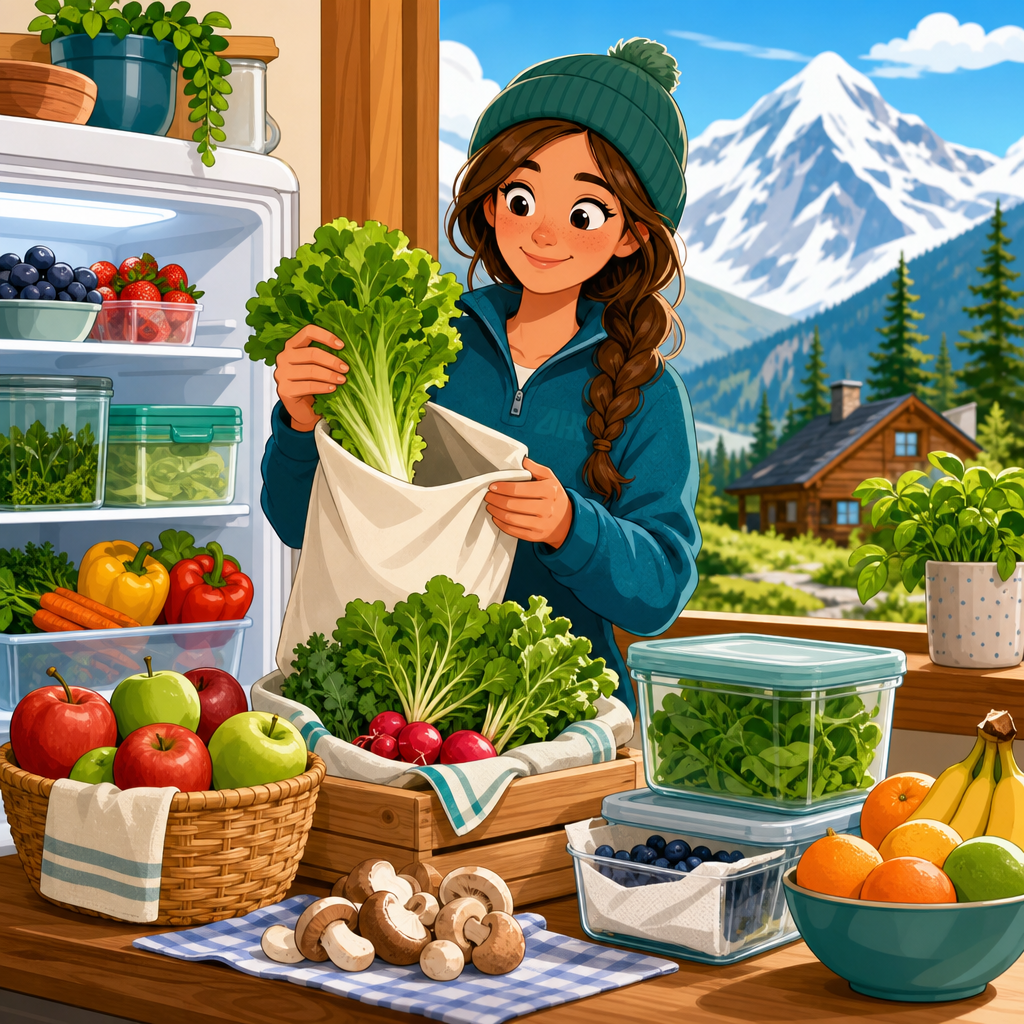
Mountain air changes the way food behaves, and anyone who has unpacked groceries at altitude has seen it firsthand: berries soften faster, lettuce wilts unevenly, herbs dry at the edges, and avocados seem to jump from hard to mushy overnight. Learning how to keep produce fresh longer in mountain air matters because altitude affects moisture loss, temperature swings, sunlight exposure, and even the way refrigerators perform. In practical terms, produce freshness is the balance between water retention, respiration rate, microbial growth, and ethylene sensitivity. When I have worked with households in dry, high-elevation climates, the same pattern appears again and again: people blame the store, but the bigger issue is that mountain conditions accelerate the natural aging of fruits and vegetables.
Produce stays fresh longest when storage matches the crop. Leafy greens need humidity and cold. Tomatoes need room temperature and airflow. Potatoes need darkness, moderate coolness, and separation from onions. Apples release ethylene gas that can hasten ripening in nearby produce, while carrots mainly suffer from dehydration. Mountain homes complicate all of this. Indoor heating lowers relative humidity, sunny kitchens create warm microclimates, and overnight temperature drops can stress delicate produce. If your broader goal is everyday health and comfort, better produce storage helps on several fronts at once: it preserves nutrients, reduces food waste, saves money, supports easier meal planning, and keeps the home cleaner by preventing leaks, mold, and fruit-fly problems. This hub article explains the core methods that make produce last longer at elevation and connects them to practical daily living.
The central principle is simple: control moisture, temperature, airflow, and gas exposure crop by crop instead of treating all produce the same. Most fresh produce continues to respire after harvest, converting stored sugars and oxygen into carbon dioxide, water, and heat. At altitude, low ambient humidity often increases transpiration, which is the water loss that makes cucumbers limp and greens floppy. At the same time, cold mountain nights and heated interiors can create repeated swings that speed deterioration. That is why one blanket rule never works. You need a system that separates high-humidity produce from dry-stored produce, ripe fruit from ethylene-sensitive vegetables, and short-term counter items from long-term refrigerator items. Once that system is in place, freshness becomes much more predictable, even in a dry mountain climate.
As the hub page for everyday health and comfort within daily life, skin, eyes, and home comfort, this article goes beyond one kitchen trick. It covers home humidity, fridge zones, food-safe containers, shopping patterns, and cleaning routines because these all influence the comfort of living well at altitude. Better produce storage supports eye comfort by reducing spoilage odors and mold growth, supports skin comfort by encouraging proper home humidity habits, and supports daily routines by making healthy food easier to keep on hand. If you live in a mountain town or spend long seasons at elevation, the methods below will help you build a reliable produce system rather than relying on trial and error.
Why mountain air shortens produce life
Mountain air is typically drier, cooler outdoors, and more variable indoors than low-elevation coastal air. Relative humidity drops as air warms, so winter heating can leave a kitchen extremely dry even when outdoor air feels cold. In many homes above 5,000 feet, indoor humidity regularly falls below 30 percent during heating season. That level is comfortable for some building materials, but it is harsh on produce that relies on retained water for texture. Lettuce loses crispness, celery turns rubbery, and strawberries shrivel because water escapes from plant tissue into the surrounding dry air.
Altitude also changes food handling patterns. Groceries may travel farther, and shopping trips may happen weekly because stores are less convenient. That means produce often begins its home life with fewer remaining days of peak quality. I have found that mountain households do best when they assume every item needs a plan the moment it enters the kitchen. Waiting until produce looks tired usually means you have already lost the best storage window. Another overlooked factor is ultraviolet exposure. Bright mountain sunlight warms counters and fruit bowls quickly, which speeds ripening in bananas, peaches, tomatoes, and avocados. A counter that seems cool to the touch can still expose produce to enough radiant heat to shorten shelf life.
Refrigerator performance can add another layer. Many refrigerators hold the center shelves at a stable temperature but run colder near vents and drier on exposed shelves. At altitude, households often open the fridge longer while unpacking bulky weekly groceries, and that can create short-term warming followed by hard re-cooling. Delicate herbs and greens suffer under that cycle. The fix is not a more expensive refrigerator; it is better zoning, faster unpacking, and produce-specific storage.
Set up the right storage environment at home
The ideal home setup begins with three distinct zones: a high-humidity refrigerator drawer, a low-humidity or ventilated refrigerator space, and a cool dark pantry area. Crisper drawers matter because they reduce airflow and slow moisture loss. Use the high-humidity drawer for leafy greens, broccoli, carrots, radishes, and herbs that dehydrate easily. Use a lower-humidity area for apples, pears, grapes, and other fruits that benefit from cool storage but should not sit in trapped moisture. Keep potatoes, onions, winter squash, garlic, and sweet potatoes in a dark pantry around 45 to 60 degrees Fahrenheit if possible, never beside the oven or in direct sun.
Humidity support helps, but it has to be targeted. A whole-home humidifier can improve comfort in dry climates, and many indoor air specialists consider 30 to 50 percent relative humidity a practical range for health and home materials. Yet more humidity is not always better for produce if containers are sealed without absorbent liners. Condensation encourages mold and bacterial decay. The best approach is to pair a modestly comfortable home humidity level with produce containers that manage moisture well. Perforated bags, vented produce boxes, and cloth or paper towel liners work because they buffer humidity without trapping liquid water on the food surface.
Organization also influences freshness. In my experience, mountain kitchens waste produce mainly through invisibility and crowding. When greens are buried under leftovers, they are forgotten until slimy. When fruit is piled too deeply, bruising and ethylene exposure increase. Store produce in shallow layers, label containers with the pack date, and keep the most perishable items at eye level. This is one of the simplest ways to support everyday health and comfort: if fresh food is visible and intact, it is more likely to be used in meals and snacks before quality falls.
Store each type of produce the right way
Different crops age for different reasons, so the best storage method depends on the produce itself. Leafy greens should be washed only if you can dry them thoroughly. Excess surface water speeds rot, but completely dry greens stored in a container with a paper towel usually last far longer than greens left loose in a bag. Herbs such as cilantro and parsley do well upright in a jar with a little water, loosely covered, while rosemary and thyme prefer drier wrapping. Berries should be refrigerated unwashed in a breathable container lined with paper towel; washing waits until eating. Mushrooms belong in paper, not sealed plastic, because they need airflow and quickly become slimy when moisture is trapped.
Some vegetables are damaged by cold. Tomatoes lose flavor in the refrigerator because chilling disrupts texture and aroma compounds. Basil blackens in the cold. Cucumbers and eggplants can develop pitting or watery flesh if held too cold for too long. These are better kept at cool room temperature away from sun and used promptly. By contrast, carrots, beets, cabbage, and broccoli benefit from refrigeration and can hold quality well when humidity is high. Apples refrigerate very well, but because they emit substantial ethylene, they should be stored away from leafy vegetables and cucumbers when possible.
| Produce | Best storage spot | Main risk in mountain homes | Practical fix |
|---|---|---|---|
| Leafy greens | High-humidity crisper | Rapid dehydration | Dry thoroughly, add paper towel liner |
| Berries | Refrigerator, breathable container | Surface moisture and mold | Keep unwashed until use |
| Tomatoes | Cool counter, out of sun | Overripening in warm light | Single layer, shaded area |
| Apples | Refrigerator drawer | Ethylene affecting neighbors | Separate from greens and cucumbers |
| Potatoes | Cool dark pantry | Sprouting near heat or onions | Store dry and separate |
| Herbs | Jar or wrapped in towel | Dry edges from low humidity | Match method to herb type |
Root vegetables often come with tops attached, especially from farmers markets. Remove those tops quickly. Beet greens and carrot tops continue pulling moisture from the root, shortening storage life. For celery, trimming and storing stalks in a sealed container with a little humidity retention works better than leaving the original bag partly open. Cauliflower and broccoli keep longer when refrigerated cold but not wet. If condensation appears inside the bag, replace the liner. These small interventions are the difference between produce lasting three days and ten.
Manage ethylene, washing, and packaging
Ethylene management is one of the most useful produce skills because it explains many mysterious losses. Ethylene is a natural plant hormone that speeds ripening. Bananas, apples, avocados, peaches, pears, and tomatoes are significant producers. Ethylene-sensitive foods include lettuce, broccoli, cucumbers, carrots, and herbs. If you place bananas beside a cucumber bowl in a warm mountain kitchen, the cucumber will often yellow and soften much faster. Separation is the remedy. Use one bowl for ripening fruit and another zone for vegetables, and do not crowd the refrigerator drawer with mixed produce unless you know the pairings are safe.
Washing strategy matters too. I recommend washing produce just before use unless dirt is heavy or prep time is the reason vegetables go uneaten. If you do wash in advance, drying is nonnegotiable. A salad spinner is one of the few tools that consistently earns its space in mountain homes because it removes enough moisture to prevent sliming while still letting greens hydrate. For berries, skip vinegar baths unless you will dry them exceptionally well. They can help in some cases, but poor drying cancels the benefit.
Packaging should support the produce, not suffocate it. Vacuum sealing is usually wrong for tender produce because it crushes tissues and alters gas balance. Airtight boxes are helpful only when balanced with a dry liner and appropriate produce type. Reusable produce bags with perforations are often the best compromise for greens and firm vegetables. Paper bags work well for mushrooms and for ripening avocados or pears on the counter. The goal is controlled exchange: enough humidity to limit water loss, enough airflow to prevent condensation, and enough separation to stop bruising and ethylene buildup.
Shop, rotate, and recover produce before it spoils
The best freshness plan starts at the store. In mountain communities, produce quality can vary sharply by delivery day, so learn when shipments arrive. Buy hardy items such as cabbage, carrots, apples, citrus, and beets for the second half of the week, and reserve fragile greens, berries, and herbs for immediate use. Check for hidden moisture in clamshells, bruising at the bottom of boxes, and warm produce in unrefrigerated displays. If an item begins with damage, dry mountain air will not rescue it.
At home, use a first-in, first-out rotation. Put older produce front and center, and group ingredients by meal plan. A “use first” bin in the refrigerator is one of the most effective anti-waste systems I have implemented because it turns scattered leftovers into visible choices. If spinach is fading, cook it tonight. If peaches are softening fast, slice and refrigerate them for breakfast or freeze them for smoothies. Produce does not need to remain perfect to remain useful.
Recovery techniques can also stretch value. Limp carrots and celery often crisp up after a soak in ice water because they have lost water, not spoiled. Slightly soft herbs can become sauces, pestos, or compound butters. Overripe tomatoes make soup. Bruised apples become sauce or baked oatmeal. The limit is safety: discard produce with fuzzy mold, foul odor, leaking liquid, or extensive soft rot. Trimming works for firm items with small damaged spots, but it is not reliable for delicate produce where microbial spread is harder to see. Keep your refrigerator near 37 to 40 degrees Fahrenheit, clean drawers regularly, and treat produce care as part of home comfort, not a separate chore. Start with one improvement this week: set up proper zones, separate ethylene producers, and store each item where it actually lasts.
Frequently Asked Questions
Why does produce seem to spoil or dry out faster in mountain air?
Mountain environments often combine lower humidity, stronger sun exposure, larger day-to-night temperature swings, and homes that are heated or ventilated in ways that pull moisture out of the air. For produce, that means one major thing: faster water loss. Leafy greens, herbs, berries, cucumbers, and other high-moisture fruits and vegetables can dehydrate quickly, which shows up as wilting, shriveling, edge browning, softness, or uneven texture. At the same time, altitude can affect kitchen and refrigerator conditions in subtle ways. Refrigerators may run in spaces with colder nights and warmer days, produce drawers may not hold humidity as well if they are opened often, and fruit left on bright counters can warm up and ripen faster than expected.
Freshness at altitude is really a balance between moisture retention, temperature stability, and proper airflow. If produce loses water too quickly, it goes limp. If it sits damp without enough circulation, it may mold. If it warms and cools repeatedly, ripening speeds up and texture breaks down. That is why mountain-air produce storage works best when you think in layers: keep delicate items cool, protect them from dry air, avoid direct sun, and separate ethylene-producing fruits such as apples, bananas, avocados, and tomatoes from sensitive vegetables and berries. Once you understand that altitude tends to exaggerate moisture loss and ripening swings, it becomes much easier to make smart storage choices.
What is the best general way to store produce at altitude so it stays fresh longer?
The best overall strategy is to sort produce by what it needs rather than putting everything in the refrigerator immediately. At altitude, produce lasts longer when you group it by moisture needs, temperature preference, and ripening behavior. Start by removing any damaged, bruised, or overripe items, because one compromised piece can speed decline in the rest. Then separate produce into three broad categories: refrigerator vegetables that need humidity, fruits that should ripen at room temperature first, and produce that prefers cool room storage instead of the refrigerator. Leafy greens, carrots, broccoli, radishes, and herbs generally benefit from cold storage with controlled humidity. Bananas, avocados, peaches, pears, and tomatoes are usually better ripened on the counter first, away from direct sunlight. Potatoes, onions, garlic, and winter squash do better in a cool, dark, well-ventilated area rather than in the fridge.
Packaging also matters more in dry mountain air. Use perforated produce bags, reusable produce containers with vents, or loosely closed bags with a small paper towel inside for moisture-sensitive items. The goal is not to seal produce in a wet environment, but to slow water loss while still allowing some airflow. Produce drawers should be used intentionally: higher humidity settings are better for leafy greens and thin-skinned vegetables, while lower humidity settings can help fruits that emit ethylene. In addition, avoid washing everything at once unless you are drying it extremely well. Excess surface moisture can encourage rot, but storing produce bone-dry in very dry air can speed dehydration. A balanced approach works best: wash when needed, dry thoroughly, and store in the right humidity zone. Finally, keep your refrigerator temperature steady, ideally around 37 to 40 degrees Fahrenheit, because mountain homes often have environmental swings that make consistency especially important.
How should I store berries, lettuce, and herbs, which seem to be the first things to go bad?
These are some of the most altitude-sensitive items because they lose moisture quickly yet can also spoil if trapped in too much condensation. For berries, start by sorting out any crushed or moldy fruit immediately. Do not wash them until just before eating unless you use a method that includes very thorough drying. If you do rinse them, spread them in a single layer and let them dry completely before refrigerating. Store berries in a shallow container lined with a dry paper towel, ideally with the lid slightly vented or in a breathable container. This setup helps absorb excess moisture while preventing the berries from collapsing under their own weight. At altitude, that balance is critical because berries can dry out and soften quickly, but trapped moisture can also lead to mold surprisingly fast.
For lettuce and leafy greens, the key is controlled humidity. Wash only if you can dry the leaves very thoroughly, ideally with a salad spinner and then an additional towel dry. Store greens in a container or bag with a dry paper towel to catch excess moisture while preserving the crispness of the leaves. If the greens came in a clamshell, adding a fresh paper towel and checking it every day or two can extend freshness. Herbs depend on the type. Tender herbs such as parsley, cilantro, dill, and mint usually last longer when treated like cut flowers: trim the stems, place them in a jar with a little water, loosely cover the tops with a bag, and refrigerate if appropriate for the herb. Basil is the exception and often does better at cool room temperature rather than in a very cold refrigerator, where it can blacken. Woody herbs such as rosemary and thyme are more forgiving and can be wrapped loosely in a slightly damp towel and stored in the refrigerator. In mountain air, frequent checks help a lot. Replacing a damp towel or paper liner before it becomes too wet or too dry can add several extra days of quality.
Should I wash produce right away after bringing it home, or wait until I am ready to use it?
In most cases, waiting is the safer choice, especially in mountain climates where storage conditions can be deceptively tricky. Washing produce adds surface moisture, and if that moisture is not removed thoroughly, it can encourage mold, soft spots, and decay. This is particularly true for berries, mushrooms, leafy greens, and tender vegetables. At the same time, mountain air is dry enough that many people assume a little extra moisture is always helpful, but uncontrolled dampness is not the same as beneficial humidity. Produce keeps longer when moisture is managed, not simply added. That is why the best routine is usually to store items mostly unwashed, then wash them just before eating or cooking.
There are a few exceptions where advance prep can work well. If washing produce right away helps you actually use it before it spoils, it can still be a smart habit, but only if you dry it exceptionally well and store it properly afterward. Greens should be spun dry and held with a clean absorbent towel. Herbs should never sit wet in a closed bag. Berries should not be packed away damp. So the answer is less about washing versus not washing and more about whether you can control the remaining moisture. If the produce will stay even slightly wet, wait. If you can clean, dry, and store it with care, prewashing can be convenient without costing much freshness. In mountain air, thorough drying is what makes the difference.
What are the most common mistakes people make when trying to keep produce fresh longer in mountain air?
One of the biggest mistakes is treating all produce the same. At altitude, the differences between items become more obvious. Putting herbs, berries, avocados, potatoes, tomatoes, greens, and apples into one storage routine almost guarantees waste. Another common mistake is exposing produce to direct sunlight on kitchen counters. Mountain sunlight can be intense, and even a bright cool-looking spot can warm produce enough to speed ripening, soften texture, and shorten shelf life. Overcrowding the refrigerator is another issue, because cold air cannot circulate properly, which creates uneven temperatures and humidity pockets. On the other hand, leaving produce completely uncovered in the fridge can dry it out quickly in low-humidity conditions. The best storage setup is organized, breathable, and specific to the type of produce.
People also often ignore ethylene gas, which is a major factor in fast ripening. Apples, bananas, pears, avocados, and tomatoes can push nearby produce to soften, yellow, or spoil faster. Keeping ethylene-sensitive items such as leafy greens, cucumbers, broccoli, carrots, and berries away from those fruits can noticeably extend storage life. Another mistake is not checking produce regularly. In mountain air, changes happen quickly, so a brief daily or every-other-day check helps you remove anything starting to spoil, refresh paper towels, adjust airflow, and move produce from the counter to the refrigerator at the right moment. Finally, many households overlook refrigerator performance itself. If your fridge runs warm, has a weak seal, or fluctuates because of frequent opening, your produce will show it first. A simple refrigerator thermometer and a more intentional storage system can dramatically improve freshness at altitude.