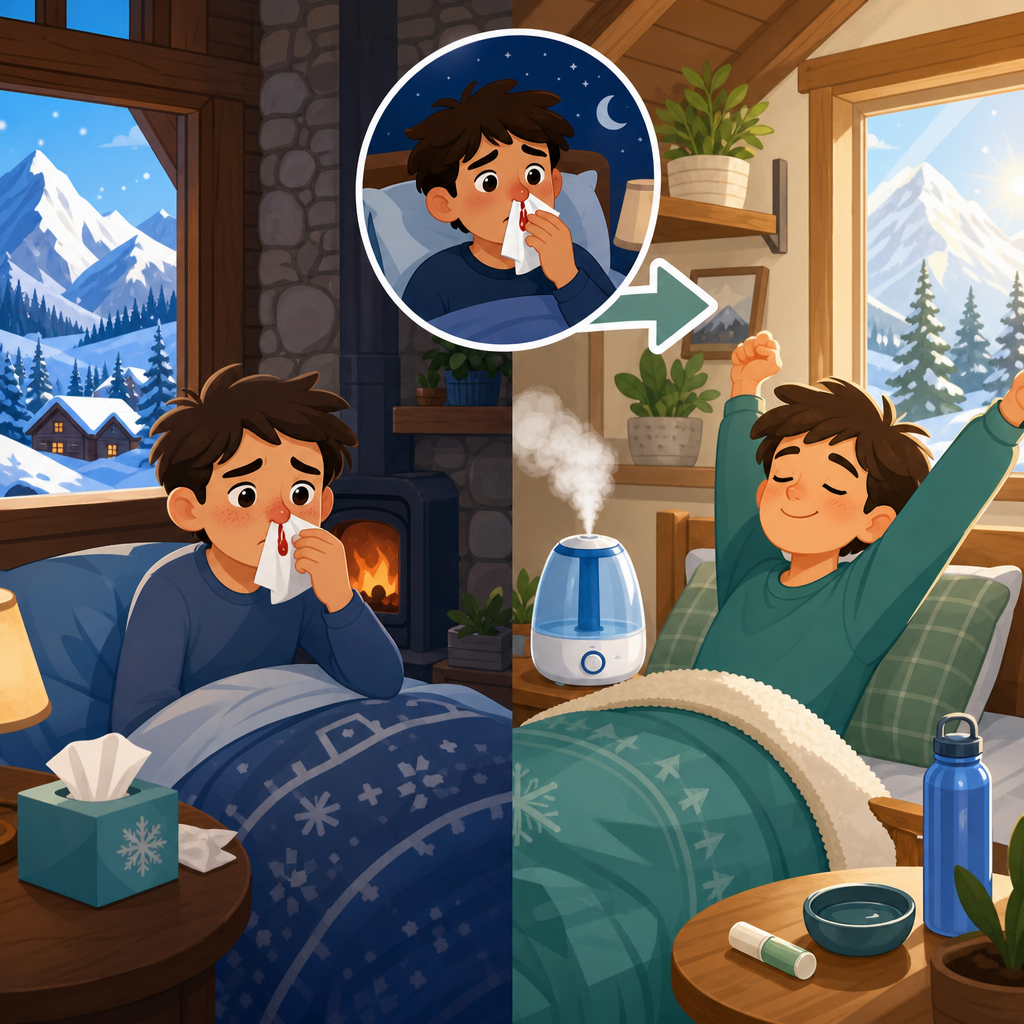
Waking up with a bloody nose is unsettling, and it is especially common in winter mountain homes where cold air, indoor heating, altitude, and low humidity combine to dry and crack the delicate lining inside the nose. In practical terms, a winter nosebleed usually starts in the front part of the septum, where tiny vessels sit close to the surface and can rupture after a night of mouth breathing, forced-air heat, dehydration, or irritation. I have seen this pattern repeatedly in high-elevation homes: people assume the problem is random, but the environment is usually the trigger. Understanding why nosebleeds happen, how home comfort systems contribute, and which fixes actually work can turn a frustrating daily problem into a manageable one. This guide covers the core comfort troubleshooting steps, from bedroom humidity and heating setup to nasal care, hydration, sleep habits, and signs that a medical evaluation is necessary.
Why winter mountain homes cause more nosebleeds
Mountain homes create a perfect storm for nasal dryness. Outdoor winter air already holds very little moisture, and when that air is brought indoors and heated, relative humidity drops even further. At altitude, the air pressure is lower and breathing can feel more evaporative, especially overnight. Add a furnace, wood stove, electric baseboard heat, or a mini-split that runs for hours, and the nasal mucosa loses moisture faster than it can replace it. The result is crusting, itching, and tiny fissures that bleed with rubbing, blowing, or even normal sleep.
The most common type is anterior epistaxis, which means bleeding from the front of the nose. This area, often called Kiesselbach’s plexus, contains a dense network of small blood vessels. It does not take much irritation to make them bleed. In mountain climates, I often notice a pattern: the first warning signs are morning congestion, a stinging sensation when breathing in, dried mucus with streaks of blood, and then a larger bleed after a sneeze or shower. Those clues matter because they point toward dryness rather than a deeper structural cause.
Some people are more vulnerable than others. Children pick or rub the nose more often. Adults using antihistamine sprays, decongestants, retinoids, CPAP machines, oxygen, or blood thinners can dry or sensitize the lining. Snoring and sleeping with the mouth open increase moisture loss. If the bedroom is warm but the air is arid, the nose may dry out steadily for six to eight hours. That is why many people wake up with nosebleeds in winter instead of bleeding during the day.
Set the right indoor humidity without creating other problems
The single most effective home-comfort fix is controlling humidity. For most winter mountain homes, a bedroom relative humidity target of about 30 to 40 percent is a sensible starting range. Below that, nasal tissue often dries significantly. Above that, windows may condense, cold corners can support mold, and dust mites become more active. The right number depends on outdoor temperature, insulation, and window quality, so the goal is not a universal setting but a stable level that protects both comfort and the building enclosure.
Use a digital hygrometer rather than guessing. Small battery-powered models from ThermoPro, Govee, and SensorPush are inexpensive and much more reliable than intuition. Place one in the bedroom away from vents and direct sunlight. In homes where people wake up with nosebleeds, I usually recommend tracking morning humidity for a week. If readings are sitting in the low 20s or teens, that is enough to explain symptoms in many cases.
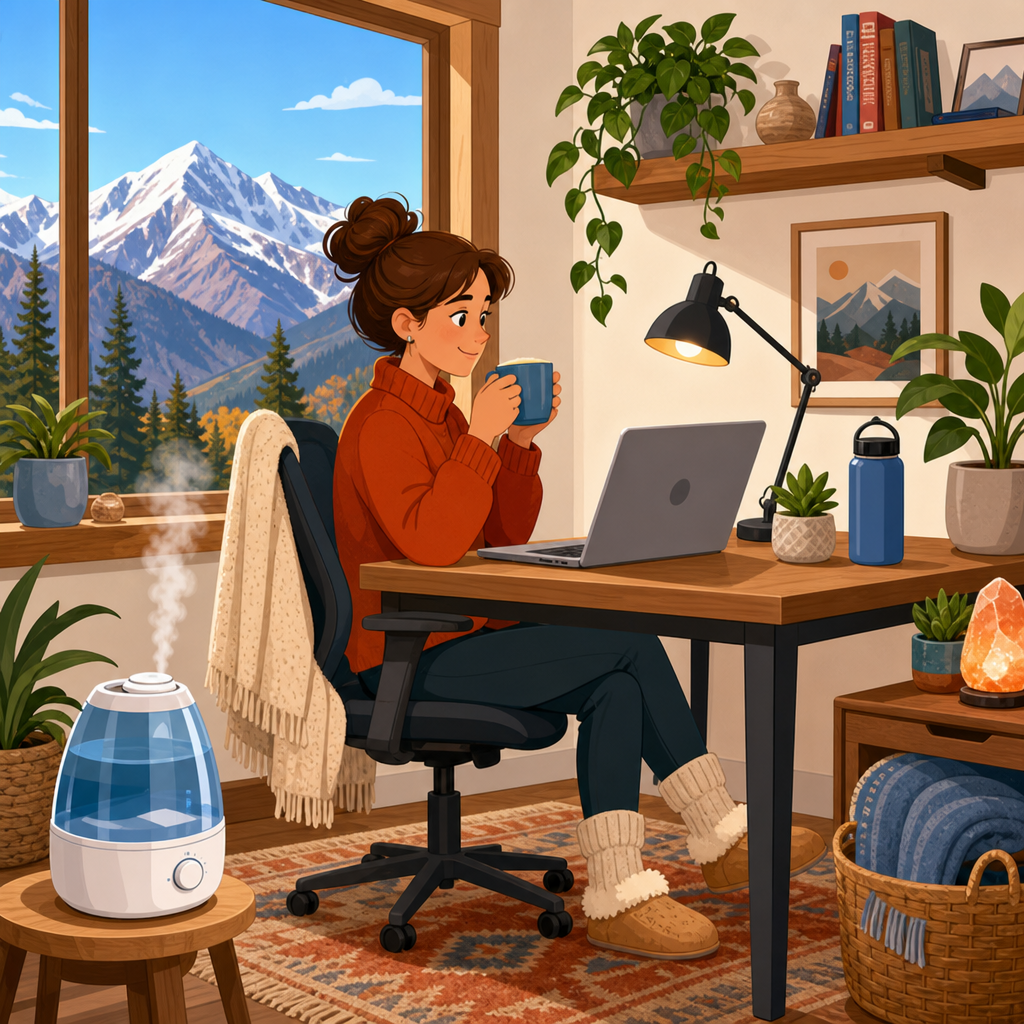
Portable humidifiers can help, but they need to be sized correctly and cleaned consistently. An ultrasonic humidifier can quickly raise moisture in a bedroom, while an evaporative unit is often more forgiving because it self-limits output. Whole-home humidifiers attached to forced-air furnaces are convenient, but they must be maintained and adjusted through the season. In very cold mountain weather, trying to force humidity too high can lead to window frost, damp sills, and hidden moisture issues inside walls. The best practice is to increase humidity gradually while watching both symptoms and signs of condensation.
| Comfort issue | Likely cause | Best fix | Watch for |
|---|---|---|---|
| Morning nosebleeds | Bedroom humidity below 30% | Use a hygrometer and raise humidity to 30–40% | Window condensation if set too high |
| Dry nose despite humidifier | Unit too small or poorly placed | Match output to room size and position near bed, not at face | Mineral dust from unfiltered water |
| Crusting with forced-air heat | Long furnace cycles and warm airflow | Lower overnight temperature and add humidity | Rooms with uneven heating |
| Bleeding with CPAP use | Unhumidified airflow | Use heated humidification and mask fit review | Persistent irritation needing clinician input |
Adjust heating, ventilation, and bedroom conditions
Humidity alone is not the whole story. Heating method matters because some systems intensify dryness or create uncomfortable air movement. Forced-air furnaces can over-dry bedrooms when long cycles move heated air repeatedly across the face. Wood stoves add radiant warmth but often reduce indoor humidity unless moisture is added deliberately. Electric resistance heat does not “burn moisture,” but it can raise room temperature enough that relative humidity falls. In all cases, overheating the bedroom is a common mistake.
A cooler sleep environment, often around 60 to 67 degrees Fahrenheit, reduces moisture loss and usually improves sleep quality as well. If your room is 72 or 74 degrees overnight, lowering the thermostat a few degrees can make the air less drying. Direct vents away from the bed if warm air blows toward your face. If you use a ceiling fan in winter to destratify heat, keep it on a low setting so it does not create a steady draft across the nose.
Ventilation deserves attention too. Tight mountain homes may trap irritants from fireplaces, cooking, cleaning products, and fragranced laundry. Those airborne irritants can inflame the nasal lining even when humidity is acceptable. A MERV 11 to 13 furnace filter, changed on schedule, helps capture particulates without excessive airflow restriction in most systems. If you burn wood, make sure the stove drafts properly and that ash handling is clean. Bedrooms should feel neutral, not smoky, perfumed, or dusty.
Use nasal moisture strategies that protect tissue
For many people, the fastest symptom relief comes from direct nasal moisturizing. Saline spray is the simplest tool: a few sprays in each nostril before bed and again in the morning can reduce crusting and irritation. Saline gel lasts longer than mist and is especially useful in very dry climates. Products containing only saline or simple water-based lubricants are often better for frequent use than medicated decongestant sprays, which can worsen dryness and lead to rebound congestion.
A thin layer of nasal gel or a clinician-recommended emollient applied just inside the nostrils before sleep can protect vulnerable areas. The key is moderation; the goal is to coat the front lining lightly, not block the airway. If you use CPAP, turn on heated humidification and confirm the mask is not leaking air toward the eyes and nose. CPAP users in mountain towns often assume the machine is helping because it adds moisture, but if settings are too low or the mask fit is poor, airflow can still dry the tissue significantly.
Try not to pick at crusts or blow forcefully first thing in the morning. If dried blood is present, soften it with saline and wait a few minutes before gently clearing the nose. During an active bleed, lean forward, pinch the soft part of the nose continuously for 10 to 15 minutes, and avoid checking too soon. Ice on the bridge can be soothing, but firm pressure is what stops most anterior bleeds. Once the bleeding stops, keep the area moist for several days so the clot is not disrupted.
Check daily habits, medications, and hidden irritants
If humidity and nasal care are in place but nosebleeds continue, the next step is habit review. Dehydration is common at altitude because respiration and dry air increase fluid loss. Alcohol in the evening can worsen dehydration and dilate blood vessels. Hot showers first thing in the morning may loosen crusts enough to trigger bleeding. Even vigorous exercise in a dry home gym can irritate the nasal lining if breathing is heavy through the nose.
Medication effects are often overlooked. Intranasal steroid sprays such as fluticasone can be very helpful for allergies, but poor technique matters. The spray should be aimed slightly outward, away from the septum, not straight toward the center wall where most nosebleeds start. Oral antihistamines, decongestants like pseudoephedrine, isotretinoin, and some acne treatments can increase dryness. Aspirin, clopidogrel, warfarin, apixaban, and similar medications do not usually cause the first vessel break, but they can make bleeding harder to stop. If you are taking these, recurrent nosebleeds deserve more attention.
Hidden irritants inside the home also belong in any comfort troubleshooting plan. Dust from remodeling, pet dander, smoke, incense, aerosol cleaners, and essential oil diffusers can all aggravate sensitive noses. In mountain regions, wildfire smoke can infiltrate homes even in colder months. A portable HEPA purifier in the bedroom can reduce particle exposure, especially in carpeted rooms or homes with pets. The point is not to make the house sterile; it is to lower cumulative irritation so the nose can heal.
Know when a nosebleed needs medical evaluation
Most winter morning nosebleeds are harmless and manageable, but not all of them should be treated as a home-comfort issue. You should seek medical care if bleeding lasts longer than about 20 minutes despite proper pressure, if it is heavy, if it follows a significant injury, or if it causes dizziness, weakness, or shortness of breath. Recurrent bleeding from one side only, especially with blockage or pain, deserves an examination to rule out a polyp, septal injury, prominent vessel, or less common pathology.
Frequent nosebleeds can also signal uncontrolled allergies, chronic sinus inflammation, a deviated septum with drying turbulence, infection, or systemic problems such as hypertension or clotting disorders. In clinic, common treatments include silver nitrate cautery for a visible bleeding point, adjustment of nasal medications, and targeted moisturization plans. In more severe cases, packing or specialist evaluation by an ear, nose, and throat physician may be needed. If a child has repeated nosebleeds, the cause is still often dryness or nose picking, but a pediatric review is worthwhile when episodes are frequent or severe.
As a rule, if you have corrected bedroom humidity, reduced irritants, used saline or gel consistently, and improved sleep conditions for two to three weeks without progress, it is time to get evaluated. That is not overreacting. It is the sensible point where home fixes have done their job and a medical assessment can identify anything structural or medication-related.
Stopping winter nosebleeds in mountain homes usually comes down to solving a comfort system problem, not chasing random bad luck. Dry heated air, altitude, warm bedrooms, airway irritation, and poor nasal moisture habits work together to injure fragile vessels near the front of the nose. The most reliable fixes are also the most practical: measure bedroom humidity, aim for roughly 30 to 40 percent, avoid overheating the room, direct airflow away from the bed, use saline or nasal gel before sleep, and review medications and irritants that may be adding to the dryness. These steps help most people because they address the environment that is causing the tissue to crack in the first place.
This matters beyond nosebleeds alone. The same troubleshooting process improves overall home comfort by reducing dry eyes, scratchy throat, static electricity, restless sleep, and the general feeling that winter indoor air is harsh. That is why this topic belongs at the center of comfort troubleshooting for daily life: nasal symptoms are often the clearest signal that the indoor environment is out of balance. When you correct humidity, heating patterns, filtration, and bedtime habits, the benefits spread through the whole home experience.
Start tonight with three actions: check bedroom humidity with a hygrometer, add nasal saline before bed, and lower the sleep temperature a few degrees. If morning nosebleeds continue after consistent changes, book a medical evaluation so a clinician can look for a specific bleeding point or underlying cause. Small adjustments solve many cases, and the sooner you make them, the sooner winter mornings feel normal again.
Frequently Asked Questions
Why am I waking up with nosebleeds more often in a winter mountain home?
Waking up with nosebleeds in a winter mountain home is usually the result of several dry-air stressors happening at the same time. At higher elevations, the air is naturally drier, and winter weather lowers humidity even more. Inside the house, forced-air heat, wood stoves, and space heaters can strip moisture from the air overnight. That matters because the inside of the nose is lined with delicate tissue and tiny blood vessels, especially along the front part of the nasal septum. When that lining dries out, it can crack, crust, and bleed with very little irritation.
Nighttime habits make the problem worse. Many people sleep with their mouths open when they are congested, snore, or use certain medications that dry the nose. Dehydration can also contribute, especially in mountain environments where fluid loss is easy to overlook. By morning, even minor rubbing, blowing the nose, or simply changing position in bed can trigger bleeding from vessels that have become fragile overnight. In most cases, this type of winter nosebleed is an anterior nosebleed, meaning it starts near the front of the nose and is more annoying than dangerous. The pattern is common, but frequent episodes are still a sign that the nasal lining needs more moisture and protection.
What is the best way to keep my nose from drying out overnight?
The most effective approach is to add moisture back into both your home environment and the nasal lining itself. Start with a humidifier in the bedroom, ideally sized for the room and cleaned regularly so it does not circulate mold or bacteria. Many people notice improvement when indoor humidity is kept in a moderate range rather than allowing the bedroom to become overly dry from heating systems. If you use forced-air heat, you may need to be more consistent because warm moving air can dry the nose quickly while you sleep.
It also helps to moisturize the inside of the nose before bed. Saline spray or saline gel is often a good first step because it adds moisture without medication. A thin layer of a nasal moisturizing gel can help reduce crusting and protect sensitive spots along the septum. Some people also benefit from rinsing with saline earlier in the evening if they have dust, smoke, or allergen exposure, but the goal is gentle hydration, not aggressive cleaning. Staying well hydrated during the day matters too, because dry mountain air increases water loss through breathing. If you tend to sleep with your mouth open, addressing nasal congestion, snoring, or sleep position may also reduce drying. Usually, the best results come from combining room humidification, nasal moisture, and better overnight airflow rather than relying on just one fix.
Can indoor heat, altitude, and low humidity really cause nosebleeds even if I am otherwise healthy?
Yes. You do not need to have a serious medical condition for winter mountain nosebleeds to happen. The nasal lining is extremely sensitive to environmental conditions, and mountain winters create a perfect setup for irritation. Altitude often means thinner, drier air. Cold outdoor air holds less moisture, and once that air is brought indoors and heated, relative humidity can drop even further. The result is prolonged dryness that affects the surface of the nose every time you breathe.
Even in healthy adults and children, that dryness can lead to inflammation, small cracks, and crust formation over exposed blood vessels. If you then sneeze, blow your nose, pick at a crust, use a CPAP without enough humidification, or take medications that dry the nose, a bleed can start easily. This is why people who never deal with nosebleeds at sea level may suddenly have recurring episodes during a mountain winter. While nosebleeds can sometimes be linked to blood thinners, uncontrolled blood pressure, clotting problems, or structural issues inside the nose, the environment alone is enough to explain many recurring morning nosebleeds in otherwise healthy people. The location and timing often tell the story: dry indoor heat, overnight irritation, and bleeding first thing in the morning strongly point toward dryness-related anterior bleeding.
What should I do when I wake up with a nosebleed, and what should I avoid?
If you wake up with a nosebleed, stay calm and sit upright. Lean slightly forward rather than backward so blood does not run down the throat. Then pinch the soft part of the nose, just below the bony bridge, and hold steady pressure for about 10 to 15 minutes without checking too early. Breathing through the mouth is fine while you do this. A cool compress over the bridge of the nose or cheeks can be comforting, but pressure is the key step that actually helps stop the bleeding.
There are also a few common mistakes to avoid. Do not tilt your head back, because swallowing blood can cause nausea or vomiting. Do not keep releasing pressure every minute to see if it stopped, since that can disrupt the clot that is trying to form. Avoid hard nose blowing, picking, heavy lifting, strenuous exercise, or hot showers for several hours afterward because they can restart the bleeding. Once the nosebleed has stopped, use saline or a moisturizing nasal gel later to reduce further drying, but be gentle. If bleeding is heavy, continues beyond about 20 minutes despite firm pressure, happens after a facial injury, or causes dizziness, weakness, or trouble breathing, it is important to seek prompt medical care. Recurrent nosebleeds on multiple mornings in a row also deserve attention, especially if home moisture measures are not helping.
When should I see a doctor about recurring winter nosebleeds in a mountain home?
You should consider medical evaluation if the nosebleeds are frequent, hard to stop, unusually heavy, or happening along with other symptoms. A few mild episodes during a very dry stretch can be common, but repeated morning bleeding may mean there is a specific fragile vessel, a raw area on the septum, significant inflammation, or a medication issue that needs attention. A clinician can look inside the nose for crusting, infection, polyps, septal irritation, or other local causes and can recommend more targeted treatment.
It is especially important to get checked if you take blood thinners, have a bleeding disorder, bruise easily, notice blood from other sites, or have high blood pressure that is not well controlled. Children with frequent nosebleeds may simply have dryness and nose picking, but persistent bleeding still warrants a closer look. In some cases, a doctor may suggest prescription ointment, treatment for allergies, humidification adjustments for CPAP users, or cauterization of a repeatedly bleeding spot. Seek urgent care sooner if the blood seems to be coming from deep in the nose or throat, if the bleeding follows trauma, or if you feel faint. The reassuring part is that most winter mountain nosebleeds are manageable once the underlying dryness and irritation are addressed consistently, but recurring bleeding should not be ignored if it keeps disrupting sleep or returns despite good home care.