Cold, bright weather feels gentle compared with a scorching summer afternoon, yet it can dry you out surprisingly fast. I have seen this pattern repeatedly in winter travel, ski days, high-desert errands, and even ordinary commutes: people feel cool, so they drink less, breathe drier air, and overlook how sun, wind, altitude, and indoor heating steadily pull water from the body. When that water loss adds up, comfort drops first. Lips crack, eyes sting, skin tightens, headaches start, and fatigue arrives before most people recognize dehydration as the cause.
To handle cold, sunny days well, you need to understand both dehydration and comfort troubleshooting. Dehydration means the body is losing more fluid than it takes in, affecting circulation, temperature regulation, mental focus, and physical performance. Comfort troubleshooting is the practical process of spotting small environmental stressors early and correcting them before they become bigger problems. In this context, that means managing cold air, low humidity, reflective sunlight, clothing layers, fluid intake, skin barrier support, eye protection, and home recovery habits as one connected system rather than as separate annoyances.
This matters because winter dryness is not just uncomfortable; it changes how you function. Cold air holds less moisture than warm air, and indoor heating lowers relative humidity further, often into the 20 to 30 percent range. At the same time, sun exposure can be intense, especially near snow, water, or pale pavement that reflects ultraviolet radiation back toward the face and eyes. Add extra respiratory water loss from breathing cold, dry air, plus the mild diuretic effect some people experience from cold exposure, and it becomes easy to end the day depleted without ever feeling sweaty.
A useful rule is simple: if a cold day is sunny, windy, high, heated indoors, or active outdoors, treat it like a hydration challenge. The warning signs often appear in predictable order. First come dry lips, sticky mouth, thirst, scratchy eyes, tight skin, and darker urine. Then come reduced concentration, low energy, irritability, dizziness, constipation, and muscle cramping. In older adults, children, contact lens wearers, outdoor workers, and anyone taking diuretic medications, these signals may show up sooner or feel subtler, which is why a practical routine matters more than waiting for strong thirst.
Why cold, sunny weather dries you out faster than expected
The main reason is physics. Cold outdoor air contains less absolute moisture than warm air, so every breath you inhale must be warmed and humidified by your airways before it reaches the lungs. That process uses water from your body. On a brisk walk, run, or ski session, breathing rate rises and that water loss rises with it. Wind accelerates evaporation from exposed skin and lips, while bright winter sun increases radiant exposure even though the temperature feels low. Because sweat evaporates quickly in dry air, you may also lose fluid without noticing the usual signs of exertion.
Snow and ice make the problem worse by reflecting sunlight. Fresh snow can reflect most incoming ultraviolet radiation, increasing exposure to the face, eyelids, and eyes from above and below. I often remind people that a cold day can deliver a double hit: dry air removes moisture while reflected sun inflames the tissues trying to hold that moisture in. The result is a familiar cluster of winter complaints: chapped lips, rough cheeks, burning eyes, redness around the nose, and a drained feeling that seems out of proportion to the activity involved.
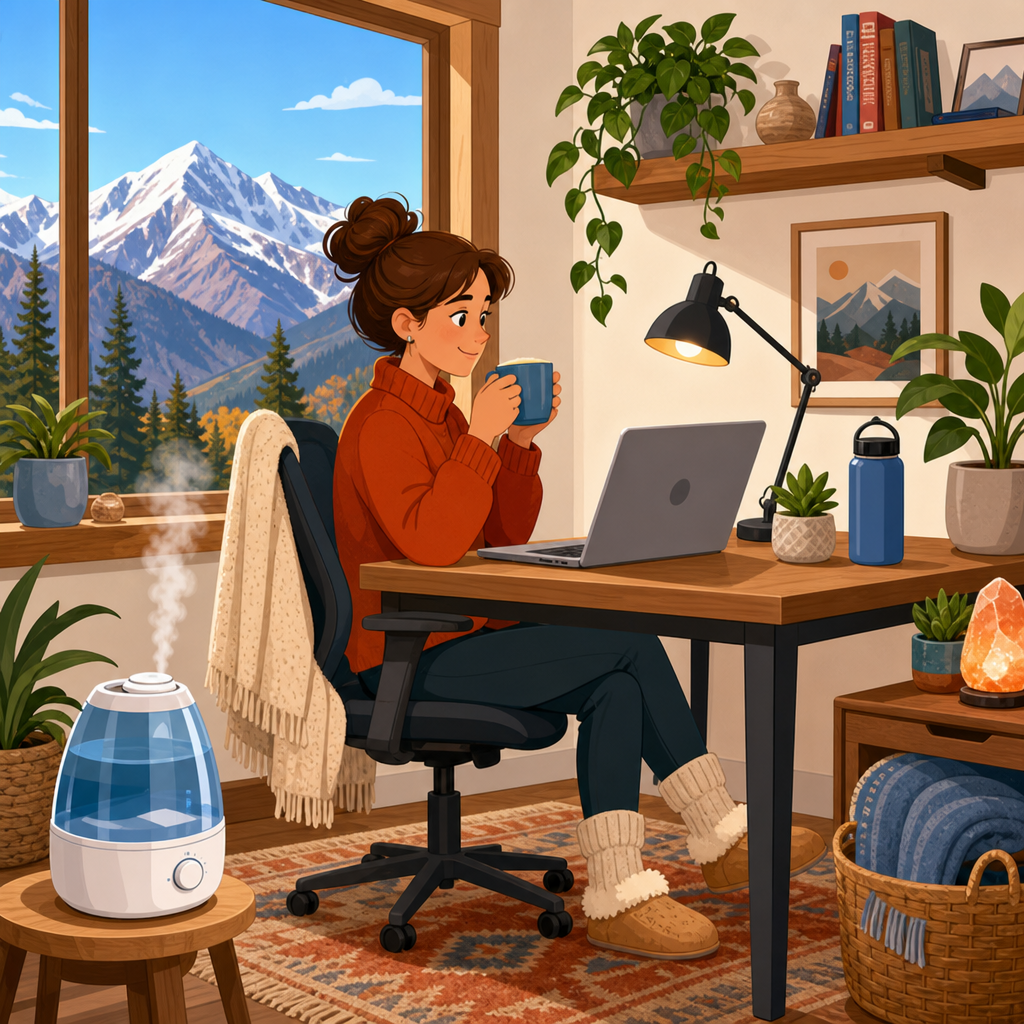
Indoors, central heating continues the cycle. Furnaces, heat pumps, radiators, and wood stoves warm the air but usually lower relative humidity unless moisture is added back. That is why people often feel driest in the evening, after spending hours moving between cold outdoor air and heated indoor spaces. If your home office sits at 72°F with 25 percent humidity, your skin and eyes are under stress all day. The issue is not just comfort. Dry mucous membranes can make the nose and throat feel irritated and can reduce resilience against everyday environmental irritants.
Recognize the early signs before they become a bad day
The best comfort troubleshooting starts with fast pattern recognition. Mild dehydration rarely announces itself dramatically. It usually shows up as a collection of low-grade annoyances that are easy to dismiss. Common early signs include thirst, dry mouth, dry lips, reduced need to urinate because you have not been drinking enough, darker yellow urine, headache, feeling unusually tired, lightheadedness when standing, trouble concentrating, and skin that feels tight after washing. If your eyes feel gritty or your contact lenses become uncomfortable earlier than usual, that is often an important clue.
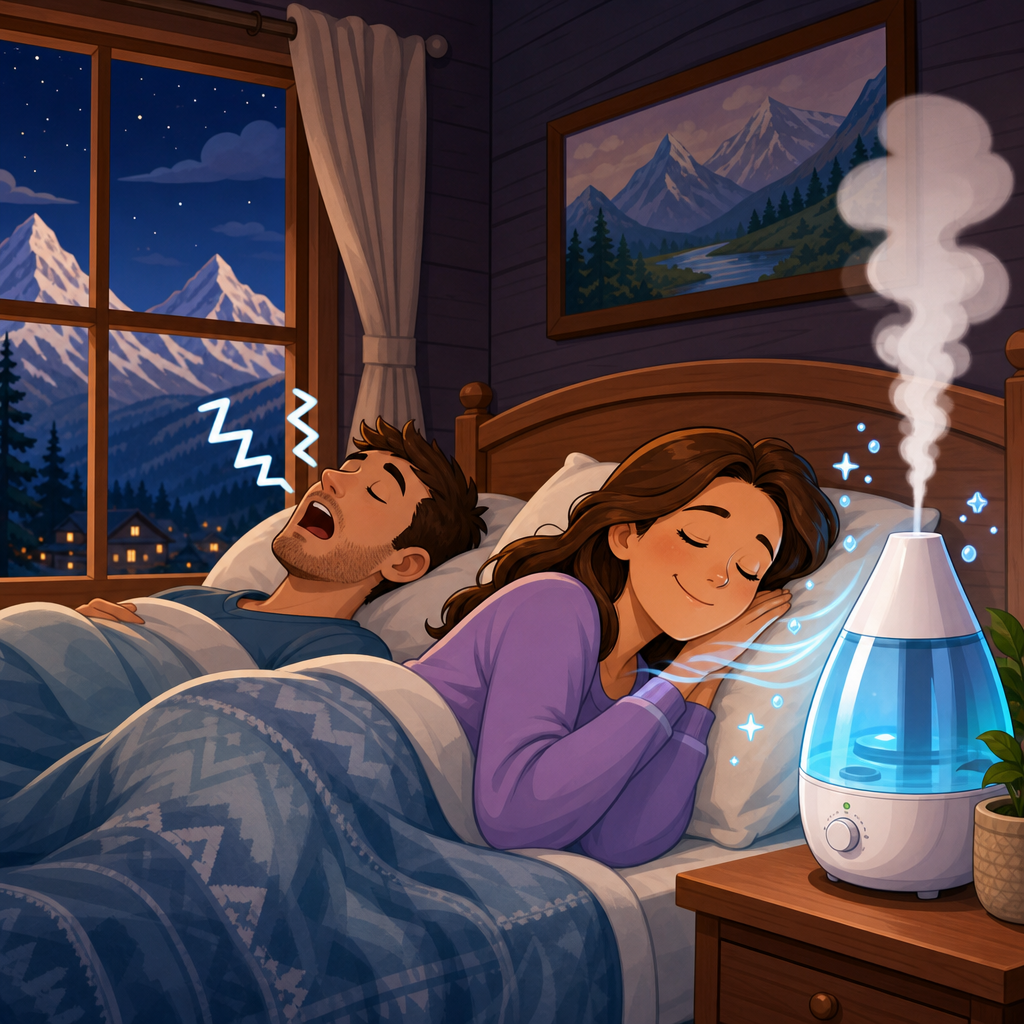
Timing also tells a story. Symptoms that build through the afternoon usually point to inadequate drinking, dry indoor air, or both. Symptoms that peak after outdoor activity suggest a combination of respiratory water loss, sun exposure, and wind. Morning dryness can mean your bedroom air is too dry overnight or that you finished the previous day underhydrated. In my experience, people solve these issues faster when they track triggers rather than symptoms alone. Ask what changed: longer drive with heater on, stronger sun, more coffee than water, salty lunch, or extra time outside without lip balm or sunglasses.
Some cases need more than home troubleshooting. Seek medical advice promptly for confusion, fainting, severe weakness, inability to keep fluids down, chest pain, severe sunburn, or signs of heat illness during winter sports. Children and older adults can deteriorate faster, and certain medications, including diuretics and some blood pressure medicines, can change fluid needs. If you have kidney, heart, or endocrine conditions, personalized guidance matters because aggressive hydration is not appropriate for everyone.
Build a hydration routine that works in winter
The most effective winter hydration plan is scheduled, not reactive. Thirst tends to lag behind need in cold conditions, so drink at intervals. Start the day with water at breakfast, then continue with small amounts regularly rather than trying to catch up later. For many adults, pale yellow urine is a practical target, though supplements and foods can change color. During outdoor activity, carry an insulated bottle so fluids do not become unappealingly cold. Warm water or herbal tea is often easier to drink consistently than icy water on a freezing day.
Electrolytes can help in specific situations, especially if you are sweating under layers, spending hours at altitude, or recovering after prolonged activity. They are not mandatory for every office day in winter. A balanced meal with sodium and potassium often covers normal needs. What matters most is regular intake. I advise people to pair drinking with routine anchors: before leaving home, on arrival at work, with lunch, before going outside again, and after returning indoors. This reduces decision fatigue and prevents the common pattern of realizing at 5 p.m. that you barely drank all day.
| Situation | Main dehydration risk | Best practical response |
|---|---|---|
| Sunny cold commute | Dry heater air and skipped fluids | Drink before leaving, keep water in the car or bag, use lip balm |
| Winter walk or run | Respiratory water loss and wind | Pre-hydrate, cover face as needed, drink after activity |
| Ski or snow day | Altitude, sun reflection, heavy layers | Use insulated bottle, sunscreen, sunglasses, planned breaks |
| Heated office or home | Low indoor humidity | Check humidity, moisturize after washing, sip fluids regularly |
| Long flight to a cold destination | Very dry cabin air | Avoid excess alcohol, use eye drops if needed, drink consistently |
Protect skin, lips, and eyes from the cold-sun combination
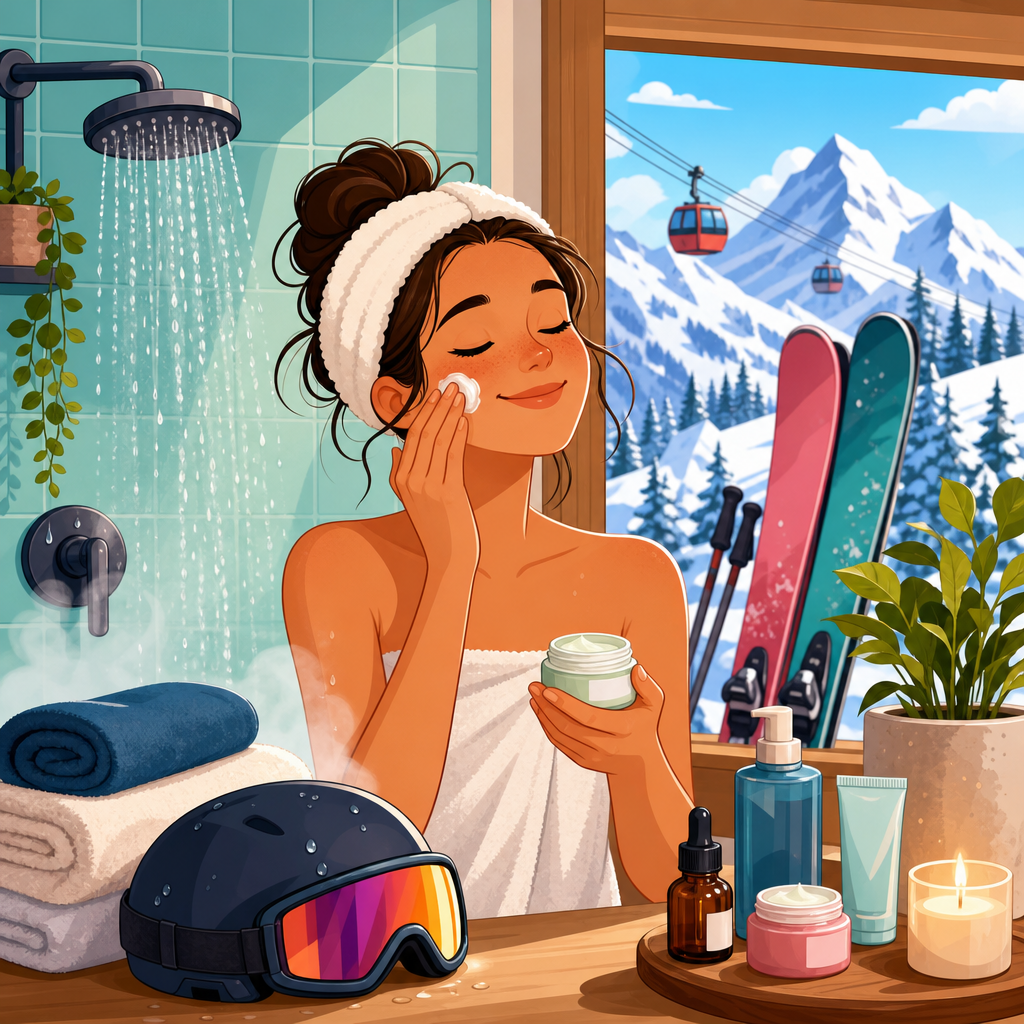
Hydration alone will not solve winter comfort if the skin barrier is left exposed. Cold air, wind, low humidity, and ultraviolet radiation damage the outer barrier that helps the skin retain water. The fix is straightforward: cleanse gently, apply moisturizer while skin is still slightly damp, and use an occlusive lip product before outdoor exposure. Look for moisturizers with humectants such as glycerin, barrier-supporting ingredients such as ceramides, and sealants such as petrolatum or dimethicone when conditions are harsh. Fragrance-free products are often better for irritated winter skin.
Sunscreen is essential even on cold days because ultraviolet A reaches skin year-round, and ultraviolet B can be significant at altitude and around reflective surfaces. A broad-spectrum SPF 30 or higher on the face, neck, ears, and any exposed skin is the standard recommendation from dermatology organizations. Reapply during long outdoor sessions. For lips, use balm with sun protection, not just a glossy protectant. Chapped, sunburned lips are one of the clearest signs that winter sun was underestimated.
The eyes need equal attention. Bright winter sun, wind, and dry air destabilize the tear film, especially in contact lens wearers. Wraparound sunglasses reduce both glare and evaporation. Lubricating eye drops can help, but choose preservative-free options if you need them frequently. If your eyes burn mainly indoors, assess airflow from vents and screenside blinking habits in addition to room humidity. The goal is not merely symptom relief; it is reducing the environmental load that keeps recreating the problem.
Use clothing, home humidity, and daily habits to prevent repeat problems
Clothing affects dehydration more than people realize. Overdressing can trap heat and produce sweat that you barely notice until you cool down and feel depleted. The better approach is layered clothing that you can vent early. Start with a moisture-wicking base layer, add an insulating middle layer, and finish with a wind-resistant outer layer when needed. Adjust before you get hot, not after. This simple habit cuts down on unnecessary fluid loss and helps you stay comfortable longer.
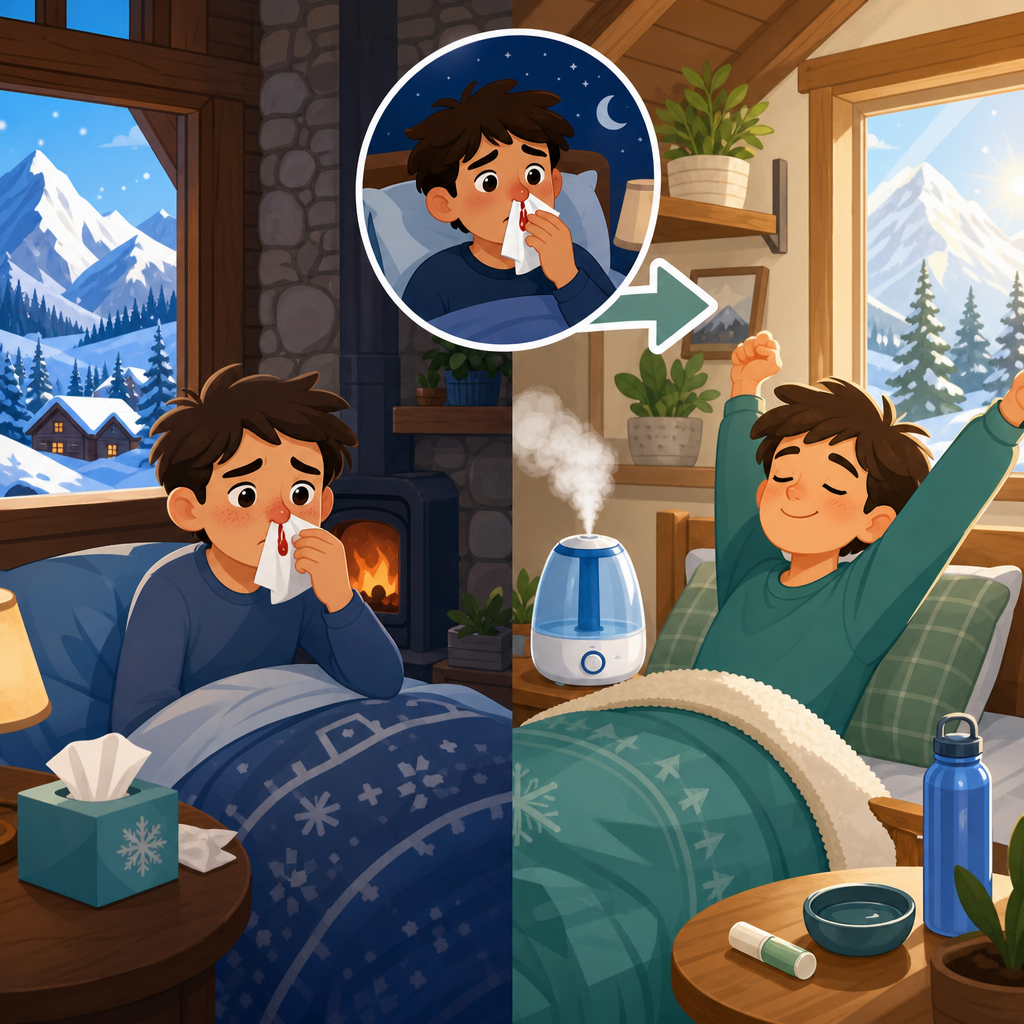
At home, measure humidity instead of guessing. A basic hygrometer is inexpensive and far more reliable than trying to judge dryness by feel. Many indoor comfort specialists aim for roughly 30 to 50 percent relative humidity in winter, balancing comfort with the need to avoid window condensation and mold risk. If your home is consistently below that range, a portable humidifier or whole-home system can make a meaningful difference. Clean humidifiers carefully according to manufacturer instructions; poorly maintained units can spread mineral dust or microbes.
Daily habits complete the system. Limit very hot showers if your skin is already dry, because they strip oils and worsen tightness. Use hand cream after washing, especially if you sanitize often. Moderate alcohol intake on cold social days because it can increase fluid loss and weaken judgment about exposure. Be mindful with caffeine: moderate amounts are fine for most people, but coffee should not replace water all day. Finally, restock the basics where you use them: lip balm by the door, water bottle in your bag, moisturizer by the sink, sunglasses in the car, and saline or eye drops where you work.
Comfort troubleshooting for common winter scenarios
For commuting, the usual problem is a dehydrating chain reaction: warm car heat, bright glare, dry office air, and not enough drinking. The fix is simple and repeatable. Drink water before leaving, wear sunglasses, keep lip balm accessible, and refill a bottle as soon as you arrive. For outdoor exercise, begin hydrated, carry water when the session is long, and change out of damp layers quickly after finishing. For home discomfort, check humidity first, then review skincare and airflow from vents.
If you are planning a snow vacation or mountain day, prepare as though the environment will be drier and sunnier than forecast apps make it seem. Altitude increases water loss through breathing, and exertion in heavy gear can be more intense than expected. Build in hydration breaks, apply sunscreen generously, and protect the eyes from reflected glare. These small decisions prevent the classic end-of-day crash that many people blame on cold alone.
Cold, sunny days dehydrate you faster than you expect because they combine low humidity, respiratory water loss, reflected sunlight, wind, indoor heating, and behavior that suppresses drinking. The good news is that comfort troubleshooting works. If you recognize the early signs, drink on a schedule, protect skin and eyes, manage layers, and keep indoor humidity in a healthy range, most winter dryness problems improve quickly. Start with one practical change today: carry water, wear sunscreen and sunglasses, and check the humidity where you spend the most time. Those basics solve more winter discomfort than most people realize.
Frequently Asked Questions
Why do cold, sunny days dehydrate you faster than you expect?
Cold weather often hides the usual warning signs that make people reach for water. Because you do not feel sweaty or overheated, it is easy to assume your body is not losing much fluid. In reality, several forces work together to increase water loss. Cold air is typically drier, especially in winter and at higher elevations, so each breath can carry away more moisture from your airways. Bright sun adds another layer by increasing exposure and encouraging more time outdoors, while wind speeds up evaporation from skin and lips. If you are in the mountains or a high-desert climate, altitude can increase breathing rate and fluid loss even more. Then, once you go indoors, heated air continues the drying process by pulling moisture from your skin, eyes, nose, and throat.
What makes this especially tricky is that thirst often lags behind actual fluid loss in cooler conditions. Many people simply do not feel an urgent need to drink, even as dehydration begins to build. The result is a slow, steady drop in hydration that shows up first as dry lips, tight skin, mild headache, fatigue, irritability, or reduced focus. By the time you feel clearly thirsty, you may already be playing catch-up. That is why cold, sunny days deserve the same hydration awareness people normally reserve for hot summer weather.
What are the early signs that cold-weather dehydration is starting?
The earliest signs are often subtle and easy to dismiss. You might notice that your lips are cracking, your skin feels tighter than usual, or your eyes sting in the wind or indoors with the heat running. Your mouth may feel dry, or you may develop a scratchy throat from breathing dry air. Headaches are another common early clue, especially after a long day outside, a ski session, a winter hike, or even a sunny commute where sun glare, dry air, and low fluid intake all stack up. Fatigue can also appear sooner than expected, and some people notice a drop in concentration, mood, or physical stamina before they recognize dehydration as the cause.
There are also more measurable signs worth paying attention to. Darker urine, urinating less often than usual, dizziness when standing, and a sense of sluggishness can all suggest your body needs more fluid. If you are physically active in cold conditions, the risk rises because you may still sweat under layers without noticing how much moisture you are losing. The safest approach is to treat these early changes as useful feedback rather than waiting for stronger symptoms. Acting early with fluids, a break from wind and sun, and a chance to rehydrate is much easier than recovering after dehydration becomes more pronounced.
How can you stay hydrated on winter travel days, ski trips, and cold outdoor errands?
The most effective strategy is to hydrate on purpose rather than relying on thirst alone. Start before you head out by drinking water with breakfast or before leaving the house, especially if you will be driving, flying, skiing, walking in dry wind, or spending time at altitude. Bring water with you even if the outing seems short. People often skip this step in winter because carrying a bottle feels less necessary than it does in summer, but small, regular sips throughout the day are one of the best ways to prevent dehydration from building unnoticed. If you will be active for several hours, pairing water with foods that contain fluid and electrolytes can help maintain balance more effectively than plain water alone.
It also helps to build hydration into the structure of your day. Drink a little before going outside, again when you come in, and again during meals or breaks. On ski days or winter hikes, use lift rides, lodge stops, or trail breaks as reminders to drink. On travel days, be mindful that airplanes, heated cars, hotel rooms, and high-altitude destinations are all dehydrating environments. Limit the common habit of replacing water with only coffee, alcohol, or sugary drinks, since these can make it harder to stay ahead. A practical routine beats good intentions every time: keep fluids visible, sip consistently, and do not wait until you feel run down.
Does sun, wind, altitude, and indoor heating really make that much difference in winter?
Yes, and together they can make a very noticeable difference. Winter sun may not feel intense on your skin the way summer heat does, but bright conditions still increase exposure and can encourage longer periods outdoors without the usual cues to drink. Wind is particularly deceptive because it cools the skin while also increasing moisture loss. That combination makes people feel refreshed even while they are drying out. Altitude adds another challenge by increasing respiratory water loss. At higher elevations, you often breathe faster and exhale more moisture, which is one reason people commonly develop dry lips, dry noses, headaches, and fatigue during mountain trips.
Indoor heating continues the problem after outdoor exposure ends. Heated indoor air is usually very dry, and that dryness can affect you for hours while you work, sleep, shop, or commute. Skin may feel itchy or tight, eyes can become irritated, and your nose or throat may dry out enough to become uncomfortable. This indoor piece is often overlooked because people associate dehydration only with exercise or direct outdoor conditions. In reality, winter dehydration is often cumulative. A bright windy morning, a dry heated office, a coffee-heavy afternoon, and a long drive home in warm car heat can all add up. Understanding that these factors reinforce one another is key to preventing the slow drain on comfort and energy that many people experience in cold, sunny weather.
What is the best way to recover if you already feel dried out after a cold, bright day?
Begin by replacing fluids steadily rather than chugging a huge amount all at once. Water is the foundation, but if you have been very active, sweating under layers, spending hours at altitude, or feeling headache and fatigue, a drink with electrolytes or a meal containing some sodium can help your body hold onto fluid more effectively. Warm beverages such as herbal tea or broth can be especially useful in cold weather because they are easier to keep drinking and can feel more satisfying than cold water. At the same time, move out of strong sun and wind, and give your body a chance to rest in a more balanced environment.
Recovery also means addressing the places where dryness shows up first. Use lip balm, consider moisturizing skin after washing, and if indoor air is very dry, a humidifier can improve comfort overnight. Restoring hydration is not just about drinking; it is about reducing ongoing moisture loss. If your symptoms are mild, these steps usually help within a reasonable period. If you have persistent dizziness, severe headache, confusion, very dark urine, vomiting, or you simply cannot seem to rehydrate, it is wise to seek medical guidance. Most cases improve with early attention, but the best outcome comes from recognizing that cold-weather dehydration is real, common, and much easier to prevent than to fix after it has fully caught up with you.