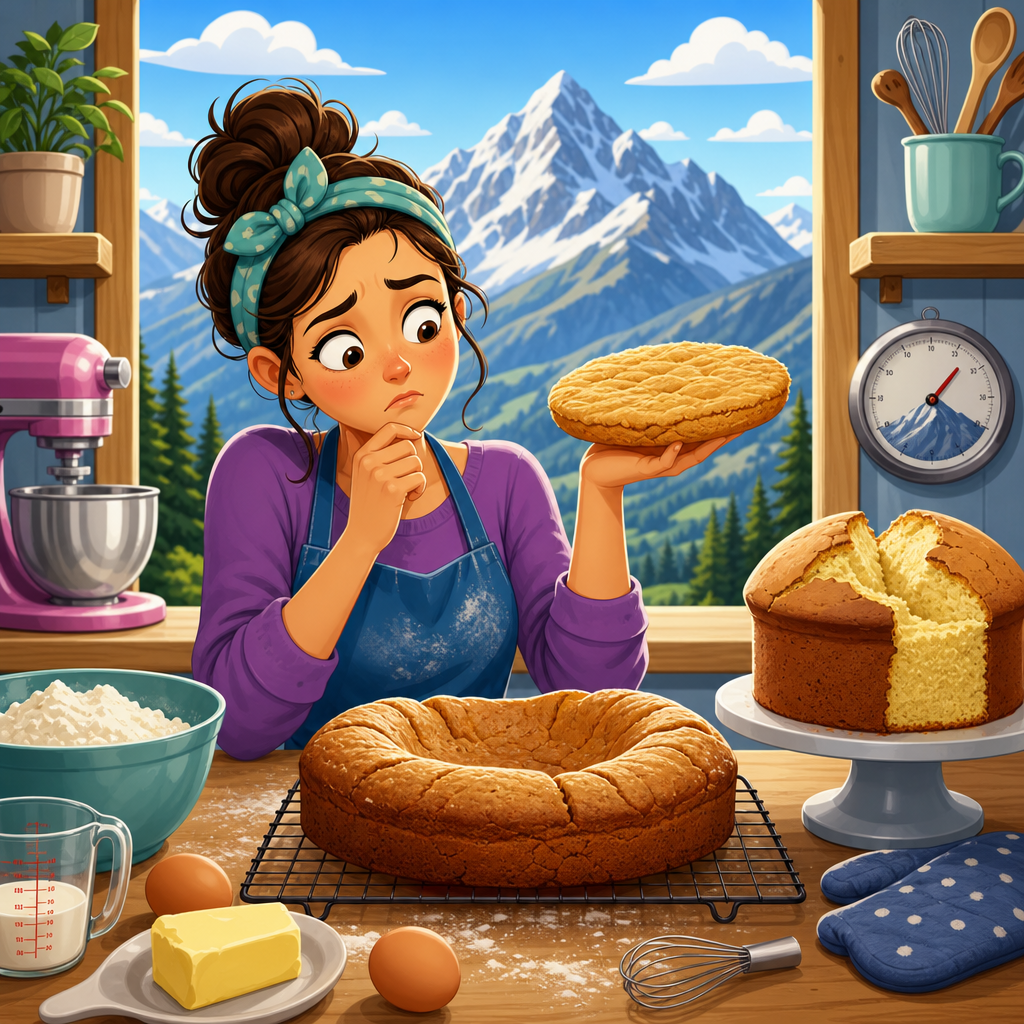
Many bakers notice a frustrating pattern in a dry kitchen: the first batch comes out beautifully, then the second batch spreads too much, dries out, toughens, or bakes unevenly. In high-altitude homes and arid climates, that pattern is not bad luck. It is the result of moisture loss, temperature drift, ingredient imbalance, and workflow gaps that become more pronounced after the first tray goes in. When people ask why the first batch works but the second fails in a dry kitchen, they are really asking how evaporation, heat retention, and timing interact during repeated baking cycles.
This matters because baking is a controlled chemical process, not just a recipe. Flour absorbs water, sugar attracts moisture, fat softens with heat, eggs bind structure, and leaveners release gas according to temperature and acidity. In a dry kitchen, especially at altitude, each of those variables shifts faster than most recipes assume. I have seen doughs lose visible surface moisture during a single preheat, and I have measured second-batch cookie dough running 6 to 10 degrees Fahrenheit warmer than the first simply from sitting near the oven. That is enough to change spread, browning, and texture.
As a hub for baking troubleshooting and workflow, this article explains the practical reasons second batches fail and how to fix them. It covers dough and batter hydration, oven recovery, pan management, ingredient staging, timing discipline, and environmental control. It also points toward the larger altitude-baking principle behind the problem: lower humidity and lower air pressure speed moisture loss and can magnify small errors. If your first batch works but the second fails in a dry kitchen, the solution is usually a repeatable process, not a new recipe.
What Changes Between the First and Second Batch
The biggest mistake is assuming batch two begins under the same conditions as batch one. It does not. By the time the first tray is baking, your butter may be softer, your whipped eggs may have lost structure, your batter may have thickened or thinned, your sheet pans may be warm, and your oven may be cycling differently. Dry air accelerates those changes because exposed surfaces lose moisture rapidly. At altitude, that moisture exits even faster, and leavening gases expand more aggressively, which can destabilize structure before starches and proteins set.
Second-batch failures usually show up in a few classic ways. Cookies spread more because the dough warms and flour hydrates unevenly. Muffins peak less because the batter sits too long after chemical leaveners activate. Cakes tunnel because overmixed batter keeps absorbing flour while waiting. Biscuits rise inconsistently because the fat softens before baking. Pie crust turns tough because bench flour accumulates and hydration drops. In every case, the recipe may be sound, but the workflow is not preserving the starting state from batch one.
In my own testing, the simplest proof comes from weighing dough. Portion ten cookies, leave ten more in the bowl for twenty minutes in a dry kitchen, then weigh again before scooping. The second group often loses measurable mass from evaporation, while also warming enough to alter fat behavior. That combination explains why identical oven time does not deliver identical results. The first batch is the recipe. The second batch is the recipe plus exposure.
Dry Air, Altitude, and Moisture Loss
Dry kitchens are not just uncomfortable for skin and houseplants. They directly affect baking performance. Low relative humidity pulls moisture from dough surfaces, cut fruit fillings, resting batters, and even parchment-exposed portions of shaped items. Flour is hygroscopic, meaning it both absorbs and releases moisture depending on the environment. Sugar is hygroscopic too, but in a mixed dough it can only hold water that is still present. Once moisture escapes into the room, the formula changes.
At altitude, the problem intensifies. Water boils at a lower temperature, so evaporation starts sooner and proceeds faster. That means a muffin batter sitting on the counter can lose moisture before it ever reaches the oven. It also means the crust of baked goods can set before the center fully stabilizes, creating collapse or dryness depending on the formula. The USDA and university extension baking guidance consistently note that high-altitude baking often requires more liquid, slightly less leavener, and careful oven-temperature adjustments. Those same principles explain batch-to-batch inconsistency in a dry kitchen.
A common question is whether room humidity alone can ruin the second batch. The answer is yes, but usually through compounding effects rather than one dramatic change. A dough that loses 1 to 2 percent of its water, warms slightly, and waits longer before baking can behave very differently. With lean doughs, that may mean cracking. With rich cookie dough, it often means spread at the edges and a thicker, drier center. The fix is to reduce exposure time and protect the mixture between batches.
Ingredient Temperature and Fat Behavior
Butter, shortening, and other fats are often the hidden reason the first batch works but the second fails. Fat controls spread, tenderness, aeration, and layering. Butter begins softening well below body temperature, and dough placed near a preheating oven can warm quickly. If batch one goes in when the dough is 66 degrees Fahrenheit and batch two bakes at 74, the second batch is effectively a different formula. The butter melts sooner, structure lags behind, and spreading increases before proteins and starches can set.
This is especially important for cookies, scones, biscuits, pie dough, laminated pastries, and streusel toppings. Warm fat can smear into flour instead of remaining in discrete pieces. In biscuits and pastry, that reduces steam pockets and flakiness. In cookies, over-softened butter can make creamed air cells less stable and produce greasy bottoms. If your second batch browns faster underneath, a warm pan plus warmer dough is usually the culprit.
Egg temperature matters too. Room-temperature eggs are useful in many batters because they emulsify smoothly, but once mixed, a batter should not sit indefinitely. Chemical leaveners such as baking soda and double-acting baking powder have timing windows. The first rise can start as soon as wet and dry ingredients combine. If the first pan bakes immediately and the second sits twenty minutes, gas retention declines, crumb structure changes, and the second batch often bakes lower and denser.
Oven Recovery, Pan Heat, and Airflow
Home ovens rarely return to the exact same thermal condition after you open the door. Even high-quality ovens have recovery curves, hot spots, and cycling patterns. The thermostat display may say 350, but the heating elements and the air around your pan can be temporarily cooler or hotter than the average. The first batch can mask this because the oven had a full preheat. The second batch may enter during a recovery phase, especially if the door stayed open while you unloaded, tested doneness, and loaded again.
Warm sheet pans are another major source of trouble. Reusing a hot or even slightly warm pan changes how the next batch starts baking. Cookie dough placed on a warm sheet begins melting immediately, often before the pan is fully back in the oven. That leads to excess spread and darker bottoms. The same principle affects parchment and silicone mats. A hot surface starts the bake early, while the recipe time assumes a room-temperature pan.
Convection airflow can also dry exposed surfaces between batches. If you keep shaped items near the oven while waiting, moving hot air strips moisture quickly. Professional bakeries solve this with rack rotation, controlled proofing, cold holding, and strict loading sequences. At home, the equivalent is simple: cool pans completely, verify oven recovery with an oven thermometer, and keep unbaked portions covered or chilled until their turn.
Workflow Mistakes That Create Second-Batch Failure
Most second-batch failures come from workflow, not talent. Once I started treating home baking like a small production line, consistency improved immediately. The goal is to keep every tray as close as possible to the same starting conditions. That means staging ingredients, portioning efficiently, controlling hold times, and protecting dough or batter from air and heat.
| Problem | What changes in batch two | Most likely fix |
|---|---|---|
| Cookies spread too much | Dough warms, pan is hot, butter softens | Chill portioned dough and use fully cooled sheets |
| Muffins rise less | Batter sits after leavening activates | Fill pans just before baking and work in smaller mixes |
| Biscuits lose flake | Fat softens and bench flour dries dough | Keep dough cold and minimize rerolling |
| Cakes bake unevenly | Oven recovery lags and batter stands too long | Use an oven thermometer and load as soon as pans are filled |
| Pie crust toughens | Moisture evaporates during assembly | Wrap dough tightly and chill between steps |
One of the best habits is portioning before the first tray goes in. Scoop all cookie dough onto lined pans or a parchment-lined tray, then refrigerate the portions. For muffins, combine dry ingredients separately and mix only what can be baked promptly. For cakes, avoid letting filled pans sit on the counter while the oven recovers. The more your process reduces waiting, the closer batch two will match batch one.
Another overlooked issue is measuring drift. Bakers often add “just a little” flour to sticky dough after the first tray, especially in dry climates where surfaces feel tacky in one moment and dry in the next. That small correction can push the second batch off balance. Weighing ingredients in grams, scraping bowls thoroughly, and resisting midstream recipe edits are some of the highest-value troubleshooting practices you can adopt.
How to Troubleshoot by Product Type
Cookies are the most obvious case. If the second batch spreads more, check dough temperature, pan temperature, and sugar ratio first. If the edges darken while centers stay pale, the sheet may still be warm or the oven floor may be running hot after recovery. If later batches become thicker instead, the dough may be drying out, especially if uncovered in a low-humidity kitchen. Cover the bowl, chill between rounds, and bake on room-temperature pans only.
Muffins and quick breads tend to fail because batter waits too long. Baking powder starts producing carbon dioxide when moistened, and that initial reaction matters. A second tray loaded twenty minutes later often domes less and has a tighter crumb. Mix smaller batches or use two pans and bake them together when the oven capacity allows proper airflow. If you are at altitude, slight increases in liquid and modest reductions in leavener can further stabilize results.
Layer cakes and cupcakes expose timing and oven issues fast. Overmixed batter that sits can lose trapped air, while thin batters can separate slightly as they wait. If one set rises well and the next tunnels or sinks, focus on immediate loading, pan preparation before mixing, and verified oven temperature. Biscuits, scones, and pie dough are mostly about cold fat and low handling. Once the kitchen warms and the dough sits out, texture suffers. Return dough to the refrigerator whenever there is any pause.
Building a Repeatable Baking System in a Dry Kitchen
The long-term solution is a system. Start by measuring ingredients by weight, not volume. Use an instant-read thermometer to monitor butter, dough, and finished bake temperatures when troubleshooting. Keep a separate oven thermometer or data-logging probe to learn your oven’s recovery pattern. In dry, high-altitude kitchens, I also recommend tracking room temperature and relative humidity with a simple hygrometer. When humidity drops sharply, cover bowls, wrap dough, and shorten bench time aggressively.
Next, organize the bake in phases. Preheat fully, prepare all pans before mixing, and clear refrigerator space for holding dough between loads. Use duplicate sheet pans so one can cool while another bakes. If you must reuse pans, rinse the underside under cool water only after the hot pan is safe to handle and dry it completely before relining. For cookies, portion all dough before the first bake. For batters with fast-acting leavening, mix in smaller increments rather than letting a full bowl stand.
Finally, keep records. Note the product, ingredient temperatures, room conditions, oven setting, rack position, pan type, and hold time before baking. This sounds obsessive until it saves three ruined weekends. Patterns appear quickly: second batches fail more on low-humidity days, dark pans overbrown in recovery cycles, or a favorite cookie dough needs ten minutes of chilling between every round. Once you identify the pattern, the fix becomes routine. If you want more consistent altitude baking, treat workflow as an ingredient and control it with the same care you give flour, water, sugar, and heat.
If your first batch works but the second fails in a dry kitchen, the cause is usually not mysterious. Batch two is exposed longer to dry air, warmer conditions, softer fat, changing oven behavior, and more handling. In altitude baking, those effects are amplified because moisture escapes faster and structure can destabilize sooner. Understanding that chain of cause and effect turns random frustration into a solvable process problem.
The key takeaways are straightforward. Protect moisture by covering or chilling doughs and batters. Control temperature by keeping fats cool, using fully cooled pans, and learning your oven’s recovery pattern. Reduce delay by portioning ahead, mixing in smaller quantities when necessary, and loading pans promptly. Troubleshoot with measurements, not guesses, using weight, temperature, and time as your main reference points. These practices make second batches behave much more like first batches.
As the hub for baking troubleshooting and workflow within altitude cooking and baking, this topic connects to every other improvement you can make, from ingredient adjustments to pan selection and scheduling. Consistency comes from repeatable conditions. Start with one change today: cool your pans completely and keep the remaining dough covered or chilled before the next round. That single workflow upgrade solves more second-batch failures than most recipe rewrites.
Frequently Asked Questions
Why does the first batch bake perfectly, but the second batch suddenly spreads too much in a dry kitchen?
In a dry kitchen, the second batch often spreads more because the dough changes while it waits. Low humidity pulls moisture from exposed dough surprisingly fast, especially in high-altitude or arid homes where the air is constantly encouraging evaporation. By the time the first tray is out of the oven, the remaining dough may be slightly drier on the surface, softer in the fat phase, and warmer overall from sitting near the oven. That combination matters. Warmer butter or shortening melts faster before the structure of the cookie, biscuit, or pastry has time to set, so the second batch can flatten and spread before it firms up.
Another factor is oven cycling and pan heat. If you reload a still-warm baking sheet or use a pan that did not fully cool, the dough starts melting from the bottom immediately. In dry conditions, even a small shift in dough temperature can create a noticeable change in shape and texture. Ingredient distribution can also play a role if the dough sat long enough for sugar to draw out moisture or for flour to continue hydrating unevenly. To prevent this, keep waiting dough covered, portion all pieces before baking if possible, chill the second tray while the first bakes, and always load dough onto a cool sheet pan. In a dry kitchen, consistency between batches depends on protecting both dough moisture and dough temperature from the moment the first tray goes in.
Can low humidity really make the second batch drier, tougher, or more crumbly than the first?
Yes, absolutely. Low humidity is one of the biggest hidden reasons that second batches fail in dry kitchens. Flour, sugar, and baked dough all interact with moisture, and in arid conditions they lose it quickly. If shaped dough sits uncovered on the counter while the first batch bakes, the surface begins drying almost immediately. That thin dry layer may not seem important, but it changes how the dough expands, cracks, and sets in the oven. Instead of baking evenly, the second batch may develop tougher edges, rougher tops, drier interiors, or a more fragile, crumbly bite.
The effect becomes even stronger with recipes that are already delicate, such as scones, cookies, pie dough, biscuits, and quick breads. Dry air can make flour seem thirstier and can intensify overabsorption if the dough rests too long. In high-altitude kitchens, this challenge is often amplified because moisture evaporates faster during mixing, resting, and baking. The practical fix is to reduce exposure time. Cover bowls, trays, and shaped portions with plastic wrap, a lid, or a clean towel that actually limits air contact rather than loosely draping over them. If your recipe allows it, you can also slightly increase moisture retention by measuring flour carefully, adding an extra yolk or a small amount of liquid where appropriate, or chilling dough between batches. The key is to treat the waiting dough as vulnerable, because in a dry kitchen it is.
How does oven temperature drift affect the second batch, and why is it worse in a dry kitchen?
Oven temperature drift is a major reason the second batch behaves differently from the first. Many home ovens do not maintain a perfectly steady temperature. They cycle above and below the set point, and every time you open the door, rotate a tray, or reload another pan, the heat pattern changes. After the first batch, the oven may be hotter than the display suggests, or it may be recovering unevenly. That matters because the second batch is entering a different baking environment than the first, even if you did nothing differently on paper.
In a dry kitchen, these shifts are more noticeable because your dough already has less margin for error. If the oven runs hotter on the second round, the exterior may set too fast while moisture escapes quickly, leaving the batch overly dry, hard, or unevenly browned. If the oven is cooler or recovering slowly, butter may melt before structure forms, causing spreading or greasy texture. Convection effects, hot spots, and overheated baking stones or sheet pans can exaggerate these problems. The best solution is to verify performance with an oven thermometer rather than trusting the dial. Give the oven enough time to recover between batches, use the center rack unless the recipe says otherwise, and avoid stacking trays unless your oven handles it well. In dry climates, precision matters more because the dough has less internal moisture to buffer against temperature swings.
Why do ingredient balance and mixing matter more by the second batch in an arid or high-altitude kitchen?
The second batch often exposes small recipe or mixing issues that the first batch manages to hide. In arid and high-altitude environments, ingredient balance is less forgiving because moisture loss, faster evaporation, and altered leavening behavior magnify every weakness in the dough or batter. If flour was packed too heavily, if sugar was slightly high, if fat got too warm, or if the dough was mixed a little too long, the first batch may still come out acceptable because it went into the oven quickly. The second batch, however, sits longer, warms up more, and loses more moisture, so those small imbalances become obvious.
Overmixed dough can turn tougher after resting because gluten continues to organize. Dough with too much flour can become stiff, dry, and prone to cracking. Dough with too little flour or overly soft fat can spread excessively once it has warmed on the counter. At altitude, leavening can also behave more aggressively, which may cause expansion and collapse if the structure is not balanced properly. This is why weighing ingredients is so valuable in dry kitchens. It removes guesswork and keeps hydration more consistent from batch to batch. It also helps to mix only until combined, scrape the bowl thoroughly so ingredients are evenly incorporated, and avoid letting dough sit exposed any longer than necessary. In these environments, the second batch is often not “mysteriously worse.” It is simply revealing that the formula or technique needs tighter control.
What are the best ways to keep the second batch as good as the first in a dry kitchen?
The most effective strategy is to control time, moisture, and temperature at every stage after shaping. Start by pre-portioning or pre-shaping the entire batch before baking begins so you are not working slowly over drying dough while the first tray is in the oven. Keep the remaining dough covered or refrigerated between rounds, especially if your kitchen is warm, sunny, or close to the oven. Never place fresh dough on a hot or even slightly warm sheet pan. Use cooled pans, lined if appropriate, and rotate through multiple baking sheets if you are making more than one batch.
Also pay close attention to your measurements and your oven. Weigh flour, sugar, and liquids when possible, and consider checking your oven with a thermometer so you know whether the second batch is entering a hotter environment than the first. If you consistently bake in low humidity or at altitude, small recipe adjustments may help, such as a slight increase in liquid, a modest reduction in flour, or shorter bake times, depending on the item. Chilling dough between batches can be especially helpful for cookies and pastries because it slows spreading and protects structure. Finally, streamline your workflow: have pans ready, clear counter space, and move quickly once dough is mixed. In a dry kitchen, second-batch success is less about luck and more about managing the conditions that change after the first tray goes in.