Why weather swings trigger headaches at altitude is a question I hear constantly from people who move to mountain towns, visit ski areas, or split time between sea level and high country. The short answer is that rapid shifts in barometric pressure, temperature, humidity, wind, and air quality place extra stress on the body, and that stress is amplified at elevation where oxygen pressure is already lower. In daily life, that can mean a dull temple ache before a storm, sinus pressure on a dry windy afternoon, or a migraine that appears after a bluebird morning turns into a cold front by dinner. Understanding the mechanism matters because altitude headaches are common, preventable in many cases, and closely connected to broader everyday health and comfort issues such as skin dryness, irritated eyes, dehydration, sleep disruption, and indoor air quality. This hub explains how weather swings affect the head at altitude, how to tell one trigger from another, and what practical habits reduce discomfort at home, at work, and outdoors.
What changes at altitude, and why headaches become more likely
Altitude changes the baseline conditions your body must manage. As elevation rises, atmospheric pressure falls, which lowers the partial pressure of oxygen in each breath. Even healthy people notice the effects above roughly 5,000 to 8,000 feet, especially when they arrive quickly. In the clinic and in mountain communities, I have seen the same pattern repeatedly: a person who tolerates routine weather shifts at sea level starts getting headaches after moving higher because the body has less buffer. The brain, blood vessels, sinuses, and respiratory system are responding to thinner air before any storm system even arrives.
The classic altitude headache is often pressure-like, felt across the forehead or temples, and may come with fatigue, lightheadedness, mild nausea, or poor sleep. It can overlap with dehydration, acute mountain sickness, tension headache, migraine, or sinus pain, which is why simple labels are not enough. A weather swing can trigger any of these pathways. A falling pressure system may influence cranial blood vessels and pain-sensitive nerves. A cold snap often drives people indoors where heat dries the air, increasing water loss through breathing and irritating nasal passages. Wind lifts dust, wildfire smoke, and pollen, which inflame the upper airway and can create facial pressure that people describe as a “weather headache.”
For a hub on everyday health and comfort, the important point is that headaches at altitude rarely come from one cause alone. They usually reflect a stack of manageable factors: lower oxygen availability, dry air, reduced thirst response, disrupted sleep, skipped meals, screen strain, glare from sun and snow, and indoor environments that are either too dry or poorly ventilated. Once you view headaches as part of a larger comfort system rather than a single isolated problem, prevention becomes much more effective.
How weather swings affect pressure, oxygen, and pain pathways
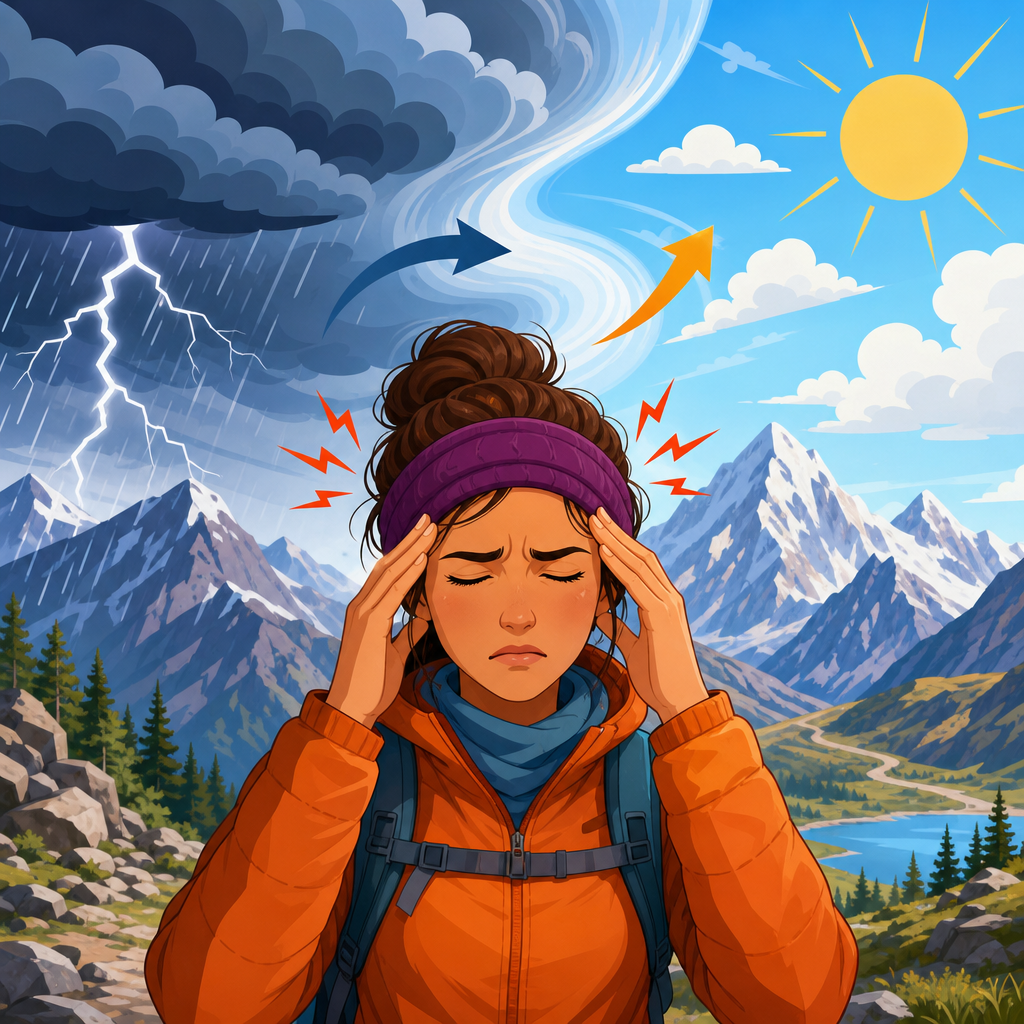
People often ask whether barometric pressure truly causes headaches. The evidence suggests that changes in atmospheric pressure can trigger symptoms in susceptible people, especially those with migraine or sinus sensitivity, although the exact threshold differs by person. At altitude, small absolute pressure changes may feel larger because the starting point is already lower. A passing low-pressure system can coincide with vasodilation, altered oxygen delivery, and activation of the trigeminal nerve, a major pain pathway involved in migraine and facial pain. That does not mean every storm causes pain, but it explains why some people can predict weather with their head better than with an app.
Temperature swings add another layer. Cold air is often dry air, and inhaling it increases evaporative water loss from the respiratory tract. Warm sunny afternoons at elevation can also be deceptively dehydrating because sweat evaporates quickly and people underestimate fluid loss. Humidity changes matter because dry mucous membranes are more vulnerable to irritation and inflammation. When the lining of the nose and sinuses becomes dry, swollen, or congested, pressure can build and refer pain to the forehead, cheeks, or behind the eyes. This is one reason “sinus headache” is overused; many presumed sinus headaches are actually migraine, but genuine nasal and sinus irritation is common in mountain climates.
Wind and air quality are major but underappreciated triggers. Chinook conditions, downslope winds, dust, wood smoke, ozone, and wildfire particulates can all aggravate the eyes and upper airway. That irritation does not stay local. It can promote mouth breathing, worsen sleep, increase snoring, and leave people waking with a headache that seems mysterious until the overnight air quality pattern is reviewed. In my experience, people who track symptoms alongside pressure, humidity, sleep, hydration, and particulate levels identify patterns much faster than people who focus on weather alone.
Common everyday triggers that turn a weather change into a headache
Weather swings set the stage, but everyday habits determine whether symptoms actually appear. Dehydration is the most common amplifier. At altitude, you lose more water through breathing, and many people drink less than they need because thirst lags behind demand. Alcohol worsens this by increasing fluid loss and disrupting sleep. Caffeine is more nuanced: a steady habitual amount may be fine, but abrupt changes up or down can trigger headaches. Skipping meals is another frequent issue because blood sugar dips lower resilience to stressors, particularly in people prone to migraine.
Sleep disruption is a powerful driver. New arrivals at altitude often sleep poorly for several nights because breathing becomes more irregular, nighttime awakenings increase, and nasal dryness encourages mouth breathing. Add a pressure drop, bright morning light, or a bedroom with overheated dry air, and the person wakes with a pounding head. Visual strain also contributes. High elevation means stronger ultraviolet exposure, more glare, and more squinting, especially around snow or reflective surfaces. The resulting eye strain and facial muscle tension blend with weather sensitivity and create a headache that feels “atmospheric” even though multiple triggers are involved.
Medication and medical history matter too. People with migraine, allergic rhinitis, asthma, temporomandibular joint dysfunction, sleep apnea, or prior concussions often have a lower threshold. So do travelers who ascend rapidly, exercise hard on arrival, or use decongestants excessively. Rebound headache from frequent pain reliever use can further muddy the picture. The practical takeaway is that weather is rarely acting alone. A storm front may be only the final nudge after a dry house, poor sleep, too little water, afternoon sun exposure, and a salty restaurant meal have already loaded the system.
How to tell altitude headache, migraine, sinus pressure, and serious warning signs apart
Distinguishing headache types helps you choose the right response. A straightforward altitude headache usually begins within hours to a day after ascent, feels diffuse or pressure-like, and improves with rest, hydration, light activity reduction, and acclimatization. Migraine is more likely when pain is throbbing or one-sided, worsened by routine activity, and accompanied by nausea, light sensitivity, sound sensitivity, or aura. Sinus-related pain tends to come with nasal congestion, facial fullness, thick discharge, or tenderness that changes when you bend forward, though many self-diagnosed sinus headaches are actually migraine because the trigeminal system can cause nasal symptoms too.
There are also times not to self-manage. Severe headache with confusion, loss of coordination, shortness of breath at rest, chest tightness, fainting, fever, stiff neck, weakness, or vision loss needs prompt medical evaluation. At high altitude, worsening headache with nausea, vomiting, profound fatigue, or imbalance can signal more serious altitude illness. Carbon monoxide exposure from stoves, heaters, fireplaces, or attached garages is another critical concern in mountain homes; it often causes headache first, especially in winter, and can be deadly. If several people in a home develop headaches at once, think about indoor air and combustion appliances immediately.
| Pattern | Typical clues | Most useful first response |
|---|---|---|
| Altitude-related headache | After recent ascent, diffuse pressure, fatigue, mild nausea, poor sleep | Rest, hydrate, avoid heavy exertion, consider slower ascent |
| Migraine triggered by weather | Throbbing pain, nausea, light or sound sensitivity, prior migraine history | Early migraine treatment plan, hydration, dark quiet room |
| Sinus or nasal irritation | Dryness, congestion, facial fullness, dust or smoke exposure | Saline rinse, humidity control, reduce irritant exposure |
| Indoor air or carbon monoxide issue | Multiple household members affected, worse indoors, winter heating use | Leave area, check detectors, inspect fuel-burning appliances |
Practical ways to prevent headaches at home, work, and outdoors
The most effective prevention plan is boring in the best sense: steady hydration, consistent sleep, measured activity, and better air management. Start with fluids and electrolytes. You do not need to force excessive water, but you do need regular intake throughout the day, especially during travel, exercise, and dry windy weather. Pale yellow urine is a practical rough guide for many adults. Eat on schedule, include protein and complex carbohydrates, and avoid treating altitude days like vacation days filled with coffee, cocktails, and missed lunch. If you are newly arrived, reduce hard exertion for the first day or two and increase gradually.
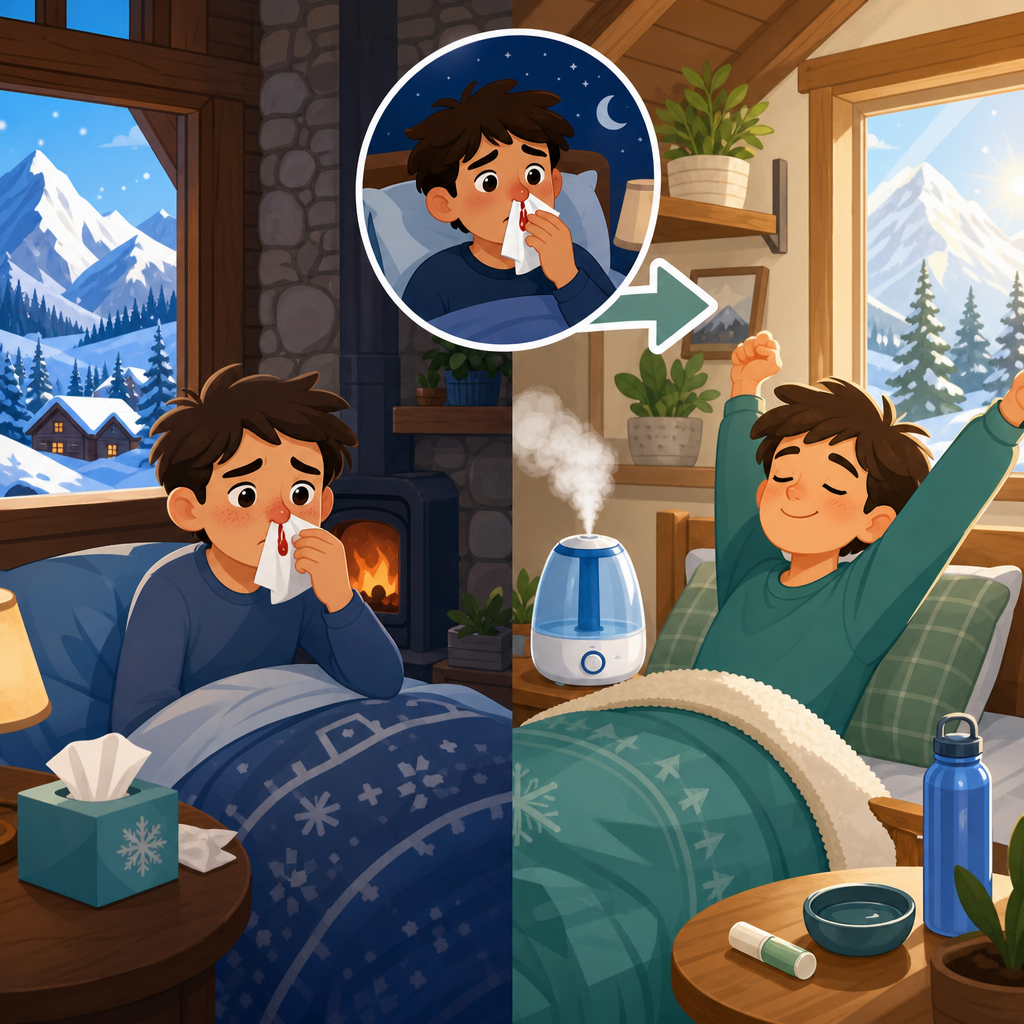
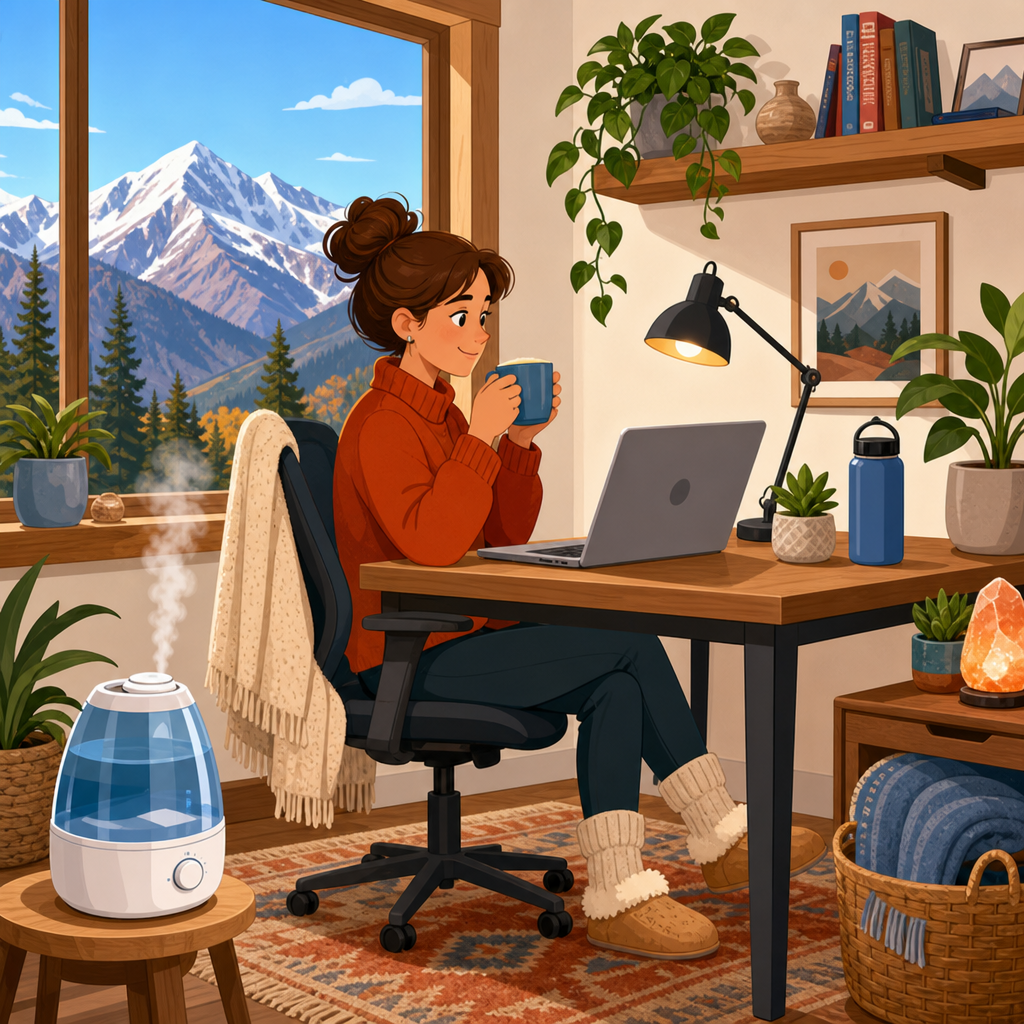
At home, manage dryness. Many mountain houses run below 30 percent relative humidity in winter. That level can aggravate skin, eyes, nose, throat, and sleep. A hygrometer helps you target a comfortable middle range rather than guessing. Portable humidifiers can help in a bedroom, but they must be cleaned properly to avoid microbial growth. Saline nasal spray or irrigation supports the nasal lining without the rebound effects common with overused topical decongestants. If allergies are part of the picture, high-efficiency filtration, regular bedding washing, and closed windows during smoke or high pollen days make a measurable difference.
For work and outdoor routines, protect your eyes and nervous system from environmental overload. Wear quality sunglasses with UV protection, especially around snow, water, and reflective surfaces. Keep a hat handy for sun and wind. During smoke events, check local particulate readings, limit exertion when PM2.5 is elevated, and use a properly fitted respirator if exposure is unavoidable. In offices and home workspaces, reduce glare, take screen breaks, and watch posture because neck tension often mixes with weather-sensitive headache. For people with migraine, a written action plan with early treatment is far more effective than waiting until pain peaks. In practice, the people who do best are the ones who track triggers for a month, adjust their environment, and respond early instead of powering through symptoms.
Building an everyday health and comfort routine that supports the whole system
Headaches at altitude are part of a broader comfort pattern, which is why this topic belongs inside daily life, skin, eyes, and home comfort. The same dry air that causes a scratchy nose can crack the skin barrier, irritate contact lens wearers, and disturb sleep. The same smoke that causes burning eyes can increase headache frequency. A useful routine connects these pieces. Morning hydration, brief daylight exposure, and a balanced breakfast support circulation and energy. Midday breaks from screens reduce eye strain and muscle tension. Evening humidity checks, cleaner indoor air, and a cooler sleep environment support recovery.
This hub approach also helps families. Children may show weather sensitivity as irritability, poor sleep, or “tummy aches” along with headache. Older adults may be more affected by dehydration, medication side effects, and indoor heat. Visitors often need the most guidance because they pack for cold but forget lip balm, saline spray, water, and sunglasses. If you manage a household in mountain weather, stock the basics: digital hygrometer, clean humidifier, saline products, preservative-free artificial tears, reusable water bottles, high-SPF sunscreen, and working carbon monoxide detectors on every level of the home.
The bigger lesson is that comfort is cumulative. You do not need perfect weather control to feel better. You need enough small systems working together so that a pressure drop or dry wind does not push you over the edge. Start by tracking symptoms against sleep, fluids, meals, indoor humidity, air quality, and pressure changes for two weeks. Then make one or two targeted improvements. Most people find that headaches become less frequent, less intense, and easier to predict. If weather swings trigger headaches at altitude for you, treat the problem as a daily living issue, not just a pain issue, and build a routine that keeps your whole environment easier on your body.
Frequently Asked Questions
Why do weather changes seem to trigger headaches more often at altitude?
At altitude, your body is already working in a narrower comfort zone because the air contains less oxygen pressure than it does at sea level. That means your brain, blood vessels, lungs, and hydration status are all more sensitive to sudden environmental shifts. When a weather system moves in, barometric pressure can drop or rise quickly, temperatures may swing, humidity often changes, and wind can increase particulate exposure. Each of those shifts can act as a stressor on its own, but in the mountains they often happen together.
A falling barometric pressure is one of the most commonly reported triggers. It can affect how pressure is perceived in the sinuses and may influence blood vessel behavior in people who are prone to headaches or migraines. Add in dry air, which is common in high country, and fluid loss becomes a bigger factor. Even mild dehydration can make the brain and surrounding tissues more vulnerable to pain. Cold air and wind can also tighten muscles in the neck and scalp while irritating the nasal passages. So the reason headaches seem more frequent at elevation is not usually one single cause. It is the combined effect of lower oxygen availability plus rapid weather variability, all happening on top of a body that may still be adapting to high elevation living or travel.
Are altitude weather headaches the same thing as migraines or altitude sickness?
Not always, and that distinction matters. A weather-triggered headache at altitude can feel like a dull, pressure-like ache around the temples, forehead, behind the eyes, or across the sinuses. Some people notice it before a storm or during a sharp drop in pressure. A migraine, by contrast, is typically a neurologic event that may include throbbing pain, light sensitivity, sound sensitivity, nausea, visual changes, or an aura. Weather changes can absolutely trigger migraines, especially in people who are already susceptible, but not every weather-related headache is a migraine.
Altitude sickness is another separate issue, though there can be overlap. Acute mountain sickness often causes headache along with fatigue, dizziness, poor sleep, nausea, and reduced appetite, usually after ascending too quickly. If someone has recently gone from sea level to a mountain town or ski resort and develops a persistent headache with those other symptoms, altitude illness should be considered. In practical terms, the timing and symptom pattern help sort things out. If the headache appears mainly with storms, chinook winds, cold fronts, or dry windy days, weather sensitivity is more likely. If it starts after ascent and comes with classic altitude symptoms, altitude illness is higher on the list. If it includes one-sided throbbing, sensory sensitivity, or nausea, migraine may be the better fit. Sometimes more than one mechanism is involved at the same time.
What specific weather factors at high elevation are most likely to cause headaches?
The biggest culprits are usually barometric pressure shifts, very dry air, temperature swings, wind, and changes in air quality. Barometric pressure changes are often blamed because they can alter how pressure is felt in the sinuses and ears and may affect vascular responses in headache-prone individuals. At higher elevations, where oxygen pressure is already reduced, these shifts can feel more pronounced. Dry air is another major factor because it increases water loss through breathing and skin, which can quietly lead to dehydration. Many people underestimate how much fluid they lose in mountain environments, especially in winter when they do not feel sweaty.
Temperature changes matter too. A rapid cold front can trigger muscle tension, sinus irritation, and blood vessel changes, while a warm swing after a cold spell can affect circulation and inflammation in sensitive individuals. Wind is often overlooked, but it can be a real trigger. Strong winds can increase exposure to dust, snowmaking residue, pollen in some seasons, smoke, or other airborne irritants that inflame the nose and sinuses. Air quality can be surprisingly poor in mountain basins during inversions, wildfire smoke events, or heavy traffic periods near resort corridors. For some people, that inflammatory load contributes directly to head pain. The mountain environment tends to stack these triggers together, which is why one changing-weather day can affect someone much more than a similar weather day at lower elevation.
How can I prevent weather-related headaches when I live in or travel to the mountains?
The most effective prevention strategy is to reduce the stress load on your body before the weather changes hit. Hydration is the first place to start, because altitude and dry air increase fluid loss even when you are resting. Drink consistently rather than trying to catch up all at once, and include electrolytes if you are active, sweating, skiing, hiking, or drinking alcohol. Sleep also matters more than people think. Poor sleep makes the nervous system more reactive, and many people sleep worse during the first few nights at altitude. If you are traveling uphill quickly, give yourself time to acclimate and avoid intense exertion on day one.
It also helps to control the indoor environment. A humidifier can reduce nasal and sinus dryness, especially in winter. Saline nasal spray may ease irritation from dry air and wind exposure. If neck and scalp tension tend to accompany your headaches, using heat, stretching, and regular movement can help. Try to eat on a regular schedule, because skipping meals can make weather sensitivity worse. Limiting alcohol during the first day or two at altitude is wise since it can worsen dehydration, sleep disruption, and headache risk.
For people who know they are weather-sensitive, tracking patterns can be extremely useful. Keep a simple log of headaches alongside pressure changes, storms, poor air quality days, sleep, hydration, and activity levels. Over time, many people see clear patterns. If headaches are frequent, severe, or clearly migrainous, talk with a clinician about preventive options or rescue medications. Prevention is usually about small adjustments done consistently: better hydration, slower ascent, better sleep, less alcohol, moisture for dry air, and awareness of incoming weather and air quality conditions.
When should a headache at altitude be taken seriously enough to seek medical care?
You should seek prompt medical attention if a headache is severe, sudden, unusual for you, or accompanied by warning signs such as confusion, fainting, weakness, difficulty speaking, trouble walking, chest pain, fever, stiff neck, repeated vomiting, or shortness of breath that is out of proportion to exertion. At altitude, it is especially important not to ignore symptoms that may suggest worsening altitude illness, such as a persistent headache plus nausea, marked fatigue, dizziness, poor coordination, or breathlessness at rest. Those symptoms deserve urgent evaluation, particularly after a recent ascent.
It is also worth getting checked if headaches keep recurring with weather swings and are interfering with daily life, work, skiing, hiking, or sleep. Frequent headaches can sometimes reveal an underlying migraine disorder, uncontrolled allergies, chronic sinus inflammation, sleep apnea, blood pressure issues, medication overuse, or dehydration habits that become obvious only after moving to elevation. A clinician can help distinguish between simple weather sensitivity and something more treatable. In general, a mild predictable headache before a storm may be annoying but not dangerous, while a new, intense, escalating, or function-limiting headache deserves more attention. When in doubt, especially at high elevation, it is better to err on the side of being evaluated.