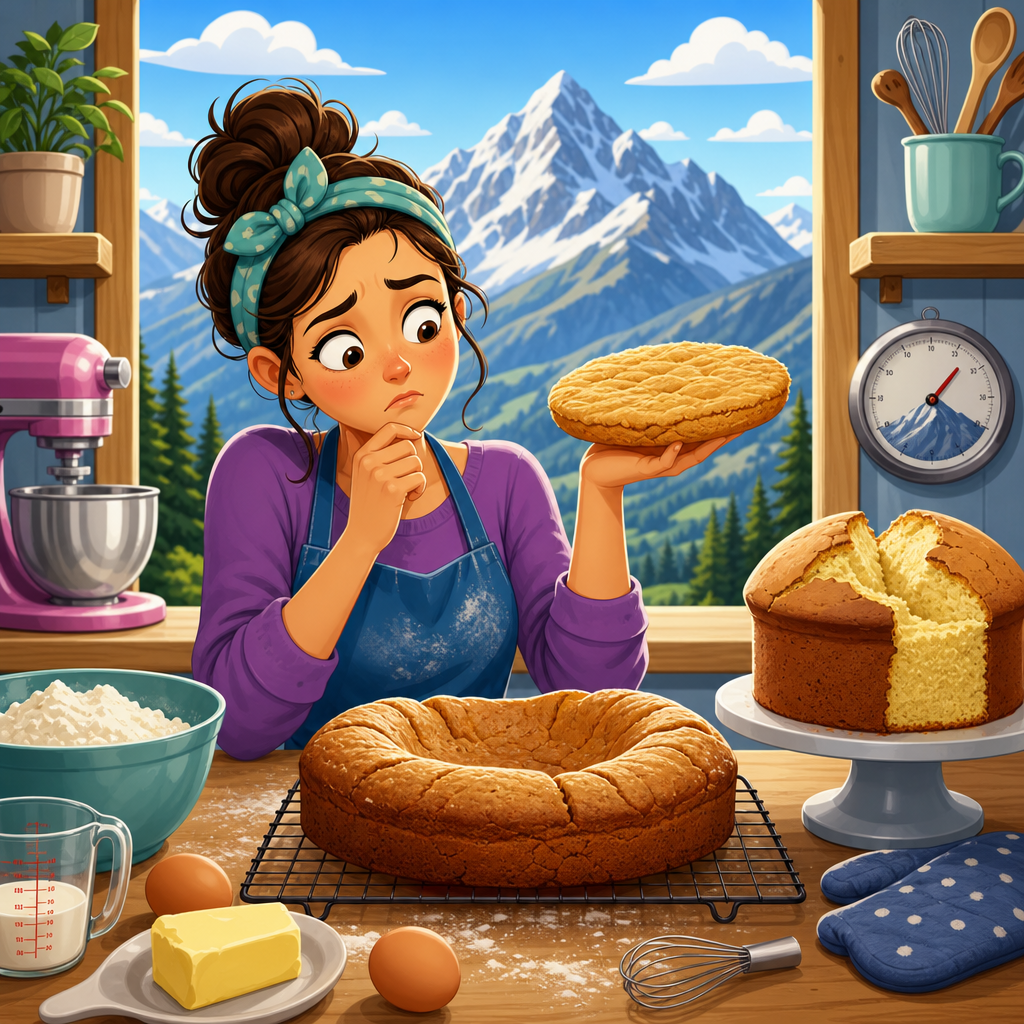
Baking a dairy-free birthday cake at 8,000 feet is a different craft than baking the same cake at sea level, because lower air pressure changes how batters rise, set, and retain moisture. In practical terms, altitude baking means adjusting a standard formula so the cake does not overexpand, sink in the center, bake up dry, or taste flat. Dairy-free baking adds another layer: milk, butter, sour cream, and yogurt contribute fat, protein, sugar, acidity, and water, so replacing them affects crumb structure as much as flavor. When you combine both variables in one birthday cake, success depends on understanding what each ingredient does and why high elevation changes the timing. I have tested cakes in mountain kitchens where a recipe that looked foolproof at sea level domed hard, cracked, and collapsed before the candles even came out. The fix was never one magical substitution. It was a set of measured changes to flour, liquid, leavening, sugar, oven temperature, and pan depth.
This guide serves as a hub for dairy-free cakes and cupcakes at altitude, with birthday cakes as the main example. It explains how to adapt layer cakes, sheet cakes, cupcakes, and snack cakes for around 8,000 feet, which is high enough that most standard online recipes need revision. You will learn how to choose the right non-dairy ingredients, how to build a stable batter, how much to adjust leavening, and how to troubleshoot common failures. You will also see where cake styles differ. A tender vanilla layer cake does not behave like a dense chocolate cake, and cupcakes need different handling than a two-layer celebration cake. If you want one reliable rule, it is this: at 8,000 feet, aim for controlled rise, earlier structure, and more moisture retention than the original recipe provides.
Why cakes and cupcakes change at 8,000 feet
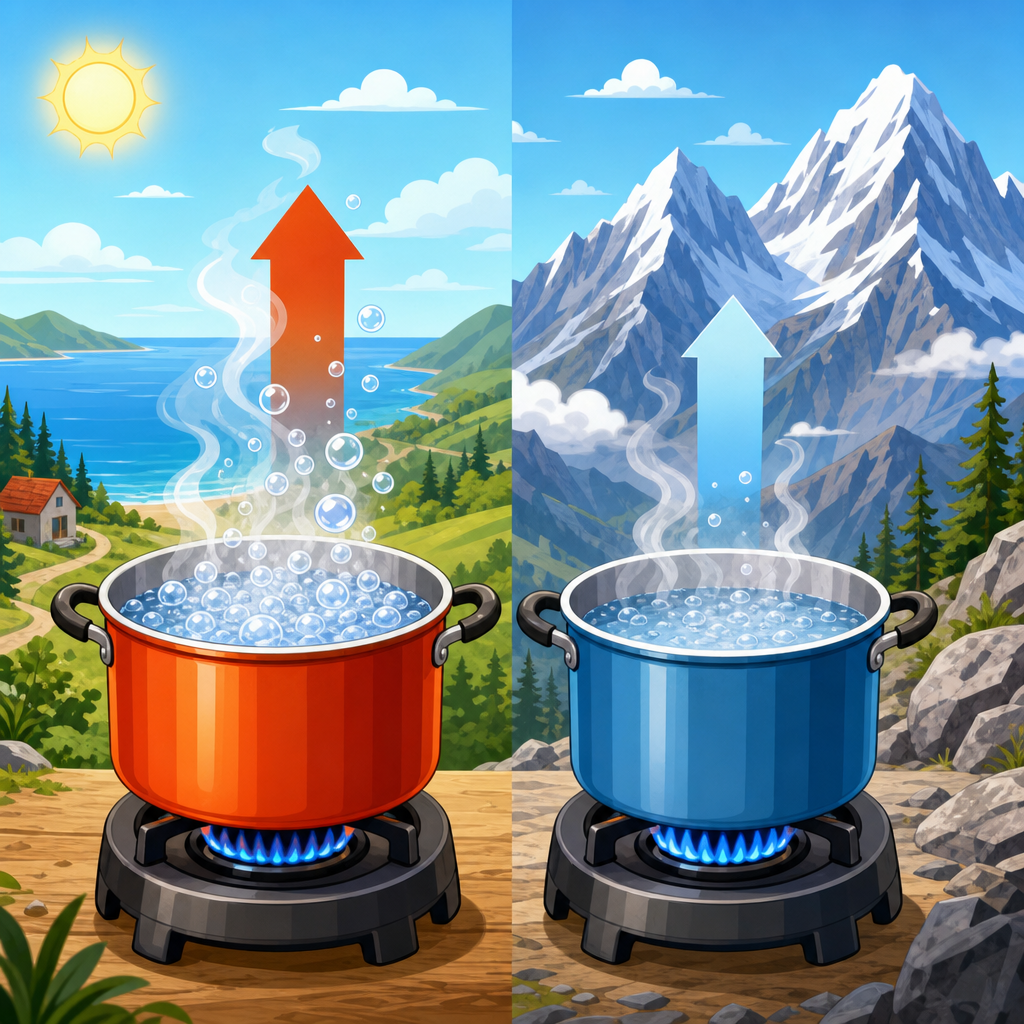
At 8,000 feet, air pressure is significantly lower than at sea level, so gases in batter expand more quickly and liquids evaporate faster. That means baking powder and baking soda act more aggressively, whipped eggs can overinflate, and cake edges set before the center is ready. Sugar becomes more disruptive too, because it weakens structure and delays starch gelatinization. In a rich birthday cake, that can produce a dramatic rise followed by collapse. The usual correction is to reduce chemical leavening, slightly increase flour, raise oven temperature by about 15 to 25 degrees Fahrenheit, and add liquid. Those changes help the batter set before the expanded air cells stretch beyond what the crumb can support.
Not every cake needs the same degree of correction. Foam cakes, genoise, angel food, and chiffon are highly sensitive because they rely on fragile air cells. Butter cakes and oil cakes are generally easier to adapt, especially when mixed by the creaming or reverse-creaming method. Cupcakes can be deceptively tricky: their small size means they heat quickly, so they often peak fast, tunnel, or pull away from liners if overleavened. In my testing, most cupcake recipes at this elevation improve when filled slightly less, baked hotter for a shorter time, and mixed just until smooth. Overbeating at altitude often creates a coarse crumb because the batter traps too much air before it enters the oven.
Choosing dairy-free ingredients that support structure
Dairy-free substitutions work best when you match function, not just label. Milk alternatives vary widely. Unsweetened soy milk behaves most like dairy milk in cakes because its protein content is relatively high, which supports browning and structure. Oat milk adds softness but can make a delicate cake gummy if the formula already has a high starch load. Almond milk is thin and mild, useful in chocolate cakes where flavor matters less than moisture, but it contributes less protein. Coconut milk from a carton can work, while canned coconut milk is much richer and should be used carefully unless the recipe is built for that fat level.
For butter, vegan block-style butters are usually better than tub spreads because they contain less water and perform more predictably during creaming. Brands differ, and that matters. Some have a higher melting point and hold air better, while others break under warm kitchen conditions. Neutral oils such as canola, avocado, or grapeseed are often more reliable at altitude than dairy-free butter in chocolate cakes and cupcakes because oil stays liquid and improves perceived moistness for days. If a sea-level recipe uses sour cream or yogurt, the best replacement at 8,000 feet is often a thick dairy-free yogurt with a known fat content, or a combination of plant milk plus a small amount of vinegar to mimic acidity. The acid is important because it activates baking soda and brightens flavor.
How to adapt a sea-level birthday cake recipe
Start by classifying the cake. Is it a butter cake, oil cake, chiffon, sponge, or one-bowl cocoa cake? For most dairy-free birthday cakes baked at 8,000 feet, the baseline adjustments are straightforward: reduce baking powder or baking soda by roughly 20 to 30 percent, increase flour by 1 to 4 tablespoons per cake layer, add 2 to 4 tablespoons extra liquid, and increase oven temperature by 15 to 25 degrees Fahrenheit. If the recipe is very sweet, reduce sugar by 1 to 3 tablespoons per cup used. If the recipe already contains whipped egg whites, make smaller changes to total leavening and avoid overwhipping the whites.
These are starting points, not laws. A chocolate cake made with boiling water and cocoa often needs less sugar reduction because cocoa contributes dry solids and the batter starts loose. A vanilla birthday cake with cake flour and plant milk may need a bit more flour support because the crumb is naturally lighter. I usually test in this order: first reduce leavening, then adjust temperature, then refine liquid and flour. Making every change at once can hide the real problem. If the cake rises sharply and sinks, reduce leavening and slightly raise the oven temperature. If it bakes level but tastes dry, restore some liquid or replace part of the vegan butter with oil.
| Cake type | Common issue at 8,000 feet | Best dairy-free altitude adjustment |
|---|---|---|
| Vanilla layer cake | Doming, cracking, dry edges | Reduce leavening 25%, add 2 to 3 tablespoons plant milk, bake 20°F hotter |
| Chocolate cake | Center sink, gummy band | Reduce leavening 20%, add 1 to 2 tablespoons flour, use oil for part of fat |
| Cupcakes | Tunneling, peaked tops, liner pull | Fill cups 1/2 to 2/3 full, mix less, bake slightly hotter for shorter time |
| Snack or sheet cake | Dry texture by day two | Add extra liquid, avoid overbaking, frost early to lock in moisture |
Mixing methods for stable crumb and even rise
The mixing method matters as much as ingredient ratios. Traditional creaming works for dairy-free cakes, but only if the fat is cool and plastic, not greasy. Creaming incorporates air, which helps lift the batter, yet at altitude too much trapped air can overexpand before the crumb sets. That is why reverse creaming is especially useful for high-elevation dairy-free cakes and cupcakes. In reverse creaming, flour, sugar, leavening, and salt are mixed first, then fat is blended in before liquids are added. This coats flour particles with fat, limits gluten development, and creates a finer, more stable crumb. I have used this method repeatedly for birthday layer cakes at 8,000 feet because it reduces erratic doming.
For one-bowl oil cakes, the risk is the opposite: undermixing leaves pockets of flour, while overmixing after flour is added can toughen the crumb. Mix until the batter is smooth and fluid, then stop. Scrape the bowl well. If using cocoa, bloom it in hot coffee or hot plant milk for better flavor and a more uniform batter. With cupcakes, portioning consistency is critical. Use a scoop so every cavity holds the same amount, otherwise some cakes peak before others and your bake time becomes unreliable. Even a good formula looks bad when cups vary by 15 or 20 grams each.
Frosting, filling, and moisture control
A birthday cake is more than layers. Frosting and filling determine how moist the cake tastes after assembly, especially in dry mountain air. Dairy-free American buttercream is straightforward, but block-style vegan butter should be tempered carefully; if it is too soft, the frosting loses structure, and if it is too cold, it can look curdled. Swiss meringue-style frostings made with vegan ingredients are possible, but they are less forgiving and usually unnecessary for a home birthday cake at altitude. For stability, I often use a hybrid frosting with vegan butter, a little shortening, powdered sugar, vanilla, and enough plant milk to spread smoothly.
Simple syrup is one of the most effective altitude tools for celebration cakes. Brushing cooled layers with a light syrup offsets moisture loss without making the cake soggy. This matters most for vanilla cakes, confetti cakes, and cupcakes that will sit several hours before serving. Fruit fillings need caution. Loose berry compotes can slide between layers, especially when the cake is warm or the frosting is soft. Use a dam of frosting and chill between stages. If you want a dairy-free cream filling, choose one stabilized with starch or a commercial plant-based whipping product designed to hold shape. The goal is not just flavor. It is structural insurance during transport, stacking, and slicing.
Adapting cupcakes, sheet cakes, and party cakes
Cupcakes are often the first dairy-free altitude bake people attempt, but they magnify small errors. Because they bake quickly, a batter that is only slightly overleavened can mushroom, crack, or sink before you can correct it next time. At 8,000 feet, fill liners lower than you would at sea level, usually one-half to two-thirds full. Bake at a slightly higher temperature so the tops set early, and start checking several minutes sooner than the original recipe states. If cupcakes stick to liners after cooling, the formula may need more sugar balance, more fat stability, or less bake time. A dry cupcake often loses adhesion to the paper as it sits.
Sheet cakes are more forgiving and ideal for birthday parties because the shallow batter depth reduces collapse risk. They also travel better than stacked layers. For a dairy-free chocolate sheet cake, oil is usually superior to vegan butter for tenderness on day two. Layer cakes need more discipline. Grease pans evenly, use parchment rounds, and avoid overfilling. If your oven runs hot, use an oven thermometer; mountain ovens vary more than most bakers realize. For larger party cakes, bake thinner layers rather than one deep layer. Multiple shallow layers cool faster, stack more cleanly, and let you distribute filling evenly. That practical choice solves many texture complaints people wrongly blame on dairy-free ingredients alone.
Common mistakes and how to troubleshoot them
If a cake rises beautifully and then falls, the structure was too weak for the amount of expansion. Reduce leavening, beat less air into the batter, or increase flour slightly. If the top cracks deeply, the oven may be too hot or the batter too stiff, though a small crack is not unusual at high elevation. If the crumb is gummy, the center may be underbaked, the formula may have too much sugar or liquid, or the plant milk choice may be contributing excess starch. Oat milk is a frequent culprit in cakes that look done but slice sticky. Switch to soy milk or a balanced blend and compare results.
If the cake is dry, do not assume the answer is simply more liquid. Overbaking, too much flour from heavy measuring, and excessive sugar reduction can all create dryness. Weigh ingredients whenever possible. If the cake tastes flat, remember that dairy-free formulas sometimes need more vanilla, salt, or a touch of acidity to compensate for the missing cultured dairy notes. Finally, keep records. In professional test kitchens, altitude success comes from notes, not memory. Write down brand names, pan sizes, batter weight, bake time, and room temperature. The next birthday cake becomes far easier when you know exactly what changed and exactly what improved.
Adapting a dairy-free birthday cake for 8,000 feet comes down to managing rise, moisture, and structure with intention. Lower air pressure makes cakes expand faster and dry out sooner, while dairy-free substitutions alter fat, protein, and water balance. The most reliable path is to reduce leavening, increase liquid modestly, strengthen the batter with a little more flour when needed, and bake at a slightly higher temperature. Choose ingredients by function: soy milk usually outperforms thinner alternatives, oil often preserves tenderness better than vegan butter, and thick dairy-free yogurt can replace cultured dairy in recipes that need acidity and body. For birthday cakes, stable frosting, restrained fillings, and simple syrup matter almost as much as the cake layers themselves.
As the cakes and cupcakes hub within cooking and baking at altitude, this guide gives you the framework for layer cakes, sheet cakes, snack cakes, and cupcakes, all through a dairy-free lens. The main benefit is repeatability. Once you understand why a batter domes, sinks, or dries at 8,000 feet, you can adjust almost any sea-level recipe with confidence instead of gambling on guesswork. Start with one classic vanilla or chocolate birthday cake, weigh your ingredients, document each change, and refine from there. Use this page as your base reference, then build your own mountain-tested formulas for every celebration on your calendar.
Frequently Asked Questions
Why does a dairy-free birthday cake behave differently at 8,000 feet than it does at sea level?
At 8,000 feet, the lower air pressure changes the way a cake rises, sets, and holds moisture. Gases in the batter expand more quickly, so a cake can puff up too fast before its structure is strong enough to support that rise. That often leads to a cake that looks promising in the oven, then falls in the center as it cools. At the same time, moisture evaporates faster at high altitude, which increases the risk of a dry or crumbly texture. A dairy-free cake adds another variable because traditional dairy ingredients do more than add richness. Milk, butter, yogurt, and sour cream each contribute a combination of water, fat, protein, sugar, and acidity, all of which affect tenderness, browning, and stability. Once those ingredients are replaced, the cake’s balance shifts. In practice, adapting a dairy-free birthday cake for 8,000 feet usually means reducing leavening slightly, increasing liquid a bit, sometimes adding a touch more flour, and paying close attention to the specific dairy-free substitutes used. The goal is to create a batter that rises more gradually, sets before collapsing, and stays moist enough to feel celebratory rather than dry.
What are the most important recipe changes to make when adapting a dairy-free cake for high altitude?
The most important changes usually involve leavening, liquid, oven temperature, and sometimes sugar or flour. At 8,000 feet, many bakers start by reducing baking powder or baking soda slightly because too much lift can cause overexpansion and collapse. A modest increase in liquid is also common, since evaporation happens faster and dairy-free batters can lose moisture quickly. Depending on the formula, adding a small amount of extra flour can help strengthen the cake’s structure so it can support the rise. Some bakers also reduce sugar a little, because sugar weakens structure and can make a delicate high-altitude cake more prone to sinking. Raising the oven temperature slightly can help the cake set faster, which is especially useful when the batter is trying to rise too quickly in thin mountain air. On the dairy-free side, ingredient choice matters just as much as quantity. Unsweetened plant milk is generally easier to control than sweetened versions, and full-fat dairy-free alternatives often perform better than low-fat ones because they help replace some of the richness and tenderness lost when butter or milk are removed. The key is not to treat altitude adjustments and dairy-free substitutions as separate issues. They interact, so the best results come from balancing both at the same time rather than making only one kind of correction.
Which dairy-free substitutes work best in a birthday cake at 8,000 feet?
The best substitutes are the ones that closely match the job the original dairy ingredient was doing. For milk, unsweetened soy milk and oat milk are often reliable because they have a fuller body than thinner alternatives and provide enough moisture without making the batter watery. For butter, a good-quality dairy-free baking stick usually works better than a soft tub spread because it has a more stable fat content and behaves more predictably during creaming and baking. If the original recipe includes sour cream or yogurt, thick dairy-free yogurt or a plant-based sour cream alternative can help preserve moisture and tenderness, but it is wise to choose one that is unsweetened and not overly loose. Coconut milk can also be useful in some cakes because of its fat content, although its flavor may come through more strongly. At high altitude, avoid substitutions that are much thinner, sweeter, or lower in fat than the dairy ingredients they replace, because those differences can amplify common mountain baking problems like dryness, weak structure, or uneven rise. If you are choosing between several options, consistency matters. Use the same plant milk and the same butter substitute throughout testing so you can evaluate how your altitude adjustments are actually affecting the cake.
How can I keep a dairy-free birthday cake moist and prevent it from sinking in the middle?
Moisture retention and structural support are the two big priorities. To keep the cake moist, increase liquid thoughtfully rather than dramatically, and use dairy-free ingredients that contribute body as well as water. Full-fat plant-based yogurt, a reliable dairy-free butter, and an unsweetened plant milk with some richness can all help produce a softer crumb. Be careful not to overbake, since high-altitude cakes can go from done to dry quickly. Start checking for doneness earlier than you would at sea level, and look for a few signs together: the top should spring back lightly, the edges should look set, and a tester should come out with a few moist crumbs rather than wet batter. To prevent sinking, reduce leavening enough to slow the rise, avoid overmixing once the flour goes in, and consider adding a small amount of extra flour if the batter seems especially loose. Filling cake pans too full can also make collapse more likely, because the center takes longer to set while the batter keeps expanding. Finally, make sure the cake is baked through before removing it from the oven. A cake that is still under-set in the middle is much more likely to deflate, especially at 8,000 feet where the structure is already under more stress.
Do I need to change mixing methods, pan sizes, or baking times when making a dairy-free cake at high altitude?
Yes, those details can make a real difference. Mixing method matters because too much air beaten into the batter can become a problem at high altitude, where expansion happens more easily. Creaming dairy-free butter and sugar is still useful when the recipe calls for it, but avoid over-creaming to the point that the mixture becomes excessively fluffy. Once dry ingredients are added, mix just until combined so you do not weaken the batter or create a coarse crumb. Pan size also affects success. Shallow layers generally bake more evenly than deep ones at 8,000 feet because the center sets faster and is less likely to collapse. If you are making a celebration cake, two or three thinner layers are often easier to manage than one thick cake. Baking times may be shorter or simply different than what the original recipe suggests, especially if you slightly raise the oven temperature to help the structure set. That means visual and tactile cues are often more reliable than the clock. It is also smart to prepare pans carefully with parchment and proper greasing, since dairy-free cakes can sometimes be a little more delicate when warm. In short, the recipe matters, but technique matters too. Careful mixing, appropriate pan depth, and attentive baking can be just as important as changing the ingredient amounts.