Coffee can taste brighter, thinner, more bitter, or strangely muted in the mountains because altitude changes how water boils, how aromas travel, how your body senses flavor, and how you prepare each cup. In practical terms, mountain coffee is not just city coffee at a scenic elevation. It is the same beverage passing through a different physical environment and a different human sensory system. That combination matters for anyone building daily routines around comfort, hydration, energy, and home enjoyment, especially within broader lifestyle adjustments that affect skin, eyes, sleep, and indoor living.
When people ask why coffee tastes different in the mountains, they are usually noticing several shifts at once. First, lower air pressure at higher elevations reduces the boiling point of water. Second, dry air and cooler temperatures influence evaporation and aroma release. Third, altitude can change your own perception through dehydration, nasal dryness, mild altitude effects, and even changes in appetite. Finally, brewing habits often shift in cabins, ski towns, hiking lodges, and high-altitude homes where grinders, kettles, filters, and water chemistry are not the same as in a controlled kitchen.
I have adjusted coffee programs in both sea-level cafés and mountain properties, and the pattern is consistent: people blame the beans first, but the beans are rarely the only cause. Water quality, brew temperature, extraction time, grinder calibration, storage conditions, and your physical state all influence what ends up in the cup. Understanding those factors helps you make better choices every day, whether you are dialing in a pour-over at 8,000 feet, choosing a gentler roast for dry mornings, or building a more comfortable home routine around hydration and rest.
Key terms help clarify the issue. Altitude is elevation above sea level. Extraction is the process of dissolving flavor compounds from ground coffee into water. Water activity, mineral content, and temperature affect extraction efficiency. Volatile aromatic compounds create much of what we think of as flavor, and those compounds behave differently when heat, humidity, and pressure change. Sensory perception includes taste on the tongue and aroma detected retronasally through the nose, which is why dry mountain air can make coffee seem flatter even when the brew recipe looks correct.
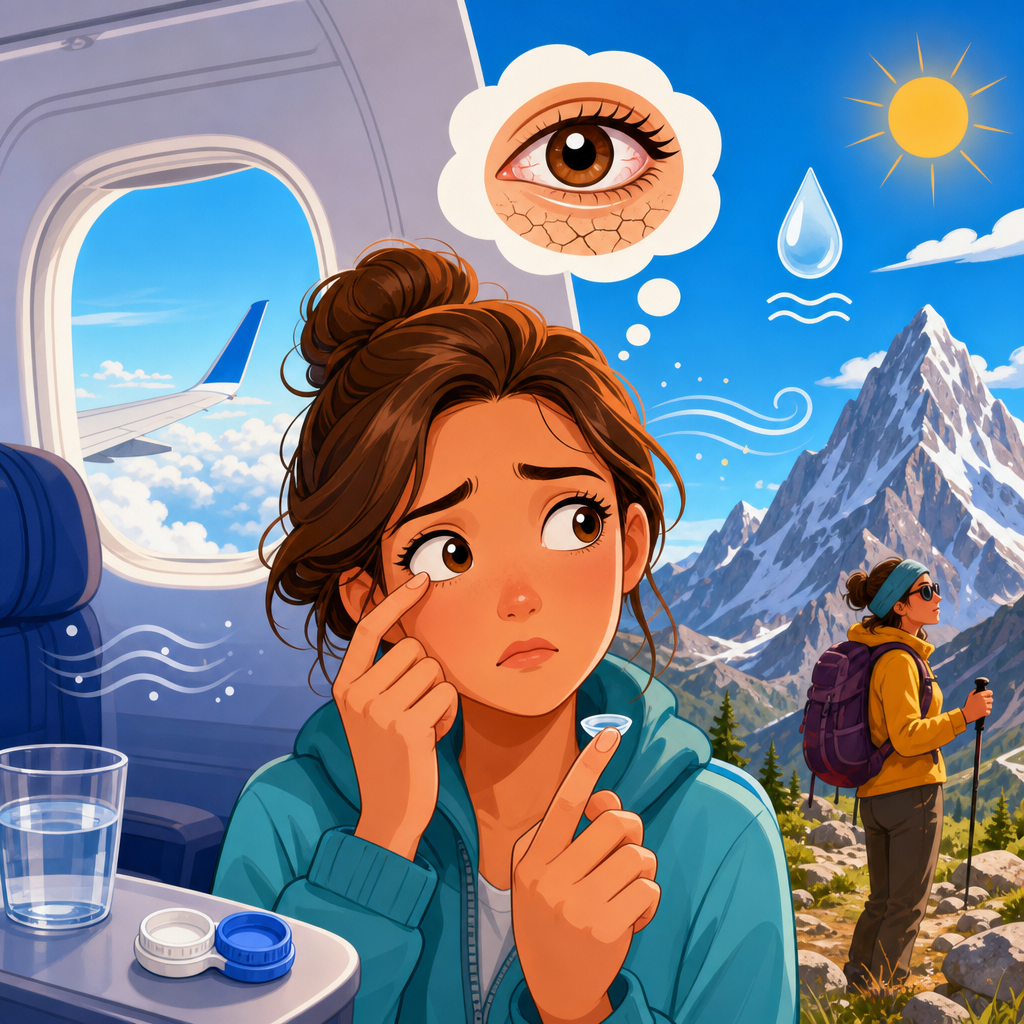
This topic matters because coffee is woven into daily life. For many households, it is the first comfort ritual of the day and a cue for wakefulness, warmth, and focus. In the mountains, that ritual intersects with other lifestyle adjustments: drinking more water to offset dryness, protecting eyes from wind and UV exposure, managing indoor humidity, adapting sleep schedules, and choosing foods and drinks that feel good in a colder, drier climate. A strong hub article should explain not only taste changes but also the practical habits that make mountain living more comfortable, sustainable, and enjoyable.
The physics of altitude and the boiling point problem
The most important scientific reason coffee tastes different in the mountains is simple: water boils at a lower temperature as elevation rises. At sea level, water boils at 212 degrees Fahrenheit or 100 degrees Celsius. Around 5,000 feet, boiling is roughly 203 degrees Fahrenheit. Near 7,500 feet, it is about 198 degrees Fahrenheit. That sounds minor, but for coffee extraction it is significant. Many brewers rely on water between about 195 and 205 degrees Fahrenheit. In high mountain towns, your kettle may never reach the top end of that range.
Lower brew temperature changes extraction balance. Acids dissolve relatively easily, while some sugars, oils, and heavier bittering compounds need more energy or more contact time. The result can be coffee that tastes sharper, lighter-bodied, underdeveloped, or sour if the grind and brew time are not adjusted. People often describe mountain coffee as weak when the actual problem is incomplete extraction. In immersion brewing, such as French press or cupping, extending steep time can help. In pour-over, grinding slightly finer and increasing contact time often improves sweetness and body.
Espresso presents a related challenge. Machines regulate brew temperature, but water heating performance, ambient temperature, and barometric pressure still affect results, especially in small home setups. I have seen mountain rentals where a grinder drifted coarser overnight in dry conditions, producing shots that ran fast and tasted both sharp and hollow. The fix was not a darker roast. It was recalibrating grind size, checking dose, warming the machine thoroughly, and using fresher water with appropriate mineral content.
How dry air, aroma, and your senses change flavor
Flavor is not only on the tongue. A large share of coffee’s complexity comes from aroma compounds detected through the nose. Mountain air is often drier, cooler, and thinner, and those conditions affect both the coffee and the drinker. Dry indoor heat can irritate nasal passages, reducing sensitivity to subtle aromas like florals, cocoa, stone fruit, and caramel. If your nose is dry or congested, coffee may taste flatter or more generic, even when extraction is technically good.
Dehydration makes this worse. At altitude, people lose more moisture through respiration and often forget to replace it, especially in winter. Mild dehydration can dull sensory perception and amplify the rough edges of caffeine. A cup that seemed crisp and elegant at home can feel harsh on a mountain morning after poor sleep, low humidity, and little water. This is one reason lifestyle adjustments matter: tasting coffee well in the mountains starts before brewing. It starts with hydration, room humidity, and sleep quality.
Smell is also shaped by context. In mountain homes, wood smoke, wool, sunscreen, pine resin, and heated indoor air create a different sensory backdrop than a city kitchen. That context changes perception. A naturally processed Ethiopian coffee may smell intensely berry-like in one environment and more winey or fermented in another. The coffee has not fundamentally changed, but your sensory framing has. Professionals use neutral cupping spaces for a reason. Everyday drinkers can improve consistency by keeping brewing areas clean, ventilated, and free from competing odors.
Brewing adjustments that work at higher elevations
If you want better coffee in the mountains, change the recipe before you change the beans. Start with brew ratio, grind, time, and water. For pour-over, use water just off the boil, grind slightly finer than your sea-level setting, and expect a longer drawdown if you increase bed resistance too much. For French press, extend steep time by thirty to sixty seconds. For drip machines, confirm the brewer reaches adequate temperature; many budget models underperform even at sea level, and the problem becomes more obvious up high.
Water chemistry deserves special attention. Mountain water can be excellent, but excellent for drinking does not always mean ideal for extraction. Very soft water can make coffee taste thin and sour. Very hard water can mute acidity and create chalky flavors. The Specialty Coffee Association often cites target ranges for water quality, including balanced hardness and alkalinity. In practice, simple tools like Third Wave Water packets, a Brita for chlorine reduction, or custom filtered water can produce more reliable cups than untreated tap water from an unfamiliar source.
| Brewing issue in the mountains | What it tastes like | Most effective adjustment |
|---|---|---|
| Lower boiling temperature | Sour, thin, under-extracted cup | Grind finer and extend contact time |
| Very soft water | Bright but hollow, weak body | Use remineralized or balanced brewing water |
| Dry air affecting grinder behavior | Fast flow, inconsistent extraction | Recalibrate grind daily and reduce static |
| Cold room and equipment | Muted sweetness, temperature loss | Preheat brewer, server, and cups thoroughly |
| Stale beans from travel or storage | Flat aroma, woody finish | Buy smaller bags and store airtight away from heat |
Small procedural changes help more than most people expect. Preheating is critical in cold kitchens and cabins because ceramic drippers, metal kettles, and glass servers steal heat from the brew. Blooming also matters. Fresh coffee releases gas quickly, but at altitude the overall brew system can behave differently enough that a careful bloom improves saturation and reduces channeling. If you use hand grinders or compact travel grinders, watch for static in dry air. A drop of water on the beans before grinding, known informally as the Ross Droplet Technique, can reduce mess and improve consistency.
Beans, roast level, storage, and everyday mountain routines
Beans still matter, just not in the simplistic way many people assume. Lighter roasts often reveal altitude-related extraction issues because their dense structure benefits from precise brewing and sufficient heat. In mountain homes, a medium roast can be easier to dial in while still preserving origin character. Dark roasts can taste comfortable and fuller-bodied in cold weather, but they also mask defects and can become ashy if brewed aggressively. The best choice depends on your routine, not a universal rule.
Storage is another overlooked factor in mountain taste differences. High-altitude climates are usually dry, which can help reduce some moisture-related staling, but oxygen, light, and heat remain the main enemies. Many people buy coffee during travel, leave it in a warm car, then open it days later in a cold lodge kitchen. By then, the aromatics have already faded. Buy smaller quantities, keep beans in an opaque airtight container, and avoid freezing unless you portion carefully and minimize condensation during thawing.
Mountain living also changes when and why people drink coffee. Early sun exposure, physically demanding recreation, and cooler mornings often push consumption earlier in the day. That can be helpful, since late caffeine at altitude may worsen already fragile sleep. Sleep quality strongly affects flavor perception and overall comfort. If coffee starts tasting harsher after a move to higher elevation, the answer may partly be less restorative sleep and more physiological stress rather than a brewing mistake alone.
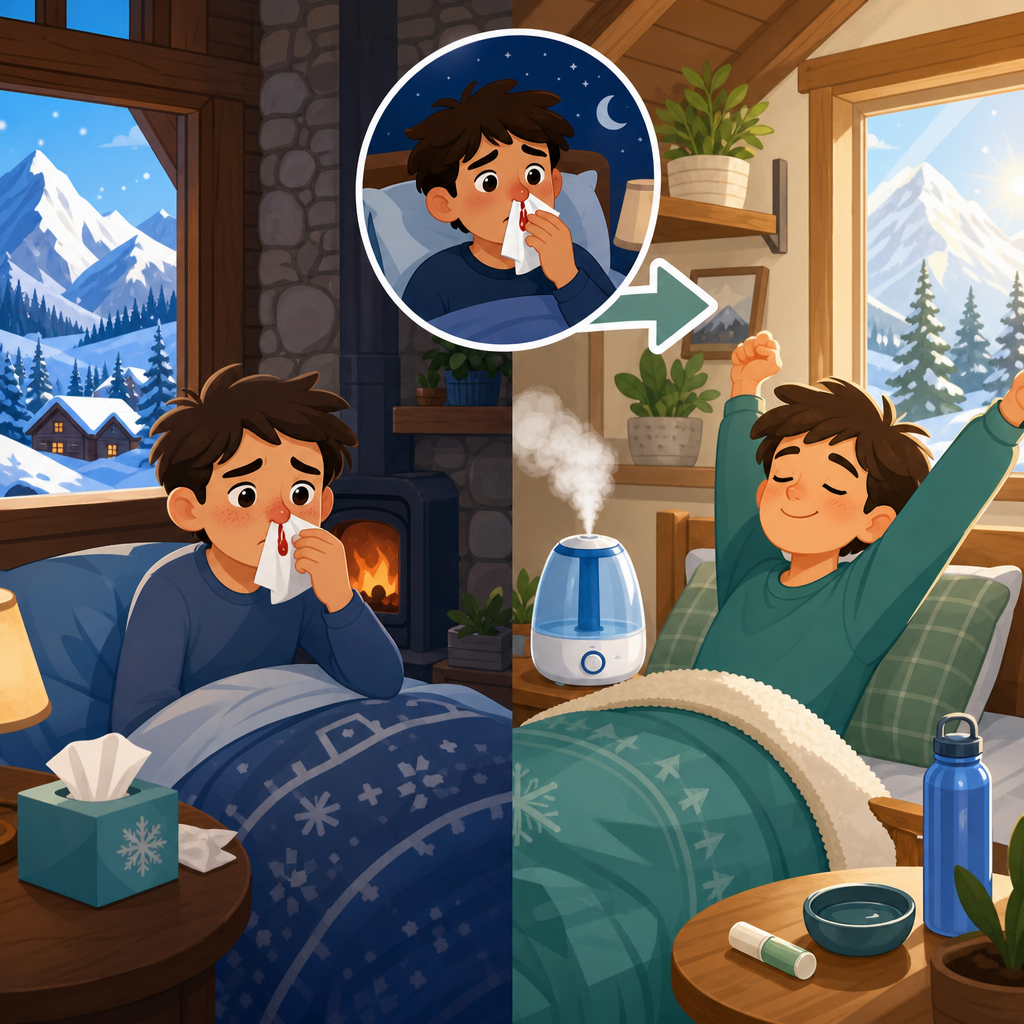
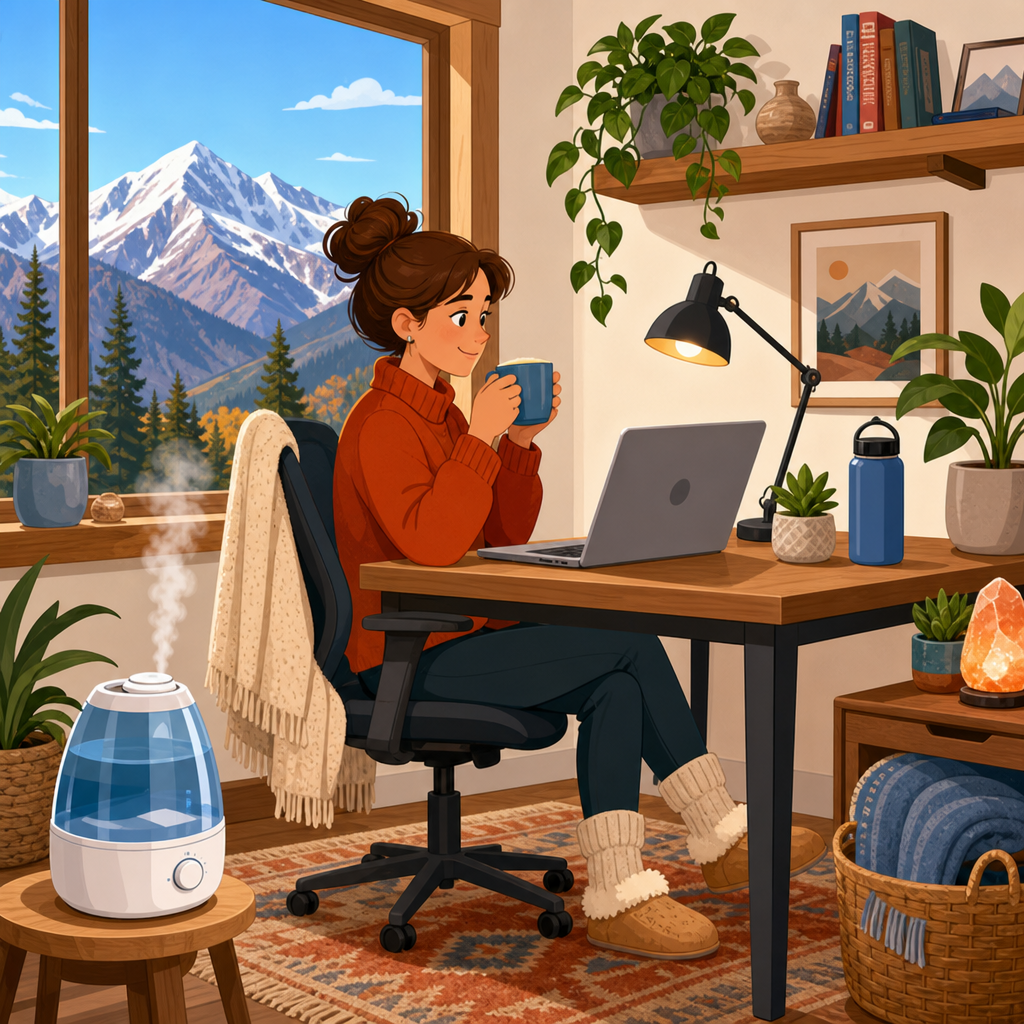
This is where coffee connects to the wider lifestyle adjustments hub. Better mountain coffee is tied to better living habits: drink water before your first cup, use a humidifier if indoor relative humidity is very low, keep eyes and nasal passages comfortable, and pair coffee with food instead of treating it as breakfast. Oatmeal, eggs, yogurt, or toast can soften caffeine’s impact and improve morning energy stability. A mountain routine built on hydration, warmth, and consistent brewing will almost always taste better than one built on guesswork.
Common myths and what actually explains the difference
Several myths persist. One is that coffee tastes different in the mountains because the beans “know” they are at altitude. Beans are stable roasted seeds; they are not changing composition dramatically after arrival. The environment changes extraction and perception. Another myth is that stronger coffee means adding more grounds without adjusting anything else. That may increase concentration, but if extraction is still poor, the cup can become both stronger and less pleasant. Strength and extraction are related but not identical concepts.
A third myth is that mountain water is automatically perfect because it comes from snowmelt. Some mountain water supplies are excellent, while others are too soft, too variable seasonally, or treated in ways that affect flavor. Test, filter, and adjust as needed. A final myth is that bitter coffee always means over-extraction. In real home conditions, bitterness can come from dark roasting, stale beans, dirty equipment, overheated holding plates, or your own dry palate. Diagnosis should be systematic, not intuitive.
The practical lesson is straightforward. If coffee tastes different in the mountains, begin with environment, then method, then personal condition. Check water temperature limits, grind size, brew time, and water mineral balance. Preheat equipment. Use fresh beans. Hydrate and control indoor dryness. These changes solve most problems without drama. For readers building a more comfortable mountain lifestyle, coffee becomes a useful daily indicator: when the cup tastes balanced, your routine is often balanced too.
Mountain coffee tastes different because physics, environment, and human perception all shift together at elevation. Lower boiling temperatures reduce extraction energy, dry air changes aroma perception, unfamiliar water alters balance, and altitude-related habits such as poor hydration or disrupted sleep can make the same beans seem harsher or flatter. Once you understand those causes, the mystery disappears. Better flavor comes from better adjustments, not from chasing endless new gear or assuming the roast is wrong.
The most effective mountain coffee routine is simple. Use fresh beans, balanced water, and brewing methods adjusted for lower boiling points. Preheat everything in cold spaces. Recalibrate grind settings in dry air. Drink water before caffeine, support humidity indoors, and avoid letting coffee carry the full burden of energy and comfort. These habits improve taste while supporting broader daily life needs, from eye and skin comfort to steadier mornings and better sleep.
If you live in the mountains or travel there often, treat coffee as part of a whole-home comfort system. Make one change at a time, keep notes, and build a repeatable routine that fits your environment. Start tomorrow with water, a warm brewer, and a slightly finer grind, then taste the difference for yourself.
Frequently Asked Questions
Why does coffee taste different in the mountains compared with lower elevations?
Coffee tastes different in the mountains because altitude changes both the brewing environment and the way your body perceives flavor. At higher elevations, water boils at a lower temperature because air pressure is reduced. That matters because extraction depends heavily on water temperature. If your brew water is cooler than usual, it may pull fewer sugars and soluble compounds from the grounds, which can make coffee taste thinner, sharper, or underdeveloped. In some cases, people respond by extending brew time or grinding finer, which can then overcorrect and introduce bitterness or a harsh finish.
The sensory side is just as important. Mountain air is often drier and cooler, and dryness can affect how aroma compounds move through the air and how clearly you perceive them. Since much of what people call “taste” is actually aroma, muted aromatics can make a coffee seem flatter or less sweet even if the beans are the same ones you use at home. Altitude can also influence hydration, breathing, and even mild congestion or dryness in the nose and mouth, all of which shape how flavors register. That is why mountain coffee is not simply regular coffee in a prettier setting. It is the same drink being brewed under different physical conditions and evaluated by a body that is also responding to altitude.
Does lower boiling temperature at high altitude really affect coffee extraction?
Yes, it can affect extraction in a meaningful way, especially in brewing methods that rely on near-boiling water. As elevation rises, the boiling point of water drops, so water may never get as hot as it would at sea level. Because many flavor compounds in coffee dissolve more effectively at higher temperatures, slightly cooler brew water can leave some desirable sweetness, body, and complexity behind. The result may be a cup that tastes brighter than expected, lighter in texture, or somewhat hollow in the middle.
This does not mean good coffee is impossible in the mountains. It means your usual recipe may need adjustment. If your coffee tastes sour, weak, or strangely muted, try grinding a little finer, increasing contact time, or using a brewer that retains heat well. For immersion methods, a slightly longer steep can help. For pour-over, a slower pour and better preheating of your brewer and cup may improve consistency. On the other hand, if you push too far to compensate, you may create bitterness or a dry, astringent finish. The best approach is to make small changes one at a time. At altitude, temperature limitations are real, so technique becomes more important, not less.
Why can mountain coffee taste more bitter, brighter, or thinner even when I use the same beans?
Using the same beans does not guarantee the same cup because coffee flavor depends on a chain of variables, not just the coffee itself. In the mountains, one cup may taste brighter because lower water temperature can highlight acidity while reducing full extraction of sugars and heavier compounds. Another cup may taste thinner because cooler water, dry air, and faster heat loss from brewing equipment can all reduce body and depth. Bitterness can also appear more strongly if you compensate in the wrong direction by oversteeping, grinding too fine, or using water that sits on the grounds too long.
Environmental changes play a role beyond brewing mechanics. Dry mountain air can dull aromatic intensity, so your brain may interpret the cup as less sweet or less rounded. Dehydration, which is more common at altitude, can also make coffee seem harsher or less satisfying. Even milk behaves differently in mountain kitchens if you are making lattes or cappuccinos, because steaming and foam texture can be affected by lower pressure and different heating behavior. In practical terms, flavor shifts at altitude are often the result of several small changes adding up at once: extraction changes, aroma changes, and body perception changes. That combination is why the same bag of beans can suddenly seem unfamiliar.
How should I adjust my brewing routine to make coffee taste better in the mountains?
Start by assuming your sea-level recipe is a reference point, not a rule. At altitude, preheating matters more because equipment loses heat quickly and your water already starts at a lower maximum temperature. Warm your brewer, server, and cup thoroughly before brewing. If your coffee tastes weak, sour, or under-extracted, try a slightly finer grind first. If that is not enough, increase brew time modestly. For pour-over, that may mean slowing your pour or adding a brief pause to increase contact time. For French press or other immersion methods, extend the steep a little. If you use an espresso machine, expect that dialing in may shift, and pay close attention to shot time and taste rather than relying only on your usual grinder setting.
Water quality and freshness also matter. Mountain destinations often have different mineral profiles in tap water, and that can noticeably alter extraction and flavor balance. If possible, use filtered water with a consistent mineral content. Keep beans sealed well because dry air can make them lose aromatic intensity faster once opened. Finally, taste with patience. Make one adjustment at a time and keep notes if you are staying at elevation for more than a day or two. A small grind change, better preheating, or a longer steep is often enough to restore balance. The goal is not to force the coffee to taste exactly like it does at home, but to brew in a way that works with mountain conditions instead of fighting them blindly.
Can altitude change how my body experiences coffee, including flavor, hydration, and energy?
Absolutely. Altitude can influence not just the cup in your hand but also the person drinking it. In the mountains, people often breathe faster, lose moisture more quickly, and become dehydrated more easily, especially in cold or very dry conditions. A dry mouth and nose can reduce flavor clarity and mute aroma perception, which makes coffee seem less expressive or oddly flat. At the same time, if you are underhydrated, bitterness and acidity may feel more pronounced. That is one reason coffee at elevation can seem both intense and unsatisfying at once.
Energy perception can shift too. If you are sleeping differently, exerting yourself more, or acclimating to altitude, caffeine may feel stronger, weaker, or simply less predictable than usual. Some people find that their normal coffee routine feels jitterier in the mountains, while others notice that the comforting effect they associate with coffee is reduced because their body is managing environmental stress. The practical takeaway is simple: drink water consistently, do not judge your usual brew by one off day, and consider slightly adjusting coffee strength or serving size while you acclimate. In mountain settings, flavor, hydration, and stimulation are connected more closely than many people realize, so paying attention to your body is part of making a better cup.