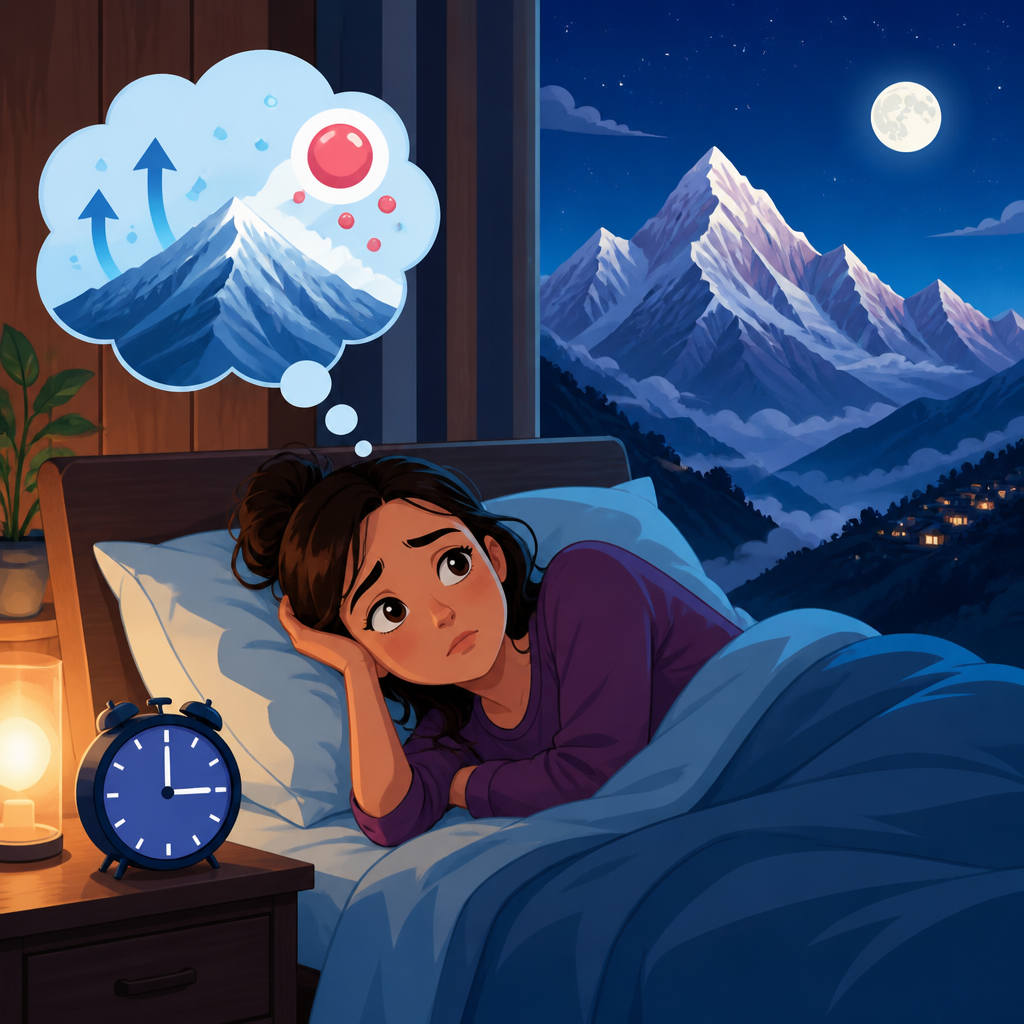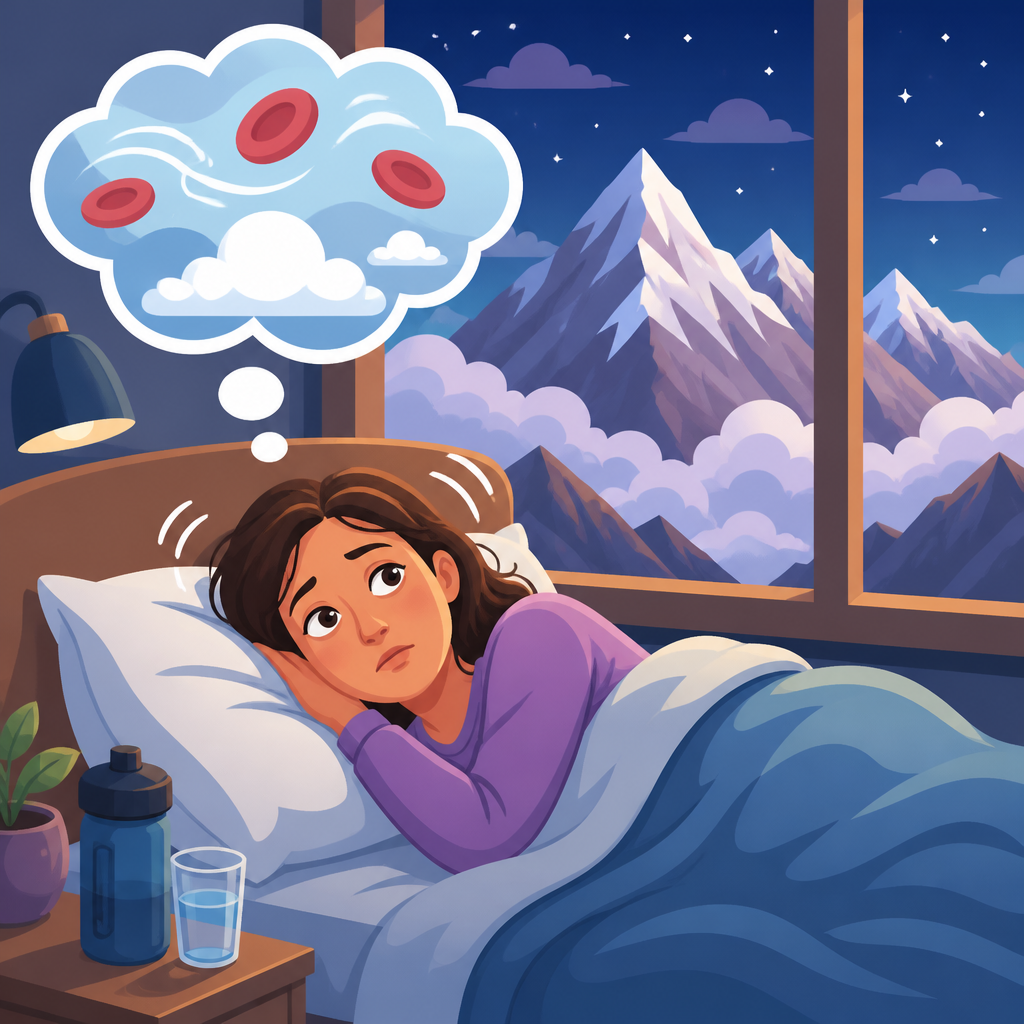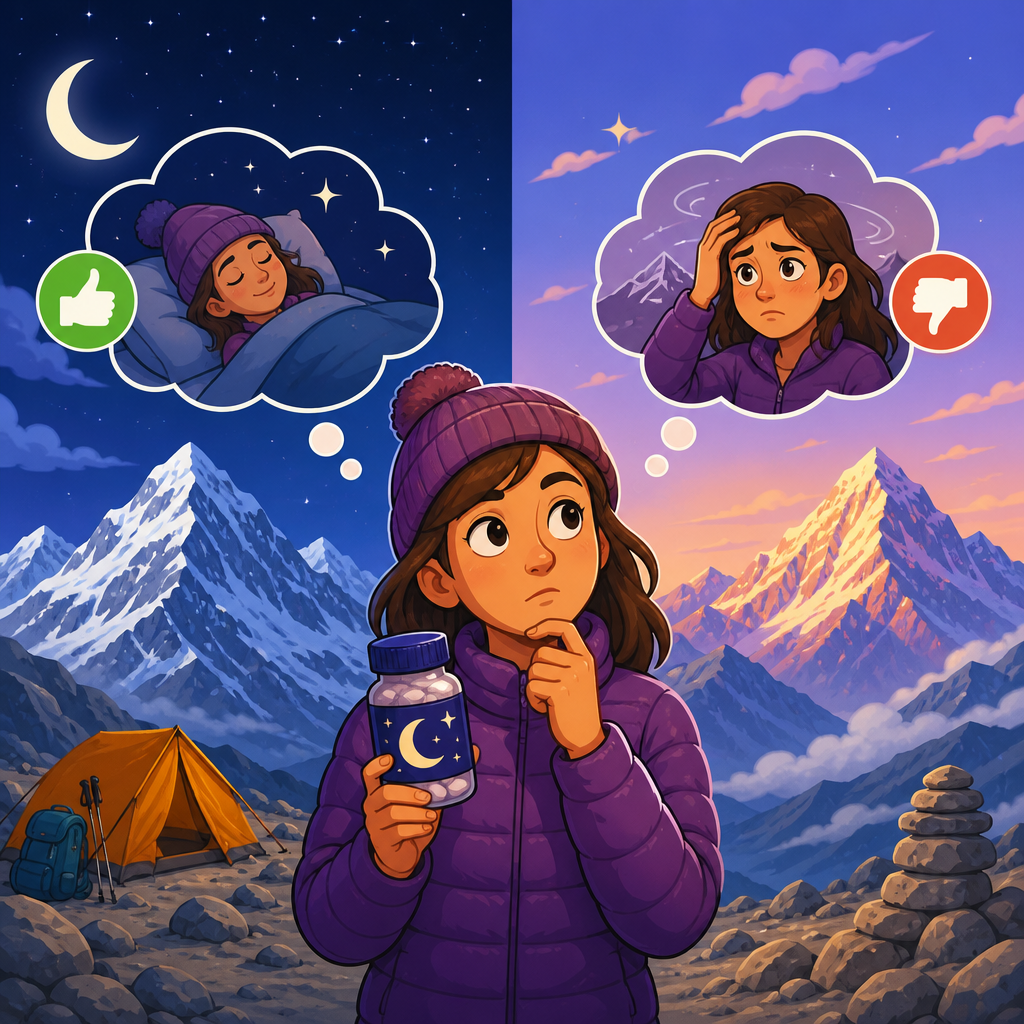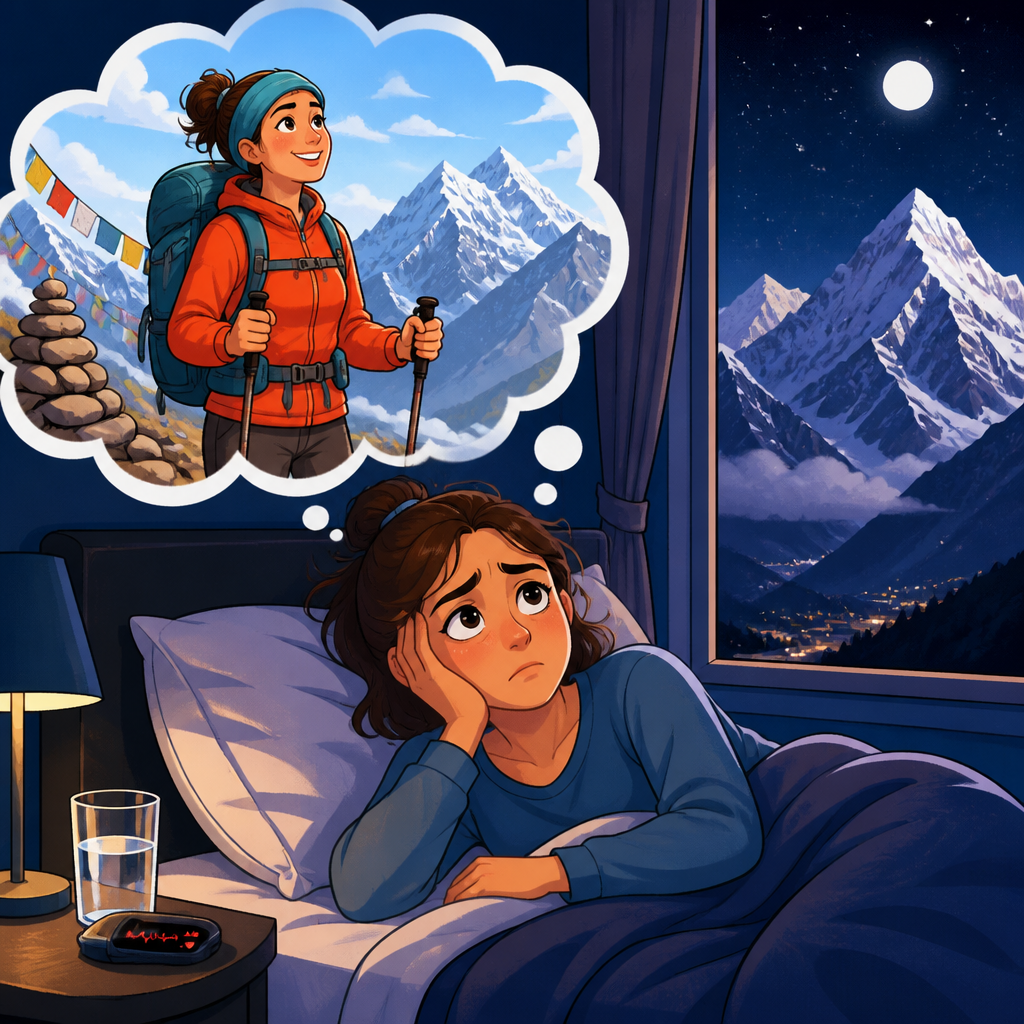
Altitude sleep problems are often dismissed as a normal part of travel, but persistent or severe symptoms can signal a deeper issue that affects recovery, safety, and long-term health. In mountain towns, ski resorts, trekking routes, and high-elevation training camps, people commonly blame restless nights on dry air, excitement, or a new mattress. Sometimes that is true. Yet in practice, I have seen altitude-related sleep disruption become the first visible sign of acute mountain sickness, poorly controlled sleep apnea, dehydration, overtraining, iron deficiency, or an energy intake mismatch that quietly undermines performance. Understanding when altitude sleep problems mean more than simple adjustment matters because sleep is not a side benefit of acclimatization; it is a core biological process that supports breathing stability, tissue repair, cognitive function, immune defense, and next-day judgment.
Altitude changes sleep through several predictable mechanisms. As elevation rises, barometric pressure falls, reducing the partial pressure of oxygen in every breath. Even healthy people may respond with faster breathing, more night waking, and a pattern called periodic breathing, in which respiration cycles between deeper breaths and brief pauses. Many travelers notice vivid dreams, dry mouth, headache on waking, or a sense that they slept for hours without feeling restored. Those can be expected in the first nights at moderate altitude. The problem is that normal acclimatization symptoms overlap with warning signs of poor recovery and illness. A short-lived, mild disturbance is different from repeated oxygen drops, escalating fatigue, chest symptoms, confusion, or sleep that worsens instead of gradually improving over several nights.
This hub article covers sleep and recovery at altitude comprehensively, with a practical focus on what changes are expected, what red flags require attention, and how hydration and nutrition influence the entire picture. It also serves as a map for the wider sleep and recovery topic: breathing during sleep, jet lag plus elevation, training load, appetite loss, alcohol effects, and smart strategies for travelers and athletes. If you want a direct answer, here it is: altitude sleep problems mean more than simple adjustment when symptoms are severe, prolonged, paired with daytime impairment, or accompanied by signs of acute mountain illness, existing sleep disorders, inadequate fueling, or poor fluid balance. Knowing that threshold helps you recover faster and avoid turning a common adaptation challenge into a preventable medical problem.
What normal altitude sleep adjustment looks like
Normal adjustment usually begins in the first night above roughly 1,500 to 2,500 meters, although susceptibility varies widely. Many people fall asleep without trouble but wake repeatedly, breathe more noticeably, or feel unrefreshed in the morning. The sleep architecture can shift, with lighter sleep and more arousals. Periodic breathing is especially common at higher elevations and in otherwise fit people with strong ventilatory responses. It can sound alarming to a roommate: several deep breaths, then a pause, then a sudden gasp or resumed breathing. By itself, that pattern is not always dangerous, but it fragments sleep and can produce morning fatigue even when total time in bed seems adequate.
Expected adjustment has a general timeline. The first one to three nights are often the worst. By day three to five, many people notice steadier breathing, fewer awakenings, and less morning headache if they remain at the same elevation, stay hydrated, avoid excess alcohol, and do not overexert immediately. Mild appetite suppression may occur, which matters because undereating can worsen sleep quality and recovery. A key point from field experience is that “normal” does not mean comfortable. You can feel off, sleep lightly, and still be acclimatizing appropriately. The distinction is trajectory: normal adjustment trends toward stability, while concerning patterns intensify or spread into daytime symptoms.
When altitude sleep problems are a warning sign
Altitude sleep problems deserve closer attention when they persist beyond several nights without improvement, wake you with air hunger, or leave you unusually impaired during the day. Red flags include severe headache that is not improving, vomiting, marked dizziness, confusion, unsteady walking, chest tightness, breathlessness at rest, a wet cough, blue lips, or an inability to complete simple tasks. Those symptoms raise concern for acute mountain sickness and, in more dangerous cases, high-altitude cerebral edema or high-altitude pulmonary edema. Sleep disruption may appear early because oxygen levels often drop further at night, when ventilation naturally changes and people are less able to compensate.
There is also a quieter category of warning signs. If you snore heavily at sea level, have witnessed apneas, wake with palpitations, or already use CPAP, altitude can amplify underlying sleep-disordered breathing. People with asthma, chronic obstructive pulmonary disease, heart failure, anemia, or recent respiratory infection may struggle disproportionately. Athletes sometimes misread altitude insomnia as a toughness issue when the real problem is excessive training load layered onto hypoxia and inadequate caloric intake. In clinics and camps, the most useful screening questions are simple: Are symptoms improving each day? Are you functioning normally when awake? Is breathing distressing at rest or only during exertion? If the answers trend the wrong way, the sleep problem is no longer “just adjustment.”
How hydration and nutrition shape sleep recovery at elevation
Sleep, hydration, and nutrition are tightly linked at altitude because hypoxia changes breathing, fluid loss, appetite, and carbohydrate use. Increased ventilation causes greater respiratory water loss, while dry mountain air accelerates insensible losses from the skin and airways. At the same time, many travelers drink inconsistently because schedules are disrupted or because cold weather blunts thirst. Mild dehydration can worsen headache, dry mouth, nighttime cramps, and perceived sleep quality. Overhydration, however, is not the answer; forcing excessive fluids can disturb sleep with frequent urination and, in extreme cases, contribute to hyponatremia. The practical target is steady intake guided by thirst, urine color trends, activity level, and climate, rather than a rigid number copied from a generic wellness checklist.
Nutrition matters just as much. At altitude, carbohydrate becomes a particularly efficient fuel because it yields more energy per unit of oxygen than fat. That does not mean eliminating fat; it means recognizing that low glycogen stores can leave you wired, under-recovered, and more vulnerable to poor sleep after hard days. I usually advise travelers and athletes to anchor dinner around familiar, digestible carbohydrate and adequate protein, then add a small bedtime snack if appetite was suppressed earlier. Iron status is another overlooked factor. Low iron can impair oxygen transport and worsen fatigue, especially in endurance athletes and menstruating women. Before a high-altitude trip or camp, ferritin and hemoglobin should be reviewed when fatigue history suggests deficiency.
Common altitude sleep scenarios and what they usually mean
Different sleep patterns point to different causes. The table below helps separate expected acclimatization from situations that need active intervention or medical review.
| Sleep pattern or symptom | Likely explanation | What to do |
|---|---|---|
| Light sleep and a few awakenings in the first 1 to 3 nights | Typical acclimatization response | Reduce exertion, hydrate normally, eat enough carbohydrate, allow time |
| Repeated breath-pauses with sudden gasps, especially at higher elevation | Periodic breathing; sometimes worsened by existing sleep apnea | Monitor severity, avoid sedatives and alcohol, consider evaluation if daytime impairment is significant |
| Morning headache plus nausea and worsening fatigue | Possible acute mountain sickness | Stop ascent, rest, reassess symptoms, seek medical help if worsening |
| Snoring, witnessed apnea, morning palpitations, poor CPAP tolerance | Underlying sleep-disordered breathing aggravated by altitude | Review device settings and mask fit with a clinician before travel |
| Restless sleep after hard training with low appetite | Under-fueling, dehydration, or excessive training stress | Increase recovery nutrition, scale back intensity, prioritize sleep opportunity |
| Cough, chest tightness, breathlessness at rest, inability to lie flat comfortably | Possible serious altitude-related lung issue | Urgent medical assessment and descent |
Sleep-disordered breathing, periodic breathing, and oxygen drops
One of the most misunderstood altitude issues is the difference between periodic breathing and obstructive sleep apnea. Periodic breathing at altitude is driven largely by unstable control of ventilation: low oxygen stimulates deeper breathing, carbon dioxide falls, breathing pauses briefly, oxygen drops again, and the cycle repeats. Obstructive sleep apnea, by contrast, involves upper airway collapse despite respiratory effort. At altitude, some people experience both at once, which can create frequent desaturations and very poor sleep quality. Consumer wearables may show low overnight oxygen, but they are not diagnostic devices. They can prompt attention, not replace proper evaluation.
For people with known sleep apnea, preparation matters. CPAP users should check whether their machine is approved for the planned elevation range, verify power needs, and test comfort before travel. Some devices automatically compensate for altitude; others have limits. Alcohol, opioids, benzodiazepines, and other sedating agents can worsen respiratory instability, so they require caution, especially on the first nights after ascent. Acetazolamide is sometimes used to support acclimatization and reduce periodic breathing, but it should be discussed with a clinician because dose, timing, side effects, and contraindications matter. In the field, the practical rule is straightforward: if breathing events are frequent, recovery is poor, and daytime function is slipping, assume the sleep issue is clinically relevant until proven otherwise.
Recovery strategies that actually help
The best altitude recovery plans are conservative, boring, and effective. Ascend gradually when possible. Keep the first day’s exertion easy. Build a pre-sleep routine that lowers physiological stress rather than adding to it. That means a consistent bedtime, warm layers, adequate room ventilation, limited alcohol, and meals that are satisfying but not overly heavy. Caffeine has a place, especially for headaches and alertness, but late intake can compound sleep fragmentation in sensitive people. Naps can help, although long late-afternoon naps sometimes make nighttime sleep even lighter.
For athletes, the biggest mistake is treating altitude as a badge of hardness rather than a training variable. The “live high, train low” model exists for a reason: sleeping at elevation may support adaptation, but trying to maintain sea-level intensity too soon often backfires. Reduced power output, elevated resting heart rate, higher perceived exertion, and disrupted sleep usually mean the load is too high for current acclimatization. Recovery monitoring should include morning symptoms, not just performance data. A simple log tracking sleep quality, headache, appetite, resting pulse, and training tolerance is often more actionable than a dashboard full of noisy metrics. When symptoms cluster, the correct move is often less intensity, more food, and another day at the same elevation.
When to get help and how this hub guides your next step
You should seek medical care promptly if altitude sleep problems come with severe headache, vomiting, confusion, poor coordination, chest symptoms, or breathlessness at rest. Those are not signs of resilience being tested; they are reasons to stop ascent and get assessed. You should also get help when sleep remains poor after several nights at the same elevation, especially if daytime sleepiness, impaired concentration, or repeated oxygen drops are evident. People with preexisting sleep apnea, lung disease, cardiovascular disease, anemia, pregnancy, or recent illness benefit from planning before travel rather than reacting after a bad night.
As a hub for sleep and recovery, this page points to the questions that matter most: how to distinguish acclimatization from acute mountain sickness, how alcohol affects sleep at elevation, when CPAP users need special preparation, how hydration mistakes disrupt recovery, and why under-fueling can mimic altitude intolerance. The main benefit of understanding altitude sleep problems is simple: you recover better and make safer decisions. Respect the signals your nights are giving you, adjust early, and use this sleep and recovery hub to build a smarter plan before your next high-altitude trip or training block.
Frequently Asked Questions
1. How can I tell whether altitude sleep problems are just normal adjustment or a sign of something more serious?
Some sleep disruption during the first night or two at higher elevation can be completely expected. Many people notice lighter sleep, frequent awakenings, vivid dreams, dry mouth, or the sensation that they are not getting the same quality of rest they do at lower altitude. That often reflects the body’s early response to thinner air, a faster breathing pattern during sleep, and the general stress of travel. In many cases, these symptoms gradually improve as acclimatization progresses. What deserves closer attention is when sleep problems are severe, persistent, or accompanied by other warning signs. If a person has repeated episodes of waking up gasping, pronounced shortness of breath at rest, worsening headache, nausea, unusual fatigue, poor coordination, confusion, chest tightness, or a clear drop in daytime function, the issue may be more than simple adjustment.
Another red flag is when sleep does not improve after a reasonable acclimatization period or actually worsens over several nights. That pattern can point toward acute mountain sickness, sleep-disordered breathing that becomes more obvious at altitude, overexertion, dehydration, medication effects, or an underlying heart or lung issue. In practice, the key question is not just “Am I sleeping badly?” but “What else is happening with my breathing, energy, thinking, and physical performance?” When disturbed sleep starts to interfere with recovery, safety, decision-making, or normal daytime activity, it should not be dismissed as routine. Persistent or severe symptoms deserve medical evaluation, especially in remote settings where delays can increase risk.
2. What altitude-related conditions can first show up as sleep problems?
Sleep disturbance can be an early clue to several altitude-related problems. One of the most common is acute mountain sickness, which may begin with poor sleep, headache, reduced appetite, nausea, and unusual tiredness. Even when the person assumes they are “just sleeping badly,” that disrupted rest can be part of a broader acclimatization failure. Altitude also tends to amplify unstable breathing during sleep, sometimes called periodic breathing, in which breathing becomes irregular and is followed by brief awakenings. While mild periodic breathing can occur in healthy people at elevation, severe episodes or repeated awakenings may leave someone exhausted and can mimic or worsen other sleep disorders.
Higher elevation can also unmask obstructive sleep apnea or make preexisting apnea more symptomatic. Someone who snores mildly at sea level may suddenly experience fragmented sleep, morning headaches, or more pronounced daytime sleepiness at altitude. In other cases, poor sleep may reflect early high-altitude pulmonary stress, especially if it comes with cough, breathlessness, reduced exercise tolerance, or a feeling that lying flat makes breathing harder. In endurance athletes or trekkers, inadequate acclimatization, overtraining, and poor recovery can also present first as restless nights before daytime performance clearly drops. Less commonly, sleep disruption may be the first recognizable symptom of an underlying cardiopulmonary problem that becomes more apparent when oxygen levels fall. That is why the setting matters: in a mountain town, ski area, trekking route, or high-elevation training camp, sleep complaints should be interpreted in the context of altitude gained, rate of ascent, physical exertion, and the person’s medical history.
3. When should someone seek medical help for altitude sleep issues instead of waiting it out?
Medical help should be sought when sleep problems are intense, prolonged, or associated with symptoms that suggest poor adaptation or declining oxygenation. A bad first night alone is not necessarily alarming, but several nights of markedly disrupted sleep, especially with worsening headache, vomiting, dizziness, pronounced fatigue, confusion, balance problems, or shortness of breath at rest, should not be brushed aside. Likewise, if a person repeatedly wakes feeling panicked, cannot catch their breath, turns noticeably blue or gray around the lips, seems unusually drowsy during the day, or becomes less clear mentally, that raises concern for more than routine altitude adjustment. In those situations, the safest next step is prompt assessment by a qualified clinician, and in some cases descent should be considered immediately.
It is also wise to seek evaluation earlier in higher-risk individuals. That includes people with known sleep apnea, chronic lung disease, heart disease, prior severe altitude illness, use of sedatives or opioids, recent respiratory infection, or a history of poor acclimatization. Children, older adults, and athletes pushing hard at altitude may also deserve a lower threshold for concern if sleep disruption is affecting daytime safety or recovery. A practical rule is this: if the sleep issue is clearly reducing the ability to function, train, think, or breathe comfortably, waiting passively is a poor strategy. Early assessment can help determine whether the problem is expected altitude physiology, an altitude illness requiring intervention, a sleep-breathing disorder, or another medical issue entirely.
4. Why do altitude-related sleep problems matter so much for recovery, performance, and safety?
Sleep at altitude is not simply a comfort issue. It directly affects how well the body acclimatizes, repairs tissue, regulates breathing, maintains coordination, and sustains judgment. When sleep becomes fragmented night after night, recovery from skiing, climbing, trekking, or training is compromised. People may feel slower, less steady, more irritable, and less mentally sharp. Reaction time drops, motivation fades, and risk-taking decisions become less reliable. In mountain environments, that combination matters. Fatigue and impaired judgment can increase the risk of falls, navigation errors, vehicle accidents, poor route choices, and inadequate recognition of worsening altitude illness.
There is also a physiological cost. Repeated sleep disruption can intensify stress responses, reduce exercise tolerance, and leave the body less prepared for the demands of altitude. If the underlying cause is unstable breathing or poor oxygenation during sleep, the individual may start each morning already under-recovered. That can create a cycle in which daytime exertion becomes harder, symptoms worsen, and the next night’s sleep deteriorates again. For athletes at high-elevation camps, the result may be disappointing performance gains or signs of overreaching instead of adaptation. For travelers and workers in mountain settings, it may mean headaches, exhaustion, lower productivity, and greater vulnerability to illness or injury. In short, persistent altitude sleep problems deserve attention because they can be the earliest visible sign that the body is not coping well with elevation.
5. What can be done to improve altitude sleep problems, and when is descending the best option?
The best approach depends on the cause, but several strategies are consistently helpful. Gradual ascent remains one of the most effective preventive measures because it gives the body time to acclimatize before sleep is severely disrupted. Good hydration, moderation with alcohol, avoiding unnecessary sedatives, and pacing exertion during the first days at altitude can also reduce stress on the system. For some people, especially those with a history of altitude difficulty, a clinician may recommend preventive or symptom-directed treatment such as acetazolamide. If there is concern for obstructive sleep apnea, periodic breathing, or another sleep-breathing problem, more targeted evaluation may be needed. It is also important to consider practical contributors like nasal congestion, dry air, poor room ventilation, or late heavy meals, but those should not distract from recognizing more serious symptoms.
Descending becomes the best option when symptoms suggest that the person is not safely acclimatizing or may be developing altitude illness. Worsening headache, nausea, marked fatigue, impaired balance, confusion, persistent breathlessness, reduced exercise capacity out of proportion to activity, or sleep disruption that is severe and escalating are all reasons to take the situation seriously. If rest and basic measures do not help, if oxygen levels are concerning when checked, or if symptoms continue despite time to adapt, staying higher is often the wrong call. Descent lowers physiological stress and can be both diagnostic and therapeutic. The bottom line is simple: if altitude sleep problems are mild and improving, careful observation may be reasonable; if they are severe, prolonged, or tied to other warning signs, they should be treated as a medical issue rather than a normal inconvenience.