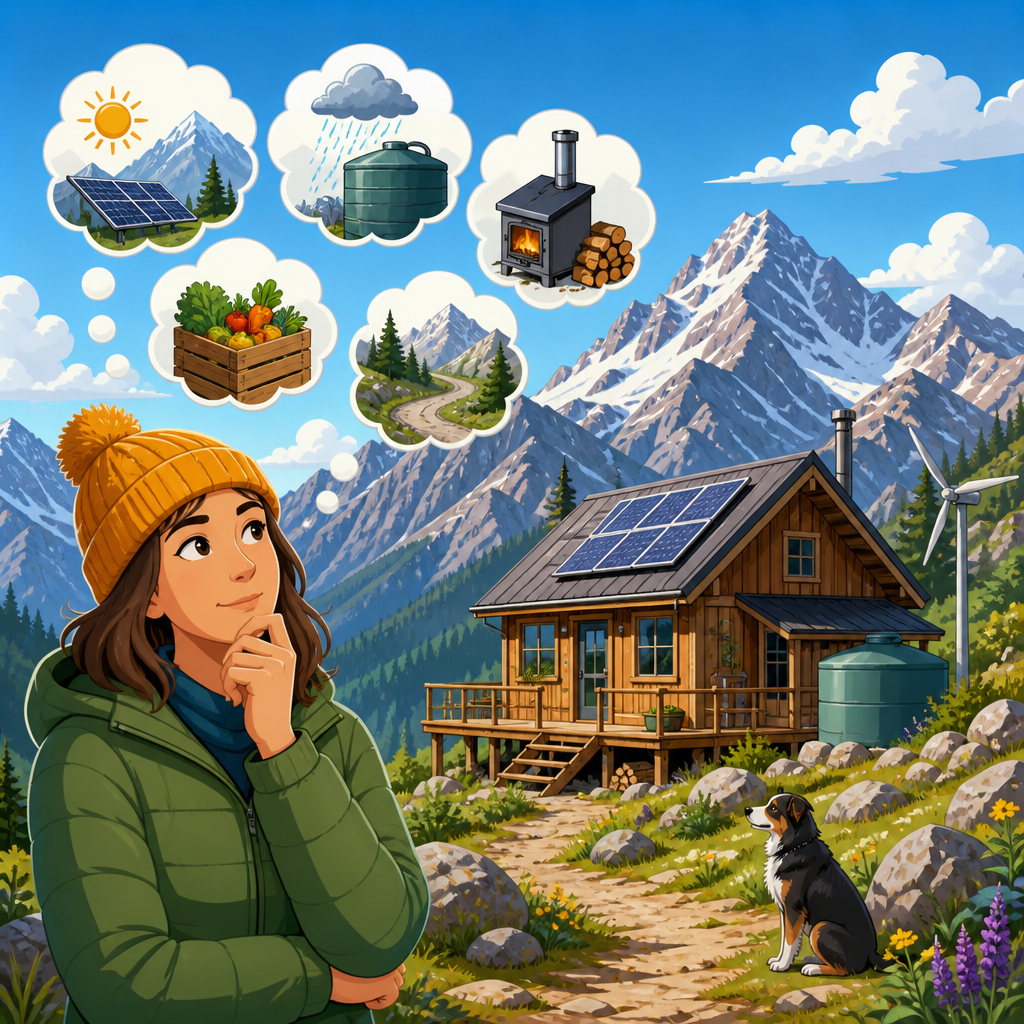
Off-grid living at altitude can be practical, rewarding, and resilient, but only when buyers answer the right questions before they commit land, cash, and years of labor. In this context, altitude usually means properties above roughly 5,000 feet, where thinner air, colder nights, stronger ultraviolet exposure, steeper terrain, and shorter growing seasons change how every core system performs. Off-grid living means meeting essential needs without standard municipal utilities, especially electricity, water, sewer, heating fuel, and often road services. Resilience goes one step further: it is the capacity of a home, homestead, or retreat to keep functioning during outages, wildfire smoke, blizzards, supply disruptions, medical delays, and equipment failures. I have walked high-country parcels that looked perfect on a sunny afternoon and proved fundamentally flawed once access, water rights, winter solar angles, and septic constraints were checked. That is why the first questions matter more than the romance. A mountain property can support a capable, low-overhead life, yet the same conditions that make it private and scenic also magnify mistakes. A weak well, shaded array site, unmanaged snow load, or bad access easement can turn self-reliance into constant emergency response. This hub article maps the core decisions in off-grid and resilience planning so you can evaluate a parcel in sequence, identify deal-breakers early, and understand which specialist topics deserve deeper research before you buy.
Start with access, legal use, and emergency reality
The first question is simple: can you legally and physically get to the property in all seasons, and can emergency services reach you when something goes wrong? Year-round access is not a marketing phrase. It means verified road ownership, recorded easements, maintenance responsibility, plowing expectations, grade limits, switchback width, culvert condition, and whether a delivery truck, propane truck, drill rig, concrete truck, or ambulance can actually make the trip. In mountain counties, a road that is passable in July may be impassable in March because drifting, spring thaw mud, or freeze-thaw damage destroys traction. Ask for the parcel number and pull the assessor map, title report, plat, and county GIS layers. Then verify zoning, setbacks, allowed dwelling types, accessory structures, RV occupancy limits, and any wildfire mitigation requirements.
Also ask whether the property sits inside a floodplain, avalanche path, debris flow fan, or designated wildland-urban interface zone. Those designations affect insurance, build costs, defensible space, driveway standards, and lender willingness. If your plan includes full-time living, ask the county sanitarian and building department direct questions instead of relying on a seller. Can you install composting toilets, cisterns, greywater systems, or alternative power without special review? In many western states, water storage and roof-catchment rules are highly specific. Resilient living begins with a parcel that is compliant enough to develop and accessible enough to support repair, fuel delivery, and evacuation under pressure.
Water comes before power, views, and price
The most important off-grid question at altitude is not how you will generate electricity but how you will secure safe, legal, year-round water. Buyers often assume a drilled well solves the issue. Sometimes it does, but mountain wells can be deep, expensive, mineralized, low-yield, or seasonally variable. Before closing, ask for the well log, pump depth, static water level, recovery rate, production history, water test results, pressure system details, and freeze-protection method. If there is no well, ask local drillers for nearby depths and costs per foot, then add casing, trenching, pressure tank, wire, pitless adapter, pump, and storage. A deep, low-yield well may still work if paired with adequate cistern capacity and conservative demand management.
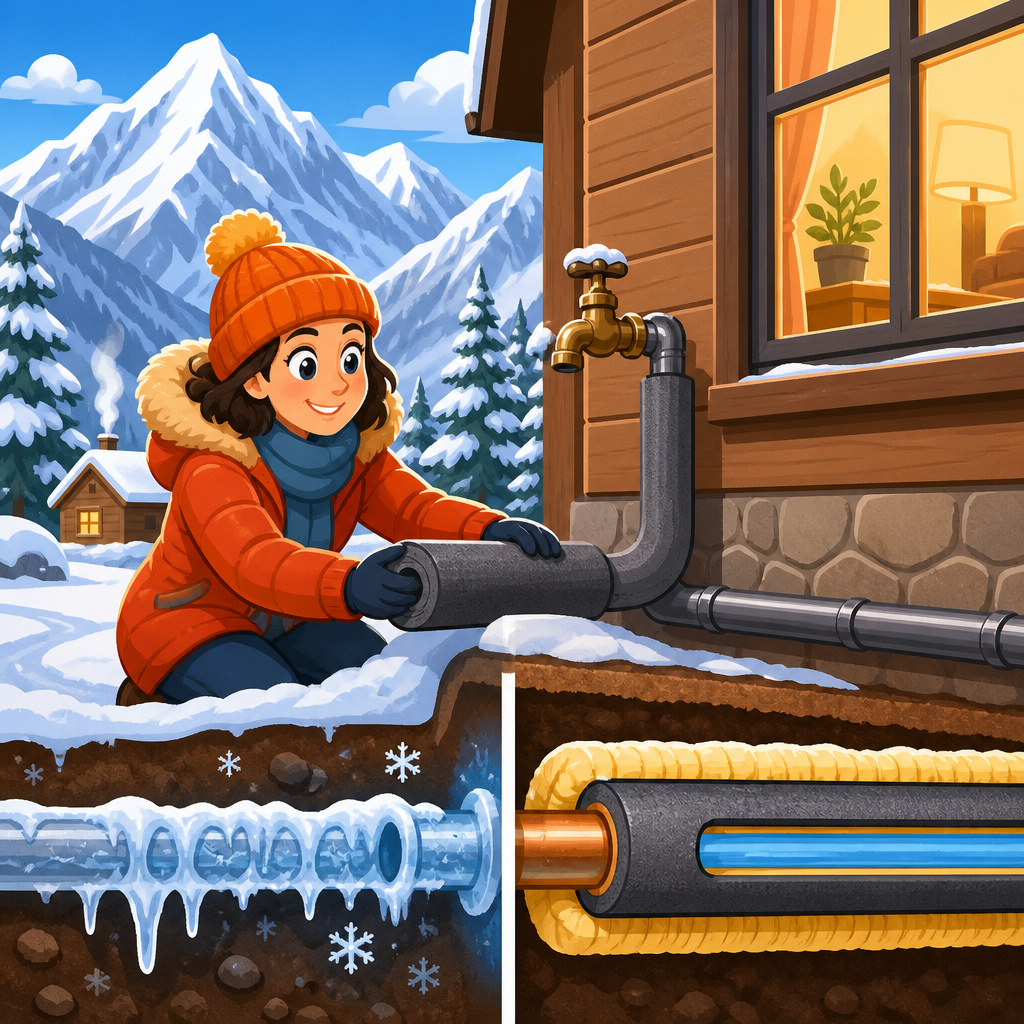
Surface water, springs, and hauled water each have tradeoffs. Springs can be excellent, but only if flow is measured across seasons and the water right or legal use is clear. Creeks may be visually reassuring and practically useless without a lawful diversion right and treatment plan. Hauled water can bridge a dry season or support a cabin, yet it creates ongoing logistics and contamination risk if tanks are neglected. At altitude, frozen lines are a routine failure point, so burial depth, insulation, heat trace, and drain-back design matter. I strongly recommend water testing for coliform bacteria, nitrates, arsenic, uranium where relevant, hardness, pH, iron, manganese, and total dissolved solids. Treatment equipment such as sediment filters, UV disinfection, reverse osmosis, or softeners must be sized to actual lab data, not assumptions. In resilience planning, stored potable water is as essential as generation capacity.
Solar works well in the mountains, but site design decides everything
High elevation often improves solar performance because of clearer skies, colder panel temperatures, and strong annual irradiance, but buyers still overestimate what a mountain array can do. The right question is not whether solar works there; it is whether your building site and load profile support reliable winter production. South exposure, horizon angle, tree shading, storm persistence, and snow shedding all matter more than a yearly average sunlight number. A parcel with dramatic evergreens on the southern slope may be beautiful and electrically weak. Use tools such as PVWatts from the National Renewable Energy Laboratory, a Solmetric SunEye, or Aurora-style shade analysis to estimate month-by-month output. Winter is the design driver because heating fans, well pumps, routers, freezers, and lights still need power during the shortest days.
Battery chemistry and generator integration also matter. Lithium iron phosphate batteries are now common because they tolerate many cycles and deliver strong usable capacity, but they require temperature-aware charging strategies in freezing climates. Lead-acid still appears in budget systems and some legacy cabins, though it is heavier, less efficient, and more maintenance intensive. Inverters from Schneider Electric, OutBack, Sol-Ark, SMA, and Victron each have strengths, but no brand rescues a poor energy budget. List every load: well pump surge, refrigerator duty cycle, starlink or internet draw, workshop tools, pressure tank controls, and any medical equipment. Then decide what must run daily, what can run only during sun hours, and what is purely optional. A resilient mountain system usually combines solar, batteries, a backup generator, and disciplined load management rather than chasing full independence through oversizing alone.
Heating, insulation, and ventilation determine comfort and fuel burden
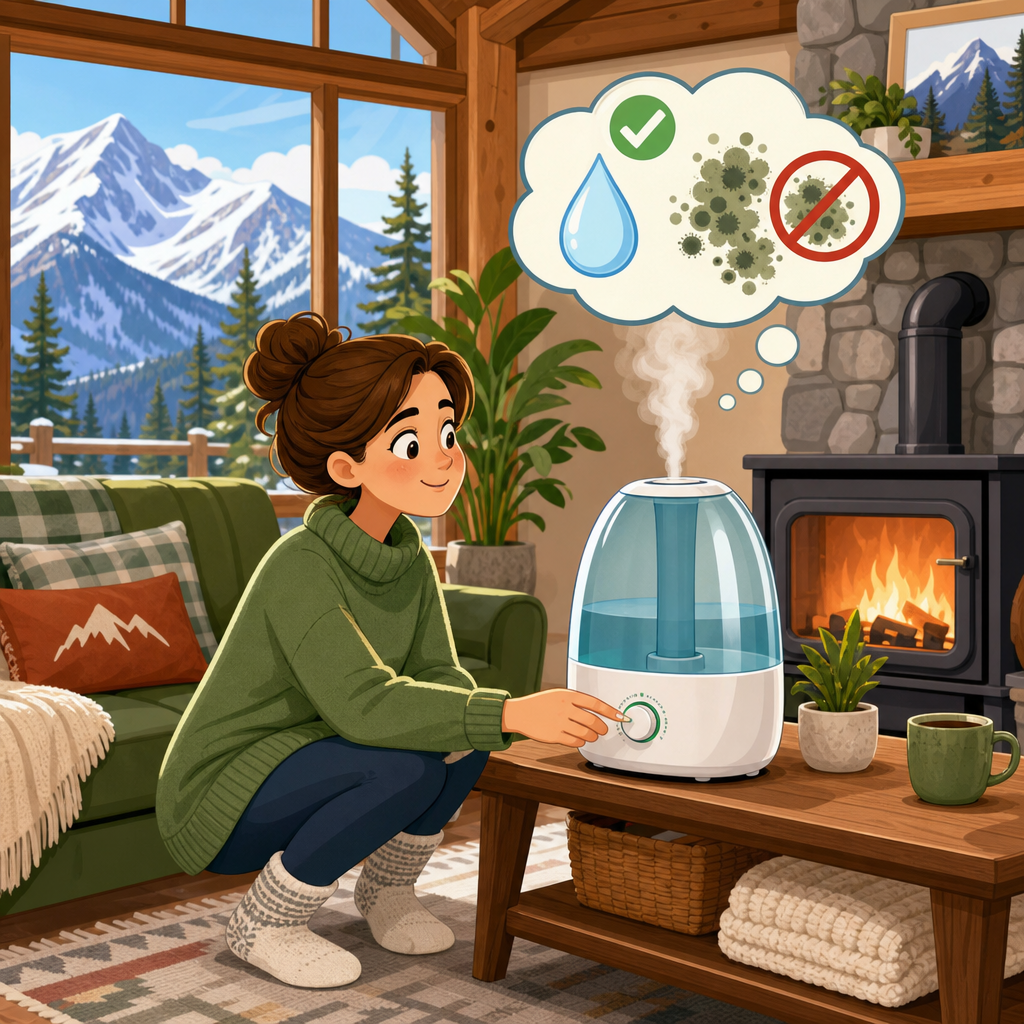
At altitude, thermal performance is not a luxury feature; it is the center of livability. Start by asking what winter design temperatures the site actually sees, not just the nearest town. Cold air drainage can make valleys far colder than ridge benches, while wind exposure on open sites can raise heating demand dramatically. A small, well-insulated envelope beats a large, drafty cabin every time. Focus on air sealing, continuous insulation, high-performance windows, and careful moisture control. In cold mountain climates, heat loss through slab edges, rim joists, and poorly detailed roof assemblies can overwhelm the gains from expensive stoves or larger solar arrays. If you plan to heat with wood, evaluate timber availability, seasoning time, storage cover, and your own capacity to cut, split, stack, and feed a stove through a long season.
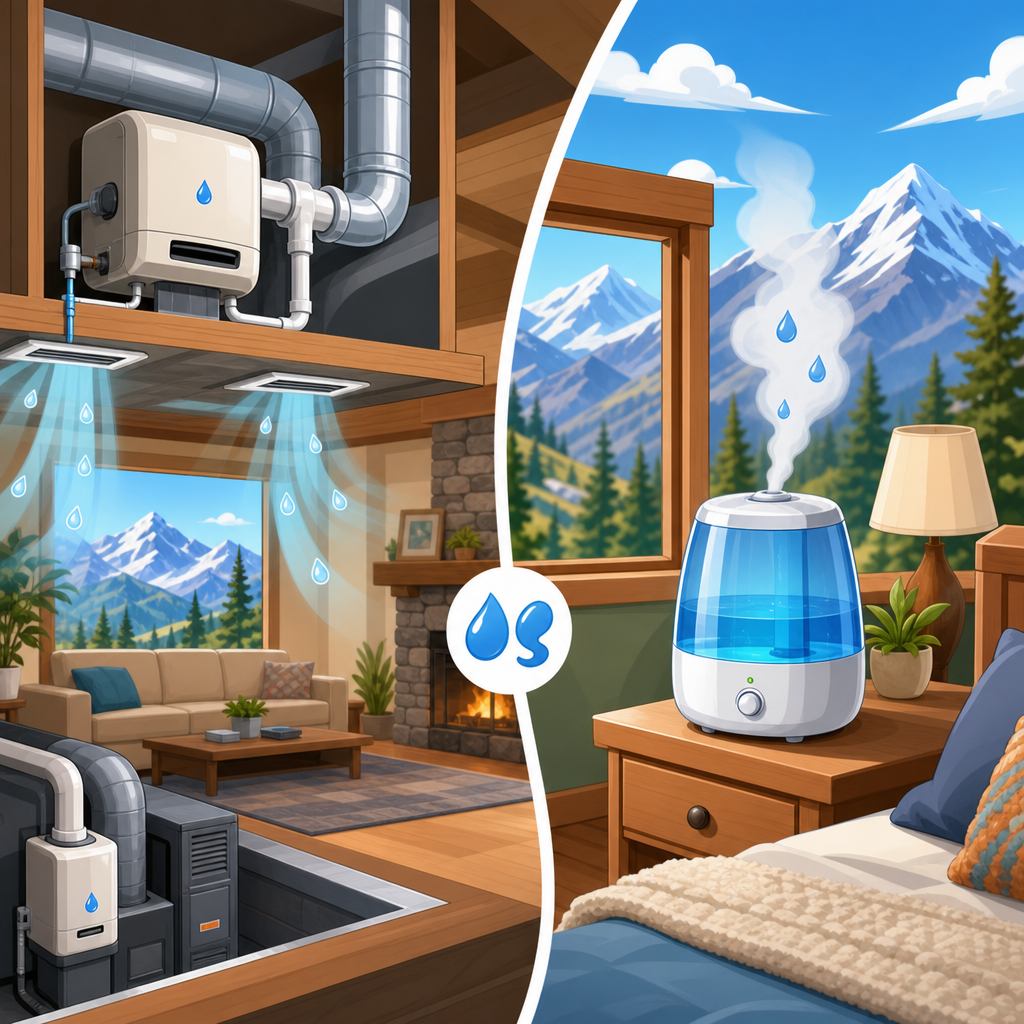
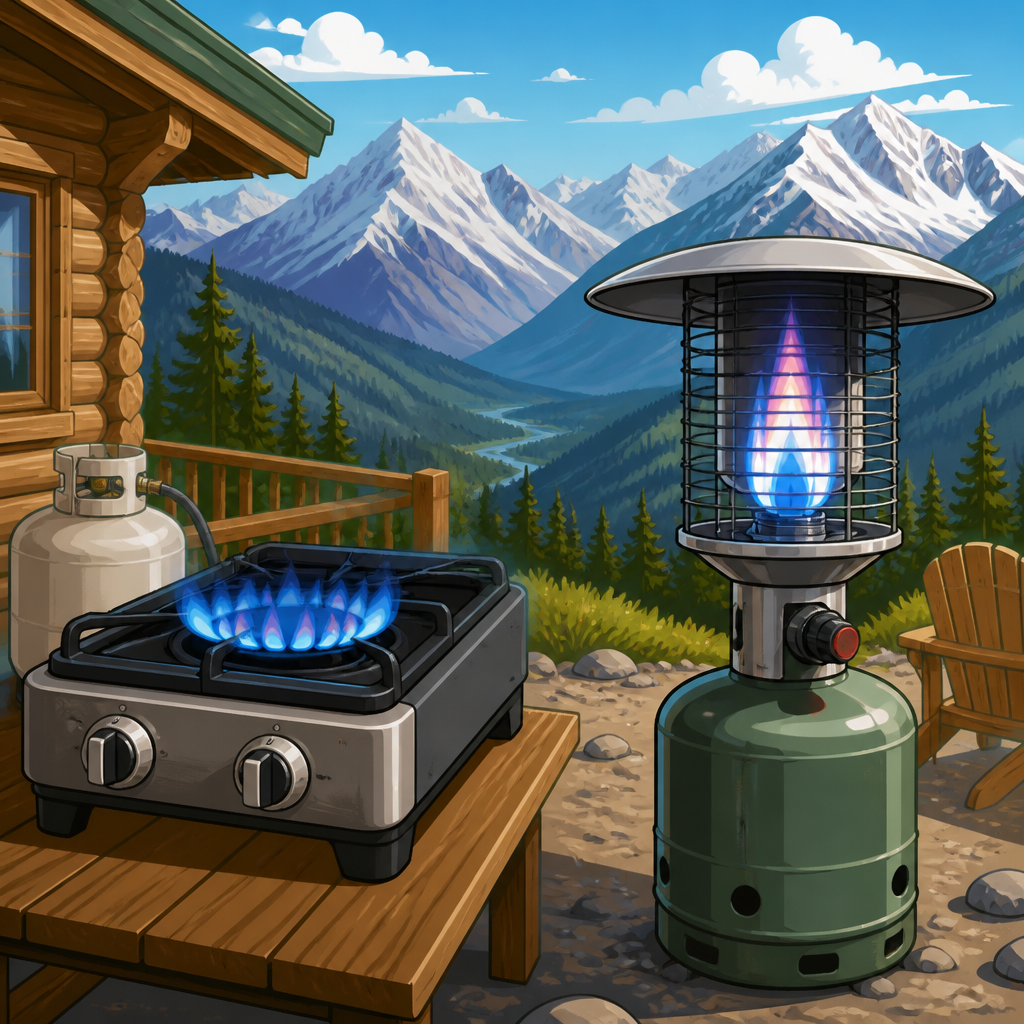
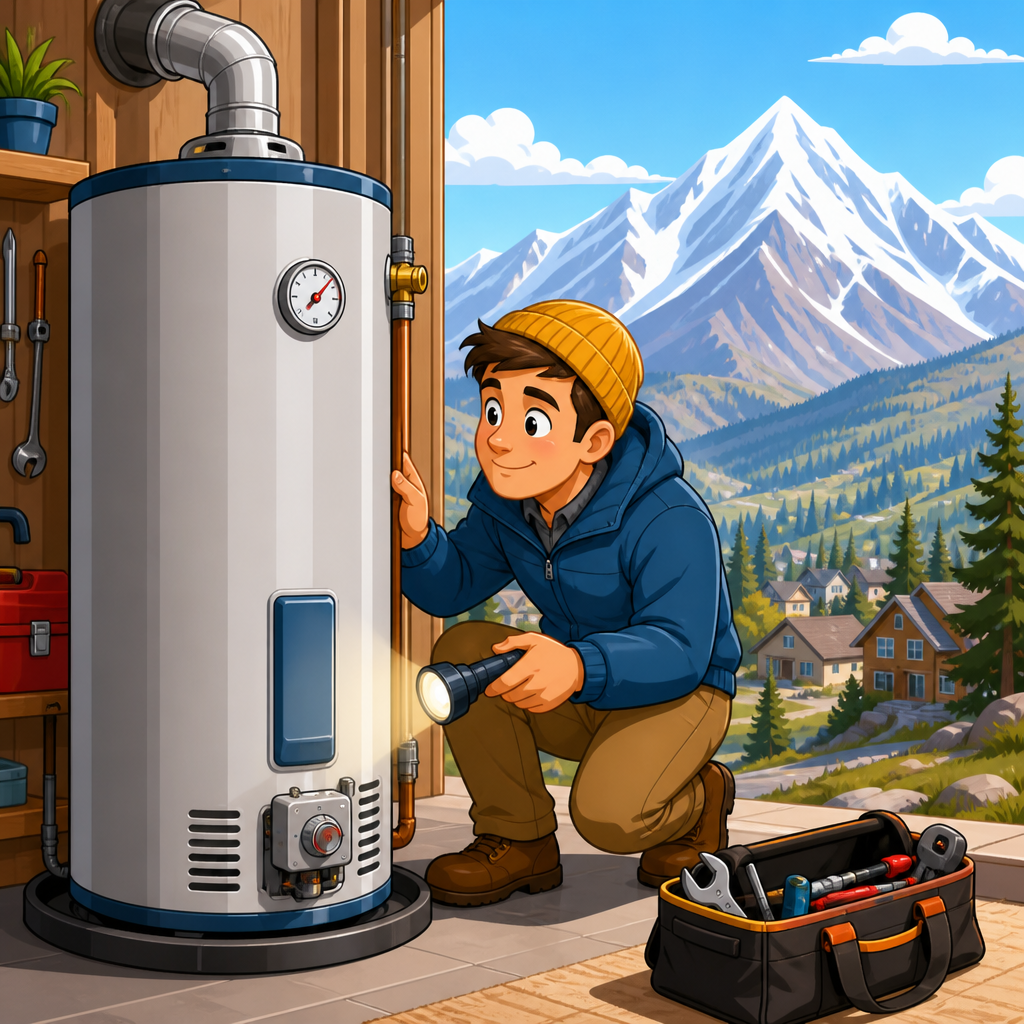
Combustion appliances need special thought at elevation. Some propane appliances derate with altitude, and some older generators and boilers lose output because thinner air reduces combustion efficiency. Verify manufacturer altitude ratings for water heaters, ranges, furnaces, and standby generators. Direct-vent sealed combustion units are usually safer and more efficient than naturally drafting equipment in tight buildings. A resilient setup often includes layered heating: for example, a catalytic or EPA-certified wood stove for primary heat, a propane direct-vent heater for backup, and electric point loads only where the solar system can support them. Ventilation is just as important. Tight buildings without controlled fresh air can trap moisture and pollutants, especially during winter. Heat-recovery ventilators are often worth the cost in full-time high-country homes because they improve indoor air quality while reducing unnecessary heat loss.
Sanitation, waste, food, and storage are the everyday systems that decide success
People shopping mountain land often spend weeks on power and almost no time on sewage, food handling, and routine storage, even though those systems shape daily life more directly. The first septic question is whether the parcel will pass a perc test or support an engineered system under current county rules. Steep slopes, shallow bedrock, heavy clay, high groundwater, and small setbacks can all make septic installation expensive or impossible. If composting toilets are permitted, ask what backup greywater or blackwater handling the jurisdiction still requires. For trash and food waste, find out whether there is curb service, transfer station access, or mandatory bear-resistant containment. At altitude, wildlife pressure is not theoretical. Unsecured food, feed, and garbage quickly create conflict with bears, rodents, ravens, and raccoons.
Food resilience starts with storage and realistic production, not fantasy self-sufficiency. Freezers need dependable power. Root-cellar style storage depends on temperature stability and humidity control. Gardens face short seasons, wind desiccation, cold nights, and often poor native soils. Before buying, identify the frost-free window, USDA hardiness zone, and solar exposure for likely garden areas. Then ask whether fencing, greenhouse glazing, and irrigation are feasible. Many successful mountain homesteads rely on a hybrid strategy: bulk pantry storage, chest freezers, preserved foods, a modest greenhouse, and hardy outdoor crops rather than trying to grow everything. The same logic applies to fuel, spare parts, and medical supplies. Long drive times and weather delays mean inventory is a core resilience tool, not hoarding.
Use a parcel screen to compare properties before emotion takes over
A structured screen prevents expensive mistakes. Score each parcel against the same questions, then compare total risk and total development cost instead of focusing on listing price.
| Category | Questions to answer before buying | Why it matters at altitude |
|---|---|---|
| Access | Who owns the road, who plows it, what grades exceed 10 percent, can emergency vehicles enter? | Snow, mud, and narrow switchbacks turn minor access issues into major safety problems. |
| Water | Is there a tested well, legal spring, or reliable hauled-water plan with storage? | Cold, depth, and low-yield sources raise costs and increase freeze risk. |
| Solar | What is the winter sun window, horizon shading, and array location relative to trees and snow? | Winter production determines whether daily living is stable or generator dependent. |
| Waste | Will the parcel pass septic review or require an engineered system? | Thin soils and bedrock can be absolute deal-breakers. |
| Heat | What fuels are practical, and are appliances rated for elevation? | Combustion derating and long winters increase both cost and complexity. |
| Risk | What are the wildfire, avalanche, wind, and medical response realities? | Remote mountain living demands redundancy, evacuation planning, and insurance realism. |
This kind of screening creates a durable hub for every later decision in off-grid and resilience planning. Once a parcel passes the basics, you can drill into specialized topics such as battery sizing, freeze-proof plumbing, wildfire hardening, greenhouse design, rural communications, backup heat, water treatment, fuel storage, and four-season vehicle preparedness. In practice, the best mountain properties are rarely the most dramatic listings. They are the ones with boring strengths: legal access, testable water, buildable soils, usable winter sun, manageable snow, and enough room for defensible space, tanks, wood storage, and outbuildings.
Buying off-grid property at altitude is not mainly about courage or aesthetics; it is about asking disciplined questions in the right order and refusing to ignore inconvenient answers. Start with legality and access, because a parcel you cannot safely reach or develop will drain money no matter how beautiful it is. Put water next, because no other system matters if supply is unreliable, unsafe, or unlawful. Then evaluate winter solar, heating design, sanitation, food storage, communications, wildfire exposure, and medical reality as one connected resilience system rather than a stack of isolated projects. Mountain living rewards redundancy, simple equipment, modest loads, and parcels with predictable constraints. It punishes optimism unsupported by measurements, permits, tests, and seasonal observations.
If this article does one job well, it should help you slow down before you buy and build a shortlist from evidence instead of emotion. Walk candidate parcels in bad weather if possible. Read county documents yourself. Talk to local well drillers, septic designers, road crews, firefighters, and neighbors who live there through winter. Price the full system, not just the land. When a property can provide legal access, dependable water, workable winter energy, safe waste handling, and realistic emergency margins, off-grid living at altitude becomes far more than a dream. It becomes a durable home base. Use this hub as your starting checklist, then move deeper into each system before signing a contract.
Frequently Asked Questions
1. What should I evaluate first before buying an off-grid property at altitude?
The first question is not whether the view is beautiful or the cabin site feels private. It is whether the property can reliably support the basics of year-round living: access, water, power, heat, sanitation, and emergency resilience. At higher elevations, every one of those systems becomes more demanding. Roads may drift shut, slopes may complicate construction, freezing temperatures may affect plumbing, and the growing season may be much shorter than buyers expect. A parcel that looks ideal in summer can become difficult or even impractical in winter if the driveway is too steep, shaded, or exposed to wind loading and snow accumulation.
Start with legal and physical access. Confirm recorded access rights, seasonal road maintenance responsibilities, bridge or culvert conditions, and whether you can reach the site during mud season or after heavy snow. Then assess water sources and water rights, because hauling water long-term at altitude is expensive and exhausting. After that, look at power options, including solar exposure, generator use, battery storage needs, and whether terrain or forest cover limits renewable performance. Heating fuel logistics matter too. If you will depend on propane, wood, pellets, or diesel, you need to know how those fuels will be delivered or stored in bad weather.
Also evaluate the site itself, not just the parcel boundaries. Building pads, drainage patterns, avalanche exposure, wildfire risk, frost depth, and soil suitability for foundations or septic systems can determine whether the land is affordable to develop or a money sink. In practice, the best first step is to analyze the property as a systems problem rather than a lifestyle dream. If the land cannot support safe access, dependable water, realistic energy production, and maintainable infrastructure, the purchase price quickly becomes the least important number in the deal.
2. How does altitude affect water, power, heating, and other core off-grid systems?
Altitude changes performance across nearly every essential system. Water systems face freezing risk, lower nighttime temperatures, and longer periods of snowpack. Pipes need better insulation, deeper burial, heat tracing in some designs, and careful routing to avoid exposed runs. Wells may be possible, but drilling costs, pump lift requirements, and power demand can increase depending on geology and site layout. Springs and surface sources may fluctuate seasonally, and snowmelt timing can mislead buyers who visit only in wet months. Storage tanks, pressure systems, and filtration must all be designed for freeze protection and easier maintenance in cold conditions.
Solar power often performs well at altitude because of strong sun exposure and cooler ambient temperatures, but that does not mean energy planning becomes simple. Snow cover can block panels, short winter days reduce total production, and mountain shading can cut morning or afternoon output. Batteries also need thermal management, especially in very cold climates where charging limitations can affect system reliability. A high-altitude off-grid home usually benefits from a more conservative electrical design: larger battery reserves, backup generation, load management, and careful prioritization of essential circuits such as water pumping, refrigeration, communications, and heating controls.
Heating is often the biggest reality check. Colder nights, wind exposure, and shoulder-season variability can increase fuel consumption significantly. Buyers need to understand insulation levels, air sealing, passive solar potential, backup heat sources, and fuel storage logistics. Wood heat is attractive for many off-grid properties, but it requires dry storage, labor, and a realistic estimate of local wood availability and burn rates. Propane and diesel are convenient but depend on delivery access and price volatility. Even sanitation and cooking are affected. Composting systems, septic design, and appliance performance must all be matched to freezing conditions, occupancy patterns, and maintenance tolerance. At altitude, there are no isolated systems; each one affects the others.
3. Is year-round access really that important if I want a remote, self-reliant property?
Yes, year-round access is one of the most important issues to answer before you buy, even for people specifically seeking remoteness and independence. Self-reliance does not eliminate the need for practical movement of people, fuel, building materials, repair parts, food, medical support, and emergency services. A road that is merely inconvenient in summer can become a serious safety problem in winter. Steep grades, north-facing sections, drifting snow, fallen trees, spring thaw, washouts, and limited turnaround space can all turn routine supply runs into expensive or risky operations.
Buyers should verify who maintains the road, how often, to what standard, and with what equipment. Private roads may require shared maintenance agreements, and informal arrangements between neighbors are not enough when heavy snowfall or storm damage appears. If you must plow your own access, you need to understand the equipment required, storage for that equipment, fuel needs, spare parts, and whether there are sections too steep or narrow to maintain safely. If deliveries are important, ask whether propane trucks, drilling rigs, septic service vehicles, concrete trucks, and fire apparatus can physically reach the building site.
Access also affects cost long before move-in. Difficult sites are more expensive to survey, excavate, build, and repair. Contractors may charge more for travel time, weather delays, or specialized vehicles. In emergencies, minutes matter, and isolated mountain properties can face long response times even under good conditions. None of this means a remote high-altitude property is a bad choice. It means access should be evaluated with complete honesty. A truly workable off-grid property balances privacy with a realistic route in and out during all seasons, not just when the weather is favorable and the road is dry.
4. What land and climate risks are easiest to underestimate at higher elevations?
Many buyers underestimate how quickly mountain conditions can turn small design mistakes into expensive failures. Slope is a major example. A parcel may advertise wide acreage, but only a small portion may be buildable without major grading, retaining structures, drainage control, or erosion management. Water moves aggressively on steep terrain, and poor site placement can create foundation problems, driveway damage, and chronic mud or ice issues. Frost heave, shallow soils, exposed bedrock, and limited septic-friendly areas can further reduce the usable part of the property.
Weather exposure is another common blind spot. Higher elevations can bring stronger ultraviolet radiation, larger day-to-night temperature swings, heavier snow loads, and more intense wind. Those factors affect roofing materials, exterior finishes, greenhouse longevity, battery enclosures, and even stored fuel and water systems. A house site that feels sunny and open in a brief viewing may also be highly exposed to prevailing winter winds. Conversely, a site tucked into timber may offer shelter but lose critical solar access for power production and snowmelt. Microclimates matter enormously, and two nearby parcels can perform very differently.
Wildfire, avalanche potential, rockfall, and drainage hazards should also be assessed carefully, especially in mountain regions with mixed forest and steep topography. Insurance availability can be limited or costly in some areas, and certain risks may not become obvious without local knowledge, topographic review, and seasonal observation. The growing season is another underestimated issue. Shorter frost-free periods affect gardens, livestock forage, and food storage planning. Buyers often imagine off-grid abundance without recognizing how much climate dictates what is practical. The safest approach is to investigate the land as a living environmental system, not just as vacant acreage with scenic value.
5. How can I tell whether an off-grid property at altitude is financially realistic, not just emotionally appealing?
The key is to calculate total development and operating cost, not just purchase price. Raw or lightly improved land at altitude may seem like a bargain until you price the road work, excavation, foundation engineering, septic installation, well drilling or water storage, solar and battery systems, backup generation, heating equipment, fuel storage, outbuilding needs, and winterization measures. In mountain environments, these costs often rise because access is harder, labor is specialized, weather shortens the construction season, and site conditions are less forgiving. A parcel that costs less upfront can be far more expensive to make livable than a more expensive property with proven infrastructure already in place.
Create a pre-purchase budget that includes both one-time and recurring costs. One-time costs include surveys, permits, geotechnical work, driveway improvements, utility systems, structures, and tools or equipment needed to maintain the property. Recurring costs include fuel, battery replacement reserves, road maintenance, snow removal, water treatment, appliance wear, insurance, internet or communication systems, and travel time for supplies and appointments. Add contingency funds because off-grid mountain projects almost always reveal surprises, from buried rock and poor soils to equipment access constraints and changing local regulations.
It is also wise to budget in terms of labor, not just money. Off-grid living at altitude requires ongoing physical effort and system oversight. Hauling materials, managing snow, maintaining energy systems, checking water lines, rotating fuel, and preparing for storms all consume time and stamina. That does not make the lifestyle impractical; it means the property needs to match your skills, health, schedule, and tolerance for routine maintenance. Financial realism comes from asking whether the land supports the life you want without constant improvisation, deferred repairs, or chronic overextension. If the property only works under perfect assumptions, it is probably not a resilient off-grid buy.