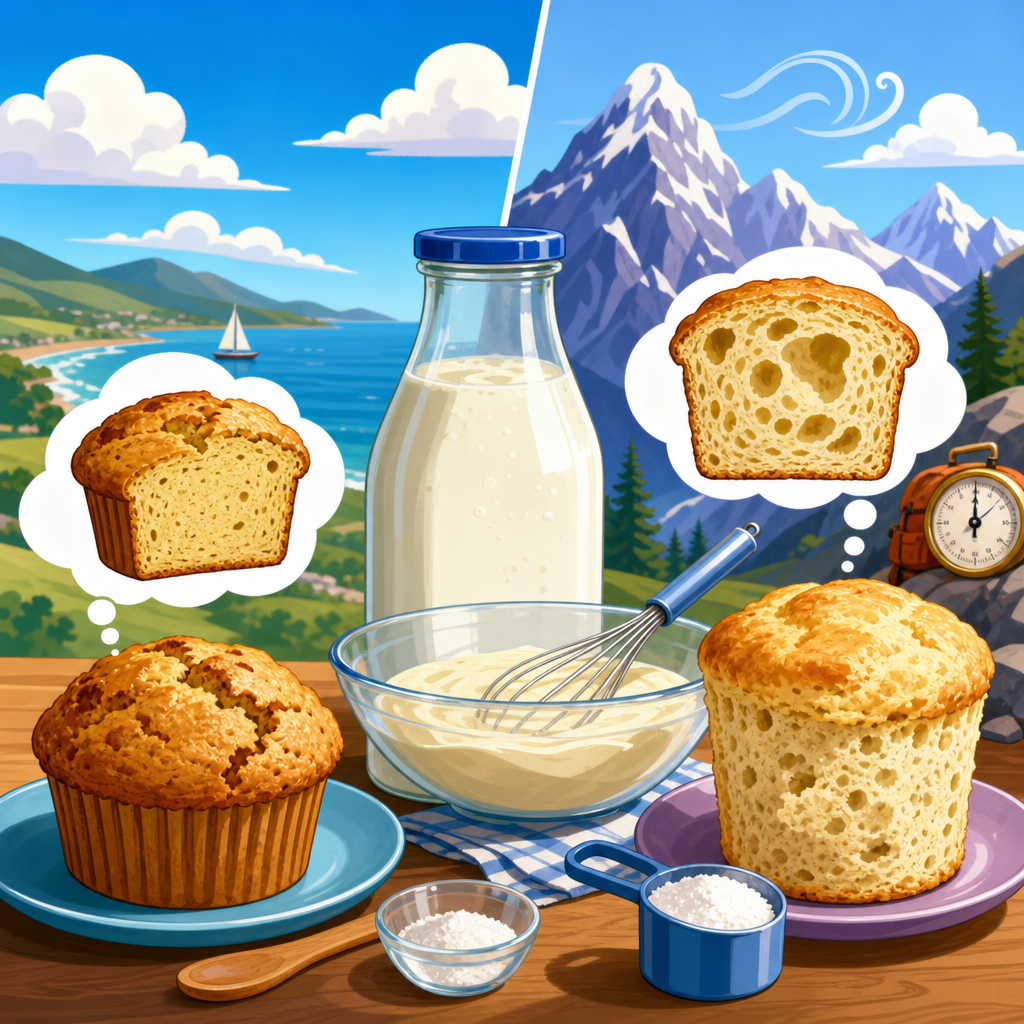
High altitude changes buttermilk baking in ways that surprise even experienced home bakers, especially when quick breads and breakfast bakes that seem foolproof at sea level suddenly dome, collapse, dry out, or bake unevenly. In mountain kitchens, lower air pressure alters how gases expand, how moisture evaporates, and how acids react with leaveners, so recipes built around buttermilk need deliberate adjustment rather than guesswork. Buttermilk matters because its acidity tenderizes flour proteins, activates baking soda, contributes flavor, and supports browning, all of which affect muffins, scones, biscuits, cornbread, coffee cake, pancakes, waffles, and loaf-style quick breads. I have tested these formulas in high-elevation kitchens where the same banana bread batter behaved differently at 3,500, 5,280, and 8,000 feet, and the pattern is consistent: the higher you go, the more small imbalances show up fast. This guide explains what high altitude does to buttermilk baking, why quick breads and breakfast bakes are especially sensitive, and how to adapt ingredients, mixing, pan preparation, oven temperature, and bake time so results stay tender, risen, and stable.
Why buttermilk recipes behave differently above sea level
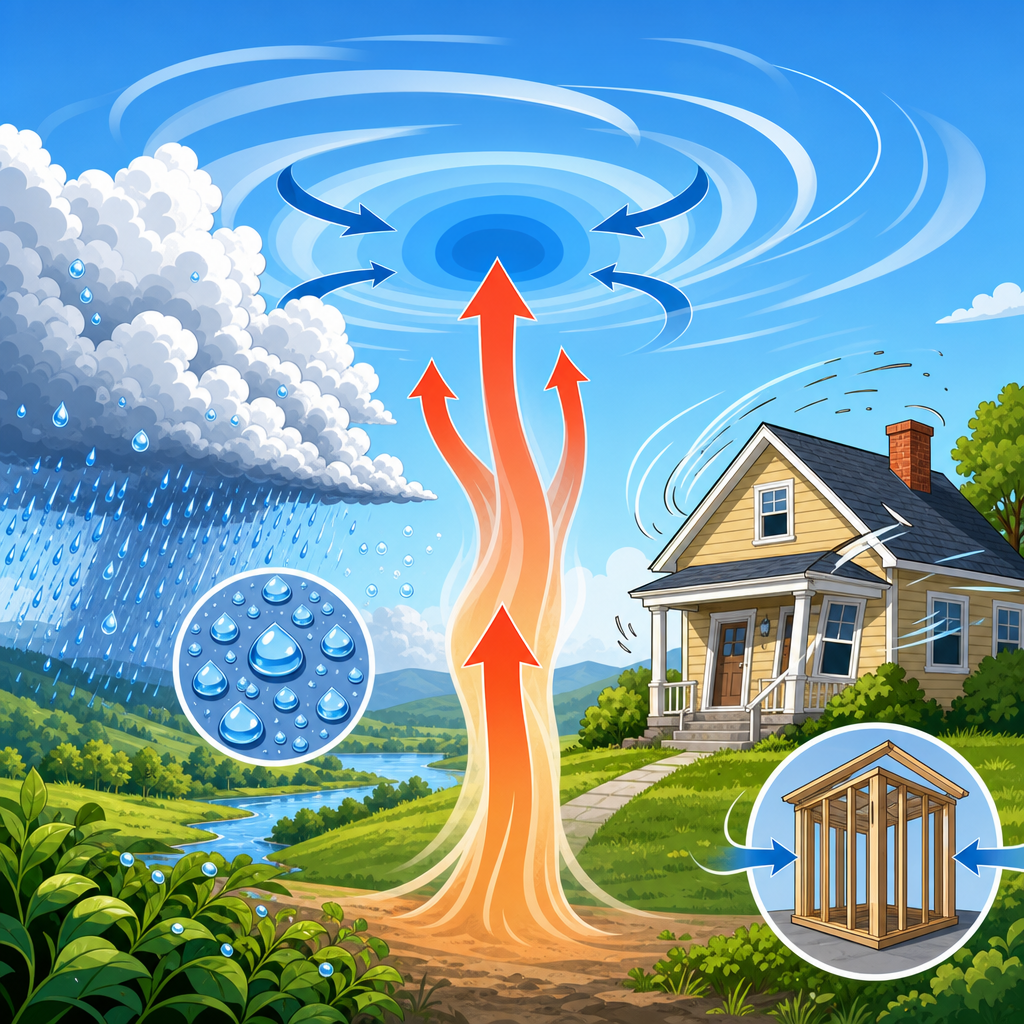
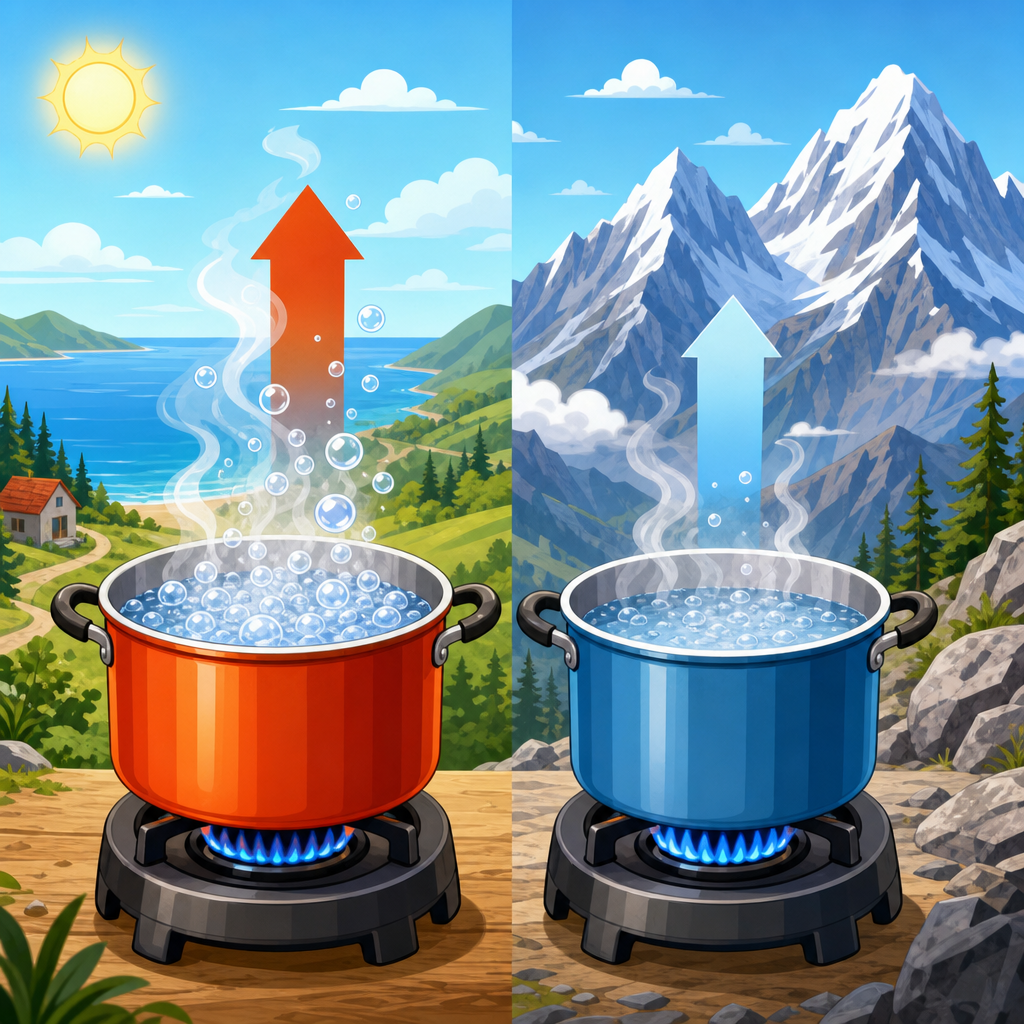
At higher elevations, atmospheric pressure drops, which means gases trapped in batter or dough expand more readily and water boils at a lower temperature. In practical baking terms, that causes muffins to rise too quickly before structure sets, pancakes to puff and then flatten, and buttermilk coffee cakes to lose moisture faster than the original formula expects. Buttermilk intensifies these shifts because it is both liquid and acid. The liquid portion influences batter thickness and evaporation rate, while the acid reacts with baking soda almost immediately, creating carbon dioxide that expands faster in thinner air. If the batter lacks enough structure from flour, egg, or proper mixing, that fast expansion becomes collapse. If the formula already uses generous baking powder plus soda, high altitude exaggerates the problem.
Quick breads and breakfast bakes are more vulnerable than yeast breads because they depend on chemical leavening and short mixing windows. There is no long fermentation to build strength gradually. A buttermilk biscuit dough, for example, gets its lift from steam, layered fat, and leaveners; if the dough is overleavened at altitude, the layers separate unevenly and the interior can turn crumbly instead of lofty. A blueberry buttermilk muffin batter may look perfect in the bowl yet overflow or sink in the center because berries add moisture and weight while the batter rises too fast. Understanding this cause-and-effect relationship is the foundation for every adjustment that follows.
How acid, leavening, and structure interact in buttermilk baking
Buttermilk is usually cultured low-fat milk with a pH around 4.4 to 4.8, though brands vary. That acidity is useful because it softens crumb, adds tang, and neutralizes baking soda. In a standard sea-level formula, the amount of baking soda should roughly match the available acid, while baking powder provides additional controlled lift. At altitude, the same acid-base system becomes more aggressive. Carbon dioxide bubbles enlarge faster, and the batter needs more support to hold them. This is why reducing leavening is one of the first moves in altitude baking, but it is not the only move. Too little leavening creates a dense loaf; too much makes a dramatic rise followed by collapse, tunneling, or coarse crumb.
Structure comes from flour starch, egg proteins, and, in some formulas, dissolved sugar that delays setting. Buttermilk weakens structure slightly because acids tenderize. That is desirable in pancakes and scones, yet in a high-altitude zucchini bread or cinnamon streusel cake, too much tenderness becomes fragility. I usually start by trimming chemical leavening, then increasing flour modestly or reducing sugar, depending on the formula. If the recipe contains fruit puree, mashed banana, pumpkin, or shredded apple, the need for extra structure is even greater because those ingredients bring additional water and natural sugars. For sturdy breakfast loaves, one to two extra tablespoons of flour per cup can be enough at moderate altitude, while very high elevations may need more deliberate reformulation.
Core altitude adjustments for quick breads and breakfast bakes
The most reliable way to adapt buttermilk baking is to make small, targeted changes instead of rewriting the recipe from scratch. Across muffins, biscuits, cornbread, pancakes, waffles, scones, coffee cakes, and loaf breads, the same pressure-related issues recur: overexpansion, faster moisture loss, and delayed structure relative to rise. The table below summarizes the adjustment pattern I use most often for home baking between roughly 3,000 and 8,500 feet. Exact numbers depend on the formula, pan size, and your oven, but these ranges are dependable starting points.
| Recipe factor | Typical high-altitude adjustment | Why it helps |
|---|---|---|
| Baking powder or baking soda | Reduce slightly, often by 1/8 to 1/4 teaspoon per teaspoon total leavener | Prevents overexpansion, collapse, tunneling, and coarse crumb |
| Oven temperature | Increase by 15 to 25 degrees Fahrenheit | Sets structure sooner before batter rises beyond its strength |
| Liquid | Add 1 to 4 tablespoons, or hold back less during mixing | Offsets faster evaporation and lower boiling point |
| Flour | Increase by 1 to 4 tablespoons per recipe | Strengthens batter and supports gas retention |
| Sugar | Reduce by 1 to 3 tablespoons in sweet bakes | Improves setting and reduces excess tenderness |
| Mixing and fill level | Mix gently but thoroughly; fill pans slightly less full | Improves even rise and reduces overflow |
These changes are cumulative. Raising oven temperature without reducing leavening may still give peaked tops and fallen centers. Adding flour without a little more liquid can produce a dry, bready crumb. In my testing, the best altitude recipes are balanced rather than heavily altered. Start with one batch, take notes on spread, dome, crumb, and moisture, then adjust only one or two variables on the next bake.
Best practices for muffins, biscuits, scones, and cornbread
Buttermilk muffins are often the first recipes to fail at altitude because they contain enough sugar and leavening to rise quickly, yet not enough bake time to recover if structure lags. For most muffin formulas, reduce total leavening modestly, raise the oven temperature, and avoid overfilling cups. Aim for two-thirds to three-quarters full rather than heaping. Thick batters perform better than loose ones because they support inclusions like berries, chopped apples, or chocolate chips. If your muffins tunnel, the leavener is usually high or the batter is overmixed. If the tops separate from the crumb, structure is setting too late.
Biscuits and scones depend on cold fat and layered dough. At altitude, the buttermilk should stay cold, and the dough should remain slightly shaggy before folding. Too much liquid makes spread worse because steam and gas expand rapidly before the dough firms. Too much flour, however, kills lift and creates a dry interior. Use a light hand, chill shaped pieces before baking if the kitchen is warm, and bake hot enough to set layers quickly. Southern-style buttermilk biscuits benefit from reduced bench flour, a sharp cutter, and close placement on the pan if you want taller sides. For scones, a short freezer rest helps preserve shape and improves height.
Cornbread reacts strongly to sugar level and pan choice. In cast iron, the crust sets faster, which helps at altitude. In glass, the center often lags. If your buttermilk cornbread crumbles, the formula may be underhydrated relative to your elevation, or the cornmeal needs more soaking time before baking. Letting the batter rest for five to ten minutes allows cornmeal to absorb buttermilk, creating a more cohesive crumb. For savory cornbread with cheese, chiles, or corn kernels, expect extra moisture and slightly longer bake time.
Managing pancakes, waffles, coffee cake, and loaf-style quick breads
Pancakes and waffles seem simple, but altitude exposes every weakness in the batter. Buttermilk pancake batter should be mixed just until combined and then rested briefly so flour hydrates and bubbles stabilize. If the batter foams aggressively, the soda level is probably too high for your buttermilk and elevation. That leads to early lift, uneven browning, and flat finished pancakes. A slightly thicker batter usually gives better height and less spread. On the griddle, moderate heat works better than high heat because the inside needs time to set before the exterior overbrowns.
Waffles benefit from separated eggs more than pancakes do because whipped whites add controlled structure when folded gently into the batter. At altitude, this can be the difference between crisp, airy waffles and dense ones with weak pockets. The buttermilk contributes tenderness, but too much sugar or too much oil softens the shell. If waffles steam rather than crisp, hold them on a rack in a low oven instead of stacking them, which traps moisture.
Coffee cakes and loaf breads demand the most caution because they are deep batters. A buttermilk streusel cake may look done on top while the center remains under-set and vulnerable to sinking. I prefer metal pans for these recipes because they conduct heat predictably. Bundt shapes can work well at altitude because the center tube speeds setting. For banana bread, pumpkin bread, and blueberry loaf cake, reduce leavening, consider cutting sugar slightly, and raise bake temperature enough to support the center. Fruit-heavy loaves often benefit from coating mix-ins lightly in flour so they stay suspended rather than sinking into a fragile crumb. If a loaf has a gummy line near the bottom, the batter is usually too wet, underbaked, or overloaded with fruit for the pan size.
Troubleshooting common high-altitude buttermilk baking problems
If a quick bread rises dramatically and then falls, the cause is usually excess leavening, too much sugar, too low an oven temperature, or a pan filled too full. If the product is dry, increase liquid slightly, shorten bake time, or check whether flour was measured too heavily. If the crumb is coarse with large holes, the batter likely expanded too fast; reduce leavening and mix more evenly. If biscuits spread sideways, the fat warmed before baking, the dough was too wet, or the cutter twisted and sealed the edges. If pancakes taste soapy, there is excess baking soda relative to the acidity of the buttermilk.
Brand variation matters more than many bakers realize. Cultured buttermilk thickness differs, and some brands are notably tangier than others. Flour protein also affects results; a lower-protein all-purpose flour produces a more tender crumb but less support, while a stronger flour can help high-doming muffins and fruit loaves hold shape. Even your oven thermometer matters. Mountain baking punishes ovens that run cool because structure fails to set in time. Keep written notes on elevation, room temperature, pan material, ingredient brand, and exact bake time. Those notes turn a frustrating recipe into a repeatable one.
Using this hub to build your altitude baking system
This page serves as the hub for quick breads and breakfast bakes within cooking and baking at altitude, so the most useful way to read it is as a system rather than a single recipe fix. Start with the category closest to your problem. If muffins overflow, work from the muffin guidance. If pancakes go flat, adjust griddle heat, batter thickness, and soda first. If your buttermilk biscuits lack lift, focus on dough temperature and handling before changing everything else. Once you understand the pattern, the same logic carries across recipes.
Internal consistency is what makes high-altitude baking reliable. Use the same measuring method each time, weigh flour when possible, and note whether your recipes rely on baking soda alone or a combination of soda and baking powder. Build a baseline buttermilk formula that works in your kitchen, then adapt flavorings from there. A stable master muffin recipe can become blueberry, lemon-poppy seed, apple-cinnamon, or bran. A dependable buttermilk quick bread can support banana, pumpkin, cranberry-orange, or zucchini with only small moisture adjustments. That approach saves ingredients and sharpens your instincts faster than chasing brand-new formulas every weekend.
High altitude does not ruin buttermilk baking; it simply makes the chemistry visible. Lower pressure speeds expansion, faster evaporation changes texture, and buttermilk’s acidity amplifies leavening reactions, which is why quick breads and breakfast bakes need smarter balance in mountain kitchens. Reduce leavening modestly, strengthen structure when needed, protect moisture, and bake hot enough to set the crumb before it overexpands. Pay attention to pan material, batter thickness, ingredient temperature, and brand differences, because each one affects the final rise. Most important, treat every recipe as a framework you can tune to your elevation rather than a fixed script. Use this hub as your starting point for muffins, biscuits, scones, cornbread, pancakes, waffles, coffee cake, and breakfast loaves, then test deliberately and keep notes. With that method, buttermilk becomes one of the most useful ingredients in high-altitude baking instead of one of the most unpredictable. Pick one breakfast bake this week, make two careful adjustments, and build your mountain version of the recipe.
Frequently Asked Questions
Why does buttermilk baking behave differently at high altitude?
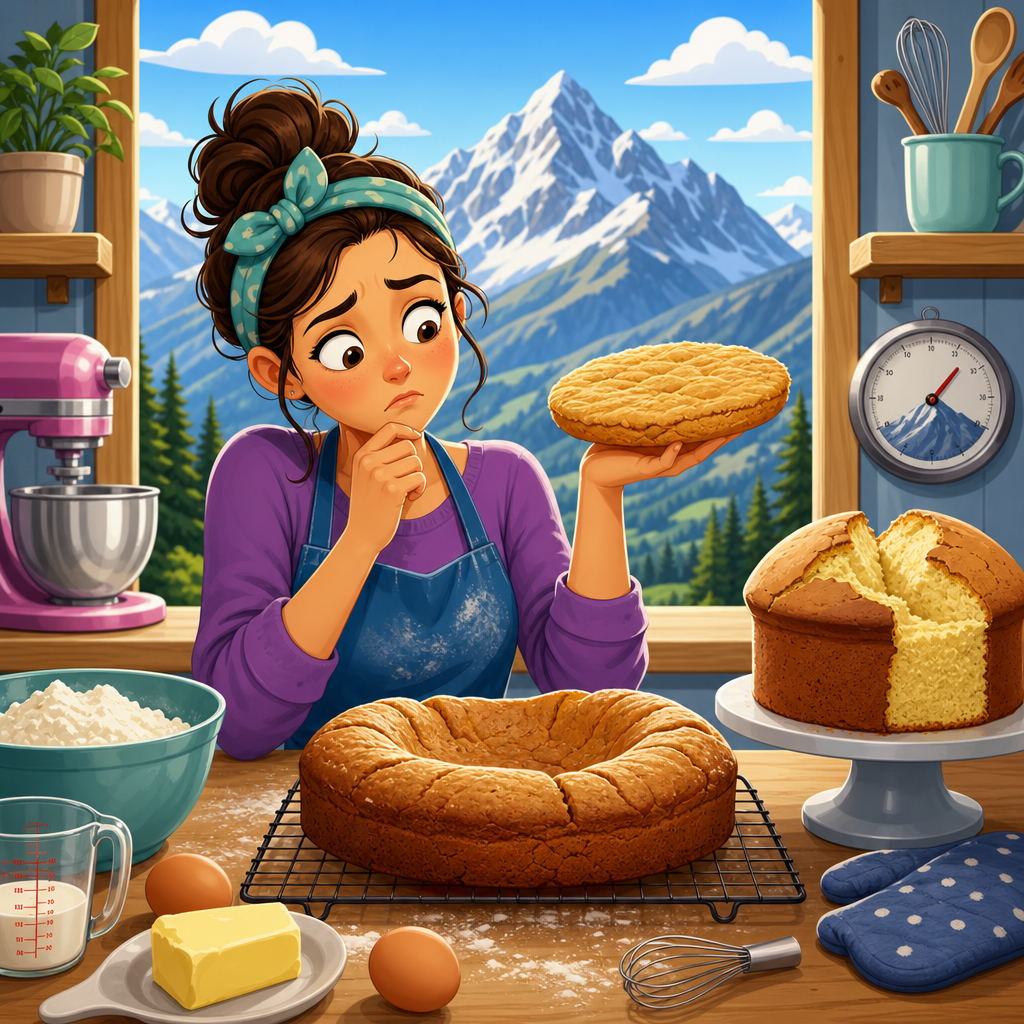
At high altitude, the lower air pressure changes several parts of the baking process at the same time, which is why buttermilk recipes that seem dependable at sea level can suddenly become unpredictable. Gases expand more quickly, so batters rise faster and more aggressively before their structure has fully set. That often leads to muffins, biscuits, pancakes, coffee cakes, and quick breads that dome too soon, spill over, or rise beautifully and then collapse as they cool. At the same time, moisture evaporates faster because water boils at a lower temperature, so batters lose liquid more quickly in the oven and can turn out dry, coarse, or crumbly if the formula is not adjusted.
Buttermilk adds another layer because it is acidic. Its acidity reacts with baking soda to create carbon dioxide, and at altitude that reaction can feel amplified because the gas has less pressure holding it in. If a recipe is not balanced carefully, the batter may overexpand before the starches and proteins are strong enough to support that lift. Buttermilk also affects tenderness, browning, and flavor, so it is not just a simple liquid ingredient. In practice, high-altitude buttermilk baking is about managing expansion, evaporation, and acid-leavener balance all at once. That is why small but intentional changes to liquid, flour, leavening, oven temperature, and mixing usually work much better than guessing or making one dramatic adjustment.
How should I adjust buttermilk recipes for high altitude?
The most reliable approach is to make a series of modest corrections rather than one big change. In many buttermilk quick breads and breakfast bakes, bakers often need a little more liquid, slightly less chemical leavener, and sometimes a bit more flour to strengthen the batter. Extra liquid helps counter faster evaporation, while reducing baking soda or baking powder helps prevent overexpansion and collapse. A small increase in flour can improve structure so the baked good can hold its shape after rising. Raising the oven temperature slightly is also common because it helps the batter set earlier, which is especially useful when buttermilk and leaveners are producing gas quickly.
The exact amount depends on the altitude and the style of recipe. At moderate elevations, only minor changes may be needed, while mountain elevations often require more noticeable adjustments. For buttermilk muffins, scones, biscuits, coffeecakes, and loaf-style quick breads, it is often smart to reduce leavening a little first, then assess crumb texture and moisture before changing anything else. If the result is dry, add a small amount of extra buttermilk or another liquid ingredient on the next round. If the center sinks, the recipe may still be rising too fast or setting too slowly, so reducing leavening further or increasing oven temperature slightly can help. The key is to adjust methodically, keeping notes, because buttermilk recipes are highly sensitive to the interaction between acid, moisture, and structure.
Does buttermilk’s acidity make baking soda more difficult to control at high altitude?
Yes, and this is one of the most overlooked reasons buttermilk baking changes so much in mountain kitchens. Buttermilk is naturally acidic, and when it is paired with baking soda, the reaction starts producing carbon dioxide as soon as the ingredients are combined. At sea level, that reaction is already important to manage, but at high altitude the lower air pressure allows those gases to expand more rapidly. If there is too much baking soda for the amount of buttermilk, or if the batter sits too long before baking, the rise can happen too early and too forcefully. That can create large tunnels, peaked tops, coarse texture, or a structure that collapses before it fully stabilizes.
This does not mean buttermilk and baking soda are a bad combination at altitude. It means they need to be balanced with more precision. Recipes sometimes work better with a slight reduction in baking soda, especially if they also include baking powder or other acidic ingredients. Too much soda can also leave an unpleasant soapy or metallic aftertaste, which becomes more noticeable when the balance shifts. In some cases, a recipe benefits from using a portion of baking powder instead of relying heavily on soda alone, because that can produce a more controlled rise. Just as important, once the wet and dry ingredients are combined, the batter should usually go into the oven promptly so the gas-producing reaction supports oven lift rather than escaping before the structure sets.
Why do my buttermilk muffins, pancakes, or quick breads turn out dry or crumbly at high altitude?
Dryness is one of the most common high-altitude complaints because moisture leaves the batter faster both during mixing and during baking. Since water boils at a lower temperature at higher elevations, liquid evaporates more quickly in the oven. That means buttermilk batters can lose moisture before the crumb has fully set into a tender, even structure. The result may be muffins with rough edges, pancakes that seem done on the outside before the interior is fully cooked, or quick breads that slice cleanly but feel dry in the mouth. Overbaking makes the problem worse, and so does a formula that was originally calibrated for sea-level baking times and temperatures.
Buttermilk helps with tenderness, but it cannot fully overcome the moisture loss caused by altitude if the recipe is unadjusted. A small increase in buttermilk or total liquid often improves texture. Sometimes a bit more fat or an extra egg yolk can also help retain moisture and soften crumb. Mixing matters too: overmixing can strengthen gluten, making an already moisture-challenged batter seem tougher and drier. Pay attention to bake time and doneness cues rather than relying only on the original recipe clock, because high-altitude baked goods may need to set differently. For pancakes and griddle bakes, a slightly thicker batter and careful heat control can prevent the outside from drying before the center is cooked. For loaf breads and breakfast cakes, a modest temperature increase paired with a shorter baking window often helps preserve moisture while still setting the structure in time.
What are the most common mistakes people make when baking with buttermilk at high altitude?
The biggest mistake is assuming the recipe failed because of one issue when high-altitude baking usually involves several interacting factors. Bakers often blame the buttermilk itself when the real problem is a combination of too much leavening, not enough liquid, and an oven temperature that lets the batter rise too long before setting. Another common mistake is making random substitutions, such as thinning yogurt to mimic buttermilk or replacing buttermilk with regular milk without rethinking the acid balance. Because buttermilk affects both flavor and chemistry, those swaps can change how baking soda reacts, how tender the crumb becomes, and how quickly the batter browns.
Other frequent errors include overmixing, filling pans too full, and letting batter rest too long before baking. With buttermilk and baking soda, timing matters; once mixed, the leavening reaction is underway. Waiting too long can waste lift and lead to dense centers. Using the exact sea-level amount of baking powder or baking soda is another classic misstep, since excess leavening is more likely to create collapse, tunneling, or coarse texture at altitude. Finally, many bakers adjust only ingredients and forget technique. Accurate measuring, a properly preheated oven, and careful observation of batter consistency are all essential. The most successful high-altitude buttermilk bakers treat each recipe as a formula to tune, not a fixed script, and they make small, repeatable changes until the rise, crumb, and moisture level all come into balance.