Skip to content

  • Home
  • Altitude Illness & Acclimatization
    • Acclimatization Plans
    • Altitude Medications & Oxygen
    • AMS Basics & Risk Factors
    • AMS Management & Recovery
    • AMS Symptoms & Diagnosis
    • Descent, Treatment & Emergency Response
    • HACE
    • HAPE
    • Monitoring & Decision Tools
    • Pre-Acclimation & Training
  • Cooking & Baking at Altitude
    • Baking Fundamentals
    • Baking Troubleshooting & Workflow
    • Cakes & Cupcakes
    • Candy, Preserves & Canning
    • Cookies & Bars
    • Cooking Methods
  • Daily Life, Skin, Eyes & Home Comfort
    • Comfort Troubleshooting
    • ENT & Sensory Issues
    • Everyday Health & Comfort
    • Eye Care & Vision
    • Indoor Air & Humidity
    • Lifestyle Adjustments
  • Toggle search form

Why your skin gets drier at 7,000 feet

Posted on By

Why your skin gets drier at 7,000 feet starts with simple physics: high altitude air usually holds less moisture, indoor heating lowers humidity further, and your skin loses water faster than it can replace it. In dermatology, that process is called transepidermal water loss, or TEWL, which means water evaporates through the outer skin barrier into the surrounding air. I have worked with mountain residents, frequent fliers, and ski-town families who all describe the same pattern: tight cheeks, cracked hands, itchy shins, and lips that seem dry no matter how often balm is applied. The problem is not imagination or weak products. It is a predictable response to a dry environment acting on a barrier that is already under daily stress from washing, weather, friction, and age.

At roughly 7,000 feet, common in many Western U.S. towns, barometric pressure is lower, relative humidity is often lower, and ultraviolet exposure is stronger than at sea level. Those conditions matter because the skin barrier depends on water, lipids, and intact corneocytes to stay flexible and protective. When that barrier is disrupted, dryness can progress from mild roughness to eczema flares, fissures, or irritation around the eyes and nose. This hub article explains why altitude skin dryness happens, who is most affected, how to distinguish ordinary dryness from a skin disease, and which routines, ingredients, and home strategies reliably help. It also connects the broader topic of skin care and dryness to daily life, eye comfort, and indoor air quality, because the same mountain climate that dries skin often dries the nose, throat, and eyes as well.

What changes at 7,000 feet and why your skin notices

The main reason skin gets drier at 7,000 feet is that the moisture gradient between your skin and the air becomes steeper. Water moves from areas of higher concentration to lower concentration. If the air around you is very dry, more water leaves the stratum corneum, the outermost skin layer. That increases TEWL and weakens the mortar-like lipid matrix made of ceramides, cholesterol, and free fatty acids. Once that matrix is compromised, skin feels tight after cleansing, looks dull, and becomes more reactive to products that were tolerated before.

Outdoor conditions are only part of the story. Indoor living at altitude often creates an even harsher microclimate. Forced-air heating, wood stoves, and long winter heating seasons can push indoor relative humidity into the 10 to 25 percent range. For reference, many building and comfort specialists consider about 30 to 50 percent relative humidity a practical target indoors, though the ideal number varies with outdoor temperature and window performance. In mountain homes, low humidity helps explain why people wake with dry hands, itchy legs, and flaky eyelids even when they spent little time outside.

Altitude also amplifies ultraviolet exposure. UV does not directly dehydrate skin the way low humidity does, but it damages barrier function, increases inflammation, and accelerates roughness and sensitivity over time. Snow reflection can intensify the effect in winter. Add frequent handwashing, hot showers, retinoids, exfoliating acids, wind, and friction from wool layers, and the barrier can fail quickly. That is why skin care at altitude is not just about adding any moisturizer. It is about reducing water loss, replacing barrier lipids, protecting from UV, and limiting unnecessary irritation.

How dryness shows up on different parts of the body

Altitude dryness is not uniform. The face often shows early symptoms because it is exposed to wind, sun, and temperature swings. People commonly notice flaky patches around the nose, a stinging sensation after applying serums, or makeup that pills on rough skin. Lips are especially vulnerable because they have a thin barrier and few oil glands. Hands crack because they are washed often and exposed repeatedly to cold, dry air. Lower legs become scaly because they have relatively fewer sebaceous glands and often receive less moisturizer than the face.

Children and older adults usually show the problem fastest. Infants and children may develop rough cheeks or eczema patches. Older adults naturally produce less surface oil and often have a thinner, slower-repairing barrier, making winter itch and asteatotic eczema more common. People with atopic dermatitis, rosacea, psoriasis, or contact dermatitis are also more susceptible. In practice, I see many altitude newcomers assume they suddenly became allergic to everything, when what actually changed was their barrier resilience.

Not all dry skin is just dryness. Warning signs that suggest something more than simple xerosis include persistent redness, crusting, oozing, sharply bordered plaques, painful cracks that do not heal, or a rash around the eyes after using a new product. Those patterns can point to eczema, seborrheic dermatitis, psoriasis, fungal infection, or allergic contact dermatitis. If symptoms are severe, widespread, infected, or not improving after two to four weeks of careful barrier repair, evaluation by a clinician is the right next step.

The most effective skin care routine for high altitude

A good high-altitude routine is boring by design: cleanse gently, moisturize on damp skin, protect in the morning, and seal vulnerable areas at night. Harsh foaming cleansers, scrubs, alcohol-heavy toners, and very hot showers make dryness worse. For most people, a non-soap cleanser or cream cleanser used once daily on the face is enough, with plain lukewarm water in the morning if skin is very dry. On the body, focus cleanser on underarms, groin, feet, and visibly soiled areas rather than scrubbing every inch.

Moisturizer works best within a few minutes after bathing because it traps water already present in the skin. The most reliable formulas combine humectants, emollients, and occlusives. Humectants such as glycerin, hyaluronic acid, and urea attract water. Emollients soften rough edges between skin cells. Occlusives such as petrolatum, dimethicone, and mineral oil reduce evaporation. Ceramide-containing creams are especially useful because they support the lipid structure of the barrier. Fragrance-free products are safer when skin is irritated, and ointments usually outperform lotions for severely dry areas.

Daytime protection matters as much as nighttime repair. Broad-spectrum sunscreen, ideally SPF 30 or higher, is essential at altitude because stronger UV exposure worsens inflammation and barrier damage. Lip balm with SPF is not optional for skiers, hikers, or drivers in sunny mountain conditions. At night, thicker creams or petrolatum-based ointments on lips, hands, around the nostrils, and on flaky patches can prevent overnight water loss. Cotton gloves over hand ointment are an old but effective trick for deep hand repair.

Problem Best first step Helpful ingredients Common mistake
Tight, flaky face Switch to gentle cleanser and apply cream on damp skin Ceramides, glycerin, hyaluronic acid Using exfoliating acids daily
Cracked hands Apply ointment after every wash and before bed Petrolatum, dimethicone, urea Relying on thin scented lotion
Chapped lips Use SPF balm outdoors and occlusive balm overnight Petrolatum, lanolin if tolerated Licking lips repeatedly
Itchy legs Short lukewarm showers and thick body cream daily Ceramides, shea butter, mineral oil Hot showers and skipping moisturizer

Ingredients, products, and habits that help or hurt

When people ask what ingredient matters most for dry skin at altitude, I usually say petrolatum for sealing, glycerin for hydration, and ceramides for barrier support. Those three cover the basics better than most trendy actives. Urea, especially around 5 to 10 percent, is excellent for rough body skin because it hydrates and gently smooths scale. Colloidal oatmeal can calm itch. Niacinamide may help barrier function and reduce irritation for some people. Squalane is a useful lightweight emollient for those who dislike heavier textures.

Some ingredients are helpful but need caution when the barrier is impaired. Retinoids, benzoyl peroxide, salicylic acid, glycolic acid, and strong vitamin C formulas can all sting more at altitude. That does not mean they must be stopped forever, but frequency often needs to drop. A practical adjustment is the “barrier first” approach: pause potent actives during a flare, repair the skin for one to two weeks, then reintroduce slowly. Applying moisturizer before or after a retinoid can also buffer irritation.

Daily habits often matter more than products. Long hot showers strip lipids. Scratchy fabrics irritate. Overwashing hands without immediate reapplication of cream leads to recurrent cracking. Even travel habits count: airplane cabins are extremely dry, so people commuting between sea level and mountain towns often experience a double hit. Running a humidifier in bedrooms can help, but it must be cleaned properly to avoid mineral dust or microbial growth. A hygrometer is worth using because comfort guesses are unreliable, and many homes are much drier than residents realize.

Home environment, hydration, and when to get medical help

People often ask whether drinking more water will fix dry skin at altitude. Normal hydration supports overall health, but it does not fully solve barrier-driven dryness. If the surrounding air is dry and the skin barrier is leaking water, the solution is mostly external: reduce TEWL and repair lipids. Still, dehydration from travel, exercise, alcohol, or illness can worsen the feeling of dryness, so regular fluid intake remains sensible. Think of internal hydration as supportive, not primary treatment.

The home environment can either protect or punish your skin. Aim for indoor humidity that balances comfort, skin needs, and condensation risk. In cold climates, pushing humidity too high can cause window condensation and mold problems, so the right target changes with weather and insulation quality. Bedrooms often deserve priority because skin, eyes, and nasal passages dry out overnight. Bedding also matters. Fragrance-free detergent, an extra rinse cycle, and soft breathable fabrics reduce friction and irritant load, especially for eczema-prone skin.

Medical help is appropriate when dryness becomes inflammation or infection. See a clinician if you have painful fissures, signs of infection, eyelid dermatitis, widespread eczema, or a rash that worsens despite simplifying your routine. Prescription options may include topical corticosteroids for short courses, nonsteroidal anti-inflammatory creams, or treatment for an underlying condition such as fungal infection or psoriasis. Patch testing can identify allergic contact dermatitis when “sensitive skin” products still sting or cause rash. That step is often overlooked, yet it is one of the most useful tools when a mountain climate and a product allergy are both contributing.

Dry skin at 7,000 feet is common, predictable, and manageable once you understand the mechanism. The combination of low humidity, indoor heating, stronger sun, wind exposure, and routine skin stress increases transepidermal water loss and weakens the barrier. The practical response is equally clear: cleanse gently, moisturize immediately after bathing, use thicker fragrance-free creams or ointments on vulnerable areas, protect with daily sunscreen, and control the indoor environment with measured humidity rather than guesswork. These steps work because they address the cause, not just the symptom.

As the hub for skin care and dryness, this topic connects to chapped lips, cracked hands, itchy winter legs, eczema flares, eye dryness, and whole-home comfort. If you live at altitude or travel there often, small routine changes produce outsized results. Build a barrier-first regimen, review your home humidity, and scale back irritating actives when your skin starts signaling stress. If symptoms persist or look inflamed rather than simply dry, get medical guidance early. Start with one simple action today: replace your light lotion with a ceramide-rich cream or petrolatum-based ointment and use it consistently for the next two weeks.

Frequently Asked Questions

Why does skin get drier at 7,000 feet?

Skin gets drier at 7,000 feet because the environment pulls more water out of the skin barrier. At higher elevations, the air is typically drier and holds less moisture than air at lower altitudes. That creates a stronger gradient between the water in your skin and the air around you, so water evaporates more quickly from the outermost layer of skin. In dermatology, this is known as transepidermal water loss, or TEWL. It is a normal process, but in mountain climates it can speed up enough that your skin cannot replace lost moisture fast enough.

Indoor living often makes the problem worse. Heating systems, especially in winter, reduce indoor humidity even further. So even if you are not outside in wind, snow, or sun, your skin may still be spending hours in very dry air. That is why people at altitude often notice tight cheeks, flaking around the nose, rough hands, chapped lips, and an overall feeling that their usual skincare routine suddenly stopped working. The issue is not only “dry skin” in a simple sense. It is a stressed skin barrier that is losing water faster than it can hold onto it.

Is dry skin at high altitude only a winter problem?

No, dry skin at high altitude is not just a winter problem, although winter usually makes it much more noticeable. Cold months bring a combination of low outdoor humidity, wind exposure, frequent temperature swings, and heavy indoor heating. That combination accelerates water loss from the skin and can quickly lead to roughness, irritation, and visible flaking.

But even in warmer months, high altitude still affects skin. Mountain air can stay dry year-round, and sun exposure is often more intense at elevation. UV exposure can weaken the skin barrier and increase irritation, especially if you are hiking, biking, or spending long hours outside. Add in air travel, hot showers after outdoor activity, and frequent handwashing, and many people continue to struggle with dryness well beyond ski season. If your skin feels consistently tight or reactive at altitude, it is best to think of it as a year-round barrier support issue rather than a seasonal inconvenience.

What are the best ways to prevent skin from drying out at high altitude?

The most effective approach is to protect the skin barrier before it becomes severely dry. Start with a gentle cleanser that does not leave your skin feeling squeaky or stripped. Follow that with a moisturizer that contains humectants, emollients, and occlusives. Humectants such as glycerin and hyaluronic acid help attract water, emollients smooth and soften the skin, and occlusives like petrolatum, dimethicone, or richer balms help seal moisture in and reduce TEWL. At altitude, lightweight lotions that worked at sea level may not be enough, especially at night.

Timing matters too. Apply moisturizer while skin is still slightly damp after washing to help trap water. Use lip balm regularly, and consider a thicker hand cream if your knuckles or cuticles crack easily. A humidifier in the bedroom can make a meaningful difference, especially during heating season. It also helps to shorten very hot showers, avoid harsh exfoliants when your skin is already irritated, and wear sunscreen every day. Sun protection is an important part of dryness prevention because UV damage can further weaken the skin’s outer barrier. In practical terms, consistency usually matters more than complexity: a mild cleanser, a barrier-supporting moisturizer, lip care, sunscreen, and humidity support will help most people far more than an elaborate routine.

How can I tell if high-altitude dryness is just dry skin or something more serious?

Typical high-altitude dryness usually causes tightness, dullness, mild flaking, rough patches, chapped lips, and temporary stinging when you apply products. These symptoms often improve with richer moisturizers, gentler cleansing, and better humidity control. If the skin simply feels thirsty and uncomfortable but not inflamed, that usually points to barrier disruption from environmental dryness rather than a more serious condition.

However, there are times when it may be more than ordinary dryness. If you develop significant redness, burning, swelling, painful cracks, persistent itching, rash-like patches, or skin that does not improve despite good skincare, conditions such as eczema, irritant dermatitis, allergic contact dermatitis, or rosacea may be contributing. People with sensitive skin, a history of eczema, or chronic inflammatory skin conditions often notice that altitude acts as a trigger. If symptoms are severe, spreading, interfering with sleep, or leading to bleeding or infection, it is worth speaking with a dermatologist. Dry mountain air is common, but persistent inflammation should not be ignored.

Does drinking more water fix dry skin at 7,000 feet?

Drinking enough water is important for overall health, and dehydration can make you feel worse in high-altitude environments. But increasing water intake alone usually does not solve dry skin. The main issue at 7,000 feet is not simply that your body lacks water. It is that your skin barrier is losing water into a dry environment faster than it should. If the barrier is not well protected, extra hydration from the inside will not fully counteract the moisture escaping from the outside layer of the skin.

Think of it this way: internal hydration supports the body, but moisturizers and barrier repair help manage evaporation at the skin surface. That is why people can drink plenty of water and still have dry, flaky cheeks or cracked hands in mountain climates. The best strategy combines both habits: stay reasonably hydrated, but also use products that reduce TEWL and shield the skin from dry air, wind, and indoor heat. In most cases, external barrier support is the missing piece that makes the biggest visible difference.
Daily Life, Skin, Eyes & Home Comfort, Skin Care & Dryness

Post navigation

Previous Post: How to dress for 40-degree temperature swings in one day
Next Post: Does allergy season get better or worse at higher elevation?

Related Posts

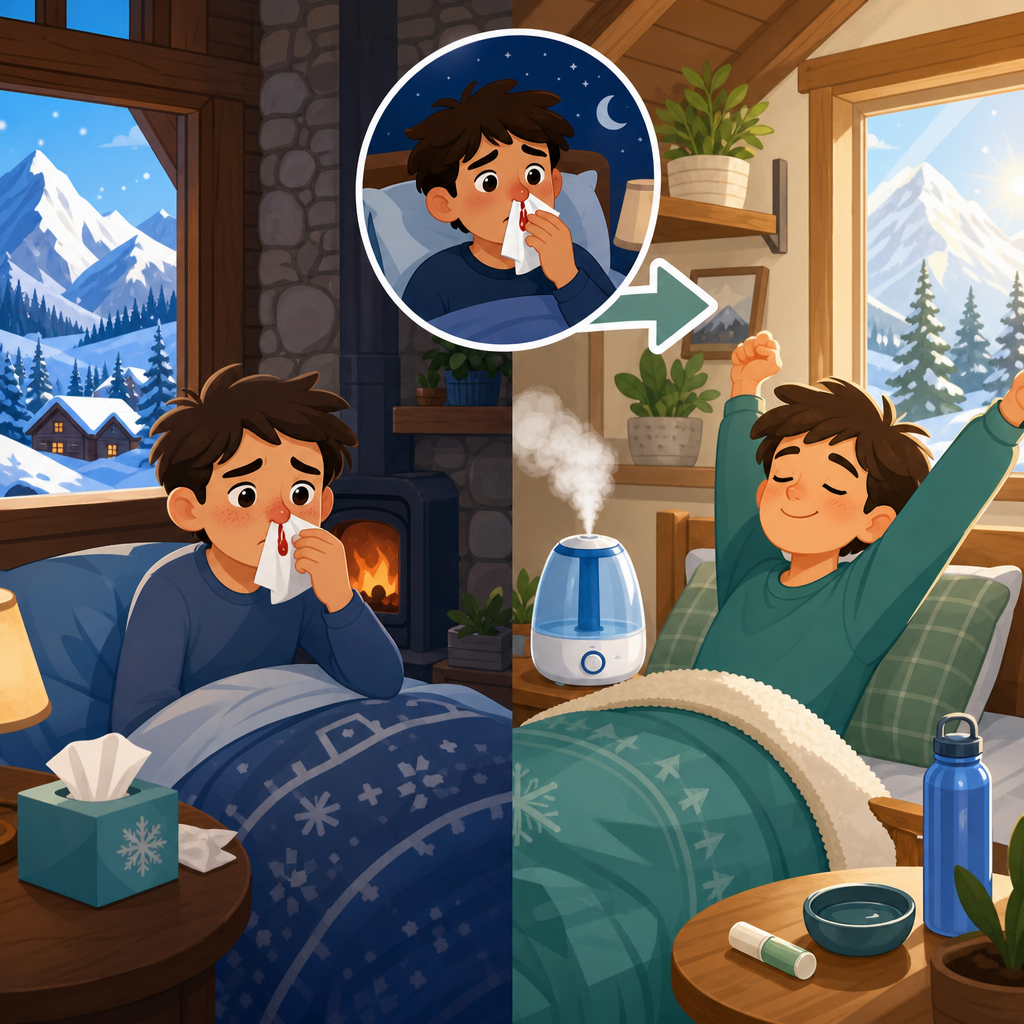
How to stop waking up with nosebleeds in winter mountain homes Comfort Troubleshooting
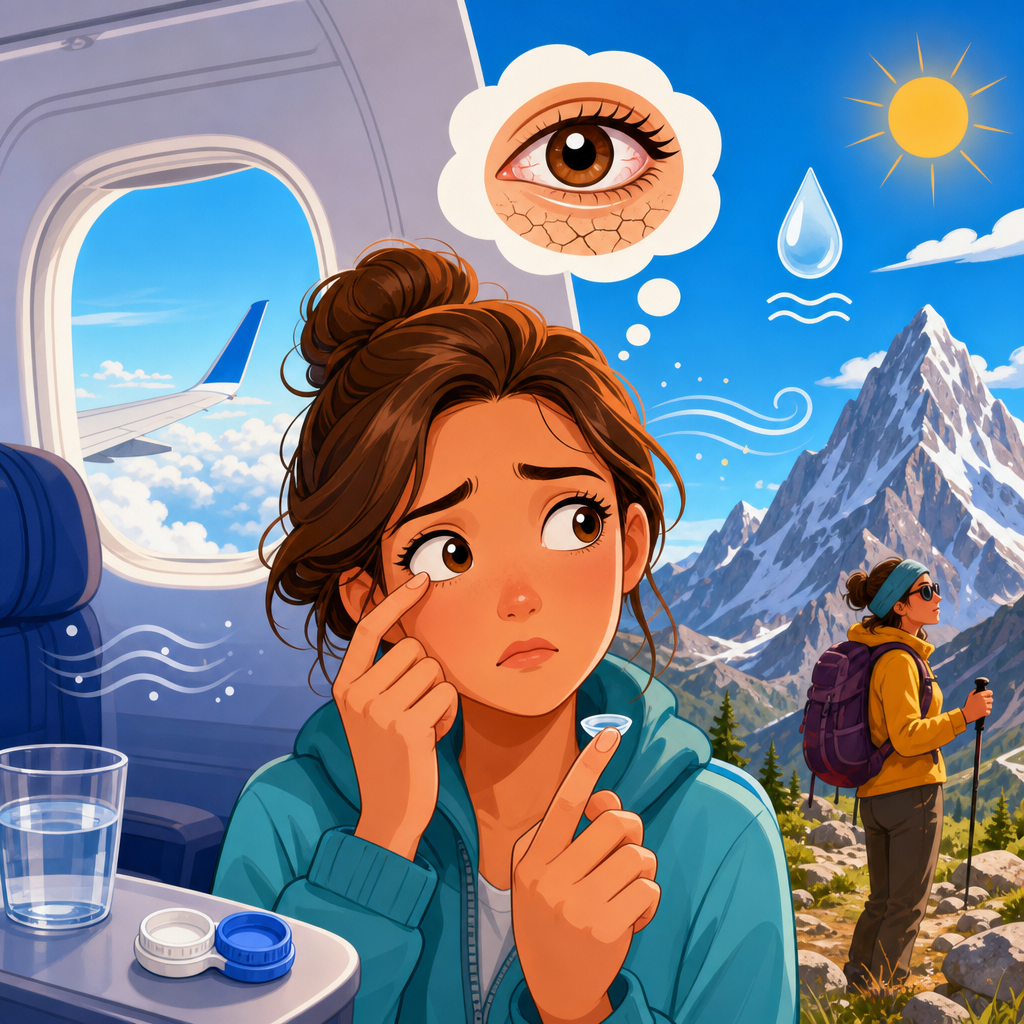
Can altitude make contact lenses dry out faster on flights and mountain days? Comfort Troubleshooting
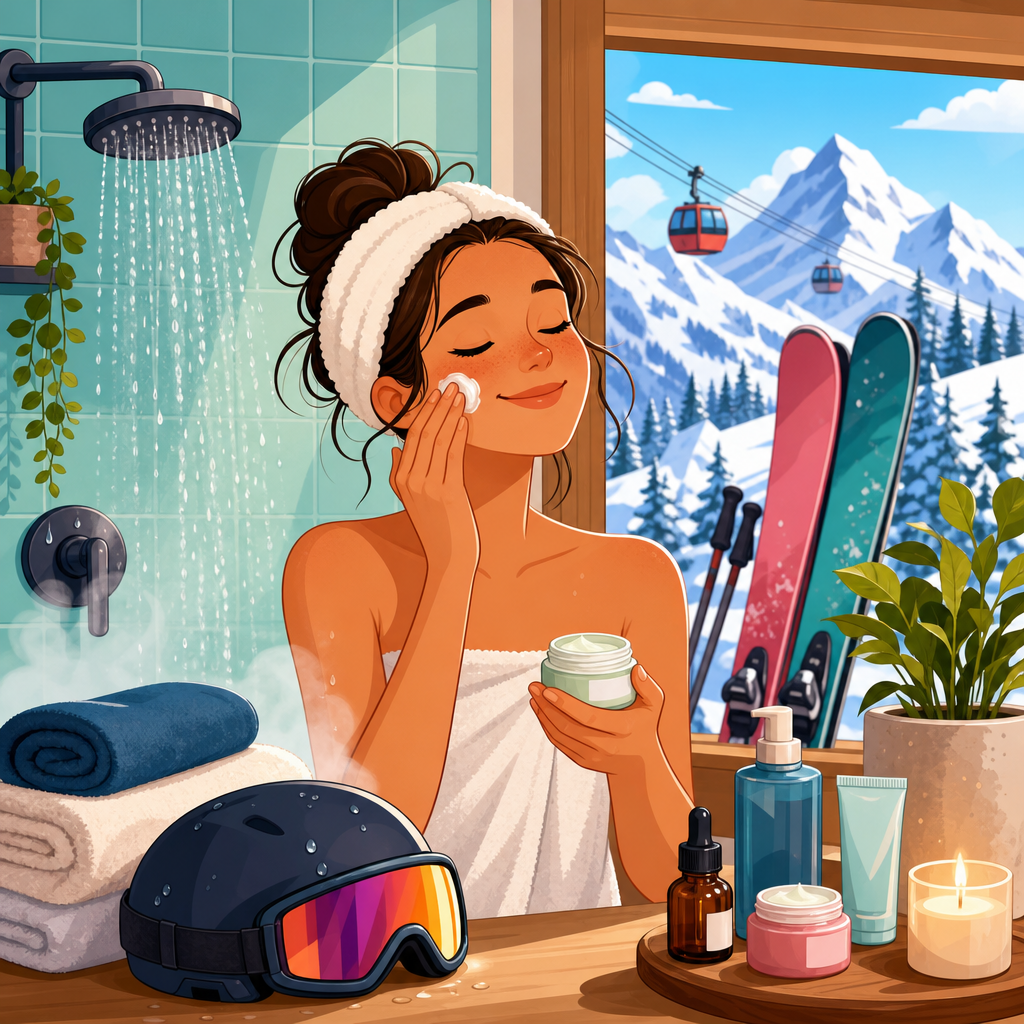
Best shower and skincare routine after skiing at altitude Comfort Troubleshooting
How to handle cold, sunny days that dehydrate you faster than you expect Comfort Troubleshooting
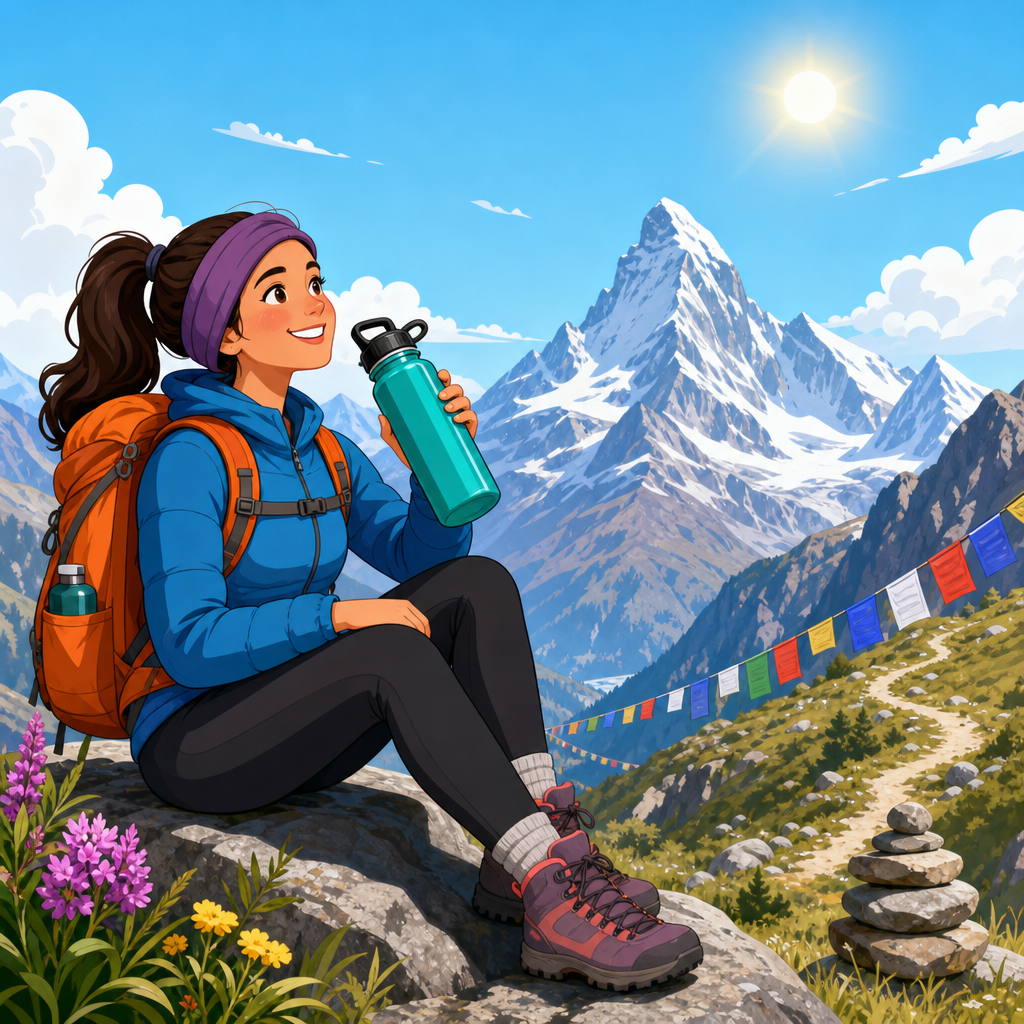
Best reusable water bottle habit for daily life at altitude Comfort Troubleshooting
How to keep your home office comfortable in dry mountain air Comfort Troubleshooting

Pages

  • Privacy Policy
  • Welcome to HighAltitudeLife.com — Your Complete Guide to Living, Traveling, and Thriving at Elevation

Posts by category

  • Category: Altitude Illness & Acclimatization
    • Can you lose acclimatization after a few days back at sea level?
    • Does sleeping in a lower town really make a difference?
    • Can heat training replace altitude acclimatization?
    • Can sauna training help you prepare for altitude?
    • Do hypoxic tents work for high-altitude travel?
    • Can a weekend trip help you pre-acclimate for a bigger mountain trip?
    • Do altitude masks help with acclimatization?
    • Should you use HRV to monitor altitude adaptation?
    • How to track acclimatization with resting heart rate
    • Low SpO2 at altitude without symptoms: should you worry?
    • What is a normal oxygen saturation at 8,000 feet?
    • How to use a pulse oximeter at altitude without overreacting
    • How fast high-altitude pulmonary edema can progress after a rapid ascent
    • Why HAPE can happen even without classic altitude sickness first
    • What pink frothy sputum at altitude means and why it is an emergency
    • When chest tightness at altitude means you need to descend now
    • HAPE vs bronchitis: how to spot a dangerous cough at altitude
    • Early signs of HAPE every traveler should know
    • How quickly HACE can become life-threatening if you keep ascending
    • What to do if someone becomes disoriented at high altitude
    • HACE vs severe AMS: when symptoms cross into emergency territory
    • Why stumbling and confusion at altitude should never be ignored
    • Early signs of HACE that people mistake for simple exhaustion
    • Why descent is still the most important treatment for severe altitude illness
    • What to do if someone collapses at altitude
    • What to do if AMS hits on night one in a ski town
    • When to descend immediately because altitude symptoms are getting worse
    • When to go to urgent care for altitude symptoms
    • Why altitude symptoms often peak on the first night
    • Why you feel hungover at altitude even when you did not drink
    • Shortness of breath at altitude: what is normal and what is not
    • Why your hands and face can feel puffy after gaining elevation
    • Why your resting heart rate jumps after a rapid ascent
    • Altitude fatigue vs normal travel fatigue: how to tell the difference
    • Why dizziness at altitude feels worse when you stand up quickly
    • Loss of appetite at high altitude: when to push calories and when to rest
    • What causes nausea at altitude and what actually helps?
    • Acute mountain sickness symptoms timeline: what can start within 6 to 12 hours
    • Can poor sleep be your first sign that altitude is not going well?
    • Do anti-nausea meds help with altitude sickness?
    • How long should you wait before trying to go higher again after AMS?
    • Why appetite loss at altitude can quietly make symptoms worse
    • Can dehydration alone cause an altitude-like headache?
    • What not to do when you get altitude sick in a resort town
    • How to use rest days correctly while acclimatizing
    • Why mild altitude symptoms should change your next day’s plan
    • Can you get altitude sickness after moving higher within the same mountain region?
    • Why altitude illness symptoms can look like a hangover
    • Why some people get altitude sickness below the usual risk threshold
    • Do older adults acclimate more slowly at high altitude?
    • Do children get altitude sickness differently than adults?
    • What travelers usually miss about the altitude where they sleep
    • How altitude sickness feels different when you fly in vs drive up
    • Can you still get altitude sickness if you were fine last time?
    • What happens if you ignore mild altitude sickness symptoms?
    • How to know whether a mountain headache is just a headache or AMS
    • Why physical fitness does not protect you from altitude sickness
    • First-night altitude sickness: what to do before symptoms spiral
    • Why altitude sickness often feels worse after dinner
    • What does mild altitude sickness feel like at night?
    • How quickly can altitude sickness start after you arrive?
    • Can you get altitude sickness at 6,000 feet?
    • Altitude sickness vs dehydration: how to tell the difference on day one
    • When oxygen helps at altitude and when it is not enough
    • Can ibuprofen help with altitude headache?
    • What medications can make altitude sleep worse?
    • How long does acetazolamide take to start working?
    • Acetazolamide vs dexamethasone for altitude illness prevention
    • Acetazolamide side effects: what is normal and what is not
    • When should you take acetazolamide for high altitude travel?
    • Category: Acclimatization Plans
      • How to build a week-long acclimatization plan for a 14er trip
      • Driving to altitude vs flying to altitude: which is easier on your body?
      • How to acclimatize after flying straight from sea level to the mountains
      • How to acclimatize for a mountain wedding or family reunion
      • Why symptoms often improve during the day and worsen overnight
      • How many buffer nights do you need before going higher?
      • What climb high, sleep low actually means for normal travelers
      • Why sleeping altitude matters more than daytime altitude
      • How staged ascent lowers your risk of getting sick
      • Should you rest or exercise on your first day at altitude?
      • What a good first 48 hours at altitude actually looks like
      • How long does acclimatization take for a ski vacation?
      • How long does it take to acclimatize after moving to 6,500 feet?
      • How to acclimatize when you only have one extra day
      • Acclimatization plan for 8,000 to 10,000 feet
    • Category: Altitude Medications & Oxygen
    • Category: AMS Basics & Risk Factors
    • Category: AMS Management & Recovery
    • Category: AMS Symptoms & Diagnosis
    • Category: Descent, Treatment & Emergency Response
    • Category: HACE
    • Category: HAPE
    • Category: Monitoring & Decision Tools
    • Category: Pre-Acclimation & Training
  • Category: Cooking & Baking at Altitude
    • Can you cold ferment bread dough at altitude?
    • Biscuits at altitude: how to keep them flaky and tall
    • Best high altitude strategy for enriched doughs
    • How altitude changes sourdough discard recipes
    • Why your crust hardens too fast at altitude
    • Should you use bread flour or all-purpose flour at altitude?
    • How to proof dough in a cold mountain kitchen
    • Challah at altitude: how to keep braids tall and even
    • Focaccia at altitude without giant air tunnels
    • High altitude bagels: better chew without overproofing
    • Bread machine baking at altitude: how to stop overflow and collapse
    • High altitude cinnamon rolls that stay soft
    • How to fix dry dinner rolls at altitude
    • Pizza dough at altitude: timing bulk fermentation correctly
    • Whole wheat bread at altitude without a dense crumb
    • Why bread loaves collapse after rising beautifully at altitude
    • High altitude sourdough hydration: how to adjust for dry flour
    • How to make soft sandwich bread at altitude
    • Sourdough at altitude: how to manage a hyperactive starter
    • High altitude bread baking: how to slow overproofing
    • Why yeast dough rises too fast at altitude
    • Best oven rack position for muffins and quick breads at altitude
    • What high altitude does to buttermilk baking
    • Pumpkin bread at altitude without collapse
    • Cinnamon streusel muffins at altitude that actually hold together
    • Zucchini bread at altitude without a wet middle
    • Crepes at altitude: do you need to change anything?
    • Scones at altitude: why they spread and how to fix them
    • Waffles at altitude: crisp outside, fully cooked inside
    • Pancakes at altitude: why they turn gummy in the middle
    • Cornbread at altitude: moist texture without crumbling
    • Blueberry muffins at altitude without gummy centers
    • Quick breads at altitude: why they over-rise and collapse
    • Banana bread at altitude: how to stop the center from sinking
    • Muffins at altitude: how to avoid mushroom tops and tunnels
    • High altitude pastry cream without a grainy texture
    • Why whipped cream behaves differently in very dry climates
    • Best thickener choices for fruit pies at altitude
    • Souffles at altitude: why timing matters even more
    • How to blind bake pie crust successfully at altitude
    • Custards at altitude: how to avoid curdling and underbaking
    • Tart shells at altitude without slumping
    • How to fix hollow macarons in dry mountain air
    • Puff pastry at altitude: what matters and what does not
    • Cream puffs and choux pastry at altitude
    • Meringue at altitude: how to stop weeping and shrinking
    • Macarons at altitude: can they actually work?
    • Pumpkin pie at altitude without cracks or weeping
    • Pie crust at altitude: how to keep it flaky
    • Fruit pies at altitude: how to avoid runny fillings
    • Coffee brewing at altitude: how to get better extraction
    • Grilling at altitude: how wind and thinner air change cooking
    • Instant Pot altitude adjustments that actually work
    • Pressure cooking at altitude for soups and stews
    • Roasting meat at altitude: why thermometers beat timing
    • Slow cooker meals at altitude: do you need to adjust time?
    • Beans at altitude: stovetop vs pressure cooker
    • Cooking rice at altitude without mush or crunch
    • Pasta at altitude: why it takes longer than you expect
    • How long to boil eggs at altitude
    • Category: Baking Fundamentals
      • How altitude affects gluten-free baking
      • Best tools for reliable high altitude baking at home
      • How to test a new recipe at altitude without wasting ingredients
      • Why eggs matter more in high altitude baking
      • How much extra liquid to add when baking at altitude
      • When to reduce baking powder and baking soda at altitude
      • When to reduce sugar in high altitude baking
      • When you should increase oven temperature at altitude
      • Why your flour behaves differently in dry mountain air
      • Why water boils at a lower temperature at altitude and why it matters
      • High altitude baking conversion chart for beginners
      • How to adjust a sea-level recipe for high altitude
      • Why low air pressure changes rise, moisture, and structure
      • High altitude baking basics: why recipes fail above 3,000 feet
      • What counts as high altitude for baking?
    • Category: Baking Troubleshooting & Workflow
      • Best freezer strategies for make-ahead baking at altitude
      • How to troubleshoot overproofed bread in a dry mountain kitchen
      • Best notebook system for testing and improving high-altitude recipes
      • Why pie fillings bubble differently at altitude
      • How to adapt family recipes without losing the original feel
      • How to adjust cheesecake water baths at altitude
      • Can you use convection mode for high-altitude baking?
      • What altitude does to brownie edges vs brownie centers
      • Why high-altitude cakes brown before the center is done
      • How to rescue a batch of flat cookies at altitude
    • Category: Cakes & Cupcakes
      • High altitude wedding cake planning for home bakers
      • How to keep sheet cakes soft at altitude
      • Bundt cakes at altitude: why they stick and how to fix it
      • Sponge cake at altitude: how to stabilize the foam
      • Cheesecake at altitude: how to avoid cracks and underbaked centers
      • Angel food cake at altitude: how to keep it from collapsing
      • High altitude red velvet cake without a dense crumb
      • How to keep layer cakes from drying out at altitude
      • Best frosting choices for dry mountain climates
      • How to adapt box cake mix for 5,000 to 8,000 feet
      • Why cupcakes dome and crack at altitude
      • High altitude vanilla cake: how to prevent tunneling and collapse
      • How to fix a gummy cake at altitude
      • Why cakes sink in the middle at high altitude
      • High altitude chocolate cake that stays moist and tall
    • Category: Candy, Preserves & Canning
      • Best thermometer use for sugar work at high altitude
      • Altitude-safe fruit preserving for mountain home cooks
      • Why home canning mistakes are riskier at altitude
      • Pressure canning at altitude: how to adjust pressure safely
      • Boiling-water canning at altitude: how to adjust processing time
      • High altitude canning basics for beginners
      • Jam and jelly at high elevation: safer set points and timing
      • Fudge at altitude without graininess
      • Caramel at altitude: why your thermometer matters more
      • Candy making at altitude: how soft-ball and hard-crack stages change
    • Category: Cookies & Bars
      • Should you chill cookie dough longer at altitude?
      • Best pan choice for cookies at high altitude
      • Peanut butter cookies at altitude: how to stop cracking
      • High altitude lemon bars without a soggy crust
      • Why blondies turn cakey at altitude
      • Snickerdoodles at altitude: why they flatten and how to fix them
      • Shortbread at altitude: how to keep it tender
      • Bar cookies at altitude: how to avoid underbaked centers
      • Brownies at altitude: chewy edges without a dry center
      • Fudgy brownies at 7,000 feet: the easiest adjustments
      • Best high altitude oatmeal cookie adjustments
      • High altitude sugar cookies that hold their shape
      • High altitude chocolate chip cookies that do not go flat
      • Why cookies spread too much at altitude
      • How to fix dry cookies at altitude
    • Category: Cooking Methods
    • Category: Pies, Pastries & Meringues
    • Category: Quick Breads & Breakfast Bakes
    • Category: Yeast Breads & Sourdough
  • Category: Daily Life, Skin, Eyes & Home Comfort
    • How to treat a nose that feels raw in dry mountain weather
    • Best overnight routine for repairing skin after sun and wind exposure
    • Windburn vs sunburn: how to tell the difference after a mountain day
    • How to stop chapped lips from coming back in mountain air
    • Why your hands crack faster at altitude and what helps
    • Best moisturizers for mountain dryness without feeling greasy
    • How to build a high altitude skincare routine that actually works
    • How to reduce fatigue during your first month at altitude
    • Does allergy season get better or worse at higher elevation?
    • Why your skin gets drier at 7,000 feet
    • How to dress for 40-degree temperature swings in one day
    • Why coffee tastes different in the mountains
    • What shoulder season living is really like in mountain towns
    • How to dry laundry faster in cold, dry air
    • Best pet hydration routine for mountain homes
    • How to keep houseplants alive at altitude
    • Best place to put a humidifier in a mountain bedroom
    • Best houseplants for adding humidity in dry climates
    • How to reduce nosebleeds caused by dry indoor air
    • Static electricity at altitude: why it gets so bad
    • How to use a bedroom humidifier without creating mold
    • Why your sinuses hurt more in dry mountain houses
    • How to keep produce fresh longer in mountain air
    • Indoor humidity at altitude: what range feels best?
    • Humidifier vs whole-house humidifier for mountain homes
    • How to protect your eyes on windy ridge days
    • Do blue eyes burn faster in bright snow conditions?
    • Can altitude make contact lenses less comfortable?
    • What photokeratitis feels like and when to get help
    • How to prevent snow blindness on bright alpine days
    • When should you wear glacier glasses instead of regular sunglasses?
    • Best eyedrops for mountain dryness and screen time
    • Dry eyes at high altitude: what actually helps
    • What altitude does to your taste and smell
    • Why groceries dry out faster in a mountain pantry
    • Best food storage tweaks for dry, high-elevation kitchens
    • How to manage barometric pressure headaches in mountain towns
    • Why weather swings trigger headaches at altitude
    • Daily hydration habits that work when you live at altitude
    • How to create an altitude-friendly self-care routine for guests
    • Do storms feel more intense when you live high in the mountains?
    • Why you feel thirstier in cold mountain weather
    • Why your voice feels rough after a day in dry mountain weather
    • How to prevent cracked cuticles and hangnails at altitude
    • Can altitude make tinnitus feel worse?
    • How to soothe a dry sore throat caused by mountain air
    • High altitude cough: dry air vs illness vs something serious
    • Why your nose bleeds more often in winter at altitude
    • Sinus pressure after a big elevation gain: what helps safely
    • How to relieve ear pressure on mountain drives
    • Category: Comfort Troubleshooting
      • Why mountain air can make you feel tired even when your weather app says perfect
      • How to build a guest room that feels better for visitors new to altitude
      • Best ways to protect kids’ skin from mountain sun year-round
      • Do humidifiers help with snoring in dry mountain bedrooms?
      • How to keep your home office comfortable in dry mountain air
      • Best reusable water bottle habit for daily life at altitude
      • How to handle cold, sunny days that dehydrate you faster than you expect
      • Best shower and skincare routine after skiing at altitude
      • Can altitude make contact lenses dry out faster on flights and mountain days?
      • How to stop waking up with nosebleeds in winter mountain homes
    • Category: ENT & Sensory Issues
    • Category: Everyday Health & Comfort
    • Category: Eye Care & Vision
    • Category: Indoor Air & Humidity
    • Category: Lifestyle Adjustments
    • Category: Skin Care & Dryness

My Templates

  • Default Kit
  • Default Kit

  • Acclimatization Plans
  • Altitude Illness & Acclimatization
  • Altitude Medications & Oxygen
  • AMS Basics & Risk Factors
  • AMS Management & Recovery
  • AMS Symptoms & Diagnosis
  • Baking Fundamentals
  • Baking Troubleshooting & Workflow
  • Cakes & Cupcakes
  • Candy, Preserves & Canning
  • Comfort Troubleshooting
  • Cookies & Bars
  • Cooking & Baking at Altitude
  • Cooking Methods
  • Daily Life, Skin, Eyes & Home Comfort
  • Descent, Treatment & Emergency Response
  • ENT & Sensory Issues
  • Everyday Health & Comfort
  • Eye Care & Vision
  • HACE
  • HAPE
  • Indoor Air & Humidity
  • Lifestyle Adjustments
  • Monitoring & Decision Tools
  • Pies, Pastries & Meringues
  • Pre-Acclimation & Training
  • Quick Breads & Breakfast Bakes
  • Skin Care & Dryness
  • Yeast Breads & Sourdough
  • Privacy Policy
  • Welcome to HighAltitudeLife.com — Your Complete Guide to Living, Traveling, and Thriving at Elevation

Copyright © 2026 .

Powered by PressBook Grid Blogs theme