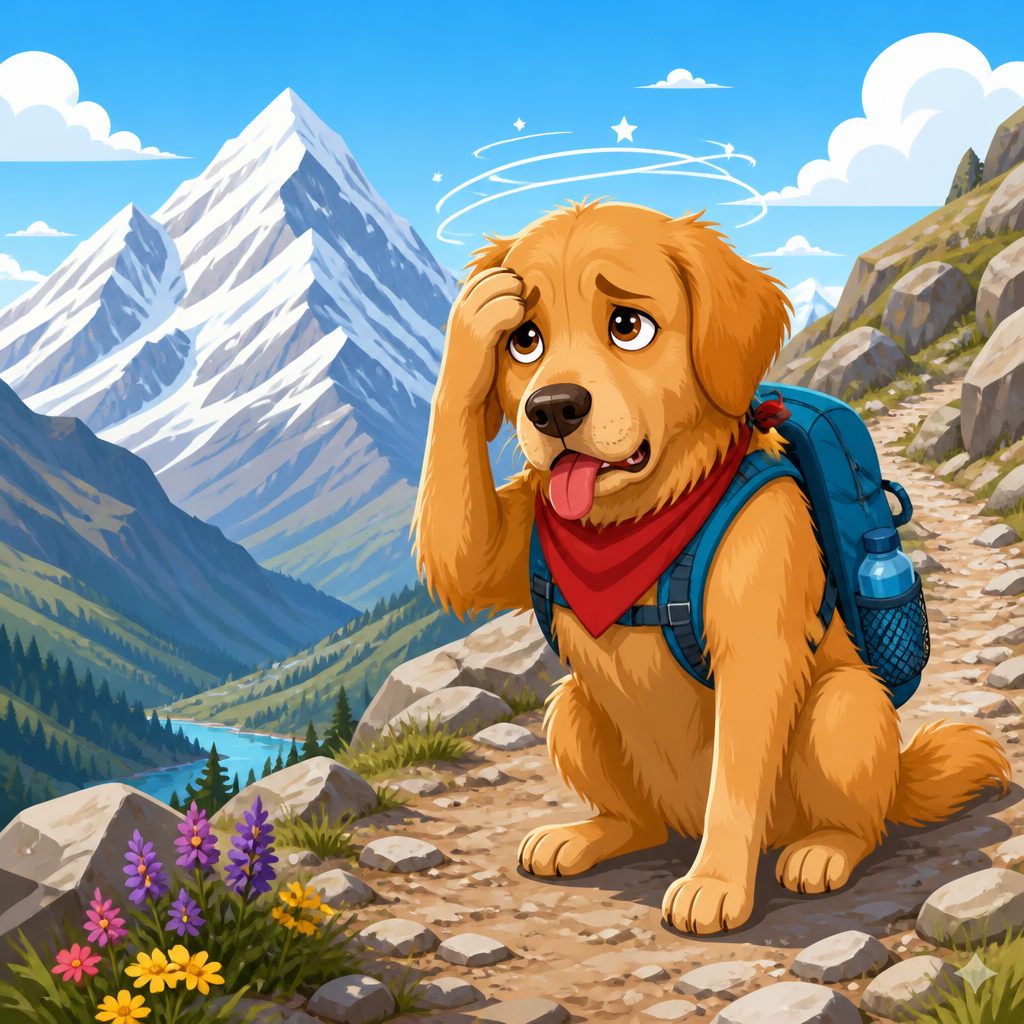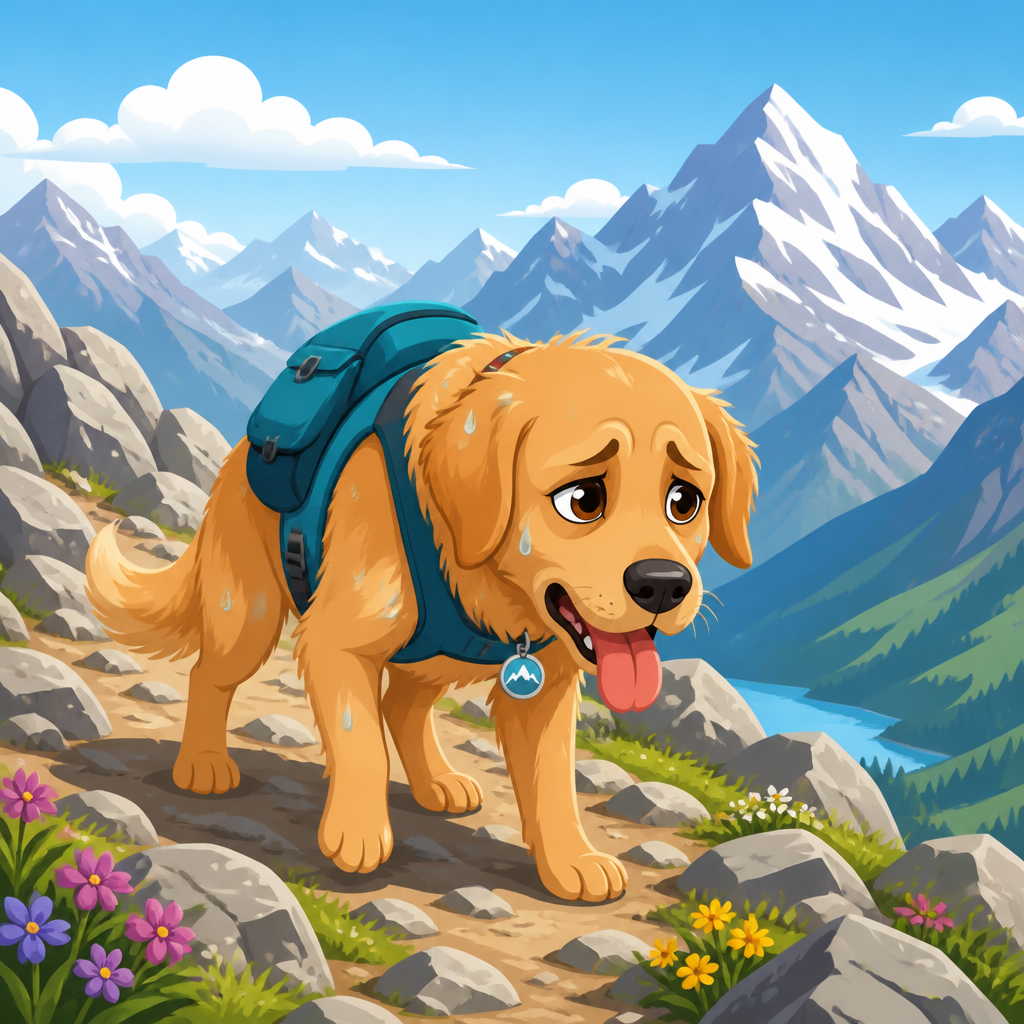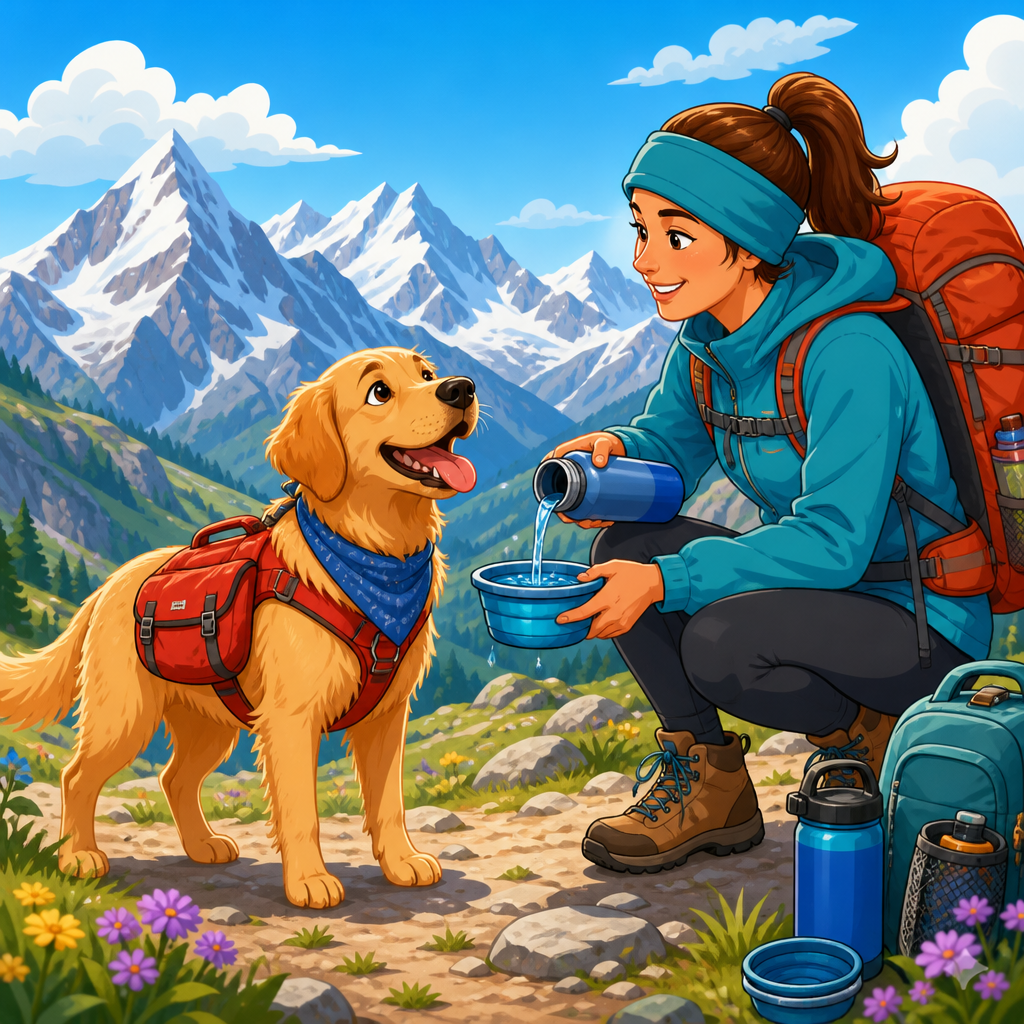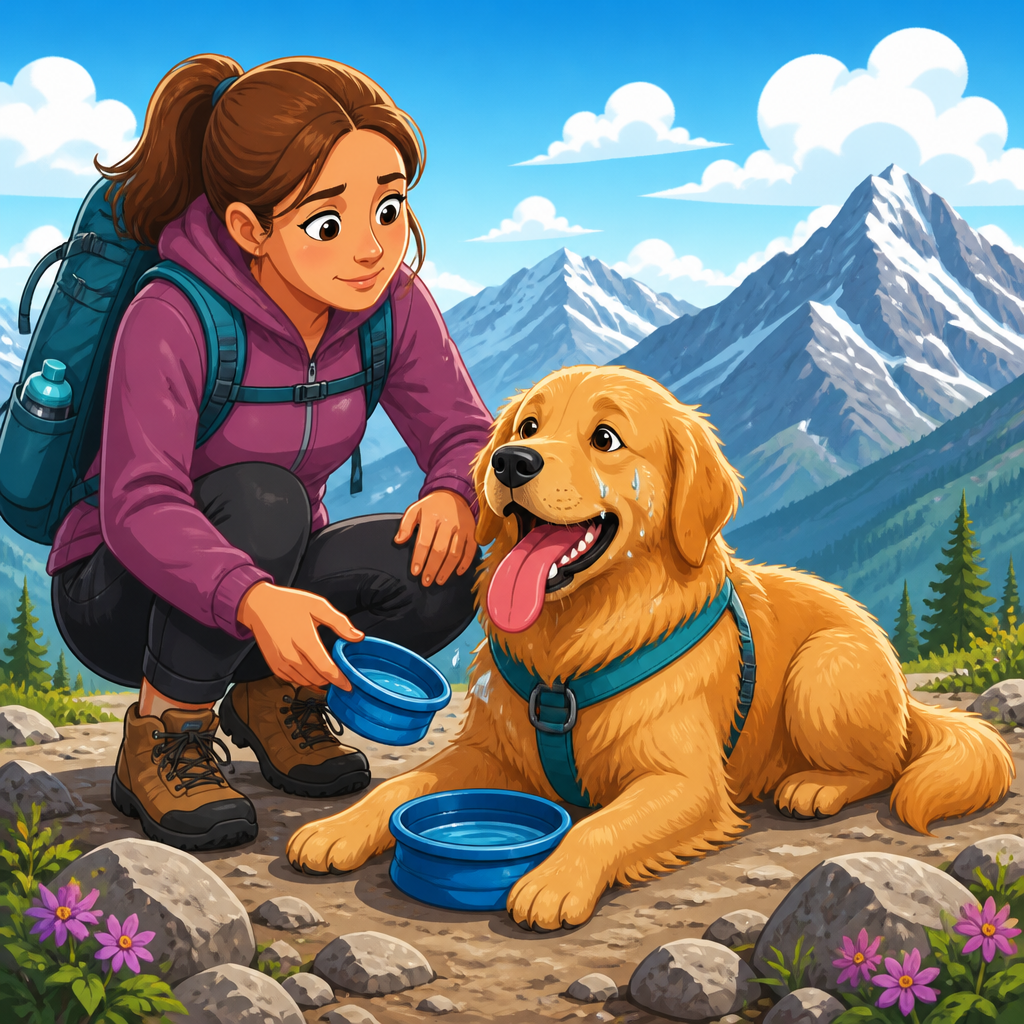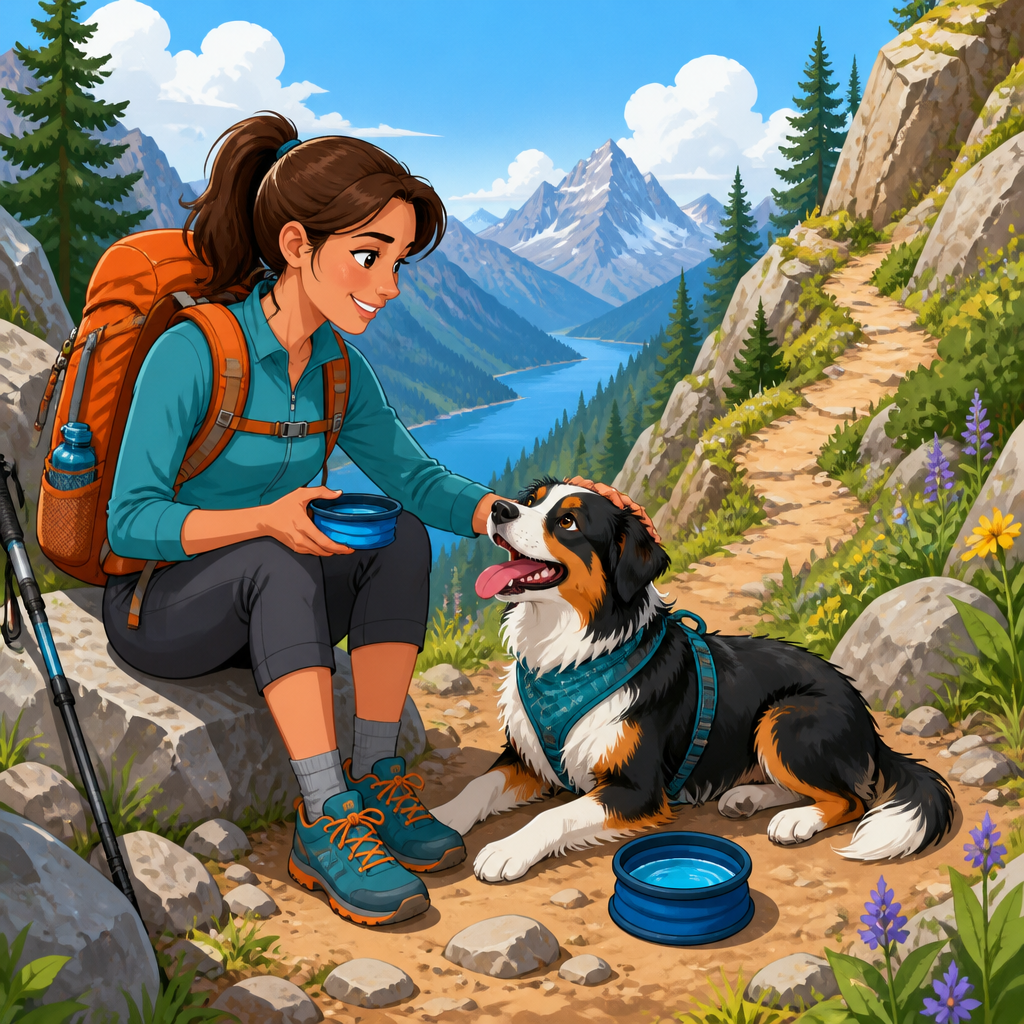
Steep trails challenge dogs differently than flat walks, so planning rest breaks is not a nicety but a core safety skill for any owner hiking with a canine partner. In mountain terrain, every climb increases muscular demand, paw abrasion, body heat, and cardiovascular effort, while every descent adds braking force through the shoulders, wrists, and toes. Rest breaks for dogs are short, deliberate pauses that let respiration settle, muscles recover, pads cool, and hydration catch up before fatigue becomes injury. I have learned on long ascents with working breeds and mixed companions that most trail problems do not begin with dramatic collapse; they start with subtle signs an owner missed fifteen minutes earlier.
This guide serves as a hub for mountain dogs and hiking, centered on how to plan rest breaks for dogs on steep trails while connecting the bigger decisions that shape a safe day outside. Key terms matter. Grade refers to how steep the trail is, usually discussed as a percentage or simply as gentle, moderate, or steep. Exposure means heat, cold, wind, and sun intensity. Technical terrain includes rock steps, loose scree, roots, ladders, and narrow ledges requiring balance and controlled movement. Conditioning is the progressive training that builds aerobic capacity, tendon strength, and paw toughness over weeks, not hours. Recovery means the dog returns toward normal breathing, posture, and movement after exertion.
Why does this matter? Because dogs will often keep following even when overworked. Their motivation can mask exhaustion until performance suddenly drops. On steep trails, poor break planning raises the risk of overheating, overuse injury, split paw pads, dehydration, poor decisions at exposed sections, and difficult evacuations. Good break planning, by contrast, improves endurance, reduces stress on joints, and makes the whole hike more predictable. It also helps owners choose appropriate routes, pace climbs, and turn around early when conditions change. If you hike in the mountains with a dog, rest strategy is part of route planning, gear selection, conditioning, and trail judgment, not something improvised after your dog is already struggling.
Another reason this topic deserves a hub article is that “mountain dogs” is broader than giant alpine breeds. It includes any dog joining steep, sustained hikes: a Border Collie on switchbacks, a Labrador on granite slabs, a Husky on forest climbs, or a small terrier scrambling above treeline. Breed influences stamina, coat, heat tolerance, and joint stress, but terrain and conditioning matter more than labels. A fit mixed-breed dog with strong paws and gradual training can outperform a poorly prepared athletic breed. The hub approach is useful because steep-trail rest planning connects to footwear decisions, pack weight, leash technique, altitude awareness, weather windows, first aid, and route timing. Understanding those links leads to better choices before you leave the trailhead.
Start with route analysis, not trailhead improvisation
The best rest break plan is built at home. Before any mountain hike, study distance, total elevation gain, steepest sustained sections, expected surface, water availability, shade, turnaround points, and bailout options. Mapping tools such as AllTrails, Gaia GPS, FATMAP archives, CalTopo, and local park elevation profiles help identify where your dog will work hardest. On a route with 3,000 feet of climbing over six miles, the limiting factor is usually sustained grade, not mileage alone. A dog that comfortably walks eight flat miles may struggle on a four-mile ascent with rocky steps and midday heat.
When I map a steep route, I mark planned dog checks every twenty to thirty minutes on moderate climbs and every ten to fifteen minutes on very steep or technical sections. Those checks are not always full stops. Sometimes they are thirty seconds to assess breathing, gait, tongue length, focus, and paw condition. Full rest breaks usually happen at terrain transitions: before a long sun-exposed push, after a staircase of rock steps, at a shaded switchback cluster, or immediately before a technical descent. Reliable stopping points should have safe footing, enough space to stand or lie down, and minimal conflict with other hikers.
Route analysis also answers a basic question owners often overlook: is this the right trail for this dog today? Age, body condition, coat type, acclimatization, and previous workload matter. A senior dog with mild arthritis may do better on a lower-grade forest climb with frequent soft-ground pauses than on a short but punishing ridge trail. A brachycephalic dog, even a motivated one, is a poor candidate for hot, steep hikes because heat exchange is less efficient. Dogs carrying packs need more conservative break spacing; a common field rule is that a healthy conditioned dog should carry only a small percentage of body weight, and many owners are better off carrying the extra water themselves.
Use the terrain, weather, and the dog to set break intervals
How often should a dog rest on a steep trail? There is no single interval, but there is a reliable decision framework: the steeper the grade, the hotter the conditions, the rougher the surface, and the less conditioned the dog, the more frequent and longer the breaks. On cool, shaded, moderate climbs, many fit dogs do well with brief checks every twenty minutes and fuller rests every forty-five to sixty minutes. On exposed summer ascents, that may shift to micro-breaks every five to ten minutes and longer cooling stops every twenty to thirty minutes. Deep snow, loose talus, and repeated scrambling also shorten the interval because they increase energy cost per step.
Altitude changes the equation. Even though dogs often handle moderate elevation well, steep movement above roughly 8,000 feet can amplify fatigue, especially for dogs arriving from sea level. They may not show classic human-style altitude complaints, but reduced work output, unusual slowness, persistent panting, and hesitation on climbs can indicate the day is too ambitious. In those conditions, pace and break timing should become noticeably more conservative. The same is true after long car travel, poor sleep, or a previous hard outing. Recovery debt carries onto the mountain.
| Trail condition | Suggested check interval | Suggested full rest interval | What to watch for |
|---|---|---|---|
| Cool, shaded, moderate grade | Every 20 to 30 minutes | Every 45 to 60 minutes | Normal recovery within 2 to 3 minutes, steady gait |
| Steep continuous ascent | Every 10 to 15 minutes | Every 25 to 40 minutes | Heavy panting, shortening stride, lagging behind |
| Hot, exposed trail | Every 5 to 10 minutes | Every 20 to 30 minutes | Heat stress, glassy eyes, frantic drinking, red gums |
| Technical rock or talus | After each difficult section | Every 20 to 35 minutes | Paw wear, slips, reluctance to continue |
These intervals are starting points, not promises. The dog in front of you always overrides the plan on your map. Some dogs recover quickly from short, frequent pauses; others do better with a slower pace and fewer but longer rests. Pay attention to how long it takes breathing to settle. If a dog still pants hard after several minutes in shade with access to water, the problem is not solved by simply waiting longer. You may need active cooling, a longer recovery period, or a turn-around.
Read fatigue early: the signs that should trigger a stop
The most useful mountain skill is recognizing fatigue before it becomes distress. Early signs are usually behavioral and mechanical. A dog that was confidently pulling ahead may begin following at heel without cueing. Stride length shortens. The dog steps around rocks it previously bounded over, or starts bunny-hopping on descents to reduce forelimb load. Head carriage lowers. Trail focus drops, and simple obstacles require more encouragement. These are good reasons to stop before obvious distress appears.
Watch breathing quality, not just panting volume. Fast panting during effort is normal; frantic, inefficient panting with wide tongue extension, persistent noise, or failure to recover in shade is not. Gum color should stay normally pink. Very dark red gums can accompany overheating, while pale gums can signal poor perfusion and demand immediate evaluation. Drooling may increase with exertion, but thick ropey saliva, disorientation, vomiting, wobbliness, or collapse are emergencies. If those occur, stop exercise, move to a cooler safer place, begin cooling with temperate water and airflow, and seek veterinary help as quickly as possible.
Paw and musculoskeletal signs matter just as much. Frequent licking of a foot, repeated shaking of paws, sudden refusal on scree, and careful placement on descent can indicate abrasions or pad wear. I inspect paws during longer rests by spreading the toes and checking the webbing for grit, cuts, foxtails, or ice buildup. Feel for heat in pads and note any cracking. Also scan shoulders, wrists, and lower back with your eyes: stiffness when rising after a break often means the next section should be easier, shorter, or skipped entirely.
Make each rest break effective instead of passive
A good rest break has a purpose. Move your dog off the main tread onto stable footing, ideally shade in warm weather or a wind-sheltered spot in cold conditions. Offer small amounts of water regularly rather than forcing large volumes at once. Most dogs self-regulate well when not overheated, but a dog that gulps frantically may need a longer cooling period before continuing. If the hike is longer than ninety minutes or especially strenuous, bring food the dog already tolerates well. Small portions of familiar high-value kibble, training treats, or energy-dense snacks can help maintain enthusiasm without upsetting the stomach.
Use the stop for a structured scan. I check five things in the same order: breathing, gums, paws, gait on restart, and mental focus. Consistency matters because it reduces missed cues when you are tired too. In hot weather, cool the dog proactively with water on the chest, belly, and paws, then allow evaporation and airflow. Ice-cold immersion is unnecessary in most trail situations and can be impractical; steady cooling and stopping exertion are what matter first. In cold or windy alpine weather, breaks should be shorter if the dog is wet or lightly coated, because resting muscles lose heat quickly.
Leash management is part of effective recovery. Dogs on steep trails should not spend breaks straining at the end of a leash or pacing around unstable edges. A well-fitted Y-front harness often gives better movement and safer control than attaching to a collar alone, especially on descents. If you use booties for abrasive granite, lava rock, or snow crust, inspect fit during breaks; poorly fitted boots can rub dewclaws or twist, creating new problems. Trekking with dogs is often presented as simple companionship, but on steep trails it is really a series of small management decisions, and rest breaks are where those decisions pay off.
Build the mountain dog: conditioning, recovery, and progression
The safest rest strategy begins weeks before the hike. Conditioned dogs need fewer emergency stops because their aerobic system, connective tissue, and paw pads are prepared for climbing. Start with rolling terrain, then gradually add elevation, rough surface, and duration one variable at a time. Canine sports medicine principles mirror human training: increase workload progressively, allow recovery days, and avoid sudden weekend spikes. Hill repeats on local trails, controlled stair work, strength exercises like sit-to-stand transitions, and balance tasks on stable surfaces can all support mountain performance when done sensibly.
Recovery between outings is part of planning breaks too. A dog that hiked hard yesterday may need much more conservative pacing today. Puppies with open growth plates, dogs recovering from cruciate injury, overweight dogs, and seniors with osteoarthritis all deserve customized expectations from a veterinarian familiar with sports activity. Supplements are not a substitute for conditioning, and pain medications should never be used to push a dog through a hike that would otherwise be inappropriate. The honest goal is not to reach every summit; it is to build a dog that finishes sound, eager, and safe enough to hike again next week.
Know when to turn around and how to use this hub
Turning around is not failure. If rest stops become more frequent while recovery gets worse, the hike is over. The same applies when weather turns hot, storms build above treeline, water sources are dry, paws are wearing down, or technical terrain exceeds the dog’s confidence. Mountain judgment is measured by the decisions you make before an incident, not after one. Many rescues begin with owners who kept climbing because the summit was close. For dogs, the descent still counts, and braking downhill on tired limbs can be harder than the ascent.
Use this mountain dogs and hiking hub as the starting point for every related decision. Rest breaks sit at the center of route choice, pacing, conditioning, hydration, paw care, harness fit, pack weight, and emergency planning. If you build a route-specific break plan, watch for early fatigue, and make each stop deliberate, your dog will move more comfortably and recover better after the trail. Before your next steep hike, map the hard sections, schedule the pauses, pack for cooling and paw checks, and commit to turning around early if your dog asks for it with body language you can now read clearly.
Frequently Asked Questions
How often should I schedule rest breaks for my dog on a steep trail?
On steep trails, rest breaks should be planned far more intentionally than on flat walks because the incline changes how quickly a dog uses energy, builds heat, and stresses muscles and joints. A good baseline is to offer a short break every 15 to 30 minutes of climbing, but the exact timing should depend on your dog’s age, fitness, coat type, breed build, trail surface, temperature, and pack weight if they are carrying one. For very steep grades, hot weather, loose rock, or long ascents with little shade, many dogs benefit from shorter, more frequent pauses rather than waiting for a single long stop. That usually means stopping before your dog looks exhausted, not after. During each pause, let your dog stand or lie down in a safe area off the trail, allow breathing to settle, offer small amounts of water, and check for signs of overwork such as heavy panting, slowing pace, lagging behind, reluctance to continue, or repeatedly seeking shade. On descents, breaks still matter because downhill travel places strong braking force through the shoulders, wrists, toes, and pads. A dog that seems eager may still be accumulating strain, so planned breaks remain part of safe pacing even if the dog is not visibly tired.
What are the signs that my dog needs a rest break immediately?
Some signs mean your dog should stop right away, even if your planned break is still minutes away. Watch for panting that becomes unusually intense or does not ease when pace slows, repeated stopping on their own, falling behind, stumbling, head carried low, glazed or unfocused expression, excessive drooling, searching for cool ground, or hesitation at obstacles they would normally handle easily. On steep uphill sections, sudden slowing can signal muscle fatigue or overheating. On steep downhill sections, a dog may shorten stride, brace awkwardly, or seem unwilling to keep descending because the front end is taking too much impact. Also pay close attention to the paws. If your dog starts licking feet, stepping gingerly, favoring one leg, or avoiding rough surfaces, stop and inspect the pads immediately for abrasions, lodged grit, or tenderness. More serious warning signs include vomiting, weakness, wobbling, pale gums, confusion, or collapse, which can indicate overheating, dehydration, or a medical emergency. In those cases, the hike should end, the dog should be cooled gradually and safely, and veterinary help should be sought as soon as possible. The key principle is simple: if your dog’s movement, breathing, posture, or responsiveness changes noticeably, treat that as useful information and break early.
What should I do during a rest break to help my dog recover well?
A useful rest break is short, calm, and purposeful. First, move your dog to a safe place away from trail traffic, unstable footing, or direct sun if possible. Let them settle naturally rather than immediately urging them onward. Offer small drinks of water instead of encouraging them to gulp a large amount all at once, especially if they have been working hard. If your dog tolerates it well and the hike is long, a light snack can help maintain energy, but avoid heavy feeding during intense activity. Use the pause to evaluate your dog from nose to tail: check breathing rate, gum color, alertness, coordination, and overall willingness to continue. Then inspect the paws for heat, cuts, worn pads, or debris trapped between toes. If the weather is warm, help with cooling by resting in shade, using a cooling vest if you brought one, or wetting the body strategically with available water when appropriate, while avoiding sudden overcooling. Keep the break long enough for breathing to come down and posture to relax, but not so long that muscles stiffen on a cold or exposed trail. Most importantly, use each stop to decide whether your current pace is sustainable. A well-managed break is not just recovery time; it is a checkpoint that helps you prevent fatigue before it becomes dangerous.
How do weather, trail surface, and elevation change my dog’s rest break needs?
These factors can dramatically change how often your dog needs to stop. Warm weather increases the need for frequent breaks because dogs regulate heat less efficiently than people and can overheat quickly on exposed climbs. Humidity makes cooling even harder, so a moderate trail can feel much more demanding than expected. Cold conditions can reduce overheating risk, but they do not remove the need for breaks, especially if snow, ice, or wind increase muscular effort and energy use. Trail surface matters too. Sharp rock, scree, rough granite, hot dirt, and long stretches of hard-packed descent can wear pads down faster and create hidden soreness, even in otherwise fit dogs. Loose or unstable footing forces more balancing and braking effort, which increases fatigue in the limbs and core. Elevation adds another layer because thinner air can reduce endurance for both dogs and humans, particularly if you are climbing quickly or your dog is not acclimated. In practical terms, that means breaks should come sooner and more often when conditions are hot, exposed, abrasive, unstable, or high. Do not rely on a single fixed schedule. Instead, adjust in real time based on terrain and how your dog is responding at that moment. Conservative pacing is especially important on summit pushes, long switchbacks, and descents that seem easy to humans but are physically taxing for dogs.
Can a very fit or high-energy dog skip planned rest breaks on steep hikes?
No. Fitness and enthusiasm reduce risk, but they do not eliminate the need for planned recovery on steep terrain. In fact, high-drive dogs are often the ones most likely to overextend because they will keep moving long after they should have slowed down. A dog that is excited, athletic, or highly conditioned may show fewer obvious signs of fatigue early on, yet still accumulate heat stress, muscle strain, paw damage, and joint loading with every climb and descent. Rest breaks are preventive, not just reactive. They give the body time to clear some of the strain before it turns into poor movement, soreness, or injury. This is especially important for descents, where dogs may appear eager and fast but place repeated braking force through the front limbs and toes. Even trail-experienced dogs benefit from short, consistent pauses to drink, cool down, and reset. Think of rest breaks the same way you would think about pacing on a long run or mountain climb: they are part of the performance plan, not evidence that the dog is struggling. A fit dog may need shorter breaks and recover faster, but skipping them altogether is a mistake on steep trails where the physical demands are cumulative and often underestimated.