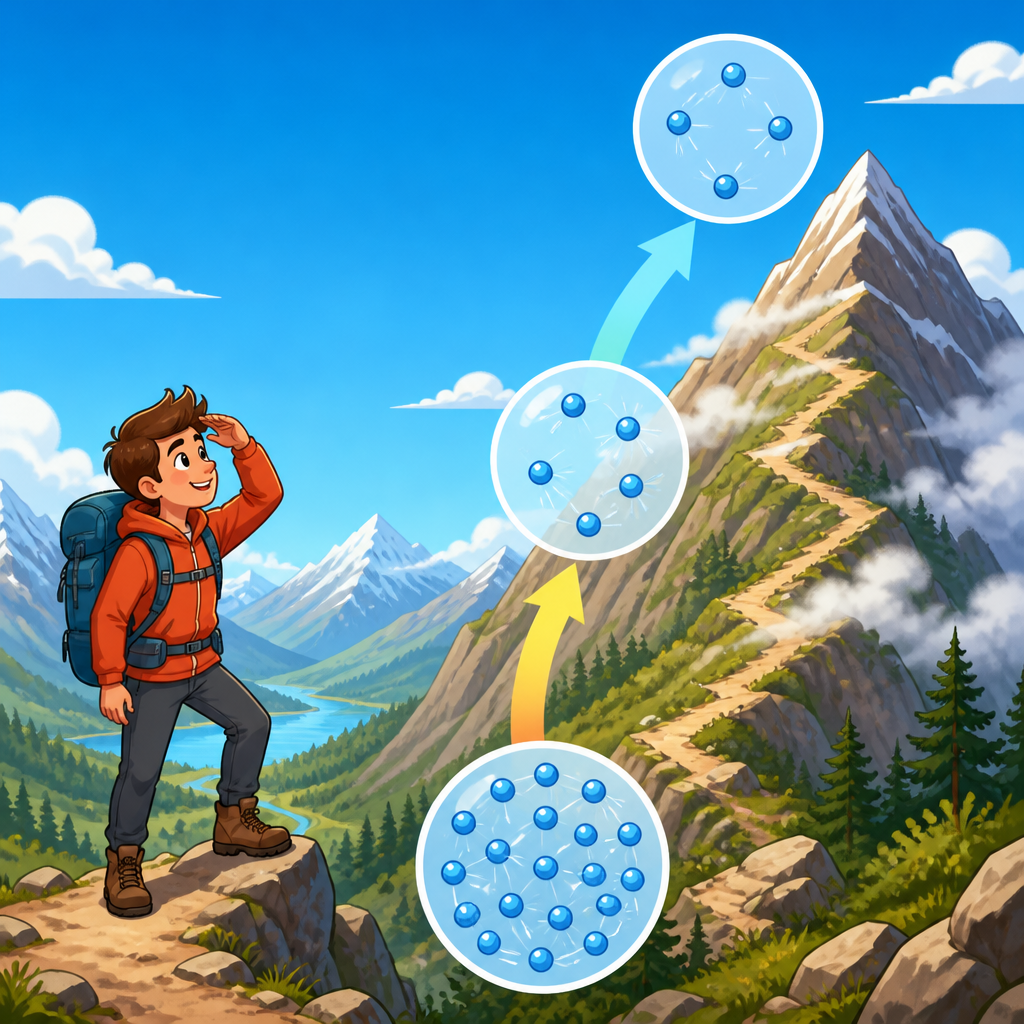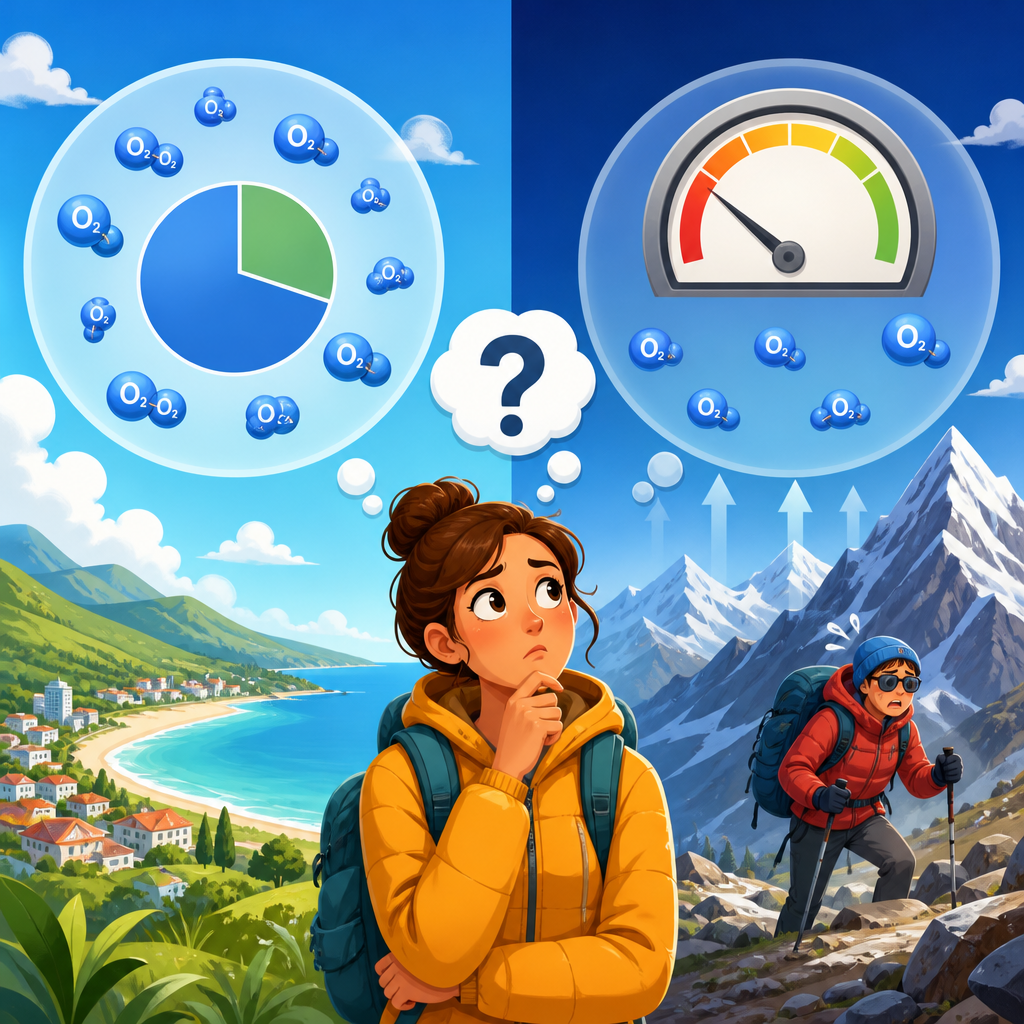
How the body acclimatizes to thinner air over days and weeks is a question that matters to climbers, trekkers, skiers, soldiers, pilots, and the millions of people who live in mountain regions year round. Thinner air means lower barometric pressure, not less oxygen percentage; oxygen still makes up about 21 percent of the atmosphere, but each breath delivers fewer oxygen molecules into the lungs. Acclimatization is the set of short-term and medium-term adjustments that help maintain oxygen delivery when altitude rises faster than evolution can act. I have watched these changes firsthand on staged ascents in the Andes and Himalaya: breathing deepens within minutes, sleep becomes lighter that first night, resting heart rate runs high for several days, and steady walking feels strangely expensive. Understanding this process matters because it explains why some people adapt well, why others develop altitude illness, and why mountain cultures, labor patterns, architecture, and ritual have been shaped by life above sea level for centuries.
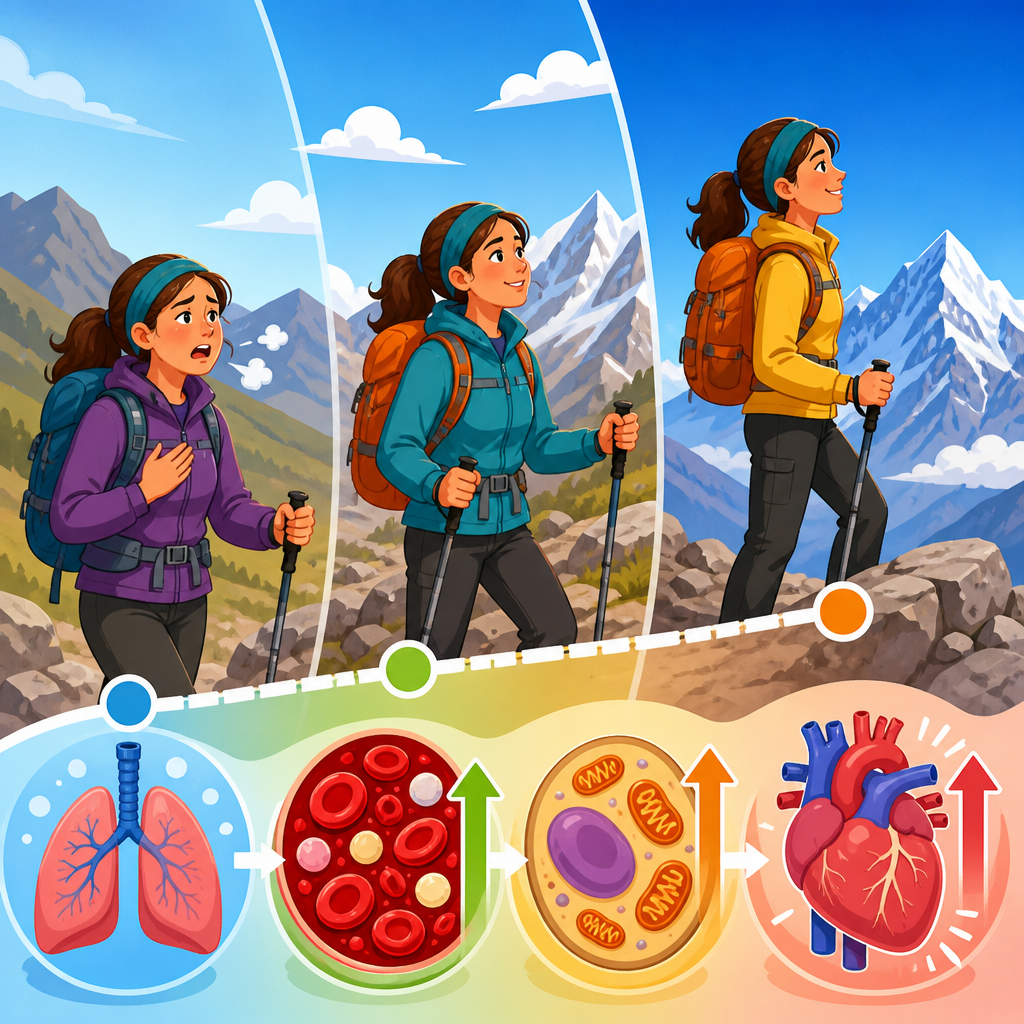
Most altitude discussions start with a useful threshold. Around 1,500 to 2,500 meters, many people notice exercise becoming harder. Above 2,500 meters, the risk of acute mountain sickness rises, especially after rapid ascent. “Days and weeks” is the right time frame because acclimatization is not one event. It unfolds in overlapping phases involving the lungs, blood, kidneys, brain, muscles, and sleep regulation. The first phase is immediate hyperventilation driven by low arterial oxygen. The second includes renal compensation, shifts in plasma volume, and changes in cardiovascular performance. Over subsequent weeks, the body increases red blood cell production, alters tissue oxygen extraction, and adjusts metabolic pathways. These mechanisms interact with age, genetics, hydration, workload, cold exposure, iron status, and previous altitude experience. For a hub article on science and culture, the key point is simple: acclimatization is biological, but altitude is also social. The same low-oxygen environment that changes blood chemistry also shapes festivals, food systems, migration, medicine, and community identity in highland societies.
What changes in the first hours at altitude
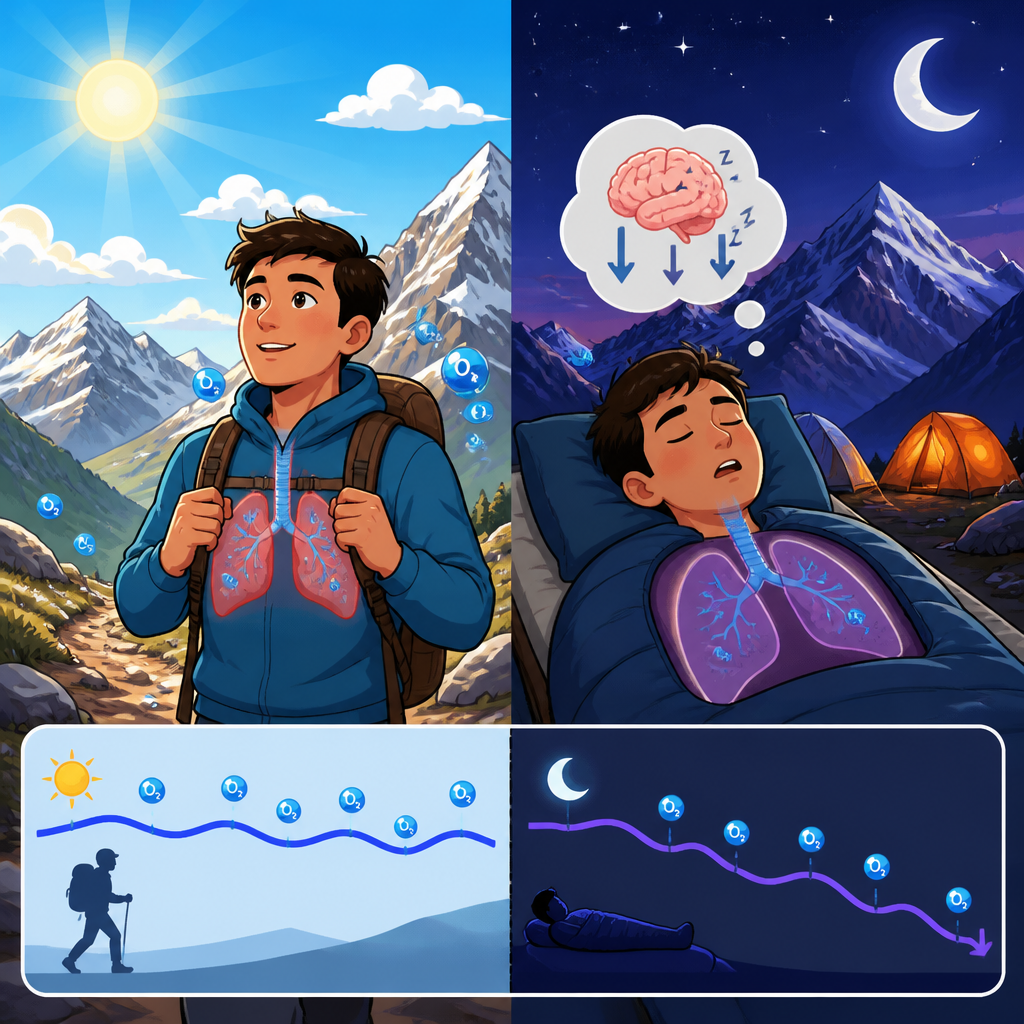
The first response to thinner air begins within minutes at the carotid bodies, small oxygen-sensing organs near the bifurcation of the carotid arteries. As arterial oxygen pressure falls, they stimulate ventilation. In plain terms, you breathe faster and deeper. This raises the amount of oxygen entering the alveoli, but it also blows off carbon dioxide, creating a respiratory alkalosis. That alkalosis initially limits the ventilatory response because the brain’s respiratory centers resist large pH shifts. This is why the first night can feel uneasy: breathing becomes periodic, with brief overbreathing followed by pauses, and sleep is fragmented. On the trail, I usually see the same sequence in groups arriving from sea level to 3,000 meters: elevated resting pulse, dry mouth from increased ventilation, reduced appetite, and a strong sense that easy exertion suddenly requires deliberate pacing.
Cardiovascular changes arrive just as quickly. Heart rate rises to preserve oxygen delivery, and cardiac output increases during the first day or two. Blood pressure may increase modestly because the sympathetic nervous system is activated. At the same time, maximal aerobic capacity falls. A useful rule from exercise physiology is that VO2 max declines progressively with altitude, becoming clearly noticeable above about 1,500 meters and substantial at higher elevations. This does not mean healthy people are in danger during ordinary activity, but it does mean the margin for intense work shrinks. The practical result is slower hiking, more frequent rest stops, and greater dependence on even pacing. These immediate adjustments are helpful, but they are not enough to guarantee safety. If ascent is too fast, the same low oxygen signal that stimulates adaptation can also trigger headache, nausea, dizziness, poor sleep, and dangerous fluid leakage into the brain or lungs.
How acclimatization develops over several days
By the second and third day, the kidneys begin correcting the respiratory alkalosis by excreting bicarbonate. This renal compensation is a central step in acclimatization because it permits sustained hyperventilation without such a strong pH penalty. Once that happens, oxygenation improves relative to the first day, even though the person remains at the same altitude. Another important change is contraction of plasma volume. You lose water through dry air, increased breathing, and a mild altitude diuresis, so the liquid portion of blood decreases. Hemoglobin concentration rises partly because the blood becomes more concentrated, not only because new red cells are instantly created. This nuance matters. Many people assume “more red blood cells” explains the first week, but early performance changes are driven more by ventilation, acid-base balance, and plasma volume shifts than by true expansion of red cell mass.
Symptoms often track these mechanisms. Mild acute mountain sickness usually peaks within six to twenty-four hours after arrival and often improves over the next two or three days if ascent stops. Headache remains the defining symptom, typically joined by fatigue, appetite loss, nausea, or lightheadedness. The standard Lake Louise scoring system is commonly used in research and field medicine to classify symptoms. Treatment at this stage is straightforward: stop ascending, rest, hydrate normally, avoid alcohol and heavy exertion, and use acetazolamide when appropriate. Acetazolamide works because it promotes bicarbonate excretion, effectively accelerating the kidney’s compensatory step. In practical expedition medicine, it is one of the most reliable tools for prevention and treatment of uncomplicated acclimatization problems. Ibuprofen can help headache, but it does not correct the underlying physiology. If symptoms worsen at rest, descent becomes the correct intervention, not negotiation.
Performance over these days improves, but not evenly. Submaximal work, such as easy walking, often feels more manageable by day three or four. High-intensity efforts still suffer because oxygen transport remains limited. Sleep may gradually improve, though periodic breathing can persist. Appetite commonly returns more slowly than people expect. I advise teams to prioritize carbohydrate-rich foods during early acclimatization because carbohydrate yields more energy per unit of oxygen than fat, a useful advantage in hypoxic conditions. That is one reason many traditional high-altitude diets emphasize grains, potatoes, barley, and soups that are easy to digest when appetite is blunted. Science and culture meet here: what is practical in low-oxygen, cold environments often becomes tradition, and tradition often persists because it matches physiology remarkably well.
What the body changes over weeks
Over one to several weeks, the hormone erythropoietin, released primarily by the kidneys, stimulates bone marrow to produce more red blood cells. This increases total hemoglobin mass and improves oxygen-carrying capacity. The process depends on adequate iron availability; without iron, the marrow cannot build hemoglobin efficiently, and acclimatization stalls. This is why ferritin status matters for mountaineers and endurance athletes heading to altitude. The blood also becomes more viscous as red cell mass rises, which is beneficial up to a point but can increase strain on the circulation when excessive. Muscle tissue adapts as well. Mitochondrial function, capillary regulation, and enzyme activity shift to support oxygen use under hypoxic stress. Some studies show improved muscle efficiency with acclimatization, although individual responses vary widely and deconditioning during expeditions can obscure the effect.
Weeks at altitude also reveal the limits of acclimatization. Even after substantial adaptation, sea-level performance is not fully restored at high elevations. Above roughly 5,500 meters, long-term residence becomes progressively more difficult for most lowlanders because chronic energy deficit, sleep disruption, muscle loss, and impaired recovery accumulate. This is one reason extreme-altitude mountaineering relies on staged rotation: climb high, descend to recover, then return after more adaptation. The “climb high, sleep low” principle works because exposure to higher sleeping or working elevations stimulates adaptation, while lower sleep altitude reduces physiological strain. When used sensibly, staged ascent schedules are more effective than trying to force adaptation through toughness alone. The body responds to dose and time, not bravado.
| Time at altitude | Main physiological changes | What people usually notice |
|---|---|---|
| Minutes to hours | Hyperventilation, increased heart rate, sympathetic activation, lower carbon dioxide | Breathlessness, dry mouth, faster pulse, poor sleep, reduced exercise tolerance |
| 2 to 5 days | Kidneys excrete bicarbonate, plasma volume falls, ventilation becomes more sustainable | Headache may improve, easy walking feels better, appetite slowly returns |
| 1 to 3 weeks | Erythropoietin rises, red cell mass increases, tissue oxygen use becomes more efficient | Better stamina for moderate work, but hard efforts still feel limited |
| Beyond several weeks | Partial stabilization with persistent altitude-specific constraints | Functional adaptation, not full sea-level capacity, especially at very high altitude |
Why some people acclimatize well and others struggle
Individual variation is one of the most important facts in altitude medicine. Fitness does not guarantee protection. I have seen strong endurance athletes develop severe headaches at 2,800 meters while less trained companions remained comfortable. The best predictor of future altitude tolerance is previous altitude tolerance under similar conditions. Genetics also matters. Populations with long high-altitude histories show distinct adaptive patterns. Tibetans tend to have strong ventilatory responses and relatively lower hemoglobin concentrations compared with acclimatized lowlanders, linked in part to variants in genes such as EPAS1 and EGLN1. Andean highlanders often show higher hemoglobin levels, while some Ethiopian highland populations demonstrate yet another pattern. These examples are important because they show there is no single human solution to hypoxia.
Age, illness, and medication can modify risk. Respiratory infections make acclimatization harder because ventilation is already compromised. Iron deficiency impairs erythropoiesis. Dehydration worsens fatigue and thickens blood, but overhydration is not helpful either and can contribute to hyponatremia. Alcohol and sedatives blunt ventilation and often worsen sleep quality. Pregnancy, cardiovascular disease, obstructive sleep apnea, and chronic lung disease require individualized medical planning before altitude travel. Cultural knowledge in mountain communities often reflects generations of observation about these vulnerabilities. Rest days, conservative pacing, warm evening meals, and respect for weather shifts are not quaint habits; they are risk-management strategies encoded into routine life.
Culture, community, and living with chronic altitude
High-altitude communities do more than survive thin air; they organize life around it. Settlement patterns favor sun exposure, shelter from wind, access to water, and manageable walking gradients. Agricultural calendars track short growing seasons and frost risk, leading to crop choices such as potatoes in the Andes and barley in Tibet and Ladakh. Animal husbandry reflects the same ecological logic, with yak, llama, and alpaca supporting transport, wool, and food where mechanized systems are limited. Homes traditionally use thick walls, compact forms, and shared heating strategies because cold and hypoxia together raise energy demands. Festivals and religious practices often align with seasonal movement, harvest cycles, and mountain weather windows. In my fieldwork conversations, residents rarely separate physiology from livelihood; altitude is not a laboratory variable but the backdrop of work, ancestry, and belonging.
Chronic high-altitude residence also has health tradeoffs. Infants and newcomers may face growth constraints or sleep-disordered breathing. Some long-term residents develop chronic mountain sickness, also called Monge disease, characterized by excessive red blood cell production, headache, cyanosis, sleep disturbance, and reduced exercise tolerance. It is more common in some Andean populations and at higher elevations, and treatment may include descent, oxygen, or phlebotomy in selected cases. Public health planning in mountain regions therefore has to integrate transport access, maternal care, cardiopulmonary screening, and culturally credible education. For readers using this page as a hub, that wider perspective is essential: the science of acclimatization explains daily symptoms, but the culture of altitude explains how societies convert biological constraint into stable, meaningful ways of life.
Best practices for gaining altitude safely
The most reliable prevention strategy is gradual ascent. Above 3,000 meters, standard travel medicine guidance recommends increasing sleeping altitude slowly and adding rest days during multi-day climbs or treks. Hydrate to thirst, eat regularly, keep effort easy on arrival days, and monitor for headache plus any combination of nausea, fatigue, dizziness, or poor coordination. Acetazolamide is useful for prevention in higher-risk itineraries, while dexamethasone and nifedipine have more specific roles under medical guidance for severe brain or lung complications. Pulse oximeters can be informative, but they should never overrule symptoms because readings vary with device quality, cold hands, and baseline differences. If confusion, ataxia, breathlessness at rest, or worsening cough appears, descend immediately. The core lesson is consistent across expedition medicine, mountain cultures, and decades of research: respect time. Acclimatization works when exposure rises in stages, when warning signs are acted on early, and when the goal is adaptation rather than denial. If you are planning travel or researching mountain life, use this hub to explore the linked science and culture topics in greater depth.
Frequently Asked Questions
What does “thinner air” actually mean, and why is it harder to get enough oxygen at altitude?
“Thinner air” does not mean the air suddenly contains much less oxygen by percentage. Oxygen still makes up roughly 21 percent of the atmosphere at altitude, just as it does at sea level. The key difference is barometric pressure. As elevation increases, total air pressure drops, so every breath contains fewer oxygen molecules. That lowers the partial pressure of oxygen, which is the driving force that moves oxygen from the lungs into the blood.
In practical terms, your lungs can still fill normally, but each breath is less effective at loading oxygen into the bloodstream. That is why people often notice shortness of breath, faster breathing, quicker fatigue, disturbed sleep, and reduced exercise performance soon after ascent. The body interprets this as a mild oxygen shortage and immediately starts compensating. Those compensations are what we call acclimatization: a sequence of responses over hours, days, and weeks that helps preserve oxygen delivery to the brain, muscles, and other tissues despite lower oxygen availability.
What happens in the body during the first hours and first few days at high altitude?
The earliest response is increased breathing. Within minutes to hours of arriving at altitude, sensors in the body detect lower blood oxygen levels and stimulate ventilation. You breathe faster and often a bit deeper, which helps bring in more oxygen. That response is useful, but it also causes you to exhale more carbon dioxide than usual. Because carbon dioxide helps regulate blood acidity, this shift can make the blood temporarily more alkaline, which is one reason people may feel strange, lightheaded, or have trouble sleeping at first.
Over the next one to three days, the kidneys begin adjusting for that change in blood chemistry by excreting more bicarbonate. This helps restore acid-base balance and allows the higher breathing rate to continue more comfortably and effectively. At the same time, heart rate typically rises, especially during activity, so blood circulates oxygen more quickly. Plasma volume, the liquid part of blood, often falls somewhat because of fluid shifts and increased water loss through breathing and urination. This can make the blood more concentrated and slightly improve oxygen-carrying efficiency, although it can also contribute to dehydration if fluid intake is neglected.
During these first days, physical performance is still usually reduced. Even fit people tire sooner because the body is still adjusting and muscles are receiving less oxygen than they are used to. That is why gradual ascent, conservative pacing, and adequate rest are so important. The body begins helping right away, but the first phase of acclimatization is incomplete and fragile, which is why symptoms of altitude illness are most likely during this period.
How does acclimatization continue over days and weeks, and what changes help people function better?
After the first few days, the body moves into a deeper phase of acclimatization. Breathing remains elevated, but it becomes more sustainable as kidney compensation continues. Oxygen levels in the blood often improve compared with the first day, even though they may not return to sea-level values. Many people notice that resting feels easier, sleep slowly improves, headaches lessen, and walking or climbing at a moderate pace becomes more manageable.
Over one to several weeks, the body increases production of erythropoietin, a hormone made mainly by the kidneys that stimulates red blood cell production. Red blood cells contain hemoglobin, the protein that carries oxygen. As red blood cell mass increases, the blood can transport more oxygen per unit volume. This is one of the better-known altitude adaptations, but it is not the first change and not the whole story. Tissue-level adjustments also occur. Cells can alter enzyme activity, capillary function, and how efficiently they use oxygen, helping muscles and organs operate better in lower-oxygen conditions.
Even with successful acclimatization, performance at high altitude usually remains below sea-level potential, especially during intense exercise. Acclimatization improves tolerance; it does not fully erase the limits imposed by reduced oxygen pressure. The degree of improvement depends on altitude reached, rate of ascent, individual biology, hydration, nutrition, recent altitude exposure, sleep quality, and whether the person develops any form of altitude illness along the way.
How long does it take to acclimatize, and can someone ever become completely adapted to very high altitude?
Some acclimatization begins within hours, meaningful improvement often occurs over several days, and more substantial adaptation can continue for weeks. A common real-world pattern is that the first 24 to 72 hours are the most uncomfortable, the next several days bring noticeable improvement, and one to three weeks can produce further gains in comfort and function. However, there is no single timeline that fits everyone, because altitude, activity level, and individual susceptibility make a major difference.
It is also important to separate acclimatization from permanent or population-level adaptation. Someone traveling from low elevation to the mountains can acclimatize, but there are limits. At very high elevations, the body may function better than it did on day one, yet still remain under significant physiological strain. People who have ancestral roots in high-altitude regions, such as parts of the Andes, Himalayas, and Ethiopian Highlands, may show longer-term genetic adaptations that go beyond what a short-term visitor can achieve in days or weeks.
So yes, the body can become significantly more capable at altitude, but no, that does not mean every altitude can be “mastered” simply by waiting. The higher the elevation, the more limited acclimatization becomes. This is why mountaineers often say that acclimatization helps you cope with altitude, but does not make you immune to it.
What are the signs that acclimatization is not going well, and when should someone be concerned?
Mild symptoms such as headache, poor sleep, reduced appetite, unusual fatigue, and shortness of breath with exertion are common during early exposure to altitude. These may improve with rest, hydration, a slower ascent, and time. The concern arises when symptoms become more intense, persist despite rest, or begin interfering with normal function. A worsening headache, repeated vomiting, marked weakness, dizziness, difficulty walking straight, confusion, or unusual breathlessness at rest should never be ignored.
These warning signs can indicate altitude illness rather than normal acclimatization. Acute mountain sickness is the most common early problem, but more serious forms include high-altitude cerebral edema, which affects the brain, and high-altitude pulmonary edema, which affects the lungs. These conditions can become life-threatening. Red flags include clumsiness, altered mental status, severe lethargy, chest tightness, persistent cough, and breathlessness that seems disproportionate or appears even while resting. Blue lips, crackling breath sounds, or inability to keep up with basic movement are especially concerning.
The rule of thumb is simple: symptoms that are worsening, not improving, mean acclimatization is failing. In that situation, continuing upward is dangerous. Rest, stop ascent, and descend if symptoms are moderate to severe or progressive. Medical evaluation is important when serious symptoms appear. Acclimatization is a helpful biological process, but it has limits, and respecting those limits is one of the most important safety principles in any high-altitude environment.