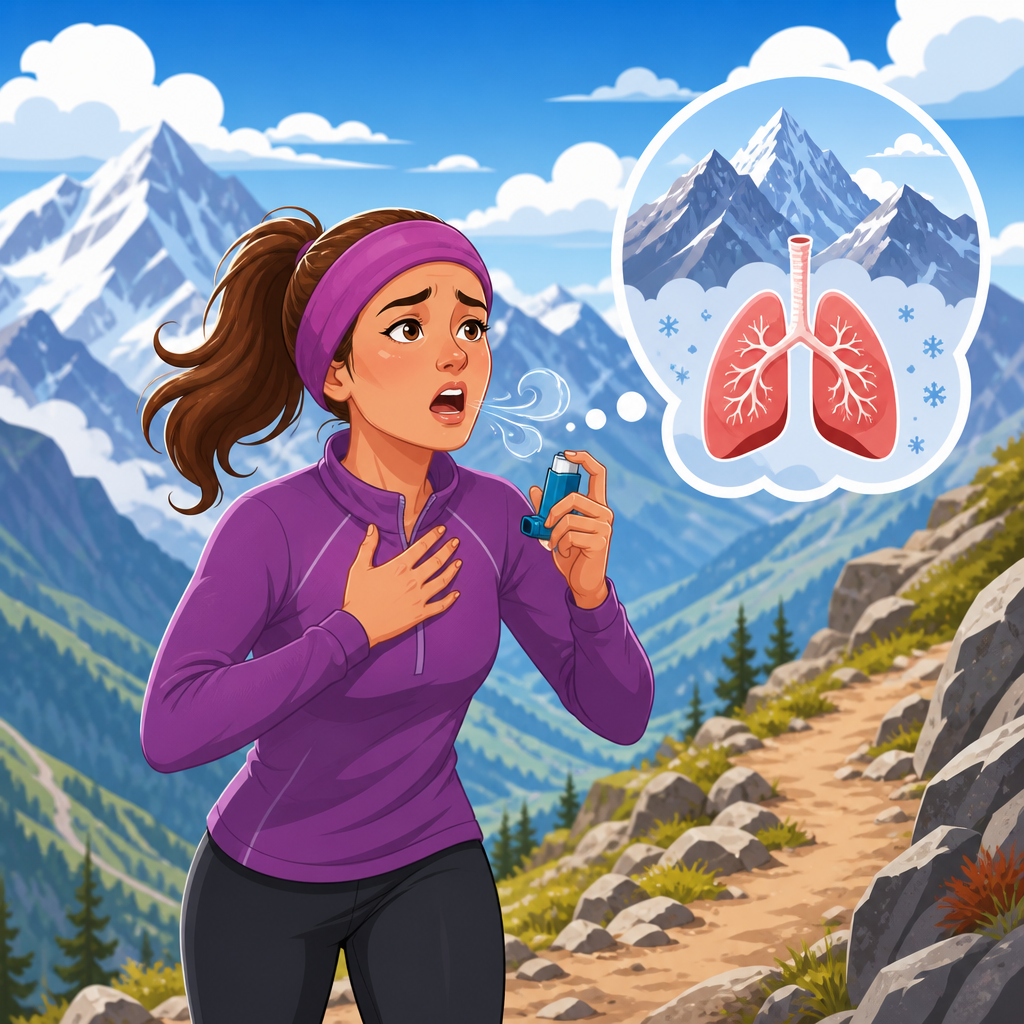
When a stable chronic condition becomes a higher-altitude problem, the issue is rarely the mountain itself. The real challenge is the interaction between lower oxygen pressure, colder air, dehydration, disrupted routines, limited medical access, and a body that already relies on careful balance. In pre-trip medical planning, a stable chronic condition means an illness that is well controlled at baseline, with predictable symptoms, medications, and follow-up. Higher altitude generally begins to affect many travelers above 1,500 to 2,500 meters, and risks rise further with rapid ascent, strenuous activity, sleep disruption, and remote itineraries. I have helped travelers prepare for trips like this, and the pattern is consistent: people do best when they plan before they book. This hub explains how to assess risk, what questions to answer before departure, which records and medications to organize, and when a specialist review is essential. It also connects the major condition groups that matter most in mountain travel: respiratory disease, heart disease, metabolic conditions, sleep-related breathing problems, clotting risk, and immune-suppressing illnesses. Good preparation does not eliminate uncertainty, but it reduces preventable setbacks, clarifies red flags, and makes altitude travel safer and more realistic.
Why altitude changes the rules for chronic illness
Altitude reduces the partial pressure of inspired oxygen, so every breath delivers less oxygen to the bloodstream than it would at sea level. The body compensates by breathing faster, increasing heart rate, shifting fluid balance, and changing sleep patterns. Those normal responses can expose weak points in a chronic condition that looks stable at home. A traveler with controlled asthma may react to cold dry air. Someone with coronary artery disease may tolerate daily life well but develop symptoms when exertion and hypoxia raise cardiac workload. A person with diabetes may face erratic glucose control because appetite, activity, and routine all change at once.
This is why pre-trip medical planning matters. It is a structured process of confirming baseline stability, estimating altitude-specific risk, adjusting treatment logistics, and creating an action plan for deterioration. It should start weeks, not days, before departure. The hub approach is useful because no single checklist fits everyone. A trekking itinerary in Peru, a ski holiday in Colorado, and a pilgrimage route in Nepal involve different ascent profiles, transport times, medical access, and exertion demands. The same condition may be acceptable on one trip and a poor fit for another.
Three practical variables drive most decisions. First is the person: diagnosis, severity, recent exacerbations, exercise tolerance, oxygen needs, and other illnesses. Second is the itinerary: sleeping altitude, maximum altitude, rate of ascent, remoteness, and evacuation options. Third is the support system: medication supply, travel companions, insurance, and access to communication. When those variables are reviewed together, risk becomes clearer and decisions become more defensible.
Start with a baseline health review before booking
The best time to review a chronic condition is before the trip is financially or emotionally locked in. I advise travelers to think in terms of current control, recent instability, and reserve capacity. Current control means symptoms are acceptable, medicines are taken correctly, and routine measurements such as blood pressure, oxygen saturation, peak flow, glucose logs, or weight trends are not drifting in the wrong direction. Recent instability includes emergency visits, steroid bursts, chest infections, arrhythmia episodes, heart failure flare-ups, clotting events, or medication changes in the past weeks or months. Reserve capacity means how much strain the body can handle when walking uphill, sleeping poorly, carrying luggage, or missing a meal.
A simple but important question is whether the condition would already limit a low-altitude trip. If the answer is yes, altitude usually magnifies that concern. Baseline review should also identify comorbidities that increase risk more than travelers expect. Obesity, obstructive sleep apnea, anemia, chronic kidney disease, frailty, and anxiety disorders frequently complicate altitude plans because they affect oxygenation, acclimatization, exertion, or treatment reliability. Pregnancy, recent surgery, and recent hospitalization deserve special review as well.
This is also the point to verify vaccinations, routine preventive care, and destination-specific issues such as air quality, pollen seasons, wildfire smoke, or infection exposure. A stable condition can destabilize quickly when altitude stress overlaps with influenza, gastroenteritis, or bronchitis. Pre-trip medical planning works best when the traveler is entering the trip from the strongest possible baseline, not merely an acceptable one.
Match the condition to the itinerary and sleeping altitude
Travelers often focus on the highest point of the trip, but sleeping altitude is usually more important because it determines sustained hypoxic exposure. A day visit to a pass at 4,000 meters is very different from sleeping there for several nights. Rate of ascent matters just as much. Flying from sea level to Cusco or Lhasa compresses acclimatization time, while a staged road approach allows the body to adapt more gradually. Remote lodges, expedition camps, and trekking routes increase consequences because evaluation, oxygen, imaging, and evacuation may be limited or delayed.
In practical planning, map the itinerary in detail: departure elevation, arrival elevation, each sleeping altitude, rest days, expected exertion, transport method, and nearest dependable medical facility. Then compare that map with the condition profile. A person with chronic obstructive pulmonary disease may tolerate a ski resort with road access and supplemental oxygen arrangements but struggle on a multi-day trek without electricity for concentrators. A traveler with stable angina may do well on a moderate itinerary with porters and slow ascent but not on a fast summit push. If a plan only works when everything goes perfectly, it is not a strong plan.
| Condition group | Main altitude concern | Pre-trip priority | Example adjustment |
|---|---|---|---|
| Asthma or COPD | Lower oxygen, cold dry air, infection triggers | Assess control, inhaler technique, oxygen needs | Add spacer, carry rescue inhaler on body, confirm backup power for devices |
| Coronary disease or heart failure | Higher cardiac workload, exertional symptoms, fluid shifts | Review exercise tolerance and recent stability | Choose slower ascent and lower sleeping altitude |
| Diabetes | Variable intake, exercise, dehydration, device reliability | Plan glucose monitoring and medication timing | Carry duplicate meters and protect insulin from freezing |
| Sleep apnea | Nocturnal desaturation and fragmented sleep | Confirm treatment access and device logistics | Arrange battery support for CPAP at remote lodges |
| Clotting risk | Long travel days, dehydration, reduced mobility | Review anticoagulation and compression strategy | Plan movement breaks and medication transport carefully |
Condition-specific questions that should guide referral decisions
This hub sits within respiratory, cardio, and chronic conditions because these groups account for many altitude-related planning failures. Respiratory disease deserves close attention to baseline symptoms, spirometry history, exacerbation frequency, smoking status, and any need for home oxygen. Some travelers benefit from formal hypoxic challenge testing, particularly when baseline oxygenation is borderline or previous altitude symptoms were significant. Heart conditions require clarity on diagnosis, functional class, ischemia history, arrhythmias, implanted devices, valvular disease, and blood pressure control. A recent stress test or cardiology review may be appropriate when symptoms are unclear or exertion demands are high.
Metabolic and endocrine conditions need equal care. Diabetes planning should address insulin dose flexibility, carbohydrate access, ketone testing for type 1 diabetes, and sensor or pump performance in cold conditions. Thyroid disease is usually less of a direct altitude issue unless poorly controlled, but medication continuity still matters. Chronic kidney disease raises concerns about fluid balance, electrolyte disturbances, and drug dosing. Neurologic conditions, autoimmune diseases, and conditions treated with immunosuppressants belong in the conversation because infection risk, fatigue, and medication storage can shape itinerary safety.
Referral thresholds should be low when there has been a recent hospitalization, need for urgent care, unexplained exercise limitation, syncope, significant desaturation, unstable medication requirements, or any history suggesting the condition is only superficially stable. A specialist is also useful when the trip includes very high altitude, remote evacuation barriers, or technical climbing where descent may be delayed. The purpose of referral is not to stop travel reflexively. It is to convert uncertainty into a realistic plan.
Medication, devices, documents, and contingency planning
Most altitude travel problems in chronic illness are logistical before they are biological. Medication planning should include enough supply for the full trip plus a buffer for delays, ideally split between carry-on bags and a companion if appropriate. Original labeled packaging is helpful for border checks and emergency care. Time-zone changes may affect dosing schedules for insulin, anticoagulants, antianginals, steroids, and some blood pressure medicines. Travelers should know generic names, doses, indications, and what to do after a missed dose. That information belongs on paper as well as in a phone.
Devices need equal scrutiny. Check inhaler counters, spacer condition, glucometer strips, lancets, sensor adhesives, CPAP masks, hearing aid batteries, portable nebulizers, and charging systems. Cold temperatures can drain batteries, freeze insulin, stiffen tubing, and degrade adhesives. Oxygen users must confirm airline policies, concentrator approval, power compatibility, and destination oxygen availability well in advance. If the trip is remote, the traveler needs a clear answer to one hard question: what happens if the primary device fails?
Documents should include a concise medical summary, recent clinic letters if relevant, ECG or device card when applicable, prescription copies, allergy list, insurance certificate, and emergency contacts. A strong contingency plan names triggers for rest, medication adjustment, medical review, and descent. It also identifies who in the group knows the plan. Travelers commonly underestimate how difficult decision-making becomes when they are hypoxic, tired, or emotionally invested in continuing upward. Written thresholds reduce risky improvisation.
How to plan for symptoms, red flags, and safe decision points
Altitude symptoms overlap with chronic disease symptoms, and that is exactly why pre-trip planning must define red flags in advance. Headache, fatigue, poor sleep, nausea, and reduced appetite may reflect normal acclimatization problems, but shortness of breath at rest, chest pressure, new confusion, inability to keep pace at an easy effort, cyanosis, severe cough, worsening wheeze, fainting, or rapidly falling oxygen saturation are not routine. The safest rule is simple: symptoms that are new, disproportionate, progressive, or present at rest deserve immediate reassessment.
For many travelers, the practical decision points are stop, treat, observe, or descend. Stop means no further ascent until symptoms are explained. Treat means use the agreed rescue plan, such as bronchodilator therapy, glucose correction, hydration, or physician-directed medication. Observe means reassess after rest only if symptoms are mild and clearly improving. Descend means do not wait for perfect diagnostic certainty when serious altitude illness or decompensation is possible. In mountain medicine, descent is treatment, not failure.
Travelers should also agree on communication and monitoring methods. That may include symptom check-ins each evening, exertion pacing using talk test or heart-rate zones, pulse oximetry trends interpreted cautiously, and a buddy system for noticing cognitive changes. Pulse oximeters are useful but limited; readings vary with cold fingers, motion, and device quality, and there is no single safe number that overrules the clinical picture. Trends and symptoms together are more informative than isolated readings.
Pre-trip medical planning is the difference between hoping a stable chronic condition stays quiet and knowing how to manage it if altitude changes the picture. The strongest plans start early, review baseline control honestly, match the condition to the exact itinerary, and involve specialist input when recent instability or high-risk features exist. They also cover the practical details that most often cause trouble: medication supply, device reliability, insurance, written records, and a descent-centered action plan. For a hub page, the central message is straightforward. Stability at home does not automatically predict stability at altitude, but thoughtful planning often turns uncertainty into a manageable risk. Use this page as your starting point, then move into the linked condition-specific guidance for respiratory disease, cardiac disease, diabetes, sleep-related breathing disorders, clotting risk, and immune-related conditions. Before you finalize any high-altitude trip, schedule a focused medical review and build a plan that is as detailed as your itinerary.
Frequently Asked Questions
What does it mean for a stable chronic condition to become a problem at higher altitude?
A stable chronic condition can become more difficult at higher altitude because the environment changes several things at once. Oxygen pressure drops as elevation increases, so the body has to work harder to deliver oxygen to tissues. Air also tends to be colder and drier, which increases fluid loss through breathing and can irritate the lungs. Travel itself can disrupt sleep, meals, medication timing, and normal activity patterns. For someone whose condition is usually well controlled, that combination can push a carefully balanced routine out of its usual range.
In practical terms, the altitude is often not the only issue. A person with heart disease may tolerate daily life well at home but notice more shortness of breath when climbing stairs or carrying gear at elevation. Someone with asthma may react to cold, dry air even if their symptoms are normally infrequent. A traveler with diabetes may find that appetite changes, exertion, and irregular schedules make glucose management less predictable. The concern is not simply being “sick at altitude,” but rather that normal physiologic stress can uncover vulnerabilities that are easy to manage at sea level and harder to manage in a remote setting.
That is why pre-trip planning matters so much. A condition is considered stable when symptoms are predictable, treatment is working, and follow-up is routine. But stability at baseline does not guarantee stability in a thinner, colder, drier environment with less immediate medical support. The goal is to understand how altitude may interact with the condition, identify warning signs early, and build a plan that keeps a manageable problem from becoming an urgent one.
Which chronic health conditions are most likely to be affected by higher altitude?
Conditions involving the heart, lungs, blood oxygen, hydration, and metabolism are among the most likely to be affected. Chronic obstructive pulmonary disease, asthma, sleep apnea, coronary artery disease, heart failure, pulmonary hypertension, and some rhythm disorders deserve special attention because reduced oxygen availability can increase symptoms or strain the body’s usual compensation mechanisms. Blood disorders that affect oxygen delivery, such as certain forms of anemia or sickle cell disease, may also become more problematic as elevation rises.
Metabolic and endocrine conditions can be affected as well. Diabetes is a common example. Changes in eating patterns, physical exertion, delayed digestion, dehydration, and disrupted sleep can make blood sugar harder to predict. Kidney disease can also be more challenging because fluid balance becomes more important, and some travelers may be more sensitive to dehydration or medication-related shifts in electrolytes. Neurologic conditions, including seizure disorders and migraine, may be influenced indirectly by sleep loss, missed medication doses, or dehydration rather than altitude alone.
Even conditions that seem unrelated to oxygen can be affected by the realities of travel. Autoimmune disease, chronic pain disorders, and gastrointestinal conditions may flare when routines change or medications are hard to store, time, or tolerate. The important point is not to assume that only severe illnesses matter. A well-controlled chronic condition can still create difficulties if altitude, exertion, weather, and limited access to care all combine at once. The best approach is individualized review with a clinician who understands the diagnosis, current stability, and the specific trip profile, including maximum altitude, rate of ascent, remoteness, temperature, and planned activity.
How should someone prepare before traveling to higher altitude if they have a stable chronic condition?
Preparation should begin with a medical review well before departure, ideally several weeks in advance for domestic travel and even earlier for remote or international trips. The main questions are whether the condition is truly stable, whether medications are optimized, and whether the traveler has enough reserve to handle lower oxygen pressure and increased exertion. This visit is also the time to discuss the itinerary in detail, including sleeping elevation, highest planned altitude, speed of ascent, hiking intensity, access to roads or clinics, and whether supplemental oxygen or descent would be realistically available if needed.
Medication planning is a major part of safe travel. Travelers should carry more medication than they expect to use, ideally in original labeled containers, and pack it in carry-on luggage rather than checked bags. Timing matters too. People who rely on strict schedules for insulin, inhalers, heart medicines, seizure medicines, or steroid replacement need a clear plan for time zone changes and long travel days. They should also know which symptoms require rescue treatment, which require rest and observation, and which require immediate descent or urgent medical evaluation. If a device is involved, such as a CPAP machine, glucose monitor, portable nebulizer, or oxygen concentrator, battery life, power access, and cold-weather performance all need to be considered.
Preparation should also include a written summary of diagnoses, medications, allergies, recent test results if relevant, and the treating clinician’s contact information. Travelers benefit from learning the difference between symptoms of their underlying condition and symptoms of altitude illness, because the two can overlap. A simple plan for hydration, gradual ascent, warm layered clothing, regular food intake, and built-in rest days can reduce preventable stress on the body. In many cases, the safest choice is not to avoid altitude entirely, but to approach it with realistic pacing, strong preparation, and a low threshold to slow down if symptoms change.
How can someone tell the difference between altitude illness and a worsening chronic condition?
This can be difficult, because symptoms often overlap. Headache, fatigue, poor sleep, shortness of breath, dizziness, nausea, and reduced exercise tolerance may occur with normal adjustment to altitude, with acute mountain sickness, or with a flare of a chronic medical problem. The pattern matters. Altitude illness often develops after ascent, especially within the first day at a new sleeping altitude, and may improve with rest, hydration, avoiding further ascent, or descent. A worsening chronic condition may resemble the person’s usual flare pattern, but at altitude the distinction is not always obvious.
Context is especially important. If a person with asthma develops cough, wheeze, and chest tightness after exposure to cold, dry air, that may point toward bronchospasm. If a person with heart disease experiences chest pressure, unusual palpitations, or breathlessness out of proportion to effort, that should not be dismissed as “just altitude.” If someone with diabetes develops confusion, shakiness, sweating, or unexpected fatigue, glucose should be checked quickly because low or high blood sugar can imitate other altitude-related problems. New leg swelling, severe persistent shortness of breath at rest, bluish lips, inability to keep up with companions, or confusion are warning signs that deserve urgent attention regardless of the presumed cause.
When there is uncertainty, the safest assumption is that something important may be happening. Rest, stop ascending, assess vital basics if possible, use prescribed rescue treatments, and seek medical help or descend if symptoms are severe, progressive, or not responding as expected. High altitude is not a good setting for wishful thinking. People with chronic conditions should travel with companions who know the warning signs and understand the action plan, because judgment can become impaired when oxygen levels are low or symptoms escalate.
What practical steps reduce the risk of problems at altitude for people with stable chronic illnesses?
The most effective step is gradual ascent. Giving the body time to adapt lowers the physiologic stress that can aggravate chronic conditions. Building in extra nights at intermediate elevations, limiting rapid gains in sleeping altitude, and avoiding very hard exertion on the first day or two can make a meaningful difference. Hydration also matters, not because water prevents altitude illness by itself, but because dehydration can worsen fatigue, headaches, dizziness, kidney strain, blood sugar control, and medication side effects. Regular eating, adequate carbohydrate intake during sustained activity, and realistic pacing are equally important.
Routine protection is another key strategy. Take medications on schedule, use maintenance inhalers or other daily therapies consistently, keep rescue medicines easy to access, and avoid experimenting with unfamiliar routines once already at elevation. Cold management matters more than many travelers expect. Warm clothing, face covering in very cold air, and dry sleeping arrangements can reduce stress on the lungs and cardiovascular system. Good sleep habits help as well, since poor sleep can worsen blood pressure, glucose control, pain, migraines, and daytime fatigue. For some travelers, alcohol and sedating medications can increase risk by worsening dehydration, impairing breathing during sleep, or masking early symptoms.
Finally, every traveler with a chronic condition should have a clear threshold for changing the plan. That might mean taking a rest day, stopping ascent, using rescue medication, arranging local medical review, or descending promptly. The safest altitude strategy is flexible, not stubborn. A stable chronic illness does not automatically prevent mountain travel, but it does require respect for how quickly small problems can become larger ones when oxygen is lower, help is farther away, and the margin for error is thinner.