Estes Park is more than a scenic mountain town on the edge of Rocky Mountain National Park; it is one of the clearest examples of what a national park gateway feels like in physical terms. When travelers ask what to expect physically when you arrive in Estes Park, they usually mean more than whether they will see elk or snow. They want to know how the air feels at 7,522 feet, how the roads climb, how quickly weather shifts, how busy downtown gets, how much walking is involved, and how the body responds after leaving lower elevations. Those details matter because gateway towns shape the first impression of a park trip, and Estes Park sets the pattern for many other national park gateways across the American West.
A national park gateway is a community that provides access, lodging, food, fuel, orientation, and services for visitors entering a nearby protected area. In practice, gateway towns also act as transition zones. You are not fully in backcountry wilderness, but you are no longer in an ordinary highway town either. In Estes Park, that transition is immediate. The terrain tightens into a mountain basin, the road network narrows, storefronts cluster around visitor traffic, and the climate changes noticeably from the Front Range cities below. I have driven into Estes Park in every season, and the physical shift is consistent: thinner air, stronger sun, cooler shade, steeper grades, and a pace shaped by wildlife, weather, and mountain roads.
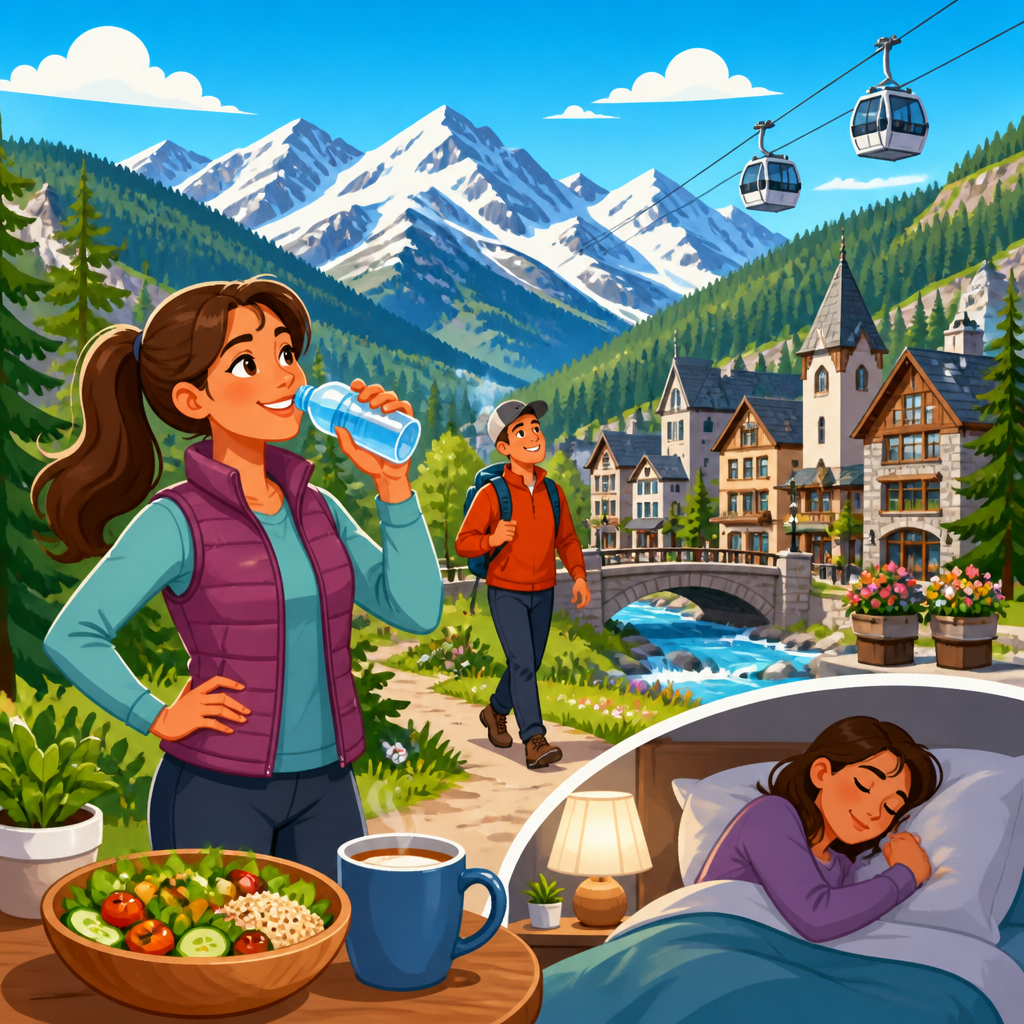
This matters because realistic expectations make trips safer and more enjoyable. Visitors who understand the altitude drink more water, plan gentler first-day activities, and avoid turning a beautiful arrival into a headache or exhaustion. Travelers who expect variable weather pack layers instead of relying on a single jacket. Drivers who know the gateway pattern arrive with a full tank, reserved lodging, and enough patience for congestion near the park entrance. As a hub for national park gateways, Estes Park is useful because nearly every physical factor you will encounter here altitude, access constraints, seasonal crowds, wildlife presence, and rapid environmental change appears in other park-edge towns too. Learn Estes Park well, and you will understand the logic of gateway travel almost anywhere.
Altitude, air, and how your body usually responds
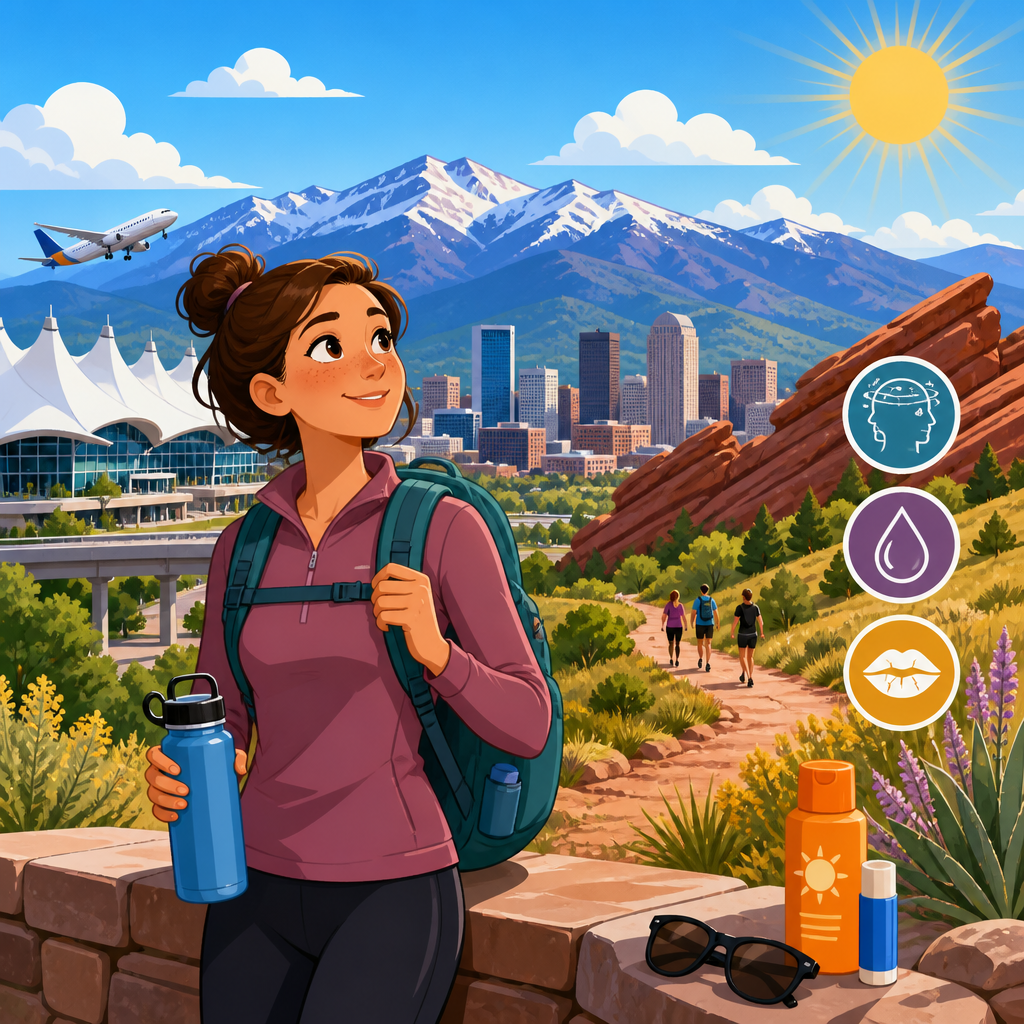
The first physical change most people notice in Estes Park is altitude. At 7,522 feet above sea level, the town sits high enough that oxygen availability is meaningfully lower than in Denver, which is about 5,280 feet, and dramatically lower than sea level. You do not need to be hiking a summit to feel it. Walking upstairs with luggage, carrying coolers into a cabin, or taking a short uphill stroll downtown can leave you breathing harder than expected. Common first-day symptoms include mild headache, dry mouth, fatigue, light dizziness, and a faster heart rate during exertion. These effects are usually temporary, but they are real.
The practical response is simple and effective. Hydrate before and after arrival. Eat regular meals instead of skipping food during the drive. Limit alcohol the first evening, because it can amplify dehydration and sleep disruption at altitude. If you are planning a major hike in Rocky Mountain National Park, make your arrival day lighter than you would at lower elevation. A riverwalk, scenic drive, short lakeside walk, or relaxed afternoon in town is often the right move. Families with young children and travelers overestimating their sea-level fitness are the groups I most often see feeling the strain first.
Air quality generally feels clean and crisp, but it is also dry. Indoor heating in cool months and strong sun in warm months can dry skin, lips, and nasal passages quickly. Bring lip balm, moisturizer, and a water bottle you actually use. If you have asthma, heart disease, or a history of altitude illness, take the change seriously. The Centers for Disease Control and Prevention and wilderness medicine guidance both support gradual exertion and symptom awareness. Severe altitude sickness is uncommon in town, but it can develop rapidly if someone pushes hard immediately or continues higher into the park without adjusting.
Road approach, mountain driving, and the shape of arrival
Physically arriving in Estes Park means navigating roads that signal mountain travel before you even stop the car. Most visitors come via U.S. 36, U.S. 34 through Big Thompson Canyon, or State Highway 7. Each route compresses space in a way lower-elevation travelers feel quickly. Curves tighten, shoulders narrow, grades increase, and sightlines shorten. If you are used to interstate driving, the last stretch into town often feels slower and more demanding, especially at dusk, during rain, or in winter conditions.
The town itself is compact compared with the spread-out approach corridors. That means arrival can change from open-road driving to stop-and-go traffic within minutes. During summer and fall, congestion near downtown, the Beaver Meadows entrance, and key intersections is common. You should expect frequent pedestrian crossings, drivers braking suddenly for parking, and occasional traffic pauses caused by elk near the road. In gateway towns, wildlife is not a distant attraction. It often becomes part of the transportation pattern.
Vehicle readiness matters more here than in ordinary resort destinations. Fuel is available in town, but prices may be higher than on the plains, and stations can be busy at peak hours. In winter, traction is the core issue. Colorado traction and chain laws can apply on approach roads depending on conditions, and shaded sections can hold ice after sunny stretches appear dry. Even in shoulder seasons, nighttime temperatures can drop fast. If you are renting a car, verify tires, all-wheel drive capability if needed, and windshield condition before leaving the airport.
| Physical factor | What you notice on arrival | Best response |
|---|---|---|
| Altitude | Shortness of breath, mild headache, early fatigue | Hydrate, slow down, avoid intense first-day activity |
| Dry climate | Chapped lips, thirst, dry skin | Carry water, use lip balm, moisturize |
| Mountain roads | Tighter curves, slower speeds, more driver fatigue | Allow extra time, stay alert, avoid rushing at dusk |
| Rapid weather shifts | Sun, wind, rain, or snow in the same day | Dress in layers, check forecasts, keep gear in the car |
| Gateway congestion | Parking pressure, queues, heavy pedestrian activity | Arrive early, reserve lodging, use shuttles when available |
Weather, sunlight, and the mountain microclimate
Estes Park weather feels more intense than many first-time visitors expect because several elements combine at once: elevation, exposure, wind, and fast-moving mountain systems. Summer afternoons can begin warm and bright, then turn cool with thunderstorms by midafternoon. Spring can deliver sunshine, mud, and wet snow within the same trip. Fall often feels stable and beautiful, but mornings are cold, frost is common, and storms can arrive earlier than lowland forecasts suggest. Winter brings sharp cold, drifting snow, and bright reflected light that increases glare and sun exposure.
The sun deserves special attention. Ultraviolet intensity increases with elevation, and visitors often underestimate how quickly they burn in the thin, dry air. I have seen travelers arrive comfortable in short sleeves because the thermometer looked mild, then get wind-chilled in shade and sunburned in the same afternoon. Sunscreen, sunglasses, and a brimmed hat are not optional extras here; they are practical gear. The same applies to layers. A base layer, insulating layer, and waterproof shell outperform one heavy jacket because conditions swing throughout the day.
Another physical feature of arrival is sound and wind. Open stretches around Lake Estes and exposed parking areas can feel noticeably breezier than sheltered downtown corners. Wind amplifies cold, especially after sunset. If your first plan is a lakeside walk, picnic, or wildlife stop, bring one more warm layer than you think you need. Gateway towns at elevation regularly punish optimistic packing, and Estes Park is no exception.
Walking, terrain, parking, and everyday movement in town
Many people picture arrival as a simple check-in followed by an easy stroll, but movement in Estes Park involves more exertion than the postcard version suggests. Downtown is walkable, yet not uniformly flat. Sidewalks, riverfront paths, parking lots, stairs, and sloped access points create constant small efforts that add up at altitude. Rolling luggage, carrying shopping bags, lifting children, or moving from a remote parking spot to a restaurant can feel surprisingly strenuous if you arrived that day from lower ground.
Footwear matters because surfaces vary. You may move from paved sidewalks to gravel pullouts, riverside paths, wet grass, or packed snow depending on the season and your lodging. In winter and spring, freeze-thaw cycles create slick patches in shade even when main walkways look clear. Shoes with tread are better than casual flats, and waterproof footwear improves comfort during shoulder seasons. This is especially true if your hub itinerary includes branching into nearby trailheads, scenic overlooks, or lakeshore stops immediately after arrival.
Parking is another physical reality of gateway travel. During high season, central spaces fill quickly, and the practical result is more walking than expected. Some visitors loop repeatedly for a close spot, which adds stress and traffic. It is often better to accept a slightly longer walk and enjoy town on foot. If shuttle service is operating for park access, using it reduces fatigue and removes the problem of crowded trailhead parking inside Rocky Mountain National Park. In gateway planning terms, Estes Park rewards travelers who treat mobility as part of the day’s energy budget.
Wildlife, noise, and the sensory experience of a gateway town
Estes Park feels physically distinct because wild and developed environments overlap so closely. Elk are the signature example. In autumn, during the rut, bugling may echo across open areas near neighborhoods, lodges, and golf course edges. Seeing large animals near roads, sidewalks, and hotel lawns is memorable, but it also changes how you move. Distances that look short can be blocked by a herd. Parking lots can become observation points. A planned morning walk may need a detour because a bull elk has claimed a patch of grass and visitors are crowding too close.
Noise is variable in a way many travelers do not anticipate. Early mornings can be remarkably quiet, with river sound and bird activity dominating. Midday downtown often shifts to traffic, outdoor dining, conversations, and tour movement. Near the river, you may hear water over rock almost continuously, which can make the environment feel cooler and calmer than busier commercial blocks a few minutes away. That contrast is part of the gateway pattern: service density in one cluster, immediate access to natural sensory cues in the next.
Smell and humidity also change perception. Pine, dry earth, wet granite, campfire smoke in season, and cold morning air all register strongly in mountain basins. Compared with many lower-elevation destinations, the atmosphere feels cleaner but less forgiving. Dry noses, scratchy throats, and thirst are common sensory reminders that your body is adjusting even when you feel fine otherwise.
Using Estes Park as a base for Rocky Mountain National Park and other gateways
As a hub for national park gateways, Estes Park shows why these towns are operational bases, not just scenic places to sleep. You can buy groceries, refill fuel, rent gear, consult maps, and reset your plans after weather changes. That support system is the main practical advantage of staying in a gateway rather than deeper inside a park. If a timed entry reservation changes, a child gets tired, or afternoon storms cancel a hike, you have immediate services close by.
The tradeoff is that convenience attracts volume. Estes Park is one of the busiest park-edge communities in the country during peak season because Rocky Mountain National Park receives millions of visits annually. That means reservations matter. Lodging, park access windows, and popular dining times can all tighten at once. The physical expectation should be clear: more people, more waiting, more walking, and more stimulation than a secluded mountain retreat. Yet that same concentration of services makes Estes Park an excellent model for understanding other gateway destinations such as Springdale for Zion, Moab for Arches and Canyonlands, or West Yellowstone for Yellowstone National Park.
If you use Estes Park strategically, arrival becomes easier. Reach town earlier in the day when possible. Unpack, hydrate, and take a short acclimatization walk instead of launching into strenuous activity. Review park access rules, weather, and shuttle options that evening. By treating the gateway as part of the trip rather than a pass-through, you reduce stress and improve performance on every day that follows.
When you arrive in Estes Park, expect a full-body reminder that mountain travel begins before the trailhead. You will feel the altitude in your breathing, the dryness in your skin and throat, the stronger sun on exposed areas, and the slower rhythm imposed by curves, crowds, and wildlife. You will probably walk more than expected, adjust layers more often than planned, and learn quickly that even simple tasks take slightly more effort at 7,500 feet. Those are not inconveniences so much as the physical language of a true national park gateway.
That is why Estes Park works so well as a sub-pillar hub for gateway travel. It contains the essential patterns travelers need to understand before visiting park-edge communities anywhere: transitional geography, service concentration, environmental exposure, limited access corridors, and a body that must adapt. If you prepare for those realities with hydration, layered clothing, patient driving, practical footwear, and a lighter first day, arrival feels manageable and rewarding rather than disorienting.
The main benefit of knowing what to expect physically is simple: you preserve energy for the experiences that brought you here in the first place. Instead of reacting to altitude, weather, or congestion, you can focus on elk in the meadow, alpine views above treeline, and evenings by the river. Use this Estes Park guide as your starting point for exploring national park gateways, then build your trip plan around conditions on the ground, not assumptions from lower elevations. Pack smart, arrive early, and give your body time to catch up with the mountains.
Frequently Asked Questions
What does the altitude in Estes Park feel like when you first arrive?
Estes Park sits at about 7,522 feet above sea level, and many visitors notice the elevation almost immediately. Physically, the air often feels thinner and drier than it does at lower elevations, so even simple activities like carrying luggage, walking uphill from a parking lot, or climbing a short flight of stairs can leave you breathing harder than expected. Some people feel perfectly fine on arrival, while others notice a mild headache, lightheadedness, unusual fatigue, or a slightly faster heartbeat, especially if they came from near sea level and traveled quickly into town.
The biggest adjustment usually comes from reduced oxygen availability, not from anything dramatic in the environment itself. You may look around and see a calm mountain town, but your body is working harder behind the scenes. That is why people often feel winded doing things that would normally seem easy. Alcohol can hit harder at elevation, dehydration can develop faster, and poor sleep the first night is also fairly common. The smartest approach is to take it easy for the first several hours, drink plenty of water, eat normally, avoid overexerting yourself on day one, and give your body a chance to acclimate before attempting long hikes or strenuous activities.
How physically demanding is it to get around Estes Park once you are there?
Most visitors are surprised that getting around Estes Park can involve more walking, elevation change, and stop-and-start movement than they expected. Downtown is very walkable, but “walkable” in a mountain town does not always mean flat or effortless. Sidewalks, riverwalk areas, parking lots, hotel entrances, and shopping districts may involve inclines, uneven pavement, stairs, and longer walks from where you park to where you actually want to go. If you are strolling through downtown, browsing shops, crossing streets, and walking along the river, you may end the day with more physical exertion than you planned for.
Driving also has a different feel compared with lower-elevation towns. Roads curve, climb, and narrow in places, and traffic can be slow during busy seasons. That means you may spend time parking farther away than you hoped, waiting at crosswalks, or walking between restaurants, lodging, and activity areas. Visitors with mobility concerns should plan ahead rather than assuming every stop is right next to the curb. Comfortable shoes, a water bottle, layered clothing, and realistic expectations about pacing make a major difference. Estes Park is accessible for many travelers, but physically it tends to reward people who move a bit more slowly and deliberately.
How quickly can the weather change, and what does that feel like in practical terms?
Weather in Estes Park can shift with surprising speed, and that is one of the most important physical realities to expect when you arrive. A sunny, pleasant morning can turn into a cool, windy afternoon, followed by a sudden rain shower or even a temperature drop that feels sharp if you are underdressed. Because of the elevation and mountain setting, the sun can feel intense when you are standing in direct light, yet the air can become chilly the moment clouds move in or the wind picks up. This contrast catches many visitors off guard.
In practical terms, that means your comfort level can change hour to hour. You may start the day in a T-shirt, then need a fleece or light jacket by afternoon, especially if you are outside for long stretches or heading toward trailheads and overlooks. Skin can dry out quickly, lips can chap, and sun exposure can be stronger than expected even on cool days. Afternoon thunderstorms are also common in the broader mountain environment during certain seasons, so conditions do not always build gradually. Instead of dressing for one temperature, it is better to think in layers: breathable clothing, a warm layer, and some protection from wind or rain. In Estes Park, being physically comfortable often depends less on the forecast and more on how ready you are for sudden change.
How crowded and physically busy does Estes Park feel, especially downtown?
Estes Park can feel quite active, especially during summer, fall color season, weekends, and holiday periods. Physically, that means you should expect fuller sidewalks, busier intersections, heavier vehicle traffic, and more time spent finding parking than you might in a typical small town. The setting is scenic and relaxed in spirit, but during peak travel times the town functions like a major tourism hub. You may find yourself walking farther from parking areas, waiting to cross streets, standing in lines for food or shops, and navigating around other visitors who are doing the same thing.
That busyness can add a layer of fatigue, particularly at altitude. Time spent in the sun, on your feet, and moving through crowded areas can wear you down faster than you expect. If you prefer a calmer physical experience, mornings are often easier, and weekdays can feel less congested than peak weekend periods. It also helps to build extra time into your plans so you are not rushing. Estes Park is not physically overwhelming in the way a large city can be, but it is very possible to underestimate how much energy a full day of parking, walking, waiting, and sightseeing will require. Pacing yourself is one of the simplest ways to enjoy the town more comfortably.
What kind of physical adjustment should your body make during the first day or two in Estes Park?
For many travelers, the first 24 to 48 hours in Estes Park are less about dramatic altitude sickness and more about subtle physical adaptation. You may notice that you get thirsty faster, tire more easily, breathe harder on hills, and recover more slowly after activity. Some people feel a mild headache, dry nasal passages, restless sleep, or a general sense that their body is slightly off rhythm. None of that necessarily means something is wrong; it often means your body is responding normally to higher elevation, drier air, and increased exertion.
The best expectation is that your body may ask for a slower pace than your vacation mindset wants to allow. That is especially true if you arrive and immediately try to hike, drink alcohol, stay out in the sun for hours, or carry on as if you were still at low elevation. To adjust more comfortably, hydrate consistently, eat regular meals, limit alcohol at first, use sunscreen and lip balm, and leave your most strenuous activities for after you have had some time to acclimate. If symptoms become severe, such as persistent vomiting, extreme shortness of breath at rest, confusion, or intense headache that does not improve, that goes beyond normal adjustment and should be taken seriously. For most visitors, though, Estes Park feels physically manageable once they respect the altitude, the dryness, and the need to ease into mountain pace.