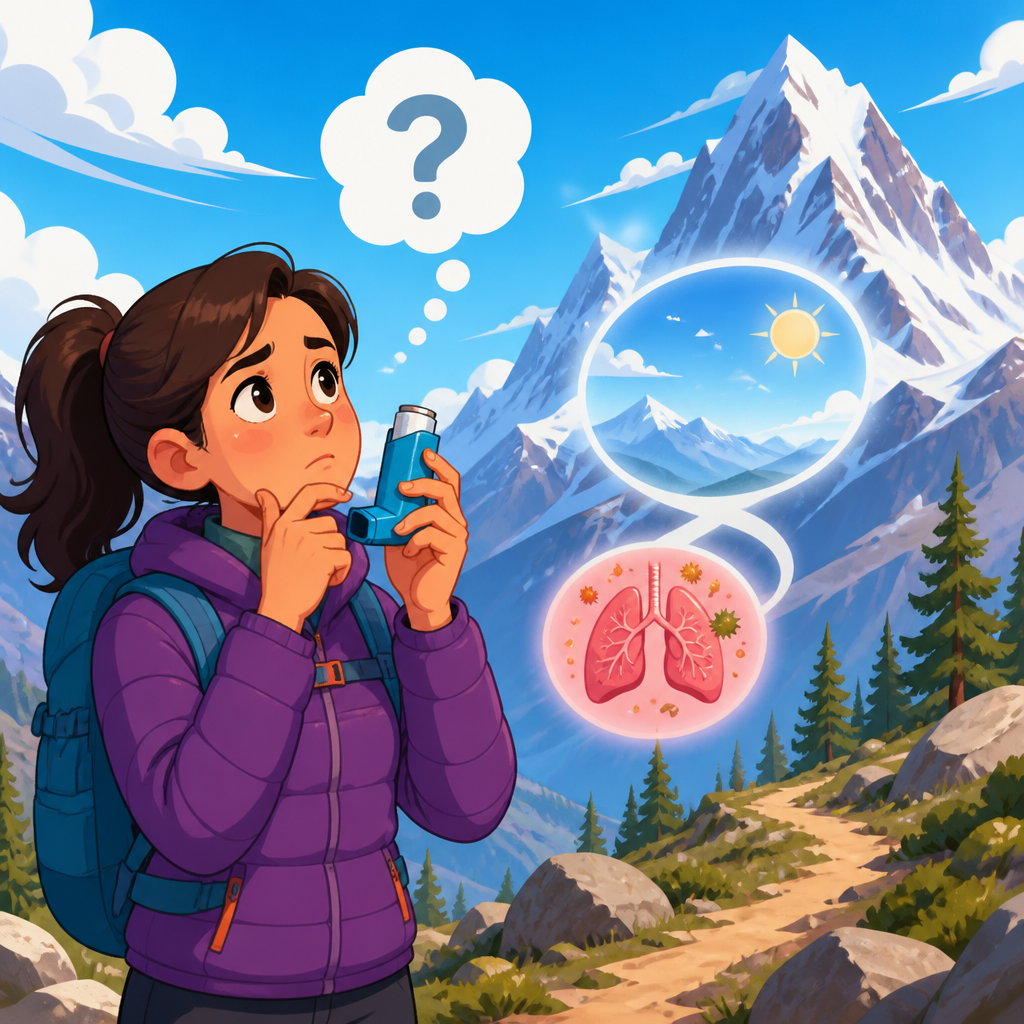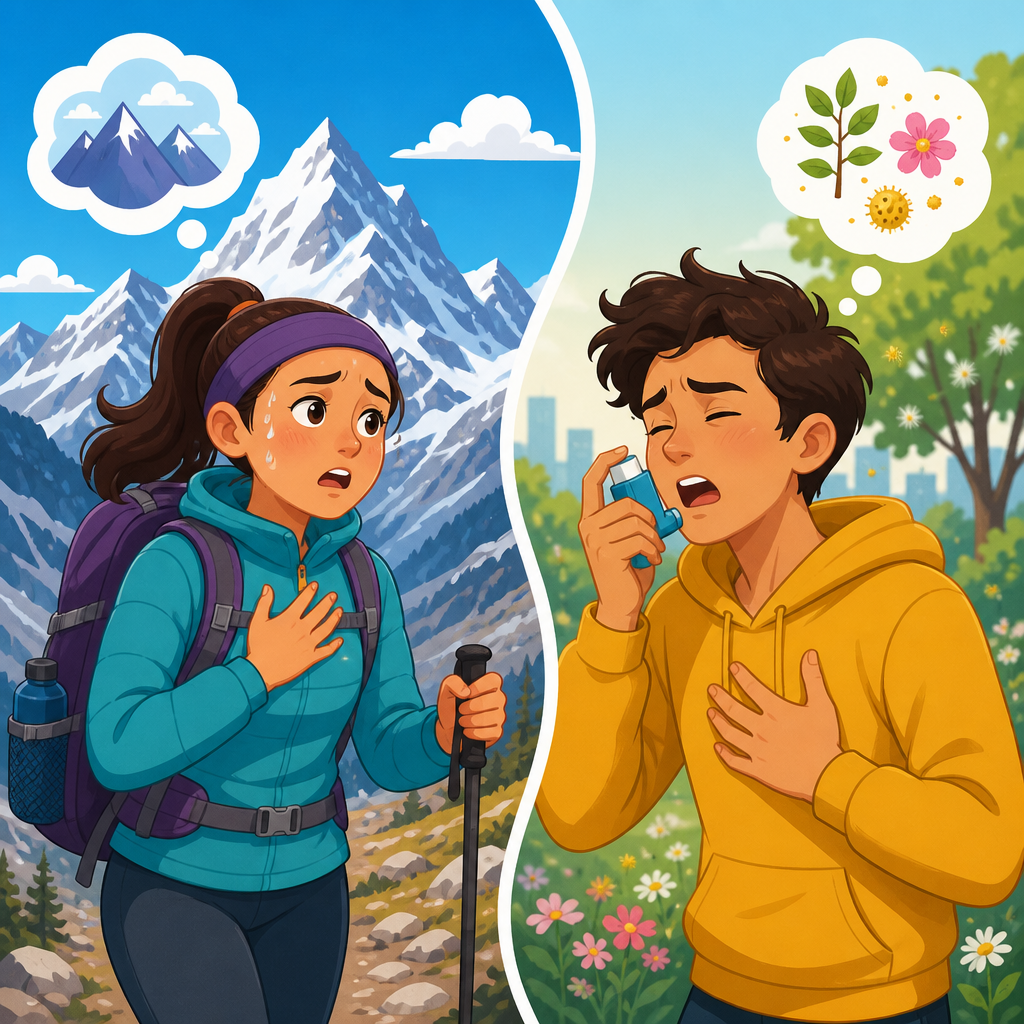
Can people with COPD visit mountain towns safely? In many cases, yes, but safety depends on altitude, disease severity, exertion level, weather, and advance planning. COPD, or chronic obstructive pulmonary disease, is a long-term lung condition that limits airflow and reduces the body’s ability to exchange oxygen efficiently. Mountain towns add a second challenge because higher elevation means lower barometric pressure, which lowers the amount of oxygen available with every breath. For healthy travelers that change may feel minor. For people with COPD, chronic bronchitis, emphysema, bronchiectasis, interstitial overlap, or long-term oxygen needs, it can turn a manageable trip into breathlessness, fatigue, or an acute exacerbation.
I have helped patients and families plan high-altitude travel, and the difference between a good trip and a dangerous one is almost always preparation. A traveler with stable moderate COPD who understands pacing, medication timing, and oxygen logistics may do well in towns around 5,000 to 7,000 feet. Another person with frequent flare-ups, low resting oxygen saturation, pulmonary hypertension, or recent hospitalization may struggle even at moderate elevations. There is no universal altitude cutoff that is safe for everyone. Risk changes with each person’s baseline lung function, cardiovascular health, sleep quality, and access to care.
This matters because mountain destinations are popular, and many people with chronic lung disease do not want to stop traveling. They want practical answers: how altitude affects COPD, what warning signs matter, whether oxygen is needed, and when a lower-elevation trip is the safer choice. This hub article answers those questions directly while also covering the broader COPD and chronic lung disease topics that shape travel decisions: symptoms, triggers, testing, treatment, rehab, vaccination, air quality, exercise tolerance, sleep, and emergency planning. The goal is not to discourage travel. It is to make travel decisions informed, realistic, and safer.
How altitude affects COPD and why mountain towns feel harder
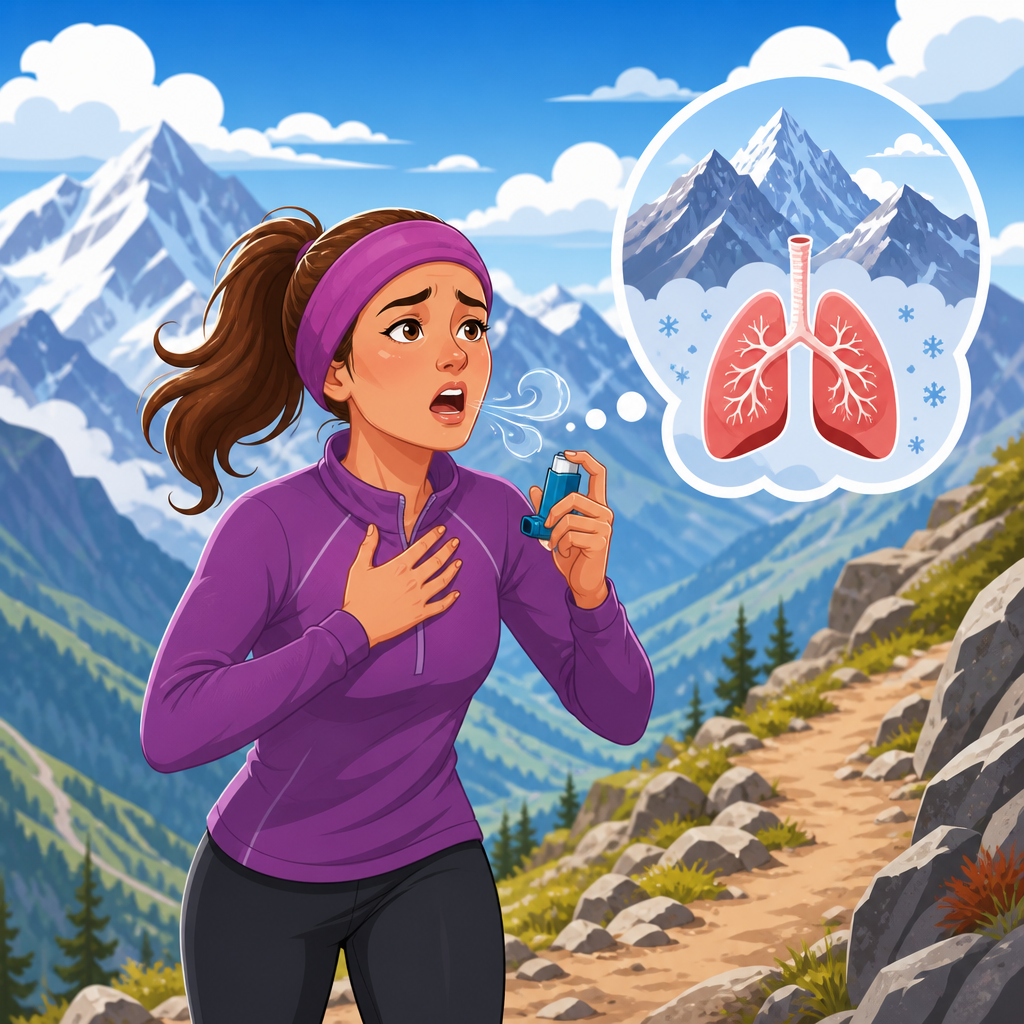
Altitude reduces the partial pressure of oxygen. Even though the percentage of oxygen in air stays about 21 percent, each breath delivers less usable oxygen at elevation. In COPD, narrowed airways, air trapping, loss of elastic recoil, and ventilation-perfusion mismatch already make oxygen transfer less efficient. Add altitude, and the body often compensates by breathing faster and increasing heart rate. That compensation works up to a point. If lung reserve is limited, a traveler may experience exertional desaturation, headaches, poor sleep, dizziness, chest tightness, or marked shortness of breath after simple activities like climbing stairs or carrying bags.
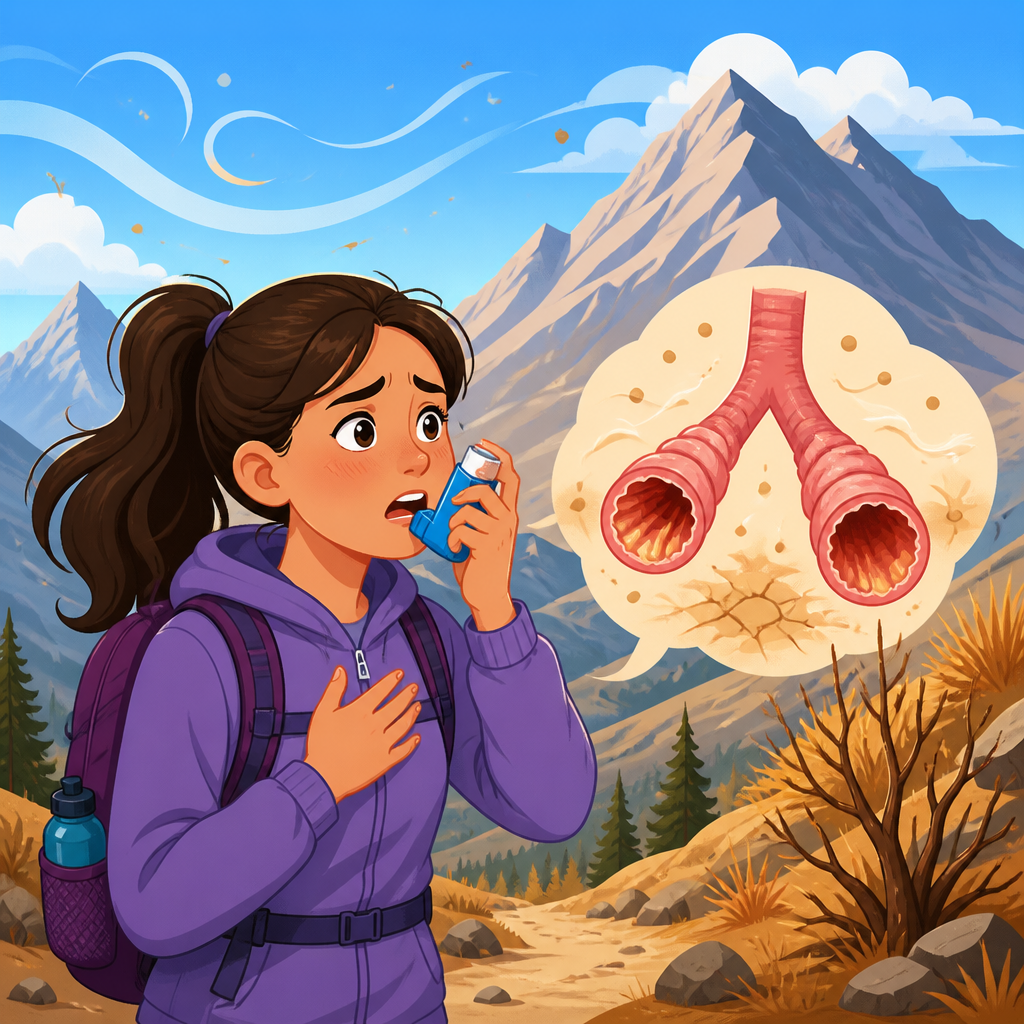
Mountain towns can introduce other stressors too. Cold air may trigger bronchospasm. Wood smoke from fireplaces, wildfire haze, dust, and thin dry air can worsen cough and sputum production. Walking routes are often steeper than expected. Overnight oxygen levels may drop more than daytime levels, especially in people with overlap syndrome, obesity, sleep apnea, or existing nocturnal hypoxemia. This is why some travelers seem fine during lunch in town but feel much worse after a poor night of sleep or a short uphill walk to their hotel.
Most travel specialists think in practical categories rather than absolutes. Low altitude generally means under 3,000 feet, moderate around 3,000 to 8,000 feet, and high altitude above that. Many mountain towns in the United States sit between 5,000 and 8,500 feet. That range is where many people with mild or moderate stable COPD can travel if they plan well, but it is also where hidden limitations become obvious. People with severe airflow obstruction, pulmonary hypertension, home oxygen use, or repeated exacerbations need individualized review before they go.
Who can usually travel and who should be more cautious
The safest starting point is disease stability. A person with COPD is a better candidate for a mountain-town visit if symptoms are near baseline, rescue inhaler use is stable, there has been no recent steroid or antibiotic course, and there has been no hospitalization in the past several weeks. Good candidates often have a resting oxygen saturation in a comfortable range at home, can walk on level ground without major distress, and know how to use inhalers correctly. They also have a plan for medications, hydration, meals, pacing, and backup care.
Caution increases if any of these features are present: severe COPD by spirometry, low resting oxygen saturation, significant desaturation on exertion, history of altitude intolerance, pulmonary hypertension, heart failure, sleep apnea, recent pneumonia, anemia, or active smoking. People on long-term oxygen therapy can still travel, but they need formal oxygen planning, device checks, battery calculations, and confirmation of flow needs at rest, during exertion, and during sleep. If a traveler already struggles with one flight of stairs at sea level, a mountain town is likely to be demanding.
One of the most useful frameworks is to compare current function with the trip demands. A quiet stay in a flatter town with elevator access, short walks, and a nearby clinic is very different from a ski village where parking is distant, sidewalks are icy, and restaurants require uphill walking. Safety is not determined by diagnosis alone. It comes from matching the traveler’s reserve to the environment.
What pre-trip evaluation should include
Before high-altitude travel, a clinician should review symptom baseline, exacerbation history, pulse oximetry, medication regimen, inhaler technique, and comorbid conditions. Spirometry matters because lower FEV1 often correlates with less reserve, though spirometry alone does not predict travel tolerance. If there is concern about oxygen drops, a six-minute walk test with oximetry can reveal exertional desaturation. For some patients, arterial blood gas testing or overnight oximetry is appropriate. Pulmonary hypertension, if present, deserves special attention because altitude-related hypoxia can increase pulmonary artery pressure further.
Travel medicine and pulmonary clinics sometimes use hypoxia altitude simulation testing, especially for air travel or higher elevations. This test estimates how a person might respond to reduced oxygen pressure by having them breathe a lower-oxygen mixture under supervision. It is not needed for every traveler, but it can help when the margin of safety is unclear. The British Thoracic Society and other respiratory guidance documents support individualized oxygen assessment for people with significant lung disease, especially those with resting hypoxemia or prior altitude problems.
Medication review is equally important. Long-acting bronchodilators, inhaled corticosteroids when indicated, rescue albuterol, spacers, nebulizer access, and an action plan for exacerbations should be confirmed before departure. Vaccination status should also be current. Influenza, COVID-19, and pneumococcal vaccination reduce the chance that an infection will complicate a trip. I also advise patients to carry a concise medical summary listing diagnosis, baseline oxygen use, medications, allergies, and clinician contact information.
Oxygen, medications, and packing decisions that prevent problems
Oxygen planning is the step most often underestimated. If home oxygen is prescribed, travelers should not assume the same settings will automatically cover exertion at altitude. Many need higher flow during walking, and some need overnight oxygen even if daytime use is intermittent. Portable oxygen concentrators can work well, but travelers must confirm device specifications, battery duration, charging access, and whether pulse-dose delivery is adequate during sleep or mouth breathing. For car trips, route planning matters because concentrators need power options and backup batteries.
Medication packing should be redundant, not minimal. Bring more than the exact trip supply, and divide medications between bags. Include rescue inhalers, maintenance inhalers, spacers, nebulizer cups or tubing if used, and printed prescriptions. Dry mountain air can increase coughing, so hydration and saline nasal products help many travelers. If the treating clinician has previously provided an action plan that includes standby prednisone or antibiotics for clearly defined exacerbation symptoms, that can be useful, but self-starting treatment should follow explicit instructions rather than guesswork.
| Travel factor | Lower-risk situation | Higher-risk situation |
|---|---|---|
| Baseline symptoms | Stable for weeks, no recent flare | Increasing cough, wheeze, or sputum |
| Oxygen levels | Normal or near normal at rest and walking | Resting or exertional desaturation |
| Destination | 5,000 to 6,500 feet, easy access | Above 8,000 feet, steep terrain |
| Comorbidities | Controlled blood pressure and sleep | Pulmonary hypertension or heart failure |
| Support plan | Clinic nearby, oxygen arranged | No backup care or equipment plan |
For this chronic lung disease hub, it is also important to note that COPD rarely exists in isolation. Asthma-COPD overlap, bronchiectasis, alpha-1 antitrypsin deficiency, prior tuberculosis damage, and fibrotic lung disease each add nuances to secretion clearance, infection risk, and oxygen needs. A generic packing list is not enough. The equipment and medications must fit the underlying condition.
How to choose the right mountain town and structure the trip
If the question is not simply whether travel is possible but how to make it safer, destination selection is powerful. Choose the lowest elevation that still delivers the experience you want. A town at 5,500 feet is usually easier than one at 8,500 feet. Look for lodging with minimal stairs, indoor corridors in winter, easy parking, and nearby food options. Confirm the location of the nearest urgent care and hospital. In wildfire season, check local air quality history, not just the forecast on the day of departure.
Trip pacing matters as much as location. The first one to two days should be intentionally light because the body is adjusting. Avoid arriving and immediately hiking, skiing, or carrying luggage up steep grades. Plan rest breaks, hydrate consistently, and limit alcohol because it can worsen dehydration and sleep-related breathing problems. People with COPD often do better with short, frequent activity rather than long, continuous exertion. Using walking poles, shuttle services, and baggage assistance is not a sign of weakness. It is good energy management.
For many travelers, sleeping at a lower elevation than daytime sightseeing is a smart compromise. So is choosing a shoulder-season trip when roads are clear and smoke risk is lower. Practical details like room humidification, heated indoor air, and pharmacy access often matter more than scenic ambition. When patients tell me afterward that the trip went well, it is usually because they respected altitude rather than tested it.
Symptoms, warning signs, and when to seek medical care
Mild shortness of breath with exertion can be expected at altitude, but there are clear red flags. Seek urgent medical attention for severe breathlessness at rest, bluish lips, confusion, chest pain, fainting, inability to speak in full sentences, oxygen saturation far below the usual baseline, or rapidly worsening wheeze unresponsive to rescue treatment. New fever, thick or discolored sputum, and pleuritic pain raise concern for infection. Swelling, palpitations, or sharp decline in exercise tolerance may point to cardiac issues rather than COPD alone.
Travelers should also understand the overlap between COPD symptoms and altitude-related illness. Acute mountain sickness more often causes headache, nausea, fatigue, and poor sleep after ascent. High-altitude pulmonary edema is a medical emergency marked by worsening breathlessness, cough, weakness, and low oxygen levels, sometimes with crackles or frothy sputum. Although more common in healthy people ascending rapidly to high elevations, chronic lung disease can make any breathing deterioration more consequential. If symptoms escalate, descending to a lower elevation is often the fastest effective intervention.
A written action plan helps families respond quickly. It should define baseline saturation, medication steps, emergency contacts, and thresholds for urgent evaluation. People who travel with COPD do best when everyone on the trip knows what normal looks like and what would count as a change.
Long-term COPD management that improves travel safety
The best mountain-trip strategy starts months before departure. Smoking cessation remains the single most important intervention for slowing COPD progression. Correct inhaler technique improves drug delivery and can change symptom control more than switching devices. Pulmonary rehabilitation is consistently valuable because it improves exercise tolerance, breath efficiency, and confidence with pacing. Patients who complete rehab usually understand their limits better and recover from exertion more predictably during travel.
Good chronic lung disease care also means tracking exacerbations, treating comorbid anxiety and depression, screening for sleep apnea when suggested by symptoms, and maintaining routine vaccines. Nutrition matters because low muscle mass weakens ventilatory reserve, while excess weight can worsen mechanics and sleep breathing. Air quality awareness should become routine; many patients now use AirNow, local particulate monitors, and weather apps to avoid smoke or temperature extremes. These daily management skills transfer directly to travel success.
For readers using this page as a hub, every deeper topic branches from the same principle: know your baseline, reduce avoidable triggers, and match activity to reserve. That applies whether the issue is chronic cough, mucus clearance, oxygen equipment, rehabilitation, vaccinations, smoking cessation, or deciding between sea-level and mountain travel. A person with COPD can absolutely keep exploring, but the safest trips are built on stable disease and disciplined planning.
People with COPD can visit mountain towns safely when the trip is matched to their health status and planned with precision. The central facts are straightforward: altitude lowers available oxygen, COPD reduces breathing reserve, and the combination can unmask problems that are not obvious at home. Stable symptoms, pre-trip assessment, smart destination choice, careful pacing, and oxygen planning make a meaningful difference. Recent flare-ups, severe desaturation, pulmonary hypertension, and poor access to care raise risk and may make a lower-elevation trip the better option.
The broader lesson for COPD and chronic lung disease is equally important. Travel safety is an extension of everyday disease management. People who use inhalers correctly, finish pulmonary rehab, stay vaccinated, monitor air quality, and follow an action plan usually travel with fewer surprises. Those habits improve not only vacations but also daily function, confidence, and resilience during weather changes, infections, and exertion. Mountain travel is not just about altitude. It is a real-world test of how well the condition is understood and managed.
If you are considering a mountain-town trip, review your baseline symptoms, oxygen levels, and recent exacerbation history with your clinician before booking. Choose the lowest practical elevation, build in recovery time, and prepare equipment and medications as if delays will happen. With the right plan, many people with COPD can enjoy mountain destinations more safely and with far less stress.
Frequently Asked Questions
Can people with COPD visit mountain towns safely?
Yes, many people with COPD can visit mountain towns safely, but it depends on several important factors: the elevation of the destination, the severity of the person’s COPD, how well symptoms are controlled, the amount of physical activity planned, and whether the traveler needs supplemental oxygen. The main concern is that as elevation increases, barometric pressure drops, so each breath delivers less oxygen than it does at sea level. Because COPD already reduces airflow and oxygen exchange, that lower oxygen environment can make shortness of breath, fatigue, chest tightness, and low oxygen levels more likely.
Safety usually comes down to preparation and medical guidance rather than a simple yes-or-no rule. Some people with mild, stable COPD may tolerate a moderate-altitude mountain town without major problems, especially if they pace themselves and avoid overexertion. Others with more advanced COPD, frequent flare-ups, low baseline oxygen levels, or heart-related complications may face significantly greater risk. A doctor may recommend checking oxygen saturation, adjusting medications, arranging portable oxygen, or even completing altitude simulation testing before travel. In other words, mountain travel is often possible, but it should be treated as a health decision that deserves planning rather than a spontaneous trip.
Why does high altitude affect people with COPD more than healthy travelers?
High altitude affects everyone to some degree because the air contains less available oxygen as elevation rises. Healthy lungs can usually compensate by increasing breathing rate and improving oxygen delivery to tissues. In COPD, that reserve is reduced. Damaged airways and air sacs make it harder to move air in and out efficiently, and the body may already be working harder than normal just to maintain acceptable oxygen levels at rest. When a person with COPD arrives at a mountain town, the reduced oxygen availability can push that already stressed system further.
This can lead to lower blood oxygen saturation, faster breathing, increased heart rate, greater shortness of breath with routine activity, and more strain during walking, stair climbing, or carrying luggage. Cold, dry mountain air can also irritate the airways and trigger coughing or bronchospasm in some people. On top of that, mountain vacations often involve physical exertion that people do not fully anticipate, such as walking uphill, navigating uneven terrain, or climbing stairs at lodges and restaurants. For someone with COPD, the challenge is not just the altitude itself, but the combination of altitude, exertion, temperature, and the body’s limited ability to compensate.
What altitude is considered risky for someone with COPD?
There is no single elevation that is automatically unsafe for every person with COPD, because tolerance varies widely. Risk generally increases as altitude rises, and even moderate elevations may cause problems in people with more severe disease or low oxygen levels at baseline. Some people begin to notice symptoms in towns around 4,000 to 6,000 feet, while higher destinations can create more pronounced oxygen drops. A traveler who does well at one mountain town may struggle at another, especially if the second destination is higher, colder, or requires more walking.
What matters most is the individual’s starting point. Someone with mild COPD, normal oxygen saturation at sea level, and no recent exacerbations may handle moderate altitude reasonably well. Someone who already becomes short of breath with minimal exertion, has a history of hospitalization, or uses oxygen at home may need a much more cautious plan. That is why clinicians often focus less on a fixed “safe altitude” and more on practical markers such as resting oxygen levels, exercise tolerance, recent symptom stability, need for oxygen, and the presence of other conditions like pulmonary hypertension or heart disease. Before traveling to a mountain destination, it is wise to ask a healthcare professional not just “Is this altitude safe?” but “How is my COPD likely to respond to this specific trip?”
How can someone with COPD prepare for a trip to a mountain town?
Preparation should start well before departure. The most important step is discussing the trip with a healthcare provider, especially if the destination is at significant elevation or the traveler has moderate to severe COPD. A clinician may recommend checking pulse oximetry, reviewing inhaler technique, confirming that maintenance medications are optimized, and making sure rescue inhalers are current and easy to access. If the person already uses oxygen, travel planning should include confirming flow rates, battery life, backup supplies, and whether the oxygen prescription needs to be adjusted for altitude or exertion. If oxygen is not used at home but symptoms are borderline, the provider may consider additional testing to see whether travel oxygen is advisable.
Practical travel planning matters too. It helps to choose lodging that minimizes stairs, allows easy access to transportation, and provides a warm indoor environment if weather is harsh. Scheduling a lighter first day can make a big difference, since the body may need time to adjust. Travelers should stay well hydrated, avoid smoking and secondhand smoke, limit alcohol if it worsens breathing or sleep, and keep an action plan for symptom flare-ups. It is also smart to know where the nearest urgent care or hospital is located. Small details such as packing extra medications, carrying a pulse oximeter if recommended, dressing for cold dry air, and avoiding strenuous hikes right away can turn a risky trip into a manageable one.
What warning signs mean a person with COPD should seek medical help while in a mountain town?
Medical attention is important if breathing becomes noticeably worse than usual, especially if symptoms do not improve with rest or prescribed rescue medication. Warning signs include severe shortness of breath at rest, inability to speak in full sentences, chest pain, bluish lips or fingertips, confusion, unusual drowsiness, dizziness, fainting, rapid worsening of cough, or a significant drop in oxygen saturation if the person is monitoring it. These symptoms may signal that the body is not getting enough oxygen, that a COPD exacerbation is developing, or that another serious problem such as a heart issue is occurring.
It is also important not to dismiss more subtle signs. If simple tasks like walking across a room, getting dressed, or climbing a few steps suddenly become much harder than normal, that change matters. The same is true for a new need to sleep sitting upright, marked wheezing, swelling, or feeling much more exhausted than expected for the level of activity. In a mountain setting, symptoms can worsen quickly because the underlying oxygen challenge remains constant. When in doubt, it is better to seek prompt evaluation than to wait. Early treatment may involve bronchodilators, oxygen support, rest, medication adjustment, or advice to move to a lower elevation if symptoms are altitude-related and persistent.