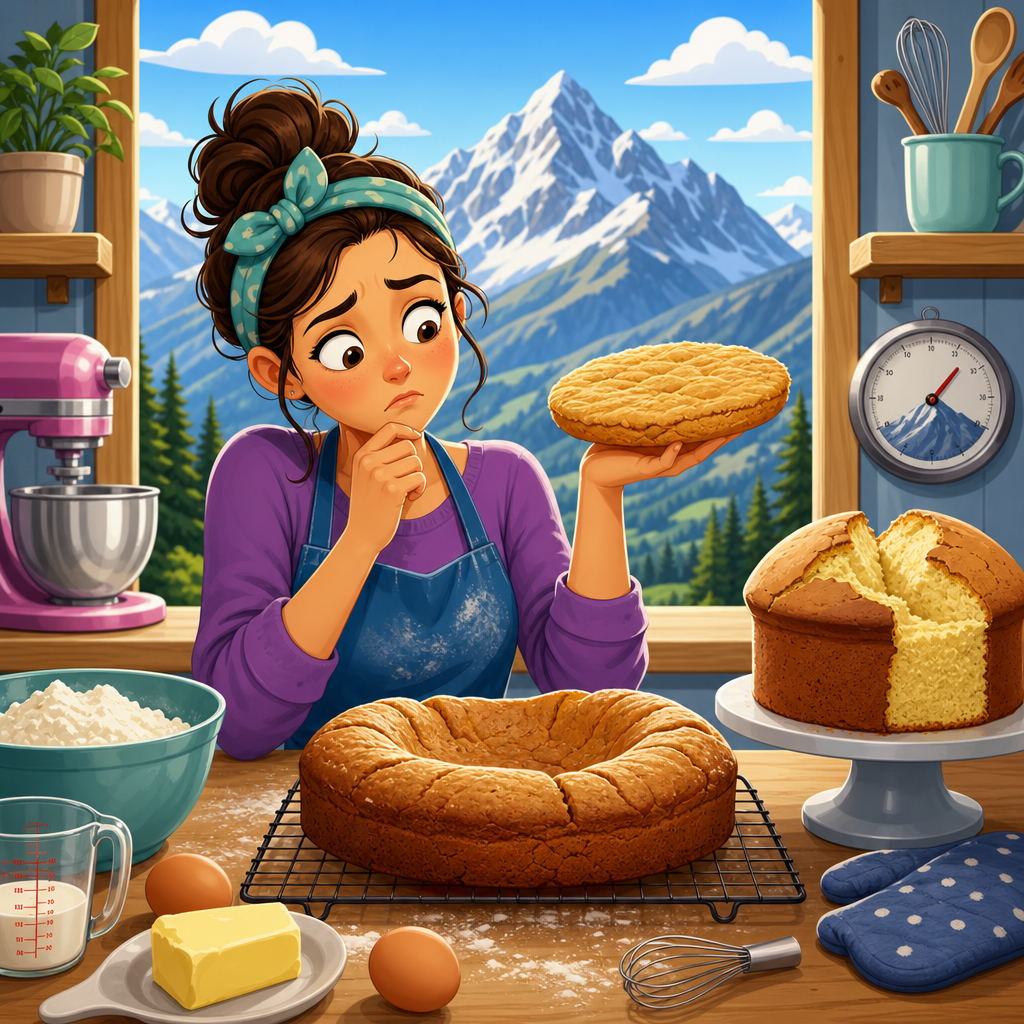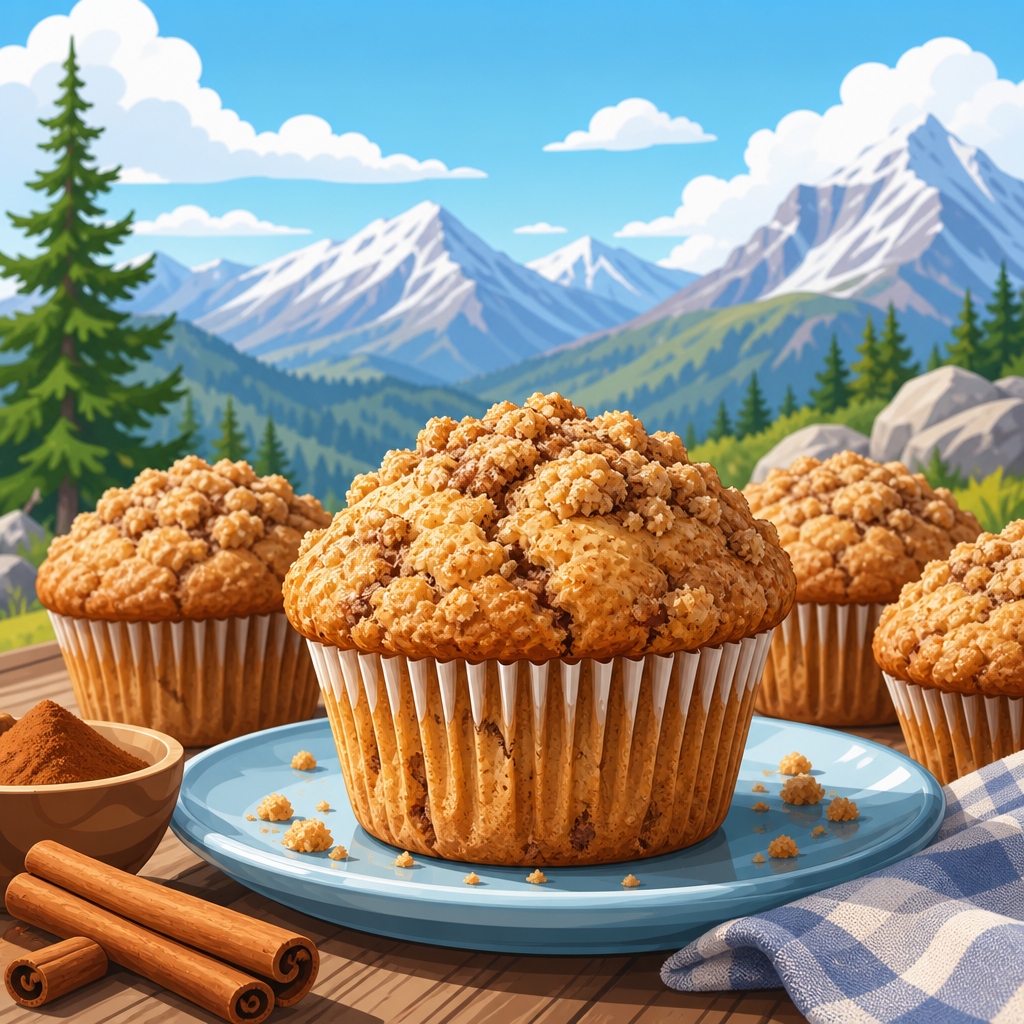
Cinnamon streusel muffins at altitude can be tender, domed, and sliceable instead of dry, crumbly, or sunken, but they require a different approach than the same recipe baked at sea level. In high-elevation kitchens, lower air pressure changes how batter expands, how moisture evaporates, and how sugar and fat behave in the oven. That is why a muffin that works perfectly in Portland can collapse in Denver, bake up coarse in Santa Fe, or shed its streusel in Leadville. When bakers talk about altitude baking, they usually mean kitchens above 3,000 feet, where reduced atmospheric pressure speeds leavening, increases evaporation, and can destabilize structure before starches and proteins set. Quick breads and breakfast bakes, including muffins, scones, coffee cake, baked oatmeal, and loaf-style batters, are especially sensitive because they rely on a precise balance of eggs, flour, liquid, sugar, fat, and chemical leaveners rather than long gluten development or yeast fermentation.
I have tested dozens of high-altitude muffin batches in dry mountain climates, and the pattern is consistent: the failures are rarely random. Muffins fall apart because the batter is too weak, the oven is too cool, the leavening is too aggressive, or the streusel draws moisture away from the top while adding excess weight. This hub for quick breads and breakfast bakes focuses on one popular example—cinnamon streusel muffins at altitude—while also showing the broader rules that govern all high-altitude breakfast baking. If you understand why muffins hold together, you can apply the same logic to blueberry crumb cake, banana bread, pumpkin loaf, or a pan of baked French toast. The goal is not just to help you make one reliable batch. It is to give you a framework for choosing formulas, adjusting recipes, and troubleshooting texture so your breakfast bakes are consistent every time.
Why high altitude changes muffin structure
The central problem with cinnamon streusel muffins at altitude is structural timing. Gas from baking powder, baking soda, and steam expands faster in thinner air, so the batter rises early. At the same time, moisture escapes more quickly, which can dry the surface before the interior has enough support. If the recipe contains too much sugar, too little egg, weak flour, or excess leavener, the muffin inflates, then collapses or crumbles because the starch-and-protein network never fully stabilizes. In practical terms, high-altitude muffins usually need slightly more flour, one more spoonful or two of liquid, less chemical leavening, and a somewhat higher oven temperature to set structure sooner. Many bakers are surprised that a hotter oven often improves tenderness. At altitude, the hotter initial heat helps the crumb lock in before overexpansion tears it apart.
Quick breads behave similarly because they are all variations on fluid batter plus rapid lift. A blueberry muffin and a cinnamon coffee cake are not identical, but they share the same pressure-related challenges. In my tests, the most reliable muffin formulas use all-purpose flour around 10 to 11.7 percent protein, eggs for binding, sour cream or yogurt for moisture retention, and restrained mixing to avoid tunnels. Streusel adds complexity because it is a low-moisture topping made of flour, sugar, butter, and spice. If it is too sandy, it falls off. If it is too buttery, it melts into greasy patches. If the muffin dome expands too fast, the topping can shear away from the surface. The fix is not just “add more flour.” You need the right batter viscosity, moderate leavening, and a streusel texture that clumps lightly and adheres without becoming dense.
The formula that keeps cinnamon streusel muffins together
A dependable high-altitude muffin starts with ratios, not guesswork. For a standard 12-muffin batch at 5,000 to 7,500 feet, I prefer about 240 to 260 grams all-purpose flour, 135 to 165 grams sugar, 8 to 10 grams baking powder total if no baking soda is used, 2 large eggs, 160 to 190 grams milk or buttermilk, and 85 to 113 grams melted butter or neutral oil. If the recipe includes sour cream or yogurt, I reduce the pourable liquid slightly and use 120 grams cultured dairy plus about 120 grams milk. This combination improves moisture retention and crumb cohesion. A little brown sugar can deepen flavor, but too much increases tenderness to the point of fragility. For cinnamon streusel muffins specifically, I aim for a thick, scoopable batter that settles slowly in the pan rather than pouring like pancake batter. That visual cue matters because a loose batter at altitude often means weak walls and dispersed topping.
The streusel should be mixed to pebble-size clumps, not dry dust. A useful benchmark is roughly 75 grams flour, 65 grams brown sugar, 1 to 2 teaspoons cinnamon, a pinch of salt, and 42 to 56 grams softened or melted butter, adjusted until the mixture forms small clusters when pressed. Some bakers add oats or chopped nuts, but that can make the topping too heavy for a delicate muffin unless the base batter is sturdy. To help adhesion, fill each muffin cup halfway, add optional cinnamon swirl or fruit, top with remaining batter, then press a modest amount of streusel gently into the surface instead of merely sprinkling it on top. This is the same principle I use for crumb-topped coffee cake and altitude banana crumb bread. Topping contact improves bonding. It also reduces the chance that the streusel skates off when the dome expands in the oven.
Best altitude adjustments for quick breads and breakfast bakes
Most quick breads and breakfast bakes can be adjusted using a predictable sequence. First, reduce leavening slightly. At 5,000 feet, cutting baking powder by about 1/8 to 1/4 teaspoon per teaspoon in the original formula often improves stability. Second, increase oven temperature by 15 to 25 degrees Fahrenheit so the batter sets earlier. Third, add 1 to 3 tablespoons extra liquid to offset faster evaporation. Fourth, consider adding 1 to 2 tablespoons extra flour if the batter seems loose. Fifth, reduce sugar modestly when the recipe is very sweet, because sugar delays structure setting and weakens crumb when overused. These are not arbitrary rules. They are practical responses to pressure, evaporation, and concentration changes in the oven.
Here is a concise guide I use when adapting breakfast bakes for mountain kitchens.
| Bake type | Common altitude problem | Most effective adjustment |
|---|---|---|
| Muffins | Crumbly texture, peaked then collapsed tops | Reduce leavening, raise oven temperature, thicken batter slightly |
| Loaf quick breads | Sunken center, gummy line near top | Add liquid, reduce sugar modestly, bake longer at slightly higher heat |
| Coffee cake | Tunneling, streusel sinking | Use thicker batter and lighter topping; avoid overmixing |
| Scones | Dry interior, spread instead of rise | Increase liquid slightly and chill dough thoroughly before baking |
| Baked oatmeal | Dry edges, loose center | Increase total liquid and cover briefly early in baking if needed |
These same principles connect the entire quick breads and breakfast bakes category. If you are building out a high-altitude baking routine, treat muffins as the training ground. They are small enough to test efficiently, and each batch teaches you how your flour, oven calibration, humidity, and pan color affect results.
Mixing method, pans, and oven setup matter more than most bakers think
Even a well-adjusted recipe can fail if the method is careless. Overmixing is one of the fastest ways to ruin cinnamon streusel muffins at altitude because it creates long gluten strands and tunnels while still leaving the batter vulnerable to collapse. The standard muffin method remains best: whisk dry ingredients separately, combine wet ingredients separately, then fold together only until no dry flour pockets remain. A few streaks are acceptable. If using melted butter, make sure it is warm, not hot, so it does not seize against cold dairy or partially cook the eggs. Resting the batter for 10 minutes before portioning can improve hydration and dome shape, especially when using whole-grain flour or fruit inclusions.
Pan choice also affects structure. Light-colored metal muffin tins promote even baking and cleaner release than dark nonstick pans, which can overbrown edges before centers set. Paper liners are convenient, but at altitude they sometimes pull moisture from the outer crumb as the muffins cool, making delicate muffins seem drier and more fragile. Greased wells often give better side support and a sturdier crust. Fill cups about two-thirds to three-quarters full; overfilling encourages rapid mushrooming and split tops. Oven position should usually be the center rack, with full preheating verified by an oven thermometer rather than trust in the dial. Many home ovens run 15 to 25 degrees off. At altitude, that difference is enough to turn a stable muffin into a crumbly one.
Troubleshooting cinnamon streusel muffins and related breakfast bakes
If your muffins fall apart when unwrapped, diagnose the crumb before changing everything at once. A dry, sandy interior usually points to too much flour, too little liquid, overbaking, or a batter that lacked enough fat or egg for cohesion. A gummy or compressed line under the streusel usually means the topping was too heavy, the batter was underbaked, or sugar concentration delayed setting. If the tops rise dramatically and then sink, cut the leavening and increase the oven temperature slightly. If the streusel melts flat, it likely contains too much butter or sugar and not enough flour to hold clumps. If the streusel falls off after baking, press it gently into the batter surface before the tray goes into the oven.
These diagnostics apply across the subtopic. Banana bread that collapses in the center often needs less baking soda and more bake time. High-altitude coffee cake with a thick crumb layer may need a firmer base batter. Pumpkin muffins that seem wet a day later often contain too much puree relative to flour and egg. Fruit also matters. Blueberries, diced apples, and frozen raspberries release water as they bake, so toss them with a teaspoon of flour and keep the batter slightly thicker. For bran muffins and whole-wheat breakfast loaves, allow extra hydration time because bran absorbs moisture slowly. I have found that many “bad altitude recipes” are actually decent formulas with one unresolved variable: batter strength. Once you strengthen the matrix enough to support expansion, the recipe becomes dependable.
How this hub connects your full altitude breakfast baking plan
As the hub page for quick breads and breakfast bakes, this guide should help you move from one-off fixes to a repeatable system. Start with muffins, then branch to loaf breads, snack cakes, biscuits, scones, baked oatmeal, and breakfast casseroles with bread components. Keep a simple baking log with elevation, oven temperature, bake time, pan type, flour brand, and exact leavening used. King Arthur Baking, the USDA nutrient database, and oven thermometer calibration guides are useful references because ingredient weights and temperatures matter more than intuition in mountain baking. Weigh flour and sugar in grams, use room-temperature eggs when possible, and note your kitchen humidity during winter heating season, when batter can lose moisture unusually fast.
The biggest advantage of mastering cinnamon streusel muffins at altitude is that the lesson transfers everywhere. You learn how to balance tenderness with support, how to manage toppings that compete with rise, and how to recognize whether a problem comes from formula, method, or oven environment. Once you can produce a muffin that domes evenly, holds streusel, and stays intact after cooling, you are ready for cinnamon coffee cake, zucchini bread, maple oat muffins, lemon poppy seed loaf, and baked brunch pastries that use similar chemistry. Build your breakfast baking collection around that core knowledge, adjust one variable at a time, and keep testing with intention. If you want better results at altitude, start with a sturdy muffin formula this weekend and use it as the benchmark for every quick bread you bake next.
Frequently Asked Questions
Why do cinnamon streusel muffins fall apart or turn crumbly at high altitude?
At altitude, muffins often lose structure because the entire baking environment changes. Lower air pressure allows leavening gases to expand faster and more aggressively, so the batter can rise before the starches and proteins have time to fully set. That creates a muffin that looks promising in the oven, then cools into a coarse, fragile crumb that breaks apart when unwrapped or sliced. On top of that, moisture evaporates more quickly at elevation, which means the batter can dry out before the interior has a chance to bake into a cohesive, tender structure.
Streusel muffins are especially vulnerable because they already carry extra weight on top and often include a higher proportion of sugar and fat than a plain muffin. Sugar weakens structure if it is not balanced properly, and fat shortens the crumb, which is great for tenderness but not so helpful when the batter is trying to hold a dome under lower atmospheric pressure. If the recipe also includes too much leavening, too little liquid, or overmixed flour, the result can be dry, crumbly, and unstable all at once.
The fix is usually not one dramatic change but a set of smaller altitude adjustments working together. Reducing baking powder or baking soda slightly can prevent overexpansion. Increasing liquid helps offset faster evaporation. A touch more flour or an extra egg can improve structure. Baking at a somewhat higher temperature can also help the muffins set sooner, so they rise and hold instead of ballooning and collapsing. When those adjustments are made thoughtfully, cinnamon streusel muffins can be tender and sliceable rather than fragile and messy.
What recipe changes usually help cinnamon streusel muffins bake better at altitude?
The most reliable altitude strategy is to adjust leavening, liquid, oven temperature, and sometimes flour or eggs. In many high-elevation kitchens, the first correction is to use slightly less baking powder or baking soda than a sea-level recipe calls for. Too much leavening causes a fast rise and weak structure, which leads to peaked tops, tunneling, collapse, or a crumb that sheds apart. Bakers at moderate altitude may only need a small reduction, while those above 7,000 feet often need a more noticeable adjustment.
Liquid is the next major factor. Because moisture evaporates faster at altitude, muffin batter often benefits from a small increase in milk, buttermilk, sour cream, yogurt, or even egg, depending on the formula. That extra hydration helps the crumb stay soft and cohesive instead of drying out around the edges before the center is done. Many bakers also have success adding a little more flour to strengthen the batter just enough to support a good dome and keep the streusel from pulling the top downward.
Oven temperature matters too. A slightly hotter oven helps the muffin structure set earlier in the bake, which is especially useful at altitude where expansion happens quickly. That said, the temperature increase should be moderate, not extreme, because streusel can brown too fast if the oven runs too hot. The goal is balance: enough heat to set the crumb, enough moisture to prevent dryness, and enough structural support to keep the muffins intact. For cinnamon streusel muffins specifically, it also helps to avoid an overly thick or wet streusel layer, since heavy topping can interfere with proper lift and adhesion.
How do I keep the streusel from sliding off or separating from the muffins?
Streusel separates more easily at altitude because muffin tops can rise rapidly, crack, and expand underneath the topping before the batter has set. When the surface shifts too much, the streusel loses its grip and either slides off during baking or falls away after cooling. Fast moisture loss can make this worse by drying the topping while the muffin underneath is still moving and lifting, creating a disconnect between the two layers.
One of the best ways to prevent that is to use a streusel with the right texture. It should be clumpy and lightly moistened, not powdery and not greasy. If it is too dry, it will not adhere. If it is too wet or too buttery, it can melt into the batter or slide off the dome. Pressing the streusel on gently rather than just sprinkling it loosely over the top helps it anchor to the batter surface. It also helps to fill the muffin cups appropriately; overfilled liners can encourage aggressive doming that pushes topping away.
The muffin batter itself also plays a role. A batter with enough body supports the topping better than a thin, loose batter. That is another reason altitude adjustments matter so much. Slightly reducing leavening, increasing structure, and baking at a temperature that sets the tops sooner all help the streusel stay where it belongs. If you want the topping to hold together particularly well, some bakers mix a small amount of flour into the cinnamon-sugar topping and use melted or softened butter just until crumbs form. That creates a topping that bakes into defined clusters and clings to the muffin instead of drifting off in sweet rubble.
Why do high-altitude cinnamon muffins sometimes rise beautifully and then sink in the middle?
That classic rise-then-sink pattern usually means the batter expanded faster than it could stabilize. At altitude, gases from baking powder, baking soda, and steam expand more readily because there is less air pressure holding them in check. The muffins puff quickly and can even look perfect through most of the bake. But if the internal crumb has not developed enough strength from flour, egg proteins, and starch gelatinization, the structure cannot support itself once the muffins leave the oven or begin to cool. The center then collapses, leaving a dip or sunken top.
Several recipe and method issues can contribute to that problem. Too much leavening is a common cause, especially when using a sea-level formula unchanged. Too much sugar can also delay structure setting, and excess fat can make the crumb too delicate. Underbaking is another factor; if the tops look done but the centers are not fully set, the muffins will often sink after removal from the oven. Even opening the oven door too early can be enough to interrupt structure development in a fragile high-altitude batter.
To prevent sinking, the batter needs a little more control and support. Reducing leavening slightly, increasing the oven temperature modestly, and making sure the muffins bake through before being removed all help. Depending on the recipe, an extra tablespoon or two of flour, an extra spoonful of liquid, or an additional egg white can improve strength without making the muffins tough. The goal is not a dense muffin but a stable one: high enough to dome, tender enough to eat well, and strong enough to stay lifted once cooled.
What is the best way to get tender, domed, sliceable muffins instead of dry or tough ones?
The key is to think in terms of balance rather than simply adding more moisture or more flour. Great high-altitude cinnamon streusel muffins need enough liquid to stay soft, enough structure to hold together, and enough heat to set before they overexpand. Tenderness comes from fat, sugar, and gentle mixing, but sliceability comes from an appropriate ratio of flour, eggs, and controlled leavening. If one side of that equation overwhelms the other, the muffins can turn sandy, rubbery, dry, or unstable.
Method matters as much as ingredients. Mixing the batter only until the flour disappears helps prevent toughness. Overmixing develops gluten and can create tunnels or a chewy texture, especially in a batter already stressed by altitude. Measuring flour accurately is equally important; too little flour leads to weak structure, while too much creates dryness. Using room-temperature dairy and eggs can improve emulsification and help the batter bake more evenly. It is also smart to avoid baking longer than necessary, because overbaking happens quickly in dry mountain air.
For the best texture, let the muffins cool just enough to finish setting before handling them. Very hot muffins can seem fragile because the crumb is still delicate, while fully cooled muffins show their true structure. A well-adjusted high-altitude muffin should have a rounded top, visible streusel clusters, a moist but not gummy interior, and a crumb that can be split or sliced without disintegrating. When bakers make the right altitude-specific adjustments instead of forcing a sea-level recipe to behave, that ideal texture is absolutely achievable.