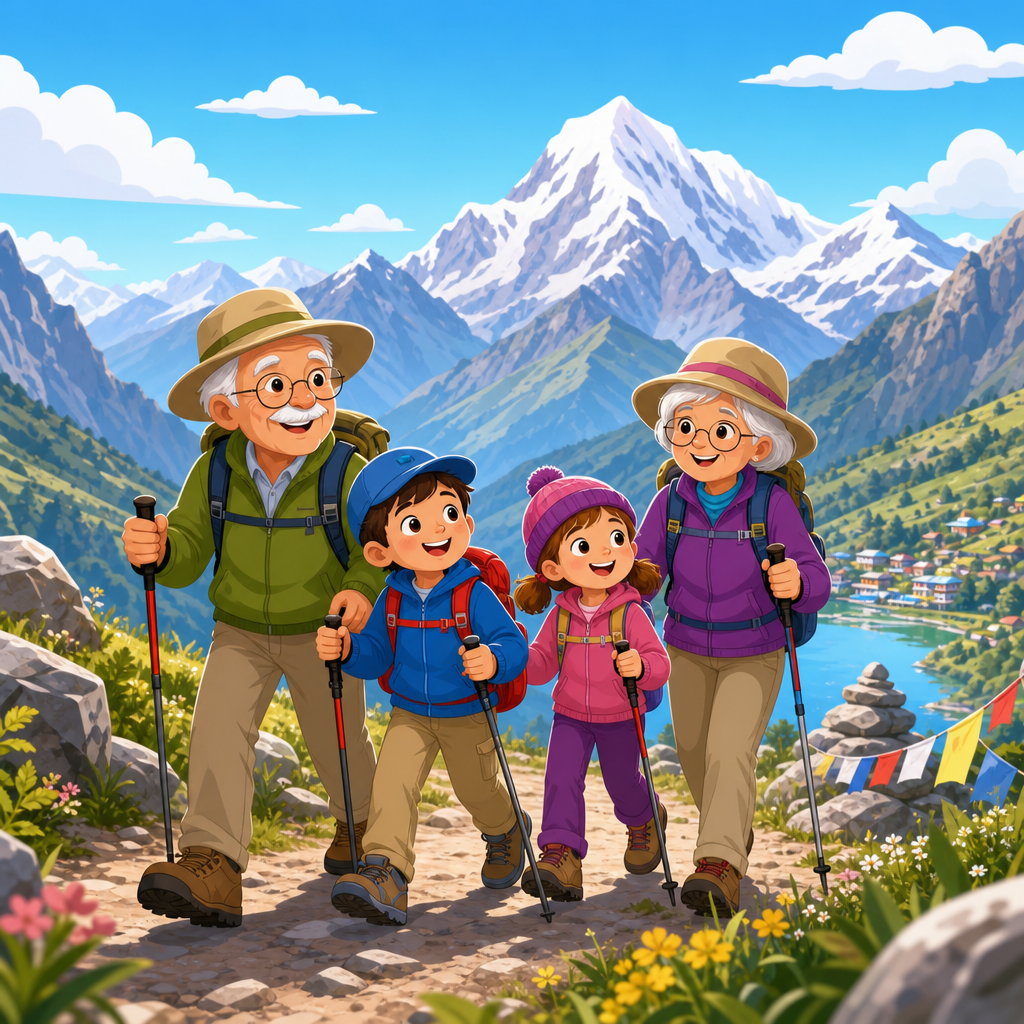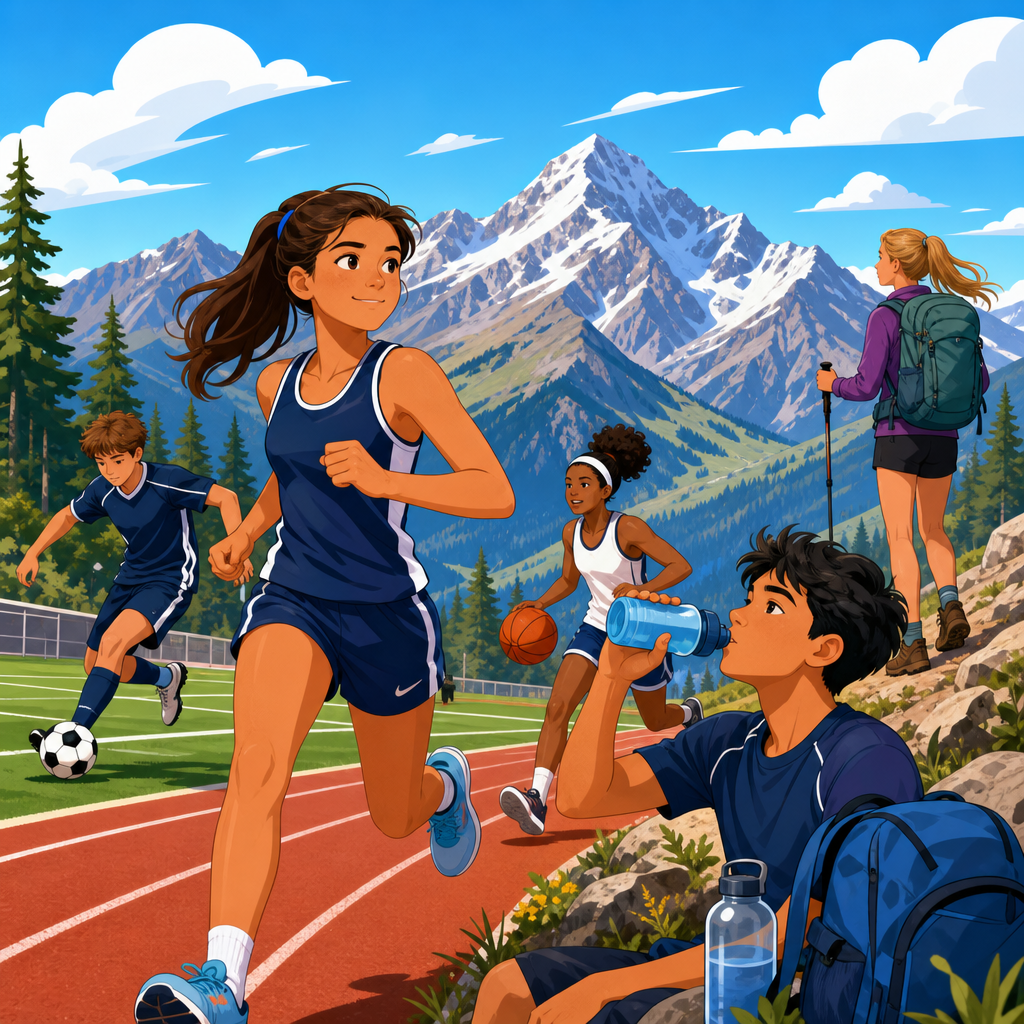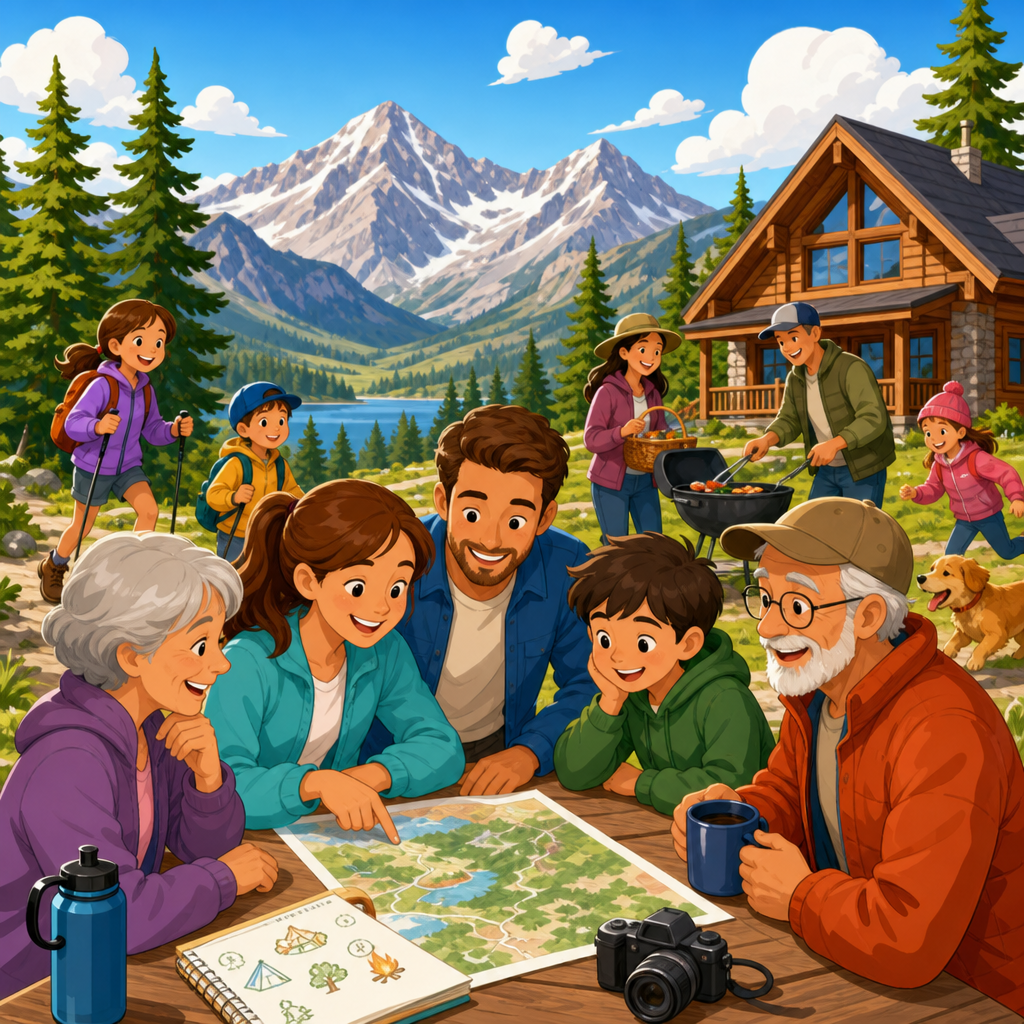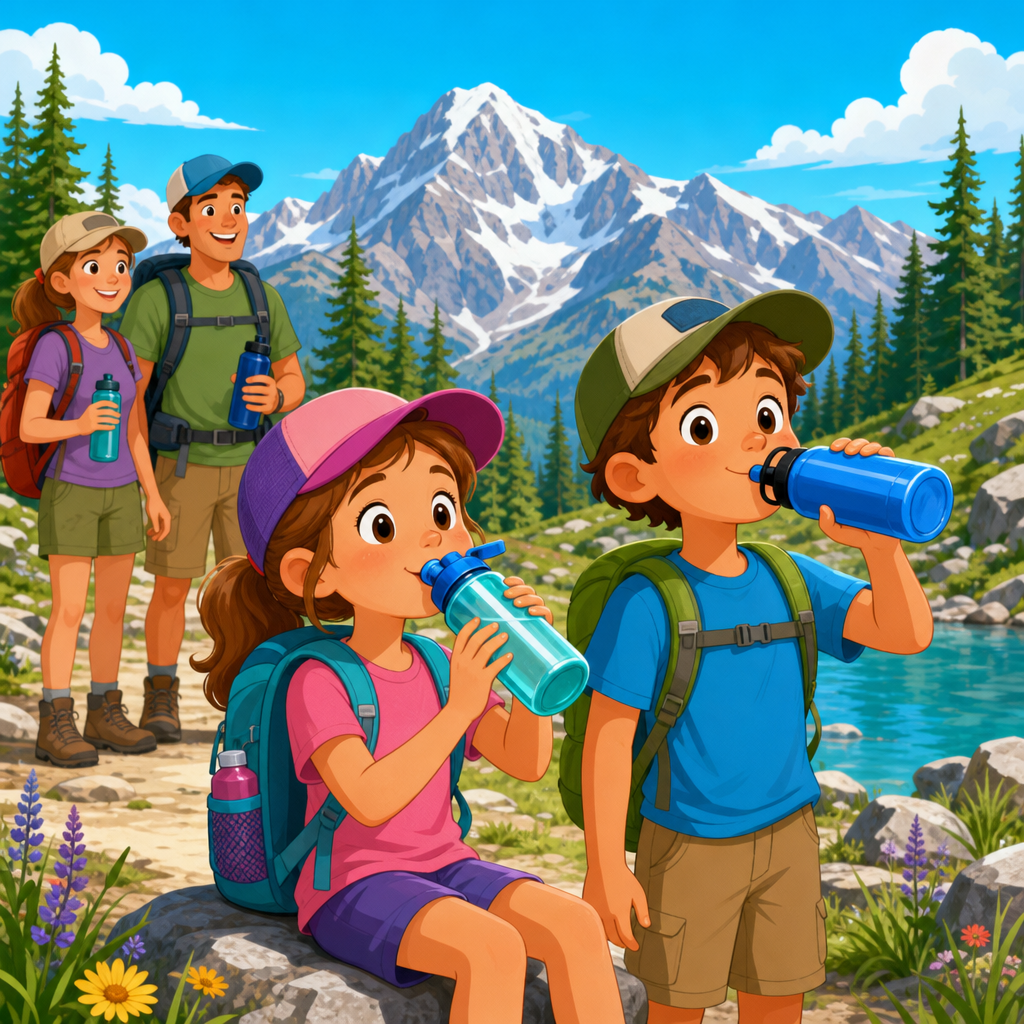
Mountain vacations can be unforgettable for families, but they change how children’s bodies handle fluid, temperature, and energy. Keeping kids hydrated on mountain vacations is not just about handing over a water bottle. It means understanding altitude, dry air, sun exposure, activity level, and the fact that children often do not recognize thirst until they are already behind. In my experience planning family trips in alpine towns, national parks, and ski villages, hydration problems show up fast: cranky toddlers skip water because they are distracted, school-age kids sweat through layers on a short hike, and teens underestimate how much fluid they lose while skiing or riding lifts in bright sun.
Hydration is the process of maintaining the right balance of water and electrolytes in the body. Electrolytes, including sodium and potassium, help regulate nerve function, muscle contraction, and fluid balance. Mountain environments challenge both. At higher elevations, breathing rate increases, which raises respiratory water loss. The air is usually drier than at sea level, so moisture evaporates faster from skin and lungs. Cold weather can hide fluid loss because kids may not feel sweaty, while summer mountain trips combine altitude with intense ultraviolet exposure and long active days. That mix makes dehydration more likely than many parents expect.
This matters because even mild dehydration can affect mood, stamina, concentration, and appetite. In children, it can also increase headache risk and make altitude adjustment harder. Severe dehydration is a medical issue that may require urgent care, especially if it comes with vomiting, lethargy, confusion, or reduced urination. Parents do not need to overcomplicate prevention, but they do need a clear plan. The best approach is practical: start hydrating before travel, build drinking into the day, match intake to activity, and watch for signs that a child needs fluids or electrolytes. This family travel guide explains how to keep kids hydrated on mountain vacations with realistic routines, packing tips, age-specific strategies, and warning signs every parent should know.
Why mountain vacations increase dehydration risk for kids
Children dehydrate faster than many adults because they have a higher surface-area-to-body-mass ratio and are less reliable at pacing themselves. In mountain destinations, three factors drive risk. First is altitude. As elevation rises, the body responds with faster breathing, and every breath releases water vapor. Second is low humidity. Dry air pulls moisture from the body more quickly, even during quiet activities. Third is exertion. Family trips often include hiking, skiing, tubing, snow play, biking, or simply walking uphill around resort villages. Kids may be losing fluid long before they say they are thirsty.
Cold-weather mountain trips are especially deceptive. Parents tend to think about hydration during summer hikes, but winter can be tougher. Heavy jackets make children warm from the inside, yet cold air blunts thirst. Skiers also lose fluid from rapid breathing and exertion at altitude. A child can finish a half day on the slopes with a headache, fatigue, and irritability caused partly by not drinking enough. Summer has a different pattern: longer daylight, stronger sun, and sweat losses hidden by quick evaporation. In both seasons, mountain hydration for kids requires active reminders, not passive access.
Travel logistics add another layer. Flights can be dehydrating because cabin air is dry, and road trips often come with salty snacks, irregular meal timing, and fewer bathroom breaks because no one wants to stop. When families arrive, excitement takes over. Kids run, climb, and explore before they have fully adjusted. That first twenty-four hours is when I see the most preventable problems. If parents treat hydration as part of arrival day, not an afterthought, children adjust better and enjoy more of the trip.
How much water do kids need at altitude?
There is no single mountain formula that fits every child, because hydration needs depend on age, body size, weather, altitude, activity, and clothing. A useful baseline is to start with normal daily intake and then increase for mountain conditions. General total fluid intake from beverages and foods is often cited around 4 cups for ages one to three, 5 cups for ages four to eight, 7 to 8 cups for older children, and more for teens, though active kids may need significantly more. On mountain vacations, I advise parents to think in routines rather than exact ounces: drink at wake-up, with every meal, before activity, during breaks, and after exertion.
Urine color remains one of the simplest checks. Pale yellow usually suggests adequate hydration; dark yellow often means a child needs more fluids. Frequency matters too. A child who has gone many hours without urinating, especially during active travel, is probably behind. Mouth dryness, low energy, flushed skin, dizziness, and sudden crankiness are also useful clues. Babies and toddlers may show fewer wet diapers, no tears when crying, or unusual sleepiness. Because mountain air is dry, kids can need water before obvious sweating appears.
Parents often ask whether sports drinks are necessary. Usually, water is the main drink, while electrolyte drinks are most useful after prolonged vigorous activity, heavy sweating, vomiting, diarrhea, or refusal to eat. For a short scenic walk, plain water and a normal snack are enough. For a day of skiing, a long hike, or repeated summer activity, a drink with sodium can help replace what sweat removes. Pediatric oral rehydration solutions are better than soda or juice when a child is sick. The goal is balance, not sugar overload.
Smart hydration routines for travel days and mountain activities
The easiest way to prevent dehydration in children is to build hydration into the schedule. I use a simple sequence that works on family ski trips, cabin weekends, and national park itineraries. Start before departure. Offer water with breakfast and again before getting in the car or boarding a flight. During travel, pair drinks with predictable triggers such as every rest stop, every airport gate change, or every hour on the road. Once you arrive, give each child water before unpacking or heading outside. This matters because altitude symptoms and travel fatigue can overlap.
On activity days, front-load fluids. Kids should drink before they feel thirsty, especially before hikes, sledding, skiing lessons, or gondola rides with long waits between breaks. Pack one bottle per child and make refill points part of the route. Many resorts, visitor centers, lodges, and park facilities have bottle fill stations, but parents should not assume they will appear exactly when needed. I recommend setting a goal such as several good sips every twenty to thirty minutes during active periods. For younger children, phrase it simply: drink at the trail sign, the lift line, the scenic overlook, and lunch.
Food supports hydration. Fruit, yogurt, soup, oatmeal, and sandwiches contribute fluid and sodium in useful ways. Salty snacks alone are not enough; they increase the need for water. Caffeine should be limited in children and watched in teens because energy drinks and sweet coffee drinks can complicate hydration and sleep. If a child is resistant to water, use a familiar bottle, a straw top, or a small flavor boost from diluted juice or electrolyte tablets designed for kids, while keeping sugar moderate.
| Situation | Best hydration choice | Why it works |
|---|---|---|
| Arrival day at altitude | Water with meals and frequent small sips | Replaces travel-related fluid loss without overloading the stomach |
| Short family walk or sightseeing | Plain water plus a normal snack | Most children only need routine fluids for light activity |
| Half-day ski lesson or moderate hike | Water during breaks, electrolyte drink afterward if sweating is heavy | Supports performance and replaces sodium lost through sweat |
| Stomach bug or vomiting | Pediatric oral rehydration solution | Provides measured glucose and electrolytes better than juice or soda |
| Teen sports camp or all-day exertion | Water plus electrolyte beverage and regular meals | Long activity increases total fluid and sodium needs |
Age-specific strategies for babies, toddlers, school-age kids, and teens
Babies need special care because they cannot tell you they are thirsty and may be more vulnerable to heat, cold, and illness. Breastfed infants usually need more frequent nursing rather than separate water, especially under six months, unless a clinician advises otherwise. Formula-fed babies need correctly mixed formula; over-diluting formula is unsafe because it can disrupt sodium balance. Parents should monitor wet diapers closely on travel days and speak with a pediatrician before high-altitude trips with very young infants, since age, elevation, and overall health all matter.
Toddlers often refuse drinks when they are busy. This is where routines and equipment make a difference. Bring the exact cup they use at home, offer fluids in small amounts often, and include hydrating foods such as melon, berries, yogurt, and broth-based soups. I have found that toddlers drink more reliably when adults model the behavior and make it part of a ritual instead of a negotiation. “Three sips before we ride” works better than waiting for a thirsty request.
School-age children can learn simple self-checks. Teach them that headaches, dry lips, and dark pee are signals to drink. Give them ownership of a lightweight bottle and let them choose sticker labels, colors, or insulated sleeves. Teens are physically more capable but often less consistent, especially when they are with friends. They may also consume caffeinated drinks or skip meals. Tie hydration to performance: clearer thinking, fewer headaches, better skiing stamina, and faster recovery. For all ages, the best family hydration plan is the one everyone can follow without constant conflict.
Packing the right gear and knowing when to get medical help
The right packing list makes hydration easier. For kids and family travel, carry durable reusable bottles, insulated bottles for winter, a small thermos for warm fluids, and backup electrolyte packets. A hydration reservoir can work for older kids on hikes, but many younger children drink more from a bottle they can see. Include lip balm, sunscreen, and hats because sun and wind exposure often travel with fluid loss. If you use a stroller at altitude towns or trailheads, keep drinks accessible instead of buried under gear. Hotel rooms and rentals should have easy refill options; if local tap water quality is uncertain, confirm guidance or use filtered water.
Parents should also know when hydration problems may be part of something bigger. Dehydration can overlap with altitude illness, which may include headache, nausea, fatigue, dizziness, and poor sleep after ascent. If symptoms improve with fluids, food, and rest, mild dehydration may be the main issue. If symptoms are worsening, severe, or paired with shortness of breath at rest, repeated vomiting, confusion, blue lips, or extreme lethargy, seek medical care immediately. The Centers for Disease Control and Prevention and the Wilderness Medical Society both emphasize gradual ascent where possible, close observation of children, and prompt response to concerning symptoms.
For most families, the payoff of a solid hydration strategy is simple: better energy, fewer headaches, smoother adjustment to altitude, and more enjoyable days outdoors. Mountain vacations ask more of children’s bodies than beach or city trips, but the solution is not complicated. Start hydrated, drink on a schedule, use food and electrolytes wisely, and watch for early signs of trouble. If you are building a stronger kids and family travel routine, use this guide as your hub and apply the same principles to hikes, ski weekends, road trips, and resort stays. Plan fluids as carefully as you plan layers, and your kids will feel the difference.
Frequently Asked Questions
Why do kids get dehydrated faster on mountain vacations than they do at home?
Kids can fall behind on fluids quickly in the mountains because several dehydration triggers stack up at the same time. Higher elevation often comes with drier air, which increases water loss through breathing and skin even when children are not sweating heavily. Many mountain destinations also have stronger sun exposure, and kids may spend long hours hiking, skiing, snowshoeing, climbing, or simply playing outside without realizing how much fluid they are using. On top of that, children are less likely than adults to notice early thirst cues or stop an activity to drink unless someone prompts them.
Another important factor is that mountain weather can be misleading. If the air feels cool, parents may assume hydration is less urgent, but dehydration happens in cold conditions too. In fact, at altitude, breathing can become faster, which means children lose more moisture with every breath. Heavy clothing in winter or active play in summer can also raise fluid needs. Add travel fatigue, irregular meals, and excitement, and it becomes easy for kids to get behind before anyone notices. That is why a mountain hydration plan works best when it is proactive, not reactive.
How much should children drink during a mountain trip?
There is no one perfect number that fits every child, because hydration needs depend on age, body size, altitude, temperature, clothing, and activity level. A toddler taking short walks in cool weather will need less than a school-age child skiing all day or hiking in direct sun. The most practical approach is to start with normal daily fluid intake, then increase it steadily for time spent outdoors, vigorous activity, and higher elevation. Rather than waiting for a child to ask for water, offer fluids on a schedule throughout the day.
For most families, a simple routine works better than trying to calculate exact ounces constantly. Encourage kids to drink at breakfast, before heading outside, during activity breaks, with snacks, at lunch, again in the afternoon, and after returning indoors. If they are very active, offer small amounts frequently instead of expecting them to drink a large amount all at once. A child’s urine color can also be a useful clue: pale yellow usually suggests good hydration, while dark yellow often signals they need more fluids. Parents should also remember that hydration includes water-rich foods such as fruit, soups, yogurt, smoothies, and even oatmeal, which can all help support fluid balance during a mountain vacation.
What are the best drinks and foods to keep kids hydrated in the mountains?
Plain water should usually be the foundation, but it should not be the only hydration tool you rely on. In the mountains, especially during long outdoor days, children often do best with a mix of fluids and hydrating foods. Water is excellent for regular sipping, but if a child has been very active, sweating a lot, or refusing to drink enough, adding milk, diluted juice, broth, or an oral rehydration drink can help. For older kids doing strenuous activity, a low-sugar electrolyte drink may be useful occasionally, particularly if they have been outside for several hours.
Hydrating foods can make a surprisingly big difference, especially for picky drinkers. Fruit such as oranges, grapes, melon, berries, and apples adds both water and natural carbohydrates. Cucumbers, yogurt, smoothies, soup, popsicles made from fruit puree, and oatmeal can also contribute fluids. Salty snacks in moderation may help encourage drinking and replace sodium lost through sweat, especially during intense activity. What parents should limit are highly caffeinated drinks, excessive soda, and very sugary beverages, which are not ideal for steady hydration. The goal is to make fluids easy, appealing, and available all day so kids stay comfortably hydrated without a struggle.
What are the warning signs that a child may be getting dehydrated or struggling at altitude?
Early signs of dehydration in children can be subtle, which is why parents should watch behavior as closely as they watch water bottles. Common early clues include dry lips, headache, fatigue, irritability, reduced appetite, dizziness, dark urine, and fewer bathroom breaks than usual. A child who suddenly slows down on a hike, becomes unusually cranky, complains of feeling hot or tired, or stops wanting to eat and drink may be showing the first signs that hydration is slipping. Younger children may not explain what they feel clearly, so changes in mood and energy matter.
At altitude, some symptoms overlap with altitude-related discomfort, which is why hydration and rest should both be taken seriously. If a child develops nausea, vomiting, unusual sleepiness, persistent headache, shortness of breath at rest, confusion, or worsening lethargy, that deserves prompt attention. In mild cases, moving the child to shade or indoors, encouraging fluids, and resting can help. But if symptoms are severe, persistent, or escalating, especially at higher elevations, it is important to seek medical care right away. Families should never assume a child will simply “push through” mountain conditions. Quick response is the safest approach.
What practical strategies make it easier to keep kids hydrated throughout a mountain vacation?
The most effective strategy is to build hydration into the family routine before anyone gets thirsty. Start the day with fluids at breakfast, and have every child carry an easy-to-use bottle or hydration pack that matches their age and activity. Plan drink breaks at natural transition points, such as getting in the car, arriving at a trailhead, loading a ski lift, stopping for snacks, and returning to the hotel or cabin. Many families have more success when they use simple prompts like “three big sips before we go” rather than vague reminders to drink more water.
It also helps to make hydration fun and visible. Let kids choose a favorite bottle, use straws or insulated cups, add fruit slices for flavor, or turn drinking breaks into a family habit instead of a correction aimed only at one child. Pairing fluids with snacks works especially well because children are more likely to drink when food is offered too. Parents should also increase hydration attention during travel days, first days at altitude, sunny afternoons, and long active outings, which are the times kids most often fall behind. The key is consistency: frequent small drinks, regular check-ins, hydrating foods, and adults modeling the same behavior. In mountain environments, that steady rhythm is what keeps hydration from becoming a problem.