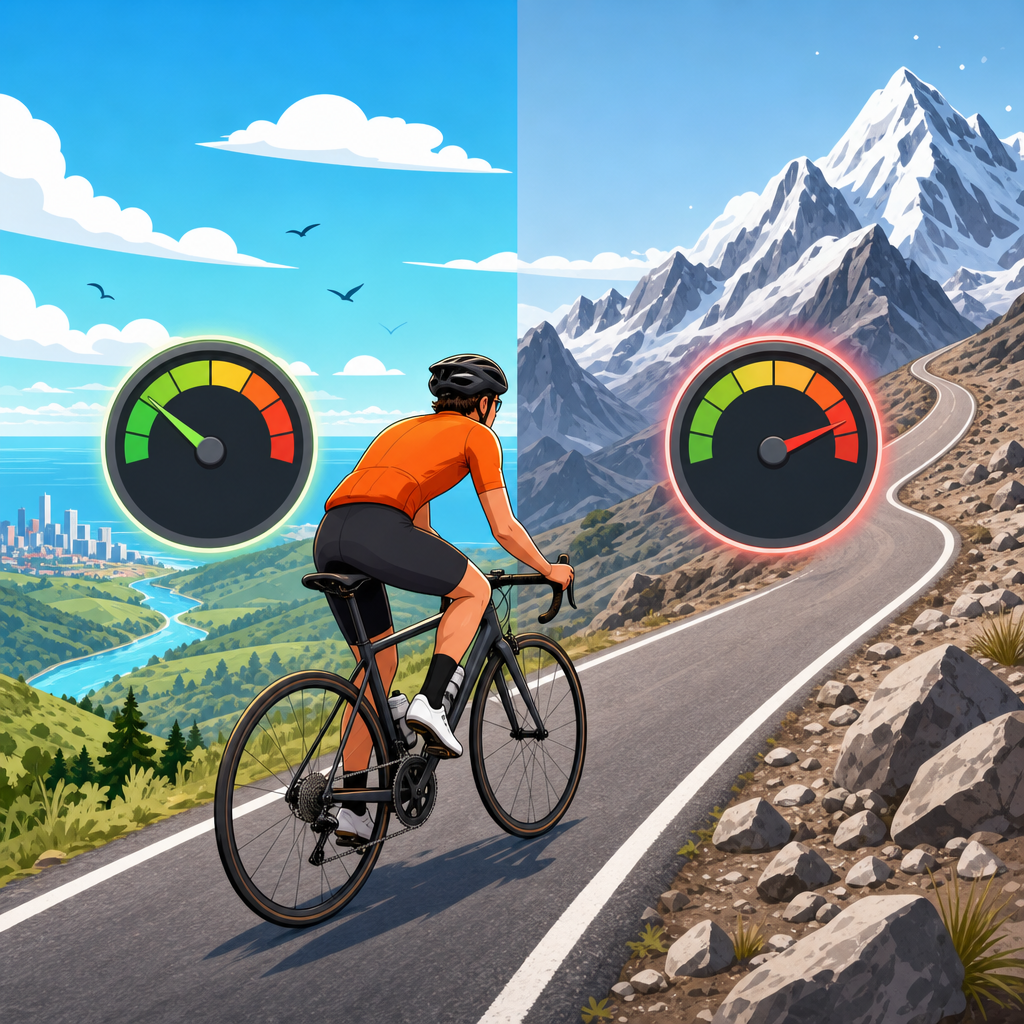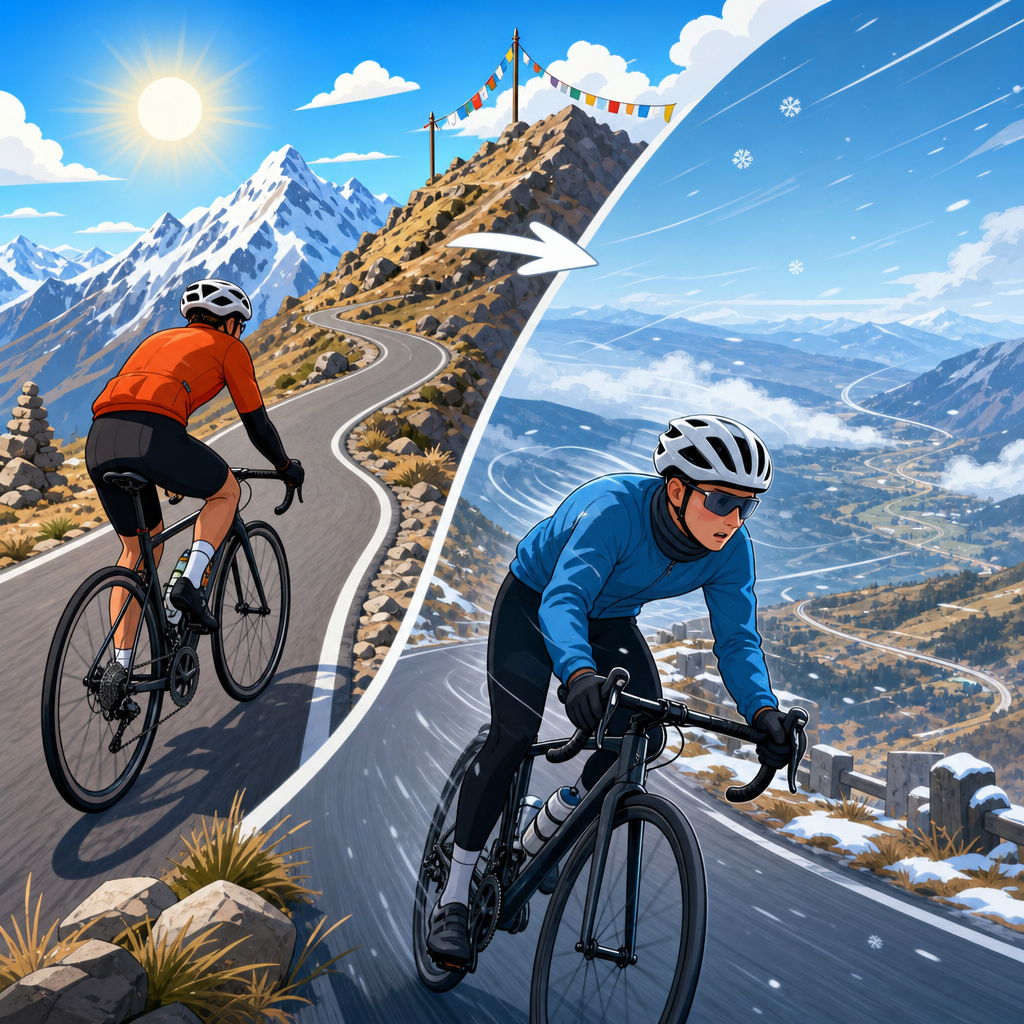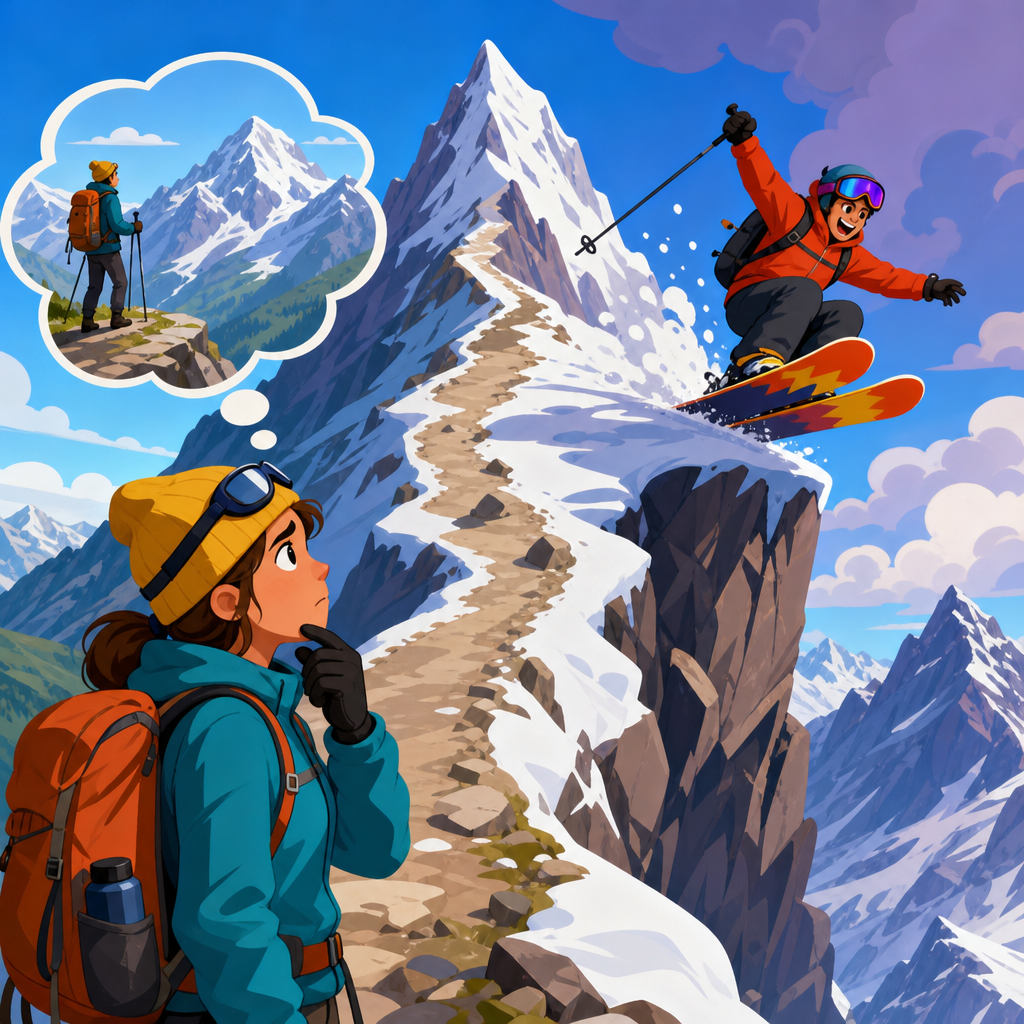
Altitude can make you more reckless on the mountain, but usually not because people suddenly become thrill seekers. More often, reduced oxygen, cold stress, dehydration, fatigue, and overconfidence quietly impair judgment until a skier, snowboarder, climber, or winter hiker accepts risks they would reject at sea level. In winter sports, that matters because many serious accidents begin with small decisions: skipping a weather check, traversing under a loaded slope, pushing one more run after exhaustion, or assuming a familiar resort boundary is still safe in storm conditions.
Altitude refers to elevation above sea level, and its practical effect begins with lower barometric pressure. The percentage of oxygen in the air stays about the same, but each breath delivers less usable oxygen to the body. Recklessness, in this context, does not mean deliberate irresponsibility. It means a measurable drop in risk perception, impulse control, situational awareness, and decision quality. On snow, where terrain changes fast and consequences escalate quickly, even a mild cognitive decline can influence route choice, speed, group spacing, avalanche behavior, and rescue response.
I have seen this pattern repeatedly on high mountain days: competent people miss obvious clues when they are hypoxic, cold, and eager to keep moving. A strong skier who would normally transition methodically starts rushing bindings and skins. A disciplined mountaineer stops eating, becomes irritable, and decides to shortcut a descent. A fit visitor from low elevation mistakes headache and lightheadedness for normal effort, then doubles down instead of backing off. These are not personality shifts as much as physiology expressing itself through behavior.
This matters across winter sports because altitude rarely acts alone. It compounds with sleep loss from travel, alcohol from the night before, glare, wind chill, low humidity, poor visibility, and social pressure in groups. It also affects beginners and experts differently. Newer participants may not recognize symptoms, while experienced athletes may normalize them and assume skill can compensate. A reliable winter sports strategy, therefore, starts with understanding how altitude changes the brain and body, how that influences risk taking, and what practical safeguards reduce preventable mistakes.
How altitude changes decision-making in winter sports
The main mechanism is hypoxia, or reduced oxygen availability to tissues, including the brain. Research in high-altitude medicine consistently shows that attention, working memory, reaction time, and executive function can decline as elevation increases, especially above roughly 2,500 meters, or about 8,200 feet. Executive function is the set of mental processes used to plan, inhibit impulses, weigh consequences, and adapt to changing conditions. When that system is dulled, a person does not always feel confused. They often feel merely a bit slower, less patient, or strangely certain.
That subtlety is what makes altitude dangerous in winter sports. A powder day at 3,000 meters can feel exhilarating, and euphoria itself may mask impairment. At the same time, hyperventilation from effort, dry air, and heavy clothing increase fluid loss. Mild dehydration can further worsen concentration and mood. Cold exposure adds another layer by narrowing blood vessels, reducing dexterity, and encouraging rushed choices just to get moving again. The result is a stack of stressors that can make conservative decision-making less likely exactly when the terrain demands it most.
Examples are easy to find. Ski tourers may skin too close together on an avalanche slope because stopping to space out feels tedious. Snowboarders riding a resort at elevation may carry too much speed into flat light because depth perception is off and reaction time is slower. Ice climbers can make clipping errors when numb hands and lower oxygen combine. Winter hikers may underestimate turnaround time because uphill effort feels familiar at first, then rapidly becomes unsustainable. In each case, altitude does not create the hazard alone, but it lowers the margin for handling it well.
Why altitude can feel like confidence instead of impairment
One of the most important points for winter sports participants is that impairment at altitude does not always feel like impairment. Early acute mountain sickness can present as headache, nausea, unusual fatigue, poor sleep, dizziness, and reduced appetite, but before those symptoms become obvious, many people simply feel off. Some become more irritable. Others become unusually committed to a plan. In practical mountain terms, that can look like refusing to shorten a tour despite rising wind slabs, dismissing a partner’s concern, or continuing downhill when a cautious regroup would be wiser.
There is also a known psychological trap in outdoor sports: commitment bias. Once people have paid for travel, trained for a trip, or hiked for several hours, they become more invested in reaching the objective. Altitude amplifies this because thinking becomes less flexible at the same time motivation to justify effort remains high. I have watched strong groups reinterpret clear warning signs to protect the original plan. They were not reckless in the casual sense. They were cognitively narrowed, physiologically stressed, and socially reinforced.
Adrenaline can disguise the problem as well. On steep terrain, excitement briefly increases alertness and can create the illusion of better performance. But adrenaline is not a substitute for oxygen. It may sharpen focus for seconds while still degrading judgment about the bigger picture. That is why many mountain incidents are not caused by one dramatic mistake. They come from a sequence of ordinary, preventable misjudgments made by people who still felt mostly functional.
Where winter sports risk rises fastest at elevation
Risk does not increase evenly across all mountain activities. It spikes where speed, exposure, isolation, and changing snowpack interact with impaired judgment. Avalanche terrain is the clearest example. The standard safety framework taught by organizations such as the American Institute for Avalanche Research and Education and Avalanche Canada emphasizes terrain selection, group management, and disciplined observation. Altitude can erode all three. People stop digging quick hand pits, ignore collapsing or shooting cracks, bunch up in runout zones, or let urgency replace deliberate communication.
Resort skiing and snowboarding are not exempt. High-elevation resorts often combine thinner air, cold temperatures, and complex terrain with the false reassurance of lift access. Visitors from low altitude may develop headaches or unusual fatigue on day one, then ski aggressively anyway. Tree wells, boundary terrain, collisions, and poor choices in visibility are common contexts where reduced judgment matters. Patrol presence lowers overall risk, but it does not eliminate the effect of a tired, dehydrated brain moving fast on snow.
Mountaineering, ice climbing, and winter hiking introduce additional concerns because self-rescue can be limited. At altitude, a poor route decision can lead to benightment, frostbite, or exposure long before it becomes a technical emergency. The most dangerous transition points are often ordinary ones: choosing whether to continue above treeline, deciding if gloves come off to manage rope systems, or determining whether weather is deteriorating faster than expected. These decisions reward clear thinking, and altitude makes clear thinking harder.
Signs that altitude is affecting behavior
The behavioral signs are usually more useful than waiting for severe symptoms. Watch for unusual haste, sloppy transitions, missed safety steps, denial of obvious fatigue, fixation on the objective, poor hydration, silence from someone who is usually communicative, or repeated small errors with familiar gear. In my experience, the best field question is simple: would this person make the same decision after a normal night of sleep at low elevation? If the answer is no, altitude and stress are probably shaping judgment.
| Situation | What altitude-related impairment can look like | Safer response |
|---|---|---|
| Backcountry ski ascent | Skipping food and water, rushing kick turns, climbing too close together | Set timed breaks, enforce spacing, reassess terrain before steep sections |
| Resort powder day | Overconfidence, late reactions, poor visibility choices, ignoring fatigue | Dial back speed, ski with a partner, stop early if headache or dizziness develops |
| Ice climbing | Fumbled clipping, forgotten commands, bare-hand exposure in cold | Slow systems down, keep commands standardized, add warm-up intervals |
| Winter summit push | Rigid turnaround decisions, irritability, minimizing weather changes | Use preset turnaround times, objective weather triggers, partner veto power |
These signs matter because they appear before dramatic illness. High altitude cerebral edema and high altitude pulmonary edema are medical emergencies, but most mountain errors occur well before those extremes. The practical goal is not to diagnose every symptom perfectly. It is to notice when behavior is becoming less reliable and reduce exposure before consequences widen.
How to reduce reckless decisions at altitude
The best prevention is layered. First, acclimatize when possible. Spending a night or two at moderate elevation before hard output improves comfort and reduces symptom severity for many people, though it does not make anyone invulnerable. Second, manage effort conservatively on arrival. The first day at altitude is not the day for maximal intensity, complex route finding, or long summit pushes. Third, hydrate and eat on a schedule rather than by appetite alone, because altitude often blunts hunger and thirst perception.
Fourth, externalize judgment. Use checklists, turnaround times, avalanche bulletins, weather apps such as OpenSnow or Mountain Forecast, and clear communication rules. Good mountain teams do not rely on how sharp everyone feels. They build systems that catch decline early. In avalanche terrain, that means one person exposed at a time, deliberate safe zones, repeated observations, and willingness to choose lower-angle terrain. In resort settings, it means stopping before fatigue cascades into bad speed control or poor visibility choices.
Fifth, respect sleep and recovery. Travel to winter destinations commonly disrupts sleep, and poor sleep magnifies altitude effects. Alcohol also worsens dehydration and sleep quality, making next-day impairment more likely. Finally, know when to descend. If headache, nausea, ataxia, unusual breathlessness at rest, confusion, or persistent worsening symptoms appear, stopping is not enough. Descent is the treatment, and emergency evaluation may be necessary. The mountain is most unforgiving when people try to negotiate with physiology.
Building a safer winter sports hub mindset
For a winter sports athlete, the real lesson is not that altitude makes everyone reckless. It is that altitude makes honest self-assessment harder. Skiers, splitboarders, snowshoers, climbers, and mountaineers need a decision process that remains reliable when the brain is slightly underpowered. That means planning before stoke takes over, choosing terrain that matches conditions rather than ambition, and treating subtle behavioral drift as a real hazard. Experience helps, but only if experience is used to simplify choices instead of rationalize risk.
This hub topic connects every major winter sports question that follows: how to fuel in the cold, how to train for uphill travel, how to choose avalanche education, how layering affects performance, how to recognize overreaching, and how to recover after big mountain days. All of those subjects matter because performance on snow is never just fitness. It is judgment under stress. Altitude changes that equation enough that every winter athlete should account for it.
So can altitude make you more reckless on the mountain? Yes, in the practical sense that it can reduce the quality of the decisions keeping you safe. The fix is not fear. It is structure: acclimatize, slow down, monitor behavior, trust objective signals, and descend when symptoms escalate. Build those habits into your winter sports routine, and the mountain becomes clearer, not safer by accident but safer by design. Before your next high-elevation day, review your plan, set your limits, and make conservative decisions early.
Frequently Asked Questions
Can altitude actually make people more reckless on the mountain?
Yes, but usually not in the dramatic sense of someone suddenly turning into an adrenaline junkie. What altitude more often does is subtly weaken the mental skills that support good judgment. As elevation increases, lower oxygen availability can affect attention, reaction time, decision-making, and self-awareness. Add in cold exposure, dehydration, fatigue, hunger, and the pressure to make the most of a ski day or summit attempt, and people can begin accepting risks they would normally avoid. That might look like dropping into a run without checking conditions, traversing beneath a wind-loaded slope, ignoring signs of exhaustion, or deciding to squeeze in “just one more” descent late in the day.
In winter mountain environments, serious accidents often start with a chain of small, ordinary decisions rather than one obviously reckless act. Altitude can contribute to that chain by making people slower to notice warning signs, less likely to reassess a plan, and more confident in a poor decision than they should be. So the issue is not that altitude creates reckless personalities. It is that it can quietly erode the mental margin of safety that helps skiers, snowboarders, climbers, and winter hikers stay disciplined when conditions become demanding.
Why does reduced oxygen affect judgment and decision-making at higher elevations?
At altitude, the air contains the same percentage of oxygen as at sea level, but the lower atmospheric pressure means your body gets less usable oxygen with each breath. That reduced oxygen delivery, especially before acclimatization, can impair brain function in ways that matter outdoors. People may have more difficulty concentrating, processing information, recognizing patterns, and weighing consequences. They can also become more irritable, impulsive, or mentally foggy without fully realizing it. That is a dangerous combination in terrain where safe travel depends on constant observation and disciplined choices.
On the mountain, judgment is rarely tested by a single big question. Instead, it is tested by dozens of small calls: Is the snowpack changing? Is the weather building faster than expected? Do we have enough energy to get down safely? Is this line exposing us to terrain traps? When oxygen is limited, it becomes easier to miss clues, rationalize red flags, or stick with a plan that no longer fits reality. This is especially important during the first day or two at altitude, during hard efforts, and when people are also cold, tired, or dehydrated. Reduced oxygen does not guarantee bad judgment, but it lowers cognitive performance enough that mountain decision-making can become less reliable at exactly the moment precision matters most.
What other mountain factors combine with altitude to increase risky behavior?
Altitude rarely acts alone. The biggest problem is the pileup effect: several manageable stressors can combine into a meaningful loss of judgment. Cold is one of the most important. When you are cold, your body works harder, fine motor skills decline, and comfort starts to drive decision-making. Dehydration also plays a major role because high, cold, dry air increases fluid loss through breathing, while many people drink less than they should in winter. Even mild dehydration can worsen fatigue, headaches, and mental sluggishness. Add hunger or low blood sugar, and people become more likely to rush, skip steps, and underestimate consequences.
Fatigue is another major contributor. A long skin track, repeated resort laps, a heavy pack, broken trail, poor sleep, or the cumulative strain of several days in the mountains can produce the kind of exhaustion that narrows attention and encourages shortcut thinking. Social and psychological pressures matter too. Powder fever, summit fever, group momentum, familiarity with terrain, and overconfidence after a few successful runs can all push people toward decisions that feel normal in the moment but are objectively less safe. Altitude amplifies these pressures by reducing the mental reserve needed to challenge them. That is why experienced mountain travelers treat risk as cumulative. They do not just ask, “Is this slope safe?” They ask, “How are weather, snowpack, altitude, fatigue, hunger, and our current mindset affecting our ability to judge this slope well?”
How can you tell whether altitude is affecting your thinking before it leads to a bad decision?
The tricky part is that altitude-related impairment is often subtle. People do not always feel dramatically sick. Instead, they may notice a headache, unusual breathlessness, poor sleep, slower thinking, irritability, indecisiveness, or the opposite problem: unwarranted confidence and a tendency to dismiss concerns. You might catch yourself forgetting routine steps, misreading terrain, making sloppy transitions, struggling to follow a conversation, or becoming impatient with basic safety checks. In group settings, one of the clearest warning signs is a change in behavior: the normally methodical partner who starts rushing, the cautious rider who suddenly minimizes avalanche concerns, or the strong athlete who refuses to admit they are fading.
A good practical test is to compare current behavior against your normal standards at lower elevation. Are you skipping checks you always do? Are simple tasks taking longer? Are you pushing on because the objective matters more than the conditions? Another useful strategy is to build in deliberate pause points where you reassess route, weather, snow, time, and group energy. If someone is struggling to think clearly, becoming emotionally reactive, or resisting basic discussions about turning around, that is information, not just attitude. In more serious cases, worsening headache, nausea, dizziness, poor coordination, confusion, or unusual fatigue can suggest altitude illness rather than ordinary tiredness, and those symptoms should never be ignored. Recognizing the shift early is one of the best ways to prevent a minor judgment lapse from becoming a serious mountain incident.
What can skiers, snowboarders, climbers, and winter hikers do to stay safer at altitude?
The best approach is to assume that altitude may reduce your judgment before you notice it and to plan accordingly. Start by being conservative on your first day or two at elevation, especially if you have come from low altitude. Ease into exertion, drink regularly, eat consistently, and avoid letting excitement dictate your pace. Prioritize sleep as much as possible, because poor recovery magnifies the cognitive effects of altitude and effort. Build extra time into the day so you are not making decisions while rushed, and treat changing weather, unstable snow, and end-of-day fatigue as reasons to tighten your standards rather than relax them.
Use simple systems to protect yourself from subtle mental drift. Check the forecast and avalanche bulletin before heading out. Set turnaround times. Agree in advance on red lines for terrain, weather, visibility, and group energy. Encourage partners to question decisions openly, and make it normal for anyone to call for a pause or retreat. In avalanche terrain, disciplined route choices matter more than confidence. In resort settings, do not underestimate the risks of fatigue, tree wells, sidecountry decisions, or one final run after energy and focus are gone. Most importantly, separate commitment from competence: wanting the line, summit, or descent does not mean current conditions or current mental sharpness support it. People stay safer at altitude not by being fearless, but by being systematic, hydrated, rested, observant, and humble enough to back off when the mountain is asking more of them than they can reliably give that day.