Waking up with a dry mouth in mountain air is common, but it is not something you have to accept as the price of sleeping at altitude. Dry mouth, or xerostomia, happens when the mouth does not stay moist enough during sleep, and mountain environments make that more likely because the air is colder, thinner, and usually far less humid than at lower elevations. In practical terms, you may wake with a sticky tongue, sore throat, bad breath, cracked lips, or a strong urge to drink water before you can speak comfortably. For people focused on sleep and recovery, that matters because mouth dryness often signals disrupted breathing, fragmented sleep, or poor overnight hydration habits that can reduce next-day energy, training quality, and overall recovery.
I have worked with travelers, hikers, skiers, and endurance athletes who sleep well at home but struggle in cabins, lodges, and high desert towns. The pattern is predictable: a dry room, a slightly stuffy nose, heavier breathing from altitude, maybe a drink in the evening, and suddenly they are waking at 3 a.m. with a cotton-dry mouth. The good news is that this problem usually responds to a few specific fixes. To stop waking up with a dry mouth in mountain air, you need to understand the mechanisms first: low humidity increases moisture loss, nasal congestion pushes you toward mouth breathing, altitude can change breathing patterns, and some medications and habits amplify the effect. Once those pieces are clear, the right sleep and recovery plan becomes straightforward.
This article is the central guide to sleep and recovery within a broader sleep, hydration, and nutrition approach. It explains why mountain air dries your mouth, how to identify the true cause, what changes help immediately, and when dry mouth points to a larger issue such as sleep apnea, medication side effects, or chronic dehydration. If you want better sleep quality, fewer nighttime wake-ups, easier morning recovery, and more stable hydration at elevation, start here and use this page as your foundation for every other sleep and recovery adjustment you make.
Why mountain air causes dry mouth during sleep
Mountain air is typically drier because colder air holds less moisture, and many high-altitude regions also have low ambient humidity year-round. Indoor heating makes that worse. In a heated hotel room at altitude, relative humidity can drop into a range that dries the nose, mouth, and throat overnight. Every breath then pulls moisture from the tissues that line your airway. If you are breathing through your mouth, moisture loss rises sharply because the mouth does not warm, filter, and humidify air as efficiently as the nose. That is why many people feel normal during the day but wake with severe dryness after hours of sleep.
Altitude itself adds another layer. At higher elevations, oxygen pressure is lower, so your body often responds by breathing faster or deeper, especially during the first few nights. This can increase evaporative water loss from the respiratory tract. Some people also develop mild altitude-related nasal irritation, which narrows the nasal passages and encourages mouth breathing. In my experience, the first two or three nights above roughly 5,000 to 7,000 feet are when dry mouth complaints spike, particularly among visitors who arrived quickly from sea level and are sleeping in overheated rooms.
Recovery suffers when this becomes a pattern. Dry mouth is not only uncomfortable; it can interrupt sleep architecture by causing micro-awakenings, thirst, throat irritation, and restlessness. Poor sleep then affects reaction time, mood, glucose regulation, immune function, and training adaptation. If your goal is to recover well in the mountains, preventing overnight airway dryness should sit alongside hydration, nutrition timing, and sleep duration.
The most common causes: mouth breathing, dehydration, and environment
The leading cause of waking with a dry mouth is mouth breathing. Most often, mouth breathing at night begins with nasal obstruction. Allergies, a deviated septum, a cold, dust from dry lodging, or simply swollen nasal tissue from climate change can make the nose less usable. When the nose is partially blocked, the jaw drops open in sleep and dry air moves across the oral tissues for hours. You wake parched even if your total daily water intake looked fine on paper.
Dehydration is the second major factor, but it needs precision. Many people assume dry mouth always means they did not drink enough water. Sometimes that is true, especially after travel, exercise, alcohol, or caffeine late in the day. But overdrinking right before bed can create a different problem by increasing bathroom trips and fragmenting sleep. The goal is not to chug water at midnight; it is to maintain fluid balance through the day, replace sweat losses, and go to bed hydrated but not overfull.
Environmental exposure matters just as much. Forced-air heat, wood stoves, high thread-count bedding that feels warm but dries the room, and fans aimed at the face all increase overnight moisture loss. I regularly see people make one excellent recovery choice, such as cutting alcohol, but leave the room humidity at a desert level. Without changing the sleeping environment, improvement is often limited.
How to tell what is actually causing your dry mouth
Start with pattern recognition. If you wake with a dry mouth and also have a dry nose, scratchy throat, and chapped lips, the room air is probably a major contributor. If your mouth is dry but your nose feels blocked or you snore, mouth breathing is more likely. If symptoms worsen after wine, antihistamines, decongestants, or cannabis, those triggers may be reducing saliva production or worsening airway dryness. Common dry-mouth medications include many antidepressants, stimulant medications, blood pressure drugs, antihistamines, and some sleep aids.
Look for signs of sleep-disordered breathing. Loud snoring, witnessed pauses in breathing, waking with headaches, unrefreshing sleep, and daytime sleepiness raise concern for obstructive sleep apnea. Altitude can aggravate unstable breathing patterns in susceptible people. A dry mouth does not prove apnea, but in practice it is often one clue among several. If those symptoms are present, especially with high blood pressure or obesity, professional evaluation matters more than another glass of water on the nightstand.
Saliva quality is another clue. Persistent dry mouth throughout the day, trouble swallowing dry foods, increased cavities, gum irritation, or oral burning can suggest a broader salivary issue rather than a mountain-specific one. Dentists often identify this first because reduced saliva raises cavity risk by limiting the mouth’s natural buffering and remineralization functions.
What to do tonight: practical steps that work fast
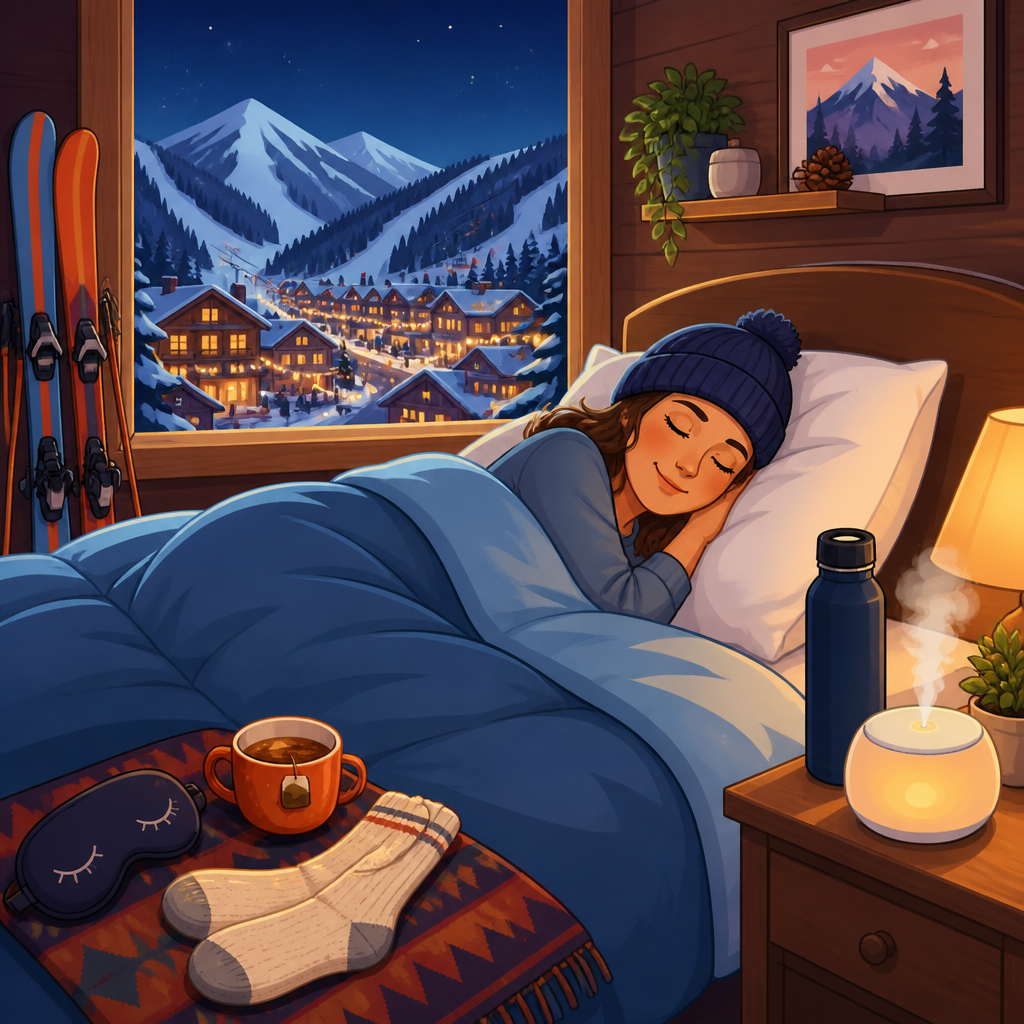
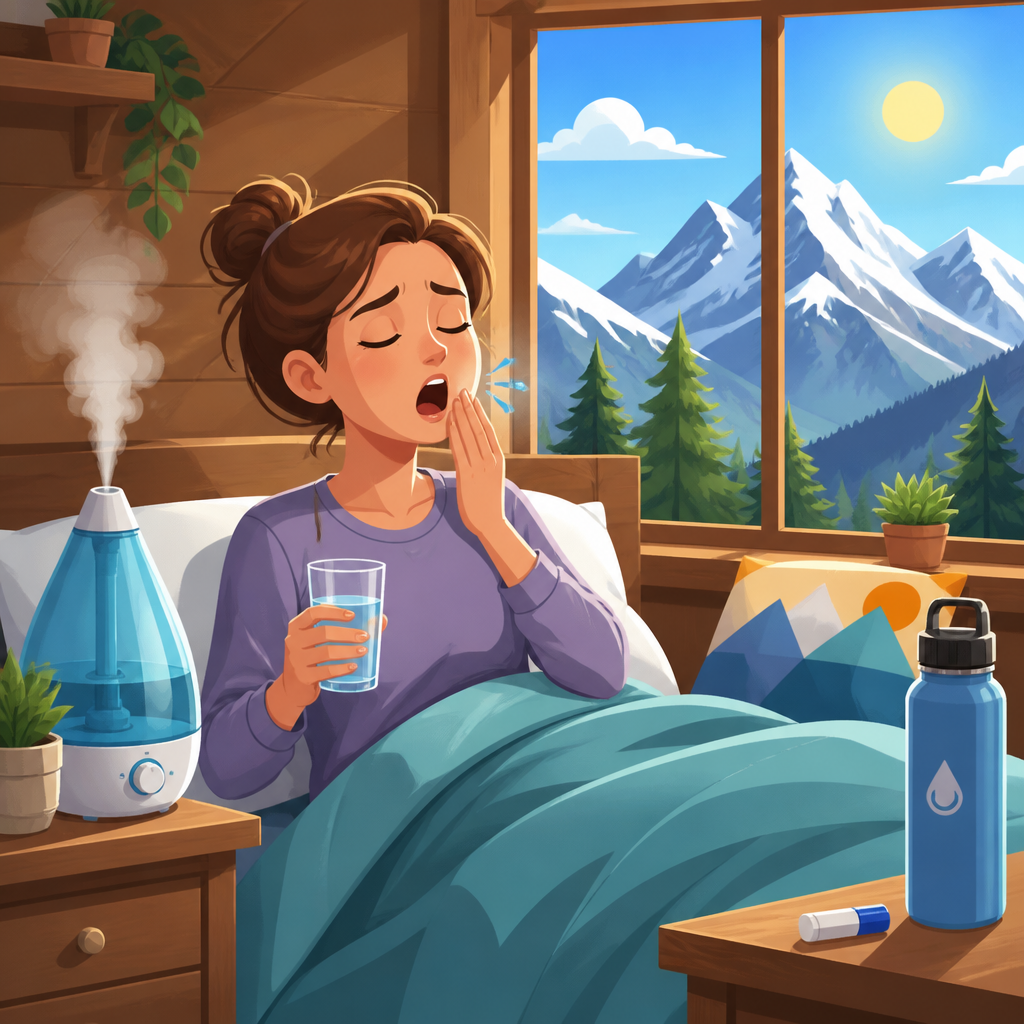
The fastest improvement usually comes from restoring nasal breathing and adding moisture to the sleep environment. Use a humidifier in the bedroom if possible. Cool-mist ultrasonic and evaporative units both work when they are cleaned properly; the main target is moderate room humidity, often around 30 to 50 percent. That range is generally comfortable without encouraging condensation or mold. If you do not have a humidifier, lowering the thermostat slightly and moving away from direct vent heat can still help.
Next, make nasal airflow easier before bed. A saline nasal rinse or saline spray can reduce dryness and wash out irritants without the rebound effects associated with some medicated sprays. External nasal strips help some people by mechanically widening the nasal valve area. If allergy congestion is the driver, targeted treatment such as an intranasal steroid may help, but those medications work best when used correctly and consistently rather than as a one-night fix.
Support hydration earlier in the day. Drink regularly, include electrolytes after heavy sweating, and eat water-rich foods at dinner such as fruit, soup, or vegetables. Limit alcohol close to bedtime because it increases dehydration risk, relaxes upper-airway muscles, and worsens snoring in many people. Be cautious with very salty late meals if you already wake thirsty. For immediate relief, sugar-free xylitol lozenges or oral moisturizing gels can help maintain comfort, though they treat the symptom more than the cause.
A complete sleep and recovery plan for mountain stays
Dry mouth improves most when it is addressed as part of a full sleep and recovery system. In mountain settings, I recommend building your routine around breathing, hydration timing, environment, and recovery load. That means preparing the room, protecting nasal function, managing exercise intensity after arrival, and reducing behaviors that destabilize sleep. People often think recovery starts after they wake up, but at altitude it starts with how they set up the night.
| Recovery area | What to do | Why it helps |
|---|---|---|
| Room environment | Use a clean humidifier, reduce direct heat, keep air moderately cool | Limits moisture loss from mouth and nose overnight |
| Nasal breathing | Try saline rinse, nasal strips, allergy control if needed | Promotes nose breathing, which humidifies inhaled air |
| Hydration timing | Hydrate steadily during the day, replace sweat and altitude losses | Supports saliva production without causing repeated nighttime urination |
| Evening habits | Limit alcohol, avoid smoking, moderate late caffeine | Reduces dehydration, snoring, and fragmented sleep |
| Training load | Ease into hard sessions for the first days at altitude | Reduces excessive breathing stress and improves overnight recovery |
| Medical follow-up | Assess snoring, apnea symptoms, and medication side effects | Finds underlying causes that simple home fixes cannot solve |
Exercise intensity deserves special attention. Hard training on day one at altitude increases ventilation, fluid loss, and stress hormones, which can leave you breathing heavily and sleeping poorly that night. A better approach is to keep the first day aerobic and extend your warm-up and cooldown. That supports acclimatization and often reduces night-one dry mouth significantly. Recovery nutrition helps too: adequate carbohydrate supports sleep and glycogen restoration, while enough protein supports tissue repair. A balanced evening meal beats a random snack followed by dehydration.
If you are traveling with children or older adults, monitor them more closely. Kids may not describe dry mouth clearly and may simply wake cranky or thirsty. Older adults are more likely to take medications that reduce saliva and may be more vulnerable to dehydration. In both groups, simple environmental changes and steady daytime fluids often make a noticeable difference within one or two nights.
When to get professional help and what treatments may be recommended
If dry mouth persists despite environmental changes and better hydration, it is time to look deeper. A primary care clinician, sleep specialist, or dentist can help identify whether the issue is primarily respiratory, medication-related, or salivary. Sleep studies are commonly used when snoring, witnessed apneas, morning headaches, or severe daytime fatigue suggest sleep apnea. Treating apnea with continuous positive airway pressure can improve dry mouth, especially when mask fit and humidification settings are optimized. In some cases, however, mouth leak during therapy causes dryness, so equipment adjustments are important.
An ear, nose, and throat specialist may evaluate structural nasal problems such as septal deviation, turbinate enlargement, or chronic sinus disease. Dentists can assess cavity risk, gum inflammation, and evidence of grinding or mouth breathing. For chronic low-saliva states, clinicians may review medications, recommend saliva substitutes, or investigate conditions such as Sjögren’s syndrome when symptoms are broader than nighttime dryness.
The key point is simple: mountain air may trigger dry mouth, but it should not hide serious sleep or airway problems. Most people can improve quickly with humidity, nasal support, and smarter hydration habits. If symptoms continue, use that discomfort as useful feedback and address the root cause. Better sleep, better recovery, and easier mornings in the mountains usually follow. Review your room setup, breathing, and evening routine before your next trip, and make one change tonight.
Frequently Asked Questions
Why does mountain air make me wake up with a dry mouth more often than I do at lower elevations?
Mountain air is usually much drier than air at lower elevations, and that lower humidity makes it easier for moisture to evaporate from your mouth, nose, and throat while you sleep. On top of that, cooler temperatures, thinner air, indoor heating, and poor overnight hydration can all add to the problem. If your nose feels irritated or congested at altitude, you are also more likely to breathe through your mouth during sleep, which dries oral tissues even faster. That is why people sleeping in cabins, ski lodges, or heated hotel rooms in the mountains often wake up with a sticky mouth, cracked lips, sore throat, or bad breath even if they do not usually deal with those symptoms at home. In short, the issue is not just the altitude itself, but the combination of dry climate, nighttime breathing habits, and a sleeping environment that pulls moisture away from your airways.
What are the best ways to prevent dry mouth overnight when sleeping in mountain air?
The most effective approach is to reduce moisture loss before and during sleep. Start by hydrating steadily through the day instead of trying to fix dehydration with a large amount of water right before bed. Use a humidifier in your bedroom if possible, especially in heated rooms where the air becomes extremely dry overnight. Try to keep your nose clear with saline spray or a gentle rinse so you can breathe through your nose rather than your mouth. Avoid alcohol in the evening because it contributes to dehydration and can increase mouth breathing and snoring. It also helps to limit caffeine late in the day if it tends to dry you out. Before bed, use a lip balm and consider a dry-mouth rinse, moisturizing mouth gel, or xylitol lozenge if those products work well for you. If you snore, sleep with your head slightly elevated and pay attention to whether nasal congestion, allergies, or sleep position are making your mouth fall open. Many people also find that keeping the bedroom slightly cooler while adding humidity works better than sleeping in a very warm, dry room. The goal is to support normal nasal breathing and protect moisture in the mouth all night long.
Does waking up with a dry mouth in the mountains mean I am dehydrated?
Not always. Dry mouth can be a sign of dehydration, but it can also happen even when your overall fluid intake is decent. In mountain settings, dry air alone can irritate and dry the mouth and throat during sleep, especially if you sleep with your mouth open. That said, altitude can increase fluid loss through breathing, and people often become mildly dehydrated without realizing it because they are more active, sweating under layers, drinking coffee, or spending time in heated indoor air. A good way to think about it is that dehydration can make dry mouth worse, but it is not the only cause. If you also notice dark urine, headache, unusual fatigue, dizziness, or strong thirst during the day, dehydration may be part of the picture. If your main symptom is waking with a dry mouth but you otherwise feel well and improve after using a humidifier or clearing your nose, the dryness may be more related to your sleep environment and breathing pattern than to a serious fluid deficit.
Can mouth breathing or snoring be the real reason I wake up with a dry mouth at altitude?
Yes, very often. Mountain air creates the conditions for dryness, but mouth breathing is frequently what turns that background dryness into a noticeable morning problem. When you breathe through your mouth, air moves directly across the tongue, gums, and soft tissues for hours, causing far more moisture loss than normal nasal breathing. Snoring can make this worse because it often happens with an open mouth and partially obstructed airflow. At altitude, even mild nasal stuffiness from dry air, allergies, or irritation can push you toward mouth breathing without you realizing it. If you wake with dry mouth plus a scratchy throat, noisy snoring, drooling on the pillow, or a sense that your nose is blocked at night, mouth breathing is a likely contributor. Addressing nasal congestion, improving room humidity, changing sleep position, and reducing alcohol near bedtime can help significantly. If snoring is frequent, severe, or comes with pauses in breathing, gasping, daytime sleepiness, or morning headaches, it is worth discussing with a medical professional because sleep-disordered breathing may be involved.
When should I be concerned about dry mouth in mountain air and talk to a doctor or dentist?
Occasional dry mouth during a trip to the mountains is common, but persistent or severe symptoms deserve attention. If the problem continues after you return to a more humid environment, happens regularly no matter where you sleep, or is getting worse over time, it may not be just the mountain air. Dry mouth can also be linked to medications, allergies, chronic nasal obstruction, acid reflux, autoimmune conditions, or sleep apnea. You should consider professional advice if you have frequent sore throat, trouble swallowing, mouth sores, hoarseness, worsening bad breath, changes in taste, increased cavities, gum irritation, or cracked tissues that do not improve. A dentist can help identify signs that reduced saliva is affecting your oral health, while a doctor can evaluate underlying causes such as medication side effects, chronic congestion, or sleep-related breathing issues. Saliva does important protective work for your teeth, gums, and oral tissues, so ongoing xerostomia is not something to ignore if simple changes like better hydration, humidification, and nasal support are not solving it.