High altitude cough is a common problem in mountains, ski towns, high deserts, and on flights to elevated destinations, but the reason behind it is not always simple. In practice, I have seen people assume every cough at altitude means they are getting sick, while others ignore warning signs because they blame the thin air. Both mistakes matter. A cough can come from dry air irritating the throat, a viral illness picked up during travel, allergies, postnasal drip, reflux, asthma, or a more serious altitude-related condition that needs urgent care. Understanding the difference helps people protect breathing, avoid unnecessary antibiotics, and recognize emergencies early.
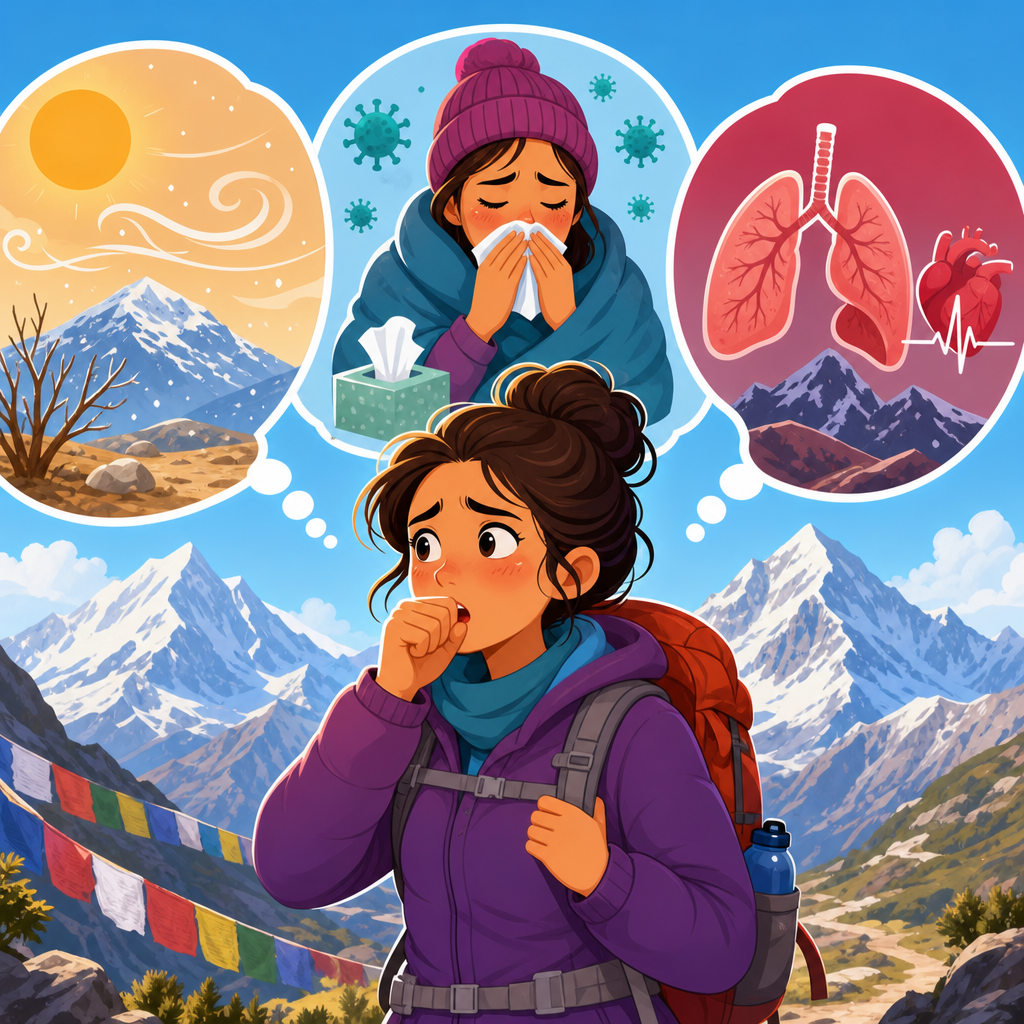
At higher elevations, air pressure drops and humidity is usually lower, especially indoors where heaters run continuously. That combination dries the nose, mouth, throat, and airways. The term high altitude cough usually refers to a dry, persistent cough that starts after ascent and is not caused by infection. It is often worse at night, during exercise, and when someone breathes through the mouth. By contrast, an illness-related cough may come with fever, muscle aches, nasal congestion, sore throat, or exposure to sick contacts. Something serious usually means a condition such as high-altitude pulmonary edema, severe asthma, pneumonia, or a blood clot, all of which can involve cough but also cause shortness of breath, chest symptoms, or declining exercise tolerance.
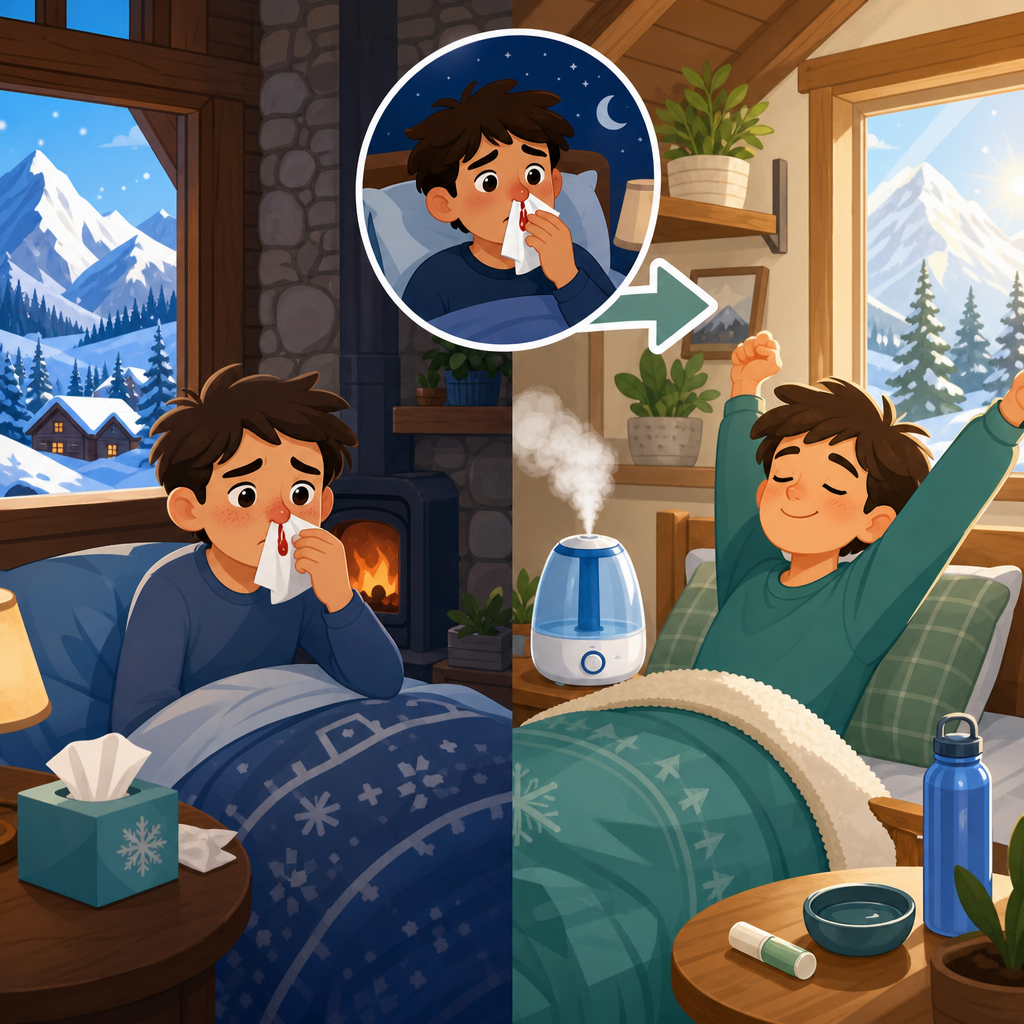
This topic sits within a broader ENT and sensory health picture. Dry mountain air can trigger nosebleeds, sinus pressure, ear discomfort, throat pain, altered smell, eye irritation, and disturbed sleep from congestion or mouth breathing. Home comfort also matters because hotel heaters, wood stoves, forced-air systems, dust, and wildfire smoke can intensify symptoms. If you are building out a complete plan, this hub naturally connects to related guides on dry nose relief, sinus care at altitude, ear pressure during flights and mountain drives, indoor humidity, sore throat without infection, and when to seek emergency care for breathing symptoms. The goal here is to help you sort the likely cause of a high altitude cough and know what to do next.
Why altitude makes people cough
The simplest explanation is mechanical irritation. Cold, dry air strips moisture from airway surfaces with every breath. The lining of the nose and throat becomes less effective at warming, filtering, and humidifying air, so deeper airways feel the stress. During hiking, skiing, or stair climbing, people breathe faster and often through the mouth, which bypasses part of the nose’s humidifying role. That can produce a scratchy throat, a tickle in the chest, and a repetitive dry cough. I see this most often in visitors who arrive from humid climates and spend their first day outdoors without enough fluid intake.
Altitude itself may also increase cough sensitivity. Studies on mountaineers have found that coughing becomes more common as elevation rises, even when infection is absent. Researchers have proposed several factors: airway water loss, inflammation from intense breathing, colder inspired air, and mild fluid shifts in the lungs that do not yet meet criteria for edema. This is why some healthy climbers develop a nagging cough above roughly 2,500 to 3,000 meters, especially with exertion. It often improves with descent, rest, better hydration, and reducing exposure to frigid, dry air.
Environmental triggers add another layer. Hotel rooms can have relative humidity below 20 percent in winter, similar to aircraft cabins. Smoke from fireplaces or wildfires, dust from older heating systems, scented cleaning products, and altitude-associated pollen exposure can all aggravate the upper airway. A person may think the mountain caused the cough when the actual trigger is the room they are sleeping in. Looking at the full environment is important.
Dry air cough versus illness: how to tell the difference
A dry-air cough usually starts soon after arrival at elevation or after a day spent outside in cold wind. The cough is typically dry or nearly dry, without much mucus. The throat feels parched, the voice may become slightly hoarse, and the nose may feel crusted or irritated. Symptoms often improve after warm fluids, saline nasal spray, indoor humidity in the 30 to 50 percent range, a shower, lozenges, and sleeping with the head slightly elevated. Energy level is usually preserved, apart from normal fatigue from travel or exertion.
An illness-related cough tends to bring a larger symptom package. Viral upper respiratory infections often start with sore throat, runny nose, sneezing, headache, body aches, or low-grade fever before the cough worsens. Influenza and COVID-19 can produce abrupt fatigue and fever. Bronchitis may cause chest discomfort and a cough that becomes productive after a few days. Sinus infection can trigger cough indirectly through postnasal drip, especially at night. In children, ear pain, reduced appetite, or irritability may be part of the picture because the same upper airway inflammation affects the ears and sinuses.
Timing helps. If the cough began before travel, or several days after exposure to sick family members, illness is more likely than altitude. If multiple people sharing a cabin develop fever and congestion, think contagious infection first. On the other hand, if only one person develops a dry nighttime cough after sleeping next to a heater vent, dry air becomes the leading explanation. Real life is messy, though. Altitude irritation can coexist with a virus, which is why you should track the whole pattern rather than one symptom in isolation.
ENT and sensory issues that commonly overlap
Most high altitude cough is not just a lung problem. It starts in the upper airway. The nose dries out, mucus thickens, and the normal ciliary system that clears debris slows down. That leads to crusting, congestion, facial pressure, and postnasal drip. Many people describe “a cough from the chest” when the real trigger is mucus hitting the back of the throat. Saline irrigation, when done with sterile or previously boiled water, often helps because it thins secretions and reduces inflammatory debris.
Ear and sinus pressure are also common at elevation because pressure changes during driving, lifts, or flights affect the Eustachian tubes and sinus openings. Swollen nasal tissue from dryness, allergies, or infection makes pressure equalization harder. That can create ear fullness, muffled hearing, popping, dizziness, or pain that seems unrelated to the cough but shares the same source: inflamed upper airways. For many travelers, treating nasal dryness and congestion improves cough, sleep, ear comfort, and voice quality at the same time.
The eyes and throat are part of the same comfort system. Dry eyes, mouth breathing, snoring, and waking with a raw throat often appear together in heated mountain lodging. People who use antihistamines, stimulant medications, or some antidepressants may feel this more strongly because these drugs can reduce moisture. Contact lens wearers also notice irritation sooner. When the whole mucosal system is dry, cough becomes more likely.
Red flags: when a cough could mean something serious
The most important dangerous cause to recognize is high-altitude pulmonary edema, often called HAPE. This condition happens when pressure in lung blood vessels rises unevenly after rapid ascent, leading to fluid leakage into the lungs. Early signs can be subtle: unusual breathlessness with exertion, reduced exercise tolerance, fast heart rate, and a dry cough. As it worsens, the cough may become wet, breathing becomes difficult even at rest, and oxygen levels fall. People may look pale or bluish, feel profoundly weak, or struggle to walk uphill at a pace that should be easy. HAPE is a medical emergency. The definitive treatment is immediate descent, oxygen if available, and urgent medical evaluation. Nifedipine is sometimes used in appropriate settings, but it is not a substitute for descent.
Other red flags also require attention. Seek prompt medical care for chest pain, coughing up blood, wheezing that does not improve with a rescue inhaler, fever with shortness of breath, confusion, fainting, or lips turning blue. Pneumonia can follow viral illness and cause fever, productive cough, chest pain, and low oxygen. Asthma can flare in cold dry air, sometimes presenting mainly as cough and chest tightness. A pulmonary embolism is less common but serious, especially after long travel, recent surgery, clotting disorders, or estrogen use. The danger sign is not simply cough; it is cough plus impaired breathing, pain, or systemic decline.
| Feature | Dry air irritation | Viral illness | Something serious |
|---|---|---|---|
| Cough type | Usually dry, tickly | Dry or productive | Dry early, sometimes wet later |
| Typical timing | After ascent, heaters, cold exposure | After sick contact or incubation period | After rapid ascent or with sudden decline |
| Associated signs | Dry nose, sore throat, hoarseness | Fever, aches, congestion, fatigue | Breathlessness, chest pain, low oxygen, weakness |
| Response to fluids and humidity | Often improves | Limited or partial | Insufficient |
| Recommended action | Self-care and monitoring | Rest, testing when appropriate, medical advice if worsening | Urgent evaluation, possible descent and oxygen |
What actually helps at home, in hotels, and on the mountain
The best treatment depends on the cause, but simple airway support prevents many altitude coughs. Start with fluid intake that matches exertion, though do not force excessive water. Warm beverages can soothe the throat and encourage nasal breathing. Use saline nasal spray several times a day, and consider saline gel or a thin layer of nasal moisturizer inside the nostrils if crusting is severe. Aim for indoor humidity around 30 to 50 percent. Above that range, mold and dust mites become more likely, so more is not always better. A clean humidifier can help in a dry bedroom, but it must be maintained carefully according to manufacturer instructions.
Reduce airway stress. Cover the nose and mouth with a buff or mask in very cold air to warm inspired air. Pace exertion for the first one to three days after ascent. If reflux contributes, avoid heavy late meals and alcohol close to bedtime, and elevate the head of the bed slightly. For allergy-prone travelers, check pollen and wildfire smoke forecasts before arrival. A HEPA air purifier in a bedroom can reduce particulate irritants, especially in rental properties with pets, dust, or smoke residue.
Medication choices should be practical and limited. Lozenges, honey for adults and children over one year, and acetaminophen or ibuprofen for throat discomfort are reasonable. If cough is clearly tied to postnasal drip from allergies, a non-sedating antihistamine or an intranasal steroid may help, but steroids take time to work and can worsen dryness in some people. Decongestant sprays may relieve severe congestion briefly, yet overuse can cause rebound congestion. Antibiotics do not treat dry air cough or viral colds. If you have asthma, bring a rescue inhaler, use it according to your action plan, and discuss altitude travel with your clinician before the trip.
Special situations: children, older adults, athletes, and people with chronic conditions
Children often present less clearly than adults. They may swallow mucus instead of spitting it out, so a nighttime cough can be due to postnasal drip, viral infection, or dry air rather than a chest problem. Watch for fast breathing, chest pulling between the ribs, poor drinking, lethargy, or blue lips. Older adults may underreport shortness of breath or attribute it to age or deconditioning, which makes oxygen checks and careful observation more important.
Athletes and hikers are especially prone to dry-air cough because high ventilation rates magnify airway water loss. Cross-country skiers, winter runners, and mountaineers often describe coughing fits after exertion. In some, this overlaps with exercise-induced bronchoconstriction. Pre-exercise warmups, face coverings in cold air, and physician-guided inhaler use can reduce symptoms. People with chronic sinusitis, allergic rhinitis, reflux, COPD, or asthma should think ahead because altitude can expose weak points in airway control.
If someone has had HAPE before, that history matters. Recurrence risk is significant with rapid re-ascent, especially without acclimatization. Clinicians sometimes discuss preventive strategies such as slower ascent or selected medications for high-risk individuals, but those plans should be personalized. For most travelers, the safest prevention is conservative ascent, rest on arrival, moderate effort early, and respect for symptoms that are out of proportion to the situation.
How to decide when to monitor, book a visit, or get urgent care
Monitor at home if the cough is mild, dry, linked to obvious altitude exposure, and improving with humidity, fluids, and rest. Book a routine medical visit if it lasts more than two to three weeks, disrupts sleep despite self-care, repeatedly returns at altitude, or comes with recurrent sinus, ear, or reflux symptoms that need a broader plan. Medical review is also reasonable if you suspect asthma, vocal cord dysfunction, allergy, or medication side effects such as cough from ACE inhibitors.
Get same-day or urgent evaluation for fever, productive cough with worsening shortness of breath, wheezing, low oxygen readings, or inability to keep up with normal activity. Seek emergency care immediately for severe breathing difficulty, chest pain, blue lips, confusion, fainting, or signs consistent with HAPE. If you are at altitude and symptoms worsen rapidly, descending is not overreacting; it is often the safest first step while arranging care.
High altitude cough is usually a dryness and irritation problem, but not always. The key is pattern recognition: dry tickle plus exposure often points to airways that need moisture and rest; fever, aches, and congestion suggest illness; breathlessness, chest symptoms, and functional decline raise concern for something serious. Because ENT and sensory issues overlap so strongly with cough at altitude, prevention starts with the nose, throat, indoor air, and sleep environment as much as with the lungs. Use this hub as your starting point for related topics such as dry nose, sinus pressure, ear popping, throat irritation, indoor humidity, and smoke exposure. If symptoms are not following the expected course, trust that signal and get medical advice early.
Frequently Asked Questions
Why does high altitude often cause a dry cough even when I am not actually sick?
A dry cough at altitude is very often caused by the environment rather than an infection. Higher elevations usually have colder, drier air with lower humidity, and that air can irritate the lining of the nose, throat, and upper airways. When you breathe faster during hiking, skiing, climbing stairs, or simply adjusting to thinner air, you pull even more dry air across already sensitive tissues. That can leave the throat scratchy, trigger throat clearing, and produce a persistent dry cough without fever, body aches, or heavy mucus. Mouth breathing makes this worse, especially during exercise or sleep, because the nose normally helps warm and humidify air before it reaches the lungs.
Altitude-related dryness can also overlap with dehydration, postnasal drip, mild airway inflammation, and poor sleep, all of which make coughing more noticeable. In many cases, the cough feels worse at night, in heated hotel rooms, on airplanes, or after a long day outdoors in wind and cold. The key point is that a dry altitude cough often comes from irritation, not infection. Supportive measures such as drinking fluids, using saline nasal spray, sleeping with added humidity if possible, avoiding smoke exposure, and covering the mouth and nose with a buff or scarf in cold air can help. If the cough keeps getting worse, becomes productive, or is accompanied by shortness of breath, chest pain, fever, or declining exercise tolerance, then it should not automatically be blamed on dry air alone.
How can I tell the difference between a cough from dry mountain air and a viral illness picked up during travel?
The pattern of symptoms usually offers the best clues. A cough caused mainly by dry air or altitude irritation is often dry, scratchy, and tied to the environment. It may start soon after arriving at elevation, worsen in cold air, with exercise, or overnight, and improve with hydration, humidified air, or time indoors. People with this kind of cough often describe throat irritation, hoarseness, frequent throat clearing, or a sense that the cough is being triggered “from the throat” rather than deep in the chest. They usually do not have fever, chills, body aches, significant fatigue, or progressive nasal congestion beyond mild dryness.
A viral illness is more likely when the cough comes with symptoms such as fever, muscle aches, headache, sore throat, swollen glands, worsening congestion, runny nose, or a general sense of feeling unwell. Travel itself increases exposure to viruses, especially in airports, on airplanes, in crowded lodges, and during shared indoor activities. A virus may begin with a sore throat or congestion and then move into a cough over the next day or two. Some infections cause dry cough early and more mucus later, so the presence or absence of phlegm alone does not make the diagnosis. If symptoms are escalating instead of leveling off, if multiple people in your group are getting sick, or if you have a cough with fever or significant fatigue, a viral cause becomes more likely. It is also possible to have both problems at once: dry altitude air can irritate the airway while a travel-related virus is developing in the background.
What other common causes of coughing at altitude should be considered besides dry air or a cold?
Not every cough at elevation is from the altitude itself. Allergies, postnasal drip, reflux, asthma, and smoke or wildfire exposure are all common contributors. In mountain and high-desert environments, pollen, dust, wood smoke, and indoor dryness can inflame the upper airway. Postnasal drip is especially common when the nose becomes irritated and starts producing excess mucus that drains into the throat, creating coughing that is often worse when lying down. Acid reflux can also show up as cough, throat clearing, hoarseness, or a burning sensation, and travel habits such as large meals, alcohol, late eating, and poor sleep can make it flare.
Asthma deserves special attention because altitude, cold air, and exercise can all trigger airway narrowing in people with known asthma or even in people who have not been formally diagnosed. If the cough is accompanied by wheezing, chest tightness, or shortness of breath that seems out of proportion to the activity, asthma or exercise-induced bronchospasm should be on the list. Air pollution, campfire smoke, and vaping can also make coughing much worse. In short, altitude is only one part of the picture. The timing, triggers, associated symptoms, and personal history often matter more than elevation alone when trying to sort out what is causing the cough.
When is a high altitude cough a warning sign of something more serious?
A cough at altitude should be taken more seriously when it is accompanied by red-flag symptoms. These include shortness of breath at rest, rapid worsening with minimal activity, chest pain, bluish lips, confusion, severe fatigue, fainting, low oxygen readings if you are checking them, coughing up pink frothy sputum, or a feeling that breathing is becoming progressively harder rather than slowly improving. Those features raise concern for more serious conditions such as pneumonia, a significant asthma flare, a blood clot in the lung, or altitude-related lung problems including high altitude pulmonary edema, often called HAPE. HAPE is a true emergency and may begin with reduced exercise tolerance, unusual breathlessness, and a cough that worsens over hours to a day or two after ascent.
Fever and productive cough can also point toward infection, especially if there is chest discomfort or one-sided pain with breathing. A person who says, “I thought it was just the altitude, but now I cannot catch my breath walking across the room,” needs urgent evaluation. The same is true if symptoms are getting worse after a rapid ascent, or if there is known heart or lung disease in the background. One of the biggest mistakes people make is assuming all cough at altitude is harmless irritation. The opposite mistake is assuming every cough means a cold. When breathing is affected, function is dropping, or symptoms are progressing, medical assessment should happen promptly, and descent may be necessary depending on the situation.
What can I do to relieve a mild high altitude cough, and when should I seek medical care?
For a mild cough that seems related to dryness or irritation, the first steps are usually simple and practical. Hydrate consistently, since travel, alcohol, exercise, and dry air all increase fluid loss. Use saline nasal spray or nasal rinses to reduce dryness and postnasal irritation. If you have access to a humidifier, especially in a hotel room or bedroom, that can make a noticeable difference overnight. Breathing through the nose rather than the mouth helps humidify the air, and wearing a scarf, neck gaiter, or mask over the mouth and nose in cold wind can reduce airway irritation during outdoor activity. Lozenges, warm fluids, and avoiding smoke exposure are also useful. If reflux may be contributing, avoid heavy late meals, reduce alcohol, and do not lie down immediately after eating.
You should seek medical care if the cough lasts longer than expected, interferes with sleep or activity, keeps worsening, or comes with wheezing, fever, chest pain, significant mucus production, or shortness of breath. People with asthma should pay close attention to whether they need their rescue inhaler more often than usual. Anyone who feels increasingly breathless, weak, or unable to keep up with normal activity at altitude should not simply “push through.” A mild irritation cough is common and often improves with time and supportive care, but a persistent or worsening cough deserves a second look. At altitude, waiting too long can turn a manageable problem into a dangerous one.