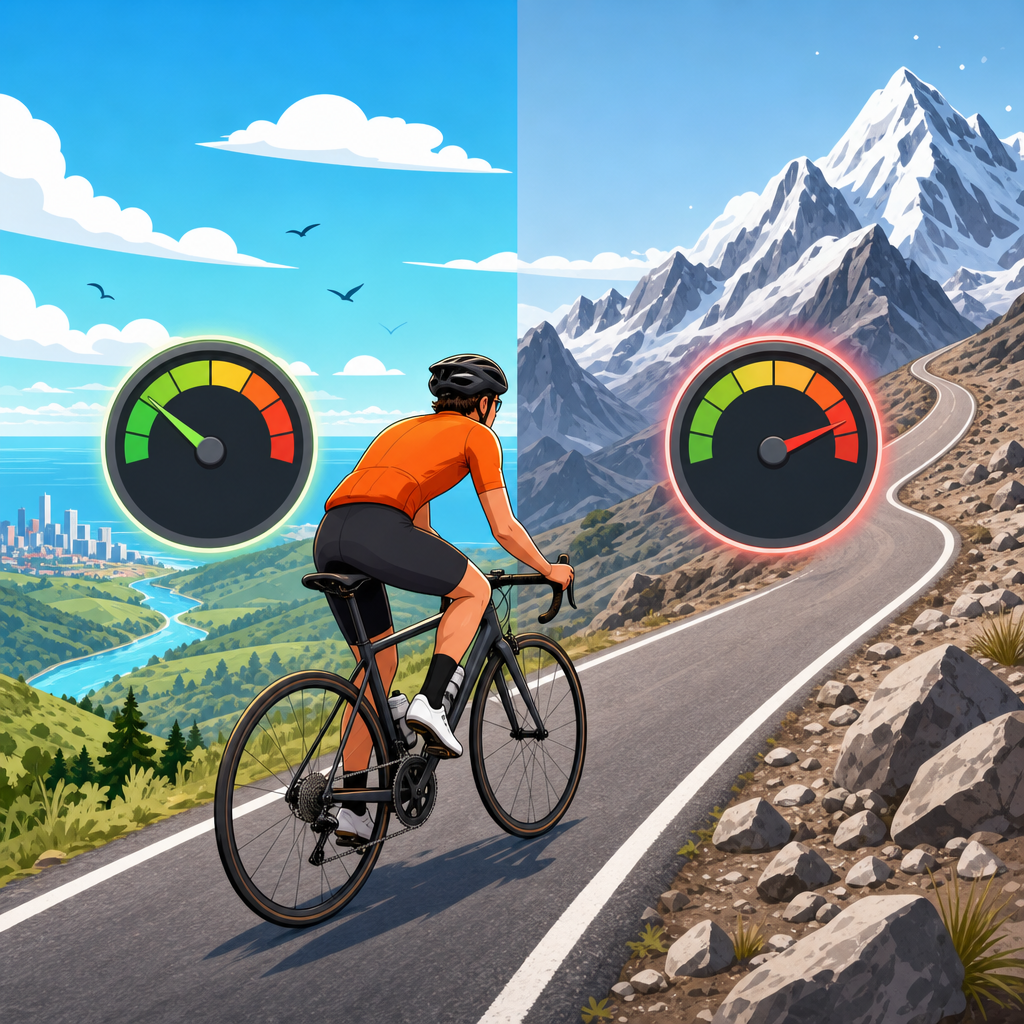
Living and training above 7,000 feet changes recovery in ways many athletes underestimate. At that elevation, the air contains the same percentage of oxygen as sea level, but lower barometric pressure means each breath delivers less usable oxygen. Heart rate rises faster, breathing stays elevated longer, sleep can become lighter, and dehydration develops sooner. Active recovery matters more in this environment because the usual low-intensity tools—easy walks, mobility circuits, light spins, and restorative hikes—must support circulation and tissue repair without adding hidden stress. I have coached mountain runners, hikers, and strength athletes in high-altitude towns, and the same pattern appears repeatedly: people who recover well at sea level often overdo “easy” days once they move higher.
Active recovery means deliberately gentle movement performed after hard training or between demanding efforts to accelerate recovery rather than build additional fatigue. It sits between complete rest and formal training. Recovery and monitoring, the broader system around it, include hydration, fueling, sleep, soreness assessment, heart-rate trends, breathing comfort, and load management. For residents above 7,000 feet, these pieces interact tightly. A short mobility session can help, but if you are underhydrated, glycogen depleted, and sleeping poorly, the benefits shrink. Likewise, a slow walk may feel harmless, yet if your resting heart rate is already elevated from altitude stress, that session can become more draining than expected.
This topic matters because poor recovery at altitude compounds quickly. Reduced oxygen availability can slow muscle repair, increase perceived exertion, and make back-to-back hard sessions feel disproportionately difficult. Recreational hikers notice it when their legs stay heavy for days after a steep weekend outing. Competitive athletes see it in suppressed power output, irritability, and inconsistent sleep. The goal is not to avoid movement, but to choose the right kind, at the right duration, with simple monitoring that tells you whether your body is adapting or asking for less. The best active recovery ideas above 7,000 feet are the ones that improve circulation, preserve mobility, calm the nervous system, and respect the extra physiological load of living high.
Why recovery feels different above 7,000 feet
Altitude recovery starts with physiology. Above roughly 7,000 feet, oxygen delivery is lower, ventilation increases, and fluid loss rises through both breathing and dry air exposure. Many people also experience a short-term increase in resting heart rate and overnight wakefulness after arriving or during periods of hard training. These shifts affect how quickly you bounce back from intervals, long hikes, heavy lifts, or multi-day outdoor efforts. In practice, soreness can linger longer, appetite may fluctuate, and “easy” exercise can drift into moderate intensity unless you slow down deliberately.
There is also a behavioral trap. Mountain residents often have immediate access to steep roads, trails, and stairs. An easy walk at sea level might become a 1,000-foot climb from your front door. That gradient turns recovery into work. I usually tell athletes to judge recovery sessions by breathing and heart rate first, pace second. If you cannot hold a relaxed conversation through your nose or if your heart rate climbs well above your typical easy zone, the session is no longer serving recovery. At altitude, preserving low intensity is the whole point.
Best active recovery ideas for mountain residents
The most effective active recovery ideas when you live above 7,000 feet are simple, repeatable, and easy to scale. Start with flat or gently rolling walks lasting 20 to 45 minutes. These walks improve blood flow, reduce stiffness, and support aerobic maintenance without significant strain. Choose routes that let you keep a truly easy effort. If your neighborhood is steep, use a school track, park loop, treadmill at 0 to 2 percent incline, or an indoor mall during winter. Flat terrain is not a compromise; it is often the smartest recovery choice.
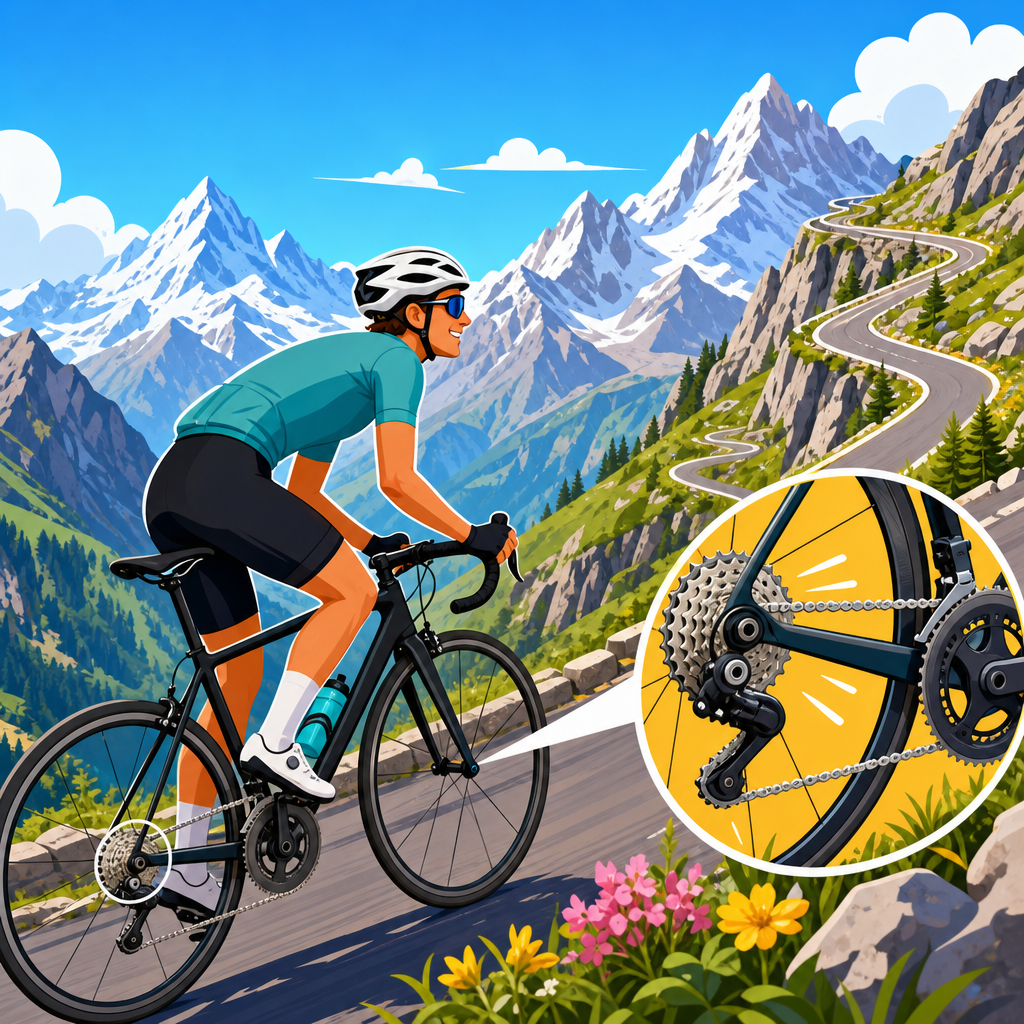
Easy cycling is another excellent option because it minimizes eccentric loading. On the day after a long downhill hike or leg session, 20 to 40 minutes on a bike trainer with very light resistance can leave the legs fresher than another walk. Swimming and deep-water jogging also work well, especially for people with joint irritation or accumulated trail impact. Water supports body weight while encouraging circulation. In dry mountain climates, though, pool sessions still require hydration attention because you may not feel how much fluid you are losing.
Mobility flows, yoga with a recovery emphasis, and controlled bodyweight circuits are valuable when fatigue is systemic rather than local. A 15- to 25-minute sequence of thoracic rotation, hip openers, ankle mobility, calf raises, and gentle core activation often helps more than another cardio session after a hard mountain weekend. Add diaphragmatic breathing between movements to lower tension. For hikers and runners, calf and soleus work is especially helpful because steep grades and uneven terrain load the lower leg heavily.
| Recovery idea | Best use case | Typical duration | Key altitude adjustment |
|---|---|---|---|
| Flat walk | General soreness, day after hard session | 20–45 minutes | Prioritize level routes to keep heart rate low |
| Easy bike spin | Heavy legs after downhill work or lifting | 20–40 minutes | Use very light resistance and high cadence |
| Mobility flow | Systemic fatigue, stiffness, travel days | 15–25 minutes | Pair with slow nasal or diaphragmatic breathing |
| Pool recovery | Joint pain, impact management | 20–30 minutes | Hydrate even if thirst feels low |
| Restorative hike | Mental reset, light movement | 30–60 minutes | Avoid steep gain and keep pack weight minimal |
Restorative hikes deserve special mention because they are emotionally satisfying for people who live in the mountains. They can be excellent recovery tools if you remove the usual training mindset. Keep pack weight light, choose smooth terrain, stop before breathing becomes labored, and avoid turning the outing into a summit chase. The line between restorative and taxing is thin at altitude. If the route includes long climbs, technical footing, or exposure to heat and wind, it is no longer a recovery session no matter how scenic it is.
How to monitor recovery without overcomplicating it
Recovery monitoring above 7,000 feet should be practical. You do not need a laboratory, but you do need consistency. The three metrics I trust most are resting heart rate, subjective readiness, and sleep quality. A resting heart rate that sits 5 to 10 beats above your normal baseline for more than a day or two often signals incomplete recovery, dehydration, illness, or excessive altitude stress. Subjective readiness includes leg heaviness, mood, motivation, and whether easy movement feels easy. Sleep quality matters because altitude commonly disrupts deep sleep, particularly after hard evening sessions or alcohol intake.
Wearables can help if you use them carefully. Devices from Garmin, Coros, Polar, Oura, and Whoop can track trends in heart rate, heart rate variability, respiration, pulse oximetry, and sleep staging. Trend data is more useful than any single reading. Pulse oximetry, in particular, varies widely based on skin temperature, fit, and movement, so it should not drive day-to-day decisions by itself. I use it as context, not a verdict. If oxygen saturation is lower than usual, resting heart rate is elevated, and sleep was poor, then reducing training load makes sense. If one number is off but you feel excellent, caution is still warranted, but panic is not.
A simple daily check-in works well for most people: morning resting heart rate, a one-to-five soreness score, perceived energy, and a note about sleep. Over time, patterns emerge. You may discover that two consecutive high-intensity days above 7,000 feet consistently flatten you, while a mobility day between them keeps performance stable. That is valuable recovery intelligence. Monitoring should make decisions clearer, not create anxiety.
Hydration, fueling, and sleep: the foundation under every recovery session
No active recovery plan works if hydration, fueling, and sleep are neglected. Dry air and increased ventilation at altitude raise fluid needs, and many people also lose more water during outdoor sessions because sweat evaporates quickly. Thirst is not always a reliable guide in cool mountain climates. A practical rule is to begin the day hydrated, use urine color as a rough check, and replace fluids steadily rather than all at once. Include sodium during longer sessions or when sweat losses are heavy. For many active adults, that means using an electrolyte drink or salty foods after training, not just plain water.
Carbohydrate availability also matters more than many mountain athletes realize. Hard hiking, climbing, intervals, and long endurance sessions deplete glycogen, and low glycogen can increase perceived effort the next day. Recovery meals should include carbohydrate plus protein within a reasonable window after demanding work. A simple example is rice, beans, roasted vegetables, and chicken, or oatmeal with fruit, Greek yogurt, and nuts if appetite is low. Protein supports repair, but carbohydrate restores the fuel that lets recovery movement stay easy.
Sleep often becomes the limiting factor above 7,000 feet. Even acclimatized residents can have lighter sleep after intense evening training, alcohol use, dehydration, or rapid jumps to even higher elevations on weekends. Improve sleep by finishing hard sessions earlier, keeping the bedroom cool and dark, limiting alcohol, and eating enough at dinner after long outings. If your sleep deteriorates for several nights, the best active recovery idea may be complete rest plus a short walk in daylight rather than another formal session.
Building a weekly recovery routine that actually works
The most successful recovery routines are planned before fatigue arrives. For most active people living above 7,000 feet, one to three active recovery sessions per week is an effective starting range, with at least one full rest period when training volume is high. Place recovery after your hardest efforts: long climbs, intervals, heavy strength work, or back-to-back hiking days. Keep these sessions short enough that you finish feeling better than when you started. That outcome is the test.
A realistic weekly structure might look like this: hard uphill intervals on Tuesday, a 30-minute flat walk and mobility flow on Wednesday, steady strength on Thursday, a rest day or easy spin on Friday, a long trail outing on Saturday, and a restorative hike or pool session on Sunday. Older athletes, newer altitude residents, and anyone returning from illness usually need more spacing between hard efforts. So do people with physically demanding jobs, since occupational load counts as stress. Recovery plans should reflect total load, not exercise alone.
Season matters too. Winter adds cold, road conditions, and indoor heating, all of which can affect mobility and hydration. Summer adds heat, UV exposure, and the tendency to stack long days outside. If you travel from your home at 7,000 feet to even higher trailheads, peaks, or ski terrain, treat that added elevation as added training stress. The best mountain athletes I have worked with do not guess here; they reduce intensity proactively when sleep, appetite, and morning heart rate suggest the system is carrying too much.
The key takeaway is simple: the best active recovery ideas when you live above 7,000 feet are low-intensity movements supported by honest monitoring and strong basics. Flat walks, easy cycling, pool work, mobility flows, and restorative hikes all work when they are truly easy. They fail when terrain, ego, or fatigue turns them into hidden training. Altitude does not eliminate the need for recovery; it increases the cost of ignoring it.
If you want better hiking performance, steadier training, and fewer washed-out days, build recovery and monitoring into your week with the same intent you give workouts. Start with one change today: schedule your next easy session on flat terrain, track your morning resting heart rate for a week, and adjust load based on what your body shows you. That small system will pay off faster than another hard day.
Frequently Asked Questions
Why does active recovery feel harder when you live above 7,000 feet?
Active recovery often feels surprisingly demanding at altitude because your body is working with less available oxygen per breath. Even though the oxygen percentage in the air is the same as at sea level, lower barometric pressure reduces how much oxygen actually reaches your bloodstream. That means a pace that feels easy at lower elevation can push your heart rate higher and keep your breathing elevated longer when you live above 7,000 feet. Add in the fact that altitude can disrupt sleep, increase fluid loss through breathing, and raise overall physiological stress, and your “easy day” can stop being easy if you are not careful.
That is why active recovery at altitude has to be truly low intensity. The goal is to increase circulation, loosen stiff muscles, and support nervous system recovery without adding meaningful fatigue. For many people, that means slowing down more than expected, shortening the session, and using effort-based cues instead of chasing normal sea-level paces or power numbers. If you cannot breathe comfortably through your nose for much of the session, carry on a full conversation, or keep the effort feeling restorative rather than taxing, it is probably too hard. At altitude, recovery works best when it is gentle enough to leave you feeling better afterward, not just accomplished.
What are the best active recovery options for athletes living above 7,000 feet?
The best active recovery ideas at altitude are the ones that promote movement and blood flow while keeping oxygen demand low. Easy walks are one of the most effective choices because they are accessible, low impact, and easy to regulate. A flat or gently rolling walk for 20 to 45 minutes can help reduce stiffness, improve circulation, and support recovery without turning into another workout. Mobility circuits are another excellent option, especially if they focus on hips, thoracic spine, ankles, shoulders, and gentle core activation. These sessions restore range of motion and reduce the compensations that often build up when training volume is high or sleep quality dips at altitude.
Light spinning on a stationary bike is also a strong recovery tool, provided resistance stays very low and you avoid drifting into tempo effort. For runners, an easy spin can offer aerobic movement with less impact than a jog. For strength athletes or mountain athletes, short recovery circuits built around bodyweight squats, band pull-aparts, lunges, dead bugs, and controlled breathing drills can be very effective. Swimming can work well too if it feels relaxing and technique-focused rather than breathless. The common thread is simple: choose activities that leave your legs fresher, your breathing calm, and your nervous system more settled. At altitude, the best recovery modality is the one you can keep genuinely easy.
How long should an active recovery session be at high altitude?
Most active recovery sessions above 7,000 feet work best in the 15- to 45-minute range, depending on your training load, fitness, acclimatization, and overall fatigue. Shorter sessions are often enough when you are carrying heavy soreness, recovering from a hard interval day, or dealing with poor sleep. In those cases, 15 to 25 minutes of easy movement plus a few minutes of mobility and breathing can be more productive than forcing a longer session. If you are well acclimated, sleeping well, and handling training load smoothly, 30 to 45 minutes of low-intensity movement may feel excellent and improve how you feel the next day.
The bigger issue is not duration alone, but whether the session stays within a true recovery zone from start to finish. At altitude, fatigue can sneak up quickly, especially on hills, in heat, or when dehydration is already present. That is why many athletes do better with conservative time caps and simple intensity guardrails. A good rule is to finish the session feeling warmer, looser, and mentally refreshed, with no lingering heaviness in the legs and no sense that you “had to push through.” If your heart rate trends unusually high, your breathing never fully settles, or your legs feel flatter afterward, the session was probably too long, too hard, or both. Recovery should restore energy, not borrow from tomorrow’s training.
How do hydration and sleep affect active recovery when you live at elevation?
Hydration and sleep are two of the biggest variables in how well active recovery works at altitude. Above 7,000 feet, you lose more fluid through respiration because the air is typically drier and your breathing rate stays elevated more often. That means mild dehydration can happen earlier than many athletes realize, and even small fluid deficits can make easy exercise feel harder, raise heart rate, and slow down recovery. If you start an active recovery session underhydrated, what should feel restorative may instead feel draining. Drinking consistently throughout the day, replacing fluids after training, and paying attention to electrolytes can make a noticeable difference in how your body responds.
Sleep matters just as much, because altitude can lead to lighter, more fragmented rest, especially during periods of increased training stress. When sleep quality slips, recovery capacity drops, soreness tends to linger, and even very low-intensity work can feel less effective. On days after poor sleep, it is often smart to scale active recovery down rather than up. A shorter walk, a mobility flow, or a breathing-based session may provide more benefit than a longer spin or jog. In other words, active recovery does not exist in isolation. It works best when it is paired with solid hydration habits, enough calories, and realistic expectations about what your body can absorb at elevation.
How can you tell whether your active recovery day is actually helping or making fatigue worse?
The clearest sign that active recovery is helping is that you feel better after it than before it. Your muscles may feel less stiff, your joints may move more freely, your mood may improve, and your next training session may start with less heaviness. At altitude, good recovery work often produces subtle but meaningful improvements: easier breathing during the day, lower perceived effort on normal movement, better sleep that night, and a more stable resting sense of energy. If an easy walk or spin leaves you calm, loose, and recharged, that is a strong signal the session was appropriate.
On the other hand, there are several signs your recovery work is too aggressive for high altitude conditions. If your heart rate stays elevated unusually long, you need more recovery than expected after the session, your legs feel dull the next day, or you notice irritability, poor sleep, and persistent soreness, your “easy” work may not be easy enough. The same is true if you are forcing sea-level paces, choosing hilly routes, or adding too much volume because it does not feel like real training. The best approach is to monitor trends rather than single moments: how you sleep, how you feel warming up, whether your resting energy is improving, and whether your key workouts are getting better or worse. When active recovery is well matched to altitude, it supports adaptation. When it is too hard, it quietly becomes more training stress.