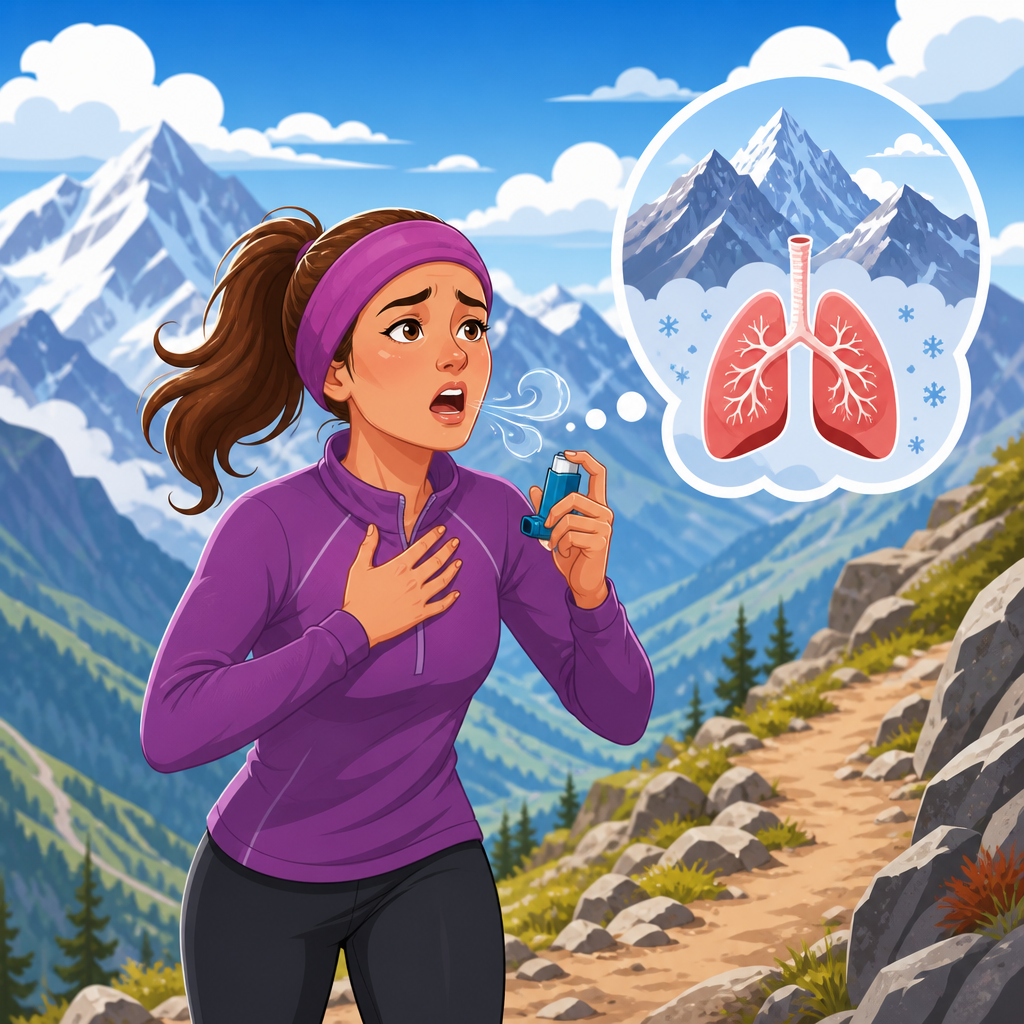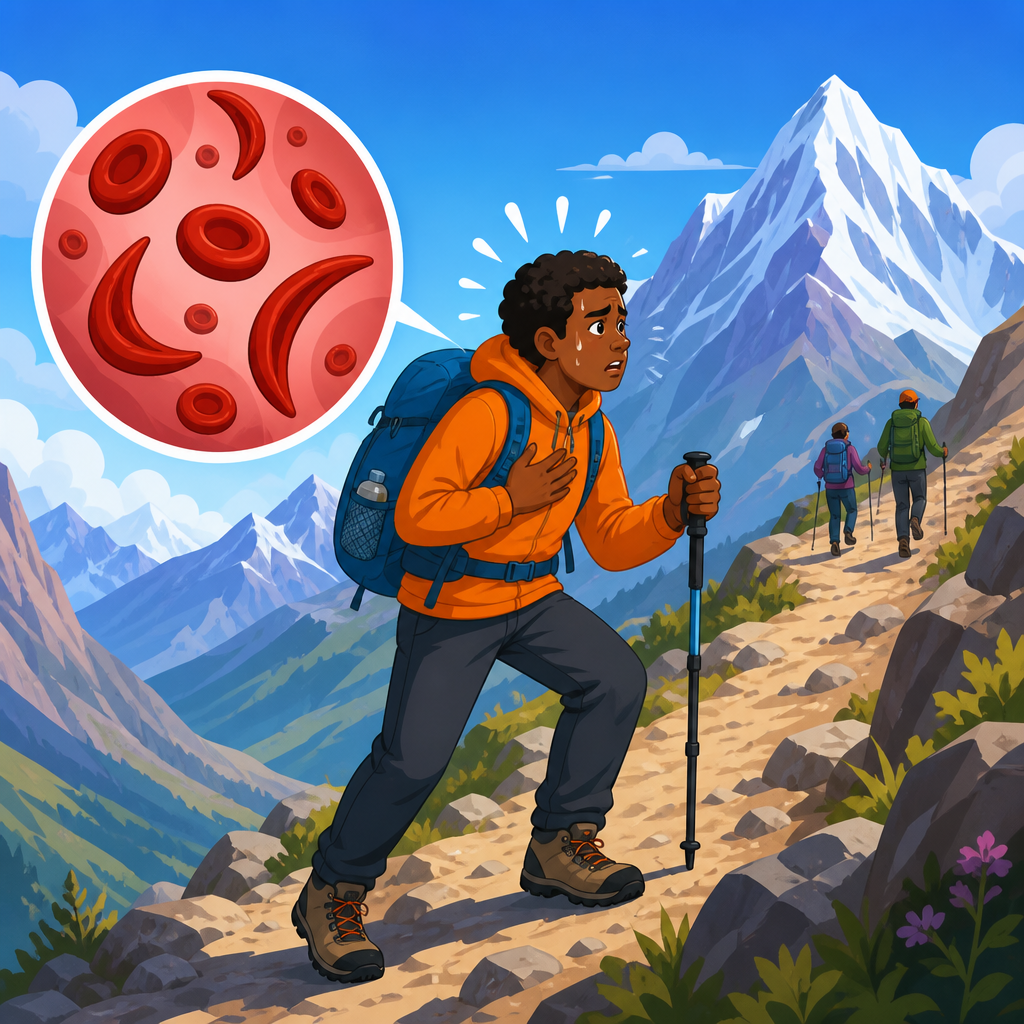
Sickle cell disease and altitude create a risky combination because lower oxygen pressure at higher elevations can trigger red blood cells to change shape, slow blood flow, and block small vessels. Sickle cell disease is an inherited blood disorder caused by variants in the HBB gene that produce abnormal hemoglobin S. When oxygen levels fall, hemoglobin S polymerizes, making red cells rigid and curved instead of flexible and round. Altitude refers not only to mountain climbing. It includes commercial flights, high-elevation cities, ski resorts, road trips over mountain passes, and remote work assignments in places where the air contains the same percentage of oxygen as sea level but much lower pressure. For people with sickle cell disease, that pressure change matters.
I have had to explain this risk to patients and families planning vacations, school trips, military travel, and sports events, and the same questions come up every time. Can you fly safely? Why did pain start so suddenly after arriving in Denver? Is sickle cell trait the same as sickle cell disease? The short answer is that rapid ascent can be dangerous because the body has less time to adapt, while the blood in sickle cell disease tolerates oxygen stress poorly from the start. Pain crises, acute chest syndrome, splenic infarction, dehydration-related complications, and exercise-associated collapse become more likely when hypoxia, cold, and exertion stack together.
This hub article covers the blood disorders and special conditions most relevant to altitude exposure, with sickle cell disease at the center. It also touches on sickle cell trait, thalassemia, anemia, clotting disorders, and postsplenectomy risk because real-world travel decisions rarely involve a single diagnosis. If you understand how hypobaric hypoxia affects circulation, hydration, and oxygen delivery, you can plan safer ascent, recognize early warning signs, and know when to avoid altitude entirely. That is why this topic matters for patients, caregivers, clinicians, athletic trainers, travel planners, and employers responsible for health screening before work or recreation at elevation.
How altitude changes oxygen delivery in sickle cell disease
At altitude, the main problem is reduced barometric pressure, which lowers the partial pressure of inspired oxygen. Even healthy travelers experience a fall in arterial oxygen saturation as they ascend. In sickle cell disease, that drop is more consequential because deoxygenated hemoglobin S forms long polymers inside red cells. The cells become less deformable, stickier, and more likely to obstruct capillaries. Once sludging begins, local oxygen tension falls further, promoting more sickling. This self-reinforcing cycle explains why symptoms can appear quickly after rapid ascent, especially with dehydration, infection, cold exposure, or intense physical activity.
Commercial aircraft deserve special mention. Cabin pressure is usually maintained at the equivalent of about 6,000 to 8,000 feet, not sea level. Many people with sickle cell disease tolerate flights, but some do not, particularly if they are anemic, recovering from illness, or already prone to acute chest syndrome. Road travel can also be deceptive. A family may start at sea level and reach a ski village above 8,000 feet within hours, often after poor fluid intake and little rest. The ascent is fast, the weather is cold, and exertion begins immediately. Those are ideal conditions for vaso-occlusion.
Timing matters because acclimatization is limited and incomplete in sickle cell disease. Healthy people respond to altitude with increased ventilation, changes in acid-base balance, and later rises in erythropoietin and red cell production. In sickle cell disease, making more red cells does not solve the core problem of hemoglobin S polymerization, and increased blood viscosity can worsen flow. The practical lesson is straightforward: a person who seems stable at home can become unstable after a rapid move to elevation, even if the altitude would be routine for someone without a blood disorder.
Why rapid ascent is dangerous: triggers, symptoms, and emergencies
Rapid ascent is dangerous because it compresses multiple stressors into a short period. Lower oxygen pressure develops immediately. Travelers often drink less water, sleep poorly, and carry luggage or exercise more than usual. Cold causes vasoconstriction, which further reduces microvascular flow. If the spleen is present, splenic trapping or infarction can occur, particularly in sickle cell trait but also in milder sickling syndromes. In sickle cell disease, the most common early problem is a vaso-occlusive pain episode involving bones, chest, back, or abdomen. Symptoms can begin within hours of arrival.
More serious complications require urgent attention. Acute chest syndrome is defined by a new pulmonary infiltrate plus respiratory symptoms such as chest pain, cough, fever, or shortness of breath. It can start after a pain crisis or present as the first sign of trouble. Because altitude already lowers oxygen saturation, acute chest syndrome can deteriorate rapidly. Neurologic symptoms such as weakness, speech difficulty, confusion, or severe headache raise concern for stroke or cerebral vaso-occlusion. Priapism, severe fatigue, and dark urine from hemolysis are additional warning signs. These are not wait-and-see situations.
| Situation | Why risk rises at altitude | What to do |
|---|---|---|
| Sudden bone or chest pain | Hypoxia and dehydration increase vaso-occlusion | Rest, hydrate, use prescribed pain plan, seek medical care if severe or persistent |
| Shortness of breath or low oxygen saturation | Altitude plus acute chest syndrome can sharply reduce oxygen delivery | Seek urgent evaluation immediately; oxygen and imaging may be needed |
| Left upper abdominal pain | Splenic infarction or sequestration can occur after rapid ascent | Avoid exertion and get emergency assessment |
| Weakness, confusion, severe headache | Stroke risk increases when sickling affects cerebral blood flow | Call emergency services without delay |
One common mistake is attributing all symptoms to ordinary altitude sickness. Acute mountain sickness usually causes headache, nausea, fatigue, and poor sleep. In a person with sickle cell disease, similar complaints may overlap with hypoxia-driven sickling, infection, pulmonary embolism, or acute chest syndrome. Another mistake is pushing through exercise because symptoms seemed mild at first. I have seen athletes and travelers worsen after hiking, skiing, or even brisk walking on arrival day. When sickle cell disease and altitude intersect, early symptom recognition prevents escalation.
Who is at risk across blood disorders and special conditions
This hub page sits within blood disorders and special conditions because altitude decisions are rarely one-size-fits-all. Sickle cell disease carries the clearest risk, including genotypes such as HbSS and HbSβ0 thalassemia, with variable but still meaningful risk in HbSC and HbSβ+ thalassemia. Baseline anemia, prior acute chest syndrome, frequent pain crises, pulmonary hypertension, chronic kidney disease, asthma, and pregnancy all increase concern. Children may decompensate faster because they cannot always describe symptoms early. Adults with organ damage may have less physiologic reserve during hypoxia.
Sickle cell trait is different from sickle cell disease, but it is not irrelevant. Most people with trait live normally at sea level and tolerate routine travel. However, exertional collapse, rhabdomyolysis, hematuria, and splenic infarction have been reported under conditions of severe exertion, dehydration, heat, or high altitude. Military training and competitive sports have documented this pattern. Trait should not be treated as disease, yet it does justify informed counseling when ascent is rapid and activity will be intense. The key distinction is lower baseline risk, not zero risk.
Other blood disorders deserve tailored consideration. Severe anemia from any cause reduces oxygen-carrying capacity, making altitude symptoms more likely and more symptomatic. Thalassemia major or intermedia may involve anemia, iron overload cardiomyopathy, or pulmonary hypertension, all relevant to ascent safety. People with a history of venous thromboembolism, antiphospholipid syndrome, or inherited thrombophilia need careful planning because immobilization, dehydration, and hypoxia can amplify clotting risk. Those without a functioning spleen, whether from autosplenectomy in sickle cell disease or surgical removal, face higher infection risk during travel. The point of a hub article is not to blur diagnoses but to show how overlapping conditions change altitude tolerance and emergency planning.
Pre-travel planning, safer ascent, and when to avoid altitude
The safest strategy begins before departure. Anyone with sickle cell disease should discuss travel plans with the clinician who manages their disease, ideally several weeks in advance. That review should cover baseline hemoglobin, oxygen saturation if known, recent pain episodes, transfusion history, hydroxyurea adherence, vaccination status, and any prior altitude problems. A personalized plan usually includes hydration targets, a pain regimen, access to medical records, and clear thresholds for seeking care. If supplemental oxygen has been needed before, pre-flight or destination oxygen may need to be arranged in advance through the airline or a local supplier.
Safer ascent means reducing speed, exertion, and compounding triggers. If possible, spend a night at an intermediate elevation rather than going directly from sea level to a high mountain resort. On arrival, avoid strenuous activity for the first twenty-four to forty-eight hours. Drink fluids regularly, limit alcohol, dress warmly, and do not ignore chest symptoms. For children, caregivers should know where the nearest emergency department is and whether it can perform transfusion support. For adults traveling internationally, insurance coverage for hospitalization and medical evacuation is worth confirming before departure.
Some situations justify postponing or avoiding altitude travel altogether. Recent acute chest syndrome, uncontrolled pain, current infection, severe symptomatic anemia, recent hospitalization, or unresolved shortness of breath are strong reasons to delay. Very high altitude trekking or remote expeditions are generally poor choices for anyone with significant sickle cell disease complications. There is no universal altitude cutoff that guarantees safety, because individual severity varies, but rapid ascent above moderate elevation deserves caution in every case. When the itinerary is optional, the best medical advice is sometimes simple: choose a lower destination and remove the risk rather than trying to outmaneuver it.
Treatment at altitude and practical advice for families, athletes, and employers
If symptoms develop at altitude, treatment priorities are oxygen, hydration, pain control, and rapid evaluation for acute chest syndrome or other complications. Pulse oximetry can be helpful, but a normal reading does not exclude serious illness, especially if the patient’s baseline is unknown or the device performs poorly in cold conditions. Emergency clinicians often need chest imaging, laboratory testing, and sometimes transfusion or exchange transfusion, particularly when oxygen needs rise or neurologic symptoms appear. Descent to lower elevation can help, but it is not a substitute for medical assessment when warning signs are present.
Families should pack medications in carry-on luggage, bring written dosing instructions, and keep contact information for the hematology team. Schools and camps need a concrete plan, not a general note saying the child has sickle cell disease. Coaches should build in rest, water breaks, and gradual conditioning, and they should never punish athletes with wind sprints or intense drills immediately after travel to altitude. Employers sending staff to mines, mountain resorts, observatories, or high-elevation project sites should include blood disorders in pre-placement health reviews. A simple screening question about sickle cell disease or trait can prevent a medical emergency that would otherwise look sudden and inexplicable.
The central lesson is clear. Sickle cell disease and altitude are a hazardous pairing because rapid ascent lowers oxygen availability faster than the body can adapt, and hemoglobin S responds to that stress by sickling. Risk is highest when hypoxia combines with cold, dehydration, infection, or exertion. Good planning reduces danger, but it does not erase it. If you or someone you support has sickle cell disease, use this hub as a starting point, review linked blood disorder topics with a clinician, and make altitude decisions before the trip begins rather than during a crisis.
Frequently Asked Questions
Why can rapid ascent to high altitude be dangerous for people with sickle cell disease?
Rapid ascent is dangerous because oxygen pressure drops as elevation increases, and that lower oxygen environment can promote sickling very quickly in people with sickle cell disease. In this condition, inherited variants in the HBB gene cause the body to make hemoglobin S instead of normal hemoglobin. When oxygen levels fall, hemoglobin S can polymerize, meaning it sticks together inside red blood cells. That changes the cells from soft, round, flexible discs into rigid, curved cells that do not move easily through tiny blood vessels.
When someone goes from a lower elevation to a much higher one in a short time, the body has less time to adapt. For a person with sickle cell disease, that sudden reduction in available oxygen may increase the risk of vaso-occlusion, where sickled cells slow blood flow or block small vessels entirely. This can trigger severe pain crises, acute chest syndrome, splenic complications, or other medical emergencies. The risk is not limited to mountain climbing. It can also apply to travel to high-altitude cities, ski trips, air travel-related circumstances, or any setting where oxygen availability is reduced enough to stress the body. The faster the ascent and the higher the elevation, the more important it is to think ahead and discuss travel plans with a clinician familiar with sickle cell disease.
What exactly happens in the body when low oxygen triggers sickling at altitude?
At altitude, the key issue is reduced oxygen pressure rather than simply “thin air” in a casual sense. People with sickle cell disease have red blood cells containing hemoglobin S, which behaves differently from normal hemoglobin under low-oxygen conditions. As oxygen levels drop, hemoglobin S molecules are more likely to polymerize into long, stiff structures inside the red blood cell. This internal change distorts the cell’s shape and makes it much less flexible.
That loss of flexibility matters because red blood cells must squeeze through extremely small capillaries to deliver oxygen to tissues. Healthy red cells bend easily, but sickled cells can become rigid and sticky. They may clump, adhere to vessel walls, and obstruct blood flow. Once this happens, tissues receive less oxygen, which can worsen local sickling and create a dangerous cycle. Dehydration, cold exposure, infection, physical exertion, and stress can add to the problem, especially during travel. In practical terms, altitude can set off a chain reaction: lower oxygen leads to more sickling, more sickling leads to poorer circulation, and poorer circulation leads to pain, inflammation, and potentially organ damage if the blockage is severe or prolonged.
Does altitude only matter for mountain climbing, or are there other situations people should think about?
Altitude is broader than many people realize. It absolutely includes mountain climbing and hiking, but it also includes travel to high-elevation towns and cities, skiing or snowboarding trips, road trips through mountain passes, overnight stays at elevation, and even recreational or work-related activities in locations well above sea level. For someone with sickle cell disease, a destination does not need to be an extreme summit to pose a concern. A city at moderate or high elevation may still expose the body to significantly lower oxygen pressure than it is used to.
It is also important to think about context. A person may arrive at altitude already dehydrated from travel, tired from poor sleep, exposed to cold weather, or engaging in more physical activity than usual. All of those factors can amplify the effects of lower oxygen. Commercial aircraft cabins are pressurized, but not to sea-level pressure, so some travelers may still notice the effects of reduced oxygen availability during or after flights, especially if other triggers are present. The bottom line is that “altitude exposure” can happen in ordinary travel scenarios, not just in extreme adventure settings. People with sickle cell disease should consider the elevation of destinations, the speed of ascent, planned activity level, and access to medical care before traveling.
What symptoms at altitude should prompt immediate medical attention in someone with sickle cell disease?
Any concerning symptom at altitude should be taken seriously, because what starts as mild discomfort can escalate quickly in sickle cell disease. Severe or increasing pain, especially in the chest, back, arms, legs, or abdomen, may signal a vaso-occlusive crisis. Shortness of breath, chest pain, cough, fever, or unusual fatigue are especially urgent because they may point to acute chest syndrome, which is a potentially life-threatening complication. Dizziness, fainting, confusion, bluish lips, rapid breathing, or a racing heartbeat are also warning signs that deserve prompt medical evaluation.
Other symptoms that matter include marked weakness, inability to keep up with normal activity, swelling, severe headache, or a sudden change in how someone looks or acts. In some cases, splenic enlargement can occur, causing pain or fullness in the left upper abdomen, weakness, or signs of anemia. Children may become unusually sleepy, irritable, pale, or less interested in eating and drinking. People should not assume symptoms are “just altitude sickness” without considering the added risks of sickling. If there is chest pain, trouble breathing, low oxygen readings if available, worsening pain despite usual treatment, or any sign of serious illness, urgent medical care is the safest response. Early treatment can reduce complications and improve outcomes.
How can people with sickle cell disease reduce the risks of altitude exposure or travel?
Risk reduction starts with planning. Anyone with sickle cell disease who is considering travel to a higher elevation should talk with their hematologist or other knowledgeable clinician ahead of time. The goal is to review personal risk factors, recent health status, past pain crises, history of acute chest syndrome, current medications, and the elevation and pace of the planned trip. In some cases, a clinician may recommend delaying travel, adjusting medications, or creating a clear emergency plan. Knowing where the nearest hospital is and carrying a medical summary can also be very helpful.
During travel, gradual ascent is generally preferable to rapid ascent whenever possible, because it gives the body more time to adjust. Good hydration is important, as dehydration can make sickling more likely. Avoiding overexertion, staying warm in cold environments, getting enough rest, and addressing infections promptly also matter. Patients should bring all regular medications, pain management supplies as directed, and any devices or records their care team recommends. It is wise to pay close attention to early symptoms rather than trying to push through them. While not every person with sickle cell disease will experience complications at altitude, the risk is real enough that prevention, preparation, and fast response to warning signs are essential. A thoughtful travel plan can make a major difference in safety.