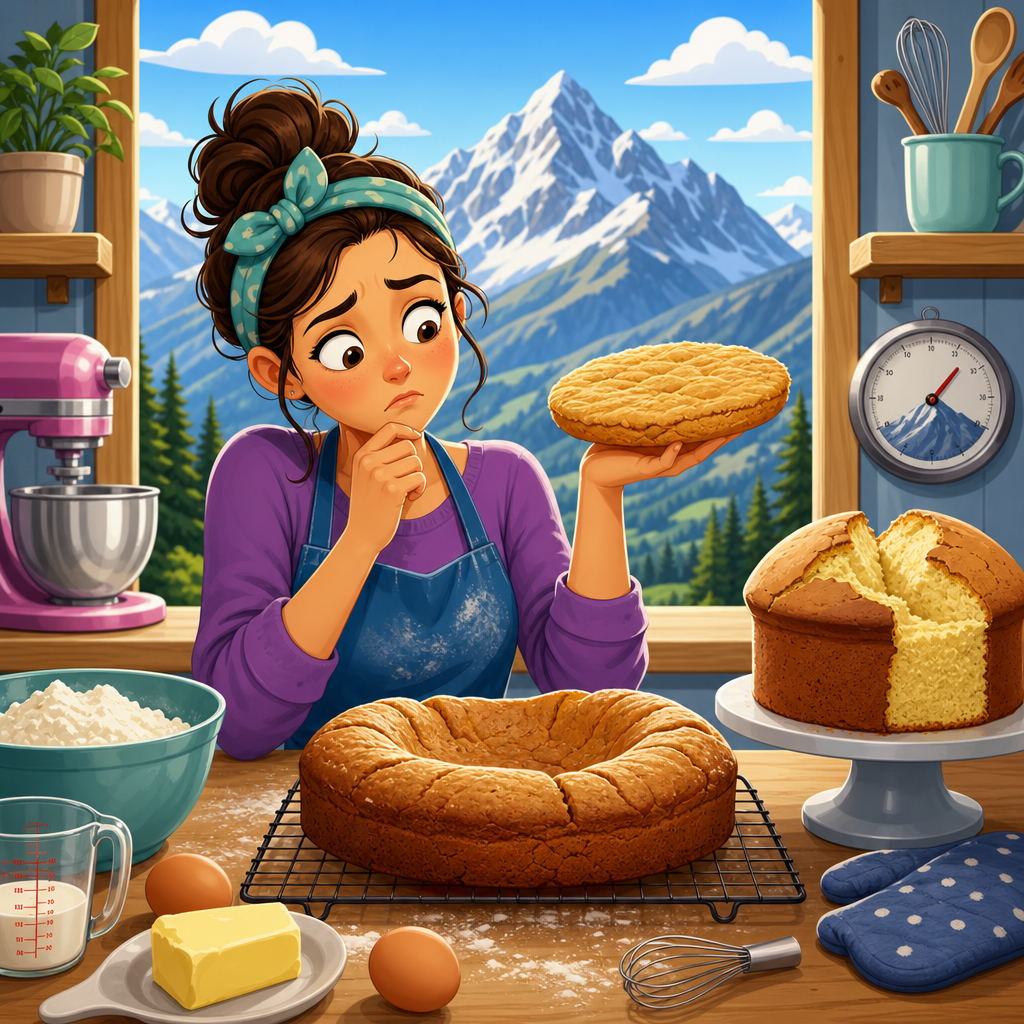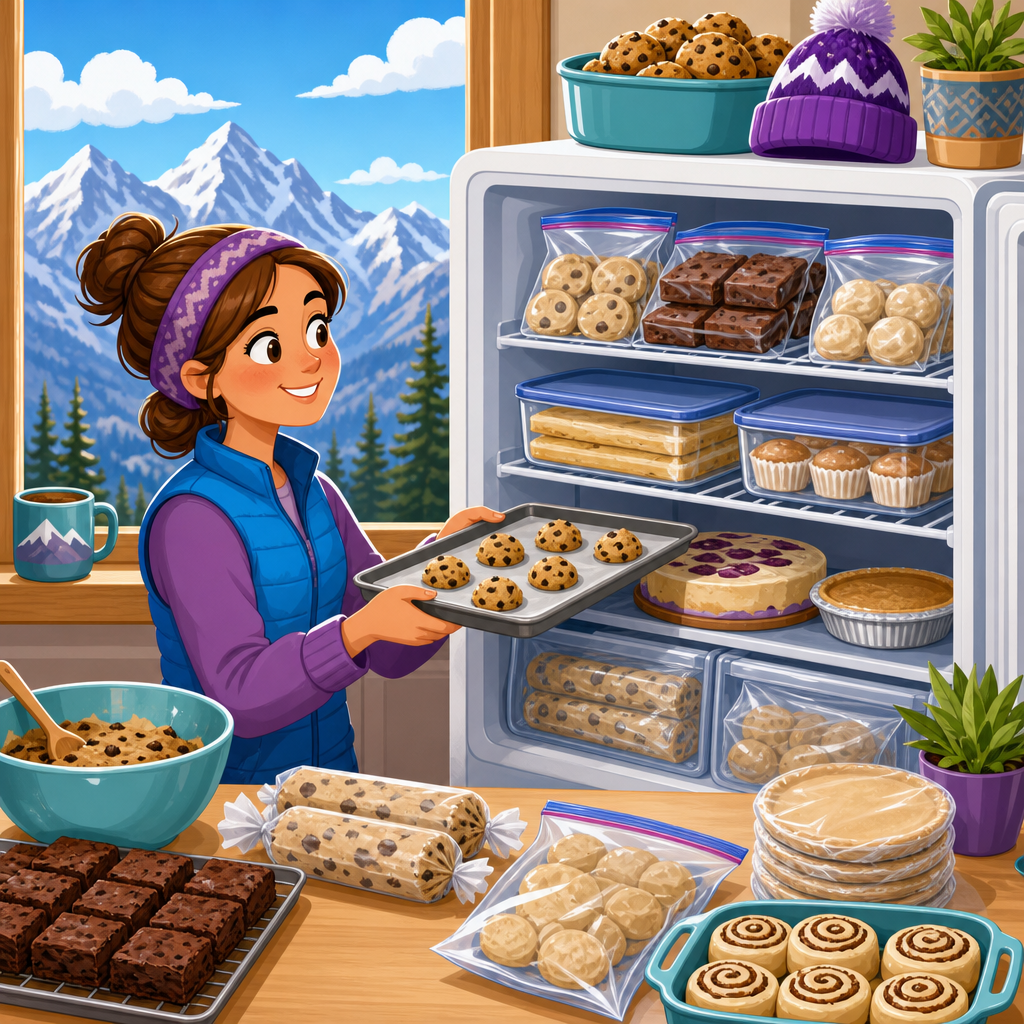
Best freezer strategies for make-ahead baking at altitude start with one core fact: cold storage changes dough, batter, and finished baked goods differently when you live high above sea level. At altitude, lower air pressure affects evaporation, gas expansion, boiling point, proofing speed, and moisture retention. Freezing adds another layer by changing crystal formation, fat behavior, starch retrogradation, and yeast activity. When those forces overlap, recipes that work at sea level can bake up dry, sunken, overproofed, or coarse after thawing. I have tested make-ahead scones, pie dough, cookie dough, muffin batter, cinnamon rolls, and layer cakes in mountain kitchens, and the freezer is useful only when the product, timing, packaging, and thawing method match altitude conditions. This hub explains the best freezer strategies for make-ahead baking at altitude, the science behind them, the common failure points, and the workflow decisions that keep texture, rise, and flavor intact.
Make-ahead baking at altitude means preparing doughs, batters, components, or fully baked goods in advance, then freezing or refrigerating them for later finishing. In practical terms, that includes freezing shaped cookie dough, par-baked pie crusts, unbaked scones, fully baked cake layers, or breakfast rolls after their first rise. The reason this matters is simple: altitude bakers often need more control, not less. A freezer can create that control by slowing fermentation, reducing day-of labor, and spreading production across several sessions. It can also magnify altitude-related weaknesses if you freeze the wrong product at the wrong stage. Good workflow prevents waste, supports consistency, and helps home bakers serve fresher results on busy mornings, holidays, and event days.
How altitude changes freezer decisions
The best freezer strategies for make-ahead baking at altitude begin with understanding what altitude does before freezing ever enters the picture. In most mountain locations above 3,000 feet, gases expand more quickly, liquids evaporate faster, and yeast dough can overproof sooner than expected. Water also boils at a lower temperature, so starches and proteins set differently during baking. Those shifts matter because a freezer preserves a product at whatever structural strength it has when frozen. If a dough is already fragile, overhydrated, overproofed, or underdeveloped, freezing rarely fixes it. It usually locks in the weakness.
For example, I can freeze unbaked drop biscuits successfully at altitude because the dough is mixed briefly, shaped quickly, and relies on chemical leavening that remains active after freezing. By contrast, I am cautious with delicate foam cakes such as genoise or chiffon as make-ahead batter. Their structure depends on stable air cells and carefully dispersed sugar. In a mountain kitchen, those cells are already under more expansion pressure during baking, and freezing the batter before baking leads to uneven collapse. The better move is to bake, cool fully, wrap tightly, and freeze the finished layers.
Altitude also changes moisture management. Freezers are dehydrating environments. High-altitude baked goods already tend to lose moisture quickly, so exposed surfaces dry out faster and stale sooner. That is why double wrapping matters more in Denver than in a coastal kitchen. I use plastic wrap against the surface first, then a freezer bag or heavy foil as the outer barrier. If you skip the inner seal, crust edges, cake tops, and laminated dough surfaces pick up freezer burn and off flavors surprisingly fast.
What freezes well, what does not, and why
The easiest way to improve make-ahead baking at altitude is to freeze the right stage of production. In repeated tests, the most reliable freezer-friendly products are pie dough, tart shells, shaped cookie dough, unbaked scones, biscuits, fully baked quick breads, fully baked cake layers, and yeast dough after shaping but before the final rise. These products tolerate freezing because their fat structure, gluten development, and leavening systems remain resilient when thawed or baked from frozen.
Products that freeze poorly include high-foam batters, custard-filled pastries assembled too early, meringue-based toppings, and batters leavened mainly by trapped air rather than a stable chemical or yeast system. Muffin batter is a mixed case. Standard muffin batter can be portioned and frozen in lined tins, but at altitude the risk is tunneling or peaked tops if the batter was overmixed before freezing. I get better results freezing the baked muffins, not the raw batter, unless the formula is specifically built for freezing.
Yeast dough deserves nuance. Freezing raw dough works, but only when fermentation is deliberately reduced. At altitude, yeast often moves faster, so a dough allowed to fully bulk ferment before freezing may seem normal going into the freezer and then overproof badly on thawing. My rule is simple: freeze yeast dough after shaping or after a shortened first rise, usually at about seventy percent of the volume increase I want before moving to the next stage. That preserves strength for the thaw and final proof.
| Product | Best stage to freeze | Why it works at altitude | Main caution |
|---|---|---|---|
| Pie dough | Wrapped disk or lined pan | Fat stays discrete and structure improves with rest | Avoid condensation during thawing |
| Cookie dough | Portioned scoops | Easy bake-from-frozen control and less spread | Increase bake time slightly |
| Scones and biscuits | Cut, unbaked pieces | Cold fat creates lift and limits premature spread | Seal well to prevent surface drying |
| Yeast rolls | Shaped after partial first rise | Lets you manage final proof on serving day | Do not freeze fully proofed dough |
| Cake layers | Fully baked and cooled | Locks in moisture when wrapped immediately | Freeze before frosting unless crumb coat is firm |
Packaging methods that prevent freezer burn and texture loss
Packaging is not a minor detail in baking troubleshooting and workflow; it is the control point that decides whether make-ahead baking at altitude saves time or ruins texture. Freezer burn is dehydration caused by sublimation, and it shows up fastest on high-altitude baked goods because they often begin with lower retained moisture. The fix is to minimize air exposure, keep shapes stable, and avoid temperature fluctuations.
For dough portions, I freeze them uncovered on a sheet pan just until firm, then move them into freezer bags with as much air pressed out as possible. For pie dough disks, I flatten them to one-inch thickness so they thaw evenly, wrap in plastic, then add foil or a bag. For cake layers, I cool completely, level if needed, wrap twice while still fresh, and freeze flat. A warm cake should never be wrapped for the freezer because trapped steam becomes ice, then wetness, then gummy crumb.
Containers matter too. Heavy zip-top freezer bags outperform thin sandwich bags. Rigid containers help with bars, decorated cookies, and tart shells that can crack under weight. A vacuum sealer is useful for pie dough, bread, and unfilled pastries, but I do not vacuum delicate layer cakes or laminated dough because compression can damage shape. Label everything with product, date, and bake or thaw instructions. That sounds basic, yet in real baking workflow it is essential. A mystery dough ball pulled from the freezer three weeks later is not efficiency.
Thawing, proofing, and baking schedules that actually work
The best thawing method depends on the product, but the principle is consistent: thaw slowly when moisture migration matters and bake from frozen when shape and lift matter more. At altitude, this distinction becomes more important because overproofing and drying happen faster. Cookie dough, biscuits, scones, puff pastry, and many pie components can go straight from freezer to oven. Baking from frozen helps maintain shape and keeps butter cold, which supports flakiness and controlled spread.
Yeast products usually need a staged thaw. For cinnamon rolls or dinner rolls, I transfer the pan from freezer to refrigerator overnight, then let it finish proofing at room temperature until puffy but not doubled beyond the pan edge. In mountain kitchens, this final proof can happen much faster than recipe cards suggest. Watch the dough, not the clock. If a roll dough warms too quickly on the counter after freezing, the yeast can race ahead before the gluten fully relaxes, leading to uneven rise and burst sides in the oven.
Fully baked cakes and quick breads should thaw while wrapped, ideally first in the refrigerator, then at cool room temperature. Keeping the wrap on during thawing prevents condensation from settling directly on the crumb. I use this method for banana bread, carrot cake layers, and loaf cakes with excellent moisture retention. By contrast, I do not recommend thawing unwrapped baked goods on the counter in a dry mountain home. The surface loses softness before the center equalizes.
Recipe adjustments that improve freezer performance at altitude
Freezer strategy and formula design belong together. A recipe that barely works fresh will usually fail after freezing. For altitude baking, that often means reducing leavening slightly, increasing liquid modestly, strengthening structure with an extra egg white or a little more flour when appropriate, and controlling sugar so the product sets before overexpanding. Once freezing enters the plan, I also think about fat distribution, starch stability, and finish timing.
Cookie dough is a clear example. At altitude, cookies often spread too fast or become too crisp. For freezer use, I slightly chill or freeze portioned dough before storage, use parchment-lined sheet pans, and may add one to two tablespoons of flour per batch if the formula is very butter-forward. That helps the dough hold shape from frozen without turning cakey. For scones, I use cold butter, avoid excess liquid, and freeze after cutting. The oven spring is often better from frozen than from a fully thawed piece.
Pie crust benefits from make-ahead handling because resting and freezing reduce shrinkage, but only if hydration is balanced. At altitude, dry flour can trick bakers into adding too much water. That creates toughness after thawing. Add just enough water for cohesion, then chill thoroughly before rolling. For yeast dough, consider reducing yeast by about twenty-five percent for overnight or freezer workflows in high elevations, especially in warm kitchens. Slower fermentation gives you a wider margin and better flavor development.
Common freezer mistakes in high-altitude baking workflow
Most failures trace back to five mistakes. First, freezing at the wrong stage. A fully proofed roll or a fragile whipped batter is already too far along. Second, poor wrapping. Surface dehydration is ruthless in the freezer and more noticeable at altitude. Third, thawing too warm or too fast. That causes condensation, smeared butter layers, or runaway proofing. Fourth, forgetting that bake times change. Frozen items need extra minutes, but not always extra temperature. Fifth, storing items too long. Even well-wrapped dough declines in flavor and performance.
I see this often with holiday prep. A baker freezes pie shells, cookie dough, breakfast buns, and cake layers all at once, then tries to thaw everything on the counter the night before an event. The pie shells turn damp, the buns overproof, and the cake layers sweat. A better workflow staggers products by what they need: doughs stay frozen longest, cake layers thaw wrapped, and yeast dough transitions through the refrigerator. That sequence prevents last-minute troubleshooting.
If you are building a reliable make-ahead system, standardize one product at a time. Test your chocolate chip cookie dough from frozen, note the exact scoop weight and added bake time, then repeat. Do the same for biscuits, pie dough, and rolls. Consistency comes from repeatable process, not guesswork.
Best freezer strategies for make-ahead baking at altitude are ultimately about control: control of moisture, fermentation, structure, and timing. Freeze products that are naturally resilient, package them tightly, thaw them according to their structure, and adjust formulas so they are built for both altitude and storage. The strongest candidates are pie dough, portioned cookie dough, unbaked scones and biscuits, shaped yeast rolls before final proof, and fully baked cake layers or quick breads. The weakest candidates are delicate whipped batters, meringue-topped desserts, and anything already overproofed or under-structured.
As the hub for baking troubleshooting and workflow in altitude kitchens, this guide should help you decide not only what to freeze, but when to freeze it, how to wrap it, and how to schedule the thaw and bake without losing quality. A well-run freezer plan reduces holiday stress, improves batch consistency, and makes better baked goods possible on ordinary weekdays. Choose one recipe you bake often, test a freezer method this week, record the result, and build your altitude baking workflow from there.
Frequently Asked Questions
What makes freezer prep for baking different at high altitude?
Freezer prep behaves differently at altitude because you are dealing with two overlapping forces at once: the effects of lower air pressure and the effects of freezing. At higher elevations, doughs and batters lose moisture faster, gases expand more easily, liquids boil at lower temperatures, and yeast fermentation can move faster than expected. Freezing introduces a second set of changes, including ice crystal formation, shifts in fat texture, temporary slowing of yeast activity, and changes in how starches hold moisture after thawing. Put together, that means a make-ahead item that seems perfectly stable at sea level may overproof, dry out, separate, or bake with a coarse texture when prepared the same way in the mountains.
In practical terms, high-altitude bakers usually get better freezer results when they freeze items at the right stage rather than automatically freezing everything fully finished. Cookie dough often freezes very well because its structure is relatively sturdy and can go straight from freezer to oven with minimal quality loss. Cake batters and delicate quick-bread batters are usually more fragile because leavening and emulsion stability can decline during freezing and thawing. Yeasted dough can freeze successfully, but it often benefits from slightly reduced yeast, careful wrapping, and close attention to proofing after thawing so it does not race past its ideal rise. Finished baked goods can also freeze beautifully, but because altitude baking tends to produce products that stale or dry more quickly, airtight packaging matters even more than it does at sea level.
The big strategy is to think less in terms of “Can I freeze this?” and more in terms of “At what stage will this product be most stable?” For altitude baking, that usually means controlling moisture loss, avoiding excess expansion, and minimizing the time a product spends in a partially thawed state. Quick freezing, tight wrapping, clear labeling, and shorter freezer storage windows are especially helpful. When you approach freezing as part of the formula rather than an afterthought, make-ahead baking becomes much more predictable.
Is it better to freeze dough, batter, or fully baked goods when baking ahead at altitude?
The best choice depends on the type of recipe, but in many high-altitude kitchens, dough or fully baked goods are safer bets than delicate batters. Batters can be the most vulnerable because freezing may weaken chemical leaveners, disturb emulsions, and allow moisture to redistribute unevenly during thawing. At altitude, where leavening balance is already more sensitive, that can mean tunnels, collapse, poor doming, or gummy centers. Muffin, cake, and quick-bread batters are often better baked first and then frozen as finished products, unless the specific formula is known to tolerate freezing well.
Doughs, especially cookie dough and many pastry doughs, are usually excellent candidates for make-ahead freezing. Freezing helps firm fat, can improve handling, and often gives more control over spread and shape. For high-altitude bakers, that extra control is valuable because cookies and pastries are already prone to drying out or spreading unpredictably if moisture and structure are not balanced. Pie dough, biscuit dough, scone dough, and portioned cookie dough often hold up very well if wrapped tightly and frozen quickly. Yeasted dough can also be frozen successfully, but it requires more care because altitude accelerates proofing once the dough warms up. Many bakers get the best results by freezing yeasted dough after shaping, then thawing under refrigeration and giving it a shorter final rise while watching the dough itself rather than the clock.
Fully baked goods are often the most reliable option when consistency matters. Cakes, brownies, bars, baked muffins, unfrosted cupcakes, and many breads freeze better than people expect, especially if they are cooled completely and wrapped in multiple moisture-resistant layers. For altitude baking, this approach is often ideal because it avoids the risk of overexpansion or leavener failure during thawing. The tradeoff is that finished baked goods can stale if not packaged well, so they should be wrapped while fresh, sealed thoroughly, and thawed in a way that reduces condensation. If you want the simplest rule, freeze dough for sturdy items, freeze baked goods for delicate batters, and test yeasted recipes in small batches before depending on them for an event.
How should I freeze and thaw yeast dough at altitude without ruining the rise or texture?
Yeast dough needs special handling at altitude because fermentation already tends to move faster in lower air pressure, and freezing only pauses that process rather than resetting it. The most dependable method is to prepare the dough with altitude-aware adjustments first, which often includes a modest reduction in yeast, careful control of dough temperature, and enough flour strength to support expansion without making the dough dry. Once the dough is mixed and developed, you can freeze it after the first rise and shaping or, in some cases, shortly after shaping before the final proof. Many bakers prefer freezing shaped rolls, loaves, or buns because it makes the final baking day easier and provides better portion control.
To preserve quality, freeze the dough quickly and protect it from dehydration. Place shaped pieces on a tray until firm, then wrap well or transfer to airtight freezer-safe containers or bags. If the dough is rich in butter, eggs, or sugar, it may freeze particularly well because those ingredients can help protect texture, but it will still need close proofing after thawing. Lean doughs are more vulnerable to freezer burn and can show more noticeable drying or crusting if not covered tightly. Label every batch with the date and intended thawing method, because timing matters more than many bakers realize at altitude.
For thawing, refrigeration is usually the safest first step. An overnight thaw in the refrigerator gives the dough time to warm gradually and reduces the risk of surface condensation, uneven softening, or runaway proofing. After that, move it to room temperature only as needed to complete the rise. At altitude, the final proof can happen surprisingly fast, so do not rely solely on sea-level timing guides. Look for visual and tactile signs instead: dough that appears puffy, slightly springy, and expanded without becoming fragile or overinflated. If the dough doubles too aggressively after thawing, it may collapse in the oven or bake with a coarse crumb. A slightly underproofed dough is often safer than an overproofed one in high-altitude baking.
One more practical tip: avoid repeated temperature swings. Taking dough in and out of the freezer or letting it sit too long on the counter before fully thawed encourages uneven yeast activity and moisture migration. If you frequently bake ahead, it is worth testing one batch specifically for your elevation, freezer performance, and kitchen temperature. Small adjustments in yeast level, shaping stage, and thaw time can make the difference between excellent freezer baking and inconsistent results.
How can I prevent freezer burn, dryness, and texture loss in make-ahead baked goods at high altitude?
The key is to treat moisture protection as essential, not optional. High-altitude baking already tends to challenge moisture retention, so anything stored in the freezer is at greater risk of drying out, picking up off flavors, or developing a tough texture if it is not wrapped thoroughly. Freezer burn is really a packaging and exposure problem: moisture escapes from the food surface, sublimates, and leaves behind dry, damaged spots. Because many altitude-baked goods begin with less margin for moisture loss, even minor freezer exposure can have a bigger impact than it would at sea level.
Start by cooling baked goods completely before wrapping. If they are wrapped while still warm, trapped steam turns into condensation, and that moisture can create soggy spots, icy patches, or sticky surfaces after thawing. Once cool, wrap tightly in a first layer that conforms closely to the product, then add a second protective layer. For example, bars or cake layers can be wrapped in plastic wrap and then foil, or sealed in freezer bags after wrapping. Press out as much air as possible. For cookies, arrange them in layers with parchment between if needed, then place them in airtight containers. For breads, slice only if convenience matters more than maximum freshness, because unsliced loaves often retain moisture better.
Choose freezer-friendly items strategically. Dense cakes, brownies, cookie dough, pie dough, and many enriched breads typically freeze better than very delicate sponge cakes, crisp toppings, or custard-heavy finishes. If a product includes a crunchy streusel, flaky garnish, or whipped topping, those components are often best added fresh after thawing. At altitude, this matters even more because textural contrast can disappear quickly when moisture shifts during storage.
Thawing also affects final quality. For many baked goods, thawing while still wrapped helps condensation form on the outside of the packaging instead of directly on the food. That simple step can preserve crust texture and reduce gummy surfaces. Once thawed, refresh items as needed: a short warm-up in the oven can revive breads, rolls, scones, and pastries. In short, excellent freezer results at altitude come from rapid freezing, airtight packaging, limited storage time, and thoughtful thawing. The less exposure your baked goods have to air and temperature fluctuation, the better they will taste and feel when served.
What are the best freezer strategies for cookies, cakes, and quick breads at altitude?
For cookies, portioned dough is often the smartest make-ahead option. Scoop the