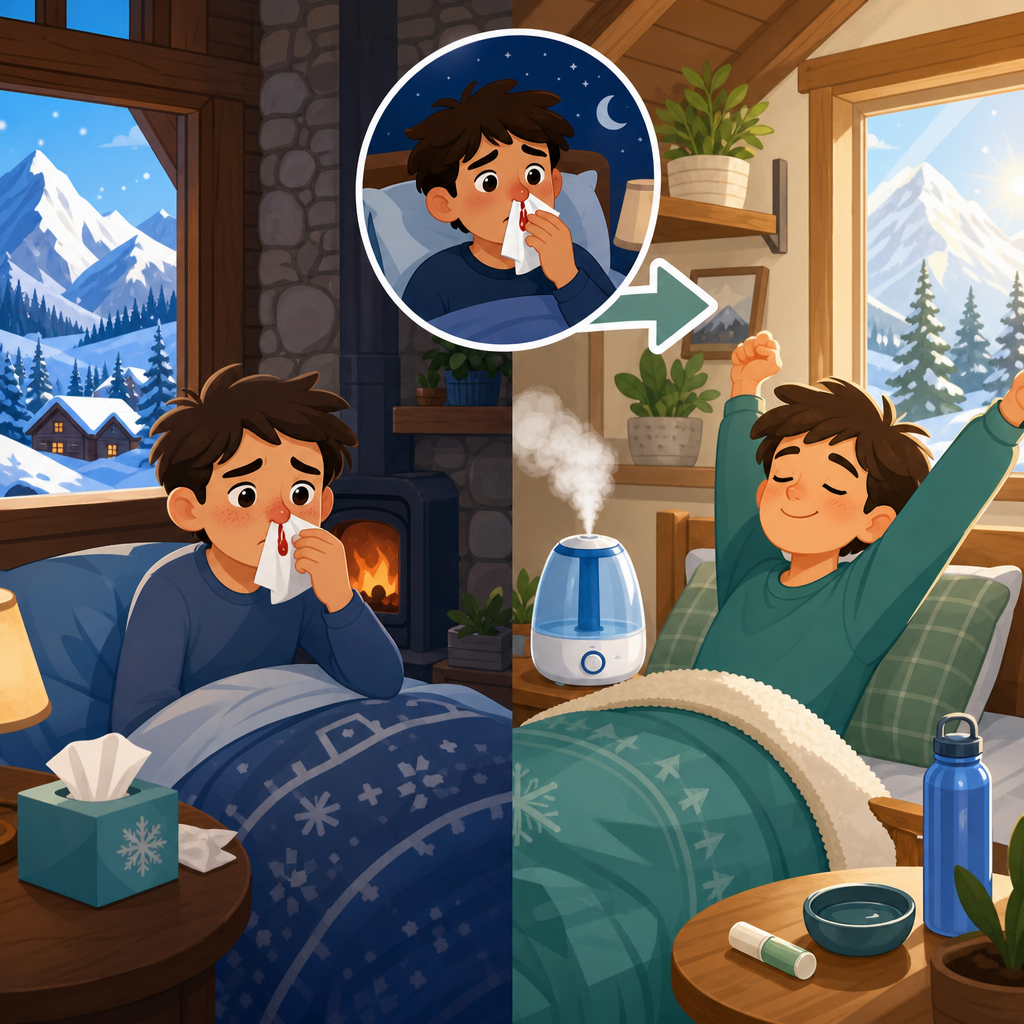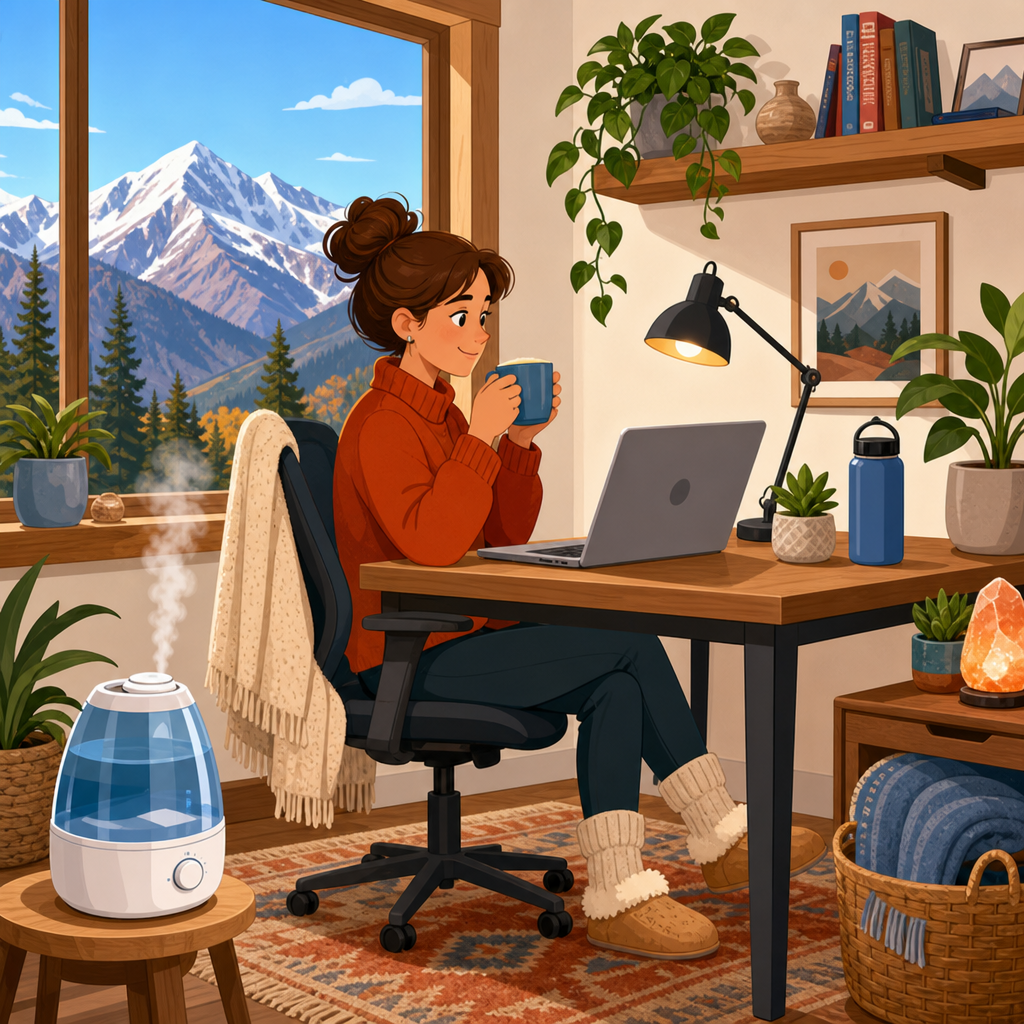
Indoor humidity at altitude feels different because air pressure, outdoor moisture, indoor heating patterns, and faster evaporation all change how your skin, eyes, nose, and home respond to moisture levels. In practical terms, most homes at elevation feel best when indoor relative humidity stays between 30% and 45%, with many people preferring roughly 35% to 40% during the heating season. That range is broad enough to reduce dryness yet low enough to limit window condensation, mold risk, and dust mite growth in colder climates. As someone who has adjusted humidifiers, measured rooms with hygrometers, and dealt with the familiar mix of static shocks, dry sinuses, and fogged windows in mountain homes, I have learned that the “best” humidity at altitude is not one fixed number. It is a working range shaped by temperature, building tightness, ventilation, and personal comfort.
Humidity is the amount of water vapor in the air. The number most people use indoors is relative humidity, or RH, which compares the moisture in the air with the maximum it could hold at the same temperature. Warm air can hold more water vapor than cold air, so RH changes as air warms or cools. That is why outdoor winter air at altitude may not seem humid, yet once that air is brought indoors and heated, its relative humidity can plunge. A room heated to 70 degrees Fahrenheit can feel extremely dry even if the outdoor air did not feel especially uncomfortable. This matters because the body notices the effect quickly: tear film evaporates faster, skin loses moisture more readily, and the mucous membranes in the nose and throat dry out.
Altitude adds another layer. At higher elevations, lower barometric pressure can increase the evaporation rate from skin and airways. Many people already notice thirst, chapped lips, or dry nasal passages when they travel to mountain cities. Inside the home, forced-air heat, wood stoves, fireplaces, and long heating seasons intensify the problem. The result is a daily comfort issue, not just a technical building science topic. Indoor humidity influences sleep quality, static electricity, wood furniture movement, instrument stability, and even how warm a room feels. Air that is too dry can make 70 degrees feel cooler because evaporation from skin increases heat loss. Air that is too damp can feel stuffy and create hidden moisture problems in walls or on windows.
For a hub page on indoor air and humidity, the key question is simple: what range feels best, and how do you hold it there safely? The answer starts with comfort, but it also includes home performance. A useful target range at altitude is usually 30% to 45% RH, adjusted lower in very cold weather and slightly higher when outdoor temperatures are mild. If condensation appears on windows, the level is too high for current conditions. If people are waking with nosebleeds, scratchy throats, irritated eyes, and constant static, the level may be too low. The goal is balance, not maximum humidity.
Why altitude changes indoor humidity comfort
Altitude changes comfort because the same relative humidity can feel drier at elevation than it does near sea level. Lower air pressure, stronger solar gain, and colder nights often create a home environment where moisture leaves surfaces quickly. In mountain regions, outdoor air is commonly cool and dry for much of the year. When that air infiltrates through cracks, enters through ventilation systems, or is intentionally brought in for fresh air, then gets heated indoors, the RH drops further. This is why a house in Denver, Santa Fe, Park City, or Flagstaff often needs a humidification strategy even when residents of lower-elevation coastal areas rarely think about it.
Another reason altitude matters is building operation. Homes in cold, high places often run heating systems for many months. Furnaces and heat pumps do not inherently dry air by “burning it away,” but they do heat incoming air, lowering its relative humidity. Exhaust fans, leaky envelopes, and dry outdoor ventilation air keep removing moisture produced indoors by cooking, bathing, and breathing. Newer tight homes can hold moisture better, yet they may still feel dry if the ventilation rate is high or if an energy recovery ventilator is not balanced correctly. In older homes, drafts can make humidity control almost impossible unless air sealing improves.
Comfort symptoms also show up differently indoors than outdoors. At altitude, people often blame “the climate” when the real issue is indoor RH dropping into the teens or low twenties. I have seen bedrooms at 18% RH after a cold snap, even while the rest of the house sat near 28%. That difference came from a supply register, a closed door, and a portable humidifier that was undersized for the room. Once the space was monitored and adjusted into the mid-thirties, eye irritation and morning congestion improved within days. That pattern is common enough that indoor measurement should always come before guesswork.
The ideal indoor humidity range at altitude
The best indoor humidity range at altitude for most people is 30% to 45% RH. If you want one target to start with, set your goal around 35% to 40% RH. This range supports comfort for skin, eyes, throat, and sinuses while staying below the level where condensation problems become likely in winter. In homes with older windows or very cold exterior conditions, 30% to 35% may be safer. In milder weather or well-insulated homes with high-performance windows, 40% to 45% may feel excellent without causing moisture damage.
That recommendation aligns with practical building science guidance. The Environmental Protection Agency and many indoor air specialists generally consider 30% to 50% RH a reasonable indoor zone, while the American Society of Heating, Refrigerating and Air-Conditioning Engineers emphasizes moisture control to prevent biological growth and condensation. At altitude, I advise narrowing that broad recommendation slightly during heating season because comfort improves before you reach the upper end, and window problems tend to show up fast once you overshoot. The sweet spot is rarely above 45% in winter unless the home envelope and glazing are exceptionally robust.
People often ask whether 25% RH is “normal” at altitude. It is common, but common is not the same as comfortable. Some people tolerate 25% without much trouble, especially if they use saline spray, heavy moisturizer, and preservative-free eye drops. Others become miserable below 30%, particularly contact lens wearers, children, older adults, and anyone with eczema, dry eye disease, allergies, or frequent nosebleeds. For them, moving from 22% to 35% can feel like a major quality-of-life improvement. The body notices that shift immediately because evaporation slows and mucous membranes retain moisture more effectively.
| Indoor RH | How it usually feels at altitude | Main risks or tradeoffs |
|---|---|---|
| Below 25% | Very dry skin, static shocks, irritated eyes and nose, scratchy throat | Comfort drops sharply; wood shrinkage and cracking become more likely |
| 30% to 35% | Comfortable for many homes in cold weather | Usually safe for windows; may still feel dry for sensitive people |
| 35% to 40% | Best all-around target for many mountain homes | Good comfort with manageable condensation risk in most houses |
| 40% to 45% | Often ideal in milder weather or tighter homes | Watch windows, corners, and closets for moisture buildup |
| Above 50% | Can feel less dry, but often too damp in winter | Higher risk of condensation, mold, and dust mites |
How humidity affects skin, eyes, sleep, and daily comfort
Indoor humidity is not just a number on a device; it changes how your body experiences home. Low RH increases transepidermal water loss, which means the skin barrier loses moisture more quickly. That shows up as flaking, itchiness, tightness after showering, cracked fingertips, and worsening eczema. In my experience, people often buy richer creams first, but if the bedroom is sitting at 20% RH every night, topical products only do part of the job. Bringing the room into the mid-thirties frequently reduces symptoms more than switching moisturizers alone.
Eyes are equally sensitive. Dry indoor air destabilizes the tear film, especially for contact lens wearers and anyone staring at screens for long periods. Symptoms include gritty eyes, blurred vision that improves with blinking, redness, and a tired burning sensation by evening. Bedrooms and home offices are the two spaces where this tends to matter most. If RH is low, adding humidity can help, but so can reducing direct airflow from vents, following the 20-20-20 screen break rule, and using preservative-free lubricating drops. The best results usually come from combining air changes with eye care habits.
Sleep comfort also improves when humidity is balanced. Air that is too dry can lead to snoring from nasal dryness, morning sore throat, and a sensation of “desert mouth” on waking. Children often show it through congestion and bloody boogers rather than clear complaints of dryness. Humidity alone does not treat sleep apnea or chronic sinus disease, but it can remove one environmental stressor that makes nights less comfortable. The right range also affects perceived warmth. A house at 68 to 70 degrees often feels less chilly at 35% RH than at 18% RH because evaporation from skin is less aggressive.
Home health: windows, mold, dust mites, and wood movement
The challenge with humidifying at altitude is that what helps your body can hurt your house if you overdo it. Condensation is the clearest warning sign. When warm indoor air meets a cold window surface, moisture condenses into water droplets or frost. Repeated condensation can damage paint, swell trim, stain sills, and feed mold growth. If windows are wet in the morning, indoor RH is too high for the outdoor temperature or the window performance is too weak for your setpoint. Lower the humidity first, then evaluate insulation and air leakage.
Mold risk increases when surfaces stay damp, not simply when air is moderately humid for a short time. That is why 40% RH in a well-performing home is usually fine, but 40% RH combined with cold thermal bridges, poor bathroom exhaust, and hidden air leaks can become a problem. Dust mites generally thrive in more humid environments, often above 50% RH for sustained periods. In many high-altitude winter homes, the air is too dry for significant dust mite growth, which is one reason raising humidity slightly into the thirties can improve comfort without creating a major mite issue. Above 50%, that advantage starts to fade.
Wood products also respond to humidity swings. Floors gap in winter, piano soundboards shift, guitars crack, cabinet panels shrink, and antique furniture joints loosen when RH stays very low for long periods. On the other hand, excessive humidification can swell wood and create cupping or sticking doors. Stable humidity matters more than chasing a perfect number every hour. If you can keep the house within a moderate band and avoid dramatic swings, both people and materials usually perform better.
How to measure and control indoor humidity effectively
The first step is measurement with at least one reliable digital hygrometer, and ideally several. Low-cost sensors can be useful, but I trust them more after checking them against a known reference or at least comparing multiple units side by side. Place one in the bedroom, one in the main living area, and one near any room that feels unusually dry or damp. Keep them away from direct sunlight, supply vents, kitchens, and steamy bathrooms when taking baseline readings. Track RH morning and evening for a week before making big changes.
Control methods depend on the house. Portable evaporative humidifiers work well for bedrooms and single rooms, but they need regular tank cleaning and filter replacement to avoid mineral dust or microbial growth. Steam humidifiers offer precise control but use more electricity. Whole-house bypass, fan-powered, or steam systems connected to the HVAC ductwork are better for consistent coverage, especially in larger homes. The best setups include an outdoor temperature reset or smart control that lowers target RH during very cold weather, helping prevent condensation.
Moisture management is broader than adding humidity. Seal major air leaks, verify bath fans vent outdoors, use kitchen exhaust while cooking, and review ventilation settings if the home has an HRV or ERV. If a humidifier runs nonstop but RH stays stuck below 25%, the house may be losing moisture faster than the unit can add it. In that case, air sealing and equipment sizing matter more than simply turning the dial up. Start with a 35% target, inspect windows daily, and adjust in small increments until comfort and building safety align.
Indoor humidity at altitude feels best when you treat it as a balancing act between human comfort and building durability. For most homes, 30% to 45% RH is the useful range, and 35% to 40% is the practical sweet spot during the heating season. Below that, dryness symptoms become common: static electricity, irritated eyes, chapped skin, nosebleeds, sore throats, and restless sleep. Above that, especially in cold weather, condensation and mold risk rise quickly unless the home envelope is strong and windows stay warm enough to handle the moisture load.
The most effective approach is to measure first, then adjust based on both symptoms and surfaces. Use hygrometers in key rooms, pay attention to window condensation, and remember that the ideal setting can change with outdoor temperature. A bedroom that feels perfect at 38% RH in October may need to drop to 32% during a subzero January cold snap. That is normal. Humidity control at altitude is dynamic, not static, and homes perform best when owners respond to conditions rather than chasing one fixed number year-round.
As the hub for indoor air and humidity, this topic connects directly to dry skin, dry eyes, sinus comfort, sleep quality, static control, humidifier choice, condensation prevention, and whole-house air quality strategy. If you want your home to feel better every day, start with one simple step: measure your indoor humidity this week and aim for a steady mid-thirties range, adjusting as your home and climate require.
Frequently Asked Questions
What indoor humidity range feels best at higher elevations?
In most high-altitude homes, the most comfortable indoor relative humidity range is about 30% to 45%. Within that span, many people feel especially good around 35% to 40%, particularly during the heating season when indoor air tends to get much drier. That range usually provides a good balance: it helps reduce common dry-air complaints such as itchy skin, dry nasal passages, irritated eyes, static electricity, and scratchy throats, while still staying low enough to avoid excess condensation on windows and other cool surfaces.
What makes altitude different is not that the humidity percentage scale changes, but that your body and your home often react more strongly to dry conditions. Faster evaporation, lower air pressure, and long heating cycles can make a house feel drier than the number alone might suggest. So while 30% to 45% is a practical target, the “best” level within that range depends on how your home behaves. If windows stay clear and surfaces stay dry, you may be comfortable closer to 40% or even 45%. If you notice condensation, damp window frames, or musty areas, the better target may be closer to 30% to 35%.
Why does indoor humidity feel different at altitude, even when the humidity reading looks normal?
At altitude, people often notice dryness sooner because moisture leaves the skin, eyes, and respiratory passages more quickly. Lower air pressure and typically drier outdoor conditions change how moisture behaves indoors, and winter heating can intensify that effect. As a result, a humidity level that seems acceptable on paper may still feel a bit dry in practice, especially overnight or after long periods with the furnace running.
Your home also responds differently. At higher elevations, outside air often contains less moisture to begin with, so every exchange of indoor and outdoor air can pull humidity down. Add in forced-air heating, wood stoves, or frequent ventilation, and indoor air can dry out fast. That is why many mountain and high-plains homes need more active humidity management than similar homes at lower elevations. The goal is not to chase a perfect number every hour, but to keep humidity in a stable comfort zone where your body feels good and your building materials stay protected.
Is 40% humidity too high for a house in the mountains?
Usually, no. In many high-altitude homes, 40% relative humidity is a very comfortable and reasonable target, especially if the home is well insulated and windows are performing well. For many households, 40% is right in the sweet spot: high enough to ease dryness, but not so high that it automatically creates moisture problems. In fact, a lot of people find that their skin, sinuses, and sleep quality improve noticeably when indoor humidity rises from the low 20s into the mid-to-upper 30s or around 40%.
That said, whether 40% is truly safe depends on the temperature of your window glass and other cool surfaces. If you start seeing condensation on windows in the morning, moisture collecting along sills, or dampness in corners and closets, your house may be telling you that 40% is slightly too high under current weather conditions. In very cold spells, even well-run homes sometimes need to drop humidity a bit to prevent condensation. So 40% is often a strong target at altitude, but it should always be confirmed by how your home actually performs.
How can I tell if my indoor humidity is too low or too high at altitude?
When humidity is too low, the signs are usually pretty clear. You may notice dry skin, chapped lips, irritated eyes, nosebleeds, a sore throat in the morning, more static electricity, or wood furniture and flooring shrinking or developing gaps. Houseplants may dry out faster, and you may feel like you need more lotion, lip balm, or water than usual. These symptoms are especially common in winter at elevation, when heating systems run often and outdoor air is very dry.
When humidity is too high, the warning signs shift from body discomfort to building performance. Look for condensation on windows, moisture on window tracks, mildew smells, damp spots near exterior walls, or persistent stuffiness. In some cases, excess humidity can encourage mold growth or dust mite activity. The best approach is to use a reliable hygrometer in a few key rooms and compare the readings with what you see and feel. If you are in the 30% to 45% range and the house is staying dry, you are probably close to the right setting. If symptoms or condensation appear, adjust gradually rather than making large swings.
What is the best way to maintain comfortable humidity levels in a high-altitude home?
Start by measuring accurately. Place a good hygrometer in the main living area and, ideally, another near bedrooms or on a different floor, since humidity can vary throughout the house. If readings are consistently below 30%, a humidifier can help, whether that is a portable room unit or a whole-house system connected to your HVAC equipment. Many people at altitude do best by aiming for roughly 35% to 40% in winter, then adjusting slightly based on outdoor temperature and whether condensation appears on windows.
It also helps to manage the house as a system. Seal major air leaks, maintain your heating equipment, and use kitchen and bath exhaust fans appropriately so moisture does not build up in isolated areas. If your home is very tight, balanced ventilation may help keep air fresh without causing extreme humidity swings. During especially cold stretches, lower the humidity a bit if windows start fogging. During milder weather or in homes with excellent windows, you may be able to hold the upper end of the comfort range more easily. The most successful strategy is steady control: moderate humidity, measured regularly, and adjusted to match both personal comfort and the moisture limits of the building.