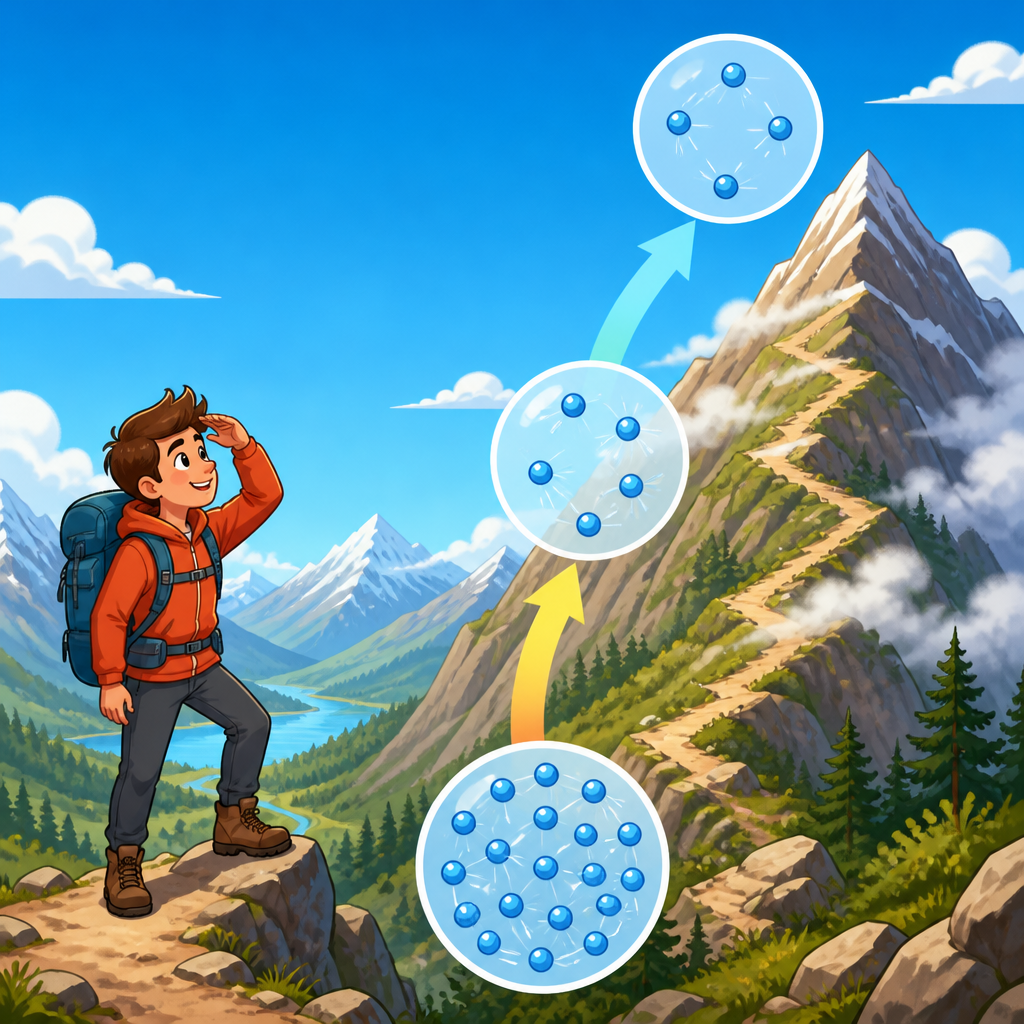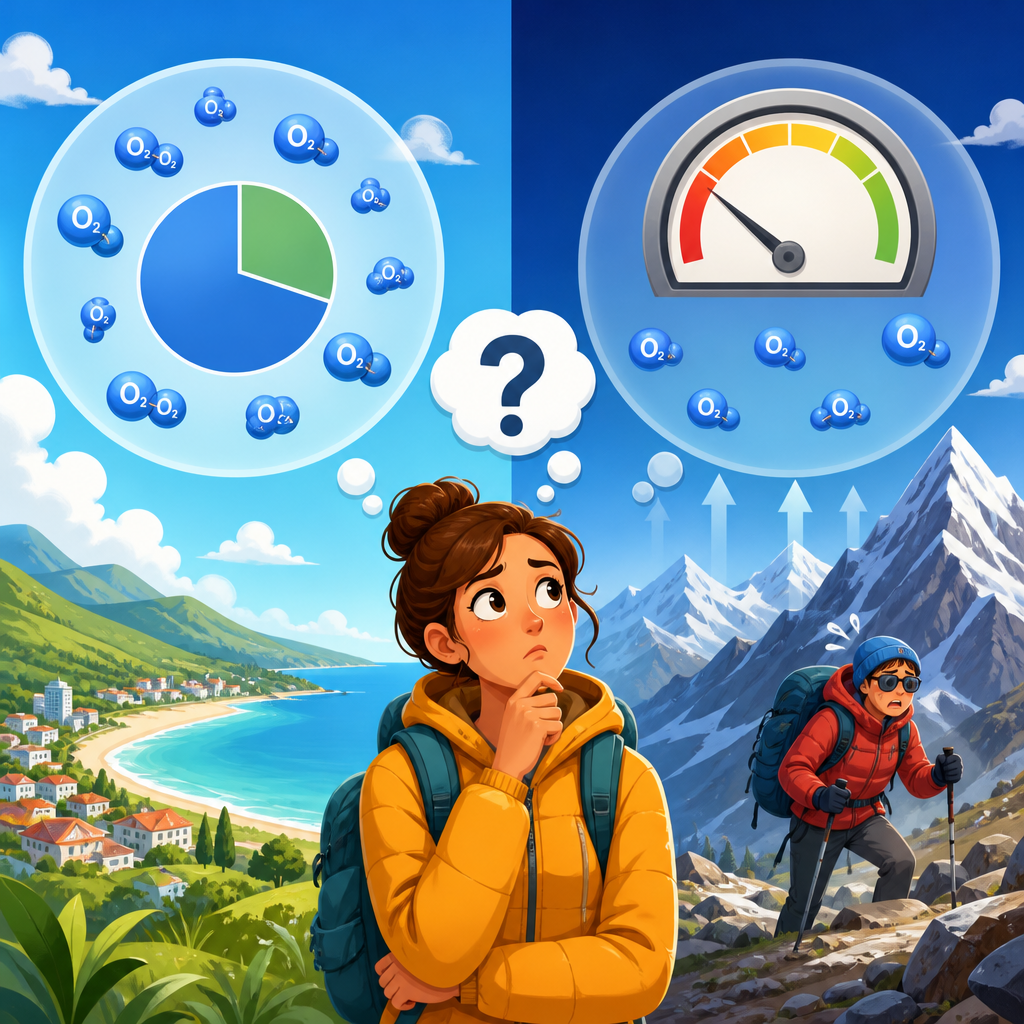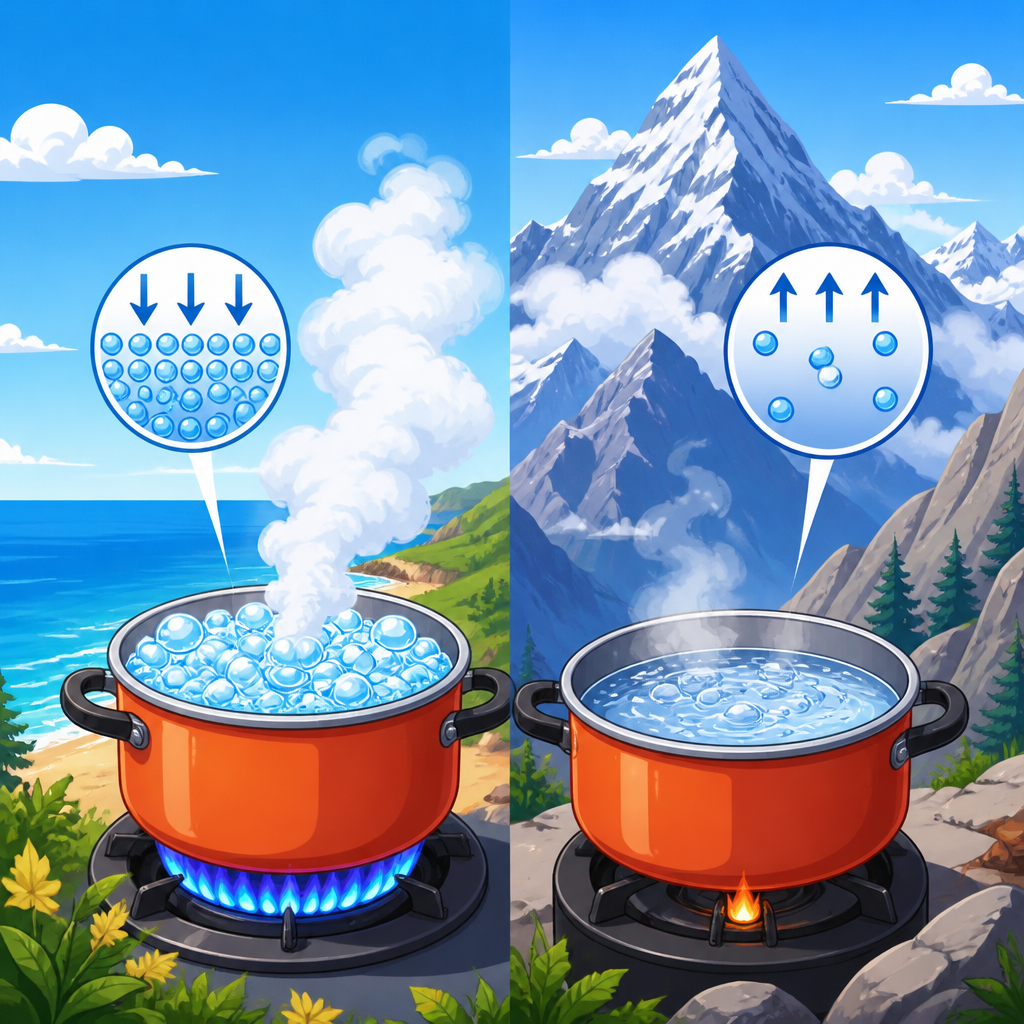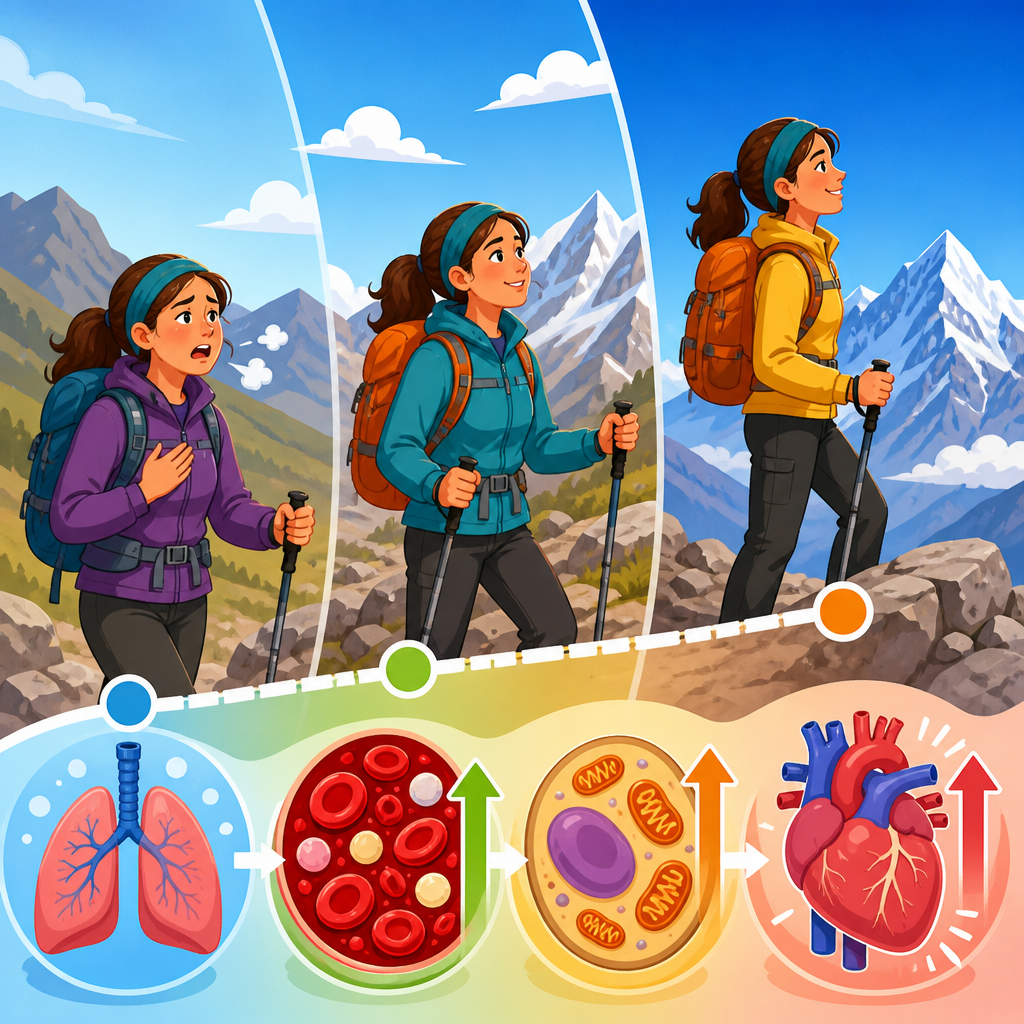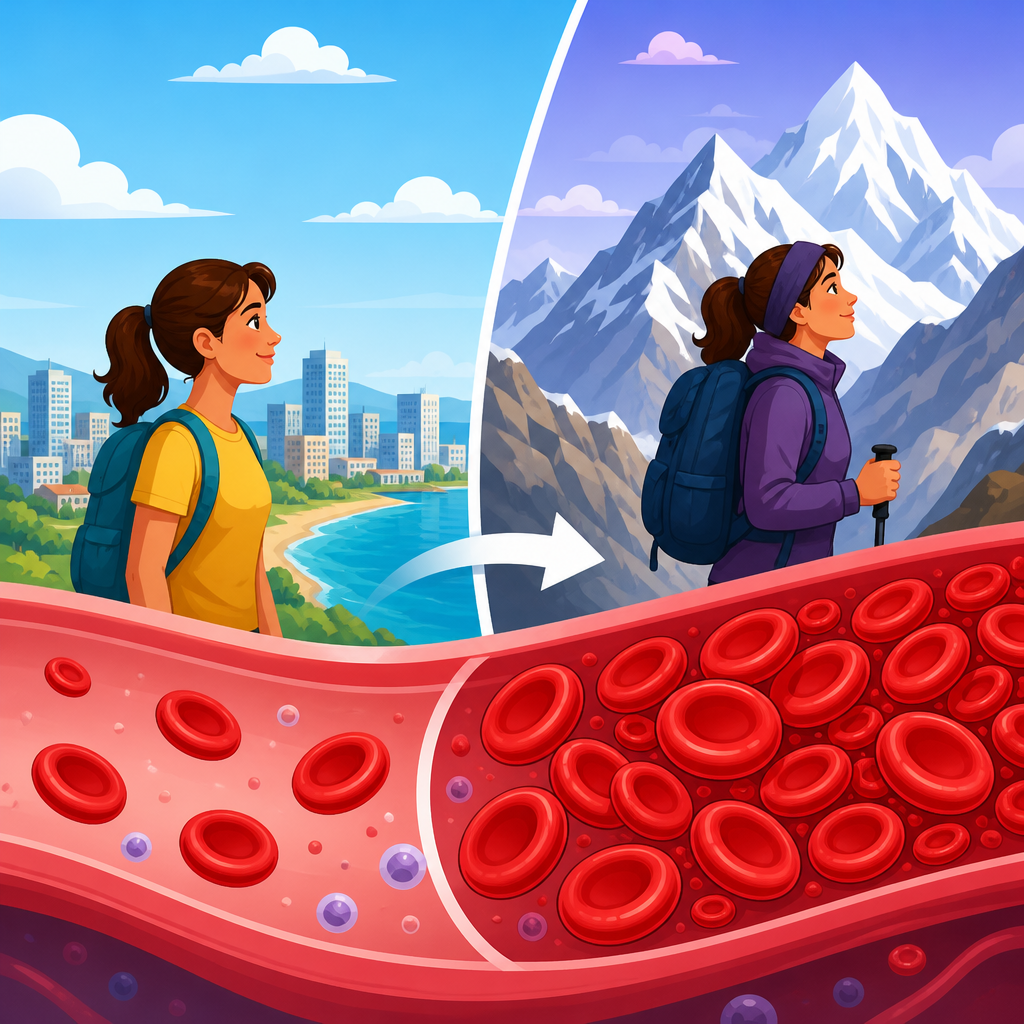
Moving from sea level to a mountain town changes the body quickly, and red blood cells sit at the center of that adjustment. Red blood cells are the hemoglobin-filled cells that carry oxygen from the lungs to tissues and bring carbon dioxide back for exhalation. Altitude refers to environments where barometric pressure falls enough to reduce the partial pressure of oxygen in the air; the oxygen percentage stays near 21 percent, but each breath delivers fewer oxygen molecules into the bloodstream. That lower oxygen availability is called hypobaric hypoxia, and it triggers a coordinated response involving breathing, kidneys, bone marrow, blood volume, and eventually culture, work, sport, pregnancy, and health in high-altitude communities.
I have worked with altitude adaptation literature and field reports from mountain regions long enough to know that many people expect a simple answer: “your body makes more red blood cells.” That is true, but it is incomplete. The early change after ascent is often a reduction in plasma volume, which makes red cell concentration look higher before the body has actually produced many new cells. Then the kidneys increase erythropoietin, or EPO, signaling the bone marrow to accelerate erythropoiesis. Over days to weeks, reticulocytes rise, hemoglobin mass gradually increases, and oxygen transport improves. Over months and generations, the picture becomes more complex, because adaptation in Tibet, the Andes, and the Ethiopian Highlands does not follow one identical script.
This matters well beyond mountaineering. High-altitude physiology affects miners in Peru, herders in Ladakh, soldiers deployed to mountain borders, tourists visiting Cusco, endurance athletes using altitude camps, and families raising children above 2,500 meters. It shapes risks such as acute mountain sickness, chronic mountain sickness, iron deficiency, sleep disruption, and pregnancy complications. It also connects science with culture: local housing, work rhythms, ritual travel, diet, and health systems all reflect the realities of thinner air. Understanding how red blood cells change after moving to altitude gives a practical hub for exploring both the biology and the lived experience of high-altitude communities.
At a basic level, the body is trying to preserve oxygen delivery, which depends on cardiac output, oxygen saturation, and blood oxygen content. Red blood cells matter because hemoglobin binds oxygen, but more is not always better. Extra red cells can improve carrying capacity, yet if blood becomes too viscous it flows less efficiently and strains the heart. Good altitude adjustment therefore balances ventilation, circulation, acid-base regulation, iron availability, and red cell production. That balance is why two people at the same elevation can feel very different, and why high-altitude populations have developed distinct biological and cultural strategies for living well in low-oxygen environments.
The first hours and days: hemoconcentration before true red cell expansion
When someone moves rapidly from sea level to altitude, the first measurable blood change is often not a surge in new red blood cells but hemoconcentration. Increased breathing causes greater water loss through respiration, cold dry air can add dehydration, and altitude diuresis reduces plasma volume. As plasma volume contracts, hemoglobin concentration and hematocrit rise even if total red cell mass has not changed much. This distinction matters in medicine and sport science. A complete blood count taken on day one at 3,000 meters may suggest “more blood,” yet isotope or carbon monoxide rebreathing methods would show that much of the early shift comes from less plasma, not dramatically more cells.
At the same time, low oxygen is sensed primarily by the kidneys through hypoxia-inducible pathways. Stabilization of hypoxia-inducible factor, especially HIF-2 alpha in renal tissue, increases transcription of erythropoietin. Circulating EPO can rise within hours and often peaks in the first one to two days after ascent, depending on the altitude reached and the person’s baseline physiology. Bone marrow does not respond instantly; it takes several days before reticulocytes increase meaningfully, and longer still before mature erythrocytes appreciably expand total hemoglobin mass. In practical terms, you feel the air change before your marrow has caught up.
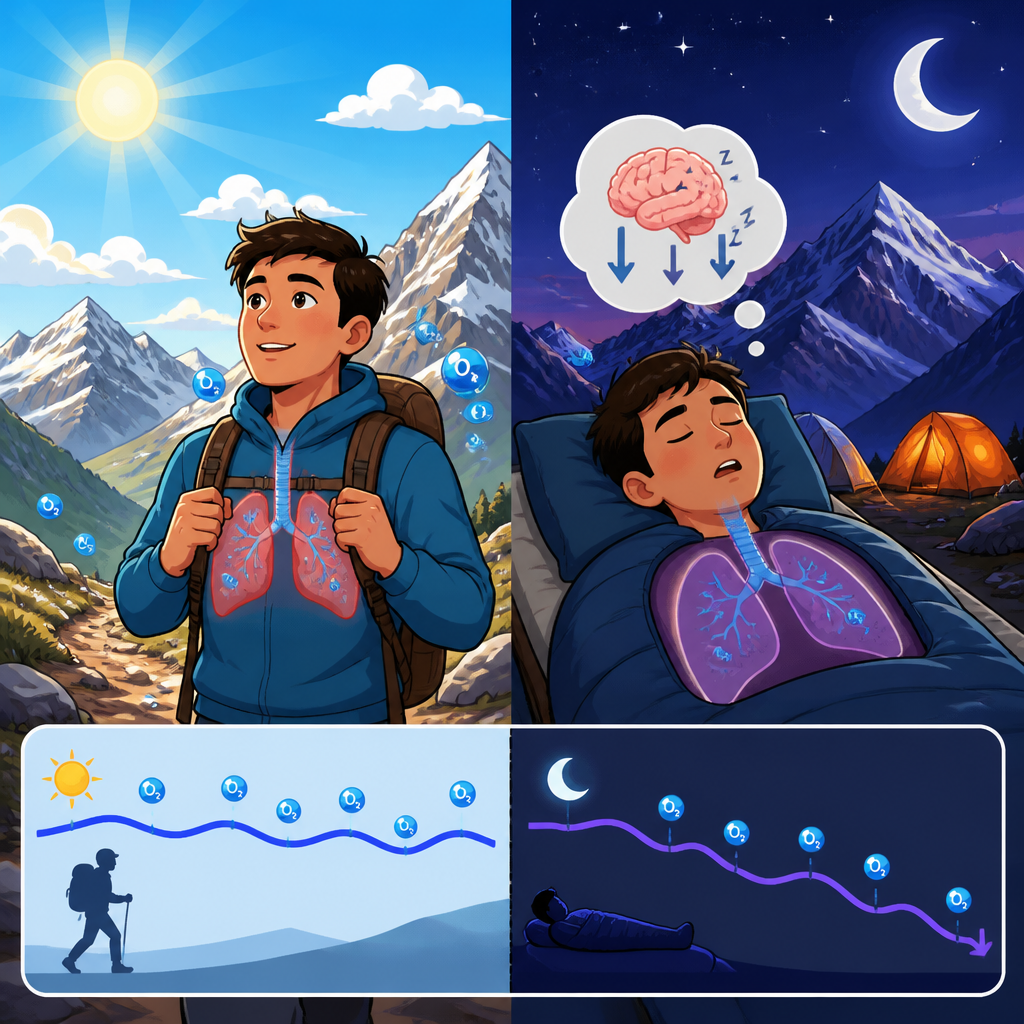
Most healthy newcomers also hyperventilate. That raises alveolar oxygen levels somewhat, but it lowers carbon dioxide and creates respiratory alkalosis. The kidneys then compensate by excreting bicarbonate over the following days, allowing sustained ventilation. This is one reason acclimatization is a systems process rather than a single blood event. Red blood cell adaptation unfolds alongside respiratory and renal adjustments. In the mountain clinics and field studies I rely on, the people who acclimatize best are usually not those with the highest immediate hematocrit, but those who achieve stable ventilation, hydration, sleep, and nutrition while the marrow response develops.
How new red blood cells are made at altitude
True expansion of red blood cells after moving to altitude depends on erythropoiesis, the production of erythrocytes in bone marrow. Erythropoietin is the main hormonal signal, but it is only one ingredient. The marrow also needs iron, folate, vitamin B12, adequate protein, healthy kidneys, and freedom from significant inflammation or blood loss. If any of those are limited, EPO may rise but hemoglobin mass may not increase as expected. This is why two travelers spending the same month at 2,800 meters can finish with different blood responses. One may gain substantial oxygen-carrying capacity, while the other remains fatigued because iron stores were low before arrival.
Reticulocytes, which are immature red blood cells newly released from marrow, typically increase within several days. Over roughly two to four weeks, many people show a measurable rise in hemoglobin concentration and often in total hemoglobin mass, especially above about 2,000 to 2,500 meters. Athletes often discuss “live high, train low” because moderate altitude exposure can stimulate erythropoiesis without sacrificing training intensity at lower elevations. The Australian Institute of Sport and other sport science programs monitor ferritin closely in these settings, because iron deficiency can blunt adaptation and create misleading expectations about altitude camps.
Red blood cells themselves also change internally. Levels of 2,3-bisphosphoglycerate, or 2,3-BPG, rise relatively quickly in erythrocytes during hypoxic exposure. This shifts the oxyhemoglobin dissociation curve to the right, helping hemoglobin release oxygen to tissues more readily. That sounds entirely beneficial, but there is a tradeoff: a rightward shift can reduce oxygen loading in the lungs at a given partial pressure. The body accepts this compromise because tissue unloading is critical during acclimatization. Altitude physiology is full of these negotiated balances, where no single parameter can be judged in isolation.
| Time after arrival | Main red cell related change | What it means in practice |
|---|---|---|
| Hours to 2 days | Plasma volume falls; EPO rises sharply | Hemoglobin concentration may look higher before true red cell mass increases |
| 3 to 7 days | Reticulocytes increase | Bone marrow is actively responding to hypoxia |
| 2 to 4 weeks | Hemoglobin mass gradually rises | Oxygen carrying capacity improves if iron and recovery are adequate |
| Months | Partial stabilization or continued elevation depending on altitude | Acclimatization deepens, but excessive erythrocytosis may become a risk in some people |
How much change to expect, and what limits the response
The amount red blood cells change after moving to altitude depends first on elevation. At 1,500 meters many people notice little beyond mild breathlessness on exertion. At 2,500 to 3,500 meters the EPO response is more robust, acclimatization is more obvious, and visitors commonly report disturbed sleep, faster pulse, and reduced exercise tolerance. Above 4,000 meters the stimulus becomes stronger but so do the risks, including acute mountain sickness and impaired appetite, both of which can interfere with healthy erythropoiesis. Duration matters too: a weekend trip does not equal a six-week stay, and a seasonal worker may not resemble a lifelong resident.
Iron availability is one of the most important limiting factors. Ferritin reflects stored iron, though it can be distorted by inflammation. Transferrin saturation, soluble transferrin receptor, and a careful clinical context can sharpen interpretation. In women of reproductive age, adolescents, and endurance athletes, iron deficiency is common enough that altitude plans should never ignore it. Without usable iron, the body cannot convert a hypoxic signal into effective hemoglobin production. I have seen altitude discussions reduced to willpower or genetics when the practical bottleneck was simply under-recognized iron deficiency aggravated by diet, menstruation, or gastrointestinal issues.
Illness, smoking, sleep apnea, and chronic lung or heart disease also modify the response. Carbon monoxide from smoking reduces oxygen delivery and can stimulate secondary erythrocytosis even at lower elevations. Obstructive sleep apnea adds intermittent nocturnal hypoxia, which may compound red cell production but worsen sleep quality and cardiovascular strain. People with chronic kidney disease may mount a weaker EPO response. Others may take acetazolamide, which aids acclimatization through ventilatory and renal effects but does not replace the need for time, hydration, and sensible ascent. The biology is adaptive, yet it is never independent of health status and environment.
When adaptation becomes a problem: viscosity, chronic mountain sickness, and medical risk
More red blood cells can help, but too many can become harmful. As hematocrit rises, blood viscosity increases nonlinearly. Thicker blood can impair microcirculatory flow, raise pulmonary and systemic vascular resistance, and increase cardiac workload. This is one reason clinicians do not equate the highest hemoglobin with the best adaptation. In some high-altitude residents, especially at very high elevations in the Andes, excessive erythrocytosis contributes to chronic mountain sickness, also called Monge disease. Typical features include headache, dizziness, fatigue, cyanosis, sleep disturbance, breathlessness, and abnormally high hemoglobin concentrations relative to the local altitude-adjusted norm.
Chronic mountain sickness illustrates that acclimatization and pathology can overlap. The person’s body is responding logically to low oxygen, yet the response overshoots into dysfunction. Contributors may include long-term severe hypoxia, sleep-disordered breathing, age, sex, occupational exposure, and individual susceptibility. Management can involve descent, oxygen, treatment of sleep problems, and in selected cases therapeutic phlebotomy, though phlebotomy must be used carefully because it can worsen iron deficiency and does not solve the underlying hypoxic drive. Public health strategies in highland cities also matter, including screening access, cleaner indoor air, and better recognition of symptoms that are often normalized by communities living at altitude.
Another concern is thrombosis risk, although the relationship is more nuanced than a simple “high hematocrit causes clots” rule. Dehydration, immobility, inherited coagulation disorders, smoking, and illness influence risk substantially. Travelers should also distinguish normal acclimatization symptoms from emergencies. A mild headache and poor sleep in the first nights at altitude are common; confusion, severe ataxia, or shortness of breath at rest raise concern for high-altitude cerebral edema or high-altitude pulmonary edema, which are medical emergencies and not red-cell problems to “push through.” Good altitude education prevents dangerous misinterpretation of what the blood can and cannot compensate for.
High-altitude communities: biology shaped by history, livelihood, and culture
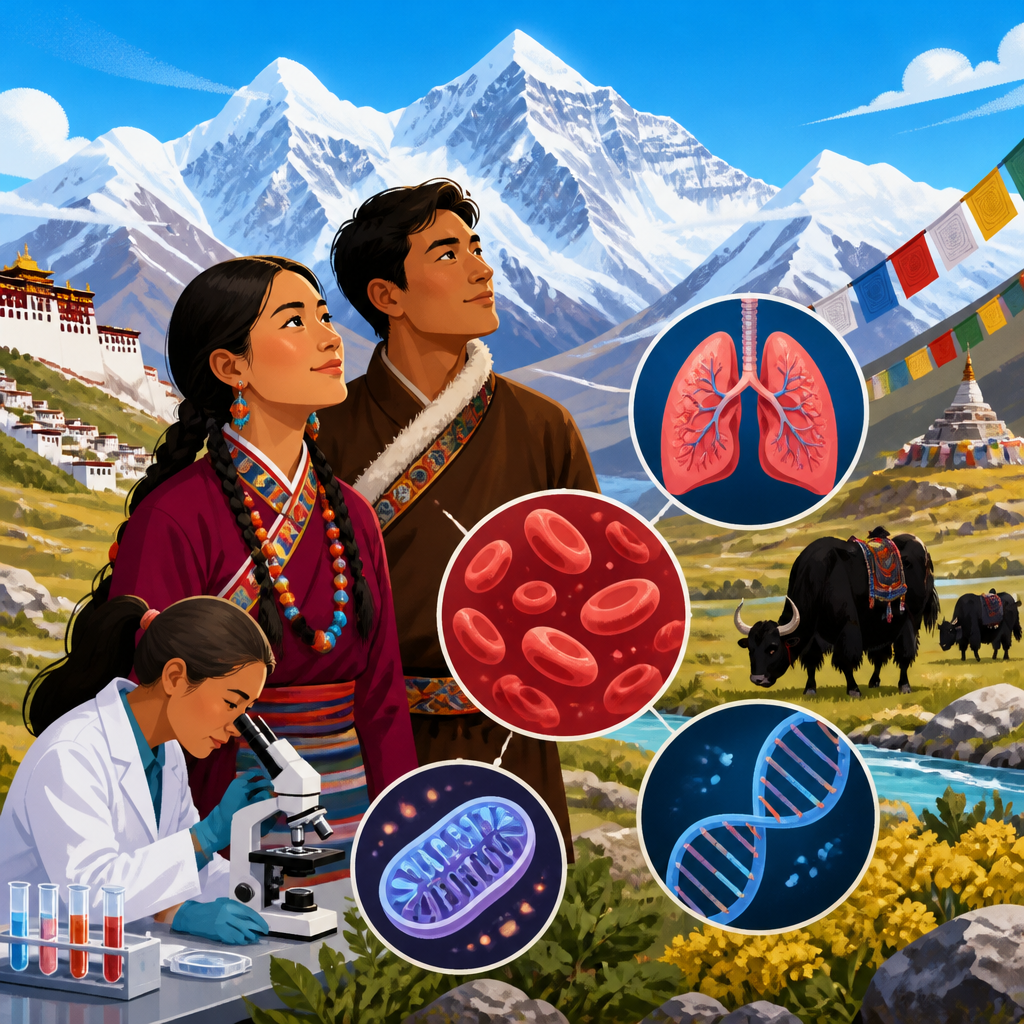
Long-resident high-altitude populations show that human adaptation is not uniform. Tibetans, Andeans, and Ethiopian highlanders all live successfully at elevation, but they do not rely on identical red blood cell strategies. Tibetan populations tend to maintain relatively lower hemoglobin levels for their altitude compared with Andean populations, while sustaining high ventilation and nitric oxide related vascular advantages. Variants near EPAS1 and EGLN1 have been associated with this pattern, and these genes are central to oxygen-sensing pathways. In contrast, many Andean highlanders often exhibit higher hemoglobin concentrations, reflecting a different long-term adaptive profile shaped by ancestry, selection, and environment.
These biological differences are inseparable from culture. Daily life in high-altitude communities often includes slower ascent patterns in childhood, locally adapted work routines, and knowledge about pacing, clothing, hydration, and diet that visitors underestimate. In Ladakh and the Himalayas, families may time labor around temperature swings and terrain. In the Andes, market life, mining schedules, and inter-valley travel affect how people cycle between elevations. Traditional foods can support acclimatization indirectly by maintaining energy balance and micronutrient intake, while modern transitions toward processed diets may undermine iron status and cardiometabolic health. Physiology never operates in a vacuum; it is lived through housing, labor, ritual, transport, and healthcare access.
Pregnancy and infancy deserve special attention in this science-and-culture hub. High altitude can reduce birth weight on average, likely through placental oxygen delivery constraints, yet long-resident populations often show partial protection compared with recent migrants. Maternal hemoglobin follows a careful middle path: too little impairs oxygen carrying capacity, but excessively high levels can reflect poor plasma expansion and are also linked with adverse outcomes. Community-specific prenatal care therefore matters. Programs in Bolivia, Nepal, and Ethiopia increasingly combine altitude-aware obstetric monitoring with nutrition support, anemia screening, and referral pathways, recognizing that red blood cell changes affect not just adaptation but the next generation.
What newcomers, athletes, and clinicians should do
For most newcomers, the practical approach is straightforward. Ascend gradually when possible, especially above 2,500 meters. Expect lighter exercise capacity at first. Hydrate well without forcing excessive fluid intake, avoid heavy alcohol use early, prioritize carbohydrates if appetite falls, and protect sleep. If a stay will last weeks or months, consider baseline iron assessment before departure, particularly for athletes, menstruating women, vegetarians, and anyone with prior anemia. Clinicians should interpret hemoglobin and hematocrit in context, asking whether a result reflects plasma shifts, true erythrocytosis, iron deficiency, smoking exposure, or coexisting illness. Good care begins by defining which of those processes is actually present.
For athletes, altitude works best when exposure is planned rather than romanticized. Many respond well to moderate sleeping altitude with carefully preserved training quality, but not everyone gains the same hematological benefit. Monitoring can include ferritin, reticulocyte hemoglobin content, pulse oximetry trends, training load, and symptoms of overreaching. For clinicians in mountain regions, recognizing local baseline values is essential, because sea-level reference ranges may misclassify healthy residents or miss pathology. For readers exploring the broader science, culture, and high-altitude communities topic, use this article as your hub: follow related resources on acclimatization, indigenous adaptation, mountain pregnancy, altitude illness, and work at elevation, then apply the lessons with patience and respect for the mountain environment.
Frequently Asked Questions
What happens to red blood cells right after you move to altitude?
Right after moving from sea level to altitude, red blood cells do not increase in number overnight, but their job becomes more difficult almost immediately. Because barometric pressure is lower at higher elevations, the partial pressure of oxygen drops, which means each breath moves fewer oxygen molecules from the lungs into the blood. Red blood cells are still packed with hemoglobin and still circulate normally, but they leave the lungs carrying less oxygen than they would at sea level. This is why many people notice shortness of breath, faster breathing, a racing heart, reduced exercise tolerance, headaches, or unusual fatigue during the first hours to days after arrival.
In the very early phase, the body relies more on rapid compensations than on making new red blood cells. Breathing rate rises to pull in more oxygen, heart rate often increases to deliver oxygen faster, and the kidneys begin responding to the lower oxygen state. Another important short-term change is a reduction in plasma volume, partly related to fluid shifts and increased water loss through breathing. That can make the blood more concentrated, so red blood cell concentration may appear higher on a lab test even before true new red blood cell production has ramped up. In other words, the first changes are functional and fluid-related; the actual building of more red blood cells takes more time.
How long does it take to make more red blood cells at altitude?
Making more red blood cells is a gradual adaptation, not an instant switch. The key signal comes from the kidneys, which detect reduced oxygen delivery and release more erythropoietin, often shortened to EPO. This hormone travels to the bone marrow and stimulates it to produce additional red blood cells. Reticulocytes, which are immature red blood cells, may begin rising within a few days, but a noticeable increase in total red blood cell mass usually takes days to weeks, and fuller adaptation can continue for several weeks depending on the altitude, the person’s baseline health, genetics, hydration, iron status, and activity level.
For many people, the first week includes the beginning of this hematologic response, while more meaningful increases in red blood cell mass become clearer over the following two to six weeks. If someone remains at altitude for months, the adaptation may continue to refine itself. The timeline also depends on how high the new environment is. A moderate mountain town may trigger a milder response than a much higher alpine setting. Importantly, the body does not simply produce unlimited red blood cells. It adjusts within physiological limits, balancing oxygen delivery with the need to keep blood from becoming too thick and difficult to circulate.
Why do red blood cells increase at altitude if the oxygen percentage in the air stays the same?
This is one of the most misunderstood parts of altitude physiology. The oxygen percentage in the atmosphere remains close to 21 percent whether you are at sea level or in the mountains. What changes is the barometric pressure. At higher altitude, total air pressure is lower, so the partial pressure of oxygen is lower as well. That means each breath contains the same proportion of oxygen, but fewer oxygen molecules are actually available to move across the lungs and into the bloodstream.
The body responds to that reduced oxygen availability by trying to improve oxygen transport capacity, and red blood cells are central to that strategy. Since hemoglobin inside red blood cells binds oxygen, making more red blood cells can help carry more oxygen to muscles, the brain, and other tissues. This does not eliminate the effects of altitude, but it improves the blood’s ability to compensate. It is essentially the body’s way of saying, “If each red blood cell is leaving the lungs with less oxygen, we may need more total oxygen-carrying cells in circulation.” That is why increased red blood cell production is such a hallmark of acclimatization.
Can having more red blood cells at altitude cause any problems?
Yes, although the increase in red blood cells is an important adaptation, more is not always better. As red blood cell mass rises, blood can become more viscous, meaning thicker and harder to pump. Mild increases are usually part of normal acclimatization, but excessive rises can place added strain on the heart and circulation. This is one reason the body tries to regulate the response rather than increasing red blood cells endlessly. If blood becomes too concentrated, oxygen delivery can actually become less efficient despite having more hemoglobin on board.
In practical terms, dehydration can make this issue worse because it lowers plasma volume and further concentrates the blood. Some people living at very high altitudes for long periods may develop excessive erythrocytosis, where red blood cell levels rise unusually high. This can contribute to headaches, poor sleep, dizziness, fatigue, and reduced exercise capacity, and in more serious cases may increase the risk of vascular complications. For most healthy people moving to a moderate mountain town, the red blood cell response stays within a normal adaptive range, but persistent symptoms, severe shortness of breath, chest discomfort, or signs of altitude illness should not be dismissed as routine adjustment.
Do red blood cells go back to normal after returning to sea level?
Yes, in most cases red blood cell levels gradually shift back toward sea-level norms after a person returns to lower elevation. Once oxygen availability improves, the kidneys reduce erythropoietin signaling because the body no longer needs the same enhanced oxygen-carrying capacity. Over time, older red blood cells are naturally removed from circulation and replaced at a rate that matches the new environment. The result is a slow normalization of red blood cell mass, hemoglobin, and hematocrit.
This reversal does not happen instantly. Just as it takes time to build more red blood cells at altitude, it takes time for the body to unwind that adaptation after descent. The exact timeline varies, but changes can unfold over days to weeks. People who spent a long time at altitude or lived at particularly high elevations may take longer to return fully to their previous baseline. The overall process reflects how dynamic the blood system is: red blood cells are constantly being produced, used, and recycled, and the body adjusts that balance according to how much oxygen the environment can supply.