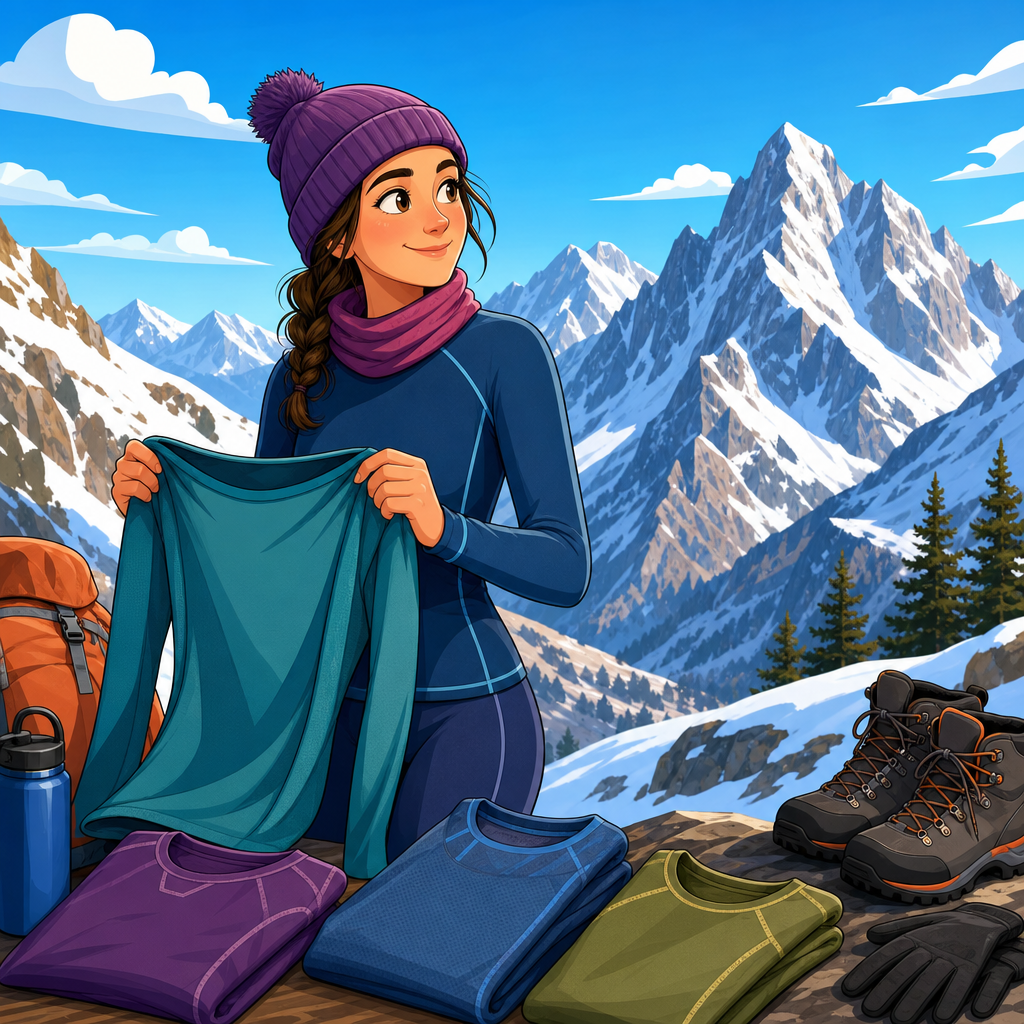
Choosing the best base layers for dry, cold mountain climates starts with understanding that “warm” clothing is not one item but a system. In alpine deserts, continental ranges, and high basins where humidity stays low and temperatures plunge after sunset, your first layer controls comfort more than your puffy jacket does. A base layer sits next to skin, moves sweat, traps a thin cushion of warm air, and helps regulate body temperature during climbing, skiing, snowshoeing, winter camping, and cold-weather hunting. If it fails, every layer above it performs worse.
Dry, cold mountain climates create a specific challenge. Because the air holds little moisture, sweat evaporates quickly, which can fool people into thinking they are staying dry. In practice, I have seen hikers finish a steep skin track with damp backs and chilled arms because their shirt absorbed perspiration, then cooled fast during a windy transition. The best base layers for dry, cold mountain climates prevent that rapid heat loss. They must wick efficiently, dry fast, insulate when slightly damp, and fit close enough to support layering without restricting movement.
Key terms matter here. “Base layer” means the garment worn directly against skin. “Moisture management” refers to moving perspiration away from the body so it can evaporate or disperse through outer layers. “Thermal efficiency” means how well fabric retains warmth relative to weight and bulk. “Breathability” is the ability to let water vapor escape. “Next-to-skin comfort” includes softness, seam placement, odor control, and how the garment behaves over long use. In clothing, sleep, and shelter systems, those factors interact: what you wear in motion may become what you sleep in, and your sleep clothes affect how well your sleeping bag or quilt performs.
This hub article covers the full decision framework for clothing, sleep, and shelter in cold, arid mountain environments, with base layers as the anchor. You will learn which fabrics work best, how weight classes differ, what features matter for tops and bottoms, how to build systems for active and static use, and when to separate hiking layers from sleep layers. If you are comparing merino wool, synthetic polyester, grid fleece, or blends, the short answer is simple: choose the lightest base layer that keeps sweat moving during effort, then add insulation strategically. The right answer depends on pace, temperature, wind exposure, trip length, and whether you can dry gear overnight.
What makes a base layer work in dry, cold mountains
The best base layers for dry, cold mountain climates balance moisture transport with warmth retention. In very cold, low-humidity air, sweat management is more important than maximum thickness. Heavy fabric can feel warm at the trailhead but often becomes a liability on sustained ascents because it stores too much moisture. Once you stop moving, that moisture cools rapidly through evaporation and conduction. For that reason, the most effective alpine systems usually begin with a lighter or midweight base layer paired with an active insulation layer and a wind-resistant shell.
Fit is fundamental. A base layer should sit close to the skin without compressing it. Loose fabric reduces efficient moisture transfer. Overly tight fabric can limit circulation and make layered movement awkward. Look for raglan sleeves, offset shoulder seams for pack comfort, gusseted underarms, flatlock stitching, and longer hems that stay tucked under a harness or hip belt. For bottoms, a smooth waistband and minimal inner-thigh seams reduce friction during long approaches and ski tours.
Construction details matter because dry mountain cold often comes with strong sun, abrasive rock, and repetitive layering changes. High-quality cuffs, half-zip necks for venting, thumb loops for wrist coverage, and panel mapping in high-sweat zones improve real-world performance. I have found that a quarter-zip top extends the useful temperature range of a layer more than a modest increase in fabric weight does. You can dump heat on a climb without stripping layers into blowing snow.
Fabric choices: merino, synthetic, and blends
Merino wool remains a leading choice because it resists odor, regulates temperature well, and stays comfortable over multiday use. Fine merino fibers, commonly between 17.5 and 19.5 microns, feel soft and reduce itch. Wool can absorb a meaningful amount of moisture vapor within the fiber structure while still feeling relatively dry, which smooths out comfort during stop-start movement. In camp, merino also feels warmer than many synthetics at the same weight. Its main drawbacks are slower drying speed, lower abrasion resistance, and a higher price in premium garments from brands such as Icebreaker, Smartwool, Ortovox, and Mons Royale.
Synthetic polyester base layers dry faster, usually last longer under pack straps, and often cost less. They are especially effective for high-output winter activities like uphill skinning, steep hiking with a loaded pack, and cold-weather trail running. The tradeoff is odor retention. Even with antimicrobial treatments such as Polygiene or HeiQ, polyester generally smells faster than merino on multi-day trips. Patagonia Capilene, Arc’teryx Rho, Outdoor Research Echo, and Helly Hansen Lifa systems are respected examples because they combine efficient wicking with proven patterning and durable knit structures.
Blends offer the most practical middle ground for many mountain users. A merino-synthetic blend can improve durability and drying speed while preserving much of wool’s comfort and odor resistance. Some fabrics wrap nylon around merino cores, while others use bi-component knits with wool on the inside and synthetic on the outside. These hybrid constructions often perform well for backpackers and mountaineers who need one set of layers to cover climbing, camp, and sleep. If you want a single recommendation for mixed use, a midweight merino blend is usually the safest choice.
| Fabric type | Best use | Main strengths | Main limitations |
|---|---|---|---|
| Merino wool | Multiday trips, camp, sleep systems | Odor resistance, comfort, temperature regulation | Slower drying, less durable, higher cost |
| Synthetic polyester | High-output movement, frequent washing | Fast drying, durable, efficient wicking | Holds odor, can feel cooler at rest |
| Merino blend | All-around mountain use | Balanced comfort, durability, and drying | Performance varies by knit and blend ratio |
Choosing the right weight for tops and bottoms
Base layers are commonly grouped into lightweight, midweight, and heavyweight categories, though brands label them differently. Lightweight tops often range around 120 to 170 grams per square meter. They are ideal for active use in cold, sunny, low-humidity conditions where you generate continuous heat. Midweight pieces, often around 180 to 250 gsm, suit broader winter use and provide better versatility for mixed effort levels. Heavyweight layers or expedition weights can work for glassing, belaying, or extreme cold, but they are too warm for many uphill mountain days unless you move slowly.
For bottoms, many experienced winter travelers go lighter than they expect. Legs usually produce substantial heat on climbs. Instead of wearing heavyweight leggings all day, a lighter bottom under soft-shell pants or ski pants often performs better. In exposed wind or severe cold, you can supplement with insulated overpants during breaks. This modular approach keeps sweat down and improves safety because you retain a dry reserve for camp or sleep.
A reliable rule is to match base layer weight to effort, not to the forecast low alone. If you are ascending 3,000 vertical feet with a pack at 15°F in Colorado’s Front Range, a lightweight synthetic or light merino blend top may be enough under a breathable shell. If you are snowmobiling to camp and spending hours inactive, a heavier merino or lofted synthetic base layer makes more sense. People often over-insulate the base layer and underuse venting. In dry, cold mountains, preventing sweat accumulation beats chasing warmth with thicker fabric.
Building a complete clothing, sleep, and shelter system
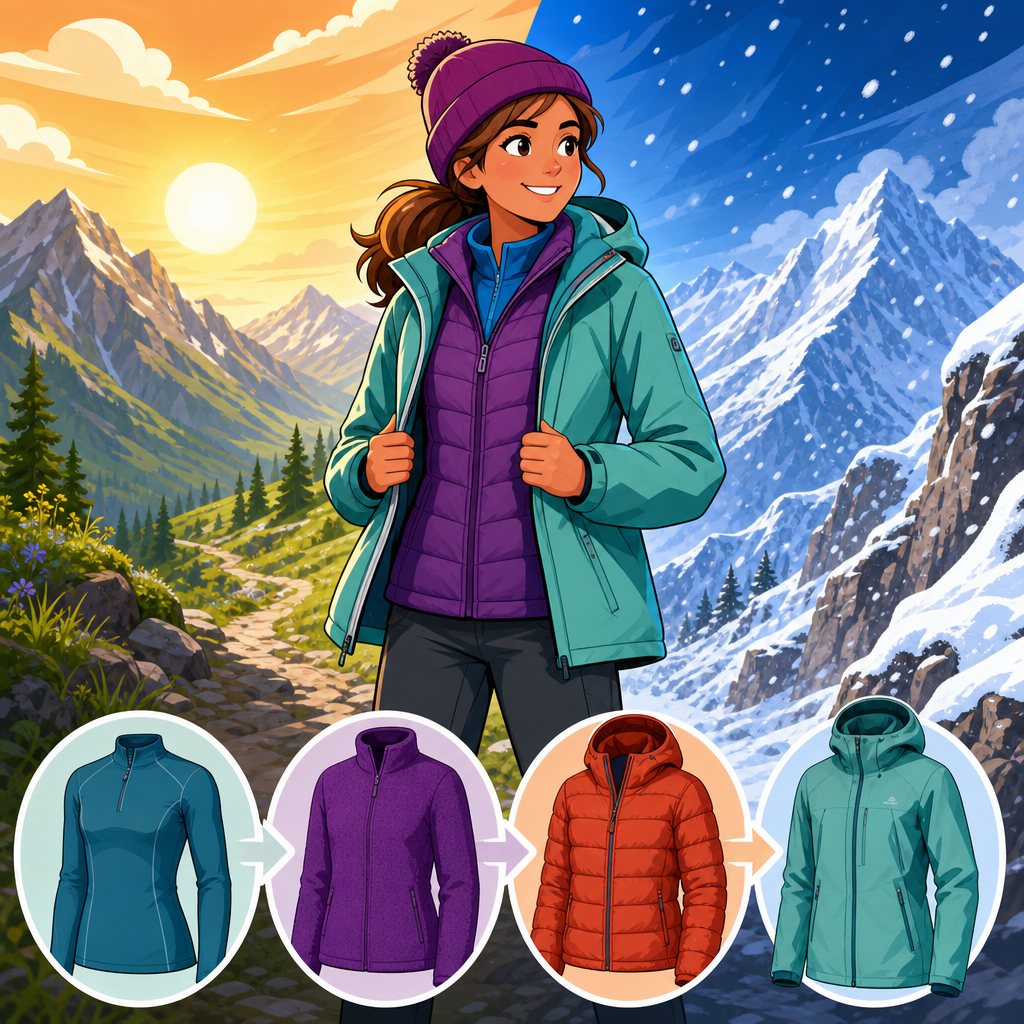
As the hub for clothing, sleep, and shelter, this topic only makes sense when base layers are viewed as part of a complete system. For clothing, start with a base layer that fits your activity level, add an active midlayer such as grid fleece, then use a soft shell or breathable hard shell for wind and snow. Carry a static insulation piece, typically a hooded down or synthetic belay jacket, for stops. This sequence is more adaptable than relying on one very warm base layer. It also creates cleaner transitions between movement and rest.
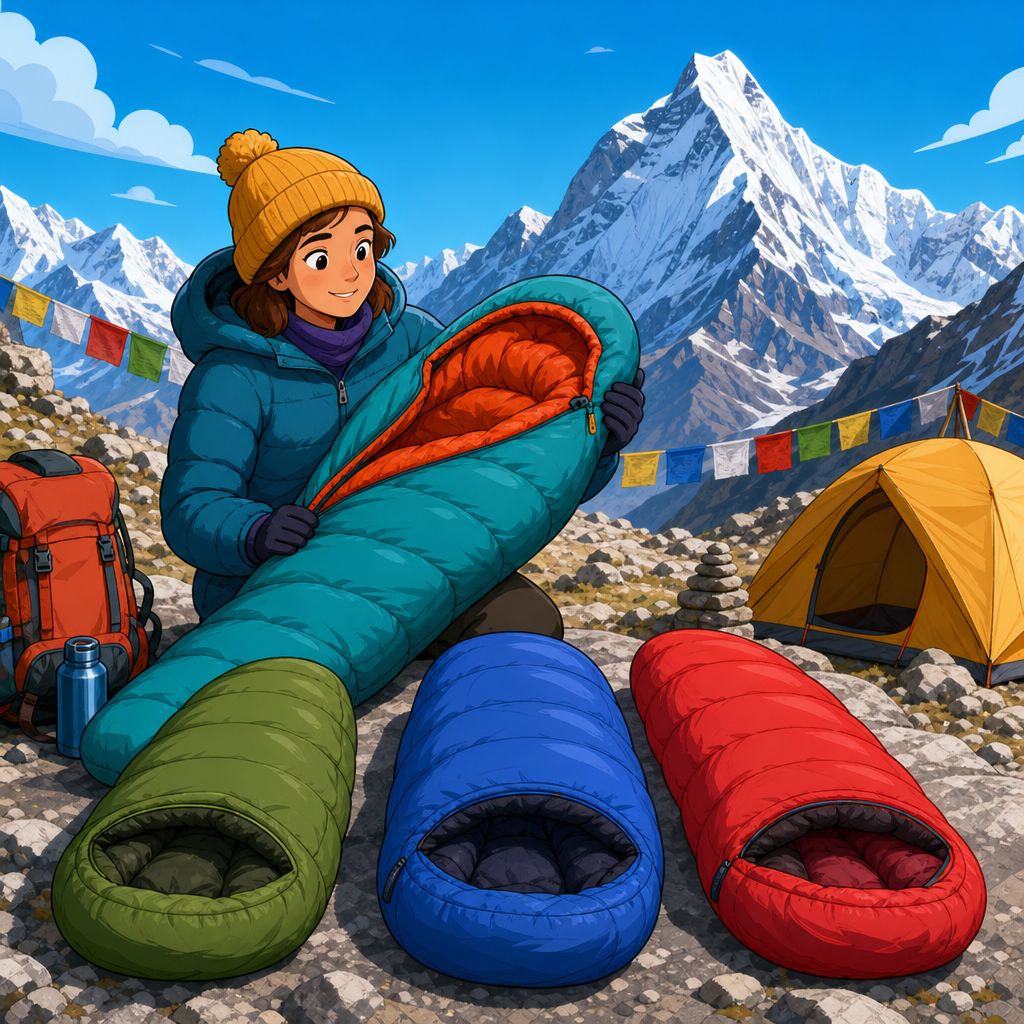
For sleep, dedicated dry base layers are one of the highest-value upgrades in cold mountain travel. Changing into dry socks and a clean sleep top before bed reduces evaporative cooling, improves comfort, and protects your sleeping bag loft from body oils and moisture. In genuinely dry climates, damp clothing can sometimes be aired or partially dried overnight, but you should not depend on that. A separate merino or merino-blend sleep set is often worth the weight on multi-night trips because it stabilizes recovery and helps you start the next day warm.
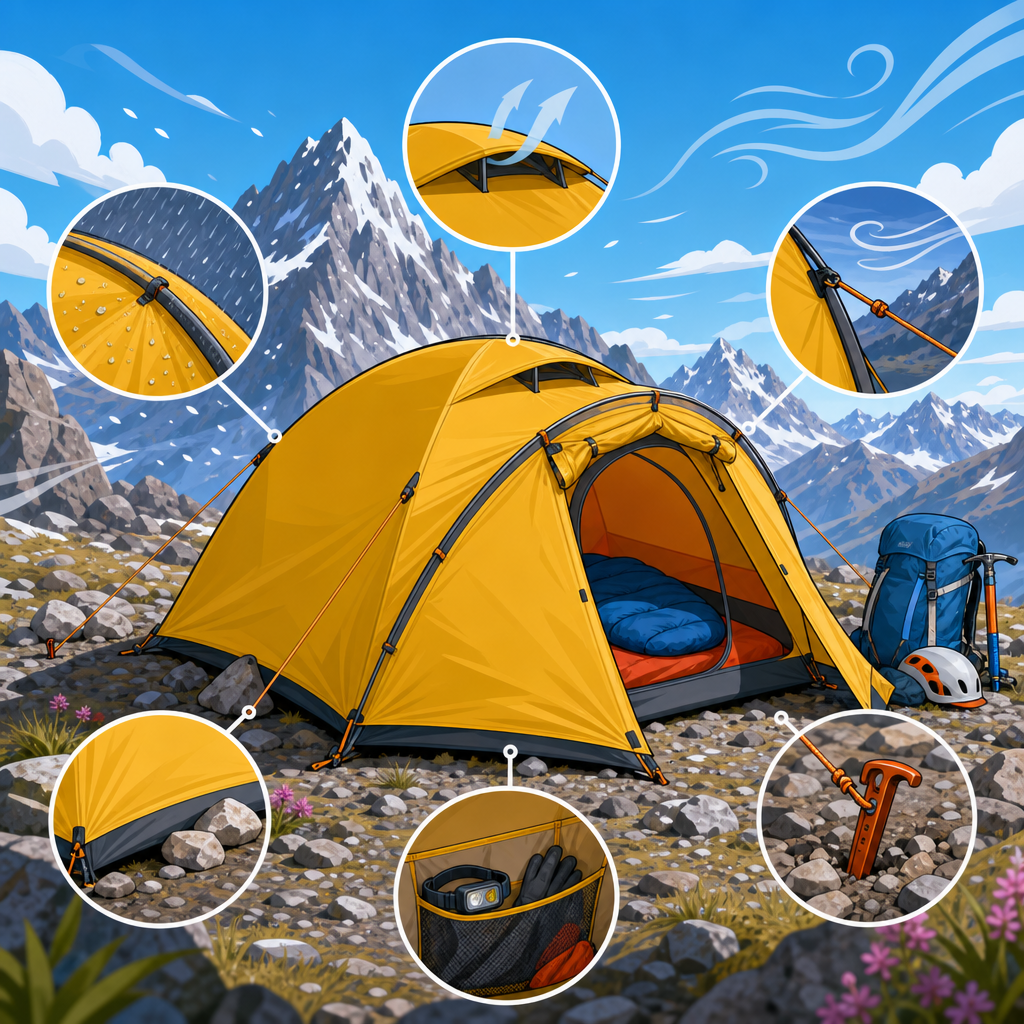
Shelter affects base layer choice more than many people realize. In a double-wall tent, condensation management is usually easier, so slightly slower-drying merino is less risky. In a bivy or a small single-wall shelter, interior moisture can build quickly from respiration and melting snow, making faster-drying synthetics more attractive. Sleeping pad R-value also matters. The ASTM F3340 standard gives consumers a comparable insulation rating for pads. If your pad insulation is inadequate, no base layer can compensate fully for conductive heat loss into frozen ground. The clothing system, sleep system, and shelter system must be matched together.
How to choose for real mountain scenarios
The best base layers for dry, cold mountain climates differ by use case. For high-output ski touring, prioritize thin synthetic or light blend tops with a zip neck and pair them with light bottoms or none under breathable touring pants, depending on temperature. For winter backpacking, choose a midweight blend top for daytime, plus a reserved dry sleep layer. For mountaineering, durability and layering efficiency matter most: a trim synthetic or blend top under a fleece and shell is usually more versatile than thick wool alone. For hunting or long periods of low movement, heavier merino can be justified because odor control and static warmth become central.
Brand comparisons should focus on fabric structure, not marketing categories. Patagonia Capilene Thermal Weight uses a lofted grid that punches above its mass for active cold. Smartwool Classic Thermal Merino is excellent for comfort and camp use but can run warmer during steep ascents. Arc’teryx Rho pieces are known for precise fit and smooth layering. Brynje mesh systems, popular in Scandinavian cold-weather use, create dead air and rapid moisture transfer under a second layer, though they are niche and not ideal for everyone. The best base layer is the one that keeps you dry enough while matching your layering habits.
Care is part of performance. Wash synthetics regularly to remove oils that reduce wicking. Use wool-safe detergent for merino, avoid high dryer heat, and repair small holes early. Replace base layers when cuffs fail, elbows thin, or the fabric remains clammy even after proper laundering. If you want better mountain comfort this season, audit your current layering system, identify where sweat or chill starts, and upgrade the base layer that causes the problem first.
The core lesson is straightforward: in dry, cold mountain climates, the best base layers manage moisture before they add warmth. That is why experienced skiers, guides, backpackers, and mountaineers often choose lighter next-to-skin pieces than beginners expect. A well-fitted base layer, matched to effort level and backed by smart insulation, gives you broader comfort across climbs, descents, camp chores, and overnight recovery. It also makes every other part of your kit work better, from shells and midlayers to sleeping bags and pads.
For most people, the safest all-around choice is a midweight merino blend top, a lighter bottom, and a separate dry sleep set. If you run hot or move fast, lean synthetic for daytime use. If odor control, comfort, and multiday wear matter most, lean merino or a wool-forward blend. If you regularly face wind, severe exposure, or long inactive periods, refine the whole system rather than simply buying a thicker shirt. Weight class, venting, shell breathability, shelter condensation, and pad insulation all influence whether a base layer succeeds.
Use this page as your starting point for the full clothing, sleep, and shelter decision tree within Gear, Monitoring & Safety. Review your climate, pace, and layering habits, then choose one mountain-specific base layer setup for movement and one for sleep. Test both close to home before a remote trip. The right system will keep you drier, warmer, and more reliable when the temperature drops and the trail climbs above treeline.
Frequently Asked Questions
What makes a base layer especially important in dry, cold mountain climates?
In dry, cold mountain climates, a base layer does much more than simply add warmth. It is the part of your clothing system that sits directly against your skin, so it has the first and most important job: managing moisture before it becomes a problem. Even in very cold air, your body produces sweat during uphill travel, skinning, snowshoeing, boot packing, or setting up camp. If that moisture stays on your skin or in the fabric, you can feel chilled quickly when you stop moving, especially after sunset when temperatures drop fast in alpine deserts and high basins. A good base layer pulls sweat away from the skin, spreads it through the fabric so it can evaporate efficiently, and helps maintain a stable microclimate close to the body.
That moisture management matters even more in low-humidity mountain environments because conditions can swing dramatically between active movement and exposed rest periods. During the day, sunny skies and hard effort may make you feel warmer than expected. Later, shade, wind, and rapid heat loss can make damp clothing feel brutally cold. The right base layer reduces those extremes by balancing breathability and insulation. It traps a thin layer of warm air without overheating you, which is exactly what you want from the foundation of a cold-weather layering system. In other words, your puffy jacket may provide bulk warmth, but your base layer often determines whether that warmth feels efficient, dry, and comfortable.
Which base layer materials work best for dry, cold mountain conditions: merino wool, synthetic, or a blend?
The best material depends on how you use it, but in dry, cold mountain climates, merino wool, synthetic fabrics, and merino-synthetic blends can all perform well when matched to the activity. Merino wool is popular because it feels soft, regulates temperature effectively, and resists odor better than most synthetics. It can be an excellent choice for multi-day winter camping, backcountry hut trips, or lower-output days when comfort and smell control matter. Merino also has a wide comfort range, meaning it can feel warm in the cold without turning clammy as quickly as some heavier fabrics.
Synthetic base layers, usually made from polyester or polyester blends, are often the top performers for high-output efforts such as steep climbing, backcountry skiing, fast snowshoeing, or alpine approaches. They typically wick moisture very quickly, dry fast, and hold up well under repeated abrasion from pack straps and outer layers. In dry mountain air, where evaporation can happen efficiently, a high-quality synthetic layer can be extremely effective at dumping excess heat while still insulating enough for movement. The tradeoff is that synthetics tend to retain odor faster, especially on multi-day trips.
Blended fabrics often offer the best middle ground. A merino-synthetic blend can combine the comfort and odor resistance of wool with the quicker drying time and durability of synthetic fibers. For many people, especially those building one versatile winter kit, a blend is the most practical option. The key is not to ask which material is universally best, but which one suits your pace, sweat rate, trip length, and tolerance for changing temperatures. If you run hot and move hard, lean more synthetic. If you prioritize comfort on longer trips and moderate output, merino is a strong option. If you want all-around versatility, a blend is often the safest recommendation.
How do I choose the right base layer weight for cold mountain weather?
Base layer weight is one of the most misunderstood parts of winter layering. Many people assume the coldest conditions automatically require the heaviest base layer, but that is not always true. In dry, cold mountain climates, your activity level matters just as much as the thermometer. Lightweight base layers are often ideal for high-output movement because they move sweat efficiently and reduce the risk of overheating. If you are skinning uphill, climbing, or hiking with a loaded pack, a lighter next-to-skin layer often keeps you more comfortable than a thick one. You can always add insulation on top when you stop.
Midweight base layers are the most versatile choice for many mountain users. They provide more insulation than lightweight pieces while still breathing well enough for moderate exertion. This makes them a strong option for mixed days that include movement, pauses, exposure, and camp chores. Heavyweight base layers are usually best reserved for very low-output use, extremely cold static conditions, or sleepers who need extra warmth in camp. Worn during hard movement, heavyweight layers can trap too much heat and moisture, which may backfire once your pace slows.
A smart way to choose weight is to think in terms of system flexibility. In cold, dry climates, it is often better to wear a lighter or midweight base layer and rely on a fleece, soft shell, active insulation, or belay jacket to adjust warmth. That approach gives you more control across changing elevations, wind exposure, and daily temperature swings. If you tend to sweat heavily, err slightly lighter. If you are often inactive, run cold, or expect long periods in camp or on ridgelines, go slightly warmer. The best base layer weight is the one that keeps you dry enough while moving and warm enough when the pace drops.
Should a cold-weather base layer fit tight or loose?
A base layer should generally fit close to the body, but not so tight that it restricts movement or feels compressive in a way that reduces comfort. A close fit helps the fabric maintain consistent contact with the skin, which improves moisture transfer and thermal efficiency. If the layer is too loose, sweat may not move away from the body as effectively, and you can lose some of the insulating benefit that comes from trapping a stable layer of warm air near the skin. In cold mountain settings, where small comfort issues can become major ones over a long day, proper fit matters more than many people realize.
That said, “tight” should not mean skin-squeezing. Overly snug base layers can limit mobility in the shoulders, hips, or knees, especially during climbing, skiing, or scrambling. They may also feel colder if the fabric is stretched too thin across the body. Look for a fit that follows your shape without bunching under midlayers. Sleeves should be long enough to stay in place when you reach overhead, and the torso should stay tucked or overlap cleanly with your pants or bibs so you do not expose skin when bending or twisting. Seams should sit flat and avoid hot spots under pack straps, harnesses, or hip belts.
For bottoms, a smooth fit is particularly important because bunching inside boots, ski socks, or shell pants can create pressure points and reduce comfort. For tops, quarter-zips or crew necks can both work well, but a zip neck gives you more venting control during steep efforts. In general, aim for a trim, athletic fit that supports layering rather than a baggy or restrictive one. The goal is efficient moisture management, easy movement, and consistent warmth, not compression for its own sake.
What features should I look for when buying the best base layers for skiing, climbing, snowshoeing, or winter camping?
When choosing a base layer for dry, cold mountain use, start with performance basics: moisture management, breathability, comfort, and durability. These are more important than marketing terms or exaggerated warmth claims. Look for fabrics with reliable wicking performance and a construction that feels comfortable against bare skin for long hours. Flatlock seams are worth prioritizing because they reduce chafing under backpacks, harnesses, and layered outerwear. Gusseted underarms or articulated patterning can also improve mobility, which becomes noticeable during technical climbing, poling, or repetitive uphill motion.
Next, think about design details that match your activity. For skiing, climbing, and fast snow travel, a quarter-zip top can be especially useful because it lets you vent heat before you get soaked with sweat. Thumb loops can help keep sleeves in place, though not everyone finds them necessary. For winter camping and multi-day trips, odor resistance becomes more valuable, which is one reason many people favor merino or blended fabrics. For rugged use, especially if you wear a pack often, durability should not be overlooked. Some ultralight wool pieces feel great at first but may wear faster under repeated abrasion, while many synthetic or blended layers stand up better to hard use.
You should also consider hem length, cuff design, and fabric weight in relation to your broader layering system. A longer hem helps keep your lower back covered during movement. Smooth cuffs layer more easily under gloves and shells. Bottoms should work cleanly with your boots and insulation layers without excessive bunching. Most importantly, buy for versatility rather than chasing the single warmest piece. In dry, cold mountain climates, the best base layer is usually the one that keeps you dry during effort, comfortable during transitions, and easy to layer under the rest of your system from dawn starts to subfreezing nights.