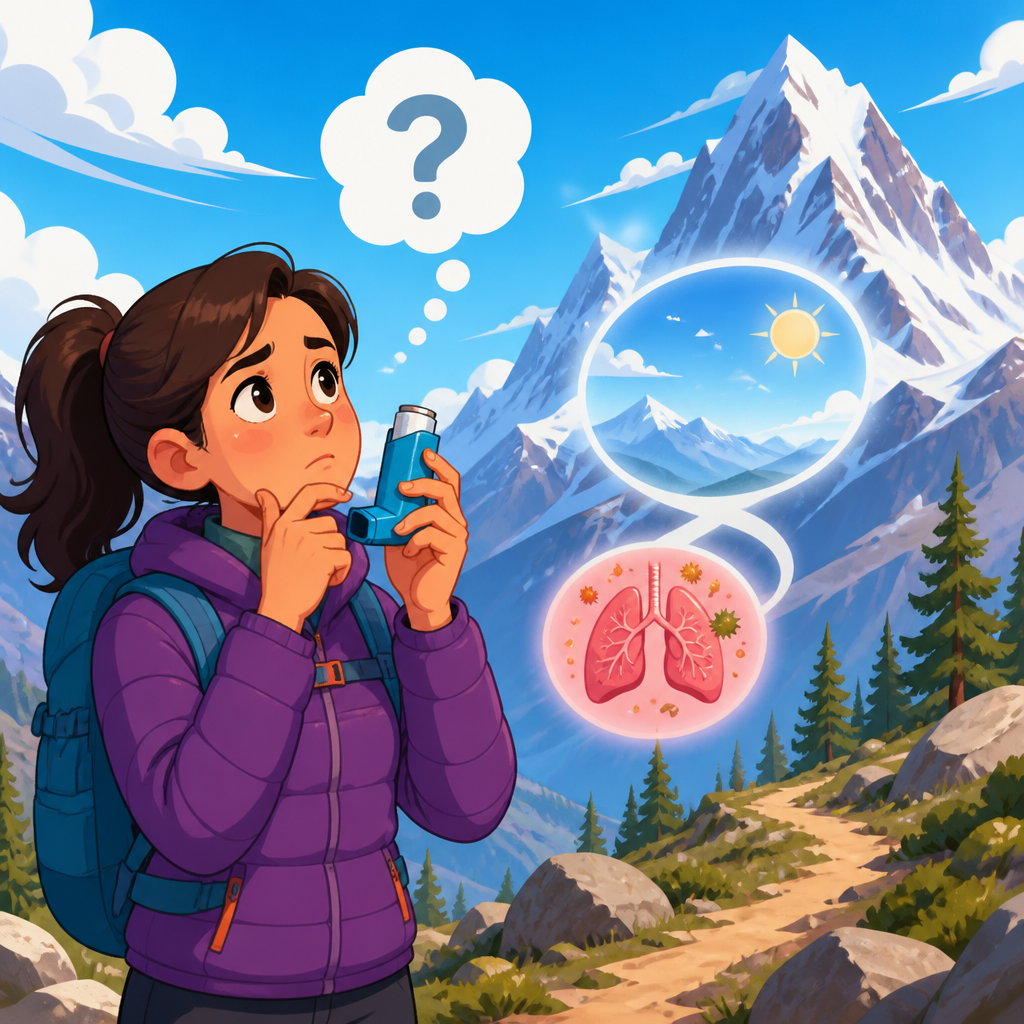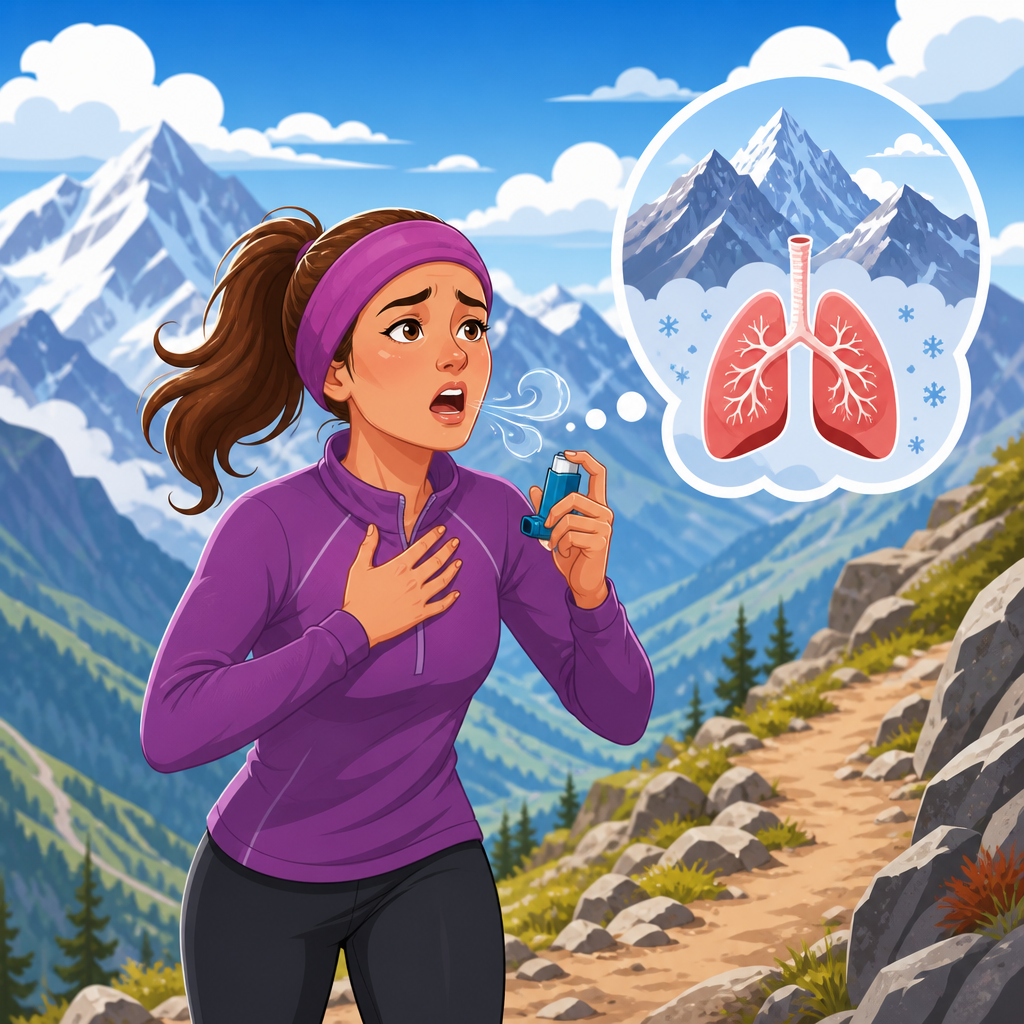
Diabetes at altitude can behave differently than diabetes at sea level because lower oxygen pressure, colder temperatures, dehydration, appetite changes, stress hormones, altered activity, and device performance all influence blood glucose. For people living, working, training, or traveling above roughly 1,500 meters, those shifts can turn a familiar management routine into a moving target. In practice, I have seen well-controlled glucose patterns become unexpectedly volatile within a day of ascent, even when food intake and insulin dosing looked unchanged on paper. That is why understanding diabetes at altitude matters for mountain travel, ski holidays, high-altitude cities, trekking, military deployments, and daily life for residents of elevated regions.
Altitude refers to elevation above sea level, but the key physiological issue is reduced barometric pressure, which lowers the amount of oxygen available with each breath. As oxygen falls, the body compensates through faster breathing, increased heart rate, fluid shifts, and hormonal responses. Diabetes is a group of metabolic disorders characterized by elevated blood glucose due to impaired insulin production, impaired insulin action, or both. The broad category includes type 1 diabetes, type 2 diabetes, gestational diabetes, and secondary forms caused by pancreatic disease, medications, or endocrine disorders. At elevation, all of these can be affected, although insulin-treated diabetes usually shows the most noticeable day-to-day changes.
This hub article explains how elevation can change blood sugar patterns, what symptoms to watch for, how insulin, oral medications, food, and exercise interact in thin air, and what practical steps reduce risk. It also serves as a foundation for related topics including glucose monitoring, travel planning, sick-day rules, altitude illness, foot care, cardiovascular risk, and emergency preparation. If you want the shortest answer first, it is this: altitude can raise glucose through stress hormones and illness, lower glucose through increased exertion and reduced appetite, and make readings harder to interpret because dehydration, cold exposure, and equipment limitations can distort the picture. Good outcomes depend on planning, frequent checks, flexible dosing, and knowing when to descend or seek care.
Why altitude changes blood sugar physiology
The main reason blood sugar patterns shift at elevation is that the body treats low-oxygen exposure as a stressor. Within hours of ascent, levels of catecholamines such as adrenaline and noradrenaline can rise. Cortisol may increase as well, especially if sleep is poor or acute mountain sickness develops. Those hormones promote hepatic glucose output and temporary insulin resistance, which can push readings upward. At the same time, many people become more active than usual when hiking, skiing, or climbing, and muscle contraction increases glucose uptake independently of insulin. The result is a mixed physiological signal: some hours favor hyperglycemia, others favor hypoglycemia.
Respiratory water loss also matters. Cold, dry mountain air increases insensible fluid loss, and altitude often blunts thirst. Mild dehydration concentrates blood, can raise glucose, and may reduce circulation to subcutaneous tissue, affecting insulin absorption. Appetite frequently falls during rapid ascent, so people may eat less than expected while still taking their usual mealtime insulin or sulfonylurea dose. Nausea from altitude illness can intensify that mismatch. Sleep disruption adds another layer. Fragmented sleep and periodic breathing increase sympathetic activity overnight, which can trigger morning highs even in people whose daytime levels look stable.
These effects do not strike everyone equally. Acclimatization, baseline fitness, diabetes type, medication regimen, kidney function, and ascent rate all influence the response. A well-acclimatized resident of Denver may notice little difference at home but significant changes during a rapid trip to 3,500 meters. Someone with type 2 diabetes managed on metformin alone may see modest fasting elevations, while a person using multiple daily injections could swing from daytime lows during trekking to overnight highs in a tent. The pattern is individual, but the mechanisms are predictable enough to plan for.
Common blood sugar patterns people notice at elevation
Most people ask a simple question: does altitude make blood sugar go up or down? The most accurate answer is both, depending on timing and context. Early after ascent, fasting and stress-related readings often run higher. During sustained exercise, especially long walks carrying gear, glucose commonly falls. Overnight, some people experience hyperglycemia from poor sleep, dehydration, or underdosing because they ate less at dinner and tried to play it safe. Others go low after a day of hard effort because muscle glycogen replenishment continues for hours. There is no universal pattern, which is why trend monitoring matters more than single numbers.
In my experience with travelers using continuous glucose monitoring, the first 24 to 48 hours after ascent are the least predictable. One person may report repeated post-breakfast spikes despite eating the same oats they eat at home. Another may have a normal morning, then develop a rapid afternoon drop while climbing a moderate trail. The explanation is usually not one factor but a stack of factors: stress hormones, less water, different meal composition, delayed lunch, increased exertion, and colder skin reducing insulin uptake at one point, followed by rewarming that speeds absorption later.
| Situation at altitude | Typical glucose effect | Why it happens | Practical response |
|---|---|---|---|
| First day after rapid ascent | Higher fasting or random readings | Stress hormones, poor sleep, mild dehydration | Hydrate, monitor more often, avoid aggressive correction stacking |
| Long hike or ski day | Lower readings during or after activity | Increased muscle glucose uptake | Carry fast carbs, consider dose reduction with clinician guidance |
| Reduced appetite or nausea | Low glucose after usual medication dose | Less carbohydrate intake than planned | Do not skip monitoring; use sick-day guidance and adjust safely |
| Cold exposure | Variable readings and insulin action | Device limits, slower absorption in cold tissue | Keep supplies warm and confirm suspicious values |
| Altitude illness or infection | Persistently high glucose | Inflammation, cortisol, reduced intake, dehydration | Check ketones if indicated and seek medical help early |
Type 1, type 2, and other forms of diabetes at altitude
Type 1 diabetes generally requires the most careful altitude planning because insulin is essential, ketone risk is real, and exercise effects can be dramatic. If glucose rises because of stress hormones or altitude illness, the person still needs basal insulin even if they are eating poorly. Stopping or sharply reducing insulin because of nausea is dangerous. Diabetic ketoacidosis can overlap with altitude illness symptoms such as nausea, fatigue, abdominal discomfort, and rapid breathing, which makes ketone testing especially important. Blood ketone meters are usually more useful than urine strips because they reflect current metabolic status.
Type 2 diabetes presents a wider range of scenarios. Some people use lifestyle measures or metformin alone and mainly deal with modest glucose drift. Others use insulin or secretagogues such as sulfonylureas and can have significant hypoglycemia during prolonged activity. Metformin deserves nuanced discussion: it is not generally prohibited at altitude, but dehydration, acute kidney injury risk, severe infection, or significant hypoxia from serious illness are legitimate reasons for clinician review. The concern is not everyday mountain travel itself so much as the combination of reduced intake, fluid loss, and intercurrent illness that can make any glucose-lowering regimen less predictable.
Gestational diabetes and diabetes in pregnancy require extra caution because both maternal oxygenation and stable glucose matter. High-altitude travel during pregnancy should be discussed with an obstetric clinician familiar with the individual case. Secondary diabetes from steroid therapy, cystic fibrosis-related diabetes, or pancreatic disease may also respond differently because baseline insulin resistance, nutrition needs, and illness burden differ. The practical lesson across all forms is the same: altitude does not create a new kind of diabetes, but it changes the context in which usual treatment decisions are made.
Monitoring, devices, and medication adjustments
More frequent monitoring is the single most useful adjustment at elevation. Continuous glucose monitors can reveal patterns that fingersticks miss, but users should remember that interstitial readings may lag during rapid changes, and sensor accuracy can be affected by compression, cold, and hydration status. When a CGM value does not match symptoms, confirm with a capillary glucose check if possible. This matters in mountains because trembling, headache, fatigue, and dizziness may come from hypoglycemia, altitude illness, exertion, or all three. Relying on one data point is not enough.
Insulin needs at altitude vary, so no fixed percentage adjustment works for everyone. Endocrinology guidance generally emphasizes individualized changes based on observed trends rather than blanket reductions or increases. For planned exertion, many insulin users need lower bolus doses and sometimes temporary basal reductions if using a pump. Yet on rest days or during altitude illness, correction insulin may be needed more often. Pump users should protect infusion sets from freezing and check for bubbles, because pressure and temperature changes can affect delivery. Pens, strips, and sensors should also be kept within manufacturer temperature ranges.
People taking sulfonylureas or meglitinides should be alert to delayed meals and unplanned activity because both increase low-glucose risk. SGLT2 inhibitors require special attention: they can contribute to dehydration and are associated with euglycemic ketoacidosis in some settings, including reduced intake and acute illness. That does not mean everyone must stop them before travel, but it does mean reviewing sick-day rules and warning signs beforehand. Clear pretrip medication plans, written in plain language, prevent improvised decisions when someone is tired, nauseated, or far from help.
Exercise, nutrition, altitude illness, and emergency planning
Exercise at altitude often looks familiar but feels harder because oxygen delivery is reduced. A walk that barely affects glucose at home may produce a substantial drop above 2,500 meters, particularly after several hours. Carbohydrate timing matters more than many travelers expect. Small, regular intake usually works better than waiting until exhaustion sets in. Fast-acting glucose should be immediately accessible, not buried in a pack. After activity, delayed hypoglycemia can occur overnight, so reviewing evening trends and having a bedtime snack when appropriate can prevent trouble.
Nutrition changes are common at elevation. Some people crave quick carbohydrates; others lose interest in food entirely. Meals in mountain lodges, airports, or remote camps may be irregular and heavy in refined starch. That inconsistency alone can alter glucose patterns even before altitude physiology is considered. Practical planning helps: carry familiar snacks, include protein and sodium when sweating heavily, and do not assume restaurant timing will match insulin timing. Alcohol adds complexity by worsening dehydration and masking hypoglycemia symptoms, so moderation is safer than trying to “out-calculate” the effects.
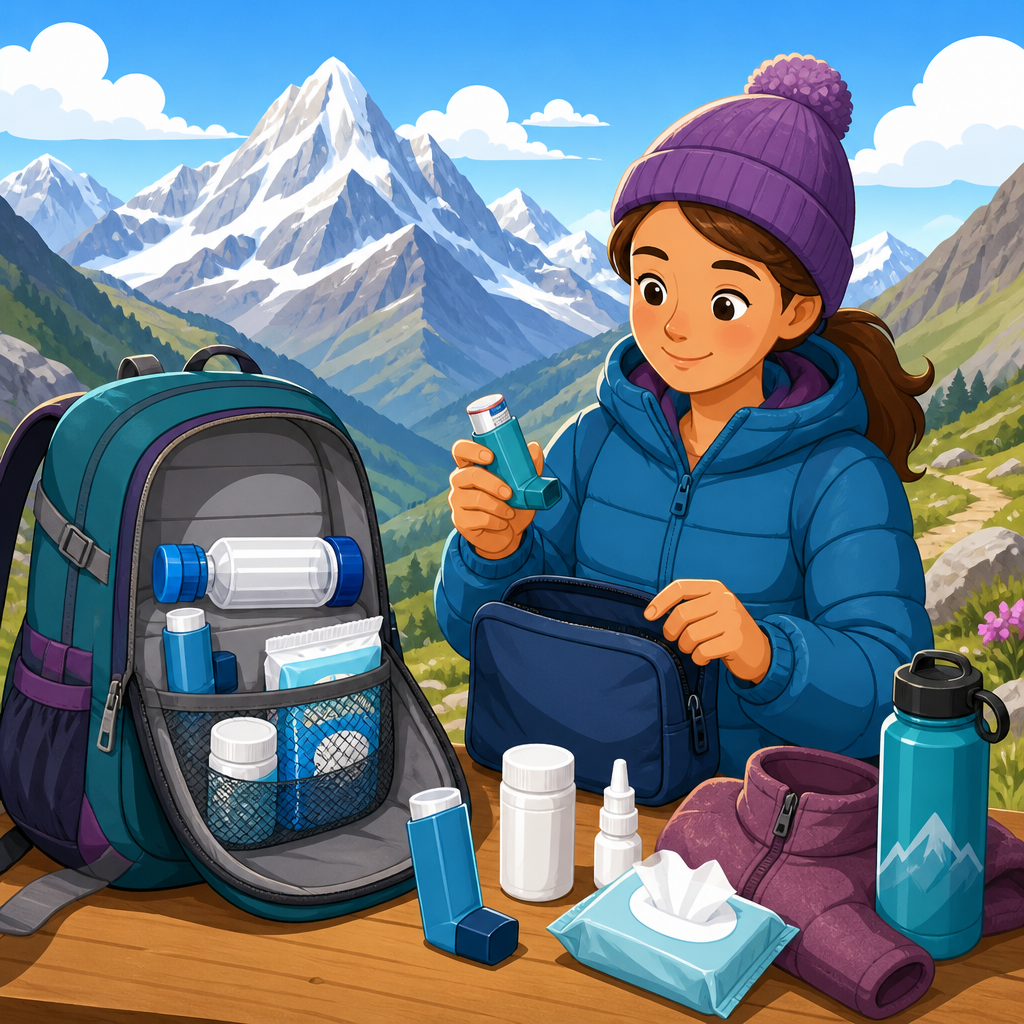
Altitude illness can mimic glucose problems and vice versa. Headache, nausea, weakness, and dizziness may indicate acute mountain sickness, hypoglycemia, hyperglycemia, ketosis, or dehydration. Severe shortness of breath at rest, confusion, loss of coordination, or chest symptoms demand urgent evaluation because they may reflect high-altitude cerebral edema, high-altitude pulmonary edema, cardiac disease, or metabolic crisis. People with diabetes should carry a concise emergency kit: glucose, ketone supplies if relevant, backup medication, prescriptions, spare batteries or chargers, medical identification, and a written action plan. The safest rule is simple: if symptoms are severe, persistent, or out of proportion to the meter reading, treat the immediate risk and seek care or descend.
Living with diabetes at altitude over the long term
Long-term residence at elevation is different from short-term travel because the body acclimatizes, routines stabilize, and clinicians can adjust treatment based on real patterns rather than guesswork. Many people with diabetes live well in high-altitude cities including Mexico City, Addis Ababa, and La Paz. Over time, red blood cell production rises and ventilation adapts, but day-to-day glucose management still depends on ordinary fundamentals: consistent medication use, sleep quality, hydration, food access, activity balance, and complication screening. What changes most is not the diagnosis but the margin for error during weather extremes, illness, and strenuous days.
For a diabetes subtopic hub, the core message is that altitude influences every major management domain: physiology, symptoms, monitoring, medications, exercise, nutrition, and emergency response. It can raise or lower blood sugar, sometimes on the same day. The most reliable protections are preparation and pattern awareness: know your usual baseline, expect the first days after ascent to be different, check more often, keep supplies functional in cold conditions, and never ignore persistent highs, ketones, or unexplained symptoms. If you are planning mountain travel or already live at elevation, use this page as your starting point, then build a personalized plan with your diabetes clinician before the next trip or season.
Frequently Asked Questions
How can altitude affect blood sugar levels in people with diabetes?
Altitude can change blood sugar patterns in several overlapping ways, which is why glucose control that feels stable at sea level may become less predictable after ascent. As elevation increases, oxygen pressure drops, and the body responds by releasing stress hormones such as adrenaline and cortisol. Those hormones can push glucose higher, especially during the first day or two at altitude or during physically demanding activity. At the same time, altitude often brings appetite changes, nausea, disrupted sleep, and a different eating schedule, all of which can make insulin timing and carbohydrate intake less consistent than usual.
Dehydration is another major factor. Mountain air is often cold, dry, and windy, and people lose more fluid through breathing and exertion than they realize. Even mild dehydration can concentrate glucose in the bloodstream and make readings run higher. On the other hand, some people become more active at altitude by hiking, climbing, skiing, or walking more than usual, which can increase insulin sensitivity and raise the risk of lows, particularly several hours later or overnight. The result is that altitude can produce both hyperglycemia and hypoglycemia, sometimes in the same 24-hour period.
For many people, the biggest issue is variability rather than one predictable direction. Early in a trip or rapid ascent, glucose may trend higher because of stress hormones, poor sleep, and altitude illness. After acclimatization, increased activity and changing food intake may pull glucose lower. That is why frequent monitoring, flexible dosing decisions, and careful attention to hydration, meals, and symptoms are especially important above roughly 1,500 meters.
Why do blood sugars sometimes go high right after going to a higher elevation?
High blood sugar soon after arriving at altitude is common, especially when the ascent is fast or the environment is physically stressful. One of the main reasons is the body’s acute stress response. Lower oxygen availability signals the body to work harder, and hormones such as adrenaline, noradrenaline, and cortisol rise to help maintain energy supply. These hormones encourage the liver to release more glucose into the bloodstream and can temporarily increase insulin resistance. In practical terms, that means your usual insulin dose may not work exactly the same way during the first phase of exposure.
Several other altitude-related factors can add to that upward push. Dehydration can make glucose readings appear higher and can worsen insulin resistance. Poor sleep, common at elevation, can also increase glucose the next day. Some people eat irregularly, snack more often, or choose quick carbohydrates for convenience during travel or outdoor activity. If someone is feeling unwell from altitude, they may delay insulin, underestimate food, or move less than planned, all of which can contribute to hyperglycemia.
There is also an important safety point: symptoms of acute mountain sickness and high blood sugar can overlap. Fatigue, headache, nausea, weakness, and reduced concentration may be blamed on altitude when glucose is actually elevated, or the reverse. That is why checking glucose more often after ascent is much safer than guessing based on symptoms alone. If blood sugars remain high, ketones become especially important to monitor, particularly for people with type 1 diabetes, because dehydration and insulin disruption can increase the risk of diabetic ketoacidosis.
Can altitude also increase the risk of low blood sugar?
Yes, altitude can absolutely increase the risk of hypoglycemia, and this often surprises people who only expect blood sugars to rise. The biggest reason is changes in activity. Hiking uphill, carrying gear, skiing, climbing stairs, walking through airports, or simply moving more than usual can all increase glucose use by muscles and make insulin work more strongly. In addition, some people eat less at altitude because of reduced appetite, nausea, or limited meal options. If insulin doses stay the same while food intake drops and physical exertion rises, lows become much more likely.
Cold weather can make recognition and treatment of hypoglycemia more complicated. Shivering, fatigue, poor coordination, and mental fog can be caused by cold exposure, altitude, or low blood sugar, so symptoms are easier to miss or misinterpret. Delayed hypoglycemia is another concern. After a long day of exertion at elevation, blood sugar may look acceptable during activity but fall hours later, especially overnight. This pattern is common in endurance efforts and can be intensified by depleted glycogen stores, alcohol intake, or missed meals.
The safest approach is to assume that your usual routine may need adjustment. More frequent glucose checks, carrying fast-acting carbohydrates in multiple accessible places, and watching overnight trends can help prevent severe lows. People using insulin pumps or multiple daily injections often need individualized dose changes based on actual readings rather than fixed assumptions. The key is recognizing that altitude can shift the balance in both directions, so preventing hypoglycemia requires the same level of planning as preventing highs.
Do glucose meters, CGMs, insulin pumps, and insulin work normally at high altitude?
They often work well, but altitude and mountain conditions can affect diabetes devices and supplies in real-world ways. Continuous glucose monitors and fingerstick meters may be influenced by temperature extremes, rapid environmental changes, dehydration, and circulation changes in the user. Cold fingers can reduce blood flow and make fingerstick readings harder to obtain or less reliable if the sample is poor. CGMs may also lag behind blood glucose during rapid rises or falls, which matters during strenuous activity or when symptoms do not match the sensor reading. For that reason, it is wise to know when a confirmatory fingerstick is appropriate, especially if a reading seems inconsistent with how you feel.
Insulin pumps can also be affected by altitude, particularly with pressure changes during ascent and descent. Air bubbles may expand in tubing or cartridges, potentially altering insulin delivery. At the same time, cold temperatures can slow insulin absorption in the skin and can damage insulin if it freezes. Heat exposure inside clothing or direct sun can also degrade insulin over time. Batteries may drain faster in cold weather, and adhesives for sensors or infusion sets may loosen with sweat, friction, or moisture.
The practical takeaway is preparation. Keep devices and insulin within the manufacturer’s recommended temperature ranges whenever possible. Protect insulin from freezing by carrying it close to the body in cold conditions, but avoid overheating it. Bring backup testing supplies, extra sensors or infusion sets, spare batteries or charging options, and a plan for what to do if a pump or CGM fails. If you are traveling to a remote area, having both a device-based plan and a manual backup plan is one of the smartest steps you can take.
What is the best way to manage diabetes safely when living, traveling, training, or working at altitude?
The best strategy is to expect change, monitor more often, and make adjustments based on patterns rather than assumptions. Before going to altitude, it helps to review your diabetes plan, pack more supplies than you think you will need, and prepare for delayed access to food, water, charging, or medical support. Once at elevation, check glucose more frequently than usual, especially during the first 24 to 72 hours, during heavy activity, before sleep, and whenever symptoms feel unusual. If you use insulin, be cautious about making large corrections too quickly, because the pattern can shift from high to low as acclimatization progresses or activity increases.
Hydration, regular carbohydrate intake, and realistic pacing matter more than many people realize. Drinking enough fluid can improve glucose stability and help reduce confusion between dehydration and hyperglycemia. Eating consistently, even when appetite is low, can support safer insulin dosing and reduce unexpected lows. If you are training or doing prolonged outdoor activity, building in scheduled checks and carrying rapid glucose treatment where it is easy to reach is essential. People with type 1 diabetes should also have ketone testing available, because altitude, illness, dehydration, and insulin interruption can combine to raise risk quickly.
Finally, know when to slow down or get help. Severe or persistent hyperglycemia, repeated lows, vomiting, rising ketones, confusion, or symptoms that could represent altitude illness should never be ignored. It is much easier to manage diabetes safely at altitude when ascent is gradual, routines are flexible, and contingency plans are in place. The goal is not perfect numbers every hour; it is recognizing that altitude creates a moving target and responding early before small shifts become bigger problems.