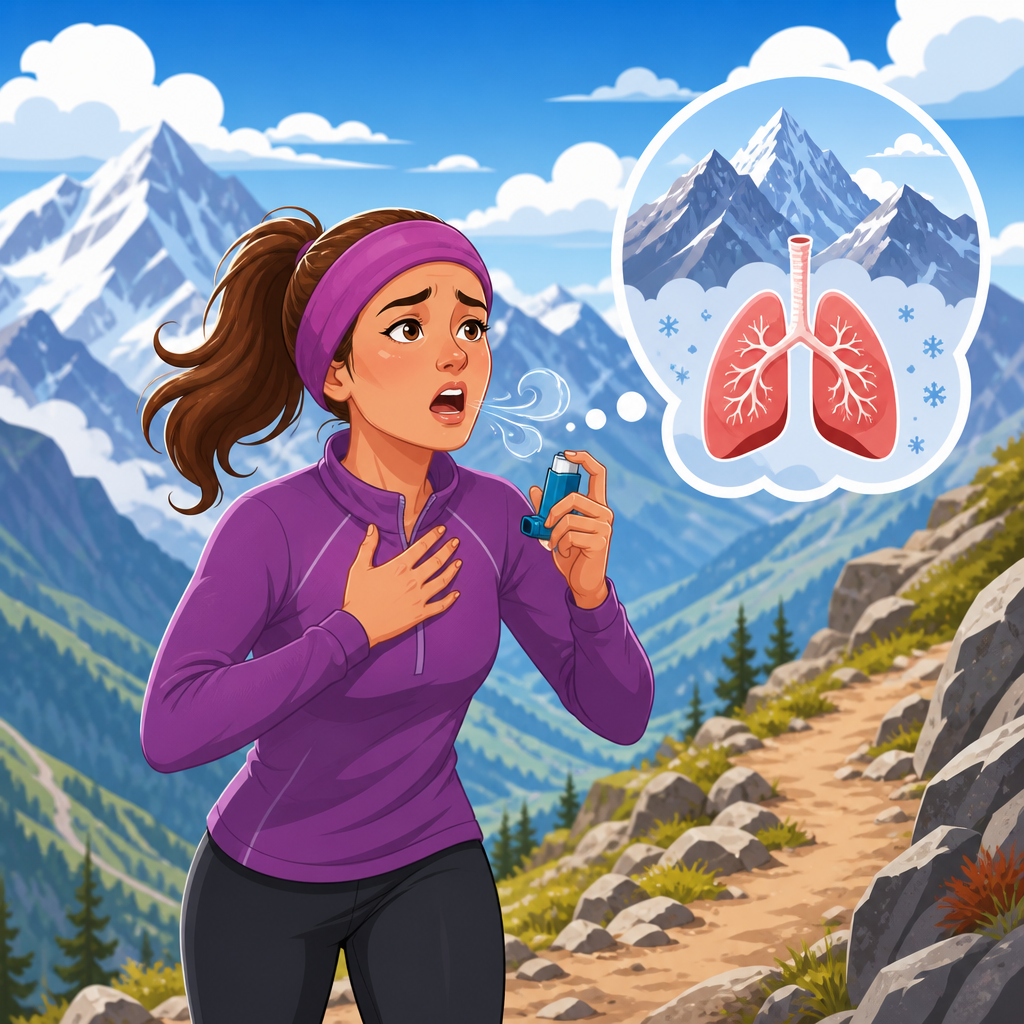
Multiple sclerosis and altitude travel intersect in ways that deserve careful planning, especially for people managing fatigue, weakness, sensory changes, bladder symptoms, or heat sensitivity while also preparing for thinner air, long transfers, and remote terrain. Multiple sclerosis, or MS, is a chronic immune mediated disease that affects the brain, spinal cord, and optic nerves by damaging myelin and disrupting nerve signaling. Altitude travel usually refers to time spent above about 5,000 feet, where oxygen pressure falls enough to provoke shortness of breath, poor sleep, headaches, and reduced exercise tolerance even in healthy travelers. For patients with MS, those normal altitude effects can magnify existing neurologic limitations, complicate medication routines, and blur the line between temporary altitude stress and a true relapse.
I have worked with travelers managing chronic neurologic and cardiopulmonary conditions, and MS stands out because small environmental stresses often have outsized functional consequences. A short uphill walk at 8,000 feet can become a major exertion if balance is impaired or foot drop is present. A night of fragmented sleep from altitude periodic breathing can worsen daytime cognition, which matters if a traveler already struggles with concentration. Even simple logistics such as carrying luggage, finding restrooms quickly, or avoiding overheating during airport transfers can determine whether a trip remains enjoyable or becomes exhausting.
This hub article covers the practical planning issues patients and families should understand before mountain vacations, ski trips, trekking itineraries, and high elevation city stays. It also serves as a gateway to the broader “Other Chronic Conditions” category, where many principles overlap with chronic migraine, neuromuscular disorders, autoimmune disease, endocrine disease, and complex disability travel planning. The central question is not whether a person with MS can travel to altitude. Many can. The right question is what level of altitude, exertion, remoteness, and climate is appropriate for that individual’s current function, treatment plan, and backup options if symptoms worsen.
Several key terms help frame good decisions. Acclimatization is the body’s gradual adjustment to lower oxygen at higher elevations over hours to days. Altitude illness includes acute mountain sickness, high altitude cerebral edema, and high altitude pulmonary edema. A pseudoexacerbation in MS is a temporary worsening of old neurologic symptoms triggered by stressors such as heat, infection, fatigue, or exertion, without new inflammatory damage. Distinguishing that from a relapse matters because treatment and urgency differ. With those definitions in mind, careful planning turns altitude travel from a vague risk into a manageable set of choices.
How altitude affects people with multiple sclerosis
Altitude does not directly cause MS, nor does it automatically trigger a relapse. The main issue is reduced oxygen availability combined with cold, heat, dehydration, poor sleep, and increased energy demands. In practice, many travelers with stable MS tolerate moderate altitude reasonably well, especially in destinations with easy access to transport, hydration, and lodging. Problems usually appear when baseline reserves are already limited. A patient who functions well at sea level but relies on frequent rests may find that the same itinerary becomes unrealistic at 7,000 feet because every task costs more effort.
Symptoms most likely to intensify are fatigue, leg weakness, balance trouble, spasticity, dizziness, cognitive slowing, and visual strain. The physiologic reason is straightforward: hypoxia and sleep disruption reduce performance even in healthy brains and muscles, while demyelinated pathways in MS are less resilient under stress. This does not mean permanent injury is occurring. It means old deficits may become more obvious. That distinction reassures patients, but it also means they should build margin into the trip. On itineraries I review, the best predictor of success is not fitness alone; it is whether the schedule includes slower ascent, rest periods, and alternatives when symptoms flare.
Heat sensitivity deserves special emphasis. Many people with MS experience temporary symptom worsening when body temperature rises, a phenomenon often called Uhthoff’s phenomenon. High altitude destinations are not always cold in practice. Strong sun, dry air, heavy clothing, airport walking, and uphill exertion can raise core temperature quickly. Ski trips are a classic example: patients assume freezing weather will protect them, then overheat inside lodges, on shuttle buses, or during gear changes. Cooling towels, layered clothing, hydration, and honest limits on exertion matter more than the postcard image of snow covered peaks.
Who should seek a pre-travel medical review
Any person with MS planning travel above 5,000 feet should consider a pre-travel discussion, but some groups should treat it as essential. These include travelers with recent relapses, unstable walking, falls, severe fatigue, significant bladder dysfunction, swallowing problems, cardiopulmonary disease, untreated sleep apnea, recent steroid use, or a history of altitude illness. The same is true for anyone using mobility devices, oxygen, or disease modifying therapies that require refrigeration, timed infusion schedules, or special infection precautions. A short review with a neurologist, primary care clinician, or travel medicine specialist can uncover preventable problems that are easy to miss when excitement about the trip takes over.
In my experience, pre-travel review works best when it is specific. Rather than asking, “Is altitude safe for me,” patients should bring the exact elevation, overnight altitude, mode of transport, daily walking distance, expected temperatures, and remoteness from medical care. A city break in Denver is very different from a week in Cusco followed by a train disruption and an unplanned overnight at higher elevation. Clinicians can only judge risk accurately when the itinerary is concrete. This is also the right time to discuss vaccinations, infection exposure, travel insurance wording, and whether any current symptoms deserve evaluation before departure.
Practical planning before departure
Good planning starts with matching the trip to current function, not to past identity. Many patients remember what they could do before diagnosis or before progression and build travel plans around that older version of themselves. The safer approach is to base decisions on the last three months of real activity. If walking half a mile on level ground requires recovery time at home, a resort that involves steep paths and stairs may be a poor fit. If bladder urgency is unpredictable, choose routes and excursions with reliable restroom access. These sound like small details, but they often determine whether a trip feels liberating or punishing.
Medication management deserves a written checklist. Disease modifying therapies vary widely: some are self injected, some are oral, some are infusion based, and several have storage or scheduling constraints. Airport delays and lost luggage are common enough that essential medicines should stay in carry on baggage, ideally split between two bags if traveling with a companion. Bring the original labeled containers, a medication list with generic and brand names, dosing times, allergies, and the prescribing clinician’s contact information. If any drug requires temperature control, use a validated travel cooler and confirm hotel refrigeration in advance rather than assuming it will be available.
| Planning area | What to confirm before travel | Why it matters for MS at altitude |
|---|---|---|
| Itinerary | Highest sleeping altitude, ascent speed, rest days | Rapid ascent increases fatigue, sleep disruption, and altitude illness risk |
| Mobility | Walking distances, stairs, shuttle access, wheelchair support | Reduced oxygen and uneven terrain magnify weakness and balance limits |
| Medication | Carry on storage, cooling needs, infusion timing, backup supply | Missed doses and temperature damage can disrupt disease control |
| Sleep | Sleep apnea treatment, room oxygen policies, quiet lodging | Poor sleep worsens cognition, fatigue, and headache |
| Emergency plan | Nearest clinic, descent options, insurance, medical documents | Fast access to care matters when symptoms mimic relapse or altitude illness |
Acclimatization, exertion, and day to day symptom control
The safest altitude strategy for MS is conservative ascent. When possible, spend the first night at a lower elevation, avoid vigorous activity on arrival day, and add activity gradually over the next forty eight hours. Hydration helps, though it does not prevent altitude illness by itself. Alcohol, sedatives, and sleep deprivation all make the first nights harder. Patients often ask whether they should “push through” early fatigue to acclimatize faster. The answer is no. Overexertion can worsen neurologic symptoms, increase fall risk, and make it harder to recognize when something more serious is developing.
Energy budgeting is especially important. I advise travelers to protect one major activity per day and downgrade everything else: use hotel porters, request airport assistance, prebook transfers, and sit for museum or sightseeing breaks before fatigue becomes severe. Trekking poles, ankle foot orthoses, cooling vests, and lightweight battery powered fans can meaningfully extend functional endurance. For some travelers, portable pulse oximeters provide reassurance, but numbers should be interpreted cautiously. Oxygen saturation normally falls at altitude, and decisions should be based on symptoms and overall function, not a single reading. A clinician should set thresholds if home monitoring is likely to increase anxiety.
When symptoms are altitude related and when to seek help
The most common clinical challenge is distinguishing a pseudoexacerbation from altitude illness or another medical problem. Temporary worsening of old MS symptoms after exertion, heat, or poor sleep often improves with rest, cooling, hydration, and descent to a lower workload. Acute mountain sickness usually causes headache plus one or more of nausea, dizziness, fatigue, or poor sleep after ascent. High altitude cerebral edema adds marked confusion, severe imbalance, or declining consciousness. High altitude pulmonary edema typically causes breathlessness at rest, cough, chest tightness, and reduced exercise capacity that becomes dramatically worse over hours.
Patients should seek urgent medical care if they develop new neurologic deficits, sustained confusion, fainting, chest pain, severe shortness of breath, inability to keep fluids down, fever, or symptoms that continue to worsen despite rest. Descent is treatment, not failure. That point matters psychologically because many travelers delay action in order not to disrupt family plans. A true MS relapse can also occur during travel, but infection, overheating, sleep loss, medication errors, and altitude illness are more common explanations for abrupt deterioration. If symptoms are clearly new, last more than twenty four hours, and cannot be explained by a stressor, medical assessment is warranted.
How this hub connects to other chronic condition travel planning
MS is one part of a wider group of chronic conditions that need individualized altitude strategies. Travelers with migraine may experience more headaches and need trigger control. Those with neuromuscular disorders may face respiratory weakness and secretion clearance issues. Autoimmune disease can complicate infection risk and steroid planning. Thyroid disease, diabetes, and adrenal disorders add medication timing and metabolic concerns. Across this “Other Chronic Conditions” hub, the recurring principle is functional planning: know your baseline, identify predictable stressors, protect medications, and define clear thresholds for stopping or descending.
The strongest travel plans are practical, not heroic. Choose destinations with medical access, schedule slower ascents, test gear before the trip, and brief companions on what symptom changes matter. Multiple sclerosis and altitude travel can coexist safely for many patients when expectations are realistic and contingency planning is explicit. Start with your current abilities, not your ideal itinerary. Then build the trip around preservation of energy, temperature control, and early recognition of trouble. If you are planning a mountain holiday or high elevation city stay, use this hub to map the risks, then review the details with your own clinician before you book.
Frequently Asked Questions
Can people with multiple sclerosis safely travel to high altitude?
Many people with multiple sclerosis can travel to higher elevations safely, but the trip usually goes better when it is planned around symptoms, fitness level, and the demands of the destination. Altitude itself does not automatically make MS worse, but the conditions that come with altitude travel can be more challenging for someone already managing fatigue, weakness, balance changes, numbness, spasticity, bladder urgency, or heat sensitivity. Thinner air can increase shortness of breath and tiredness, steep terrain can magnify mobility limitations, and remote settings can make it harder to rest, hydrate, cool down, or get medical help quickly.
A good starting point is to think beyond the altitude number alone. A destination at 6,000 to 8,000 feet with easy access to lodging, transportation, food, and medical care may be much more manageable than a rugged itinerary at a similar elevation with long walks, stairs, or uneven ground. It also helps to consider how quickly you will ascend, how physically active you plan to be, how far you will be from care, and whether the climate is hot, cold, dry, or highly variable. For some patients, the biggest issue is not altitude sickness but the combination of travel stress, poor sleep, missed medications, dehydration, and overexertion.
Before the trip, it is wise to discuss plans with your neurologist or primary clinician, especially if you have recently had a relapse, are recovering from a change in treatment, use mobility aids, or have heart, lung, or bladder problems. Ask whether you need a slower ascent, extra rest days, medication timing adjustments, or backup plans if symptoms flare. With realistic pacing, thoughtful packing, and attention to hydration, temperature control, and rest, many people with MS are able to enjoy mountain travel while reducing avoidable risks.
What altitude-related problems should MS patients be most prepared for?
The main concerns are usually altitude illness, dehydration, fatigue, sleep disruption, and symptom worsening triggered by exertion or temperature stress. Acute mountain sickness can affect anyone who ascends too quickly and may cause headache, nausea, dizziness, poor appetite, unusual tiredness, and disturbed sleep. Because some of these symptoms overlap with common MS complaints, it can be easy to dismiss early warning signs. That is why it is important to pay attention to new or clearly intensifying symptoms after ascent, especially if they improve only when you rest at lower elevation.
People with MS should also think carefully about pseudoexacerbations. A pseudoexacerbation is a temporary worsening of old neurological symptoms triggered by factors such as heat, infection, stress, or exhaustion rather than new inflammatory disease activity. Long airport days, carrying luggage, sun exposure, dry air, poor hydration, and difficult hiking at altitude can all make preexisting symptoms feel more intense. For example, leg weakness may become more noticeable on inclines, numb feet can make uneven trails riskier, and bladder urgency can become harder to manage during long drives or limited bathroom access.
Another issue is the environment itself. High altitude destinations often involve dry air, strong sun, cold mornings, hot afternoons, and significant physical effort just to move around. These factors can aggravate fatigue and make symptom management less predictable. Planning should include knowing the signs of altitude illness, identifying the nearest medical facility, carrying enough medications, and having a clear threshold for slowing down or descending. If symptoms include severe shortness of breath at rest, confusion, chest pain, inability to walk normally, severe vomiting, or a rapidly worsening headache, that should be treated as urgent and not simply blamed on MS.
How should someone with multiple sclerosis prepare before an altitude trip?
Preparation should start with an honest review of your current symptom pattern and the specific demands of the trip. Think about mobility, endurance, balance, bowel and bladder needs, heat sensitivity, vision changes, and how you usually respond to disrupted sleep or heavy activity. If your trip includes long transfers, remote lodges, ski towns, mountain roads, or hiking, build your plan around your energy limits rather than the most ambitious version of the itinerary. A flexible schedule with recovery time is often one of the most effective ways to prevent setbacks.
Medical preparation matters too. Bring more medication than you think you will need, ideally packed in carry-on luggage if you are flying. Keep a current medication list, your clinician’s contact information, and a brief medical summary that explains your diagnosis, baseline symptoms, allergies, and treatments. If you use injectable or temperature-sensitive medications, confirm how they will be stored during transit and at your destination. Ask your care team whether any altitude-related medications, sleep aids, bladder medicines, or pain medicines could interact with your current treatment plan or worsen fatigue, dizziness, or confusion.
Practical planning is just as important. Choose lodging that minimizes stairs and walking distance when possible. Check whether the destination has elevators, shuttle access, air conditioning, refrigeration, accessible bathrooms, and nearby food options. Pack cooling items if heat worsens symptoms, trekking poles or braces if balance is a concern, and easy-to-carry snacks and hydration supplies because dry mountain air can increase fluid needs. If you use a cane, walker, scooter, or wheelchair, confirm terrain and transportation details in advance. The better the logistics are handled before departure, the easier it is to protect your energy and enjoy the trip once you arrive.
Can altitude make MS symptoms flare up or trigger a relapse?
Altitude can make some MS symptoms feel worse, but that does not necessarily mean it is causing a true relapse. Many patients notice more fatigue, heavier legs, more tingling, blurred vision, or reduced stamina during travel because of stress, exertion, heat, poor sleep, or dehydration. At altitude, these triggers are common and can temporarily amplify existing neurological symptoms. This is often described as a pseudoexacerbation, where old symptoms intensify for a period of time and then improve once the trigger is removed and the body recovers.
A true relapse generally involves new neurological symptoms, or clearly worsening old symptoms, lasting at least 24 hours in the absence of fever, infection, or another obvious explanation. Altitude itself is not known to directly trigger relapses in a simple or predictable way, but the strain of travel can make it harder to tell what is going on. That is why monitoring matters. If your symptoms improve with rest, cooling, hydration, and reduced activity, they are more likely to be temporary. If you develop distinctly new symptoms, progressive weakness, major vision changes, or persistent neurological decline, you should contact a medical professional promptly.
One especially important distinction is between common travel discomfort and a problem that needs evaluation. A headache and fatigue after rapid ascent may point to altitude illness. Increased urinary frequency may reflect dehydration or a urinary tract infection rather than MS activity. Leg heaviness after a steep walk may be overexertion. Because these conditions can overlap, patients should avoid self-diagnosing every change as “just MS.” Keeping your schedule lighter for the first day or two at elevation and watching how symptoms behave over time can help you respond early and appropriately.
What are the best on-the-ground strategies for managing MS symptoms during altitude travel?
The most effective strategy is to pace aggressively from the start rather than waiting until symptoms escalate. Ascend gradually if possible, avoid scheduling strenuous activity on arrival day, and build in quiet time even if you feel well at first. At altitude, overdoing it can catch up with you several hours later or the next morning. Shorter activity blocks, frequent sitting breaks, and realistic daily goals are often far more useful than pushing through fatigue. If your itinerary allows it, spending a night at a moderate elevation before going higher can make the adjustment easier.
Hydration, nutrition, and temperature control are especially important for people with MS. Dry mountain air increases water loss, and even mild dehydration can worsen fatigue, dizziness, constipation, and bladder irritation. Drink regularly, eat consistently, and do not rely on thirst alone. If heat sensitivity affects you, avoid the hottest part of the day, use cooling towels or vests, dress in layers, and remember that sun exposure and physical effort can raise body temperature even when the air feels cool. If cold worsens stiffness or spasticity, pack warm layers and protect your hands and feet so symptoms do not spiral from discomfort into mobility problems.
It also helps to simplify movement and access. Use shuttle services, request ground-floor or elevator-access rooms, keep supplies within reach, and identify restroom locations ahead of time. If walking on uneven terrain is difficult, mobility aids are a tool for preserving independence, not a sign that the trip has failed. Finally, pay attention to warning signs that your body needs a different plan: worsening headache, nausea, unusual breathlessness, unstable walking, marked weakness, confusion, or symptoms that do not settle with rest. In those cases, slow down, reassess, and be willing to descend or seek care. The goal is not just reaching the destination, but doing it in a way that is safe, sustainable, and enjoyable.