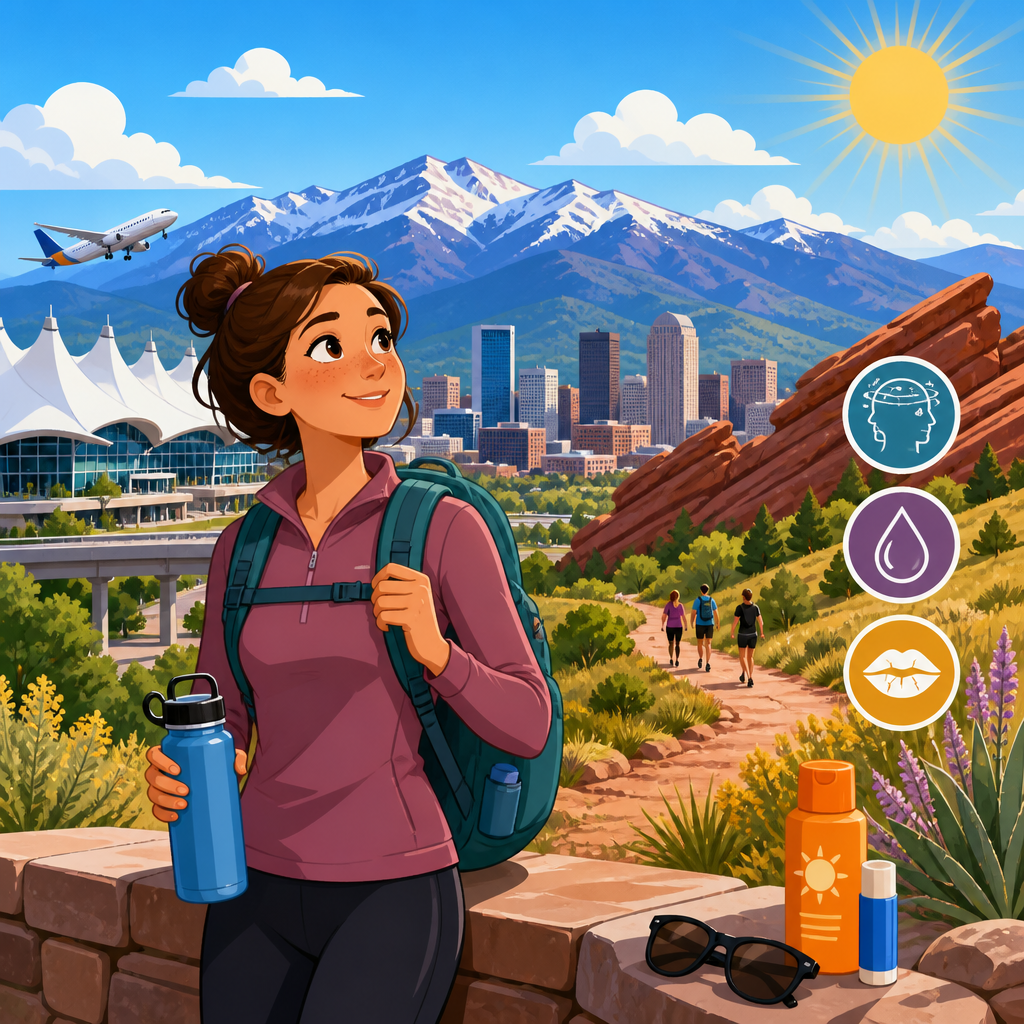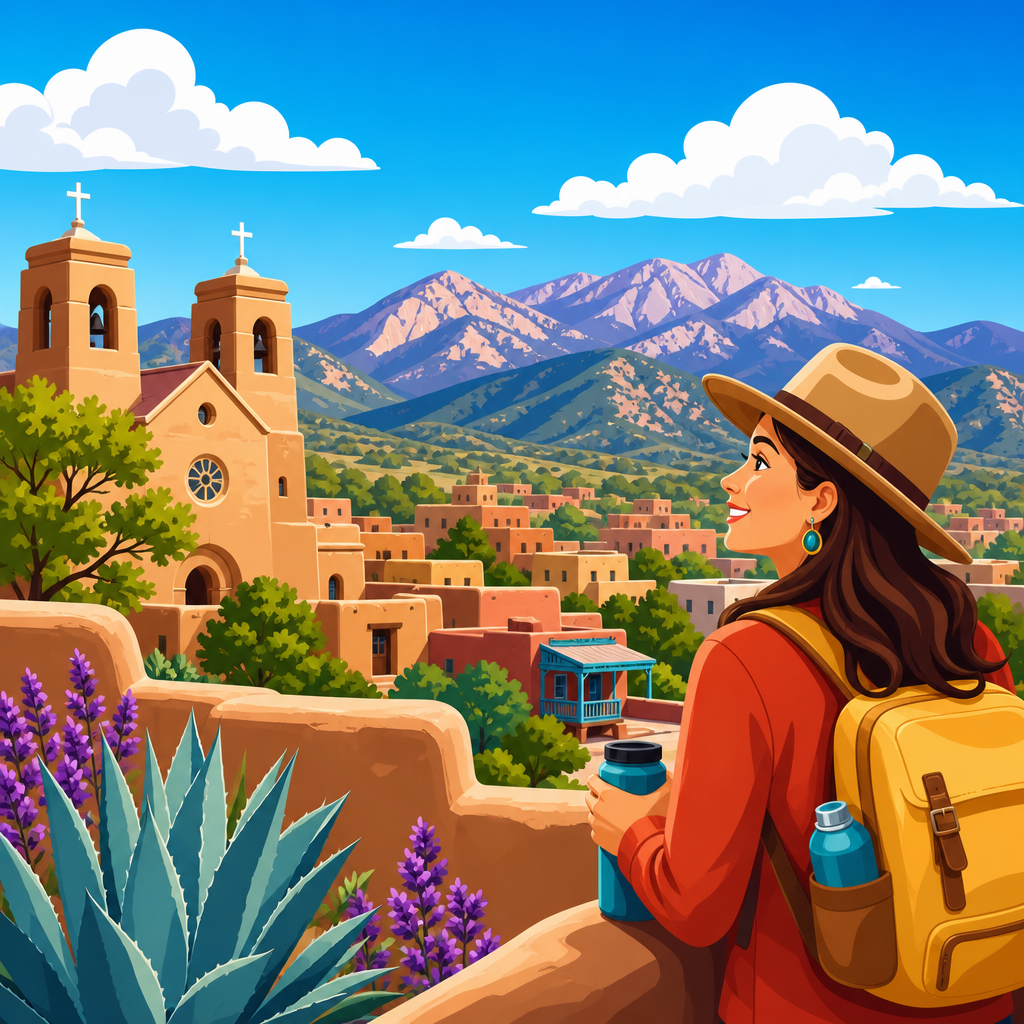
Santa Fe sits at roughly 7,199 feet above sea level, and that single fact shapes how first-time visitors feel, sleep, hydrate, exercise, and plan their days in one of the most distinctive city destinations in the United States. In practical terms, altitude is the height of a place relative to sea level, and higher elevations contain less available oxygen in each breath. Santa Fe is not an extreme-mountain environment, but it is high enough that many travelers notice real effects within hours of arrival. I have planned Southwest itineraries for travelers coming from sea-level cities for years, and Santa Fe is one of the places where expectations matter most. Visitors who understand the altitude usually enjoy better energy, fewer headaches, and a smoother first two days. As a US city guide hub, this article explains how Santa Fe’s elevation affects sightseeing, dining, walking, driving, and side trips, while helping you compare the city with other American destinations. If you are asking whether Santa Fe’s altitude is a problem, the direct answer is no for most healthy travelers, but it can be uncomfortable if you arrive dehydrated, drink heavily, overexert yourself, or ignore the dry climate. Knowing what to expect turns altitude from a worry into a manageable travel variable.
What Santa Fe altitude means for first-time visitors
Santa Fe’s official elevation is commonly cited around 7,000 feet, with many central areas near 7,199 feet and some surrounding neighborhoods higher. That places Santa Fe above Denver’s often-quoted 5,280 feet and far above lower-elevation US city destinations such as Austin, Nashville, or Washington, DC. The result is thinner air, stronger sun exposure, lower humidity, and cooler nights than many first-time visitors expect, even in warmer months. People often assume altitude only matters to hikers heading into the mountains, but in Santa Fe it can affect routine travel days that include walking the Plaza, climbing hotel stairs, shopping Canyon Road, or carrying luggage.
The most common altitude symptoms in Santa Fe are mild shortness of breath on exertion, headache, fatigue, dry mouth, restless sleep, and feeling winded faster than usual. These symptoms are typically temporary and improve as your body adjusts over one to three days. I advise travelers to treat their arrival day as a low-intensity day, especially if they flew in from sea level and landed after a long travel stretch. A museum afternoon, a relaxed dinner, and an early night work better than a hard hike or a late evening built around cocktails. Visitors who push too hard on day one often blame the city, when the real issue is pace.
It also helps to understand what altitude does not mean. Santa Fe is not so high that the average visitor should expect serious altitude illness under normal circumstances. However, age, asthma, cardiovascular conditions, pregnancy, recent illness, and dehydration can increase sensitivity. If you already know you react strongly to altitude, plan conservatively and discuss travel with a clinician before the trip. For everyone else, smart hydration, moderate activity, and realistic pacing solve most problems.
How to prepare before you arrive
The best Santa Fe altitude strategy starts before departure. Fly or drive in well hydrated, limit alcohol the day before travel, and avoid arriving already exhausted. Cabin air on flights is dry, and dehydration compounds altitude effects quickly. If you are road-tripping through New Mexico and ascending gradually, many travelers tolerate the elevation better than those who fly directly from near sea level. That gradual gain gives the body more time to adapt, even if only slightly.
Pack for dryness as much as for temperature. Lip balm, moisturizer, saline nasal spray, sunscreen, sunglasses, and a reusable water bottle are practical altitude gear in Santa Fe. Many first-time visitors focus on daytime highs and miss the city’s strong diurnal swing, meaning warm afternoons can turn into chilly evenings. Layers matter because feeling physically stressed by heat in the day and cold at night makes adjustment harder. I also recommend bringing any regular medications in your carry-on and not experimenting with strenuous workouts during the first 24 hours.
If your itinerary includes skiing at Ski Santa Fe, hikes near Aspen Vista Trail, or drives up toward higher mountain viewpoints, build those activities after you have spent at least a day in town. Santa Fe is already high; nearby recreation often goes higher. That progression is where some visitors run into trouble. They land, head straight uphill, skip lunch, order margaritas, and then wonder why they feel awful by sunset. Preparation is not complicated, but it is specific.
What to do on your first day in Santa Fe
For most first-time visitors, the smartest first day in Santa Fe is deliberately easy. Start with a slow morning or afternoon around the historic Plaza, where you can orient yourself without major exertion. Browse Palace Avenue, step into local galleries, visit the New Mexico History Museum, and take breaks often. Walking at altitude is not dangerous for most people, but it is more tiring than the same distance at lower elevations. Even a modest uphill grade can feel steeper here.
Eat a balanced meal early, and do not skip carbohydrates and salt if you have been traveling all day. A plate of enchiladas, posole, or a breakfast burrito can actually help you feel steadier than a coffee-only start. Drink water consistently rather than chugging it all at once. If you want alcohol, keep it light on day one because the combined effect of dryness, travel fatigue, and altitude can be more noticeable than expected. I have seen travelers who normally handle wine well feel flushed and sleepy after one glass their first evening in Santa Fe.
Rest matters more than people think. Some visitors sleep lightly their first night at elevation, which is normal. Build flexibility into the schedule rather than assuming every hour must be filled. Santa Fe rewards a slower rhythm anyway: adobe architecture, courtyard hotels, intimate museums, and long meals all fit an altitude-aware itinerary. The city is best experienced at a pace that lets your body catch up.
Symptoms, prevention, and when to take altitude seriously
Mild altitude discomfort usually presents as headache, unusual fatigue, reduced exercise tolerance, light dizziness, appetite changes, or poor sleep. Prevention is straightforward: hydrate early, avoid excessive alcohol, eat regularly, use sunscreen, and scale activity to how you actually feel rather than how you expected to feel. In a dry high-desert city, travelers often mistake thirst, sun exposure, or simple exhaustion for something more alarming. Often the fix is water, shade, food, and rest.
That said, some symptoms deserve attention. Severe or worsening headache, persistent vomiting, confusion, chest pain, fainting, or shortness of breath at rest are not normal sightseeing discomforts. Seek medical care promptly if they occur. Travelers with significant heart or lung disease should be especially cautious and should not assume Santa Fe will feel like a typical city break. This is one reason altitude belongs in any serious US city guide: it changes planning in a way that neighborhoods, restaurants, and attractions alone do not capture.
Parents should also pace children, who may not describe symptoms clearly. Older adults can do very well in Santa Fe, but hydration and rest become even more important. The direct answer to “How long does it take to adjust to Santa Fe altitude?” is usually one to three days for healthy travelers, with the strongest effects often limited to the first 24 hours. You do not need a complicated acclimatization plan, but you do need respect for the environment.
How Santa Fe compares with other US city destinations
Altitude becomes easier to understand when you compare Santa Fe with other well-known American cities. Many travelers know Denver as the benchmark high-elevation city, but Santa Fe is substantially higher. Albuquerque, a common arrival point, sits lower than Santa Fe by roughly 1,800 feet, which is why some visitors feel the difference as soon as they drive north. Mountain resort towns in Colorado can be higher still, but Santa Fe stands out because it combines a true city experience with significant elevation.
| City | Approximate Elevation | What first-time visitors usually notice |
|---|---|---|
| Santa Fe, New Mexico | 7,199 feet | Dry air, faster fatigue on walks, stronger sun, cooler nights |
| Denver, Colorado | 5,280 feet | Mild shortness of breath for some visitors, moderate dryness |
| Albuquerque, New Mexico | 5,312 feet | Less intense than Santa Fe, but still dry and sunny |
| Phoenix, Arizona | 1,086 feet | Heat is the main challenge, not altitude |
| Las Vegas, Nevada | 2,001 feet | Desert dryness matters more than elevation for most people |
This comparison matters for trip planning across the broader US City Guides landscape. If you handled Denver comfortably, you will probably do fine in Santa Fe with sensible precautions, but you may notice a bit more exertion. If you are coming from humid, low-elevation cities, the contrast can feel sharper. The key is not fear; it is calibration.
Best activities and side trips for an altitude-smart itinerary
Santa Fe offers plenty to do without overtaxing yourself on arrival. The Plaza, Canyon Road, the Georgia O’Keeffe Museum, SITE Santa Fe, and the Railyard district all work well for slower exploration. These neighborhoods let you experience art, food, history, and architecture with frequent opportunities to sit, hydrate, and move at your own pace. For many travelers, this is the ideal first-day structure.
Once you feel adjusted, expand into more active experiences. Popular walks and hikes include Dale Ball Trails, Atalaya Mountain, and Aspen Vista. These are rewarding, but they should not be your first move if you arrived that morning from a coastal city. Build up gradually. The same advice applies to Ski Santa Fe in winter. Higher elevation plus exertion plus cold can magnify fatigue quickly. A better sequence is town first, mountain second.
Day trips can also be structured around altitude tolerance. Madrid and Cerrillos are manageable additions for visitors interested in arts and mining history. Bandelier National Monument and Los Alamos add cultural and scientific depth, though terrain and walking demands vary. Taos is an excellent extension if you want another iconic New Mexico destination, but remember that some routes and attractions involve additional elevation changes. In real itinerary design, altitude is not separate from culture; it determines how much culture you can comfortably enjoy each day.
Practical packing, dining, and lodging tips that make a difference
The most useful packing list for Santa Fe is simple: layered clothing, a wide-brim hat or cap, sunglasses, sunscreen, lip balm, moisturizer, supportive walking shoes, and a refillable water bottle. If you use a smartwatch or fitness tracker, ignore any ego-driven urge to match your normal pace on the first day. Heart rate often runs higher with less effort at altitude, and that is expected. Comfortable footwear matters because Santa Fe’s charm includes uneven sidewalks, adobe edges, gallery corridors, and gradual inclines that add up over hours.
Choose lodging with recovery in mind. A hotel or inn near the Plaza reduces unnecessary driving and lets you return for breaks. Properties with humidifiers, shaded courtyards, or quiet rooms can improve comfort more than luxury add-ons. I have found that travelers who stay centrally and build in downtime enjoy more than those who book farther out and spend energy commuting across town. If stairs are an issue, confirm elevator access because many historic properties have layout quirks.
Dining strategy matters too. Santa Fe’s food scene is a highlight, but chile heat, alcohol, and rich meals can feel stronger when you are dry and tired. Start with balanced meals and keep water on the table. Ask whether dishes are served Christmas style, red, or green, but do not make your first meal an endurance test. Once settled, enjoy the city fully. Santa Fe rewards curiosity, yet the best trips come from working with the altitude instead of denying it.
Santa Fe altitude is not a reason to avoid the city; it is simply one of the defining conditions that first-time visitors should plan around. At about 7,199 feet, Santa Fe combines the pleasures of a major cultural destination with the physiological realities of a high-desert environment. That means stronger sun, drier air, quicker fatigue, and a real need for hydration, pacing, and rest, especially during the first 24 to 48 hours. For most travelers, the effects are mild and temporary. Problems usually come from preventable mistakes like drinking too much alcohol, skipping meals, overexerting on arrival, or ignoring the jump in elevation from home.
The practical approach is clear: arrive hydrated, take your first day slowly, eat well, sleep early, and save strenuous hikes or ski days for later. Use the Plaza, Canyon Road, museums, and the Railyard as your low-stress introduction, then expand into trails and side trips once you feel normal. In the wider context of US City Guides, Santa Fe stands out because altitude meaningfully shapes the visitor experience in a way many urban destinations do not. That is exactly why understanding it improves the whole trip.
If Santa Fe is on your list, build your itinerary with altitude in mind and you will enjoy more energy, better comfort, and more time to appreciate what makes the city exceptional. Use this guide as your starting point, then map your neighborhoods, museums, hikes, and day trips around a realistic first-day pace.
Frequently Asked Questions
What is the altitude of Santa Fe, and why does it matter for first-time visitors?
Santa Fe sits at approximately 7,199 feet above sea level, which is high enough for many first-time visitors to notice a difference in how they feel, especially if they are arriving from lower elevations. At this altitude, the air contains less available oxygen per breath than it does at sea level. That does not mean the city is dangerous for most healthy travelers, but it does mean your body may need time to adjust. In practical terms, altitude can affect energy levels, breathing during physical activity, hydration, sleep quality, and even how quickly alcohol feels stronger than expected.
For many visitors, the biggest surprise is that ordinary activities can feel a little more demanding at first. Walking uphill, climbing stairs, carrying luggage, or heading straight into a hike may leave you more winded than usual. Some people also experience mild headaches, dry mouth, restless sleep, or general fatigue during their first day or two. The good news is that most of these effects are temporary and manageable with a few smart adjustments. Understanding Santa Fe’s elevation before you arrive helps you plan a more comfortable trip and avoid mistaking normal altitude adjustment for something more serious.
What altitude symptoms might I notice when I first arrive in Santa Fe?
First-time visitors commonly report mild altitude-related symptoms such as shortness of breath during exertion, a light headache, unusual tiredness, dry skin or lips, thirst, and lighter or more interrupted sleep. Some travelers also feel a little dizzy when standing up quickly or notice that they get dehydrated faster than they expected. Because Santa Fe’s climate is also dry, the effects of altitude and low humidity often overlap. You may simply feel “off” for part of your first day, even if you are otherwise healthy.
In most cases, these symptoms are mild and improve as you rest, hydrate, eat normally, and avoid overexertion. It is also common for altitude to amplify things you might not expect, such as the effects of alcohol or the fatigue that comes with travel. If you flew in, lack of sleep from travel itself can make altitude adjustment feel more noticeable. Travelers should pay attention to their bodies rather than trying to power through discomfort. Severe symptoms are less common at Santa Fe’s elevation, but if someone develops intense shortness of breath at rest, chest pain, confusion, or symptoms that rapidly worsen, it is wise to seek medical attention promptly rather than assuming it is just normal altitude adjustment.
How can I prepare for Santa Fe’s altitude before and during my trip?
The best preparation starts before you arrive. Begin hydrating well the day before travel and continue drinking water regularly once you are in Santa Fe. Many travelers underestimate how quickly they can dry out at high elevation, especially in the region’s arid climate. It also helps to avoid arriving already depleted from long travel days, too much caffeine, too little food, or poor sleep. If possible, plan a lighter schedule for your first day so your body can adjust without the added strain of packed sightseeing, strenuous hikes, or late-night activities.
Once you arrive, pace yourself intentionally. Walk a little slower, take breaks, and do not assume your normal sea-level fitness will feel exactly the same on day one. Eat balanced meals, keep snacks on hand, and be cautious with alcohol, since it often hits harder at altitude and can worsen dehydration. Moisturizer, lip balm, and even a saline spray can help with dryness. If you are especially sensitive to elevation or have underlying health concerns, it may be worth asking your doctor for guidance before the trip. Most visitors do well with simple prevention: drink water consistently, sleep enough, ease into activity, and give yourself permission to take the first 24 to 48 hours at a gentler pace.
Is it safe to exercise or hike right away in Santa Fe?
Yes, for most healthy visitors it is safe to be active in Santa Fe, but “safe” and “wise” are not always the same thing on your first day at altitude. The key is moderation. Even if you are normally very fit, you may notice a faster heart rate, heavier breathing, and quicker fatigue during activities that would feel easy at home. Jumping immediately into a strenuous hike, trail run, long bike ride, or intense workout can turn a pleasant first day into one marked by dehydration, headache, exhaustion, or nausea.
A better strategy is to start with easy walking, light sightseeing, and shorter outings while you see how your body responds. If you feel good after a day of lighter activity, you can gradually do more. Pay attention to warning signs such as pounding headache, dizziness, unusual weakness, or feeling short of breath out of proportion to the effort. These are signs to slow down, rest, and rehydrate. Santa Fe is a wonderful place for outdoor recreation, but first-time visitors generally enjoy it more when they treat the altitude with respect rather than trying to conquer it immediately.
How long does it take to adjust to Santa Fe’s altitude, and when should I be concerned?
Many travelers begin to feel more normal within 24 to 48 hours, especially if they stay hydrated, rest well, and avoid overdoing it at the beginning of the trip. For some people, especially those coming from sea level, the adjustment can take a few days. Sleep may improve gradually, breathing during activity may feel easier, and headaches or fatigue often fade once the body starts adapting. Not everyone experiences obvious symptoms, but those who do usually notice that the first day is the most pronounced.
You should be more concerned if symptoms are severe, do not improve with rest and hydration, or seem disproportionate to Santa Fe’s moderate-high elevation. Persistent vomiting, extreme lethargy, confusion, chest pain, or difficulty breathing while resting are not typical signs of simple adjustment and should not be ignored. People with heart, lung, or other chronic medical conditions should be especially thoughtful about altitude planning and may want individualized advice before traveling. For the average visitor, though, the outlook is reassuring: Santa Fe’s elevation is high enough to notice, but with a little preparation and common sense, most first-time visitors adjust well and can fully enjoy the city.