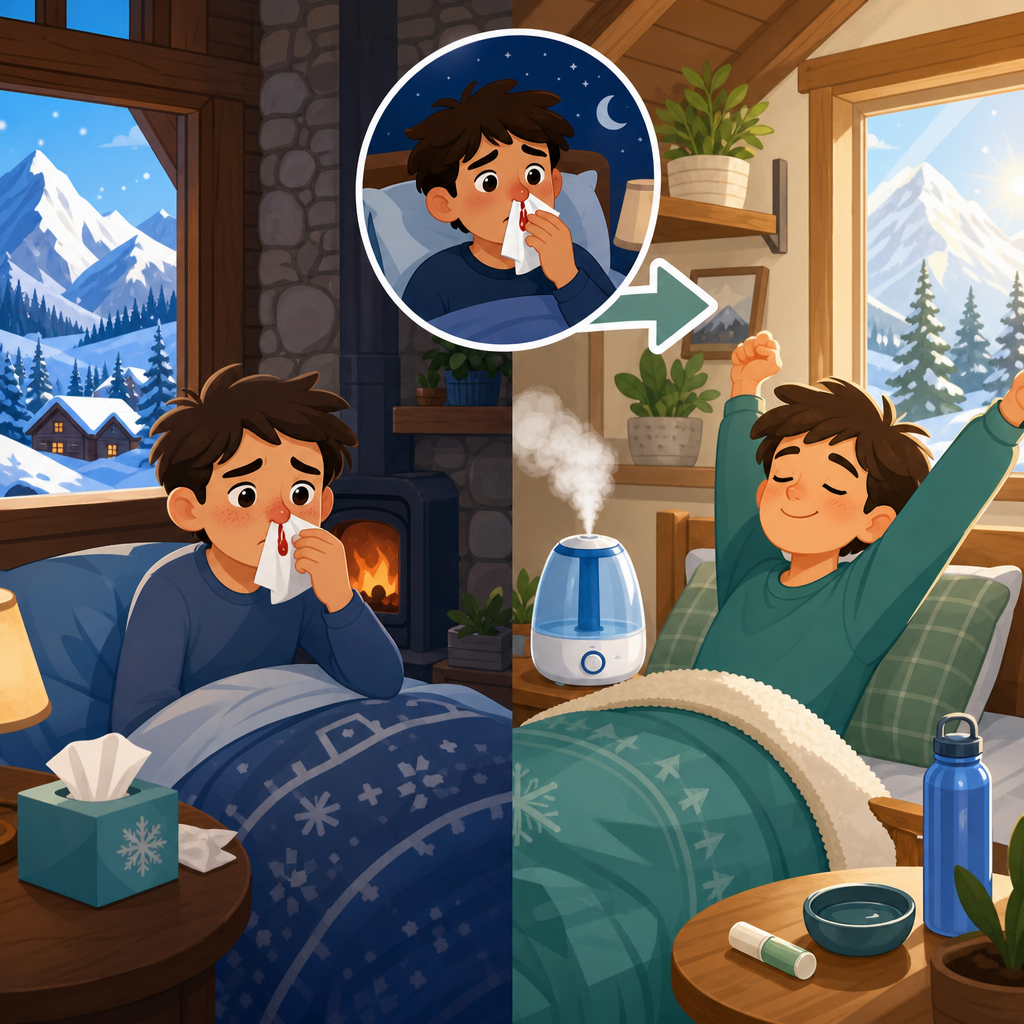
Dry mountain air can turn a quiet bedroom into a place of noisy breathing, irritated sinuses, and stubborn sleep disruption, which is why many people ask whether humidifiers help with snoring in dry mountain bedrooms. The short answer is yes, they can help when low humidity is aggravating the tissues of the nose, throat, and mouth, but they are not a universal fix for every type of snoring. In homes at higher elevation, indoor air often becomes even drier during winter because heating systems reduce relative humidity further, and that dryness can thicken mucus, inflame nasal passages, and encourage mouth breathing. I have seen this pattern repeatedly in mountain homes where residents assume snoring is only about weight or sleep position, when the room itself is quietly making breathing harder. Understanding how humidity affects airway comfort is the first step in practical comfort troubleshooting. Snoring happens when airflow causes relaxed tissues in the upper airway to vibrate during sleep. Dry air does not create all snoring, but it can increase friction, congestion, and oral dryness that make snoring more likely or more noticeable. A humidifier adds moisture back into the air, ideally bringing bedroom humidity into a range that supports easier breathing without encouraging mold or dust mites. For most homes, that target is about 30 to 50 percent relative humidity, a range commonly recommended by environmental health agencies and HVAC professionals. This article serves as a hub for comfort troubleshooting within daily life, skin, eyes, and home comfort, so it also connects snoring to related issues such as dry eyes, chapped skin, static electricity, sinus discomfort, and poor sleep quality. If your bedroom feels harsh overnight, your comfort problems are probably linked rather than isolated.
Why dry mountain bedrooms make snoring worse
Mountain climates create a specific mix of conditions that can intensify nighttime breathing issues. At higher elevations, the air often contains less moisture, especially in cold seasons. Many mountain homes also rely on forced-air heat, wood stoves, or electric heating that lowers indoor relative humidity even more. In practical terms, I often find winter bedrooms in these regions sitting below 25 percent humidity, which is dry enough for many people to wake with a sore throat, stuffy nose, or cracked lips. Those symptoms matter because nasal resistance is one of the biggest drivers of snoring. When the nose feels dry and irritated, the lining can swell. That narrowing pushes more breathing through the mouth, and mouth breathing usually increases snoring volume and tissue vibration.
Low humidity also changes how mucus behaves. Healthy mucus should stay mobile enough to trap particles and clear smoothly through the nasal passages. In very dry air, it becomes thicker and stickier, which can leave the nose feeling blocked even without a cold. That is why people in dry mountain bedrooms often describe a cycle: they go to bed with mild congestion, breathe through the mouth all night, snore more, then wake with even more dryness. If allergies, a deviated septum, enlarged turbinates, or reflux are already present, dry air can amplify their effects. Humidity does not replace medical treatment for those conditions, but it can reduce one avoidable source of irritation.
When a humidifier helps, and when it does not
A humidifier is most helpful when snoring is linked to environmental dryness, mild nasal congestion, or mouth and throat irritation that worsens overnight. People often notice improvement if their snoring is seasonal, stronger in winter, worse after running indoor heat, or accompanied by dry eyes and skin. In those cases, adding moisture can improve nasal comfort, support easier nose breathing, and reduce the rasping dryness that makes snoring harsher. It can also help bed partners because even a modest reduction in snoring intensity improves perceived sleep quality.
However, a humidifier will not solve every snoring problem. If snoring is caused mainly by obstructive sleep apnea, significant excess weight, alcohol before bed, sedative medication, enlarged tonsils, severe nasal polyps, or structural airway collapse, humidity may provide comfort without addressing the root cause. Persistent loud snoring, witnessed breathing pauses, gasping, morning headaches, or extreme daytime sleepiness are reasons to seek medical evaluation and, if appropriate, a sleep study. I always advise treating a humidifier as one tool in a broader troubleshooting process, not as proof that a serious sleep disorder has been ruled out.
How to set bedroom humidity correctly
The right humidity level is high enough to ease dryness but low enough to avoid condensation and biological growth. For most mountain bedrooms, a hygrometer is essential because guessing is unreliable. I recommend measuring humidity near the bed, away from direct mist output and exterior window condensation. If the room is below 30 percent, increasing humidity gradually usually makes sense. If windows are sweating, corners smell musty, or humidity rises above 50 percent for long periods, the setting is too high. Balance matters more than maximum output.
| Bedroom condition | Likely humidity issue | What to do |
|---|---|---|
| Dry throat, static shocks, itchy eyes, nose feels tight | Humidity likely too low | Target 30 to 40 percent and reassess after three nights |
| Mild improvement, still waking congested | Humidity may still be low or airflow poorly directed | Move unit closer, seal drafts, check filter and hygrometer reading |
| Window condensation in the morning | Humidity likely too high for room temperature | Lower output, increase ventilation, inspect cold surfaces |
| Musty smell or visible dust sticking near unit | Overhumidification or poor cleaning | Deep clean, replace water daily, keep humidity under 50 percent |
In very cold mountain weather, older windows and poorly insulated walls may require staying closer to 30 to 35 percent to prevent condensation. Newer homes with better envelopes can sometimes hold 40 percent safely. The best target is the highest stable humidity that does not create moisture damage.
Choosing the right humidifier for a mountain bedroom
Cool mist evaporative units are often the safest default because they humidify without heating water, and many models self-limit output as room humidity rises. Ultrasonic units are quieter and efficient, but they can disperse fine mineral particles if filled with hard tap water. In mountain towns where water quality varies, that white dust can settle on furniture and irritate sensitive users, so distilled water or demineralization cartridges may be necessary. Warm mist models can feel soothing for some people, yet they use more electricity and pose a burn risk around children. Whole-home humidifiers attached to HVAC systems offer the most even control, but installation quality, duct design, and maintenance determine whether they actually perform well.
Bedroom size matters. A small desktop unit may barely affect a large primary bedroom with vaulted ceilings, a common mountain-home layout. Check the manufacturer’s square-foot coverage and compare it with the room’s actual dimensions, ceiling height, and air leakage. Noise also matters for sleep. I have tested rooms where a whisper-quiet humidifier improved comfort but a louder model caused more awakenings than the snoring it was meant to reduce. Useful features include a built-in humidistat, easy-to-clean tank, auto shutoff, and accessible replacement parts. If a machine is difficult to clean, most people will clean it less often than required.
Cleaning, maintenance, and air quality tradeoffs
Humidifiers only help if they are clean. Stagnant water allows microbial growth, and dirty units can release contaminants into the room. The U.S. Environmental Protection Agency and major manufacturers consistently advise frequent cleaning and daily water replacement for portable units. In practice, that means emptying the tank, drying surfaces when possible, and following the unit’s descaling and disinfecting schedule. Filters and wicks need timely replacement, especially in hard-water areas. If the humidifier smells sour, feels slimy, or shows scale buildup, it is overdue for maintenance.
There are tradeoffs. Higher humidity can relieve dry nose and throat tissues, but it can also support dust mites and mold if overdone. That matters for allergy-prone sleepers, because allergies themselves increase congestion and snoring. Air purification may also be part of comfort troubleshooting, particularly in wildfire-prone mountain regions where smoke particles irritate airways. A HEPA air purifier and a properly managed humidifier often work better together than either one alone. The key is to control both particles and moisture instead of chasing comfort with one device while ignoring another indoor air problem.
Other comfort troubleshooting steps that reduce snoring
Because this page is the hub for comfort troubleshooting, it is important to place humidifiers in the larger system of bedroom comfort. Start with the nose. Saline spray before bed, allergy management, and reducing dust reservoirs in bedding often matter as much as humidity. If you wake with a dry mouth, consider whether nasal blockage is forcing mouth breathing. Positional changes can help too. Many people snore more on their back because gravity narrows the upper airway; side sleeping often reduces vibration. Alcohol within three to four hours of bedtime and sedating medications can worsen snoring by relaxing airway tissues.
Skin, eye, and home comfort clues also guide diagnosis. If your hands are rough, your eyes burn in the morning, and static shocks are constant, low humidity is a likely contributor. If only snoring is present and the room otherwise feels comfortable, the cause may be less environmental. Mattress age, pet dander, dusty vents, and poorly sealed windows can all feed nighttime irritation. In mountain homes, I often inspect for cold-air infiltration around window trim and outlets because drafts dry the sleeping area and make a humidifier work harder. Comfort troubleshooting works best when each small obstacle is reduced rather than expecting one product to fix everything.
When to involve a clinician or sleep specialist
Some snoring is mostly a comfort issue, but some is a health signal. Seek medical advice if snoring is loud and frequent, if a bed partner notices pauses in breathing, or if you wake unrefreshed despite enough time in bed. Obstructive sleep apnea is associated with high blood pressure, impaired concentration, cardiovascular strain, and increased crash risk from drowsiness. Diagnosis usually requires home sleep apnea testing or in-lab polysomnography, depending on symptoms and risk factors. A humidifier can still be useful for comfort, especially for people using CPAP, but it should not delay evaluation.
Children who snore regularly also deserve attention, since enlarged tonsils, adenoids, or other airway issues may be involved. Pregnant people, older adults, and anyone with chronic sinus disease, asthma, or significant reflux may need a more tailored plan. The practical rule is simple: if bedroom humidity improves dryness but the snoring remains disruptive, move beyond comfort troubleshooting and investigate the airway itself.
Humidifiers can help with snoring in dry mountain bedrooms when dryness is part of the problem, and in many homes it clearly is. They work best by reducing nasal and throat irritation, supporting nose breathing, and making the bedroom feel less harsh overnight. The most reliable results come from aiming for roughly 30 to 50 percent relative humidity, choosing a unit sized for the room, and cleaning it consistently so added moisture does not create new problems. Just as important, humidifiers belong inside a broader comfort troubleshooting approach that includes allergy control, draft reduction, bedding hygiene, and attention to mouth breathing, sleep position, and alcohol use. This sub-pillar hub exists to connect those everyday comfort issues, because dry skin, tired eyes, poor sleep, and snoring often share the same indoor causes. If your mountain bedroom leaves you waking dry, congested, or unrested, start by measuring humidity, correct the room conditions, and track what changes over several nights. If snoring stays loud or comes with breathing pauses or daytime fatigue, make the next step a medical evaluation. Solve the comfort layer first, then address any deeper airway issue with confidence.
Frequently Asked Questions
Do humidifiers actually help with snoring in dry mountain bedrooms?
Yes, a humidifier can help reduce snoring when dry air is part of the problem. In mountain climates, indoor air often becomes extremely dry, especially during colder months when heating systems run constantly. That dryness can irritate and dehydrate the delicate tissues lining the nose, sinuses, throat, and mouth. When those tissues become inflamed or sticky, airflow may become less smooth during sleep, which can increase vibration in the upper airway and make snoring more noticeable.
Adding moisture back into the room can make breathing feel more comfortable, support nasal passages, and reduce overnight dryness that leads to mouth breathing. For some people, that means quieter sleep and fewer wake-ups from congestion or throat irritation. That said, humidifiers are not a cure-all. Snoring can also be caused by sleep position, allergies, alcohol use, nasal obstruction, excess weight, enlarged tonsils, or sleep apnea. If the snoring is driven mainly by one of those issues, a humidifier may help with comfort but not fully solve the noise.
A good way to think about it is this: humidifiers are most useful when low humidity is aggravating the airway. In dry mountain bedrooms, that is a common trigger, so they are often worth trying. If snoring improves along with symptoms like dry mouth, stuffy nose, scratchy throat, or sinus irritation, that is a strong sign dryness was contributing to the problem.
Why does dry mountain air make snoring worse at night?
Dry mountain air affects the upper airway in several ways that can make snoring more likely. At higher elevations, the air usually holds less moisture to begin with, and once that air is pulled indoors and heated, relative humidity can drop even further. The result is a bedroom environment that can dry out nasal passages and throat tissues hour after hour while you sleep.
When the nose becomes dry and irritated, it may produce thicker mucus or become mildly swollen, which can narrow the nasal airway. That makes it harder to breathe comfortably through the nose, so many people start breathing through the mouth instead. Mouth breathing tends to dry the throat even more and can increase the vibration of soft tissues in the airway, making snoring louder or more persistent.
Dryness can also contribute to a cycle of poor sleep. If you wake up with a parched mouth, burning nose, or scratchy throat, you may toss and turn more, sleep less deeply, and notice your snoring more often. In some cases, a dry environment may not be the root cause of snoring, but it can still make an existing issue worse by increasing irritation and congestion. That is why humidity control is often an important part of improving sleep comfort in mountain homes, even if it is only one piece of the overall snoring picture.
What humidity level is best for reducing snoring without making the room too damp?
For most bedrooms, a relative humidity level between 30% and 50% is considered the best range. This is usually enough moisture to keep the nose and throat from drying out while still avoiding the problems that come with overly damp air. In a dry mountain bedroom, even getting from very low humidity into the mid-30% to mid-40% range can make a meaningful difference in overnight comfort.
If humidity stays too low, the airway can dry out and become irritated, which may worsen nasal blockage, mouth breathing, and snoring. If humidity goes too high, however, the room can start to feel heavy and uncomfortable, and excess moisture may encourage dust mites, mold, or mildew, all of which can aggravate allergies and potentially make snoring worse rather than better. That is why balance matters more than simply adding as much moisture as possible.
Using a humidifier with a built-in humidistat, or pairing one with a separate hygrometer, can help you monitor the room accurately. It is smart to check levels during the night or early morning, because heating systems can cause humidity to fluctuate. If you notice condensation on windows, a musty smell, or damp surfaces, humidity is likely too high. The goal is steady, moderate moisture that helps the airway stay comfortable without creating a new indoor air problem.
Can a humidifier replace other snoring treatments?
No, a humidifier should usually be viewed as a supportive measure rather than a complete replacement for other snoring treatments. It can be very effective when dryness is irritating the upper airway, but snoring has many possible causes. If someone snores because of chronic nasal congestion, sleeping flat on their back, alcohol before bed, untreated allergies, structural airway narrowing, or obstructive sleep apnea, a humidifier alone may not address the main issue.
That said, it can still play an important role. A more comfortable airway may make it easier to breathe through the nose, reduce throat dryness, and improve sleep quality overall. In practical terms, a humidifier often works best alongside other habits such as staying hydrated, avoiding alcohol close to bedtime, managing allergies, washing bedding regularly, and trying side sleeping if back sleeping makes snoring worse. Some people also benefit from saline nasal sprays, nasal strips, or medical evaluation for more persistent symptoms.
If snoring is loud, frequent, or paired with choking, gasping, witnessed breathing pauses, morning headaches, or excessive daytime sleepiness, it is important not to rely only on a humidifier. Those can be warning signs of sleep apnea, which requires proper assessment and treatment. In those cases, a humidifier may improve comfort, but it should not delay medical care.
What is the best way to use a humidifier in a dry mountain bedroom for snoring relief?
The best results usually come from consistent, careful use. Place the humidifier close enough to affect the sleeping area but not so close that mist settles directly onto bedding, walls, or furniture. Run it nightly, especially during winter or whenever indoor heating is on, since those are the times when mountain homes often become driest. If possible, start the humidifier before bedtime so the room reaches a comfortable humidity level before you fall asleep.
Cleanliness matters just as much as placement. A dirty humidifier can release minerals, bacteria, or mold into the air, which may irritate the respiratory tract and worsen congestion. Follow the manufacturer’s cleaning directions, empty and dry the tank regularly, and use the recommended water type if your model requires it. Replacing filters on schedule is also important for both performance and air quality.
It also helps to pay attention to related symptoms. If snoring improves along with less dry mouth, easier nasal breathing, and fewer nighttime wake-ups, the humidifier is likely helping. If there is no change after a reasonable trial, or if congestion, allergies, or loud snoring continue, it may be time to look at other causes. In dry mountain bedrooms, humidifiers are often a smart and practical first step, but the best approach is using them as part of a broader sleep-friendly routine rather than expecting a single device to fix every kind of snoring.