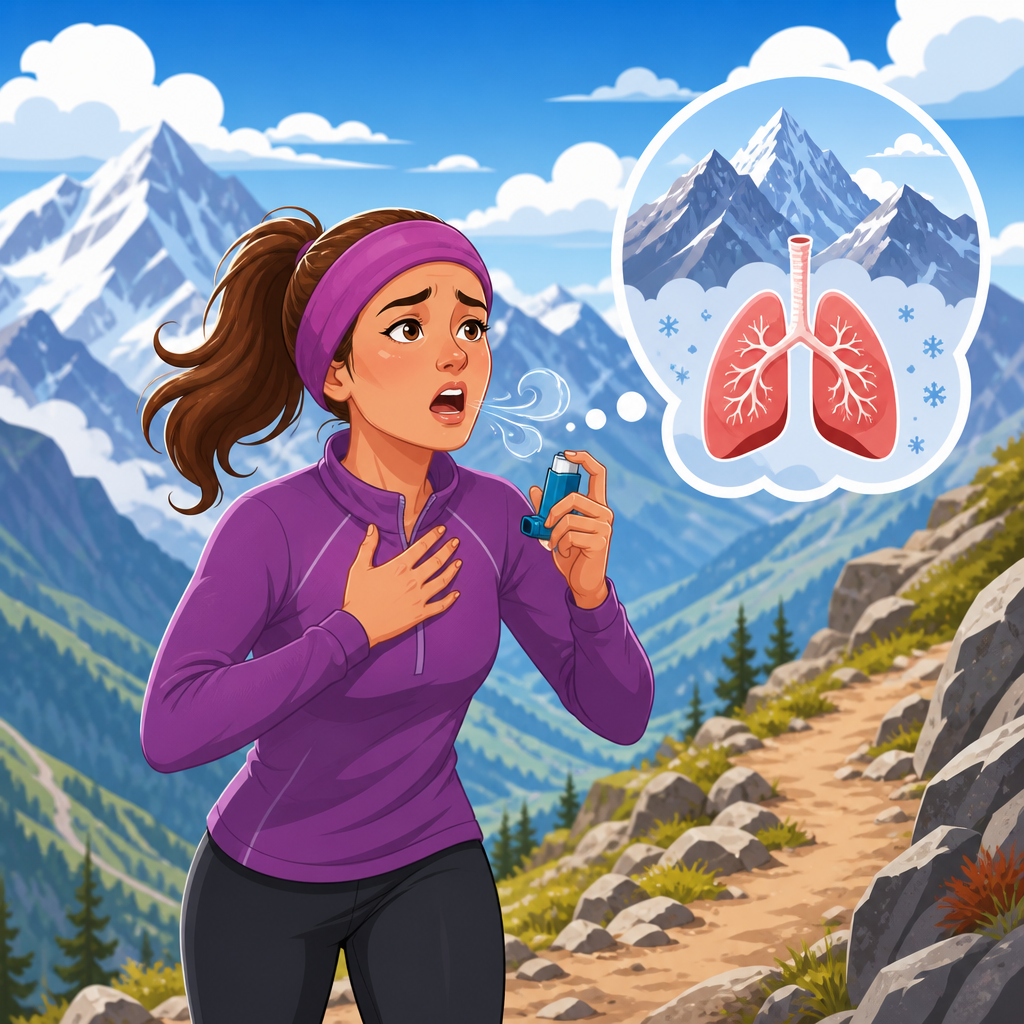
Post-viral fatigue and altitude can be a risky combination, and knowing when to postpone the trip is one of the most important decisions in pre-trip medical planning. After a viral illness, many travelers feel mostly recovered at sea level yet discover that hiking, skiing, or simply sleeping at elevation brings back shortness of breath, racing heartbeats, dizziness, poor sleep, and overwhelming exhaustion. Post-viral fatigue refers to persistent low energy, reduced exercise tolerance, cognitive slowing, and delayed recovery after activity following an infection. Altitude usually means destinations above 1,500 meters, with clinically meaningful stress increasing above 2,500 meters because lower barometric pressure reduces the amount of oxygen reaching the blood. For travelers with recent COVID-19, influenza, RSV, pneumonia, mononucleosis, or a severe undifferentiated viral illness, the question is not just whether the itinerary is still possible, but whether the body has regained enough cardiopulmonary reserve to tolerate hypoxia, exertion, cold, dehydration, and disrupted sleep. I have seen cautious travelers do well after reassessment and staged return to activity, and I have also seen avoidable emergencies triggered by leaving too soon. This hub explains how to judge timing, what symptoms matter most, what medical review should include, and how to build a safer pre-trip plan.
Why altitude magnifies post-viral fatigue
Altitude exposes the weak points that many viral illnesses temporarily create. Even healthy people breathe faster, lose more fluid through respiration, and sleep worse at elevation. If a recent infection has left behind airway inflammation, impaired diffusion, autonomic instability, myocarditis risk, anemia, deconditioning, or simply a reduced energy envelope, those normal altitude stresses become clinically important. A traveler who can manage a workday at home may still fail a modest uphill walk at 3,000 meters. That happens because oxygen saturation falls as altitude rises, forcing the heart and lungs to work harder to deliver oxygen to muscles and the brain. Recovery also slows: poor sleep, appetite loss, and acute mountain sickness symptoms overlap with post-viral fatigue, making early warning signs easy to dismiss.
The practical rule is simple: if ordinary daily activity still feels unusually hard at sea level, altitude will usually feel disproportionately harder. This is especially true after infections associated with lingering respiratory symptoms or cardiovascular effects. COVID-19 can leave residual exertional intolerance and dysautonomia; influenza can be followed by weeks of weakness; viral pneumonia can reduce pulmonary reserve long after fever ends; Epstein-Barr virus often causes prolonged fatigue; and any severe illness followed by bed rest can lead to marked deconditioning. Because altitude illness, pulmonary edema, and cardiac strain can begin with nonspecific symptoms, pre-trip medical planning must start before gear lists and route maps.
When to postpone the trip: clear red flags
You should postpone a high-altitude trip if you still have chest pain, shortness of breath at rest, oxygen saturation lower than expected for your baseline, fainting, palpitations with exertion, fever, worsening cough, or inability to complete normal daily activity without unusual fatigue. Those are not “fitness issues.” They are signs that recovery is incomplete or that a complication needs assessment. In clinic, I use a conservative threshold: if a traveler cannot walk briskly on level ground for thirty to forty-five minutes, climb two to three flights of stairs without marked symptom flare, or recover normally by the next day, a demanding altitude itinerary is premature.
Other reasons to postpone include new wheezing after a viral illness, recent pneumonia with unresolved imaging or symptoms, suspected myocarditis or pericarditis, post-exertional malaise, active sleep disruption severe enough to impair recovery, and any recent emergency visit for breathing difficulty. Travelers heading above 3,500 meters, sleeping at remote lodges, trekking without road access, or planning technical climbs need an even higher margin of safety because evacuation can be delayed. If a destination lacks reliable medical support, the acceptable uncertainty is lower. Postponement is not failure; it is risk management. The body often needs additional weeks, not just days, to restore reserve after infection.
Symptoms that deserve medical review before booking or departure
Pre-trip medical planning should be organized around specific questions. Can you return to your usual exercise level without a symptom spike? Are you still using a rescue inhaler more often than baseline? Have you noticed a higher resting heart rate, low blood pressure, dizziness on standing, or unusual breathlessness with light effort? Do you wake unrefreshed despite adequate sleep? Is there brain fog that affects navigation, driving, or decision-making? These details matter because altitude, jet lag, poor hydration, and unfamiliar exertion can amplify them.
For respiratory symptoms, persistent cough longer than three weeks, wheeze, chest tightness, reduced peak flow, or desaturation during exercise deserves evaluation. For cardiovascular symptoms, warning signs include chest discomfort, disproportionate tachycardia, skipped beats, presyncope, and reduced exercise tolerance out of proportion to nasal or throat symptoms. In patients with chronic conditions such as asthma, COPD, interstitial lung disease, heart failure, pulmonary hypertension, coronary disease, diabetes, anemia, or obstructive sleep apnea, even a “minor” viral setback can alter the safety profile of altitude travel. This hub sits within respiratory, cardio, and chronic conditions because these overlaps are where preventable problems happen.
What a thorough pre-trip medical planning review should include
A strong assessment begins with timeline and severity: date of illness onset, fever duration, antiviral or antibiotic use, emergency visits, oxygen needs, and whether symptoms are improving steadily or fluctuating. Next comes function. I ask travelers what they could do before illness, what they can do now, and what happens the day after exertion. A return to baseline matters more than a single good day. Objective data help: home pulse oximeter trends, resting and walking heart rate, blood pressure, spirometry if available, rescue inhaler frequency, and prior altitude experience.
Depending on symptoms and medical history, evaluation may include chest examination, pulse oximetry at rest and with walking, ECG, spirometry or peak flow, chest imaging, complete blood count, ferritin, metabolic panel, and in selected cases echocardiography or exercise testing. These are not routine for every traveler, but they are appropriate when there is unresolved dyspnea, severe fatigue, chest symptoms, or known cardiopulmonary disease. Good pre-trip medical planning also covers itinerary specifics: maximum sleeping altitude, daily ascent rate, temperature, remoteness, need to carry a pack, access to oxygen, transport time to a clinic, and whether a lower sleeping option exists. Advice changes dramatically between a city stay at 1,800 meters and a trek sleeping above 4,000 meters.
| Finding | What it may mean | Trip implication |
|---|---|---|
| Fatigue after normal daily activity | Incomplete recovery or deconditioning | Delay strenuous or high sleeping altitude plans |
| Breathlessness climbing stairs | Reduced pulmonary reserve, asthma flare, anemia, or cardiac issue | Needs assessment before altitude exposure |
| Palpitations or chest pain | Possible myocarditis, arrhythmia, or ischemia | Postpone until medically cleared |
| Oxygen saturation below baseline | Residual lung impairment or active illness | Avoid remote altitude travel |
| Post-exertional symptom crash | Poor exertional tolerance, possible autonomic dysfunction | Favor recovery and staged return, not ascent |
How to decide if recovery is enough for altitude
The best decision tool is function plus trend. A traveler is more likely to tolerate altitude when symptoms are steadily improving, sleep is normalizing, appetite is back, hydration is easy to maintain, and activity can be increased without next-day relapse. Sea-level performance is not a perfect predictor, but it is a useful screen. If you can perform your planned trip effort at home or in training with only expected fatigue, recovery may be adequate. If low-intensity exercise still provokes disproportionate breathlessness, lightheadedness, or crushing fatigue, postpone.
For many travelers, I recommend a graded return benchmark before departure: several days of normal life without symptom flare, followed by repeated moderate exercise sessions that resemble the trip demand. For example, if the plan is a day hike at 2,800 meters, you should be able to complete brisk walks and stair climbing at home without delayed worsening. If the plan is a ski week, tolerate sustained aerobic activity in cold air first. Athletes should be especially careful not to confuse motivation with readiness. Fitness can mask illness until the altitude stressor removes the margin.
Special concerns after COVID-19, influenza, pneumonia, and mono
Recent COVID-19 deserves particular caution because symptoms may reflect lung injury, autonomic dysfunction, clotting complications, or myocarditis rather than simple deconditioning. Persistent tachycardia, chest tightness, breathlessness, and post-exertional malaise are reasons to seek formal review before altitude exposure. Influenza can also leave significant weakness and occasionally trigger myocarditis. Travelers often underestimate this because fever may resolve quickly while exercise tolerance lags behind for weeks.
After pneumonia, the key question is whether gas exchange and reserve have recovered. Residual cough alone may not prohibit travel, but persistent dyspnea, low saturation, pleuritic pain, or abnormal exercise response should halt plans until reassessed. Mononucleosis adds another layer: fatigue can be prolonged, and splenic enlargement may persist, making strenuous trekking or climbing unwise even before altitude is considered. In all these scenarios, pre-trip medical planning should prioritize the biology of recovery over the calendar date of the flight.
Medication, prevention, and itinerary adjustments
When travel remains appropriate, risk can often be reduced by changing the plan rather than canceling it outright. Slower ascent is the single most effective intervention. Sleeping low, adding rest days, avoiding alcohol excess early in the trip, and limiting heavy exertion on arrival all improve the odds. Travelers with asthma should carry controller and rescue medication, verify inhaler technique, and consider a written action plan. Those with sleep apnea should confirm power and battery options for CPAP. People with known altitude susceptibility may discuss acetazolamide with their clinician, but it is not a substitute for recovery from illness.
Medication review also matters because post-viral symptoms can change tolerance of usual drugs. Beta-blockers may blunt heart-rate response during exertion; diuretics can worsen dehydration at altitude; sedatives may impair ventilation during sleep; and recent steroid use can change infection risk and glucose control. Practical pre-trip medical planning includes packing a pulse oximeter when clinically relevant, carrying a concise medical summary, checking travel insurance exclusions for recent illness, and identifying the nearest facility that can manage respiratory or cardiac problems. Internal planning across related topics should connect this hub with asthma travel, cardiac travel clearance, altitude illness prevention, oxygen needs, and travel after pneumonia.
When a postponed trip becomes a safer trip
Postponing is usually the right choice when uncertainty is high and consequences are serious. The benefit is not merely avoiding illness on the mountain. Extra recovery time allows stronger training, better medication optimization, updated testing, and a route design that matches current reserve. In practice, travelers who delay by four to eight weeks after a complicated viral illness often have a completely different experience: better sleep, steadier pulse, fewer headaches, and enough energy to enjoy the destination instead of enduring it. That is the real goal of pre-trip medical planning.
The key takeaway is direct. Do not judge readiness by enthusiasm or by the money already spent. Judge it by symptoms, function, trend, and destination demands. If chest symptoms, breathlessness, post-exertional crashes, abnormal vital signs, or unresolved pneumonia are still part of the picture, postpone the trip and get reassessed. If recovery is clear and the itinerary can be modified, travel may still be reasonable with a conservative ascent plan and the right medical preparation. Use this hub as your starting point for pre-trip medical planning across respiratory, cardiac, and chronic conditions, then review the linked condition-specific guidance before you go. A well-timed trip is safer, more comfortable, and far more rewarding.
Frequently Asked Questions
What is the connection between post-viral fatigue and altitude, and why can the combination become a problem?
Post-viral fatigue and altitude interact in ways that can make a trip much harder on the body than many travelers expect. After a viral illness, it is common to feel “mostly better” during normal daily life at sea level while still having reduced physiologic reserve. That means the body may not tolerate stress as well as it did before the illness. Altitude adds several forms of stress at once: lower oxygen availability, higher breathing demands, disrupted sleep, increased heart rate, dehydration risk, and greater strain during even mild exertion. A person who seems functional at home may discover that walking uphill, carrying luggage, or sleeping at elevation brings back shortness of breath, palpitations, dizziness, headaches, mental fog, and profound exhaustion.
This matters because many symptoms of post-viral fatigue overlap with common altitude-related complaints, which can blur the clinical picture. Fatigue, poor sleep, weakness, reduced exercise tolerance, and difficulty concentrating may be blamed on the mountain environment when they are actually warning signs that the traveler has not fully recovered from the viral illness. In some cases, altitude can amplify lingering inflammation, autonomic instability, or deconditioning. The practical result is that recovery may be slower, activity may feel disproportionately difficult, and the risk of a miserable or unsafe trip rises. That is why pre-trip planning should focus not only on destination altitude, but also on whether the traveler has truly returned to baseline energy, stamina, and day-to-day function.
When should someone postpone a trip to altitude after a viral illness?
Postponing is usually the safer choice when symptoms are still active, fluctuating, or easily triggered by ordinary exertion. Red flags include ongoing unusual fatigue, shortness of breath with normal activity, racing heartbeat, chest discomfort, dizziness, near-fainting, poor exercise tolerance, significant sleep disruption, cognitive fog, or a feeling of “crashing” after physical or mental effort. If climbing stairs, taking a brisk walk, returning to work, or doing routine errands still causes disproportionate exhaustion, the body is giving useful information: it may not be ready for a lower-oxygen environment.
It is also wise to postpone if there has been a recent fever, lingering cough with breathing limitation, dehydration, poor oral intake, or any concern for heart or lung complications after infection. Travelers should be especially cautious if they plan a strenuous itinerary such as trekking, skiing, high-altitude climbing, remote travel, or sleeping above moderate elevations without a gradual acclimatization schedule. The threshold for delay should be even lower if medical help would be difficult to access during the trip.
In practical terms, many clinicians advise waiting until the person is clearly improving and has returned close to their usual baseline with daily function and light-to-moderate activity at sea level. If symptoms are persistent, relapsing, or unexplained, a medical evaluation before travel is appropriate. A postponed trip is disappointing, but it is often far less disruptive than becoming acutely unwell far from home at altitude.
How can travelers tell the difference between normal altitude adjustment and signs that post-viral fatigue is still a serious issue?
Mild altitude adjustment can cause temporary symptoms such as light headache, restless sleep, slightly reduced appetite, and feeling more winded than usual, especially in the first day or two. These symptoms should generally be mild, manageable, and gradually improve with rest, hydration, and time to acclimatize. By contrast, post-viral fatigue tends to show up as a broader pattern of poor recovery and limited reserve. The person may feel disproportionately wiped out after minor effort, need unusually long rest periods, struggle with concentration, and notice that symptoms do not improve as expected with a slower pace.
A useful clue is what happens after exertion. If a short walk, one ski run, or carrying a backpack causes a marked worsening later that day or the next day, that suggests impaired recovery rather than simple acclimatization. Another clue is symptom spillover beyond the usual altitude pattern: palpitations out of proportion to effort, unusual weakness, heavy limbs, “brain fog,” recurrent dizziness, or severe exhaustion even at rest. If the traveler was not fully back to baseline before departure, altitude often exposes that gap very quickly.
Of course, symptoms should never be self-dismissed if they are significant. Worsening breathlessness, inability to keep up with minimal activity, severe headache, vomiting, confusion, chest pain, fainting, or declining coordination deserve immediate attention because those can signal more than fatigue alone. The key idea is that healthy acclimatization usually trends toward improvement, while an unready post-viral system often trends toward worsening, relapse, or an inability to tolerate even conservative activity.
What steps should someone take before traveling to altitude if they recently had a viral illness?
Start with an honest functional check rather than relying only on the calendar. The real question is not “How many days ago was I sick?” but “Am I back to my usual energy, breathing, sleep, and exercise tolerance?” Before committing to the trip, a traveler should assess whether they can handle several days of normal activity at sea level without crashing afterward. That includes walking, climbing stairs, working, and carrying out routine tasks without unusual fatigue, shortness of breath, or heart racing.
If there are lingering symptoms, a pre-travel medical visit is a smart step, especially for people with asthma, heart disease, prior altitude illness, post-viral complications, or demanding mountain plans. A clinician may review recovery progress, oxygen-related concerns, hydration status, medications, and whether the itinerary itself should be modified. In some cases, testing or a graded return-to-activity plan may be appropriate before travel. This is particularly important when the illness was recent, severe, or followed by persistent cardiopulmonary symptoms.
Travel planning should also be adjusted to reduce physiologic stress. Build in extra rest days, choose a slower ascent, avoid sleeping at high elevation on the first night if possible, limit alcohol, stay well hydrated, and keep the first days intentionally easy. Do not plan your hardest hike or ski day for arrival. If there is any uncertainty, favor access to lower sleeping altitude, flexible transportation, and nearby medical care. Good pre-trip judgment is often what prevents a manageable recovery issue from turning into a failed or unsafe trip.
If someone develops severe fatigue or other concerning symptoms at altitude, what should they do?
The first step is to stop pushing through it. Travelers often try to “power past” fatigue because the trip is expensive, the group is moving, or the symptoms seem vague. That is exactly when problems escalate. If severe exhaustion, unusual breathlessness, dizziness, chest symptoms, confusion, poor coordination, or a pounding heartbeat develop, activity should stop immediately. The traveler should rest, hydrate, avoid further ascent, and reassess. If symptoms are moderate to severe, worsening, or not clearly improving, descending to a lower altitude is often the safest move.
It is important to remember that post-viral fatigue does not protect someone from true altitude illness, and altitude illness does not always look dramatic at first. Persistent headache with nausea, inability to function normally, worsening shortness of breath, trouble sleeping with repeated gasping, or marked weakness should not be brushed off as simple tiredness. In remote settings, delayed decisions can turn a manageable problem into an emergency. When in doubt, the safer approach is to descend and seek medical evaluation.
Travelers should also be realistic about the trip as a whole. If a person cannot recover from minimal exertion, keeps relapsing after rest, or feels significantly worse than expected, continuing the itinerary may do more harm than good. The goal is not to salvage every plan at any cost; it is to protect recovery and safety. Altitude will still be there another time, and postponing or cutting a trip short is often the most medically sound decision when the body is clearly not tolerating the stress.