Baking at 4,500 feet changes nearly every part of a sea-level recipe, because lower air pressure affects how gases expand, how quickly moisture evaporates, how sugar concentrates, and how structure sets in the oven. If you use a standard recipe for cookies, cakes, muffins, yeast breads, or quick breads without adjustments, the most common results are batter that rises too fast, collapsed centers, dry texture, coarse crumb, tunneling, and muted flavor. I have baked regularly in the 4,000 to 5,000 foot range, and the patterns are consistent enough that adaptation becomes a repeatable process rather than guesswork. The goal is not to reinvent a recipe. The goal is to control expansion, preserve moisture, strengthen structure, and balance timing so the finished product looks and tastes as intended.
Sea-level recipes are written for denser air and slower evaporation. At 4,500 feet, water boils at a lower temperature, liquids evaporate faster, and leavening gases expand more aggressively. That means a batter can inflate before starches and proteins fully set. Once the fragile structure reaches its limit, the product may sink or become crumbly. Key terms matter here. Leavening includes baking powder, baking soda, and yeast. Structure comes from flour starch, egg proteins, and sometimes cocoa or milk solids. Hydration is the amount of liquid available to support gluten development, starch gelatinization, and moisture retention. Understanding those relationships is the foundation of altitude baking fundamentals.
This matters because good baking depends on consistency. Whether you are making a birthday layer cake, sandwich bread, scones, brownies, or banana bread, you need a method that translates one trusted recipe into reliable results at altitude. A hub article on baking fundamentals should answer the big questions directly: what changes first, which ingredients to adjust, how much to change at 4,500 feet, and how to troubleshoot by symptom. Once you understand those core rules, you can branch into more specialized guides for cakes, cookies, pies, laminated doughs, sourdough, or gluten-free baking. Altitude is a variable, not a barrier, and a solid framework lets you adapt almost any formula with confidence.
What changes at 4,500 feet and why recipes fail
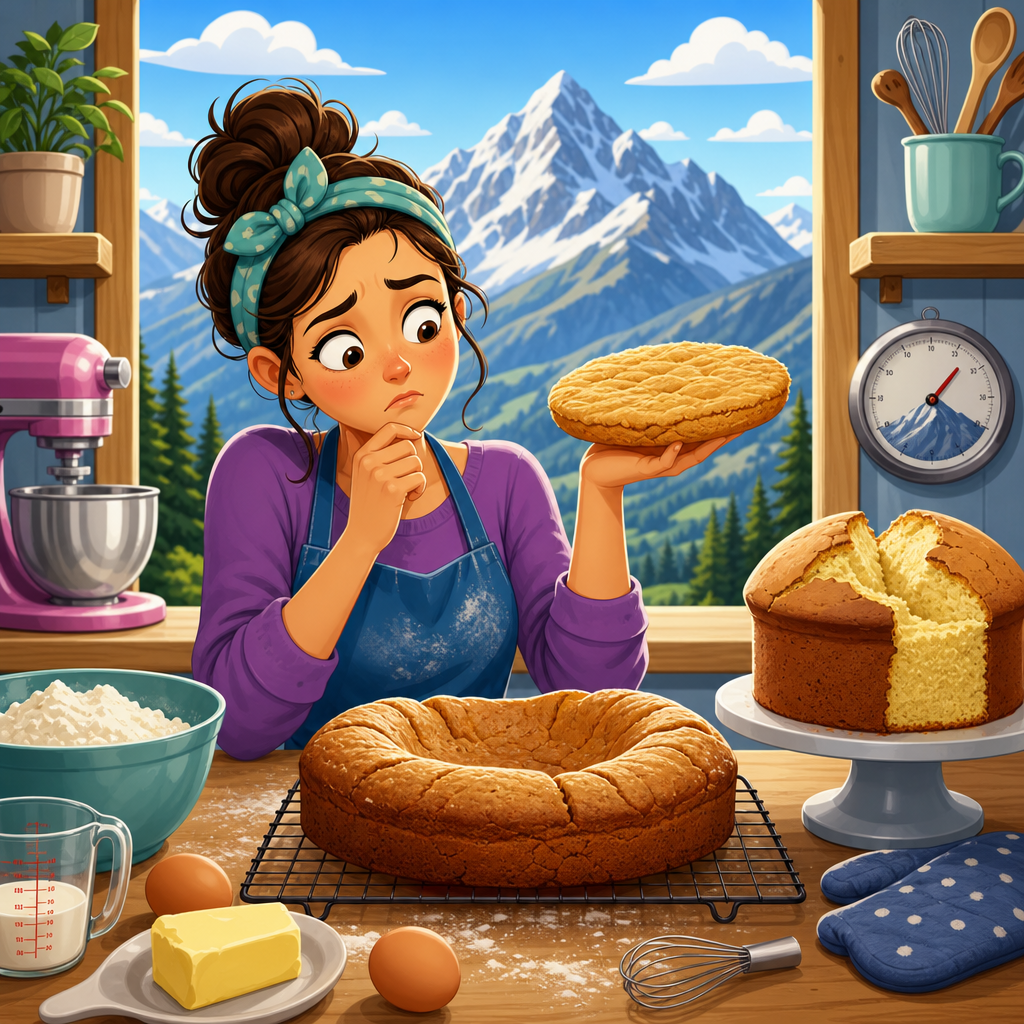
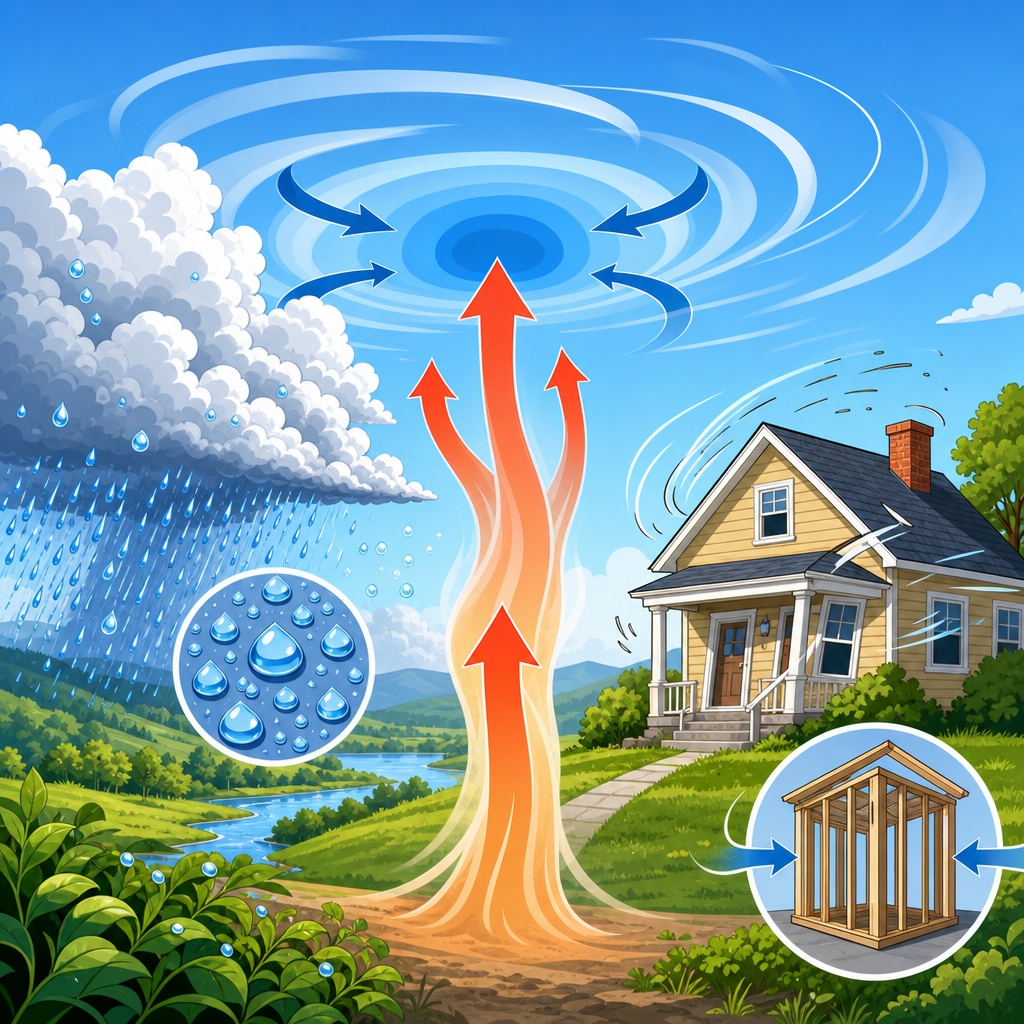
The biggest difference at 4,500 feet is reduced atmospheric pressure. In practical baking terms, bubbles formed by chemical leaveners, steam, and yeast expand more quickly than they do at sea level. Batter or dough may look beautifully risen early in the bake, but that fast rise can outpace structure development. Cakes often dome dramatically and then fall. Muffins may mushroom and tunnel. Quick breads can split deeply and dry out before the interior fully sets. Yeast dough may overproof sooner, then lose strength in the oven.
Evaporation is the second major factor. Because water boils at a lower temperature at altitude, moisture escapes faster from both the mixing bowl and the oven. Sugar becomes more concentrated, which can weaken structure and increase stickiness. Fats may seem more prominent because the surrounding water phase is lower. Custards and cheesecakes are also affected, although they usually need gentler, not stronger, adjustment. In my own test bakes, the recipes that fail hardest at 4,500 feet are high-sugar cakes and delicate muffins, because they rely on a precise balance between expansion and setting.
The practical takeaway is simple: a sea-level recipe fails at altitude when lift outpaces strength or when moisture loss outpaces setting. Every ingredient change you make should solve one of those two problems. Reduce excessive lift. Increase structural support. Replace moisture. Sometimes you also raise the oven temperature slightly so the outer framework sets earlier and supports the interior before overexpansion leads to collapse.
The core adjustment framework for sea-level baking recipes
At 4,500 feet, start with small, controlled changes rather than dramatic rewrites. For most baking recipes, the first adjustments are to leavening, liquid, flour, sugar, and oven temperature. I treat this as a standard sequence. First, reduce baking powder or baking soda modestly. Second, add a little more liquid. Third, increase flour slightly if the batter seems loose. Fourth, reduce sugar when the formula is already sweet. Fifth, raise oven temperature by about 15 to 25 degrees Fahrenheit to help the structure set sooner. Then evaluate the result and refine one variable at a time.
| Recipe element | Typical 4,500-foot adjustment | Why it helps |
|---|---|---|
| Baking powder | Reduce by about 1/8 to 1/4 teaspoon per teaspoon | Slows overexpansion and lowers collapse risk |
| Baking soda | Reduce slightly if the recipe rises too fast | Controls gas production in acidic batters |
| Liquid | Add 1 to 2 tablespoons per cup | Offsets faster evaporation and dryness |
| Flour | Add 1 to 2 tablespoons per cup if batter is weak | Improves structure and crumb support |
| Sugar | Reduce 1 to 3 tablespoons per cup | Limits weakening of structure and stickiness |
| Oven temperature | Increase 15 to 25 degrees Fahrenheit | Sets structure before excess rise causes sinking |
| Mixing time | Avoid overbeating, especially cakes | Prevents too much trapped air before baking |
These are starting points, not laws. A butter cake with whipped egg whites behaves differently from a dense banana bread. A lean yeast dough behaves differently from a rich brioche. Still, this framework works because it addresses the actual physics of altitude. Keep written notes each time you test. Record pan size, batter weight, oven calibration, room humidity, and final texture. That data becomes more valuable than any generic rule.
How to adjust ingredients for cakes, muffins, quick breads, and cookies
Cakes usually need the most careful balancing because they are structurally delicate. At 4,500 feet, reduce leavening first, especially baking powder. If the recipe uses whipped eggs, be cautious with mixing because extra incorporated air can push the rise too far. Add a little more liquid, reduce sugar slightly, and consider an extra tablespoon or two of flour if the batter appears thinner than usual. For example, a sea-level vanilla layer cake using 2 1/2 cups flour, 2 1/2 teaspoons baking powder, and 1 3/4 cups sugar might succeed at 4,500 feet with about 2 to 2 1/4 teaspoons baking powder, 2 to 4 extra tablespoons liquid, and a small sugar reduction.
Muffins and quick breads often overpeak, tunnel, or bake up dry. The fix is usually modest: cut leavening slightly, add moisture, and avoid overmixing. With banana bread or zucchini bread, the fruits and vegetables already contribute water, so you may not need as much additional liquid. Instead, focus on reducing chemical leavening and checking doneness earlier. A toothpick should show moist crumbs, not wet batter, because carryover heat continues setting the loaf after it leaves the oven.
Cookies behave differently because spread, not just rise, is part of success. At altitude, some cookies spread too much because sugar concentration changes and butter melts before the dough sets. Chilling the dough helps. A slight flour increase often helps more. In drop cookies, I commonly start by adding 1 to 2 tablespoons flour per cup and reducing sugar a little if the formula is very sweet. For crisp cookies, less change may be necessary. For thick bakery-style cookies, colder dough and a slightly hotter oven are usually effective.
How to handle yeast breads, enriched doughs, and fermentation
Yeast breads at 4,500 feet usually require fewer ingredient changes than cakes, but they demand better timing. Dough rises faster because gas expands more readily and fermentation can appear more dramatic. The mistake many bakers make is following sea-level proofing times instead of reading the dough. If a recipe says proof for 60 to 90 minutes, start checking much earlier. Volume, feel, and elasticity matter more than the clock. Overproofed dough often enters the oven looking puffy and promising, then deflates or bakes with weak sidewalls.
For lean doughs such as baguettes, pizza dough, or rustic boules, focus on shorter proof times, strong gluten development, and proper shaping tension. For enriched doughs like cinnamon rolls, challah, or brioche, remember that sugar and fat slow yeast, but altitude still accelerates expansion in the oven. If the dough feels slack, a small flour adjustment can help, but avoid making the dough stiff just to compensate. Dry dough is one of the fastest routes to dense bread at altitude.
Sourdough deserves special mention because wild fermentation adds another variable. Starter maturity, dough temperature, and flour type matter more than altitude alone. At 4,500 feet, bulk fermentation often reaches target expansion sooner than expected, especially in warm kitchens. I recommend using dough temperature and visual markers, such as bubble formation and edge curvature, rather than fixed times. The principles remain the same: preserve moisture, develop adequate strength, and do not let expansion outrun structure.
Oven temperature, pans, mixing methods, and testing for doneness
Many altitude problems are blamed on ingredients when the real issue is process. Oven temperature is the first checkpoint. A surprising number of home ovens run 15 to 25 degrees off, which matters even more at altitude where timing windows are narrower. Use an oven thermometer and calibrate if possible. Raising the bake temperature slightly often improves cakes and muffins because the outer structure sets sooner. The tradeoff is that edges can overbrown, so light-colored metal pans are usually better than dark pans for delicate batters.
Pan size also matters. A batter spread into a larger pan bakes faster and may dry out; packed into a smaller pan, it may overrise and sink. Follow the original volume the recipe expects. Mixing method matters too. In creamed butter cakes, overcreaming introduces excess air that expands aggressively at altitude. In muffins and quick breads, overmixing develops gluten and encourages tunneling. In yeast doughs, undermixing leaves the dough too weak to hold gas, while overflouring creates tight crumb and dryness.
Testing for doneness should combine temperature, visual cues, and touch. Cakes should spring back lightly, pull just a bit from the pan, and often register around 200 to 210 degrees Fahrenheit internally, depending on style. Lean breads are commonly done around 205 to 210 degrees, enriched breads a bit lower. Cookies continue setting on the pan after baking, so removing them when centers still look slightly underdone is often correct. At altitude, trusting a single minute mark is less reliable than reading the product itself.
Troubleshooting common altitude baking problems
If a cake rises high and then collapses, the usual cause is too much leavening, too much sugar, too low an oven temperature, or overbeaten batter. If the crumb is dry, add liquid, reduce bake time, or verify that the oven is not running hot. If muffins tunnel, reduce mixing and possibly reduce leavening. If cookies spread too much, chill the dough, increase flour slightly, and confirm that the butter was not too warm. If bread is dense, look at hydration first, then proofing, then gluten development.
If the top sets while the center stays wet, the oven may be too hot, the pan too small, or the batter too rich in sugar and liquid for the chosen bake profile. If flavor seems flat, do not assume altitude is the only cause. Salt levels, vanilla quality, cocoa type, fermentation time, and browning all matter. One reason experienced bakers keep returning to trusted base formulas is that flavor and structure are easiest to refine when the underlying method is stable.
This is why a fundamentals hub is useful. Once you master these patterns, you can move confidently into related topics such as high-altitude cake layers, cookies, pie crusts, biscuits, sourdough, or gluten-free baking. Start with one dependable sea-level recipe, make measured adjustments, take notes, and build your own 4,500-foot version. That practice delivers better results than chasing random fixes. Altitude baking rewards observation, precision, and patience. Use this framework as your starting point, then keep baking and refining until your favorite recipes work as naturally at 4,500 feet as they ever did at sea level.
Frequently Asked Questions
What changes first when adapting a sea-level baking recipe for 4,500 feet?
At 4,500 feet, the first thing to understand is that lower air pressure affects the entire baking system, not just one ingredient. Leavening gases expand more quickly, so batters and doughs tend to rise faster and earlier than they do at sea level. At the same time, moisture evaporates more quickly, which can dry out the batter before the structure has fully set. Sugar also becomes more concentrated as water cooks off faster, which can weaken the structure in cakes and quick breads and increase the risk of collapse in the center.
In practical terms, the first adjustments usually involve reducing leavening slightly, increasing liquid modestly, and sometimes raising the oven temperature a little so the structure sets sooner. For many recipes, especially cakes, muffins, and quick breads, that may mean cutting baking powder or baking soda by a small amount, adding a tablespoon or two of extra liquid per cup or so of flour, and increasing the oven temperature by about 15 to 25 degrees Fahrenheit. You may also need to reduce sugar slightly if a recipe is already very sweet. Think of it as balancing expansion, moisture retention, and structure development. At 4,500 feet, successful adaptation usually comes from making several small corrections rather than one dramatic change.
How much should I reduce baking powder or baking soda at 4,500 feet?
At 4,500 feet, reducing chemical leavening is one of the most effective ways to prevent overexpansion, coarse texture, tunneling, and collapsed tops. A sea-level recipe often contains more baking powder or baking soda than you need at this elevation because gases expand more readily in lower air pressure. If the batter rises too quickly before the proteins and starches set, it can puff up beautifully for a moment and then sink as it cools or even while still in the oven.
A good starting point is to reduce baking powder or baking soda by roughly 1/8 to 1/4 teaspoon per teaspoon called for in the original recipe, depending on how delicate the formula is. For example, if a muffin recipe uses 2 teaspoons of baking powder, you might begin by reducing it by 1/4 to 1/2 teaspoon total. For cakes and other tender batters, lean toward more caution and make smaller changes at first. If the recipe contains both baking powder and baking soda, adjust carefully rather than cutting both aggressively at once. Baking soda also affects browning and acidity, so reducing it too much can alter flavor as well as rise.
The best approach is to use the first test bake as a guide. If the baked good domes sharply, forms tunnels, or falls in the middle, there is a good chance the leavening is still too high. If the texture becomes too dense after reducing leavening, add back a little next time. At 4,500 feet, small measured changes produce much better results than broad guesswork.
Do I need to add more liquid when baking at 4,500 feet?
Yes, in many cases you do. Because moisture evaporates faster at 4,500 feet, batters and doughs can dry out before they finish baking, which leads to crumbly texture, tough edges, and baked goods that stale quickly. Adding liquid helps compensate for that faster evaporation and gives flour, starches, and proteins enough moisture to form a stable structure. This is especially important in cakes, muffins, quick breads, and some cookie doughs that can otherwise become dry or overly thick before they ever reach the oven.
A practical starting point is to add a small amount of extra liquid rather than making a major change all at once. For many recipes, 1 to 2 extra tablespoons of liquid can make a noticeable difference. Water, milk, buttermilk, sour cream, yogurt, eggs, or even liquid sweeteners may help, depending on the formula. In yeast breads, you may notice that dough needs a little more hydration to remain pliable and ferment evenly. In cake batters, slightly looser batter is often beneficial at this altitude because it gives the crumb enough moisture to expand and set without drying out prematurely.
That said, the type of recipe matters. A brownie batter and a sponge cake do not respond the same way. Rich batters with lots of eggs or fat may need less added liquid than leaner formulas. If your baked goods regularly come out dry, dull, or tightly textured at 4,500 feet, a small increase in liquid is often one of the smartest first adjustments to test.
Should I change the oven temperature or baking time for high-altitude baking?
Usually, yes. At 4,500 feet, slightly increasing the oven temperature often helps the structure set before the batter or dough overexpands. That is why many high-altitude bakers increase the oven temperature by about 15 to 25 degrees Fahrenheit when adapting a sea-level recipe. This is particularly useful for cakes, cupcakes, muffins, and quick breads, which are vulnerable to rising too fast and then sinking before the interior can support itself.
When you raise the temperature, you should also start checking for doneness a little earlier than the original recipe suggests. A higher oven temperature can shorten the baking time, although the exact difference depends on the pan size, batter depth, and recipe type. The goal is not to rush the bake, but to create faster structural setting in the critical early phase of oven spring. For cookies, a slight increase in temperature can also reduce over-spreading. For yeast breads, however, changes may be more modest, because fermentation, hydration, and proofing control much of the final result.
Use visual and physical cues instead of relying only on the clock. Look for set edges, a springy center, even browning, and a clean or nearly clean tester where appropriate. If your cakes consistently rise high and then collapse, or your muffins develop peaked tops with dry interiors, a modest oven increase paired with less leavening and a touch more liquid is often the right combination at 4,500 feet.
Are the adjustments the same for cookies, cakes, muffins, and yeast breads?
No. That is one of the biggest mistakes people make when converting sea-level recipes at 4,500 feet. Different baked goods fail for different reasons, so they need different corrections. Cakes are usually the most sensitive because they depend on a careful balance of sugar, liquid, fat, eggs, and leavening. At this elevation, cakes often benefit from slightly less leavening, a little less sugar, a little more liquid, and sometimes a slightly higher oven temperature. Muffins and quick breads often need similar changes, especially if they tend to tunnel, bake up coarse, or collapse in the center.
Cookies behave differently. They usually do not collapse the way cakes do, but they can spread too much, dry out, or lose flavor balance. Depending on the recipe, you may need slightly more flour, a small reduction in sugar, a shorter bake, or a small oven-temperature increase to help them set before over-spreading. Brownies and bars may need fewer changes than cakes, but they can still dry out faster at altitude.
Yeast breads are their own category. At 4,500 feet, dough often rises faster because gases expand more easily, so overproofing becomes a common issue. The solution is usually not just changing ingredients, but watching fermentation more closely and proofing by volume and feel rather than by strict time. You may also need to increase hydration slightly if the dough seems dry. In other words, there is no one-size-fits-all high-altitude formula. The best results come from understanding what the specific baked good is trying to do and then adjusting the recipe to control rise, moisture, and structure at 4,500 feet.