Do people burn more calories at altitude? Yes, most people do, but the honest answer depends on elevation, duration of exposure, activity level, cold stress, appetite changes, and whether the person is acclimatized. In mountain medicine and endurance coaching, “altitude” usually means elevations high enough to reduce the partial pressure of oxygen, commonly starting around 1,500 to 2,500 meters, with more noticeable physiological effects above 2,500 meters. “Calories burned” refers to total energy expenditure: resting metabolic rate, the energy cost of movement, digestion, thermoregulation, and the extra physiological work required to maintain oxygen delivery and fluid balance. This matters because hikers, climbers, skiers, soldiers, pilots, miners, and people living in high-altitude communities often underestimate how much energy they need. I have seen this repeatedly on trekking routes, where people assume they will eat more because they are working harder, then discover that altitude blunts appetite while cold, steep terrain, and heavier breathing raise demand.
The science is well established: hypoxia changes hormone signaling, ventilation, substrate use, and fluid regulation. At the same time, culture changes behavior. Sherpa households in Nepal, Quechua and Aymara communities in the Andes, and highland populations in Ethiopia have developed distinct food patterns, work rhythms, and social practices that shape how energy is used and replaced. A useful way to frame the topic is simple. Altitude can increase calorie burn directly through physiological stress and indirectly through terrain, weather, and daily labor. But the increase is not uniform. A rested traveler in a heated lodge at 2,000 meters may burn only slightly more than at sea level, while a newly arrived climber carrying a load above 4,000 meters can expend dramatically more. Understanding that difference is the key to planning nutrition, pacing, recovery, and safe travel in mountain environments.
Why altitude changes energy expenditure
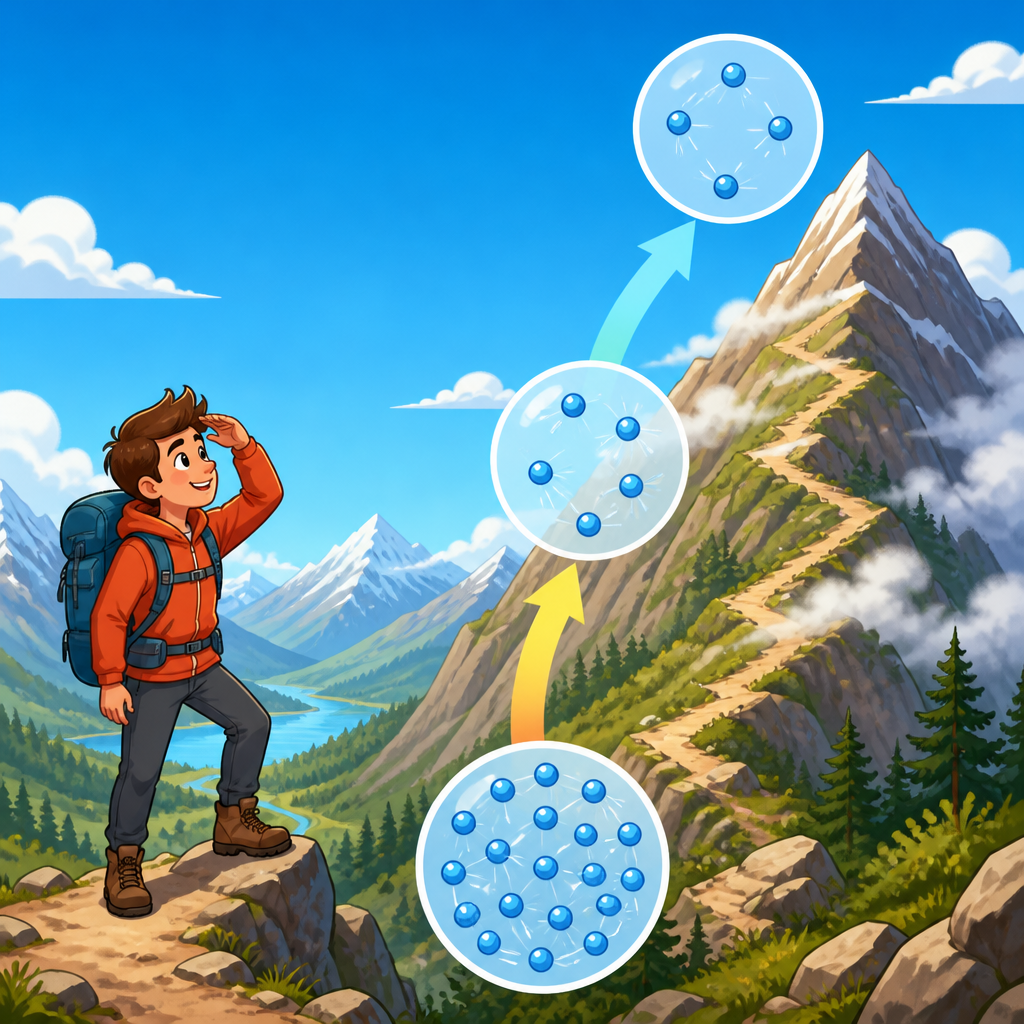
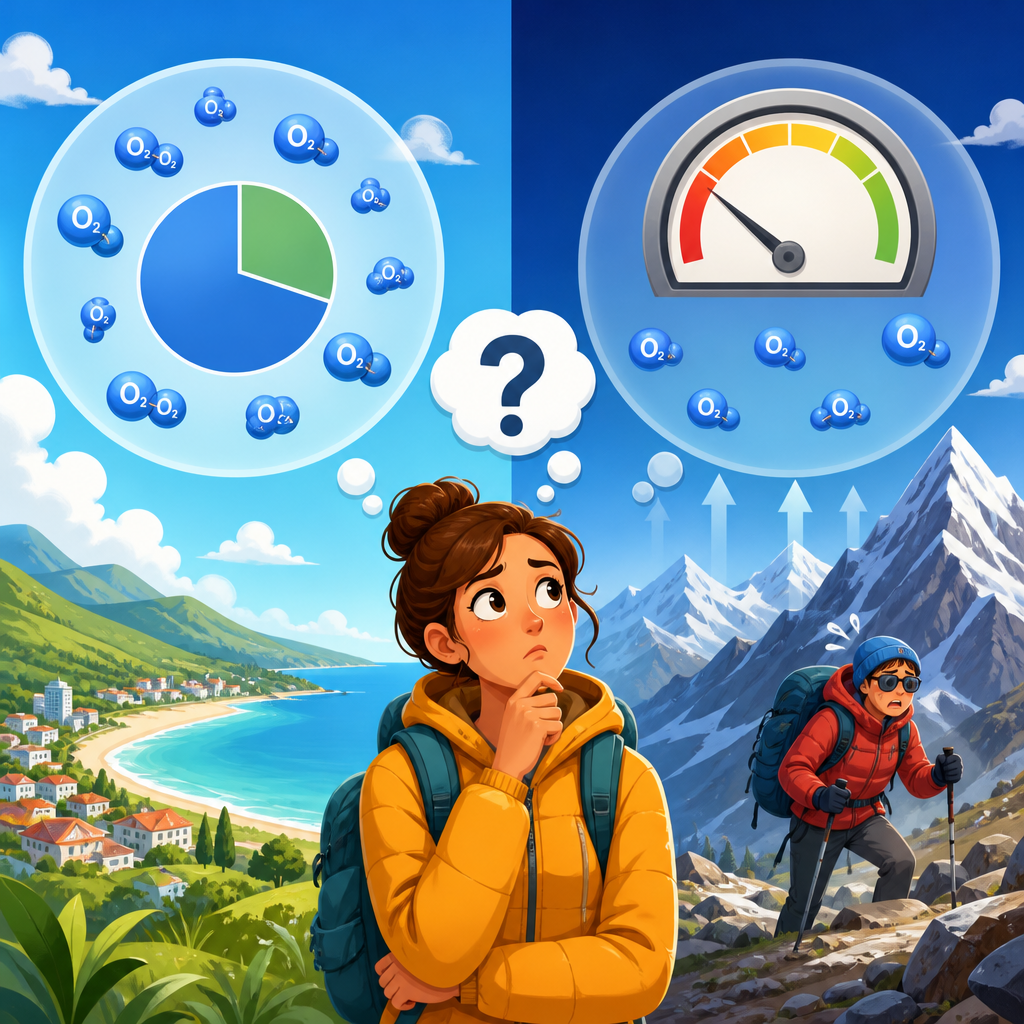
At altitude, the air still contains about 21 percent oxygen, but lower barometric pressure means each breath delivers less oxygen to the lungs. The body responds immediately by increasing ventilation. Breathing faster and deeper requires muscular work, and that alone raises energy expenditure slightly. Heart rate also rises during early exposure because the cardiovascular system must circulate oxygen more aggressively. In practice, the bigger effect is systemic stress. The sympathetic nervous system becomes more active, catecholamines increase, and many people experience a modest rise in resting metabolic rate, especially during the first days at moderate to high altitude.
Research on resting energy expenditure at altitude is mixed in exact magnitude because study conditions vary, but the overall pattern is clear. In acute exposure above roughly 2,500 meters, many people burn more calories at rest than they do at sea level. During prolonged stays at very high altitude, energy needs can rise further because maintaining body temperature, repairing tissue, and coping with oxidative stress all carry costs. There is also a mechanical component. Walking uphill on uneven ground, through snow, or while carrying gear is expensive in metabolic terms. At altitude, the same absolute workload often feels harder because oxygen delivery limits performance efficiency.
One common misconception is that altitude itself works like a magic fat-burning switch. It does not. Energy balance still depends on intake versus expenditure. The real issue is that altitude often increases expenditure while simultaneously reducing intake. That combination can produce weight loss quickly, particularly during trekking, expeditions, and physically demanding jobs. Studies from high-altitude expeditions repeatedly show negative energy balance, sometimes severe, even when participants try to eat enough.
How many extra calories do people burn?
There is no single number that fits everyone, but practical ranges help. At moderate altitude, around 2,000 to 3,000 meters, a sedentary person may see only a small increase in daily energy needs, sometimes negligible once acclimatized. An active traveler hiking several hours per day may need several hundred extra calories. At higher elevations, around 3,500 to 5,500 meters, the increase can become substantial, especially in cold conditions. Mountaineering field studies have reported total daily expenditures well above 4,000 to 6,000 calories, and elite or heavily burdened climbers can exceed that. The increase is not caused by low oxygen alone. It is the combined effect of altitude, cold, clothing weight, technical movement, sleep disruption, dehydration, and suppressed appetite.
A simple rule from expedition planning is to think in layers. First estimate normal needs at sea level. Then add for vertical gain, pack weight, terrain difficulty, and environmental stress. Finally add a margin for altitude-related inefficiency. In coaching practice, I have found this framework more useful than any universal calorie formula because it matches how people actually move in the mountains. Two hikers at the same elevation can have drastically different needs if one is acclimatized and walking a maintained trail while the other is breaking trail in wind and snow.
| Situation | Typical altitude | Likely calorie effect | Main reasons |
|---|---|---|---|
| Visitor resting in town | 1,500 to 2,500 m | Small increase or none | Mild hypoxia, limited movement, indoor temperature control |
| Day hiker | 2,000 to 3,500 m | Moderate increase | Steep terrain, heavier breathing, longer movement time |
| Trekker with pack | 3,000 to 4,500 m | Large increase | Load carriage, acclimatization stress, cold, sleep disruption |
| Climber on expedition | 4,500 m and above | Very large increase | Severe hypoxia, technical effort, thermoregulation, poor intake |
Acclimatization, appetite, and weight loss
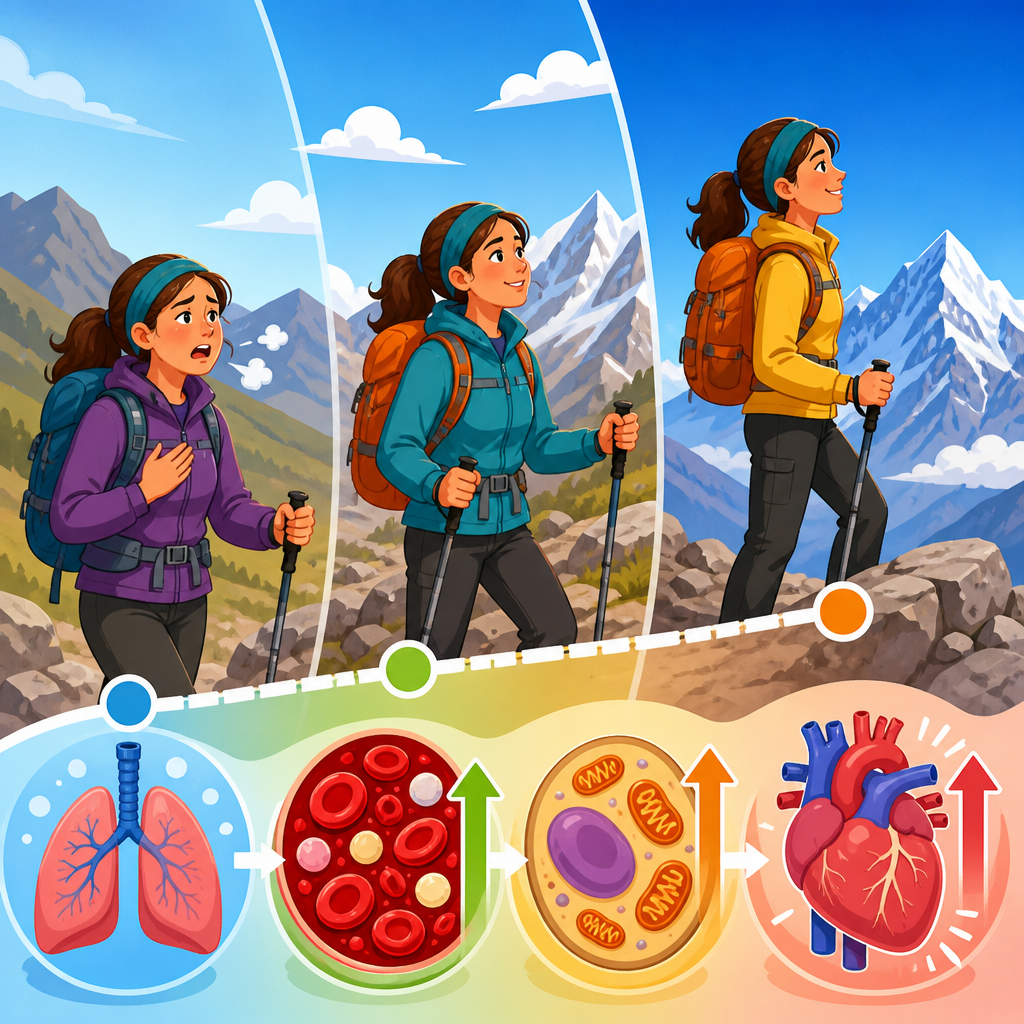
Acclimatization changes the picture over time. In the first hours and days at altitude, many people experience headache, poor sleep, increased urination, and a marked drop in appetite. Hormones involved in hunger and satiety, including ghrelin and leptin, can shift, though responses differ between individuals and study designs. The practical result is familiar to anyone who has worked on treks or climbs: people often eat less than usual precisely when they need more energy. This is one reason weight loss is common during altitude travel.
As acclimatization progresses, the body increases red blood cell production through erythropoietin signaling, ventilation stabilizes, and symptoms may improve. Resting metabolic rate may partially normalize at moderate altitude, but not always at very high altitude or during prolonged hard effort. Appetite can return, yet many people still struggle with food monotony, dry air, altered taste, gastrointestinal discomfort, or the logistics of cooking in remote camps. On major Himalayan routes, for example, trekkers may rely heavily on rice, noodles, potatoes, soups, tea, and packaged snacks. Those foods can work well for carbohydrate intake, but total protein, fat quality, and micronutrient coverage may be inconsistent if planning is poor.
Weight loss at altitude is not always fat loss. Glycogen depletion, fluid shifts, and lean tissue loss can all contribute. That matters because loss of muscle impairs power, balance, and recovery. In high-altitude operations, protecting lean mass is often more important than pursuing any cosmetic idea of burning calories. The best strategy is not simply “eat more.” It is to eat more strategically: frequent carbohydrate-rich meals, adequate protein distributed across the day, warm fluids, and easy-to-digest foods that people will actually consume.
Exercise performance and fuel use in thin air
Altitude changes how the body produces energy during exercise. Because less oxygen is available, maximal aerobic capacity declines as elevation rises. A widely cited rule is that VO2 max begins to fall meaningfully above about 1,500 meters, with larger reductions at higher elevations. That means a pace that feels easy at sea level can become demanding in the mountains. People often slow down, but each step can still cost more because posture, breathing, and terrain are less efficient.
Carbohydrate becomes especially important at altitude because it yields more energy per liter of oxygen than fat. In plain terms, when oxygen is limited, carbohydrate is the more economical fuel. This is why mountaineers, ski tourers, and altitude athletes often emphasize rice, oats, bread, fruit, gels, and sports drinks during active periods. Fat remains valuable for total energy density, especially on long expeditions, but relying too heavily on fatty foods during exertion can backfire if they are hard to digest or displace needed carbohydrate.
Real-world examples make this clearer. A runner training at 2,400 meters in Flagstaff may burn somewhat more energy during sessions than at sea level, but can usually maintain intake because food access is easy and exposure is chronic. A climber moving from Lukla to Everest Base Camp faces a different challenge: multiday ascent, reduced appetite, colder temperatures, and repeated hours of uphill walking. The second person is more likely to enter a sizable calorie deficit. The question is not merely whether altitude burns more calories; it is how altitude interacts with the task being performed.
Cold, dehydration, sleep, and illness
Several altitude-related factors increase calorie burn without always being recognized. Cold exposure raises thermogenic demand. Even mild shivering and the extra muscle tension used to stay warm add up over a long day. Wind compounds the problem by increasing convective heat loss. Heavy clothing and boots also raise the energy cost of movement. Anyone who has trudged through scree, mud, or fresh snow at 4,000 meters understands that the environment, not just oxygen, drives expenditure.
Dehydration is another hidden variable. Dry air and increased ventilation cause greater respiratory water loss, while acclimatization often increases urination. Dehydration can elevate cardiovascular strain, worsen fatigue, and reduce performance, making movement less efficient. Sleep disruption matters too. Periodic breathing is common at altitude and can fragment sleep, impair recovery, and alter appetite regulation. Over several days, poor sleep pushes people toward a cycle of under-recovery and higher perceived effort.
Altitude illness can magnify all of this. Acute mountain sickness commonly reduces appetite and activity tolerance. More serious conditions such as high-altitude pulmonary edema and high-altitude cerebral edema are medical emergencies and should never be framed as routine side effects of calorie burn. The correct response is descent, oxygen when available, and medical care. From a practical standpoint, the safest way to manage energy at altitude is conservative ascent, hydration, warm clothing, and deliberate meal planning, not heroic effort.
High-altitude communities and cultural adaptation
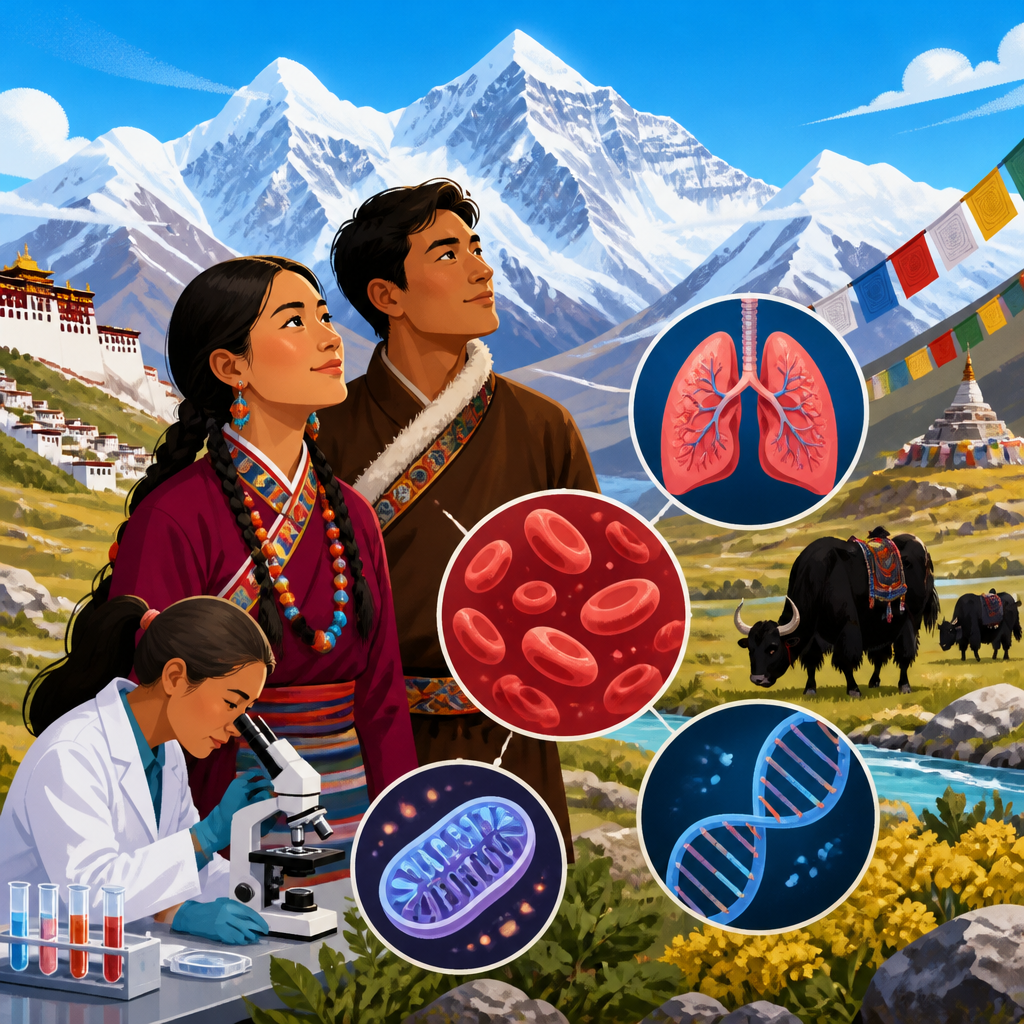
Science explains physiology, but culture explains survival. High-altitude communities have long paired biological adaptation with food systems and social practices that fit mountain life. In the Andes, potatoes, quinoa, maize, and cuy have historically supported labor in cold, dry environments. In the Himalaya, barley, buckwheat, potatoes, yak dairy, lentils, and butter tea reflect both ecology and energy needs. Ethiopian highlands rely on grains such as teff, along with legumes and communal eating patterns that support physically active lives.
These traditions matter because they solve practical nutritional problems. Carbohydrate-rich staples support daily work under oxygen-limited conditions. Fermented or preserved foods improve storage in remote places. Warm drinks encourage fluid intake when cold suppresses thirst. Social meal timing helps ensure people eat before and after labor. In my experience, visitors often focus on supplements while overlooking how effective local food patterns can be. A bowl of dal bhat for a trekker is not just cultural tourism; it is a sensible altitude meal because it offers starch, legumes, salt, fluid, and repeatable portions.
Modernization complicates this picture. Processed snack foods are now common in many mountain towns, and tourism can shift diets toward convenience calories that are dense but nutritionally thin. At the same time, roads, imported produce, solar refrigeration, and better health services can improve dietary variety. The hub topic of science and culture matters here because altitude is never purely biological. Energy balance in highland communities is shaped by economics, migration, seasonality, religion, work patterns, and the pressures of climate change on crops and water systems.
What this means for travelers, athletes, and workers
If you are planning time at altitude, assume your calorie needs may rise and your appetite may fall. Start with a slower ascent, especially above 2,500 meters. Build meals around carbohydrates for active hours, add protein consistently, and use fats to increase total energy intake when tolerated. Drink regularly, favor warm fluids in cold weather, and carry foods you will reliably eat even when tired. Good options include rice dishes, oats, potatoes, broth-based soups, fruit, trail mix, bars, tortillas, and simple sandwiches. For long days, small frequent snacks usually work better than waiting for a huge dinner.
For athletes, altitude training requires tighter monitoring than sea-level training. Track morning body weight, perceived exertion, sleep quality, and training pace. Unexpected weight loss, stubborn fatigue, or declining mood often signals inadequate energy intake. For guides, porters, military personnel, and manual workers, the stakes are operational as well as personal. Underfueling reduces decision quality, coordination, and cold tolerance. In high-risk terrain, that is a safety issue, not just a nutrition issue.
So, do people burn more calories at altitude? Usually yes, especially during the first days, during strenuous activity, in cold conditions, and at higher elevations. The exact increase depends on the environment and the person, but the pattern is reliable enough to plan around. Respect the physiology, learn from high-altitude food cultures, and match intake to real workload rather than guesswork. If you are heading uphill, prepare your nutrition as carefully as your gear, and use this science-and-culture hub as your starting point for deeper reading on mountain health, adaptation, and community life.
Frequently Asked Questions
Do people really burn more calories at altitude?
Yes, most people do burn more calories at altitude, but the size of the increase depends on the situation. At higher elevations, the air contains less available oxygen because the partial pressure of oxygen drops. Your body responds by working harder to deliver oxygen to tissues, which can raise breathing rate, heart rate, and overall energy expenditure. That means total daily calorie burn often increases, especially during the first several days after arriving at altitude.
That said, altitude does not create a huge, automatic calorie-burning effect for every person in every setting. A short stay at a modest elevation may only have a small impact, while a long stay at high altitude combined with hiking, skiing, climbing, or cold exposure can meaningfully increase calorie needs. It is also important to separate resting metabolism from activity-related calorie burn. Some of the increase comes from the body’s stress response and the extra work of breathing, but a large part often comes from the fact that physical activity feels harder in thinner air. So the honest answer is yes, usually, but not by the same amount for everyone.
At what elevation does altitude start affecting calorie burn?
In practical terms, altitude usually starts to matter somewhere around 1,500 to 2,500 meters, or roughly 5,000 to 8,200 feet, although the effects vary by person. Many mountain medicine and endurance experts use this general range because it is high enough for the lower oxygen pressure to begin changing physiology in noticeable ways. For some people, especially those who are sensitive to altitude, appetite, sleep, and exercise performance may shift even at the lower end of that range. More obvious effects tend to appear above about 2,500 meters, or 8,200 feet.
As elevation rises, calorie burn can increase for several reasons. First, the body often spends more energy adapting to lower oxygen availability. Second, everyday movement and structured exercise become more taxing. Third, cold, wind, and dry air common in mountain environments may indirectly increase energy needs. However, elevation alone does not tell the whole story. Two people at the same altitude may have very different calorie demands depending on how fit they are, how fast they ascended, whether they are resting or training, and whether they have had time to acclimatize. In other words, elevation sets the stage, but behavior and adaptation determine how much calorie expenditure actually changes.
Why does the body burn more calories at altitude?
The body can burn more calories at altitude because it has to cope with a lower-oxygen environment. One of the first changes is an increase in ventilation, meaning you breathe faster and often deeper to bring in more oxygen. Breathing itself requires muscular work, so that can raise energy expenditure. Heart rate may also increase, especially during the early phase of exposure, because the cardiovascular system is trying to maintain oxygen delivery to muscles and organs. Together, these adjustments can slightly raise resting energy use.
Another major reason is that physical activity becomes less efficient and feels harder. Walking uphill, carrying a pack, skiing, or running at altitude can require greater perceived effort at a given pace than at sea level. Even if the movement looks the same, the physiological strain is often higher. In mountain settings, people may also face cold temperatures, uneven terrain, heavy gear, dehydration risk, and poor sleep, all of which can influence total daily energy expenditure. On top of that, the body is spending energy on acclimatization processes, including fluid balance changes and longer-term adjustments related to oxygen transport. So the rise in calorie burn is not caused by one single mechanism. It is the combined effect of harder breathing, higher physiological stress, more demanding movement, and environmental conditions.
Does altitude increase resting metabolism, or only exercise calorie burn?
Altitude can affect both, but the changes are usually more noticeable in total daily energy expenditure and exercise-related calorie burn than in resting metabolism alone. In the first few days at altitude, resting metabolic rate may rise somewhat because the body is under stress, breathing work increases, and adaptation processes are underway. This is especially true at higher elevations or when a person ascends quickly without much acclimatization time. The effect is often strongest early on, when altitude is still a major physiological challenge.
Exercise calorie burn, however, is often where people notice the biggest practical difference. Movement at altitude can feel much harder because less oxygen is available for working muscles. Even moderate activities such as hiking, climbing stairs, or carrying equipment may require more effort than they would at sea level. In real life, this means many people burn more calories not just because their resting systems are slightly more active, but because their daily tasks and workouts become more demanding. Once acclimatization improves, some of the initial metabolic stress may lessen, but activity at altitude can still remain energetically costly depending on the terrain, pace, and weather.
Can people lose weight at altitude because they burn more calories?
Yes, weight loss is common at altitude, but it does not happen for one simple reason. Higher calorie burn is part of the picture, but appetite changes are also very important. Many people naturally eat less at altitude, especially during the first several days or at higher elevations. Reduced hunger, mild nausea, disrupted sleep, dehydration, and fatigue can all lower food intake. If calorie expenditure goes up while calorie intake goes down, a calorie deficit develops, which can lead to weight loss.
Still, that does not mean altitude is a reliable or healthy weight-loss strategy by itself. Some of the early weight change can come from fluid shifts rather than true body fat loss. In addition, strenuous activity in the mountains can increase energy needs dramatically, and failing to eat enough may hurt performance, recovery, immune function, and acclimatization. At very high elevations or during extended expeditions, unintended weight loss can become significant and may include loss of muscle mass as well as fat. So while people often do lose weight at altitude, the reason is usually a combination of increased calorie burn, reduced appetite, environmental stress, and high activity levels rather than a magic effect of altitude alone.