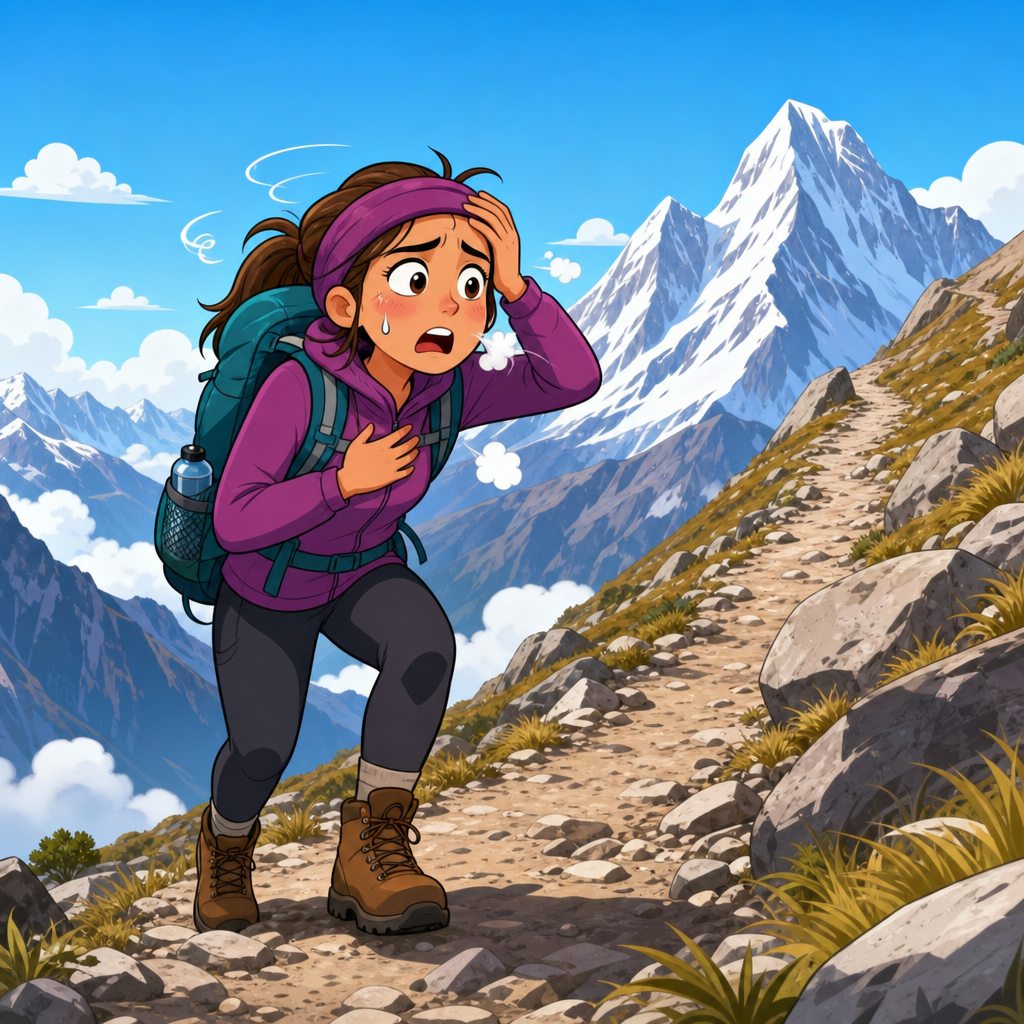
Hiking at altitude when you are not acclimated demands a different strategy than a sea-level day hike, because your body is working with less available oxygen from the moment you start climbing. In practical terms, altitude usually begins to affect performance above about 5,000 to 6,000 feet, with more noticeable strain above 8,000 feet and substantially higher risk above 10,000 feet. “Not acclimated” means you have not spent enough recent time at elevation for your breathing, circulation, and fluid balance to adjust. I have guided and planned trips for hikers who were fit, prepared, and still surprised by how hard an easy trail felt at 9,500 feet. That mismatch between fitness and altitude is why hiking strategy matters. A smart high-altitude hiking plan covers pacing, hydration, food, gear, route choice, symptom awareness, and turnaround decisions. It also connects to broader hiking strategy topics such as training progression, load management, navigation, weather timing, and recovery. If you understand how altitude changes effort, risk, and decision-making, you can hike more safely, perform more consistently, and make better choices before, during, and after the trail.
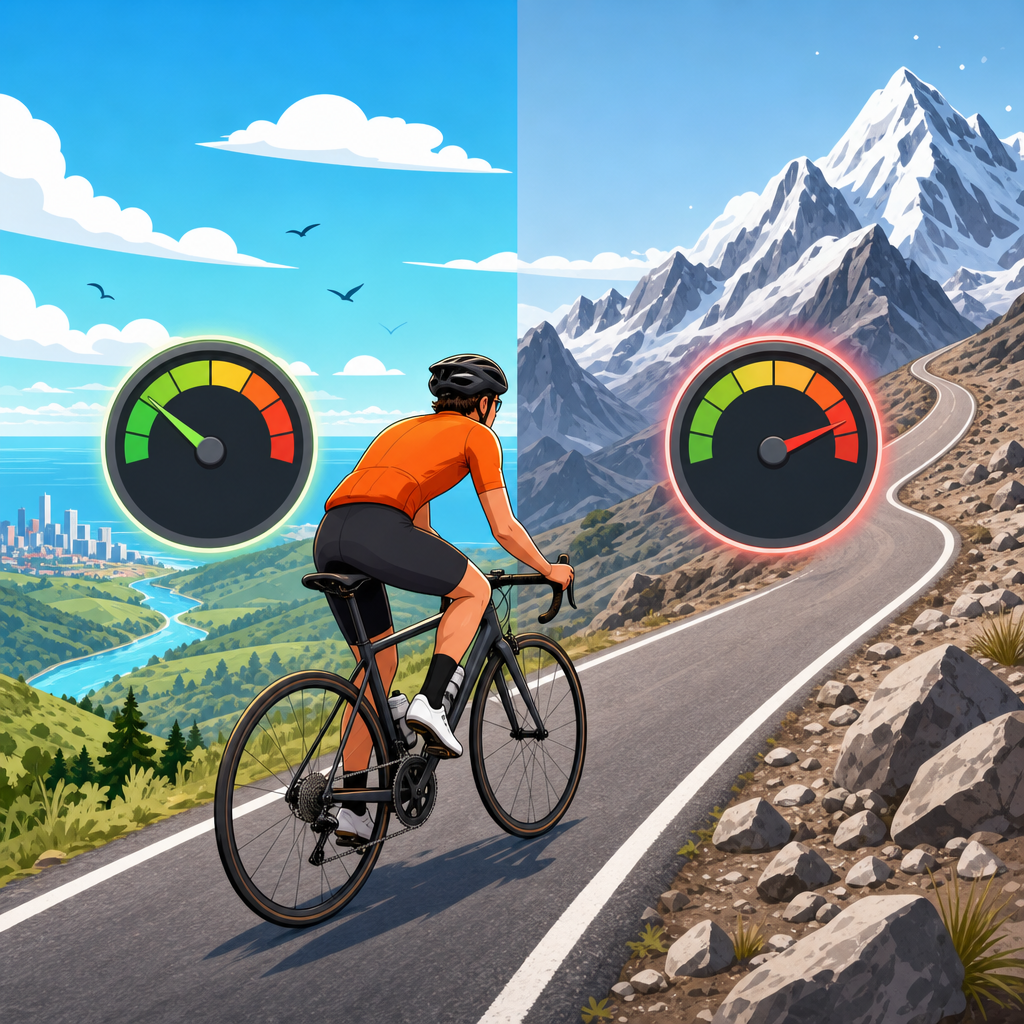
The core issue is simple: the percentage of oxygen in the air stays roughly the same, but air pressure drops as elevation rises, so each breath delivers less oxygen to your bloodstream. Your body compensates by breathing faster, increasing heart rate, shifting fluid balance, and over time producing changes that improve oxygen delivery. Those adaptations do not happen in a few hours. That is why a strong runner at sea level may struggle on a moderate incline in Colorado or the Alps, while a less fit but acclimated local moves steadily and comfortably. Good strategy turns that reality into a workable plan. This hub article explains what changes at altitude, how to pace and fuel effectively, how to choose routes and timing, what warning signs require descent, and how to build a complete decision framework for future hikes in the Fitness, Hiking & Performance topic.
What altitude does to your body and your hiking performance
Altitude reduces aerobic capacity. A useful field expectation is that once you are well above moderate elevation, your sustainable pace slows, your breathing rate rises, and your recovery between bursts takes longer. The American College of Sports Medicine and wilderness medicine guidance both support the basic principle that maximal oxygen uptake declines with elevation. On the trail, that means steeper perceived exertion for the same output. A backpack that feels normal at 2,000 feet can feel heavy at 10,000. Short climbs require micro-pauses. Conversation becomes harder. Sleep may be worse, which then further affects decision-making and effort tolerance the next day.
Altitude also increases dehydration risk, though not always because of obvious sweating. The air is usually drier, and increased ventilation means more respiratory water loss. Many hikers underdrink in cool mountain conditions because they do not feel hot. In my experience, that pattern is one of the main reasons hikers develop headaches that they mistake for altitude alone. The other physiological factor is appetite suppression. Some people simply do not want to eat at elevation, yet they burn through glycogen quickly when every climb costs more. Performance drops fast when low calorie intake, dehydration, and altitude stress stack together.
Not every bad day at altitude is altitude illness, but altitude illness is real and must be taken seriously. Acute mountain sickness commonly presents with headache plus symptoms such as nausea, fatigue, dizziness, or poor sleep after ascent. More serious conditions include high-altitude cerebral edema and high-altitude pulmonary edema, both of which require immediate descent and urgent medical evaluation. The practical takeaway is that slower pace, heavier breathing, and reduced power are normal; progressive neurological symptoms, severe shortness of breath at rest, wet cough, or worsening headache despite rest are not normal.
Pre-hike planning when you cannot acclimate in advance
If you cannot spend several days at altitude before hiking, your best defense is conservative planning. Start by choosing an objective that leaves margin. A trail with moderate gain, simple navigation, and multiple bailout points is a better first-day choice than a summit with long exposure, unstable weather windows, or a mandatory final push above tree line. This is where hiking strategy begins long before boots hit dirt. A lower-risk route allows you to test your response to elevation without committing to terrain that punishes slow movement.
Build your itinerary around sleep elevation and total ascent. If you are traveling from sea level, sleeping one night at an intermediate elevation often helps, even if it does not fully acclimate you. Many hikers make the mistake of driving from an airport to a high trailhead, sleeping poorly in the car, and starting before dawn already behind on hydration and recovery. A hotel or campsite at a lower town elevation can be the smarter call. You may start the hike slightly lower or drive farther in the morning, but better sleep often pays back more than the convenience of a higher trailhead bivy.
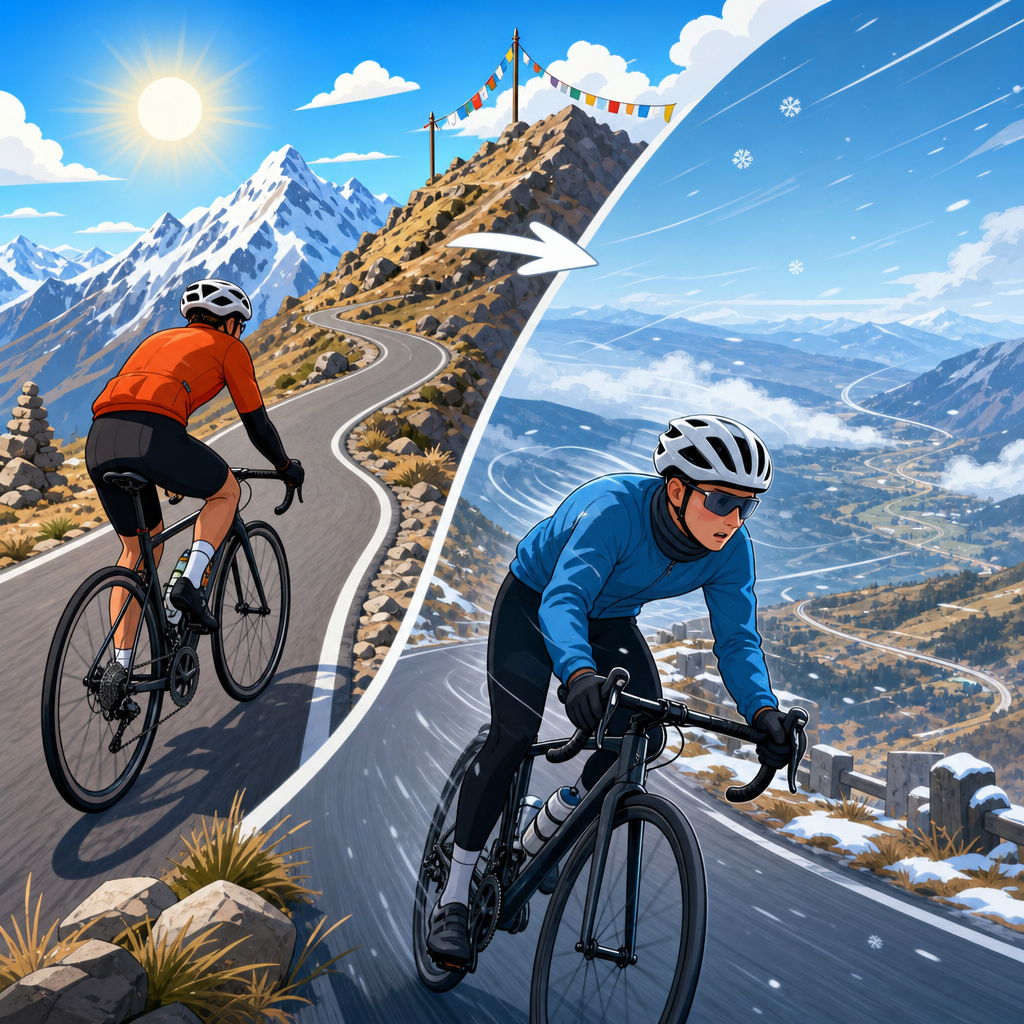
Weather and timing matter more at altitude because inefficiency compounds. Afternoon thunderstorms, cold wind, and solar exposure all intensify when you are moving slower than expected. Plan a strict turnaround time based on pace at elevation, not pace at home. If your sea-level uphill average is 1,500 vertical feet per hour on training hills, do not assume that rate at 11,000 feet. Use a cautious estimate, watch your actual moving speed in the first hour, and revise immediately if needed. Apps such as Gaia GPS, CalTopo, and FATMAP-style 3D route tools help visualize grade, exposure, and exit options before the hike.
| Planning factor | Conservative choice when not acclimated | Why it works |
|---|---|---|
| Sleep elevation | Sleep lower than the trail high point if possible | Usually improves sleep quality and reduces stress load before hiking |
| Route difficulty | Moderate distance, moderate gain, easy navigation | Preserves margin if pace slows or symptoms appear |
| Start time | Early start with fixed turnaround time | Avoids storms and prevents late descents when fatigue peaks |
| Pack weight | Carry only essential layers, water, food, and safety gear | Reduces oxygen cost and leg fatigue on climbs |
| Group management | Set pace by slowest hiker, agree on symptoms and descent rules | Improves safety and prevents pride-driven decisions |
Pacing, effort control, and movement strategy on the trail
The best pacing rule at altitude is to start slower than you think necessary. Nearly every unacclimated hiker I have seen struggle made the same first mistake: they hiked the first 20 to 40 minutes at low-elevation effort, then paid for it with a long recovery hole. At altitude, intensity spikes are expensive. The right pace feels almost too easy early on. You should be able to speak in short sentences, breathe rhythmically, and avoid leg burn on the first major climb. If you need to surge to keep up, the group pace is wrong.
Use short, consistent steps on steep grades. Rest stepping, pressure breathing, and micro-breaks are efficient techniques, not signs of weakness. Rest stepping means briefly locking the rear leg on each step to reduce muscular demand during long ascents. Pressure breathing means forcefully exhaling to support oxygen exchange and maintain rhythm. These are standard mountain travel techniques because they work. Trekking poles also help by improving balance, distributing load, and smoothing cadence, especially when fatigue affects foot placement.
Heart rate can be informative, but perceived exertion is often more reliable because altitude, caffeine, poor sleep, and cold all alter heart-rate response. A chest strap paired with a Garmin, Coros, Polar, or Suunto watch can help you avoid overcooking the start, yet you still need to listen to breathing and symptom changes. If your effort feels unusually high for the terrain, slow down immediately. High-altitude pacing is not about proving fitness. It is about staying below the point where recovery becomes difficult and decision quality declines.
Hydration, fueling, and pack management for high-altitude hikes
Hydration at altitude is about consistency, not forced overdrinking. Drink regularly enough that urine stays light straw colored and your mouth does not stay dry for long periods. Electrolytes can help on long, sweaty, or hot days, but they do not prevent altitude illness by themselves. What they do prevent is the compounding effect of sodium loss and poor fluid intake. On guided and self-supported trips alike, I prefer simple systems hikers will actually use: bottles where you can see intake, or a bladder with scheduled drink reminders every 15 to 20 minutes.
Fuel early because appetite often falls later. Start with a substantial breakfast containing carbohydrates and some protein, then eat within the first hour of hiking. Easy options include bananas, bagels, rice bars, fig bars, trail mix, gels, chews, or tortillas with nut butter. The exact food matters less than the habit of frequent intake. A common failure pattern is waiting until you feel weak, then trying to fix the problem with one large snack. At altitude, small regular doses work better. For most day hikes, eating every 30 to 45 minutes is a practical target.
Pack weight is strategy, not just comfort. Every unnecessary pound increases energy cost. That does not mean cutting essential layers or emergency gear; it means bringing purpose-built items and leaving duplicates at the car. A compact shell, insulating layer, headlamp, map, battery, first-aid basics, sun protection, water treatment, and extra food are justified. Heavy camera gear, bulky cotton layers, and “just in case” extras that add several pounds often are not. The best high-altitude day pack is the lightest pack that still covers realistic hazards for the route and season.
Recognizing symptoms, making decisions, and knowing when to descend
Good hiking strategy at altitude depends on honest symptom assessment. Mild headache, reduced appetite, and slower pace can occur without requiring an emergency response, but they do require caution. If symptoms stabilize with rest, hydration, food, and a slower pace, you may continue conservatively. If symptoms worsen as you gain elevation, descent is the correct decision. The phrase I use with groups is simple: no summit is worth negotiating with your brain or lungs. When the body is sending clear warning signs, the strategy is not toughness; it is turning around early enough to make descent easy.
Headache with nausea, unusual fatigue, dizziness, or poor coordination is especially concerning. Severe shortness of breath at rest, chest tightness, crackling or wet cough, confusion, ataxia, and behavior changes are major red flags. These signs point toward serious altitude illness and demand immediate descent, additional support, and prompt medical care. Supplemental oxygen and medications such as acetazolamide or dexamethasone have specific roles, but they are not substitutes for descending when serious symptoms appear. On nontechnical hiking routes, descent is the primary treatment and should not be delayed.
Group dynamics can make decision-making harder. Strong hikers may minimize symptoms to avoid slowing others. New hikers may stay silent because they do not want to be the reason the plan changes. Set expectations before the trail starts: anyone can call for a stop, report symptoms without judgment, and trigger a descent discussion. That pre-agreed rule prevents avoidable incidents. In mountain environments, the quality of decisions usually matters more than the quality of ambition.
How this hub connects to the rest of hiking strategy
Altitude strategy is one part of a larger system for hiking performance. Route selection links directly to navigation skills, terrain assessment, and weather planning. Pacing at altitude connects to aerobic training, leg strength, and pack conditioning. Hydration and fueling tie into broader endurance nutrition habits. Recovery after a high-altitude hike influences what you can safely do the next day. If this page is your starting point, the next layers of the subtopic should include uphill training, downhill durability, blister prevention, trekking pole technique, backpack fit, heat versus cold strategy, and mountain weather timing. Those topics do not replace altitude knowledge; they support it.
The most effective hikers treat strategy as a repeatable process. They review forecast data, map grade, distance, water sources, and bailout points. They match the route to current fitness, recent sleep, travel fatigue, and altitude exposure. They pack for expected conditions plus plausible surprises. Then they execute with discipline: easy start, steady fueling, symptom checks, and a firm turnaround rule. This approach works whether you are attempting a first 10,000-foot lake hike, a long alpine traverse, or a family trip to a national park viewpoint trail.
Hiking at altitude when you are not acclimated is manageable when you respect the physiological limits and plan around them. The essential ideas are straightforward: expect slower performance, control effort early, hydrate and eat consistently, carry a lean but complete kit, and choose routes with margin. Most important, know the difference between normal altitude discomfort and symptoms that require descent. Fit hikers get into trouble when they assume motivation can replace acclimation; experienced hikers stay safer by making conservative choices before problems start.
As a hub within Fitness, Hiking & Performance, this topic should shape how you approach every mountain day. Altitude is not only a medical issue or a conditioning issue. It is a full hiking strategy issue that affects route choice, pacing, weather exposure, group management, and recovery. When you build those pieces into one system, high-elevation hikes become more predictable, more enjoyable, and far less likely to turn into a sufferfest or a rescue. Use this article as your baseline framework, then apply it to each trip with the same discipline you would bring to navigation or storm planning.
Before your next high-altitude hike, review your route, set a conservative pace plan, define your turnaround time, and talk through symptom rules with your group. That one planning session can make the difference between merely reaching altitude and hiking well at altitude.
Frequently Asked Questions
What happens to your body when you hike at altitude without being acclimated?
When you hike at altitude without being acclimated, the main issue is that there is less available oxygen for your body to use with each breath. Even though the percentage of oxygen in the air stays the same, the air pressure drops as elevation increases, which makes it harder for oxygen to move into your bloodstream efficiently. As a result, your breathing rate rises, your heart works harder, and activities that feel easy at sea level can suddenly feel surprisingly demanding. Many hikers first notice this as shortness of breath on mild inclines, an unusually high heart rate, early leg fatigue, and a need to stop more often than expected.
Altitude can start to affect performance around 5,000 to 6,000 feet, becomes more noticeable above 8,000 feet, and deserves much more caution above 10,000 feet. If you have not spent recent time at elevation, your body has not yet made the short-term adjustments that help you function better there, such as increased ventilation and changes in fluid balance. That means you are more likely to feel slower, less coordinated, more tired, and more vulnerable to dehydration and overexertion. In some cases, lack of acclimatization also increases the risk of altitude illness, including acute mountain sickness, which can begin with headache, nausea, dizziness, unusual fatigue, poor sleep, or loss of appetite.
The most important practical takeaway is that altitude changes the effort equation. You may be fit, experienced, and well prepared for the terrain, but elevation can still reduce your pace and endurance. The smart response is not to “push through” as if nothing is different. It is to adjust expectations, climb more gradually, monitor symptoms honestly, and make decisions based on how your body is responding in real time.
How can you hike safely at altitude if you arrived from sea level and have not had time to acclimate?
If you are coming from sea level and do not have time to acclimate fully, the safest strategy is to reduce intensity, gain elevation conservatively, and treat the hike as more strenuous than the mileage alone might suggest. Start slower than you think you need to. A pace that feels almost too easy at the trailhead is often the right pace later in the climb. Build in frequent short breaks, keep your breathing under control, and avoid racing the clock or trying to match the pace of acclimated companions. The goal is steady movement with minimal strain, not speed.
Route selection matters a great deal. If possible, choose a shorter hike, lower summit, or route with moderate elevation gain rather than a long, steep objective on your first day at altitude. Sleeping at a lower elevation than your highest hiking point can also help reduce stress on your body. Hydration is important, but it should be sensible rather than excessive. Dry mountain air, increased breathing, and exertion can make you lose fluids quickly, so drink regularly and eat consistently. Carbohydrate-rich snacks are especially useful because they are easy to use for energy during sustained aerobic effort.
It is also wise to limit other stressors that can make altitude feel worse. Alcohol, poor sleep, dehydration, and overly hard exercise during the first 24 hours at elevation can all amplify symptoms. Pay attention to warning signs early rather than later. If you develop a persistent headache, nausea, dizziness, unusual weakness, confusion, or worsening shortness of breath at rest, stop ascending. If symptoms do not improve, descend. Hiking safely while not acclimated is less about toughness and more about disciplined pacing, conservative planning, and the willingness to turn around before minor symptoms become major problems.
What are the early signs of altitude sickness, and when should you turn around?
The early signs of altitude sickness, especially acute mountain sickness, often resemble a combination of dehydration, exertion, and a mild flu-like feeling. The classic first symptom is a headache that develops after gaining elevation, particularly if it is accompanied by nausea, loss of appetite, dizziness, unusual fatigue, or poor balance. Some hikers also notice that they feel weak, mentally foggy, or unable to recover normally during rest stops. These symptoms are especially concerning if they worsen as you continue climbing rather than stabilizing.
A useful rule is this: mild breathlessness with exertion is common at altitude, but feeling progressively worse overall is not something to ignore. If you have a headache plus one or more additional symptoms of altitude illness, you should stop ascending and reassess. Rest, hydrate, eat if you can, and see whether symptoms improve. If they persist, intensify, or return as soon as you continue upward, the prudent choice is to turn around. Continuing higher with active symptoms is one of the most common mistakes hikers make when they are not acclimated.
You should descend immediately and seek help if you notice red-flag symptoms such as confusion, inability to walk normally, severe lethargy, chest tightness, persistent vomiting, or shortness of breath that seems disproportionate to effort or occurs even at rest. Those signs may indicate a more serious altitude-related emergency and should not be treated as something you can simply “tough out.” Turning around is not failure in this context. It is the correct safety decision, and it often prevents a manageable problem from becoming a dangerous one.
How should you adjust your pace, hydration, and nutrition for high-elevation hiking?
At altitude, pacing is your first and most effective tool. The body does better with a smooth, sustainable effort than with repeated bursts of hard climbing. Use a conversational pace whenever possible, especially early in the hike. If you are breathing so hard that you cannot speak comfortably, you are probably moving too fast for your current level of acclimatization. On steep sections, shorten your stride, slow your cadence, and resist the temptation to surge. Many hikers who struggle at altitude are not underprepared in general; they simply begin the day too aggressively and pay for it later.
Hydration deserves attention because altitude and dry air can increase fluid losses, but more is not always better. Drink regularly based on thirst, temperature, exertion, and how much you are sweating. Clear or very pale urine is not the only goal; what matters is staying consistently hydrated without overdoing it. Include electrolytes during long or hot hikes, especially if you are drinking heavily or sweating a lot. Dehydration can make altitude symptoms feel worse, but excessive water intake without enough sodium can create its own problems.
Nutrition is equally important because altitude often suppresses appetite even while your body is working harder. Eat small amounts frequently rather than waiting until you feel drained. Carbohydrate-focused foods such as fruit, bars, sandwiches, crackers, dried fruit, or energy chews are often easier to tolerate and can provide steady fuel for climbing. If you know altitude tends to upset your stomach, choose familiar, simple foods and avoid heavy, greasy meals before the hike. In practical terms, your best altitude strategy is steady pacing, regular drinking, and consistent fueling before fatigue becomes significant. Once you are depleted at elevation, it is harder to recover quickly.
Can you improve your chances of doing well at altitude if you only have a day or two to prepare?
Yes, even a short preparation window can help, although it will not replace true acclimatization. If you have one or two days before a big hike, the best approach is to reduce total strain on your body and expose yourself to elevation gradually if possible. Spend a night or two at a moderate elevation before going higher, and avoid stacking a hard travel day, poor sleep, alcohol, and a strenuous summit attempt back to back. Simple choices such as resting well, eating normally, hydrating sensibly, and starting the hike well recovered can make a noticeable difference in how you feel.
If your itinerary allows it, do a short, easy hike or walk at elevation before your main objective. This does not fully acclimate you, but it gives you useful information about how your body is responding and helps you set a realistic pace. It is also smart to plan conservative turnaround times, choose a route with an obvious descent option, and let someone know your itinerary. If you are especially sensitive to altitude or have had previous problems, talk with a medical professional before the trip about whether preventive medication may be appropriate for you.
Just as important is mindset. The hikers who fare best at altitude without much acclimatization are usually the ones who remain flexible. They are willing to shorten the route, stop earlier, or change plans entirely if symptoms appear. Preparation is not only about gear and fitness; it is also about making room for the fact that altitude can be unpredictable. If you approach the hike with humility, conservative judgment, and a clear descent-first mentality, you significantly improve your odds of having a safe and enjoyable day in the mountains.