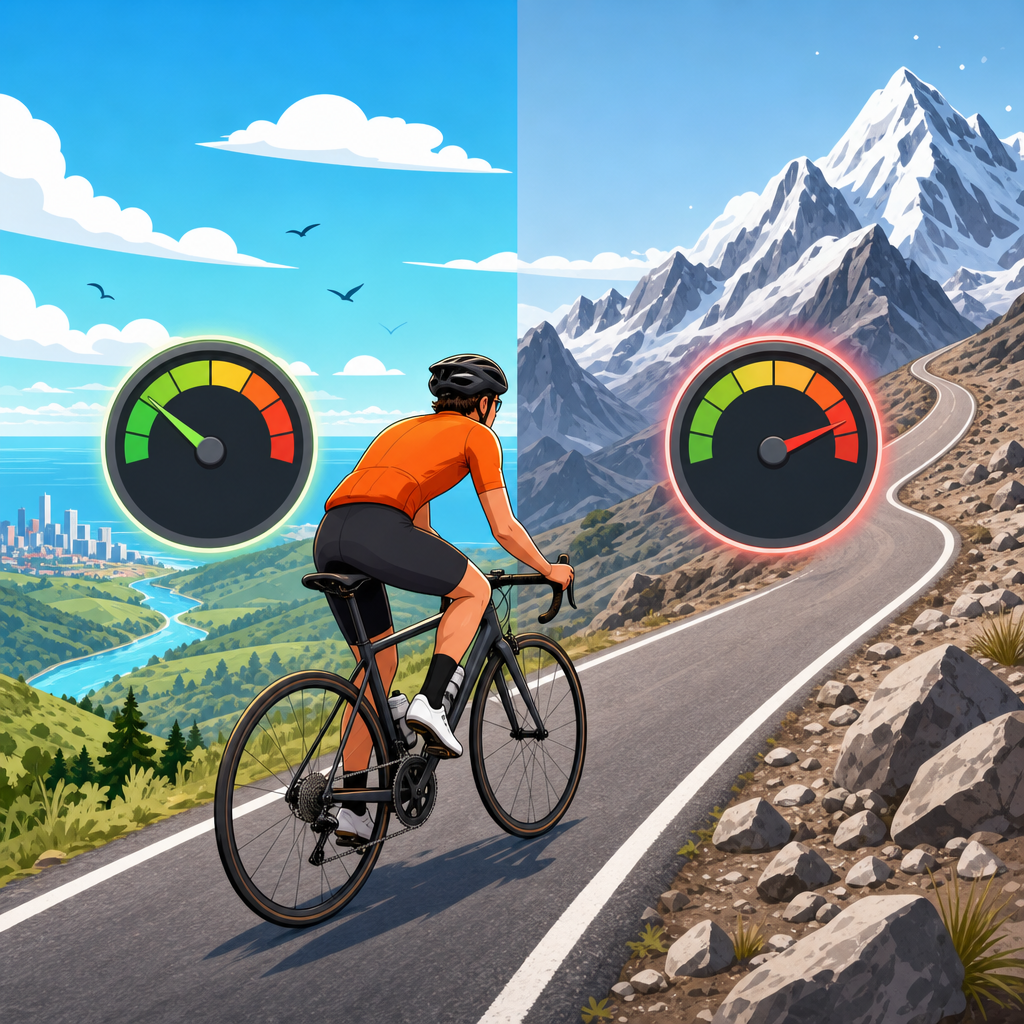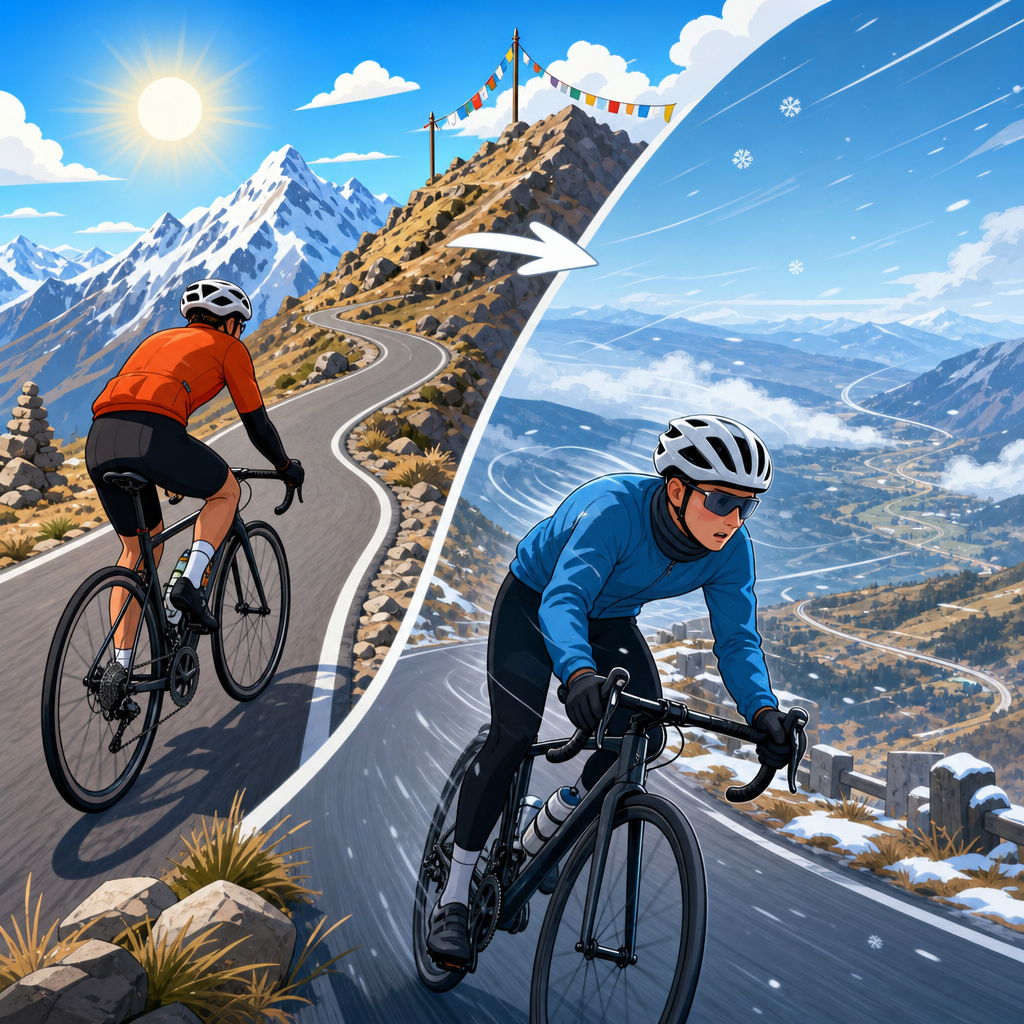
Altitude changes how athletes eat, feel, and perform, and appetite disruption is one of the least appreciated reasons training camps, mountain races, and summit pushes go sideways. In practical terms, appetite changes at altitude mean reduced hunger, earlier fullness, altered taste, nausea, food aversion, and irregular meal timing that lower total energy intake right when the body needs more fuel. I have seen this pattern repeatedly with runners, climbers, and trekking clients who arrived fit and motivated but lost performance within days because they simply stopped eating enough. The problem matters because high elevation raises the cost of movement, increases respiratory work, shifts fluid balance, and often adds cold, sleep disruption, travel fatigue, and gastrointestinal stress. Together, those factors can create a calorie deficit large enough to impair pace, recovery, judgment, and resilience.
For athletes, altitude generally refers to elevations above about 1,500 meters, with more noticeable physiological strain often appearing beyond 2,000 to 2,500 meters. As elevation rises, barometric pressure falls, which reduces the partial pressure of oxygen. Less available oxygen means the body must work harder to deliver oxygen to muscle and brain. Acute responses include faster breathing, elevated heart rate, greater carbohydrate reliance at a given workload, and a common reduction in appetite. Researchers studying trekkers, soldiers, and endurance athletes have consistently found that voluntary energy intake often drops while energy expenditure rises. That mismatch is the core performance threat. If you want a hub-level performance strategy for altitude, you must understand appetite as a primary limiter, not a side issue.
This article explains why appetite changes can wreck athletic performance at altitude, how those changes show up in training and competition, and what to do about them. It covers the mechanisms behind reduced hunger, the direct effects on endurance, strength, recovery, and decision-making, the warning signs coaches and athletes should track, and the practical nutrition systems that work in the field. Treat it as a foundational guide for altitude fueling strategy. Whether you are planning a mountain ultra, a climbing expedition, a ski traverse, or a high-country training block, the goal is the same: protect intake early, match fuel to effort, and prevent appetite loss from becoming a cascading performance failure.
Why altitude suppresses appetite in the first place
Altitude suppresses appetite through a mix of hormonal, respiratory, gastrointestinal, and behavioral mechanisms. The most direct driver is hypoxia, the state of reduced oxygen availability. Hypoxia appears to alter appetite-regulating hormones, including increasing leptin in some settings and reducing the normal drive to eat. At the same time, harder breathing and elevated sympathetic nervous system activity can blunt hunger. When athletes say, “I just never felt like eating up there,” that is usually a real physiological response, not poor discipline.
In the field, the suppression gets amplified by context. Dry air increases fluid loss through ventilation, and mild dehydration can look like reduced hunger. Altitude also slows gastric emptying for some people, leading to bloating, fullness, and nausea, especially during the first days after ascent. Add poor sleep, headache, anxiety, motion from travel, cold-induced food handling difficulties, and unappealing lodge or camp meals, and intake falls quickly. During expeditions, I have often seen athletes consume mostly tea, soup, and snack foods for 48 hours, then wonder why their legs feel empty on day three.
There is also a workload paradox. Training or climbing at altitude often feels harder, yet athletes may avoid eating because intense exercise itself suppresses appetite in the short term. This creates a dangerous loop: hard effort reduces the desire to eat, but hard effort at altitude increases carbohydrate need. If no deliberate fueling plan interrupts that loop, glycogen declines, recovery worsens, and each session becomes harder than it should be.
How low energy intake translates into lost performance
The simplest answer is that low intake at altitude reduces available energy, and low available energy degrades nearly every performance marker that matters. Endurance suffers first. Because oxygen delivery is limited, athletes rely heavily on carbohydrate for moderate to hard work, yet appetite loss often causes the exact opposite of what physiology requires: reduced carbohydrate intake. When glycogen stores run low, pace drops, perceived effort rises, and athletes struggle to hold intensity on climbs, intervals, or long summit days.
Strength and power also decline. Even in sports that look primarily technical, such as climbing or ski mountaineering, repeated high-force efforts depend on adequate energy and recovery. A climber who undereats at altitude may notice weaker grip endurance, shakier foot placements, and slower movement through crux sections. A trail runner may still complete the route but lose the ability to surge, descend efficiently, or respond to terrain changes. These are not marginal losses; they can decide race outcomes and safety margins.
Recovery impairment is often the hidden cost. At altitude, sleep quality commonly falls, overnight oxygen saturation drops, and stress hormone activity can stay elevated. If calorie and protein intake are also low, muscle repair slows and soreness lingers. Illness risk rises, especially on longer camps where underfueling, cold stress, and poor hygiene overlap. In practical coaching terms, the athlete cannot absorb training. They may show up every day, but the block stops producing adaptation and starts producing fatigue.
Cognitive performance matters just as much. Undereating at altitude can worsen irritability, indecision, and poor pacing judgment. On technical terrain, slower thinking has real consequences. I have watched experienced mountain athletes miss simple navigation cues and make bad clothing or hydration choices because they were hypoxic, tired, and underfueled at the same time. Performance strategy at altitude must therefore include appetite protection as part of both physical and decision-making readiness.
Which athletes are most vulnerable and when problems usually start
Not everyone experiences altitude appetite loss the same way. Rapid ascenders are most vulnerable, especially athletes traveling from sea level to more than 2,500 meters in a day or two. Endurance athletes doing high training volumes are another high-risk group because their energy needs can exceed what feels comfortable to eat. Smaller athletes, those with historically low energy availability, and anyone with a sensitive stomach often struggle early. So do climbers and hikers who rely on dehydrated foods, because monotony and texture fatigue reduce intake over successive days.
The timing is predictable enough to plan around. Many athletes feel the greatest appetite suppression in the first twenty-four to seventy-two hours after ascent. During that window, they may also have headache, sleep disruption, and mild nausea. If they continue hard sessions without adjusting intake strategy, deficits accumulate fast. On longer stays, appetite may partially recover, but not always enough to match expenditure, especially during back-to-back long efforts. Cold environments can mask the issue because athletes assume they are eating adequately when they are really taking in lots of warm fluids and too little actual energy.
Female athletes deserve special attention because chronic underfueling can interact with hormonal health, bone stress risk, and iron status. That does not mean women are uniquely incapable of performing at altitude; it means coaches should monitor energy availability with the same seriousness they monitor pace or oxygen saturation. Younger athletes and masters athletes also benefit from tighter supervision, as the former may ignore symptoms and the latter may feel dehydration or fatigue more quickly.
What a smart altitude fueling strategy looks like
The best altitude fueling strategy starts before arrival. Athletes should begin with full glycogen stores, solid hydration, and a realistic plan for the first three days. Front-loading the environment matters too: pack foods that are familiar, energy-dense, portable, and easy to chew when breathing hard. In my own altitude planning, I prioritize simple carbohydrates, salty snacks, drinkable calories, and backup options for nausea. Waiting to “see what sounds good” is rarely enough.
Once at altitude, the key is to replace intuitive eating with scheduled eating. If hunger cues are unreliable, use the clock. Aim for regular small feedings rather than a few large meals, because early fullness is common. Carbohydrate should anchor the plan during and around training, while protein should be distributed across the day to support muscle repair. Fluids should include sodium, particularly during long efforts in dry air, but athletes should avoid filling up on plain water and accidentally displacing calories.
| Performance problem | Common altitude cause | Practical nutrition response |
|---|---|---|
| No hunger at breakfast | Poor sleep, headache, mild nausea | Use liquid calories first: smoothie, milk drink, sports drink, yogurt, oats |
| Energy crash on climbs | Low glycogen, underfueling during effort | Take 30 to 60 grams of carbohydrate per hour, more if gut tolerance allows |
| Bloating or early fullness | Slower gastric comfort, large meals | Shift to smaller feedings every 2 to 3 hours |
| Weight dropping fast | Energy expenditure exceeds intake | Add dense snacks like nut butter, bars, dried fruit, cheese, tortillas |
| Weak recovery between sessions | Low total calories and protein | Eat a carb-protein recovery meal within 60 minutes after training |
Food selection should reflect altitude realities. Dry, crumbly, or highly fibrous foods are often hard to eat when breathing is labored. Soft foods, soups with added starch, rice bowls, mashed potatoes, ramen with eggs, tortillas, porridge, bananas, gels, chews, and recovery shakes usually work better. On expedition-style trips, variety is critical. Palate fatigue is real, and a food that sounds good on day one may become impossible by day four. Build redundancy into your kit.
Acclimatization still matters because no fueling strategy can fully outrun poor ascent planning. If possible, increase sleeping altitude gradually, keep early training easy, and use “climb high, sleep low” principles where appropriate. Nutrition works best when paired with sensible pacing, hydration, sleep protection, and symptom monitoring. The athletes who perform best at altitude are rarely the toughest eaters; they are the best planners.
How to monitor appetite-related performance decline before it becomes serious
Early detection is a competitive advantage. Appetite-related decline usually appears before dramatic bonking. Watch for reduced interest in meals, leaving food unfinished, heavier breathing on familiar efforts, unusual irritability, poor morning readiness, and declining motivation to train. In the mountains, repeated comments like “I’m just not hungry,” “I’ll eat later,” or “everything tastes off” should trigger action immediately. Those statements predict lower intake long before the athlete admits they feel weak.
Objective markers help. Track body mass trends, but interpret them carefully because fluid shifts can confuse the picture. Use training logs to compare pace, heart rate, and perceived exertion. If an easy run suddenly feels moderate, or if recovery heart rate stays elevated, underfueling may be part of the problem. Morning oxygen saturation can add context, though it should never be read in isolation. Practical field monitoring also includes bowel changes, urine color, and how much of each packed ration actually gets eaten.
When symptoms escalate to persistent nausea, vomiting, severe fatigue, ataxia, confusion, or worsening headache, think beyond nutrition and assess for acute mountain sickness or more serious altitude illness. Appetite loss is common, but it should not become an excuse to ignore red-flag symptoms. Good performance strategy includes knowing when to descend, rest, or seek medical care.
Building a durable performance system for altitude training and racing
The strongest altitude athletes use systems, not willpower. They rehearse fueling before travel, test foods during hard sessions, and create decision rules for days when appetite is low. For example: eat within thirty minutes of waking, consume carbohydrate every thirty minutes during climbs, use a recovery drink if the post-session meal is delayed, and carry one emergency food that always goes down. These rules remove guesswork when judgment is dulled by fatigue and hypoxia.
Team settings should formalize the process. Coaches can set meal check-ins, require athletes to carry minimum fuel, and review intake alongside training data. Guides and expedition leaders should budget time for eating, not just movement. Amateur athletes often make the mistake of treating food as secondary to miles, vertical gain, or summit timing. In reality, consistent intake is what preserves the ability to achieve those goals. When appetite changes are managed early, altitude becomes a challenge to solve rather than a slow performance collapse.
Appetite changes can wreck athletic performance at altitude because they create the exact mismatch athletes can least afford: lower energy intake during higher physiological stress. Reduced hunger, nausea, early fullness, and food aversion are normal altitude responses, but they become performance problems when they cut carbohydrate, protein, and total calorie intake. The downstream effects are predictable: worse endurance, weaker power, slower recovery, poorer decisions, and higher risk of illness or failed objectives.
The solution is also clear. Arrive prepared, respect the first days at elevation, schedule eating instead of waiting for hunger, favor simple and energy-dense foods, and monitor small warning signs before they turn into major deficits. Pair nutrition with acclimatization, hydration, sleep protection, and conservative pacing. This is the foundation of altitude performance strategy, and it supports every related topic in fitness, hiking, and mountain sport.
If you are planning any altitude block, build your fueling system now, test it before the trip, and treat appetite as a metric that deserves the same attention as pace, heart rate, and vertical gain.
Frequently Asked Questions
Why does appetite often drop at altitude even when an athlete needs more calories?
Appetite commonly falls at altitude because the body is dealing with several competing stressors at once. Lower oxygen availability increases breathing rate, raises overall physiological strain, and can disrupt normal hunger signaling. Many athletes also experience mild nausea, headache, dry mouth, fatigue, poor sleep, and a general sense of feeling “off” during the first days at elevation. All of that makes eating feel less appealing, even though energy demands are often rising.
There are also practical reasons hunger fades. Meals may be delayed by travel, training schedules, weather exposure, or long summit days. Heavy breathing and dehydration can make food seem less attractive. Some people feel full sooner than usual, while others notice that foods they normally enjoy suddenly taste bland, overly sweet, or hard to tolerate. The result is a mismatch: the body needs more fuel to support movement, thermoregulation, and acclimatization, but the athlete feels less motivated to eat enough to cover those needs.
That mismatch is exactly why appetite disruption at altitude can become such a performance problem. Reduced intake over even a few days can lower training quality, slow recovery, increase irritability, and make it harder to maintain pace, power, and concentration. In endurance settings especially, waiting to “feel hungry” is often a bad strategy at elevation. Athletes usually do better when they treat fueling as a deliberate performance task rather than a response to appetite alone.
How can reduced appetite hurt athletic performance at altitude?
Reduced appetite can undermine performance at altitude in ways that build gradually and then show up all at once. The most direct issue is low energy intake. When athletes eat less than they need, muscle glycogen stores fall, and that means less readily available carbohydrate for sustained efforts, hard climbs, quality training sessions, and late-race surges. At altitude, where the body is already under more strain, running low on fuel tends to show up earlier and more severely than it might at sea level.
Low intake also affects recovery. If post-training meals are too small or skipped because the athlete does not feel hungry, muscle repair is slower, soreness may linger, and the next session often starts with a bigger deficit. Over several days, this can become a compounding problem. Athletes may notice unusually heavy legs, declining motivation, trouble hitting target intensities, more frequent chills, poor sleep, or a sense that easy efforts suddenly feel hard. Those are not always just “altitude effects.” Often, under-fueling is a major part of the picture.
There is also a cognitive and logistical side to it. In the mountains, poor intake can worsen decision-making, patience, mood, and willingness to keep drinking and eating. That matters in races, camps, and summit pushes where pacing, coordination, route choices, and nutrition timing all influence outcomes. Athletes sometimes assume their body is simply not adapting well to altitude, when in reality a big part of the performance drop is that their intake no longer matches the environment or the workload.
What appetite-related symptoms at altitude should athletes pay attention to?
Athletes should pay attention to more than just “not feeling hungry.” Appetite disruption at altitude often shows up as earlier fullness, nausea, burping, bloating, food aversion, irregular meal timing, or a sudden disinterest in foods that are normally easy to eat. Some people still manage a few bites at meals but fail to snack between efforts, which quietly lowers daily intake. Others do fine at breakfast and then fall apart later in the day when fatigue, dry air, and exertion pile up.
Taste changes are another underappreciated clue. Foods may seem oddly heavy, too rich, too dry, or simply unappealing. Hot meals may work better than cold ones for some athletes, while others tolerate liquids, soups, smoothies, or simple carbohydrate sources much better than solid foods. If someone repeatedly skips portions, pushes food around on the plate, or says they are “just not into eating,” that is worth taking seriously early rather than waiting for a bigger performance drop.
It is also important to watch for symptoms that suggest more than routine altitude-related appetite suppression. Persistent vomiting, severe nausea, inability to keep food or fluids down, marked lethargy, or worsening headache should not be brushed off as normal. Those symptoms can overlap with acute mountain sickness or other problems that require prompt attention. From a performance perspective, the key idea is simple: subtle appetite changes are often the first warning sign that fueling is about to become inadequate, and acting early is much easier than trying to reverse a multi-day deficit later.
What are the best ways to eat enough at altitude when hunger is low?
The most effective approach is to stop relying on hunger as the main cue to eat. At altitude, athletes usually do better with a structured fueling plan: regular meals, scheduled snacks, and easy-to-access carbohydrates before, during, and after training or climbing. Smaller, more frequent eating opportunities often work better than expecting a few large meals to carry the day. If fullness shows up early, breaking intake into mini-meals every couple of hours can be much more realistic.
Food choice matters too. At altitude, simple, familiar, lower-fiber foods are often easier to tolerate than heavy, greasy, or highly bulky meals. Carbohydrate-rich options such as rice, potatoes, oats, bread, fruit, pretzels, crackers, tortillas, bars, gels, and drink mixes are commonly useful because they are easier to digest and directly support hard efforts. Liquid calories can be especially valuable when chewing feels like a chore. Recovery shakes, flavored milk, smoothies, soup, and carbohydrate-electrolyte drinks can help athletes increase intake without feeling overly full.
Planning ahead is critical. Pack foods that are familiar, portable, and appealing even when you feel tired or mildly nauseated. Keep snacks in pockets, packs, tents, and vehicle bags so eating does not depend on perfect timing or ideal conditions. Aim to eat soon after sessions even if the meal is small, then follow up again later. Warm drinks and warm foods can be easier in cold environments, while salty foods may help when sweat loss and dry conditions reduce interest in eating. The athletes who manage altitude best are usually not the ones with the strongest appetite. They are the ones who make fueling simple, consistent, and automatic.
How long do altitude-related appetite changes last, and when should an athlete be concerned?
For many athletes, appetite changes are most noticeable during the first few days after arrival at altitude. As the body begins to acclimatize, sleep improves, movement feels less strained, and routines settle down, hunger often starts to normalize. That said, the timeline varies with elevation, rate of ascent, training load, previous altitude experience, and the athlete’s nutrition habits before arrival. At higher elevations or during aggressive training camps, appetite disruption can persist longer and remain a meaningful limiter even after the initial adjustment period.
It becomes more concerning when low appetite leads to clearly inadequate intake or noticeable deterioration in function. Warning signs include ongoing weight loss over a short period, repeated skipped meals, unusually low energy, declining training quality, poor recovery, persistent irritability, trouble staying warm, dizziness, or an inability to complete sessions that should be manageable. If an athlete keeps saying altitude is “crushing” them, it is worth looking closely at how much they are actually eating and drinking before assuming fitness is the issue.
Medical concern rises when appetite loss comes with persistent vomiting, severe nausea, worsening headache, confusion, shortness of breath at rest, or symptoms that suggest altitude illness rather than simple under-fueling. In those cases, the answer is not just to push more calories. The athlete may need rest, descent, hydration support, or medical evaluation depending on the situation. In short, some appetite disruption at altitude is common, but ongoing inability to eat enough is never trivial. It can derail adaptation, erode performance, and increase risk if it is ignored.