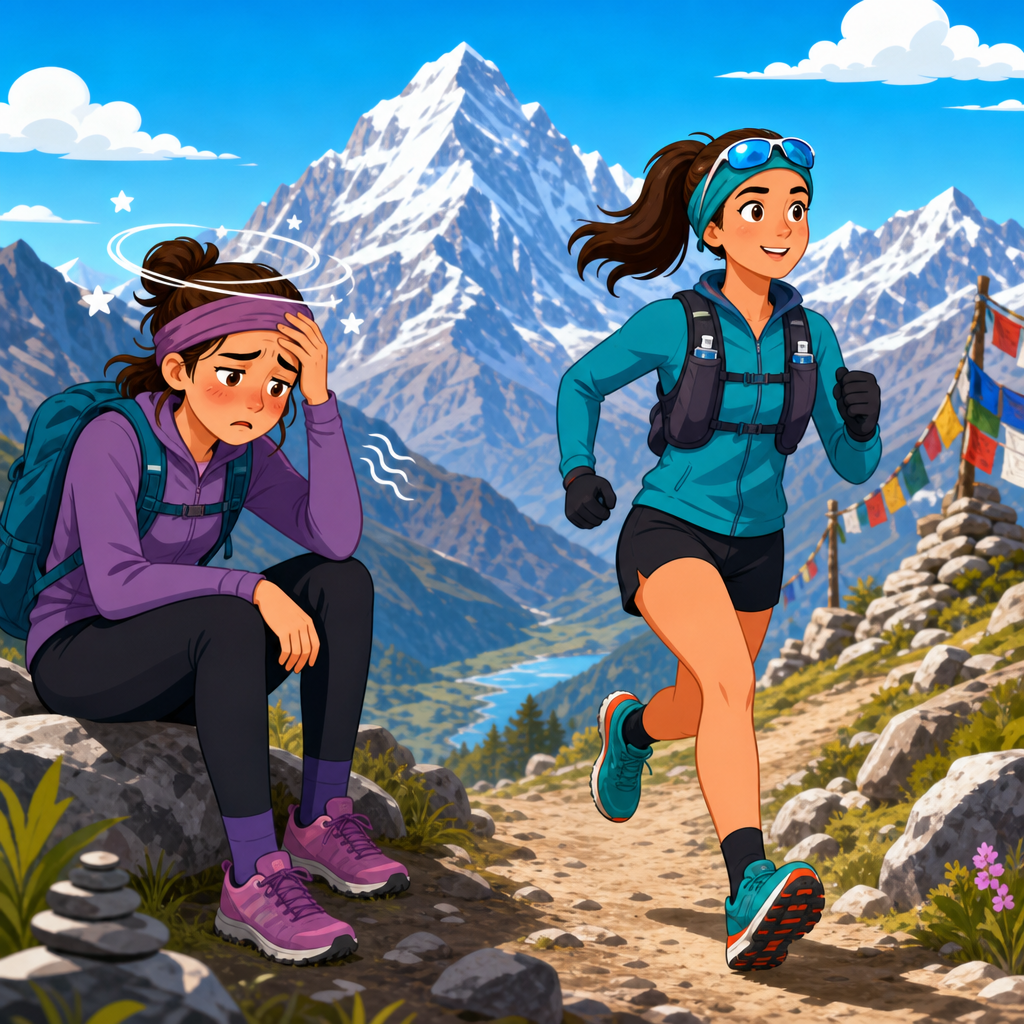
Can you train through mild altitude sickness? Sometimes, but only with strict limits, careful monitoring, and a willingness to stop the moment symptoms worsen. In mountain training, “mild altitude sickness” usually means early acute mountain sickness, or AMS: headache, unusual fatigue, dizziness, nausea, poor sleep, and reduced appetite that appear after ascent, typically above 2,500 meters or about 8,200 feet. It matters because many hikers, runners, climbers, and tactical athletes arrive at altitude with fixed plans, then misread warning signs as ordinary exertion. I have seen strong sea-level athletes push through a headache on day one, only to lose the next two days to worsening symptoms that could have been prevented with a conservative recovery approach.
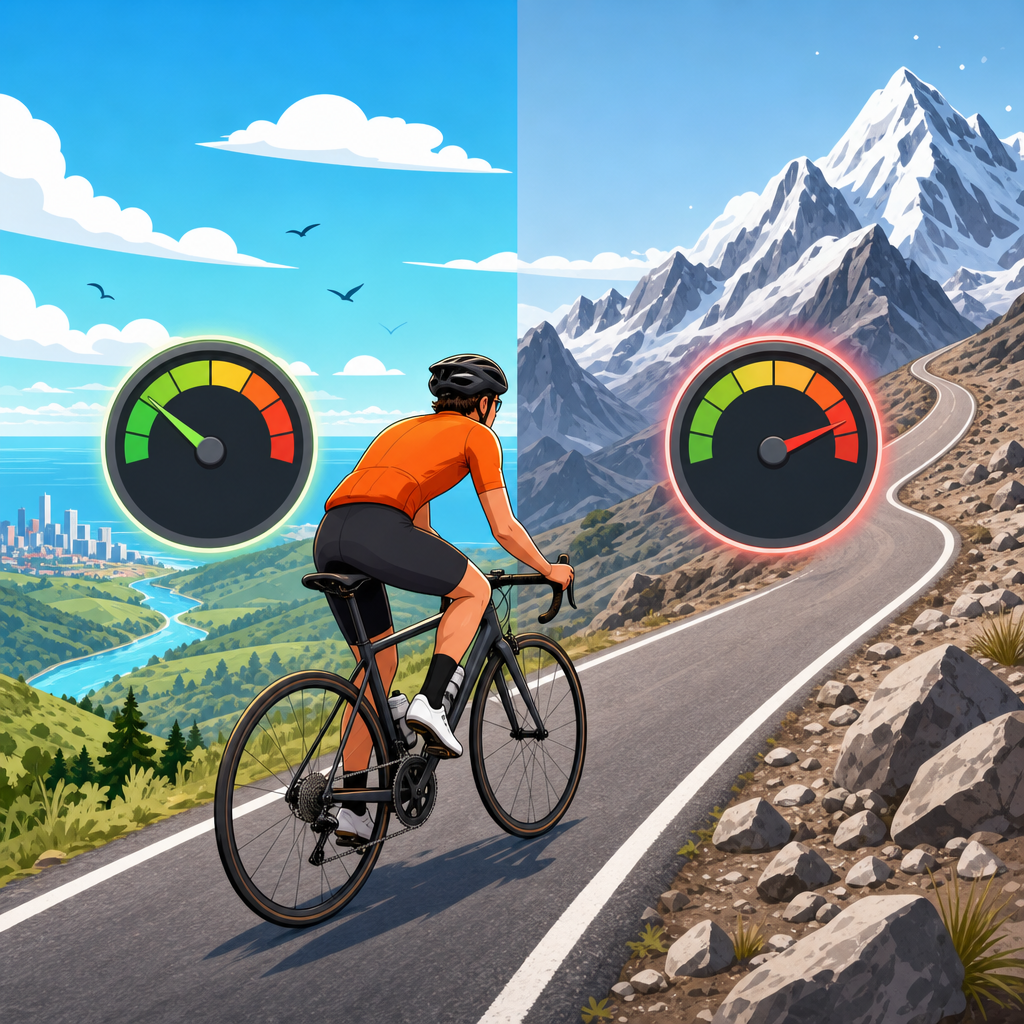
The key distinction is between discomfort from altitude exposure and illness caused by altitude stress. Higher elevation lowers barometric pressure, which reduces the partial pressure of oxygen in the air. Your lungs still breathe the same percentage of oxygen, but each breath delivers less usable oxygen to the bloodstream. In response, breathing rate rises, heart rate increases, sleep often becomes fragmented, and training pace drops. Those are expected adjustments. Mild AMS begins when the body is not keeping up with the ascent load. Headache plus one or more symptoms such as nausea, fatigue, or dizziness is the practical red flag. Severe symptoms, confusion, breathlessness at rest, loss of coordination, or chest tightness are not training questions; they are descent and medical issues.
For anyone focused on recovery and monitoring, this topic sits at the center of safe performance. The decision is not simply yes or no. It depends on symptom severity, elevation gained, sleeping altitude, hydration status, recent workload, and whether recovery markers are stabilizing or deteriorating. Used correctly, monitoring tools such as symptom scores, resting heart rate, pulse oximetry trends, urine color, and subjective exertion can help you decide whether light movement will aid acclimatization or whether rest is the smarter choice. Used poorly, they can create false confidence. This hub explains when mild activity is reasonable, what recovery should look like, which metrics matter most, and how to build a practical altitude decision framework.
When training is possible and when it is a mistake
You can sometimes continue with very light training if symptoms are genuinely mild, stable, and improving with rest. In practical terms, that means a mild headache, some fatigue, and perhaps a little appetite loss, but no vomiting, no balance problems, no shortness of breath at rest, and no worsening over several hours. The session should be easy enough that you can speak in full sentences, keep nasal breathing part of the time, and stop immediately if symptoms intensify. Think short walks, easy spinning, gentle mobility work, or a reduced hiking day with a slower pace and lighter pack. The goal is circulation and acclimatization support, not fitness gain.
It is a mistake to train through symptoms when ego, itinerary pressure, or group momentum replaces judgment. I have had clients insist that a hard interval session would “open the lungs” at altitude. In reality, high intensity during unresolved AMS often compounds stress by increasing dehydration risk, sleep disruption, and sympathetic drive. The result is usually poorer recovery, not faster adaptation. A simple rule works well: if symptoms are worse than the previous check, training is off. If symptoms are unchanged but still clearly present, active recovery only. If symptoms are improving and remain mild, brief low-intensity movement may be acceptable. If symptoms disappear, normal training can resume gradually rather than all at once.
Organizations such as the Wilderness Medical Society and mountain medicine programs consistently emphasize that ascent should stop when AMS develops. That guidance does not ban all movement; it means you should not keep gaining sleeping altitude while symptomatic. Training uphill into higher exposure is the common error. A flat walk around camp is different from a summit push. This distinction matters for hikers and trail runners especially, because a workout can feel easy at first and still leave you sleeping higher than your body can tolerate.
Recovery first: the most effective response to mild altitude sickness
The best first treatment for mild AMS is to reduce physiological load. In plain language, that means stop climbing, shorten training, prioritize fluids and carbohydrates, stay warm, and rest. Most mild cases improve within 24 to 48 hours at the same altitude if the person stops ascending and manages recovery well. Carbohydrate intake matters because high altitude increases reliance on glucose metabolism. When appetite drops, athletes often underfuel, then mistake low energy availability for altitude alone. Easy-to-digest foods such as rice, oats, soup, potatoes, bananas, toast, and sports drink can help maintain energy when heavy meals are unappealing.
Hydration deserves nuance. Altitude increases respiratory fluid loss because you breathe faster and the air is usually drier, but overdrinking is not protective and can be harmful. Aim for steady intake that keeps urine pale yellow rather than perfectly clear. Add sodium through meals or electrolyte mixes if sweating is substantial. Alcohol is a poor choice during early acclimatization because it can worsen sleep quality, impair judgment, and contribute to dehydration. Sleep itself is often broken at elevation due to periodic breathing, so a quieter evening, extra layers, and reduced caffeine late in the day can improve overnight recovery more than another training block ever will.
Medication can have a role, but it should support, not override, decision-making. Acetazolamide is commonly used for prevention or treatment support because it stimulates ventilation and can improve acclimatization. Ibuprofen may reduce headache, but symptom relief does not guarantee that the underlying altitude stress is resolved. In field settings, I treat medications as part of a wider monitoring plan: useful, sometimes necessary, never permission to push harder. If symptoms progress despite rest and basic treatment, descent remains the most reliable intervention.
Monitoring that actually helps decision-making
Good monitoring at altitude is simple, repeatable, and tied to action. The most practical system combines symptoms, function, and trend. Symptoms include headache severity, nausea, dizziness, appetite, and sleep quality. Function means whether you can walk steadily, speak clearly, and perform routine tasks without unusual distress. Trend means comparing morning and evening checks rather than reacting to one isolated data point. Pulse oximeters can be useful, but saturation values vary widely with cold fingers, device quality, and individual physiology. A low reading alone does not diagnose AMS, and a normal reading does not rule it out.
Resting heart rate is often more informative when viewed against your own baseline. If your normal morning resting heart rate is 52 and it jumps to 68 at altitude alongside poor sleep, headache, and suppressed appetite, that cluster suggests recovery strain. If it settles over the next day while symptoms fade, adaptation is probably progressing. Subjective scales are equally valuable. The Lake Louise scoring approach remains a standard method for tracking AMS symptoms, and session RPE helps control training load when pace numbers become misleading in thin air. A watch cannot tell you how nauseated you feel on a climb; your symptom log can.
| Marker | What to look for | What it means for training |
|---|---|---|
| Headache | New altitude-related headache, especially with nausea or fatigue | Stop ascent; limit activity to easy recovery work only |
| Resting heart rate | Elevated above personal baseline for morning checks | Reduce intensity and reassess after hydration, food, and rest |
| Pulse oximetry | Use trends, not one reading; check warm fingers and same conditions | Supportive data only, never a standalone clearance to train |
| Appetite and hydration | Low appetite, dark urine, dry mouth, rapid body mass drop | Prioritize fluids, sodium, and carbohydrates before exercise |
| Coordination and breathing | Staggering, confusion, or breathlessness at rest | No training; descend and seek medical help |
The most important monitoring habit is setting clear thresholds before the trip. For example: no hard sessions in the first 24 to 48 hours above 2,500 meters; no ascent with headache plus nausea; mandatory descent for ataxia, persistent vomiting, or worsening symptoms after rest. Predefined rules remove guesswork when judgment is clouded by fatigue and summit pressure.
How to modify training without losing the trip
If symptoms are mild and improving, training modification should focus on preserving adaptation while minimizing additional stress. Reduce volume first, then intensity, then terrain difficulty. An athlete planning a 90-minute trail run might switch to a 30-minute flat walk and mobility session. A hiker carrying 15 kilograms might cut to a light daypack and stay near the same sleeping altitude. A climber may use a skills day at camp rather than a long carry. These changes protect recovery while keeping movement patterns familiar.
Intensity control is the biggest win. At altitude, sea-level paces are usually inappropriate because maximal oxygen uptake declines as elevation rises. Above about 1,500 meters, many athletes notice reduced top-end output, and the drop becomes more pronounced with further gain. Trying to “hold normal pace” often turns an easy session into threshold work. Use breathing, conversation, and perceived exertion instead. Zone 1 to low Zone 2 effort is the right ceiling during mild AMS recovery. If you need numbers, cap heart rate conservatively and expect drift.
Back-to-back hard days are especially risky during early acclimatization. The first bad night at altitude often hides the true cost of a tough session until the next morning, when headache and fatigue are worse. I prefer a staircase return: rest or active recovery, then one easy day, then a moderate day only if symptoms have fully cleared, sleep has improved, and appetite is normal. This approach feels slow, but in practice it saves trips. The athlete who insists on testing fitness too soon is often the one forced into total rest later.
Special cases: hikers, endurance athletes, and team settings
Hikers and trekkers face a different challenge from runners because the exposure is continuous. You may be “training” simply by moving camp, which means load management depends heavily on route design. The classic advice to avoid increasing sleeping altitude too quickly remains sound. Many itineraries use a conservative pattern once above 3,000 meters: limit sleeping elevation gains and add periodic acclimatization days. “Climb high, sleep low” can help, but only when the extra climb is controlled and symptoms remain mild. If you already have AMS, a higher side trip is usually the wrong move.
Endurance athletes often tolerate discomfort well, which can become a liability. They may normalize headache, suppress appetite, or assume a low pulse oximeter reading is just part of camp life. In performance settings, I separate adaptation metrics from illness signals. Slower splits and higher breathing rate are expected. Headache plus nausea is not. Team settings add another layer: one person’s ambition can distort everyone’s choices. Good leaders run daily check-ins, ask direct questions, and watch for subtle behavior changes such as unusual quietness, stumbling, or skipped meals. Those are often earlier warning signs than dramatic complaints.
Younger athletes and recreational groups need especially simple rules. No one should be shamed for turning back. No one should hide symptoms to avoid slowing the team. Recovery and monitoring work best when the culture rewards accurate reporting. In mountain environments, honesty is a performance skill.
When to descend and when to get medical help
The answer to “Can you train through mild altitude sickness?” becomes no immediately if symptoms are worsening, function is impaired, or red flags appear. Descend if headache becomes severe, nausea prevents eating or drinking, fatigue becomes profound, or walking feels unstable. Seek urgent medical help for confusion, blue lips, cough with frothy sputum, chest congestion, marked breathlessness at rest, or loss of coordination. Those signs raise concern for high-altitude cerebral edema or high-altitude pulmonary edema, both of which are medical emergencies.
Portable oxygen, hyperbaric bags, and medications such as dexamethasone or nifedipine are expedition tools, not substitutes for judgment. They buy time; they do not make dangerous altitude illness safe. The safest athletes I work with are not the toughest. They are the ones who monitor honestly, recover aggressively, and descend early when the pattern is wrong.
Mild altitude sickness does not always end a training day, but it always changes the rules. Stop ascending, reduce effort, fuel well, hydrate sensibly, and track symptoms against your own baseline. Use pulse oximetry and heart rate as supporting clues, not final verdicts. If symptoms improve, resume training gradually. If they persist or worsen, rest more or descend. For hikers, runners, climbers, and mountain travelers, the main benefit of a recovery-and-monitoring mindset is simple: you protect health while preserving the best chance of performing well later in the trip.
Build your altitude plan before you leave home. Set symptom thresholds, define easy-day alternatives, pack the right monitoring tools, and make descent decisions non-negotiable. That preparation will do more for safety and performance than any attempt to push through a bad acclimatization day.
Frequently Asked Questions
Can you train through mild altitude sickness, or should you stop completely?
Sometimes you can continue very light activity with mild altitude sickness, but only under strict limits and only if symptoms stay clearly mild and stable. In practical terms, “mild altitude sickness” usually means early acute mountain sickness, or AMS, with symptoms such as headache, unusual fatigue, mild dizziness, nausea, poor sleep, or reduced appetite that begin after ascending, often above about 2,500 meters (8,200 feet). If you have these symptoms, the goal is not to push fitness forward. The goal is to avoid getting worse while giving your body a chance to acclimatize. That means keeping effort easy, avoiding intensity, shortening the session, staying well hydrated, eating if you can tolerate food, and monitoring yourself closely.
The moment symptoms intensify, training should stop. A worsening headache, repeated vomiting, marked weakness, poor coordination, increasing dizziness, confusion, unusual shortness of breath at rest, or trouble walking straight are not signs to “tough it out.” They are signs that you may be moving beyond mild AMS into a more dangerous situation. Continuing to train when symptoms are progressing can increase stress on a body that is already struggling with lower oxygen availability. A good rule is that mild AMS may allow gentle movement, but it does not justify hard workouts, long sessions, competitive efforts, or additional ascent until you clearly improve.
What kind of exercise is considered safe if symptoms are mild?
If symptoms are truly mild, the safest option is low-intensity movement rather than “training” in the usual sense. Think easy walking, a short spin, a very relaxed jog if tolerated, mobility work, or light technical practice that does not drive up breathing rate or heart rate for long periods. You should be able to hold a normal conversation throughout the session. If effort makes the headache sharper, worsens nausea, increases dizziness, or leaves you feeling noticeably more depleted afterward, the session was too much. At altitude, even easy movement can feel harder than expected, so athletes often need to scale effort down more than they would at sea level.
What should generally be avoided during mild AMS is any session that adds substantial physiological stress. That includes intervals, tempo efforts, hill repeats, loaded climbs, heavy strength work, long endurance days, and any “gut check” training meant to build toughness. Those workouts can compound dehydration, suppress appetite, disturb sleep further, and make it harder to tell whether you are acclimatizing or deteriorating. In other words, if you choose to move, keep it restorative and conservative. The best session at altitude during mild symptoms is often the one that leaves you feeling the same or slightly better, not more exhausted.
How can you tell the difference between mild altitude sickness and something more serious?
Mild altitude sickness usually presents as a combination of headache plus one or more symptoms like fatigue, lightheadedness, nausea, poor sleep, or low appetite after ascent. You may feel washed out and slower than normal, but you can still think clearly, walk normally, and function independently. Symptoms are uncomfortable, but they are not rapidly escalating. This is the zone where rest, fluids, food, reduced exertion, and time at the same elevation may help. Even then, you should watch symptoms carefully because AMS can progress.
More serious danger signs include worsening headache that does not settle, repeated vomiting, significant balance problems, stumbling, confusion, altered behavior, severe lethargy, or unusual breathlessness at rest. These may signal high-altitude cerebral edema or high-altitude pulmonary edema, both of which are medical emergencies. A persistent cough, chest tightness, reduced exercise tolerance far beyond what seems normal, crackling in the lungs, or breathlessness while lying down are especially concerning for pulmonary complications. If any of these appear, the correct response is not to keep training, and often not to remain at the same altitude. Descent and medical evaluation become the priority. When in doubt, treat worsening symptoms as serious until proven otherwise.
What should you do before deciding whether to train at altitude with mild symptoms?
Start with a simple self-check. Ask whether your symptoms are stable, improving, or worsening compared with a few hours earlier. Check for red flags such as vomiting, balance issues, confusion, severe headache, or shortness of breath at rest. Consider basic factors that can mimic or worsen AMS, including dehydration, under-fueling, alcohol use, poor sleep, illness, overheating, or a pace of ascent that was too aggressive. If you have access to experienced guides, coaches, medics, or teammates, get an outside opinion. People with altitude issues often underestimate how impaired they are, especially if they are highly motivated to keep going.
If you decide to do any activity, set strict boundaries in advance. Keep the session short and easy. Stay near help or an easy descent route. Avoid going higher that day. Monitor symptoms during the session, not just after it. A useful rule is that exercise should stop immediately if symptoms intensify in real time or fail to settle soon after stopping. It is also wise to reassess later in the day because altitude problems can evolve over hours. In many cases, the smarter performance decision is to rest, eat, hydrate, and allow acclimatization rather than force a session that offers little benefit and adds meaningful risk.
Does training through mild altitude sickness help you acclimatize faster?
Not necessarily, and this is where many athletes get tripped up. Acclimatization is driven mainly by time at altitude, sleep altitude, ascent rate, hydration, nutrition, and individual response, not by heroically pushing through symptoms. Light movement may help some people feel less sluggish and maintain routine, but hard training does not accelerate acclimatization in a useful way when AMS is already present. In fact, excessive exertion can interfere with recovery by increasing fluid loss, appetite suppression, fatigue, and stress, all of which can make the altitude adjustment process harder rather than easier.
The better mindset is to separate acclimatization days from performance days. Early after ascent, especially if you have symptoms, the body is already working hard behind the scenes to adapt to reduced oxygen. Respecting that process usually leads to better outcomes than trying to force normal training too soon. For hikers, climbers, runners, and tactical athletes, patience at the start often preserves performance later in the trip. If symptoms improve after rest and a night at the same elevation, activity can be increased gradually. If symptoms persist or worsen, more rest, stopping ascent, or descending is the safer and often more effective choice.