Shoulder season living in mountain towns is the stretch between peak winter and peak summer when lifts stop spinning, rafting slows, mud replaces powder, and residents recalibrate daily routines around unpredictability. In practical terms, shoulder season usually means late spring and late fall, though the exact timing depends on elevation, snowpack, tourism patterns, and whether a town is built around skiing, hiking, national parks, or second-home traffic. I have worked through these off-peak windows in Rocky Mountain resort communities and smaller high-elevation service towns, and the pattern is consistent: the scenery stays dramatic, but ordinary life becomes more exposed. Businesses shorten hours, employers cut shifts, roads switch between thaw and freeze, and people who stay year-round learn to manage skin dryness, eye irritation, home ventilation, budget fluctuations, and social isolation all at once.
That is why shoulder season living matters. Visitors often see mountain towns at their most polished, when trails are open, restaurants are staffed, and event calendars are full. Residents see the in-between reality that determines whether a place feels sustainable over twelve months. Lifestyle adjustments are not cosmetic; they shape health, finances, commuting, childcare, home maintenance, and community resilience. This hub article explains what shoulder season living is really like in mountain towns, why it affects comfort so strongly, and which adjustments make everyday life easier. It also serves as the central guide within daily life, skin, eyes, and home comfort, connecting the practical habits that matter most when weather, altitude, and seasonal economics collide.
The rhythm of shoulder season in mountain towns
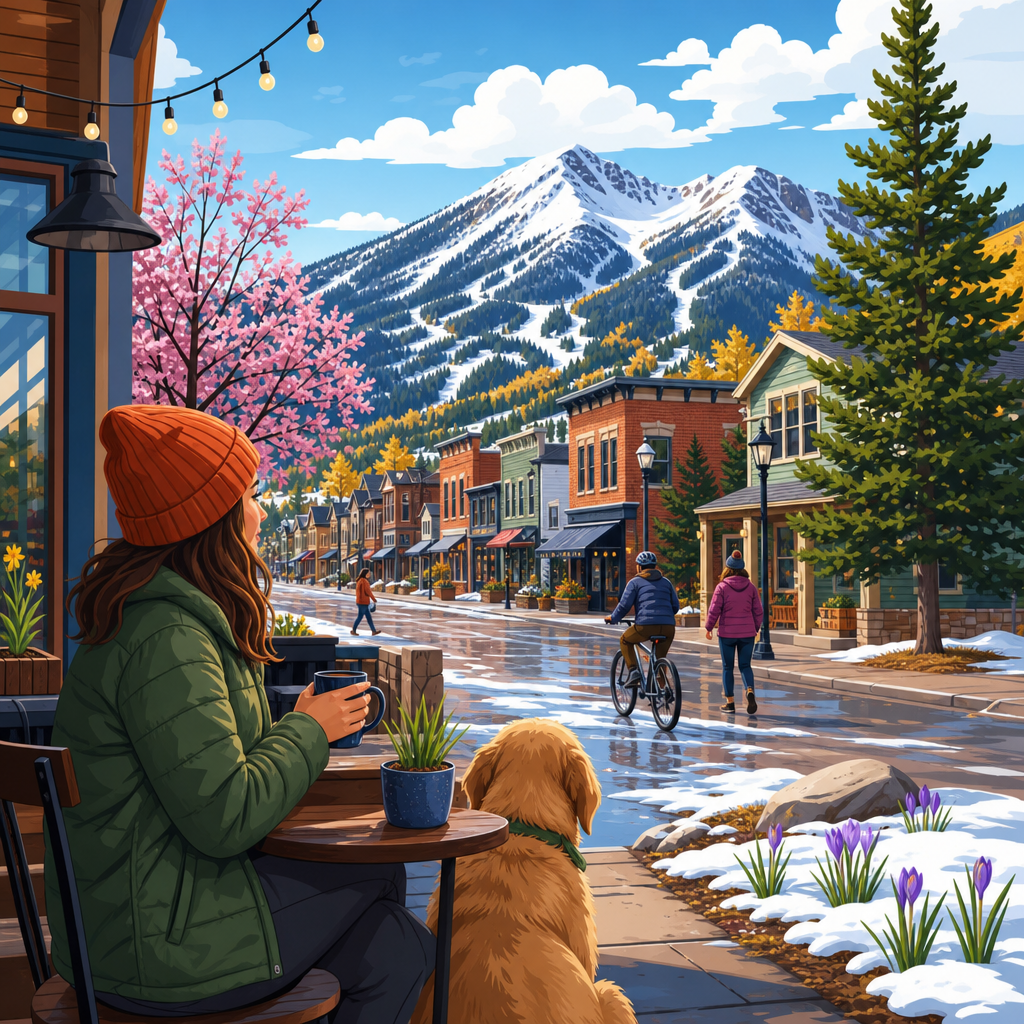
Shoulder season is defined less by a calendar than by interruption. One week can feel like winter, the next like early summer, then a storm resets everything. In many Colorado, Utah, Montana, Idaho, and Wyoming towns, April through May and October through November bring the sharpest transitions. Daylight changes quickly, snowbanks melt into standing water, trails alternate between ice and mud, and town services scale down because visitor volume drops. For locals, that means daily planning becomes more complex, not less. A ten-minute errand can require traction footwear in the morning and sunglasses by noon.
The local economy also changes tempo. Restaurants may close for two to six weeks for maintenance. Property management companies cut housekeeping hours. Outdoor guides patch together landscaping, construction, or gig work. School routines continue, but family schedules get harder because extracurriculars and childcare options may be reduced. In my experience, shoulder season exposes how dependent mountain towns are on peak demand and how resourceful residents must be when that demand temporarily disappears. The upside is quieter streets, easier parking, and brief access to a town that feels more local than curated.
How weather and altitude change everyday comfort
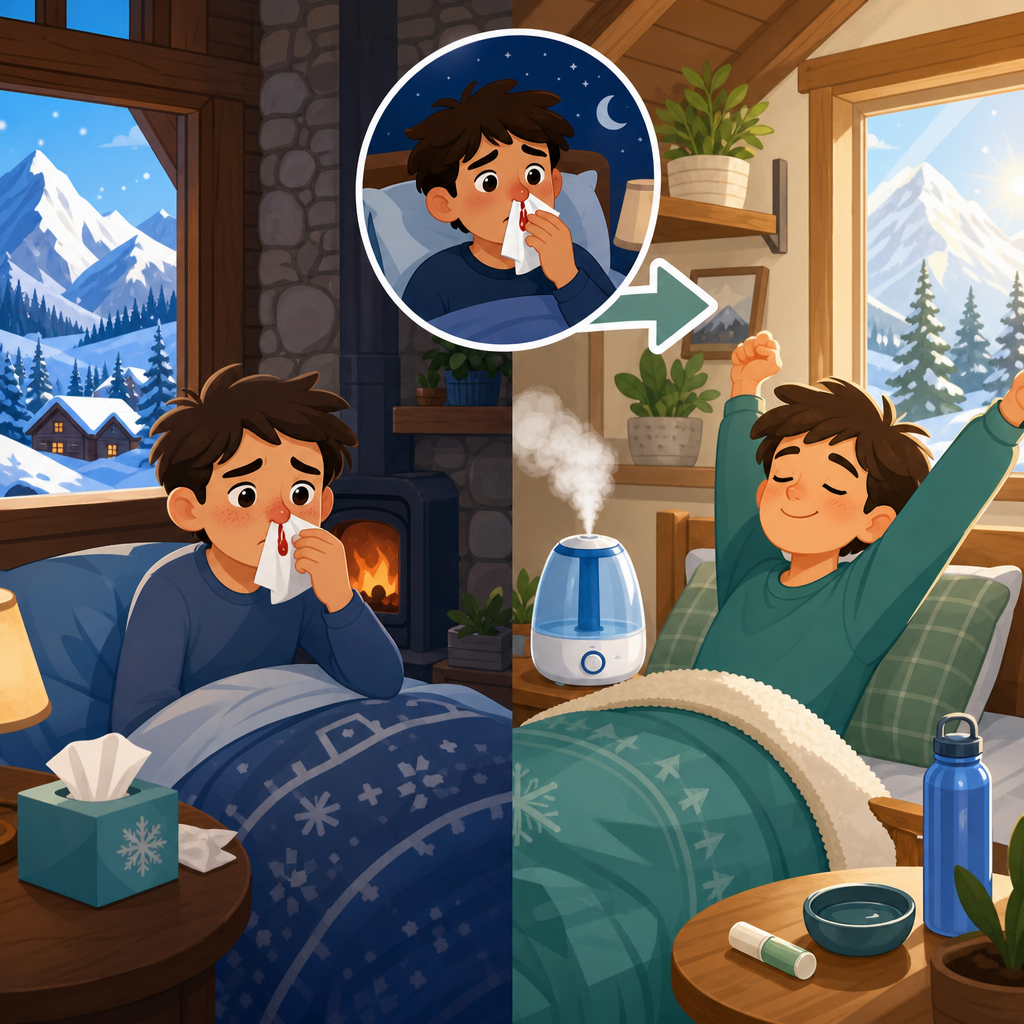
The biggest lifestyle adjustment is accepting that comfort becomes an active project. Mountain air is typically dry year-round, but shoulder season often intensifies the problem because homes cycle between heating, open windows, and sudden cold snaps. Indoor relative humidity commonly falls below the 30 to 50 percent range generally recommended for comfort and building health, especially when forced-air heat runs after a wet thaw. Residents notice tight skin, nosebleeds, scratchy throats, and faster dehydration. At altitude, increased ultraviolet exposure adds another layer. The Environmental Protection Agency notes that UV levels can increase with elevation, and spring snow reflection can significantly raise exposure, even on cool days.
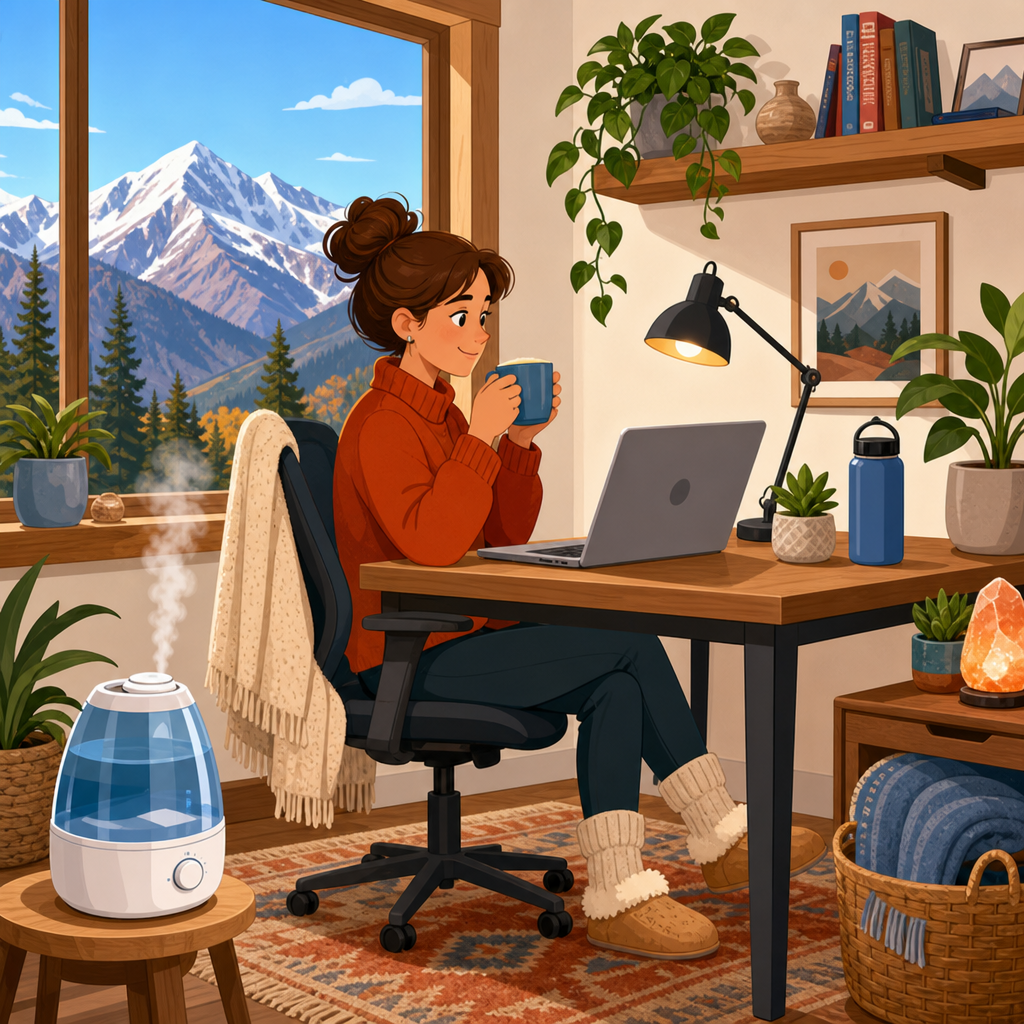
Eyes suffer too. Wind, dust from thawing roads, pollen at lower tree lines, and prolonged screen time during slower work periods all contribute to irritation. The American Academy of Ophthalmology consistently advises wraparound UV-blocking sunglasses and lubricating drops for dry-eye management, and those recommendations fit mountain shoulder season perfectly. Good routines are simple but nonnegotiable: moisturizer with ceramides, broad-spectrum SPF 30 or higher, lip balm with sunscreen, a humidifier monitored with a hygrometer, and hydration that goes beyond coffee. These habits sound basic, but they are the difference between feeling worn down and feeling functional.
Work, money, and the off-peak squeeze
Ask year-round residents what shoulder season feels like, and many answer with one word: expensive. Income often dips before costs do. Rent or mortgages stay high, utility bills remain volatile, mud season vehicle repairs show up at the worst time, and tourist-facing workers may lose tips or scheduled hours for several weeks. In ski towns where seasonal employment dominates, shoulder season can mean combining part-time roles, relying on savings, or leaving town temporarily for construction, wildfire mitigation, or travel-related work elsewhere.
Planning helps more than people expect. Residents who handle shoulder season well usually budget annually, not month to month. They treat peak season earnings as the source of off-season stability. Automatic transfers into separate accounts for housing, vehicle maintenance, and health expenses are common among experienced locals. So is stocking up on basics before stores reduce inventory or before a long drive to a regional city becomes necessary. This is also when many people schedule preventive appointments, from dental visits to furnace servicing, because work calendars finally open up. The lesson is practical: in mountain towns, lifestyle adjustments are inseparable from financial adjustments.
Home comfort: heating, moisture, mud, and maintenance
Homes take a beating during shoulder season. Freeze-thaw cycles stress roofs, gutters, decks, and foundations. Mud gets tracked inside constantly. Meltwater finds weak spots around doors and basement entries. At the same time, residents may switch between wood stoves, baseboard heat, radiant systems, and portable humidifiers depending on the day. Good home comfort in mountain towns depends on disciplined maintenance, not aesthetics.
The most effective homes I have worked in use a simple system: entry containment, moisture control, and air management. Entry containment means heavy-duty mats outside and inside, boot trays, hooks for damp layers, and a rule that wet gear never travels beyond the mudroom or entry bench. Moisture control means checking caulk, directing downspouts away from walkways, running bathroom fans after showers, and using dehumidification if snowmelt creates damp pockets. Air management means replacing HVAC filters on schedule, cleaning humidifiers to prevent microbial buildup, and measuring humidity instead of guessing. The ideal setup is not expensive; it is consistent.
| Shoulder Season Challenge | What Residents Notice | Most Effective Adjustment |
|---|---|---|
| Very low indoor humidity | Dry skin, irritated eyes, static electricity, poor sleep | Use a humidifier with a hygrometer and keep humidity around 30 to 40 percent |
| Freeze-thaw mud and slush | Dirty floors, slippery entries, damaged rugs | Create a boot tray and mat system at every entrance |
| UV exposure in cool weather | Sunburn, chapped lips, eye strain on bright days | Apply broad-spectrum sunscreen and wear UV-blocking sunglasses daily |
| Reduced business hours | Harder errands, fewer meal options, delayed services | Batch errands, keep pantry staples, book appointments early |
| Income dips between tourist peaks | Budget stress, irregular work, postponed maintenance | Save during peak months and separate fixed-cost funds in advance |
Skin, eyes, and body care at altitude
Within the daily life, skin, eyes, and home comfort topic, this is where shoulder season becomes intensely personal. Many residents assume winter is the hardest period for skin and eye health, but spring melt and fall wind can be worse because people lower their guard. Cooler temperatures reduce the feeling of sun intensity, yet UV remains strong. Muddy trails and dusty roads increase airborne particles. Indoor heat turns on unexpectedly after windows have been open all afternoon. The body never gets a stable baseline.
The best altitude routine is protective, not reactive. For skin, that means gentle cleansers, thicker moisturizers at night, and limiting overuse of exfoliating acids or retinoids when barrier irritation is high. For eyes, preservative-free artificial tears are often better tolerated if dryness is frequent, and contact lens wearers may need shorter wear times on windy days. For the body overall, hydration needs are higher than many newcomers expect because altitude increases respiratory water loss. Add exercise, alcohol, and dry interiors, and fatigue arrives quickly. If a resident develops persistent nosebleeds, eczema flares, or eye pain, it is worth discussing with a clinician rather than assuming the climate is the only cause.
Social life, mental health, and the quieter town
One of the least discussed aspects of shoulder season living in mountain towns is emotional whiplash. Peak season is crowded, loud, and labor intensive. Then the town empties. For some residents, that quiet feels restorative. For others, it feels like isolation, especially if friends leave for temporary work or if favorite gathering places close for a break. Mud season can limit trail access, dark shoulder months reduce time outdoors after work, and gray days flatten motivation. The result is a subtle but real dip in social energy.
Longtime locals usually counter this by becoming more deliberate. They set recurring dinners, join the library or recreation center schedule, volunteer at school or trail groups, and use off-peak windows to reconnect with neighbors they barely saw during the rush. I have seen community strength show up most clearly in these periods, not on festival weekends. Mutual aid is practical: checking on an older neighbor after a storm, sharing a contractor recommendation, organizing a gear swap, or rotating childcare when shifts change. If you are new to shoulder season, the adjustment is simple to describe and hard to practice: do not wait for the town to entertain you. Build structure before the lull feels personal.
Getting around when conditions keep changing
Transportation becomes oddly difficult during the in-between months. Deep winter has clear rules and summer has open roads, but shoulder season mixes potholes, gravel, black ice, runoff, roadwork, and surprise closures. A vehicle that handled powder days may still need new wiper blades, alignment work, or better all-weather tires for thawing pavement. In walkable resort cores, residents face another issue: sidewalks that are clear in one block and hazardous in the next. Commutes become slower because assumptions stop working.
The safest approach is to treat every trip as conditional. Keep traction devices or seasonally appropriate footwear in the car, along with layers, water, and a charger. Wash road salt and grit off vehicles before corrosion starts. Track local transportation alerts rather than assuming a familiar route is open. For cyclists, shoulder season often requires fenders, brighter lights, and a willingness to switch modes when snow returns overnight. These are not dramatic adaptations, but they reduce the friction that makes mountain-town living feel harder than it needs to.
Why shoulder season is also when mountain towns feel most real
For all its inconvenience, shoulder season reveals the strongest reason people stay in mountain towns: life becomes less performative and more grounded. Without event traffic and vacation energy, residents can use the place instead of servicing it. Trails are quieter when open. Coffee shops have room to talk. Service workers recover, homeowners finally notice deferred repairs, and the community’s actual priorities come into focus. You see which businesses truly serve locals, which neighborhoods drain poorly, which homes hold heat, and which routines support health at altitude.
That is why this lifestyle adjustments hub matters within daily life, skin, eyes, and home comfort. Shoulder season is not a gap between better seasons; it is the test that shows whether your systems work. If you can manage hydration, UV protection, indoor humidity, budgeting, transportation, and social structure during these off-peak weeks, the rest of the year usually gets easier. Start with one adjustment this week: set up your home entry, check your humidity, restock sunscreen, or review your off-season budget. Small systems are what make mountain living feel sustainable.
Frequently Asked Questions
What does “shoulder season” actually mean in a mountain town?
Shoulder season is the in-between stretch that separates a mountain town’s major tourism cycles. In ski areas, it usually falls between the end of winter operations and the start of summer travel, then returns again between the end of summer and the beginning of ski season. In real life, that means the chairlifts stop running, rafting companies cut back, trail systems may be muddy or snow-covered in patches, and many businesses shift to reduced hours or close temporarily. It is not simply “off-season” in a generic sense. It is a distinct local period with its own routines, work rhythms, and expectations.
The exact timing changes from town to town. Elevation, snowpack, spring runoff, wildfire concerns, road access, and the local economy all influence when shoulder season begins and ends. A resort town built around skiing and second-home owners may feel especially quiet in May and early November, while a gateway community near a national park may experience a shorter lull or a different kind of slowdown. Residents tend to define shoulder season less by calendar dates and more by patterns: fewer visitors, more uncertainty, and a daily need to stay flexible.
For locals, shoulder season is often when the town exhales. The traffic eases, reservations become easier to get, and there is space to handle errands that are frustrating during peak months. At the same time, it can feel inconvenient and economically uneven. You may gain peace and quiet, but lose easy access to restaurants, events, and consistent services. That mix of calm and disruption is what makes shoulder season such a recognizable part of mountain town life.
What is day-to-day life like during shoulder season for full-time residents?
Day-to-day life during shoulder season is usually quieter, less polished, and more unpredictable than peak-season visitors expect. The town often feels like it is temporarily turning inward. Locals catch up on appointments, repairs, and basic life admin after the intensity of winter or summer. You see more resident faces in coffee shops, fewer lines at stores, and less pressure on roads, parking, and public spaces. In many mountain towns, this is when people finally have time to breathe.
At the same time, the practical inconveniences are very real. Favorite cafes may close for a week or a month. Restaurants may switch to limited menus or only open a few days a week. Contractors, mechanics, property managers, and medical providers may use the lull to schedule work, which can be helpful if you are a local trying to get things done, but it also means everyone seems to be reorganizing at once. Transportation can also be less reliable, especially if seasonal transit routes are reduced before the next tourism cycle ramps up.
The weather is a major factor in how each day unfolds. Late spring can mean slush, runoff, potholes, wind, and trails that are technically open but not realistically enjoyable. Late fall can bring icy mornings, early darkness, and a landscape that feels paused between seasons. People who live in mountain towns learn to keep backup plans. A hike may become a road walk, a bike ride may turn into mud avoidance, and a planned outing may depend on whether a storm arrives two hours earlier than expected. That flexibility is one of the defining traits of shoulder season living.
Why do so many businesses close or reduce hours during shoulder season?
Most mountain town businesses follow the money and the staffing patterns that tourism creates. During shoulder season, visitor numbers drop sharply, and that can make normal operating hours financially unrealistic. Restaurants, gear shops, tour operators, and service businesses often see a steep decline in demand right when they also need time for maintenance, inventory resets, hiring, and staff recovery. Closing for a few weeks or cutting back hours is often a practical survival strategy, not a sign that the business is struggling unusually badly.
Labor is another big part of the story. Many mountain towns depend on seasonal workers, and those workers often leave between winter and summer jobs or between summer and winter roles. Even businesses that want to stay open full-time may not have enough staff to do it well. Owners and managers also use shoulder season to take vacations, deep clean, repair equipment, update systems, or simply rest after months of nonstop demand. In towns with strong seasonal swings, this downtime is part of the business model.
For residents, this can be both frustrating and understandable. You may have to plan around reduced grocery deliveries, fewer dining options, or irregular business hours that are posted one week and changed the next. But shoulder season also reveals how much effort goes into keeping a tourism-based town functioning during the busy months. When a business closes briefly in April or November, it is often because that pause is what allows it to reopen strong for the next rush.
Is shoulder season a good time to live in a mountain town, or is it mostly inconvenient?
It is both, and whether it feels worthwhile depends on what you value. If you love quiet streets, easier parking, less crowded public space, and a stronger sense of local community, shoulder season can be one of the best times to be in a mountain town. Many residents genuinely prefer it to the intensity of peak visitation. The pace slows down, conversations get longer, and the town feels less like a product being consumed and more like a place where people actually live.
But it is not the kind of calm that comes with perfect convenience. Shoulder season can be muddy, gray, windy, smoky, icy, or all of those in close succession depending on the region and time of year. Recreation options may be limited by conditions rather than desire. You might be too late for skiing, too early for biking, and dealing with trail closures, avalanche concerns, runoff, or freeze-thaw cycles. Services can be patchy, and the social scene may temporarily shrink. If you expect mountain living to deliver postcard scenery and easy adventure every day, shoulder season can be a reality check.
For many full-time residents, though, that reality check is part of what makes mountain town life feel honest. Shoulder season strips away the resort image and exposes the place as it really functions. You learn whether you enjoy the town when there is less entertainment, less convenience, and more uncertainty. People who stay long term usually come to see shoulder season not as a flaw, but as an essential part of the annual rhythm.
How do locals prepare for and adapt to shoulder season in mountain towns?
Locals adapt by planning ahead and lowering their need for perfect predictability. That often starts with practical habits: stocking up before store hours become irregular, scheduling medical and car appointments early, watching road and weather forecasts closely, and keeping gear for multiple conditions ready at the same time. In shoulder season, it is common to need waterproof boots in the morning, sunglasses in the afternoon, and a winter layer again by evening. Residents get used to thinking in contingencies rather than fixed plans.
Financial planning matters too, especially for people whose income is tied to tourism. Shoulder season can mean reduced shifts, contract gaps, or a pause between seasonal jobs. Many workers budget around it, line up maintenance work, travel, side jobs, or take advantage of the downtime to recover before the next busy cycle. Homeowners and renters also use the period strategically for repairs, moves, and administrative tasks that are harder to manage when the town is packed.
Just as important is the mental adjustment. People who do well in mountain towns usually stop fighting shoulder season and start working with it. They accept that some weeks feel dormant, that favorite places may disappear temporarily behind handwritten signs, and that outdoor plans may change fast. In exchange, they get access to the town at its most local and least performative. The residents who handle shoulder season best are usually the ones who understand that mountain life is built around rhythm, not consistency.