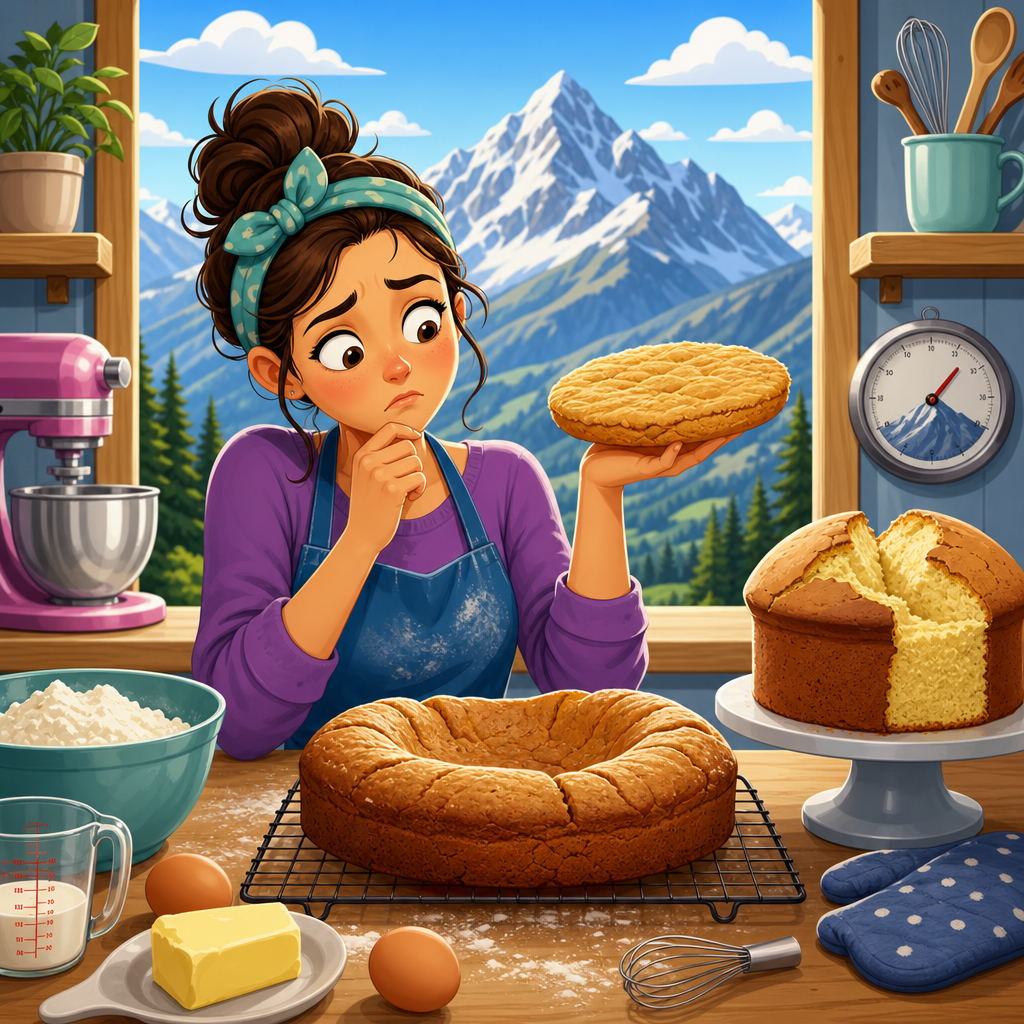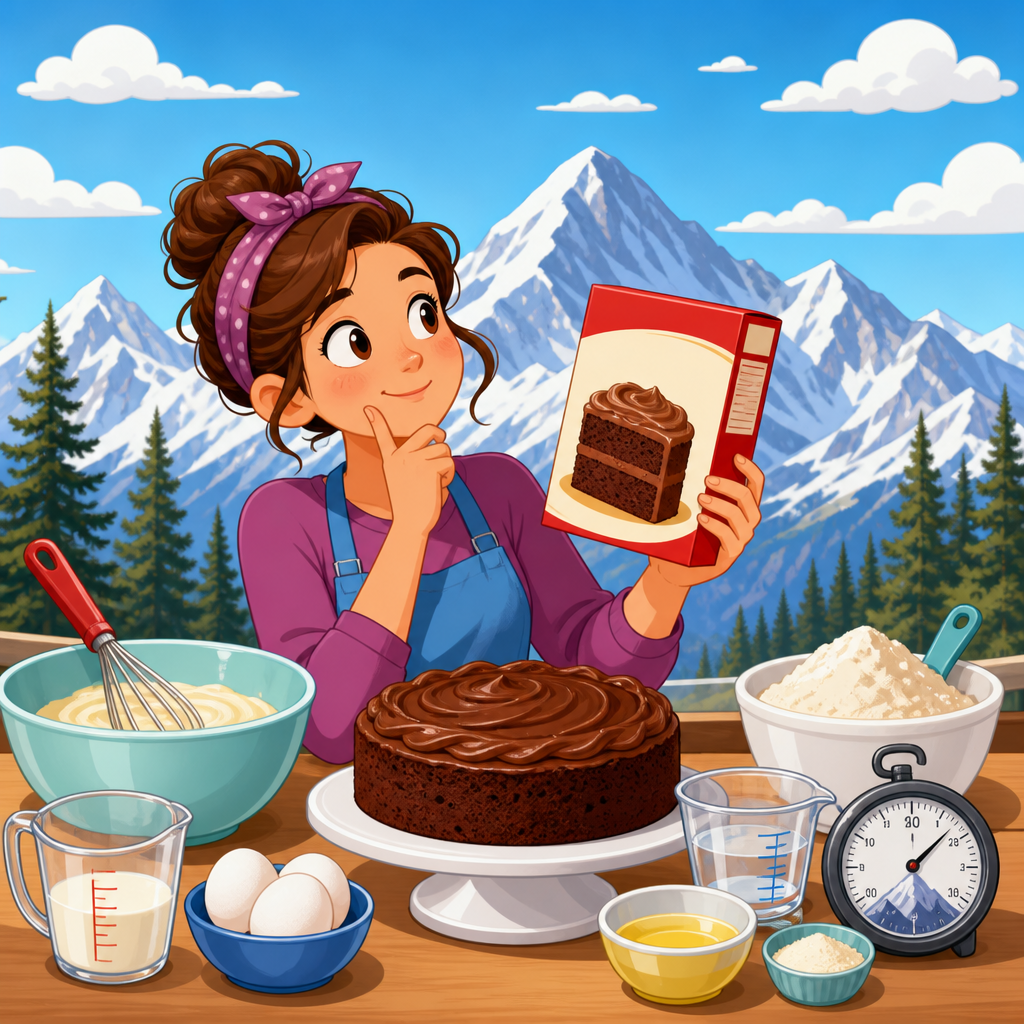
Baking a reliable cake above 5,000 feet requires more than following the back of a box, because lower air pressure changes how batters rise, set, and retain moisture. In practical terms, high-altitude baking usually refers to kitchens above about 3,000 feet, but the most noticeable problems with box cake mix tend to show up between 5,000 and 8,000 feet. At these elevations, gas bubbles expand faster, liquids evaporate more quickly, sugar becomes more concentrated, and leavening can push a cake up before the structure is strong enough to hold it. The result is familiar to anyone who has baked in Denver, Santa Fe, Flagstaff, or mountain towns in Colorado and Utah: cakes dome too hard, spill over, sink in the center, bake up dry, or develop coarse tunnels instead of an even crumb.
Adapting box cake mix for 5,000 to 8,000 feet matters because packaged mixes are formulated for average atmospheric pressure and standardized kitchen conditions. They are convenient, consistent, and affordable, but they are not altitude-smart on their own. I have tested many common supermarket brands in mountain kitchens, and the patterns are remarkably consistent. White and yellow mixes tend to need more liquid and less leavening stress, chocolate mixes often need extra bake time because of their higher sugar content, and cupcakes can overexpand even faster than layer cakes because of their small size and high exposed surface area. Once you understand the mechanics, though, boxed mixes become predictable.
This hub article explains how to adapt cake mix for altitude across the full Cakes & Cupcakes category, including layer cakes, sheet cakes, Bundt cakes, snack cakes, and cupcakes. The core adjustments are straightforward: add a bit more flour for structure, reduce some sugar or water depending on the formula, increase liquid to offset evaporation, and moderate the lift by changing eggs, oven temperature, or pan fill. Not every mix needs every change, and the best results come from matching the adjustment to the style of cake. The goal is not to make a “perfect” lab formula. The goal is to produce cakes that rise evenly, hold their crumb, stay moist, and taste like the brand intended, even thousands of feet above sea level.
What changes at 5,000 to 8,000 feet
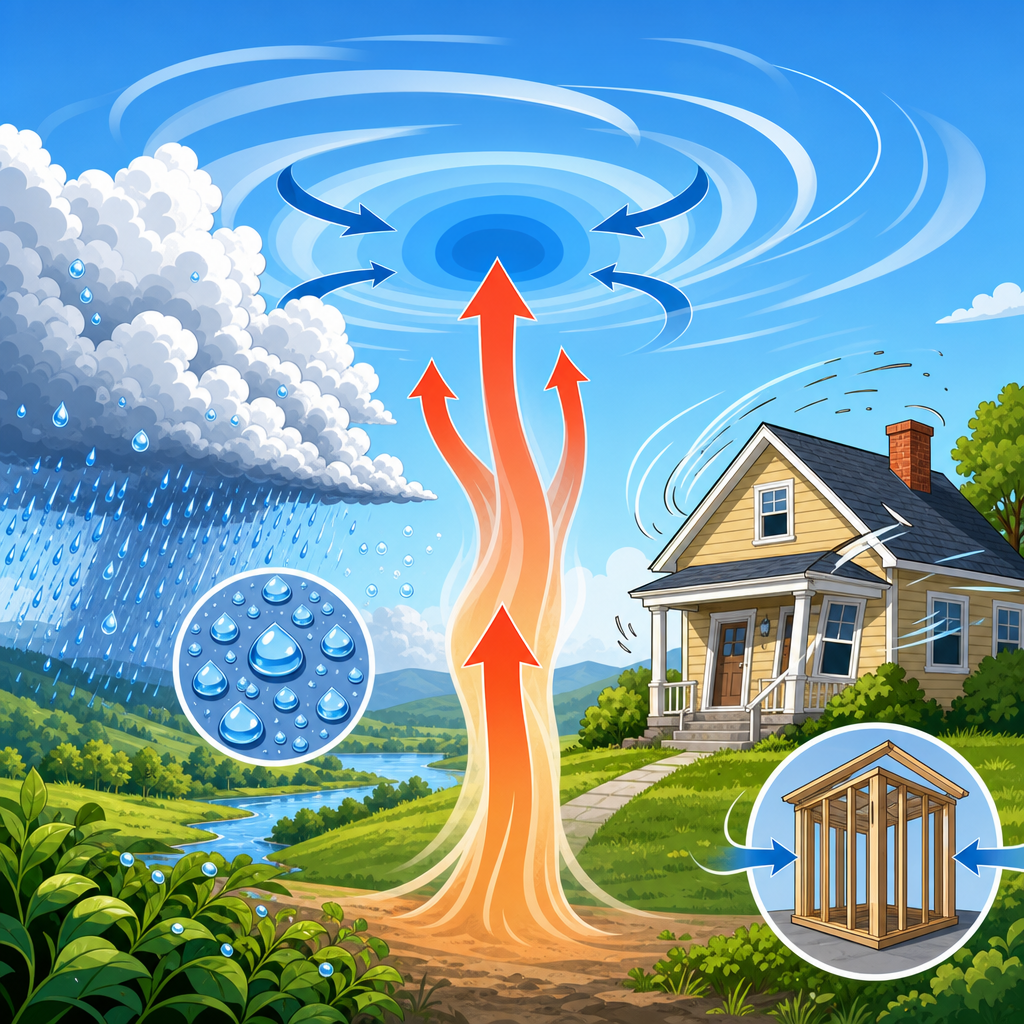
At higher elevations, the lower barometric pressure allows the gases in a batter to expand more readily. That includes air beaten in during mixing, steam created in the oven, and carbon dioxide released by baking powder. With box cake mix, this matters because mixes are already carefully balanced with flour, sugar, emulsifiers, and chemical leaveners. When those gases expand too early, the cake may rise before proteins in the eggs and starches in the flour set. Then the structure collapses, usually during the second half of baking or just after the pan comes out of the oven.
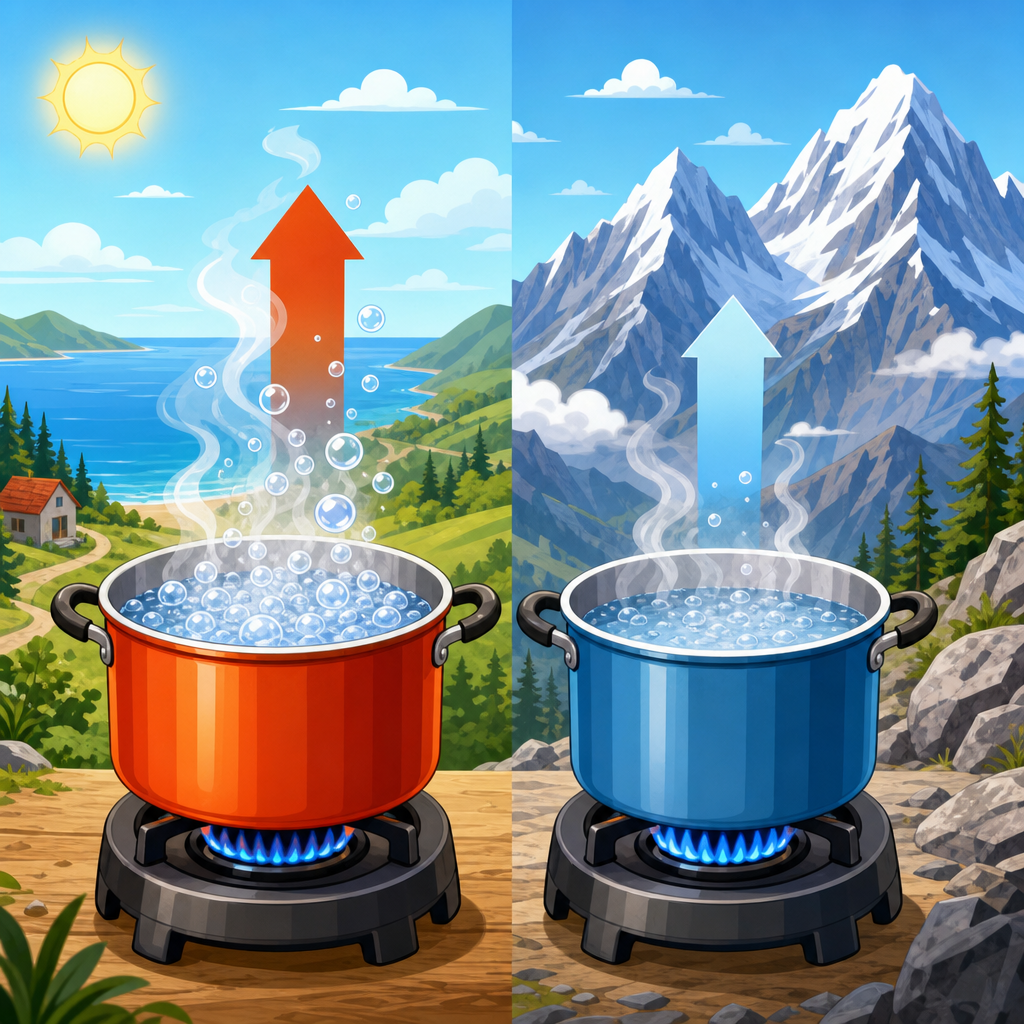
Moisture loss is the second major issue. Water boils at a lower temperature as altitude increases, so liquids evaporate faster from both the batter and the cake surface. That is why high-altitude cakes often seem dry at the edges but underbaked in the middle. Sugar adds another complication. It weakens structure, delays starch gelatinization, and increases tenderness. Box mixes often contain a fairly high sugar level to improve shelf stability, browning, and consumer appeal, so altitude magnifies sugar’s softening effect. Cakes that were designed to be plush at sea level can become fragile in mountain conditions.
Oven temperature interacts with all of this. A slightly hotter oven helps the batter set before overexpansion causes collapse. This is a standard recommendation from university extension baking guides, including Colorado State University and the University of Wyoming, and it works especially well with cake mixes. In my testing, increasing the oven temperature by 15 to 25 degrees Fahrenheit gives better sidewall support and a more level top, provided you also watch bake time closely. The cake may finish a few minutes earlier, so visual cues and internal doneness matter more than the package timing.
The core formula for adapting box cake mix
For most standard 13.25 to 15.25 ounce cake mixes baked between 5,000 and 8,000 feet, start with four foundational adjustments. First, add 1 to 2 tablespoons of all-purpose flour to strengthen the batter. Second, add 1 to 3 tablespoons of extra liquid, usually water or milk, to counter faster evaporation. Third, if the package calls for three eggs, consider adding one extra egg white rather than a whole egg; the white adds protein and structure without making the cake heavy. Fourth, raise the oven temperature by 15 to 25 degrees Fahrenheit and begin checking for doneness 3 to 5 minutes earlier than the box suggests.
These are not arbitrary tricks. Additional flour increases starch and protein content, which improves the cake’s ability to set before the expanded gases escape. Extra liquid keeps the crumb from drying out and helps dissolve sugar more evenly. Extra egg white contributes albumen proteins that coagulate firmly during baking, reducing the risk of collapse. A modest temperature increase accelerates structure setting. Together, those changes address the exact problems caused by altitude without fighting the mix’s built-in balance of flavorings, emulsifiers, and shortening systems.
There are limits. Do not stack every possible adjustment onto every cake. Too much extra flour creates a tight, gummy crumb. Too much liquid can make the center sink because it stays fluid too long. Too many egg whites can make a cake rubbery. If the mix already asks for four eggs, I usually skip adding more protein unless I know the brand runs weak at altitude. Likewise, if a mix includes pudding or is marketed as “super moist,” it often benefits from the lower end of the liquid range and the higher end of the bake temperature range.
Best adjustments by cake and cupcake style
Different cake formats respond differently because pan geometry changes heat transfer and exposed surface area. Cupcakes rise and set quickly, so overfilling them is one of the most common altitude errors. Keep cupcake liners about one-half to two-thirds full, not three-quarters full, and use the lower end of the leavening-related adjustments: extra flour, a small amount of added liquid, and sometimes an extra white. Layer cakes are more forgiving, especially in two 8-inch or 9-inch pans, but they still need careful timing because thin layers can dry out around the edges before the center fully stabilizes.
Bundt cakes and tube cakes need special attention because their larger mass and deeper batter take longer to set. For those, I lean toward 2 tablespoons extra flour, 2 to 3 tablespoons extra liquid, and a 25 degree oven increase only if the pan is dark metal. With light aluminum pans, 15 degrees is usually enough. Sheet cakes tend to be the easiest at altitude because the batter is shallow and bakes evenly, though they can still crack if the oven runs hot. For snack cakes and one-pan cakes, reducing the pan fill slightly can prevent overflow and improve texture.
| Cake type | Best altitude adjustments at 5,000–8,000 feet | Main risk |
|---|---|---|
| Cupcakes | Add 1 tbsp flour, 1–2 tbsp liquid, optional 1 egg white, bake 15–20°F hotter | Peaked tops, tunneling, overflow |
| Layer cakes | Add 1–2 tbsp flour, 2 tbsp liquid, optional 1 egg white, bake 20°F hotter | Center sinking after cooling |
| Sheet cakes | Add 1 tbsp flour, 1–2 tbsp liquid, bake 15°F hotter | Dry edges, surface cracking |
| Bundt cakes | Add 2 tbsp flour, 2–3 tbsp liquid, bake 15–25°F hotter, extend time modestly | Dense center, overbrowned crust |
Flavor also matters. Chocolate cake mixes generally contain more sugar and cocoa, both of which affect water absorption and structure. They often need slightly more liquid and a little more bake time than vanilla mixes. Angel food and sponge-style mixes are a separate category entirely; because they rely heavily on foam structure, they are far more sensitive to overbeating, underbaking, and abrupt cooling. If you bake those regularly, use recipes designed for altitude instead of assuming the standard box guidance will translate cleanly.
Mixing, pans, and oven strategy that improve results
Even with the right ingredient tweaks, technique can make or break a high-altitude cake. Do not automatically mix as long as the box says if your mixer is powerful. Overmixing incorporates excess air, and at altitude that extra trapped air expands aggressively in the oven, creating tunnels and weak crumb. Mix on low to medium speed just until the batter is smooth and homogeneous. Scrape the bowl once or twice, then stop. If the manufacturer offers both hand-mix and electric-mix timings, I usually choose the shorter end and rely on visual smoothness instead of the clock.
Pan preparation matters because cakes at altitude can climb rapidly and then stick where the batter grips the sidewall. Use parchment in the bottoms of layer pans, grease thoroughly, and flour only if the mix is not already heavily sugared. For cupcakes, choose sturdy liners and quality muffin pans that heat evenly; thin dark tins often overbrown the sides before the centers are done. Fill pans slightly less than you would at sea level. That one change alone prevents many overflows and mushroomed cupcake tops, especially with mixes that contain pudding crystals or extra emulsifiers.
Oven accuracy is nonnegotiable. Many home ovens run 15 to 30 degrees off their display, which is enough to sabotage altitude adjustments. An inexpensive oven thermometer is one of the best baking tools you can own. Position cake pans in the center of the oven, leaving room for air circulation, and avoid opening the door during the first two-thirds of the bake. Early door opening can trigger collapse because the batter has not fully set. Doneness cues should include light spring-back in the center, slight pull from the pan edges, and a clean or nearly clean tester depending on cake type.
Troubleshooting common high-altitude cake mix problems
If your cake rises beautifully and then falls, the batter likely had too much lift for the structure available. Next time, add another tablespoon of flour, reduce the added liquid slightly if you already increased it, or add an egg white if you did not use one. Also check whether you overmixed or opened the oven too soon. If the cake forms a coarse, tunneled crumb, that usually points to too much aeration during mixing or too much expansion during baking. Mix less, fill pans lower, and use the higher oven setting so the structure sets earlier.
If the cake is dry, the fix is usually more nuanced than “add more liquid.” Dryness can come from overbaking, too hot an oven, too small a pan, or storing the cake uncovered. Start by checking doneness earlier. If the texture is still dry, add 1 more tablespoon of liquid next time or use milk instead of water for a slightly softer crumb. If the top cracks deeply, the oven may be too hot or the pan too small. If the center is gummy while the edges are done, reduce the temperature increase slightly and use a lighter-colored pan.
Cupcakes deserve special troubleshooting because they are often used for birthdays, school events, and bake sales where appearance matters. If cupcake tops are flat and greasy, the batter may have too much liquid or not enough bake time. If tops are sharply peaked, lower the fill level and watch mixing. If liners peel away after cooling, that often indicates overbaking or a dry formula; a tablespoon or two of extra liquid helps. Frosting stability matters too. Buttercream generally behaves well at altitude, but whipped toppings can deflate faster in dry mountain air, so store finished cupcakes covered.
How this cakes and cupcakes hub supports better altitude baking
This page is the hub for adapting cakes and cupcakes within a broader Cooking & Baking at Altitude resource, and it should guide your next step based on what you bake most often. If your main challenge is birthday cakes, focus on layer cake pan depth, even leveling, and frosting-compatible crumb. If you bake for parties or schools, cupcake fill, bake timing, and transport stability matter more. If you prefer easy desserts, sheet cakes and snack cakes are the most forgiving entry point. Bundt cakes sit in the middle: visually impressive, but more demanding because deep batter magnifies structure issues.
The most useful approach is to create a small repeatable test process. Pick one reliable brand and flavor, note your elevation, record your pan type, and change only one or two variables at a time. That is how I dial in formulas for specific kitchens, and it works far better than guessing fresh on every box. Once you know, for example, that your oven in a 6,700-foot kitchen likes yellow cake mix with 2 tablespoons extra water, 1 tablespoon flour, and a 20 degree temperature bump, you can repeat that pattern confidently across birthdays, holiday cakes, and casual cupcakes.
The key takeaway is simple: box cake mix can work very well at 5,000 to 8,000 feet when you give it more structure, enough moisture, and a slightly faster set in the oven. Start with small adjustments, match them to the cake style, and keep notes until the results become routine. That turns boxed cake from a gamble into a dependable tool for high-altitude baking. Use this hub as your starting point for cakes and cupcakes, then apply the same disciplined testing mindset to the rest of your altitude baking repertoire. Your next cake should rise evenly, slice cleanly, and stay moist from first bite to last crumb.
Frequently Asked Questions
How should I change a box cake mix when baking at 5,000 to 8,000 feet?
At 5,000 to 8,000 feet, the standard directions on a box cake mix usually need a few targeted adjustments because lower air pressure changes how quickly batter rises, how fast moisture evaporates, and how firmly the cake structure sets. In most cases, the most reliable approach is to add a little more liquid, slightly reduce the leavening effect, and bake at a somewhat higher temperature. Since the leavening in a box mix is already built in, you cannot directly measure out and reduce the baking powder or baking soda, so bakers usually compensate by adding 1 to 2 tablespoons of flour to strengthen the batter, increasing liquid by about 2 to 4 tablespoons, and raising the oven temperature by 15°F to 25°F. Some bakers also reduce the sugar very slightly, but with a boxed mix, that is harder to do cleanly unless you are using a recipe that already calls for extra sugar.
Another helpful adjustment is to be careful with added ingredients. If the box directions call for water, oil, and eggs, use the larger egg size specified and consider adding one extra egg white for more structure if your cakes tend to rise too fast and then sink. If you are making a richer variation with milk, sour cream, pudding, or extra mix-ins, remember that these additions can make altitude problems more pronounced unless balanced with enough structure and proper bake time. The goal is not to completely reinvent the mix, but to help the batter hold onto moisture while also setting before the expanding air bubbles overinflate and collapse. Start with small changes, keep notes, and repeat what works in your own kitchen, because exact results can vary with pan size, oven accuracy, humidity, and the specific cake mix brand.
Why does box cake mix often fall, sink in the middle, or turn dry at high altitude?
These are the classic signs of altitude-related baking imbalance. At higher elevations, the lower air pressure allows gas bubbles in the batter to expand more rapidly than they do at sea level. That means a cake may look like it is rising beautifully at first, but if the structure is not strong enough to support that rapid expansion, the center can collapse before it fully sets. This is one reason cakes at 5,000 to 8,000 feet often dome quickly, crack, or sink after you remove them from the oven. A box mix is formulated to work for the broadest possible range of consumers, but it is still primarily optimized for standard conditions, not thinner mountain air.
Dry texture comes from a different but related issue: moisture loss. Water evaporates faster at altitude, so a cake can lose too much liquid before the crumb finishes setting. At the same time, sugar becomes more concentrated relative to the liquid in the batter, which can weaken structure and contribute to collapse or a sticky texture. If a cake is both dry and sunken, that usually means it rose too quickly and baked with too little moisture retention. If it is dry but not collapsed, overbaking may be the bigger issue, especially if you used the exact baking time on the box without checking early. In short, falling usually points to too much expansion and not enough support, while dryness points to accelerated evaporation and sometimes excessive bake time. The best fixes are typically more liquid, slightly more structure, a modest oven temperature increase, and careful attention to doneness.
What is the best liquid adjustment for a boxed cake mix at high altitude?
For most box cake mixes baked between 5,000 and 8,000 feet, adding 2 to 4 tablespoons of extra liquid is a practical starting point. If the box calls for water, you can usually add a little more water without causing problems, but many bakers get even better results by replacing the water with milk for a slightly richer crumb and better structure. If your recipe variation already includes moist ingredients such as sour cream, yogurt, applesauce, or pudding, you may not need the full extra amount, because those ingredients already increase moisture. The key is balance: enough added liquid to offset faster evaporation, but not so much that the batter becomes too weak to hold its rise.
The kind of cake matters too. Chocolate cake mixes often tolerate a little more extra liquid because they are generally looser batters to begin with and cocoa can absorb moisture. White and yellow cakes may need a more restrained adjustment so they do not become too delicate. If your cakes consistently bake up dry, increase the liquid first before making more aggressive changes. If they become gummy or sink in the center, you may have added too much liquid without also increasing structure. In that case, try adding just 1 tablespoon of flour along with the extra liquid, or use an additional egg white. This process works best when you change only one or two variables at a time, so you can tell whether the moisture level, batter strength, or oven temperature is really solving the problem.
Should I change the oven temperature and baking time for a box cake mix in the mountains?
Yes, in most cases a slightly higher oven temperature is one of the most effective high-altitude adjustments for boxed cake mix. Raising the oven temperature by about 15°F to 25°F helps the cake structure set more quickly, which is important because the batter is expanding faster in thinner air. If the structure sets too slowly, the cake can overrise and then collapse. A modest increase in heat helps “catch” the batter at the right moment so it holds its shape better. This is especially useful for layer cakes, sheet cakes, and cupcakes, which are more exposed to rapid rise and moisture loss.
When you increase the oven temperature, the baking time often becomes a little shorter, so begin checking for doneness several minutes earlier than the box recommends. Do not rely only on color, because a cake can brown on top before the center is fully baked. Instead, look for multiple signs: the top should spring back lightly when touched, the edges should just begin to pull from the pan, and a toothpick inserted near the center should come out with a few moist crumbs rather than wet batter. Also make sure your oven runs accurately, since even a 10-degree difference can matter more at altitude. An oven thermometer is one of the simplest tools for improving consistency. If your cakes brown too quickly after raising the temperature, that is a sign to tent loosely with foil late in baking or reduce the increase slightly, rather than returning all the way to the original box instructions.
Can I use the same high-altitude adjustments for every brand and flavor of box cake mix?
Not exactly. The general principles stay the same, but different brands and flavors can behave very differently because their formulas are not identical. Chocolate, white, yellow, spice, and butter cakes all have different moisture needs, sugar levels, and structural tendencies. Some mixes are lighter and more delicate, while others are denser and more forgiving. Even two cake mixes from the same company may not respond the same way to extra liquid or added flour. That is why there is no single universal mountain conversion that works perfectly for every box.
The best strategy is to treat high-altitude adaptation as a repeatable method rather than a single fixed rule. Start with a conservative adjustment set: add 2 tablespoons of extra liquid, add 1 tablespoon of flour, increase oven temperature by 15°F, and check the cake a few minutes early. If the cake still rises too fast and falls, increase structure slightly next time with another tablespoon of flour or an extra egg white. If it bakes up dry, increase the liquid a bit more. If it turns out tough, you may have gone too far with flour or overbaked it. Keep notes on the exact mix brand, flavor, pan size, oven temperature, and final texture. Once you dial in one chocolate mix or one vanilla mix for your kitchen, you will have a much better baseline for future baking. High-altitude success is usually the result of small, controlled adjustments and observation, not guesswork.