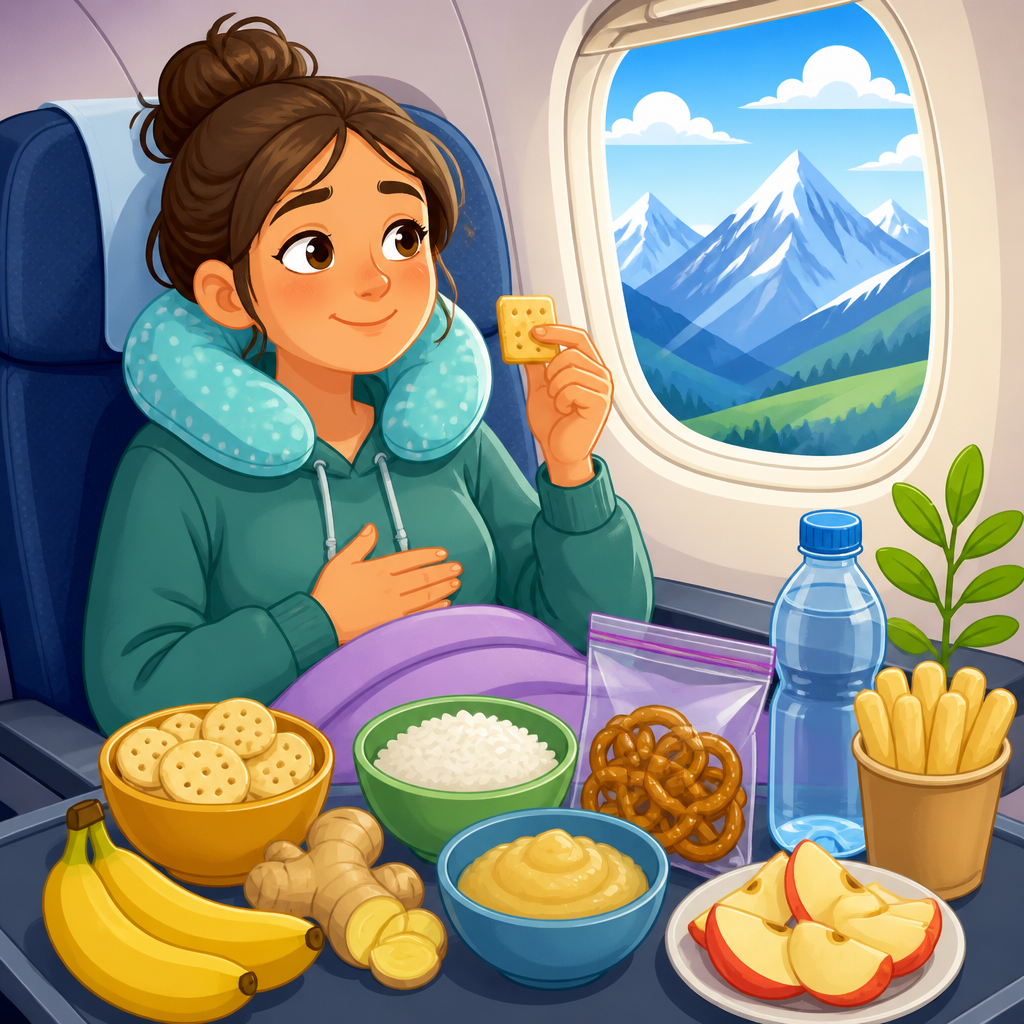
Altitude can turn even a routine snack into the wrong choice when nausea hits, which is why choosing the best snacks for altitude travel when you feel nauseated matters more than most travelers expect. In mountain towns, on high passes, and during long rides to ski areas or trekking starts, appetite often drops while fluid needs rise, and the usual energy bars or greasy convenience foods can suddenly seem impossible to eat. Altitude travel generally refers to journeys above about 5,000 to 8,000 feet, where lower oxygen pressure can trigger headache, lightheadedness, digestive slowdown, and queasiness. Nausea at elevation is not always severe altitude illness, but it is common enough that food strategy becomes a practical safety tool, not just a comfort issue.
I have worked with travelers, guides, and endurance athletes heading into higher elevations, and the pattern is consistent: the people who do best usually eat small, bland, carbohydrate-forward snacks before they feel desperate. They avoid long gaps without fuel, limit heavy fat loads, and keep sodium and hydration in the plan. This article serves as the nutrition and fueling hub within Sleep, Hydration and Nutrition, so it covers what to eat, what to avoid, how to time snacks, and how to build a portable altitude snack kit. It also connects the bigger picture: food affects energy, hydration status, recovery, motion tolerance, and sleep quality at altitude. If your stomach feels off, the goal is not perfect nutrition. The goal is steady, tolerable intake that protects function.
Why altitude nausea changes what your body can handle
At altitude, reduced oxygen availability pushes the body to work harder for the same task. Breathing rate increases, fluid loss through respiration rises, and many people urinate more, especially during early acclimatization. At the same time, appetite can fall. Mild swelling, stress hormones, disrupted sleep, dehydration, and hard travel days can all make the stomach feel unsettled. If you add winding roads, exertion, alcohol, or a large meal, nausea becomes much more likely.
From a fueling perspective, this matters because digestion is rarely at its best when you are hypoxic, tired, and dehydrated. Large fatty meals empty from the stomach more slowly than lighter carbohydrate-based foods. Very high fiber foods, spicy dishes, and rich dairy can also be poorly tolerated if you already feel queasy. That does not mean these foods are unhealthy. It means they are often the wrong tool during the first day or two at elevation, during transit, or while symptoms are active. The best snacks for altitude travel when you feel nauseated are usually simple, low-odor, easy to portion, and based on carbohydrates with modest sodium.
Nausea can also blur the line between inconvenience and a real warning sign. If you have nausea with severe headache, repeated vomiting, unusual fatigue, confusion, shortness of breath at rest, or loss of coordination, do not treat snacks as the only solution. Those can be signs of worsening altitude illness that require stopping ascent and getting medical help. For everyday queasiness, though, smart snack choices often stabilize blood sugar, make fluids easier to tolerate, and prevent the empty-stomach spiral that leaves people weaker and sicker.
What makes a snack nausea-friendly at elevation
A good altitude snack has five traits. First, it is easy to eat in small bites. Second, it is mostly carbohydrate, because carbohydrates are generally the quickest fuel to absorb and often the least offensive when appetite is low. Third, it has some sodium, either built in or paired with an electrolyte drink, since sodium helps replace what is lost through sweat and urine and can improve palatability. Fourth, it is low in grease and not overly sweet. Fifth, it travels well in a daypack, car, or jacket pocket.
Bland does not have to mean nutritionally empty. Plain crackers, pretzels, dry cereal, applesauce pouches, rice cakes, bananas, simple granola, toast, oat bars, and ginger chews all have a place. The key is context. A banana works well at breakfast before a gondola ride. Pretzels are useful during a rest stop when you need salt and crunch. An applesauce pouch can be ideal when chewing feels like too much effort. Many travelers do best by rotating textures and flavors gently rather than forcing one item repeatedly.
Temperature and smell matter too. Warm, greasy, heavily scented foods can worsen nausea fast in a car or bus. Neutral snacks usually go down better. Packaging matters more than people think. Resealable bags, single-serve packs, and crush-resistant containers reduce friction, and reducing friction increases the odds that you will actually eat before symptoms intensify.
Best snacks for altitude travel when you feel nauseated
The best first-line options are bland starches and easy fruit. Saltine crackers, oyster crackers, mini pretzels, plain rice cakes, dry toast, low-fat graham crackers, and unsweetened or lightly sweetened dry cereal are classics because they are gentle and predictable. Bananas are widely tolerated because they are soft, mild, and rich in carbohydrate and potassium. Applesauce pouches work especially well for children and adults who cannot tolerate chewing. Plain instant oatmeal cups can be excellent at a lodge or hotel because warm oats are often easier to keep down than a heavy breakfast.
Ginger deserves special mention. Evidence from motion sickness and pregnancy-related nausea supports ginger as a useful anti-nausea aid for many people, and in practice it often helps travelers at altitude too. Ginger chews, ginger tea, ginger biscuits, or crystallized ginger can reduce queasiness, especially during winding drives. Peppermint may help some people as well, though it is less consistently effective than ginger. If sweetness worsens your nausea, choose stronger ginger products with less candy coating.
When you need more staying power, move up to gentle mixed snacks rather than jumping straight to dense bars. Examples include plain crackers with a thin layer of peanut butter, a simple oat bar with moderate sugar, trail mix that emphasizes pretzels and cereal over chocolate, or yogurt if you know dairy sits well with you. Sports chews and low-acid fruit snacks can help during active movement, but they are best used in small doses with water. Liquid calories are useful when solids are unappealing: diluted sports drink, oral rehydration solution, weak tea with honey, or a smoothie that is not too thick can bridge a rough patch.
| Snack | Why it helps at altitude | Best use case | Watch out for |
|---|---|---|---|
| Saltine crackers or pretzels | Bland, salty, easy to nibble | Car rides, rest stops, mild morning nausea | Low protein, so pair later with more substantial food |
| Banana | Soft texture, easy carbohydrate, potassium | Breakfast, pre-hike, post-travel recovery | Bruises easily in a packed bag |
| Applesauce pouch | No chewing, gentle sweetness, hydration support | Active nausea, children, quick roadside intake | May be too sweet for some adults |
| Instant oatmeal | Warm, mild, filling without heaviness | First meal after arrival at altitude | Choose lower-fiber versions if your stomach is sensitive |
| Ginger chews or tea | Can reduce nausea and motion discomfort | Winding roads, gondola rides, early queasiness | Some products are very sugary |
| Simple oat bar | Portable, moderate energy, easy portioning | Between meals, airport-to-mountain travel days | Avoid bars loaded with fiber alcohols |
Snacks and drinks to limit when your stomach is unsettled
Some foods increase the odds of vomiting, reflux, or bloating at elevation. Fried snacks, pizza slices, cheeseburgers, creamy pastries, and large servings of nuts are common mistakes on travel days because they are convenient but heavy. Fat slows gastric emptying, which can leave food sitting in the stomach when you already feel nauseated. Very spicy foods can irritate the stomach lining and worsen reflux. High-fiber protein bars, bean-heavy meals, and large raw salads may be healthy in other settings but can be hard to digest when oxygen is lower and stress is higher.
Very sweet items can also backfire. Large candy bars, rich desserts, and undiluted sugary drinks may taste good for a moment, then become cloying and aggravating. Sugar alcohols such as sorbitol, erythritol, and maltitol, common in low-sugar bars and gums, can trigger bloating and diarrhea. Caffeine is nuanced. A normal coffee habit does not automatically need to stop, but too much caffeine on an empty stomach can worsen jitters, reflux, and nausea, especially with dehydration. Alcohol is the easiest recommendation: limit it early in the trip. It impairs sleep, adds dehydration risk, and can mask the progression of altitude symptoms.
One practical rule I use is this: if a snack leaves grease on your fingers, has a strong smell in a warm car, or feels too rich at sea level, it is unlikely to be your best altitude food when nausea is active. Save it for later, once you are acclimatizing well and eating normally again.
How to time fueling so nausea does not spiral
Timing matters almost as much as the snack itself. The most effective pattern is small, frequent intake every sixty to ninety minutes instead of waiting for a full meal. An empty stomach can make nausea sharper, but a very full stomach can do the same. Small doses keep blood glucose steadier and are easier to tolerate under stress. Before ascent, eat a light meal built around familiar carbohydrates: oatmeal, toast, fruit, rice, or a plain bagel. During travel, sip fluids regularly and take a few bites before hunger becomes obvious.
Morning is often the hardest window at altitude because overnight breathing losses increase dehydration and many people wake with a dry mouth, headache, or low appetite. Starting with water, tea, or an electrolyte drink, then adding crackers, banana, or oatmeal twenty to thirty minutes later often works better than forcing a big breakfast immediately. During active days, use snack breaks deliberately. A skier can carry pretzels and an oat bar. A road tripper can keep crackers and ginger in the console. A trekker can use easy-access hip-belt pockets for chews, rice crackers, or dried fruit.
After a bout of nausea or vomiting, reentry should be gradual. Start with sips, then bland carbohydrate, then more substantial foods. This is not the time to test your tolerance with a burrito or a double espresso. Once your stomach calms, add protein in moderate amounts to support recovery, such as yogurt, eggs, tofu, or a turkey sandwich.
Building a practical altitude snack kit
A reliable kit prevents bad decisions when options are limited to gas stations, airports, or resort cafeterias. Pack at least two bland starches, one fruit option, one anti-nausea aid, and one hydration support item. A strong basic kit includes saltines, pretzels, bananas or applesauce pouches, ginger chews, and electrolyte packets. For longer days, add instant oatmeal, a simple bar, and a backup protein item that you already know you tolerate well.
Read labels closely. Look for bars with recognizable ingredients, moderate fiber, and no heavy coating that will melt or become unappetizing. Avoid experimental supplements, ultra-high-caffeine products, and bars centered on chicory root or multiple sugar alcohols. If you are traveling with children, use familiar brands and textures. If you have dietary restrictions, test alternatives at home first. Gluten-free travelers often do well with rice crackers, certified gluten-free oats, bananas, and potatoes. Dairy-free travelers can lean on dry cereal, oat bars, fruit purees, and nut butters in modest amounts.
Storage is part of performance. Keep one kit in your carry-on, one in your daypack, and one in the vehicle. Altitude nausea often appears when you are away from your main luggage. Convenience is not trivial; it is the difference between eating early and skipping fuel until symptoms escalate.
When snacks help, and when you need more than nutrition
Food can ease mild altitude-related nausea, but it does not replace acclimatization, hydration, rest, or medical judgment. If symptoms are mild and improve with slower ascent, fluids, and bland snacks, you are probably dealing with routine altitude adjustment or motion-related stomach upset. If nausea persists, intensifies, or is paired with severe headache, ataxia, confusion, chest symptoms, or repeated vomiting, treat it as a medical problem. Descending is often the safest response. Medications such as acetazolamide or anti-nausea drugs may be appropriate in some cases, but those decisions should be made with a clinician, especially if you have heart, lung, or kidney issues.
Nutrition still plays a central role across the whole trip. Better fueling supports steadier energy, more consistent hydration habits, improved sleep, and a lower chance of digging a hole through under-eating. In my experience, travelers who prepare a simple snack system feel better sooner and recover more predictably after hard travel days. The best snacks for altitude travel when you feel nauseated are not fancy. They are bland, portable, familiar, and easy to eat before your stomach fully rebels.
Build your kit around crackers, pretzels, bananas, applesauce, oatmeal, simple bars, ginger, and electrolyte support. Use small, frequent portions, limit greasy and strongly flavored foods, and respect warning signs that suggest more than ordinary nausea. As the nutrition and fueling hub for this topic, this guide gives you the foundation for smarter choices before, during, and after ascent. Pack the right snacks before your next mountain trip, and give your body the easiest possible path to adapting well.
Frequently Asked Questions
What are the best snacks for altitude travel when you feel nauseated?
The best snacks for altitude travel when you feel nauseated are usually plain, easy-to-digest foods that offer a little energy without being heavy, greasy, or overly sweet. Good options include plain crackers, dry toast, pretzels, rice cakes, applesauce pouches, bananas, plain oatmeal cups, simple cereal, ginger chews, ginger cookies, and small portions of trail-friendly foods like unsalted nuts if you can tolerate them. Many travelers also do well with broth-based soups, plain instant noodles, or electrolyte pops if they are resting in a lodge, hotel, or mountain town rather than actively moving.
At higher elevations, nausea often comes with reduced appetite, mild dehydration, motion sensitivity, or the early effects of altitude illness. That is why bland, small, frequent snacks tend to work better than large meals. Foods with a dry texture can be especially helpful first thing in the morning or during a winding car ride because they are less likely to trigger stomach discomfort. If you want something with a bit more substance, pair a bland carbohydrate with a small amount of protein, such as crackers with a thin layer of peanut butter or a banana with a few almonds. The key is to eat slowly, take small bites, and stop before you feel overly full.
Why does altitude make nausea worse, and can food choices really help?
Altitude can make nausea worse for several reasons, and yes, food choices can absolutely help reduce discomfort. As elevation increases, lower oxygen levels can affect how your body feels and functions. Some people develop mild symptoms such as headache, fatigue, poor appetite, dizziness, and queasiness, especially above roughly 5,000 to 8,000 feet and higher. Add in dry air, dehydration, long travel days, motion from mountain roads, irregular meal timing, and heavy winter clothing or exertion, and the stomach can become very sensitive.
What you eat matters because certain foods are simply easier on the stomach during altitude adjustment. Greasy fast food, oversized meals, rich desserts, strong coffee on an empty stomach, and highly processed convenience snacks can worsen nausea for many travelers. In contrast, bland carbohydrates and light snacks are less demanding to digest and may help stabilize blood sugar when appetite is low. Hydrating foods such as fruit, soup, or applesauce can also support fluid intake, which is important because dehydration and nausea often reinforce each other. Food is not a cure for altitude sickness, but smart snack choices can make a real difference in comfort and can help you keep enough fluids and calories on board to feel steadier.
Which snacks should I avoid at high altitude if I already feel queasy?
If you already feel queasy at high altitude, it is wise to avoid foods that are greasy, spicy, very sugary, or unusually heavy. Common examples include fried snacks, chips in large amounts, fast-food burgers, rich pastries, creamy desserts, oversized protein bars, heavily seasoned jerky, and anything with a strong smell that turns your stomach. Carbonated drinks can also be uncomfortable for some travelers because bloating and stomach pressure can make nausea feel worse. Alcohol is another major one to avoid, especially early in your trip, because it can worsen dehydration, interfere with sleep, and intensify altitude symptoms.
Even foods that are normally healthy can be a bad fit if they are too fibrous or hard to digest while you feel unwell. Large salads, big portions of raw vegetables, and very dense nutrition bars may sit heavily in your stomach. The same goes for too much caffeine if you have not had much water. The goal is not to eat perfectly; it is to choose foods your stomach is most likely to accept. When in doubt, keep it simple: small portions, bland flavors, gentle textures, and steady hydration usually beat “power snacks” when nausea is already present.
How often should I eat when I feel nauseated during altitude travel?
When you feel nauseated during altitude travel, eating small amounts every one to two hours is often more helpful than trying to force down full meals. A few crackers, half a banana, a spoonful of applesauce, or a handful of pretzels can be enough to keep your energy from dropping without overwhelming your stomach. Long gaps without food can sometimes make nausea worse, especially if you are also dealing with dehydration, fatigue, or winding roads. Think in terms of nibbling rather than dining.
It also helps to separate the idea of eating for comfort from eating for performance. On the first day or two at altitude, your body may not want a normal appetite. That is common. Instead of pushing a large breakfast, lunch, or dinner, try light snacks and fluids throughout the day. Sip water regularly, consider an electrolyte drink if you have been sweating or traveling for hours, and take advantage of bland foods that are easy to carry. If your nausea improves, you can gradually add more substantial foods. If it worsens, especially along with headache, vomiting, unusual fatigue, shortness of breath at rest, or confusion, you should take altitude symptoms seriously and seek medical guidance.
Are ginger, electrolytes, and hydration snacks actually useful for altitude nausea?
Yes, ginger, electrolytes, and hydrating snacks can all be useful for altitude-related nausea, especially when symptoms are mild and linked to travel fatigue, dry air, reduced appetite, or motion sensitivity. Ginger has a strong reputation for helping settle the stomach and is easy to bring in practical forms such as ginger chews, ginger tea bags, crystallized ginger, or simple ginger cookies. Not everyone likes the taste, but many travelers find it one of the easiest non-medicinal options to try.
Electrolytes and hydration-focused snacks matter because altitude environments are often dry, and people can lose fluids without realizing it. Water is essential, but combining fluids with some sodium and a little carbohydrate can help if you have been sweating, breathing dry air, or eating very little. Useful options include oral rehydration packets, low-sugar electrolyte drinks, broth, watery fruit like melon or orange slices if tolerated, applesauce, and soup. That said, hydration is not about chugging large amounts all at once. Slow, steady intake is usually more comfortable when you are nauseated. If symptoms are persistent or severe, remember that snacks and fluids are supportive tools, not substitutes for descending, resting, or getting medical care when altitude illness is a concern.