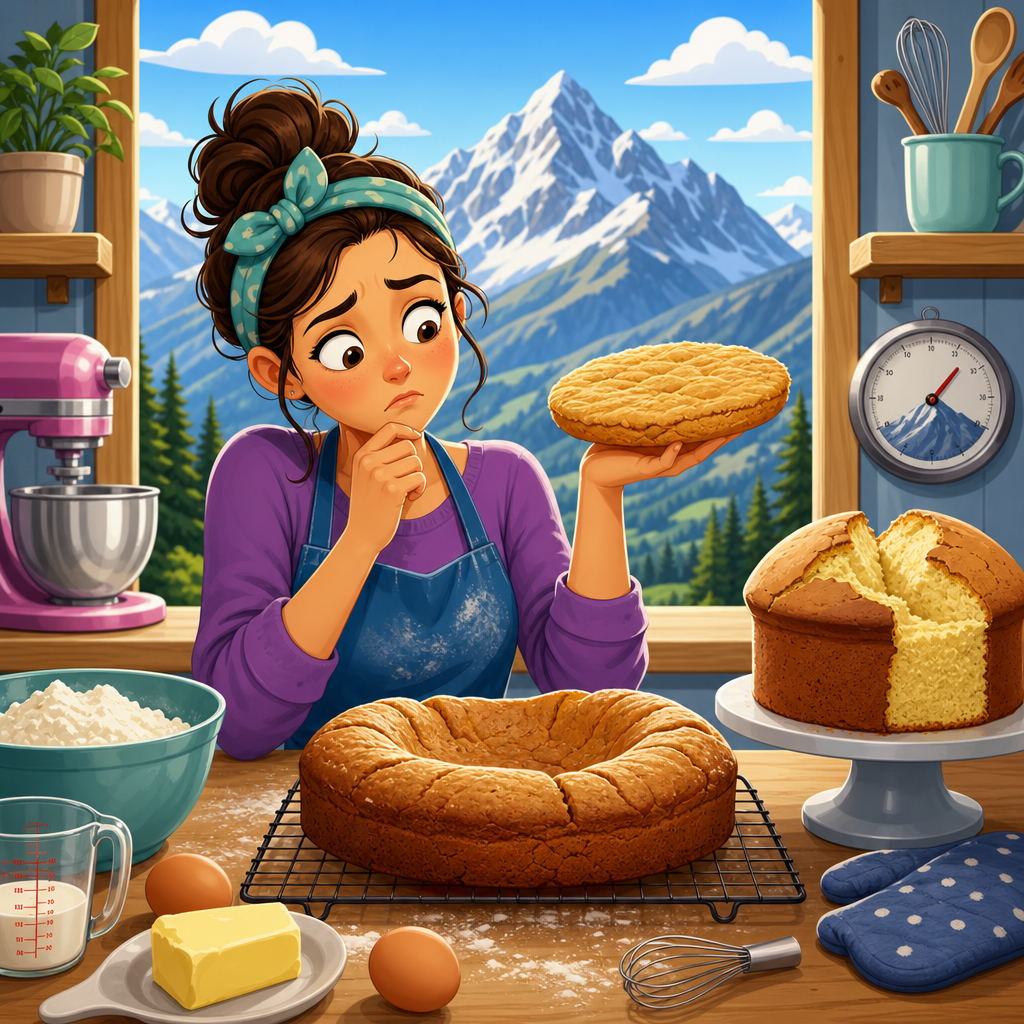
Biscuits at altitude can turn from tender layers into dry pucks fast, and that is exactly why bakers in mountain regions need a reliable method for keeping them flaky and tall. In baking, altitude usually starts affecting results around 3,000 feet, then becomes progressively more disruptive as air pressure drops. Lower pressure means gases expand faster, water boils at lower temperatures, and doughs can rise, dry out, and set differently than the same recipe at sea level. Biscuits are especially sensitive because they rely on a narrow balance of cold fat, restrained gluten development, adequate moisture, and quick oven spring. If any one of those factors shifts too far, the dough spreads, toughens, or bakes up short.
This hub for Quick Breads & Breakfast Bakes explains how to adapt biscuit technique at altitude while also connecting the larger family of altitude-sensitive breakfast baking. Quick breads use chemical leaveners such as baking powder or baking soda instead of yeast, and breakfast bakes include scones, muffins, coffee cakes, pancakes, waffles, and breakfast breads. In my own test bakes above 5,000 feet, biscuits taught the clearest lesson: altitude does not demand a completely new recipe as much as it demands tighter control over hydration, mixing, shaping, and heat. Once those controls are understood, the same principles transfer to nearly every fast morning bake.
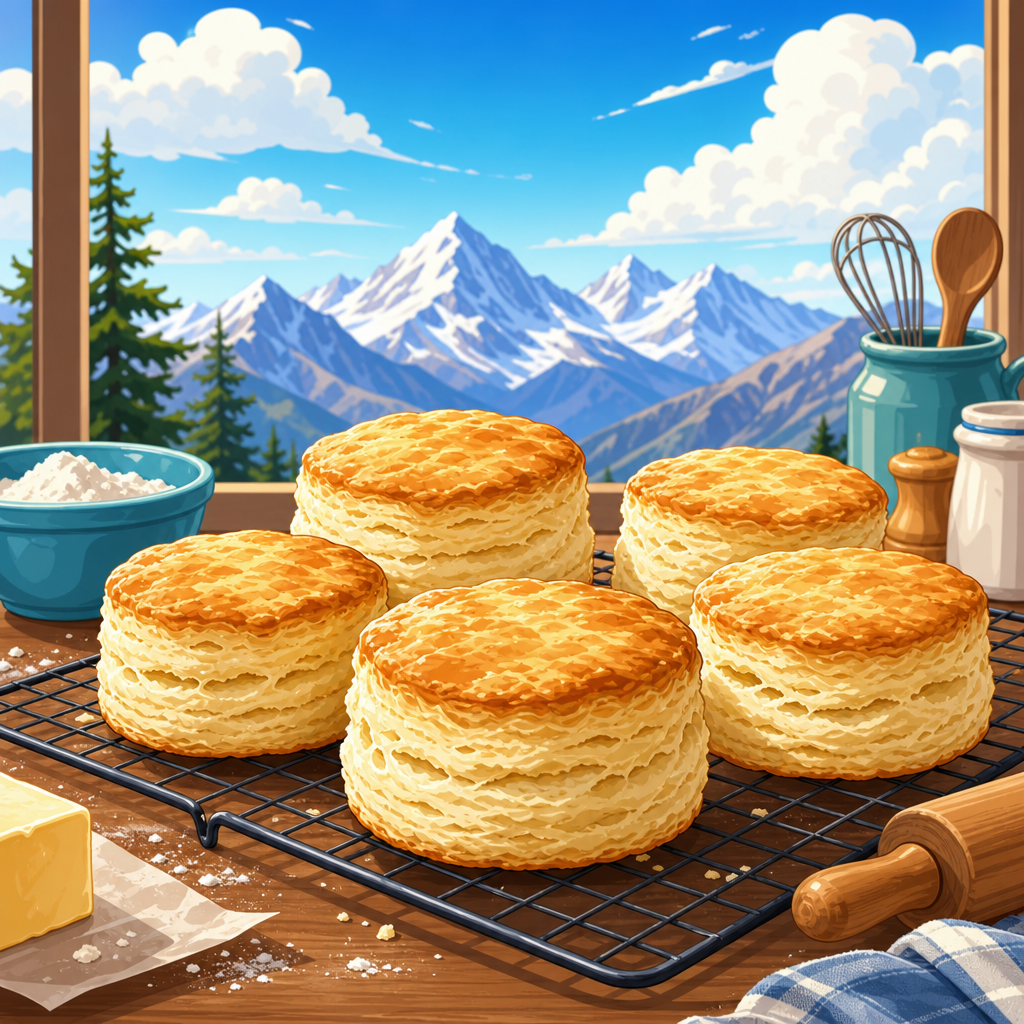
The goal is simple. You want a biscuit with visible layers, a straight rise, browned edges, and a soft interior that pulls apart cleanly. To get there, you need to know what changes first at elevation, how to adjust ingredients without overcorrecting, and which related breakfast bakes respond to the same logic. This guide covers the science, the process, the common mistakes, and the best pathways into muffins, scones, and other quick breads so this page can serve as the working hub for the whole subtopic.
Why altitude changes biscuits first
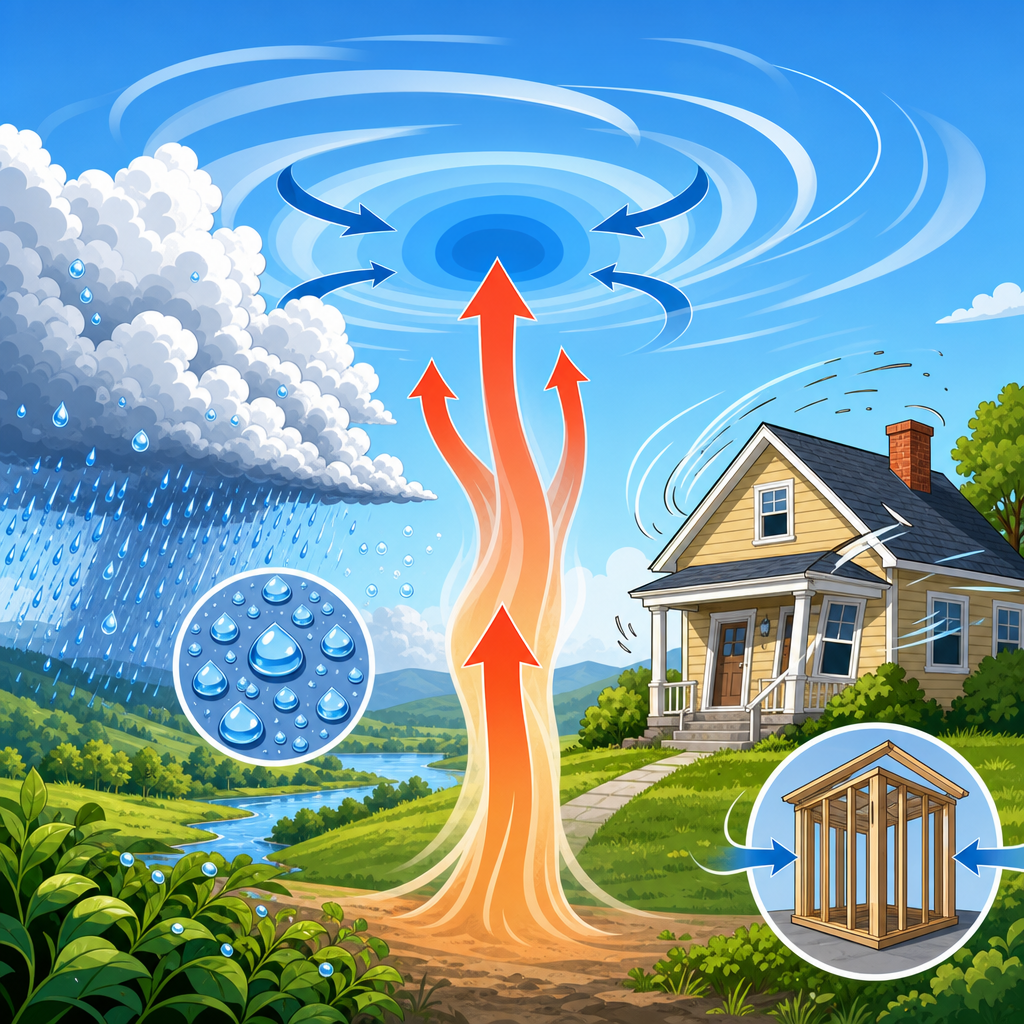
Altitude affects biscuits through three main mechanisms. First, leavening gases expand more readily in lower air pressure, so dough can puff too quickly before its structure is ready. Second, moisture evaporates faster and liquids boil sooner, which encourages dryness and can prevent a proper internal set. Third, flour often behaves thirstier in dry mountain climates, even before the dough enters the oven. Those three forces together explain why an otherwise excellent sea-level biscuit recipe may over-rise, topple sideways, or bake crumbly at 6,000 feet.
For biscuits, fast expansion is particularly risky because the dough is intentionally weak. Unlike bread dough, biscuit dough is not developed for elasticity. Its height depends on laminated fat pieces creating steam and on proteins setting in time to support that lift. At altitude, if the leavener is too strong or the oven too cool, the dough can spread before the layers lock in. If the dough is too dry, the layers cannot separate well. If it is overmixed, gluten toughens the crumb and suppresses flakiness. So the baker’s task is not to force more rise, but to control the rise that already comes easily.
These principles also explain why altitude baking advice can sound inconsistent. A muffin may need slightly less leavener and a bit more liquid. A pancake batter may need more liquid, a hotter griddle, and less standing time. A coffee cake may need less sugar and a higher baking temperature. The underlying cause is the same, but the structure of each bake differs. Biscuits are the cleanest starting point because every variable is visible in the final shape.
Ingredient adjustments that keep biscuits tall
The most effective altitude biscuit adjustments are modest. At 3,000 to 5,000 feet, reduce baking powder slightly, often by about 1/8 teaspoon per teaspoon in the original formula. Above 5,000 feet, some bakers cut closer to 1/4 teaspoon per teaspoon, depending on the brand and whether the recipe also contains baking soda or acidic dairy. The reason is straightforward: too much chemical lift can make biscuits balloon and collapse instead of rising straight. If the recipe uses buttermilk, keep enough acidity to activate baking soda, but avoid stacking full-strength baking powder and soda unless the formula truly needs both.
Liquid usually needs a small increase. Start with 1 to 2 extra tablespoons of liquid per batch of roughly 2 cups flour, then judge by feel. The dough should look shaggy but not dusty. When pressed together, it should hold without cracking apart at the edges. In Colorado and other dry climates, flour stored in heated indoor air often absorbs noticeably more moisture, so the same recipe can vary week to week. That is why experienced altitude bakers rely on dough texture more than a rigid measuring script.
Fat choice matters too. Butter produces superior flavor and clear layers, but because butter contains water, it also creates steam rapidly. At altitude, that is beneficial only if the butter stays cold long enough to reach the oven intact. European-style butter with higher fat can work beautifully, but standard unsalted butter is usually easier to manage. Shortening makes taller, neater biscuits in some formulas because it melts more slowly, yet it lacks butter’s flavor. A common professional compromise is using mostly butter with a small portion of shortening for extra stability.
| Issue | Typical altitude cause | Practical biscuit fix |
|---|---|---|
| Biscuits spread outward | Too much leavener, warm fat, oven not hot enough | Reduce baking powder slightly, chill dough, bake hotter |
| Biscuits bake dry | Low humidity, excess flour, too little liquid | Add 1 to 2 tablespoons liquid, measure flour carefully |
| Biscuits rise then collapse | Overexpansion before structure sets | Cut leavener, avoid overhandling, use sharp cutter |
| Biscuits are tough | Too much mixing or rerolling | Fold minimally, pat dough once or twice, cut close together |
| Layers disappear | Fat smeared into flour | Keep ingredients cold, work quickly, chill before baking |
Salt and sugar need less adjustment in standard savory biscuits, but sweet breakfast biscuits and shortcakes at altitude may benefit from a small sugar reduction because sugar weakens structure and slows setting. Flour selection can matter more than many recipes admit. Southern soft-wheat flours make exceptionally tender biscuits at sea level, yet at high altitude they can be less forgiving if the dough is already struggling to hold shape. An all-purpose flour in the 10 to 11.7 percent protein range is often the safest base for a tall, layered biscuit.
Technique: the difference between flaky and flat
Most altitude biscuit failures come from technique amplified by elevation. The first rule is to keep everything cold. I chill the flour bowl, cube the butter, and if the kitchen is warm, even refrigerate the cut biscuits for ten minutes before baking. Cold fat delays melting, which lets steam form distinct layers rather than leaking out early. This matters more at altitude because the dough is already prone to overexpansion before the structure sets.
Mixing should be brief and intentional. Cut the butter into the flour until you have a mix of pea-size and flatter pieces, not a uniform sandy crumb. Add cold liquid and stir just until the dough comes together. A shaggy dough is correct. Then pat it into a rectangle, fold it in thirds, rotate, and pat again. One or two folds are enough to build layers. More folding can create visible lamination, but it also risks toughness if the dough warms or the gluten develops too much.
When shaping, avoid twisting the cutter. Press straight down with a sharp biscuit cutter or knife. Twisting seals the edges and limits upward rise. For square biscuits, cutting with a bench scraper reduces waste and eliminates rerolls, which is useful at altitude because rerolled dough tends to bake unevenly and toughen faster. Place biscuits close together for softer sides and more vertical support, or spaced apart for crisper edges. Many altitude bakers get better height from biscuits baked with light side contact.
Oven temperature is the final structural tool. A hot oven, often 425 to 450 degrees Fahrenheit, sets the layers fast and encourages strong initial lift. If your biscuits brown before fully baking through, your oven may run hot or the pan may be too dark. An oven thermometer is not optional for serious altitude baking. In repeated tests, a true 440 degrees often produced taller biscuits than a nominal 425 in an inaccurate oven cycling low.
How biscuit lessons apply across quick breads and breakfast bakes
Biscuits are the hub because they teach the core altitude pattern for quick breads: reduce overaggressive rise, protect moisture, and set structure sooner. Scones follow nearly the same rules, though they usually contain more sugar, eggs, or cream, which means they may need a slightly larger flour adjustment or a small temperature increase to prevent overspreading. Muffins add another variable: batter aeration. At altitude, overmixed muffin batter tunnels more easily and crowns can peak sharply before drying out, so restrained mixing and a careful leavener reduction are critical.
Coffee cakes and breakfast loaves such as banana bread, pumpkin bread, and zucchini bread often seem easier than biscuits, but they hide altitude problems until the center sinks. Their higher sugar content and longer bake times make them vulnerable to collapse and gummy interiors. Here, the biscuit lesson about structure matters again. Reducing leavener modestly, increasing baking temperature by 15 to 25 degrees, and sometimes adding a tablespoon or two of flour can improve stability. The exact adjustment depends on pan size, sugar level, and moisture from fruit or vegetables.
Pancakes and waffles sit at the faster, looser end of the same spectrum. Batters can foam excessively at altitude, then cook up fragile or dry. A small leavener reduction, a touch more liquid, and a hotter cooking surface usually solve the problem. Popovers and Dutch babies are a special case. They rely on dramatic steam expansion, so altitude can exaggerate their rise and collapse cycle. Success depends on batter temperature, pan heat, and baking them long enough to dry the walls before removal.
As a sub-pillar hub, this page points naturally into deeper articles on altitude biscuits, scones, muffins, pancakes, waffles, coffee cakes, and quick loaves. The connective tissue among them is method. If you can read dough consistency, protect cold fat, calibrate leavening, and trust a hot oven, you can handle most breakfast baking above sea level with confidence.
Common mistakes and a dependable altitude workflow
The most common mistake is adding too much flour because the dough feels sticky. High-altitude biscuit dough should feel slightly tacky. Bench flour is for control, not absorption. Another mistake is relying on volume flour measurements scooped directly from the bag, which can add enough excess flour to dry the dough before altitude even enters the equation. Weighing flour is more accurate; 120 grams per cup is a useful baseline for many all-purpose flours.
A second major mistake is underestimating preheat and pan choice. Thin shiny aluminum pans usually promote the cleanest biscuit rise. Heavy dark pans brown bottoms too quickly, and insulated sheets can reduce spring. Fully preheat the oven and bake immediately after cutting, or chill the tray briefly if the dough has warmed. Timing matters because baking powder starts reacting as soon as it is moistened, especially if the dough sits in a warm kitchen.
A dependable workflow looks like this: weigh flour, salt, and leavener; cube and chill the butter; stir in cold dairy just until shaggy; fold once or twice; cut decisively; chill if needed; bake hot; cool only briefly before serving. Then record what happened. If the biscuits spread, lower leavener or raise oven heat. If they cracked dry, add liquid. If they were tall but tough, mix less next time. Altitude baking improves dramatically when each batch teaches one clear adjustment.
Keeping biscuits flaky and tall at altitude comes down to controlling expansion, preserving moisture, and setting structure before the dough has a chance to collapse. Start with small changes: slightly less leavener, slightly more liquid, colder ingredients, minimal handling, and a genuinely hot oven. Use dough texture as your guide, not blind loyalty to a sea-level formula. When biscuits rise straight and pull into distinct layers, you know the balance is right.
The bigger payoff is that biscuit skill transfers across the entire Quick Breads & Breakfast Bakes category. Scones, muffins, coffee cakes, pancakes, waffles, and breakfast loaves all respond to the same altitude logic, just in different proportions. Learn to identify whether a bake needs less lift, more moisture, faster setting, or gentler mixing, and you will solve most high-elevation breakfast problems before they become habits.
This hub is your starting point for the full Cooking & Baking at Altitude series. Use it to troubleshoot biscuits first, then branch into the related breakfast bakes that share the same science. Bake one batch, take notes, adjust with purpose, and you will build a repeatable high-altitude method that works long after a single recipe is gone.
Frequently Asked Questions
Why do biscuits behave so differently at high altitude?
Once you get above roughly 3,000 feet, lower air pressure starts changing the way biscuit dough rises, hydrates, and bakes. Leavening gases expand faster, so biscuits can puff early before the structure is strong enough to hold that lift. At the same time, moisture evaporates more quickly because water boils at a lower temperature, which can leave dough drier than expected and make finished biscuits crumbly instead of tender. Fat also melts and spreads differently, especially if the kitchen is warm, which affects how distinct those flaky layers stay in the oven.
Biscuits are particularly sensitive because they rely on a careful balance of cold fat, minimal mixing, enough moisture, and just the right amount of lift. At altitude, a recipe that works perfectly at sea level may over-rise, spread, bake unevenly, or dry out before the center fully sets. That is why high-altitude biscuit baking usually calls for small but important adjustments, such as slightly reducing leavening, increasing liquid a bit, keeping ingredients very cold, and baking at a somewhat higher oven temperature. The goal is not to reinvent biscuits, but to help the dough rise in a controlled way so the layers stay tall, defined, and tender.
What recipe changes help biscuits stay flaky and tall in mountain climates?
The most effective high-altitude adjustments are usually modest rather than dramatic. Start by reducing the baking powder or other leavening slightly, since gas expansion is stronger at elevation and too much lift too soon can make biscuits rise fast and then collapse or turn coarse inside. A small increase in liquid is also helpful because flour tends to be drier and moisture cooks off faster in mountain environments. If the dough looks dusty, stiff, or reluctant to come together, that is a clear sign it may need a little more buttermilk, milk, or cream than the original recipe calls for.
Temperature control matters just as much as ingredient ratios. Use very cold butter or shortening so the fat stays in pieces until the heat of the oven creates steam between layers. Many high-altitude bakers also get better results by baking biscuits a little hotter, which helps the structure set before the dough can over-expand and lose shape. Another smart adjustment is to handle the dough gently and avoid adding excess flour during folding and cutting, since extra flour at altitude can quickly lead to a dry, heavy texture. Think in terms of fine-tuning: a touch less leavening, a touch more liquid, a hot oven, and a cold dough usually produce noticeably taller, flakier biscuits.
How do I keep my biscuits from turning dry or dense at altitude?
Dry, dense biscuits are usually the result of two problems happening at once: the dough loses moisture too quickly, and the gluten gets overworked before the biscuits have a chance to bake into tender layers. At altitude, this can happen fast. The first defense is to make sure the dough is properly hydrated. It should feel soft and slightly tacky, not crumbly or overly stiff. If it barely holds together in the bowl, add a little more liquid before shaping. A dough that starts out too dry will almost always bake up dry, no matter how carefully it is handled afterward.
The second key is gentle mixing. Stir just until the dough comes together, then use light folds to build layers rather than kneading heavily. Overmixing toughens biscuits anywhere, but it is especially punishing in high, dry climates. Also pay attention to bake time. Because ovens can vary and biscuits can brown quickly at the higher temperatures often used at altitude, it is easy to leave them in a minute or two too long. Pull them as soon as they are risen and golden. If you want an extra margin of tenderness, using buttermilk or a mix of cream and butter can help, since both contribute richness and soften the crumb while supporting a better rise.
What technique matters most if I want visible flaky layers?
If the goal is dramatic flaky layers, the single most important technique is preserving small, cold pieces of fat throughout the dough and then creating stacked layers through folding. When cold butter goes into a hot oven, it releases steam, and that steam helps separate the dough into distinct sheets. At altitude, where biscuits can expand quickly and moisture can disappear fast, this layering process becomes even more important because it provides structure as well as flakiness. Cut the butter into the flour until you have a mix of pea-sized pieces and smaller bits, then bring the dough together with minimal stirring.
After that, pat the dough out and fold it over itself several times, usually three to five simple folds is enough. This builds laminated layers without making the dough tough. Avoid twisting the cutter when portioning biscuits, because twisting can seal the edges and limit how high they rise. Use a sharp cutter or bench scraper and press straight down. Chilling the cut biscuits briefly before baking can also help in warm kitchens or very high elevations, since it firms the fat again and improves layer definition. In short, cold fat, gentle folds, and clean cuts do more for flaky altitude biscuits than any single ingredient swap.
How can I tell whether to adjust leavening, liquid, or oven temperature first?
The best way to troubleshoot is to match the adjustment to the specific problem you see. If biscuits shoot upward unevenly, topple, or rise quickly and then sink, excess leavening is often the first thing to reduce. High altitude makes gases expand more aggressively, so even a recipe that is balanced at sea level may need a little less baking powder in the mountains. If biscuits are pale but dry inside, or they spread before setting, the oven may not be hot enough to establish structure early. Raising the baking temperature slightly often improves both height and shape.
If the dough feels rough, cracks around the edges when pressed, or the finished biscuits taste dry and sandy, start with liquid. A small increase in buttermilk, milk, or cream is often the most helpful correction because altitude encourages faster evaporation from mixing bowl to oven. In many cases, all three factors work together, but there is no need to overhaul the recipe at once. Make one adjustment at a time and keep notes on the altitude, ingredient amounts, and baking results. That methodical approach is how experienced high-altitude bakers dial in a biscuit recipe that consistently delivers tall tops, tender centers, and clean flaky layers.