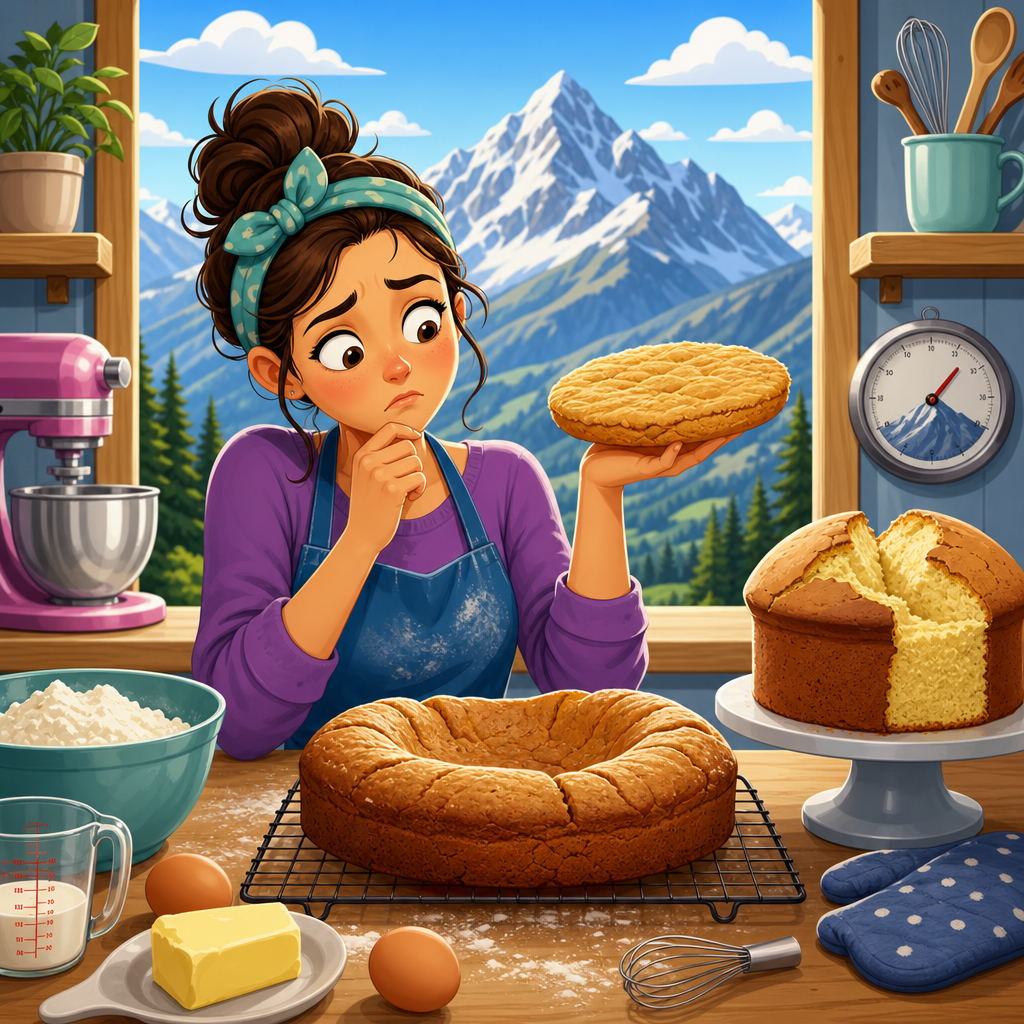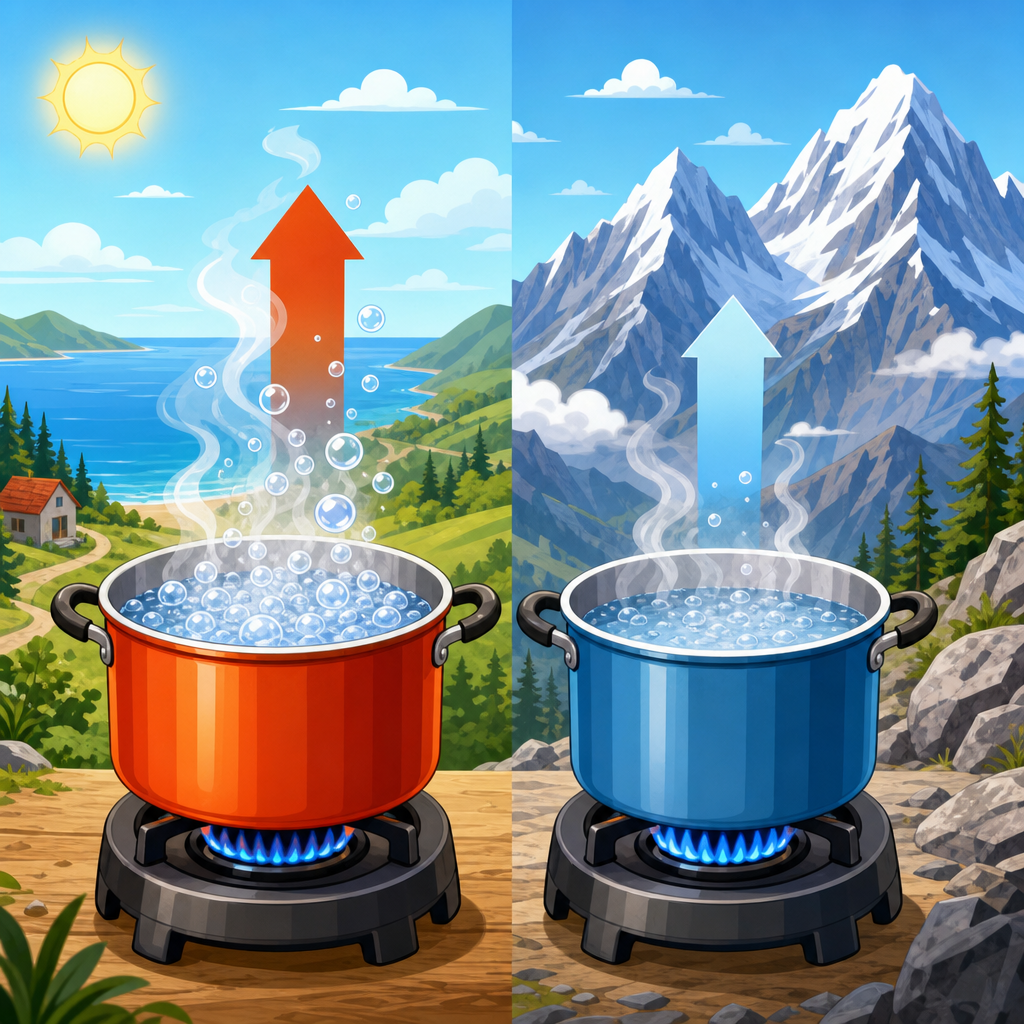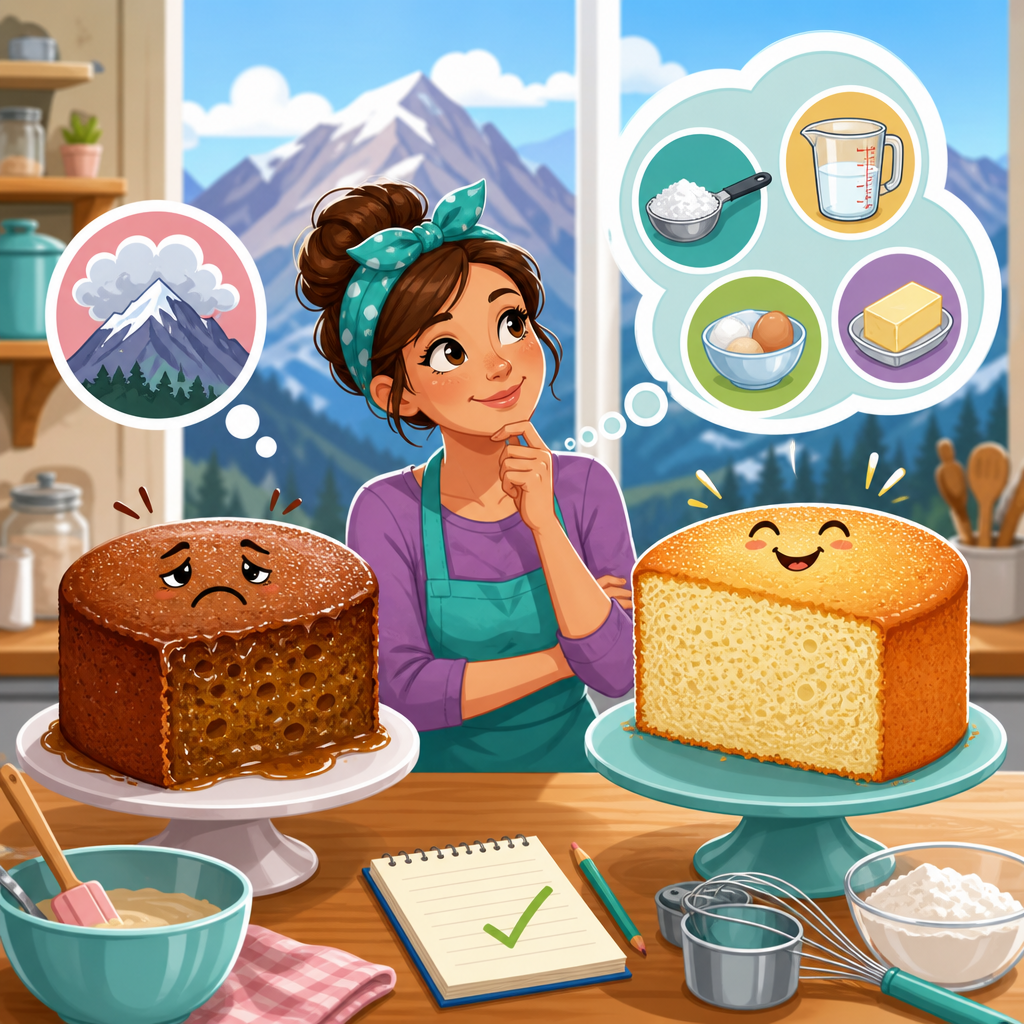
How to fix a gummy cake at altitude starts with understanding why high-elevation baking changes the structure of cakes and cupcakes so dramatically. At altitude, lower air pressure affects how gases expand, how quickly liquids evaporate, and how proteins and starches set. A gummy cake is a cake with a dense, wet, slightly sticky crumb that feels underbaked even when the crust looks done. In my test kitchens above 5,000 feet, I see this most often in butter cakes, oil-based layer cakes, and cupcakes that rise fast, brown early, and then cool into a heavy interior. For home bakers, the problem matters because the same recipe that works perfectly near sea level can fail repeatedly in Denver, Albuquerque, Flagstaff, or mountain towns with even thinner air. Fixing it is not about one magic trick. It is about adjusting formula, mixing, pan prep, oven settings, and doneness checks together. Once you know the causes and the corrections, you can turn gummy cakes into tender, even-crumbed cakes and build a reliable approach for every style in the cakes and cupcakes category.
Why cakes turn gummy at altitude
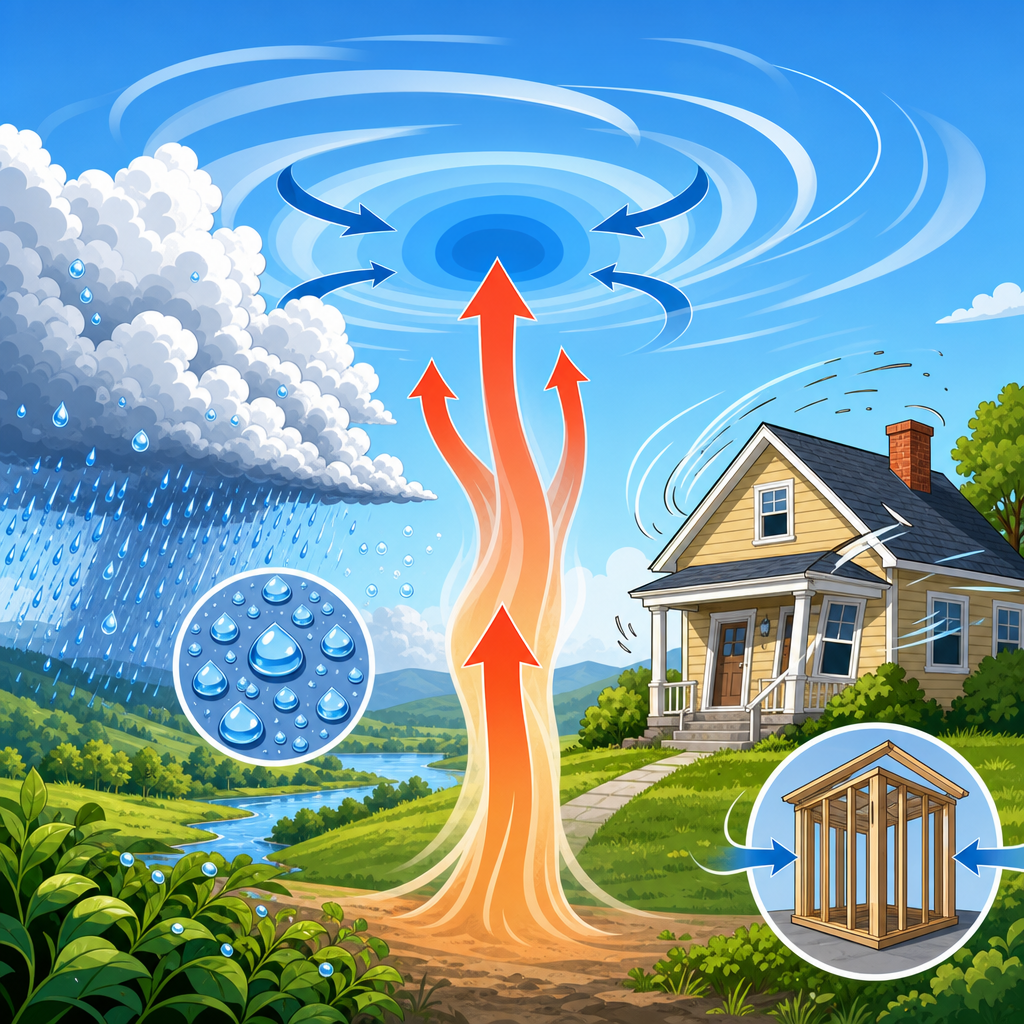
A gummy cake at altitude usually comes from imbalance. The batter may contain too much liquid for the environment, too much sugar weakening the structure, too little flour to absorb moisture, or too little heat to set the crumb before the leavening overexpands. Lower atmospheric pressure lets baking powder, baking soda, and trapped air expand more quickly. That sounds helpful, but in practice it often means the cake rises before its starches gelatinize and its egg proteins coagulate firmly enough to hold shape. Then the center collapses or compresses into a damp layer. I also see gumminess when bakers rely only on color. At altitude, cakes frequently brown faster because moisture leaves more quickly and ovens can run aggressively, so the surface looks ready while the center remains underbaked.
Ingredient ratios are critical. Sugar is hygroscopic, meaning it attracts and retains water, so high-sugar cakes can stay wet and sticky if not balanced with enough flour, egg, or baking time. Fat coats flour particles and limits gluten development, which is desirable for tenderness but can tip toward weakness when altitude already stresses structure. Flour provides starch and protein; without enough of it, the crumb cannot absorb liquid and set properly. Eggs contribute water, emulsifiers, and proteins that help cakes hold. Too few eggs can produce a fragile crumb, while too many can make cakes rubbery. The issue is not simply underbaking. It is often an under-structured batter exposed to high-altitude conditions.
How to diagnose the exact cause before changing the recipe
Before making adjustments, identify what the cake is telling you. If the top domes high, cracks, and still has a wet line through the middle, the oven may be too hot or the pan too small, causing the exterior to set before the center finishes. If the cake rises dramatically and then sinks, the recipe probably has too much leavening or too much sugar for your elevation. If cupcakes bake with greasy tunnels and sticky bottoms, the batter may be overmixed, overfilled, or too liquid. If a layer cake feels heavy and slick rather than fluffy, the flour-to-liquid ratio may be low, or the cake was pulled before the center reached full temperature.
I recommend recording elevation, pan size, batter weight, oven setting, and bake time every time you troubleshoot. A digital thermometer and an oven thermometer matter here. Most butter and oil cakes are fully baked when the center is roughly 200 to 210 degrees Fahrenheit, though exact finishing temperature varies with formula and pan depth. A toothpick should come out with a few moist crumbs, not wet batter. The edges should begin to pull slightly from the pan, and the center should spring back when pressed lightly. These signals are more dependable than color alone, especially for chocolate cakes and deeply sugared cupcakes.
The core fixes that solve most gummy cakes and cupcakes
The most effective high-altitude cake adjustments are small but deliberate. First, raise the oven temperature by 15 to 25 degrees Fahrenheit so the cake structure sets sooner. Second, reduce chemical leavening modestly; a common starting point is cutting baking powder or soda by about one eighth to one quarter, depending on elevation and recipe style. Third, decrease sugar slightly, often by one to two tablespoons per cup, to reduce moisture retention and structural weakness. Fourth, increase flour a little, usually one to four tablespoons per recipe, to strengthen the crumb. Fifth, reduce liquid slightly or add one more tablespoon or two of flour before removing much liquid, because hydration errors can quickly make cakes dry. Sixth, avoid overfilling pans. Two-thirds full is a safe standard for cupcakes and many cake pans.
Mixing method matters as much as formula. Creaming butter and sugar incorporates air, but overcreaming at altitude can create too much expansion early in the bake. Mix until lightened and fluffy, not until the mixture looks whipped. Once flour goes in, mix only until combined. For cupcakes, portion batter evenly with a scoop so every cavity bakes at the same rate. For layer cakes, use light-colored metal pans when possible. Dark pans increase browning and can exaggerate the outside-done, inside-gummy problem. Finally, cool cakes briefly in the pan, then turn them out as directed. Leaving a delicate cake in a hot pan too long traps steam and can make the crumb seem wetter.
Recommended cake and cupcake adjustments by issue
The easiest way to troubleshoot is to match symptoms to corrections. These are the changes I use most often for cakes and cupcakes baked from roughly 3,000 to 7,500 feet. Start with one or two adjustments, not five at once, then retest. Different cake families respond differently. A chiffon cake behaves unlike a pound cake, and a high-ratio birthday cake behaves unlike a simple vanilla cupcake. Still, the pattern below solves the majority of gummy results.
| Symptom | Likely cause | Best fix |
|---|---|---|
| Wet, dense center with browned top | Oven too cool or pan too deep | Increase oven 15 to 25°F and extend bake time as needed |
| Cake rises fast, then sinks sticky | Too much leavening at altitude | Reduce baking powder or soda by 1/8 to 1/4 |
| Sticky, heavy crumb throughout | Too much sugar or liquid | Reduce sugar 1 to 2 tbsp per cup; slightly reduce liquid if needed |
| Gummy cupcakes with tunnels | Overmixing after flour addition | Mix just until combined and avoid overfilling liners |
| Pale, wet cake that never fully sets | Too little flour or weak structure | Add 1 to 4 tbsp flour depending on batch size |
| Bottom soggy after cooling | Steam trapped in pan | Cool briefly, then unmold on a rack promptly |
These are starting ranges, not laws. Recipes with sour cream, buttermilk, mashed fruit, or melted chocolate may need additional balancing because those ingredients affect acidity, viscosity, and water content. Chocolate cakes often tolerate a touch more liquid than vanilla butter cakes, while angel food and sponge cakes rely more heavily on whipped foam stability than flour strength. If you bake regularly at one elevation, keep a master log for each dependable recipe. After two or three revisions, most bakers can lock in a house formula that performs every time.
Ingredient-level strategies for common cake styles
Butter cakes and birthday-style layer cakes usually benefit from the classic altitude trio: a slightly hotter oven, slightly less leavening, and slightly more flour. If the recipe uses cake flour, you can still add a tablespoon or two without making the crumb tough. Oil-based cakes are often more prone to seeming gummy because oil stays liquid at room temperature, so a cake that is even a little underbaked can feel especially heavy. For these cakes, I prioritize accurate baking temperature and center doneness over large ingredient changes. Chocolate cakes deserve special attention because cocoa absorbs moisture differently from flour and many formulas include coffee or buttermilk. If a chocolate cake is gummy, reduce leavening and verify the bake before cutting liquid aggressively.
Cupcakes need their own approach because small pans magnify inconsistency. Overfilled cups create mushroom tops and underbaked centers. Uneven ovens can make one side set while the middle stays wet. Use a scale or scoop for consistent portions, and rotate the pan only if your oven has clear hot spots; rotating too early can deflate delicate batters. Pound cakes and Bundt cakes usually need more patience than recipe times suggest at altitude because deep pans delay center heating. Tube and Bundt shapes also benefit from checking several spots with a tester. Foam cakes, including genoise, chiffon, and angel food, can dry out if you overcorrect with too much flour. In those cases, focus first on reducing leavening, handling the foam gently, and baking promptly after mixing.
Technique mistakes that create gumminess even with a good recipe
Not every gummy cake is caused by the written formula. Technique can sabotage an otherwise sound high-altitude recipe. One common mistake is measuring flour by scooping directly with the cup, which compacts it unpredictably. Use a scale whenever possible. Another is substituting ingredients without accounting for moisture and fat changes. Greek yogurt is thicker than sour cream in some brands and thinner in others. Melted butter behaves differently from softened butter in a creamed cake. Large eggs vary enough that using extra-large eggs can shift hydration in a small batch. When I audit failed bakes, silent substitutions explain more problems than many bakers realize.
Opening the oven too often is another issue. At altitude, structure is already racing to set against rapid gas expansion, so sudden temperature drops can collapse the center and leave a wet seam. Misreading convection settings also causes trouble. If you use convection, reduce the set temperature according to the oven manual, usually by about 25 degrees Fahrenheit, and watch for faster surface browning. Lining pans incorrectly can contribute too. Cupcake liners packed tightly into dark pans can trap heat unevenly, while heavily greased cake pans can fry the edges. Finally, slicing too soon creates the illusion of gumminess. Starch continues to set during cooling. A warm cake cut at thirty minutes can look wet even if it would be perfect after full cooling.
How to rescue a gummy cake after it is baked
If the cake is only slightly gummy and still structurally intact, you can often save it. Return the cake to the oven if you catch the issue early. For a layer cake or loaf that has been out only a short time, place it back in the pan if needed, tent loosely with foil if the top is dark, and bake a few more minutes until the center tests done. Cupcakes can also go back in briefly. If the cake has fully cooled and the center is still too wet, turning it into a plated dessert is often smarter than forcing it into a layer cake role. Trim away gummy sections, cube the rest for trifles, or toast slices lightly and serve with fruit and whipped cream.
For frosting and filling, avoid adding extra moisture to an already damp crumb. A loose fruit compote, thin pudding, or soak syrup can worsen the texture. Choose a sturdier buttercream, cream cheese frosting with good body, or whipped ganache. If only the top layer is affected, split the cake horizontally and use the better half for a thinner finished cake. When a cupcake batch is mildly sticky but flavorful, chill the cupcakes before frosting; colder crumb feels firmer and handles better. Rescue is useful, but prevention is better. Any time you salvage a cake, note exactly how it failed so your next bake starts with targeted corrections rather than guesswork.
Building a reliable high-altitude cakes and cupcakes system
This cakes and cupcakes hub exists because success at altitude comes from a system, not isolated tips. Keep separate notes for vanilla layer cakes, chocolate cakes, oil cakes, cupcakes, Bundts, and foam cakes, because each category responds differently. Use dependable references such as King Arthur Baking, university extension guidance from high-altitude states, and manufacturer directions for your specific oven. Standardize your ingredients, pan materials, and mixing times. Weigh batter, check actual oven temperature, and define doneness with temperature plus visual cues. Once you do that, gummy cake becomes a solvable pattern rather than a mystery.
The key takeaway is simple: a gummy cake at altitude usually means the batter expanded faster than the structure could set, or the cake needed more time and a better-balanced formula. Raise oven temperature slightly, reduce leavening modestly, adjust sugar and flour with care, and handle batters precisely. For cupcakes, fill evenly and bake by cue, not color. For deeper cakes, verify center doneness before cooling. If a bake still misses the mark, rescue what you can and log the result. That process is how experienced high-altitude bakers build recipes they trust. Use this hub as your starting point for every cake and cupcake you bake at elevation, and apply one smart adjustment at a time until your crumb turns tender, light, and fully set.
Frequently Asked Questions
Why does cake turn gummy at high altitude even when the outside looks fully baked?
At high altitude, cakes often develop a gummy texture because the outside and inside do not bake at the same pace. Lower air pressure causes leavening gases to expand more quickly, so the batter rises fast before the internal structure has had enough time to fully set. At the same time, moisture evaporates more rapidly, which can make the surface and edges look done early while the center remains too wet and under-structured. This is especially common in butter cakes, oil-based layer cakes, and cupcakes, where the balance of fat, sugar, liquid, flour, and eggs is already delicate.
A gummy crumb usually means the starches and proteins in the batter did not fully stabilize before the cake finished rising and began collapsing or compressing. The result is a dense, slightly sticky texture that feels underbaked even if the crust is browned. In many cases, the problem is not just baking time. It is the formula itself. Too much sugar, too much liquid, too little flour, or too much leavening can all contribute to a cake that looks attractive on top but stays wet and heavy inside. At altitude, a recipe that works perfectly near sea level often needs small but important changes to bake up with a tender, fully set crumb.
How can I fix a gummy cake recipe when baking above 5,000 feet?
The most reliable way to fix a gummy cake at altitude is to adjust the recipe so the batter sets more efficiently before it overexpands. Start by slightly reducing the leavening, because too much baking powder or baking soda can cause the cake to rise too fast and then collapse into a dense, wet texture. You should also consider reducing sugar a little, since excess sugar weakens structure and holds onto moisture. In many high-altitude kitchens, adding a bit more flour helps strengthen the batter and improves crumb stability. This can make a noticeable difference in butter cakes and oil-based cakes that otherwise bake up heavy or sticky.
Liquid often needs attention as well, but the right direction depends on the recipe. Because moisture evaporates faster at altitude, some cakes need a small increase in liquid to prevent dryness. However, if the cake is already turning gummy, the better fix may be reducing liquid slightly or increasing flour to rebalance the batter. Eggs can also help because they provide structure and support. In some formulas, adding an extra egg white improves set without making the cake tough. It also helps to raise the oven temperature slightly so the cake structure sets earlier in the baking process. The key is not making one dramatic change, but making small, controlled adjustments until the crumb becomes moist and tender instead of wet and sticky.
Can I save a gummy cake after it has already been baked?
Sometimes, but it depends on how gummy the cake is. If the cake is simply underbaked in the center and has not collapsed badly, you may be able to return it to the oven for additional baking. Covering the top loosely with foil can help prevent over-browning while the middle finishes setting. This approach works best if you catch the problem soon after removing the cake from the oven. If the crumb is only slightly too wet, a short return to the oven can improve the texture enough to make the cake usable.
If the cake is fully cooled and still dense, sticky, or compressed, the issue is usually structural rather than just a matter of time. In that case, rebaking will not fully correct it. The best option is often to repurpose the cake rather than serve it as a layer cake. Gummy cake can be turned into trifles, cake parfaits, cake pops, or toasted cake cubes for dessert toppings. For future bakes, focus on recipe and process adjustments rather than trying to rescue the finished cake. A gummy result is valuable information because it points to a formula that needs better structure, more even baking, or improved altitude-specific balancing.
What baking mistakes most often cause gummy cakes and cupcakes at altitude?
The most common mistake is using a sea-level recipe without making altitude adjustments. At elevations above 5,000 feet, lower air pressure changes how quickly a batter rises, how fast moisture leaves the pan, and how soon the crumb needs to set. If the recipe contains too much leavening, the batter can rise rapidly and then sink before the starches and proteins are ready. If it contains too much sugar or fat, the cake may be soft and moist but lack the strength to hold a light crumb. Too much liquid can also delay setting and leave the interior sticky.
Process mistakes matter too. Overmixing can develop too much gluten in some cakes, but undermixing can leave the batter uneven and poorly emulsified, which affects texture. Using an oven that runs cool is another major cause of gummy centers because the cake takes too long to set. Pulling the cake based only on crust color instead of internal doneness is especially risky at altitude, where the top can brown before the center is finished. Pan size also plays a role. If the pan is too small or filled too deeply, the middle may remain wet while the exterior bakes too quickly. Accurate measuring, proper oven temperature, tested pan volumes, and altitude-aware ingredient adjustments all work together to prevent the dense, underbaked texture that defines a gummy cake.
How do I know when a cake is properly baked at altitude so it does not turn gummy?
At altitude, visual cues alone are not enough. A cake can look golden, domed, and even lightly springy on top while the center is still under-set. The best approach is to combine several doneness signals. First, the cake should spring back when gently pressed in the center. Second, the edges should look set and just begin to pull slightly away from the pan. Third, a toothpick or cake tester inserted into the middle should come out with a few moist crumbs rather than wet batter. For even more accuracy, especially with larger layer cakes, an instant-read thermometer can be very helpful. A fully baked butter or oil-based cake usually reaches a temperature that indicates the crumb has set, rather than remaining pasty and sticky inside.
It also helps to understand your specific recipe and oven. Cupcakes and thinner layers may need careful early checking, while deeper cakes benefit from longer baking at a slightly adjusted temperature to set the structure sooner. Do not rush cooling, either. Cakes continue to stabilize as they rest in the pan and then on a rack. If you cut into them too early, the crumb may seem wetter than it really is. A properly baked cake at altitude should feel light for its size, slice cleanly once cooled, and show a moist but not shiny or sticky interior. Learning these signs is one of the most effective ways to avoid gummy results in future high-altitude baking.