Altitude changes the way eating feels, and that becomes a serious problem when you are trying to fuel a long hike. Above roughly 8,000 feet, many hikers notice early fullness, mild nausea, dulled thirst, and a stubborn lack of interest in food. I have dealt with this on multi-day trips in the Rockies and Sierra, and the pattern is consistent: appetite drops just as energy demand climbs. That mismatch can turn a strong day into a slog of bonking, poor decisions, cold hands, and slow recovery.
Practical meal planning is the process of matching food type, timing, portion size, and carrying method to the realities of a specific hike. On a high-altitude route, practical means lightweight, digestible, calorie dense, and easy to eat when nothing sounds good. It also means planning around common altitude effects, not pretending that your sea-level breakfast habits will work at 11,000 feet. For hikers building a dependable sleep, hydration, and nutrition system, this topic sits at the center because food choices affect energy, fluid balance, pace, recovery, and even nighttime warmth.
The core rule is simple: when altitude kills your appetite, you must lower the barrier to eating. That usually means smaller portions more often, more carbohydrate early in the day, savory and sweet variety, familiar foods, and deliberate scheduling instead of waiting for hunger. The goal is not perfect nutrition on paper. The goal is enough usable energy to keep moving well for hours while protecting mood, coordination, and recovery. If you understand why appetite fades and how to structure a field-tested fueling plan, long high-altitude hikes become far more manageable.
Why altitude suppresses appetite and raises your energy needs
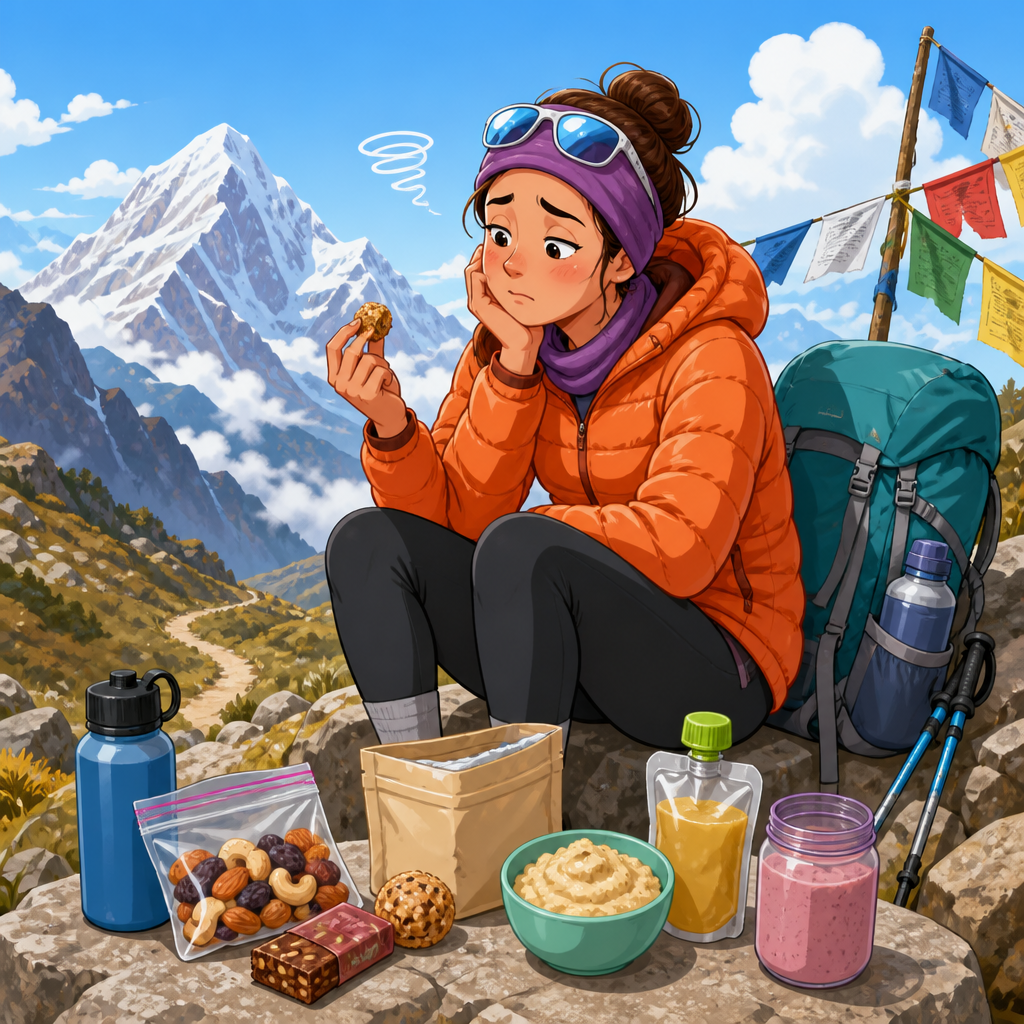
Altitude appetite loss is real, common, and partly physiological. As elevation increases, lower oxygen availability alters breathing rate, fluid loss, stress hormones, and gastrointestinal comfort. Many hikers also climb too fast, sleep poorly on the first night, or start slightly dehydrated from travel. Those factors stack up. The result is a body that wants more energy but sends weaker hunger signals. Research on high-altitude exposure has repeatedly shown reduced appetite and lower voluntary energy intake, especially during the first days of exposure.
At the same time, a long hike at altitude costs more than many people expect. Steeper grades, colder air, heavier clothing, and slower recovery between efforts all increase strain. Carbohydrate becomes especially important because it supports higher-intensity work more efficiently per unit of oxygen than fat. In practical terms, if you are climbing a pass with a pack, your body benefits from ready carbohydrate even if a low-appetite stomach resists a large meal. That is why hikers who insist on eating only huge breakfast and dinner servings often underperform midday.
Altitude also changes fluid dynamics. Faster breathing increases respiratory water loss, and dry mountain air accelerates evaporation. Mild dehydration worsens nausea and reduces appetite further, creating a feedback loop. This is one reason practical meal planning cannot be separated from hydration strategy. Foods with some moisture, salty items that encourage drinking, and a schedule that pairs food breaks with water breaks often work better than treating nutrition and hydration as separate tasks.
Build your plan around calories, carbohydrates, protein, fat, and sodium
For a long day hike or a strenuous segment of a backpacking trip, most hikers do well when they aim for regular intake rather than giant meals. A useful field target is 150 to 300 calories per hour during movement, adjusted for body size, pace, temperature, and altitude tolerance. Smaller hikers moving steadily may sit near the low end; larger hikers climbing hard with a pack may need more. In my experience, the biggest mistake is waiting until fatigue appears. By then, catching up is difficult.
Carbohydrate should do much of the daytime work. A practical target for sustained hiking is roughly 30 to 60 grams per hour, with stronger, faster hikers sometimes tolerating 60 to 90 grams if they have trained their gut. Simple and complex carbohydrate both have a place. Chews, dried fruit, tortillas, bars, and drink mixes provide quick access; oats, rice-based meals, potatoes, and granola add staying power. Protein matters more for recovery, satiety, and muscle maintenance than for immediate trail energy, but 15 to 25 grams per meal and modest amounts in snacks are useful.
Fat remains valuable because it is lightweight and energy dense, which matters when carrying food all day or for multiple days. Nut butter, cheese, nuts, olive oil packets, and coconut-based products can raise calories without adding bulk. The tradeoff is digestibility. When appetite is suppressed, very fatty foods can become unappealing or sit heavily. Sodium deserves equal attention. Sweat losses vary, but salty foods and electrolyte mixes help maintain fluid intake and reduce the “water tastes bad” problem common at elevation.
| Fueling element | Practical target for long high-altitude hikes | Easy trail examples | Main caution |
|---|---|---|---|
| Calories | 150–300 per hour while moving | Bars, trail mix, tortillas, drink mix | Do not wait for hunger to guide intake |
| Carbohydrate | 30–60 g per hour; more only if trained | Chews, fruit, pretzels, oatmeal cookies | Very fibrous foods may be hard to eat |
| Protein | 15–25 g per main meal | Jerky, tuna packet, Greek yogurt powder | Too much during climbs can blunt intake |
| Fat | Use to boost total calories | Nut butter, nuts, cheese, olive oil | Heavy portions may worsen nausea |
| Sodium | Include routinely, especially in heat | Electrolytes, ramen, salted potatoes | Water alone may not encourage enough drinking |
What to eat before the hike, during the climb, and after the finish
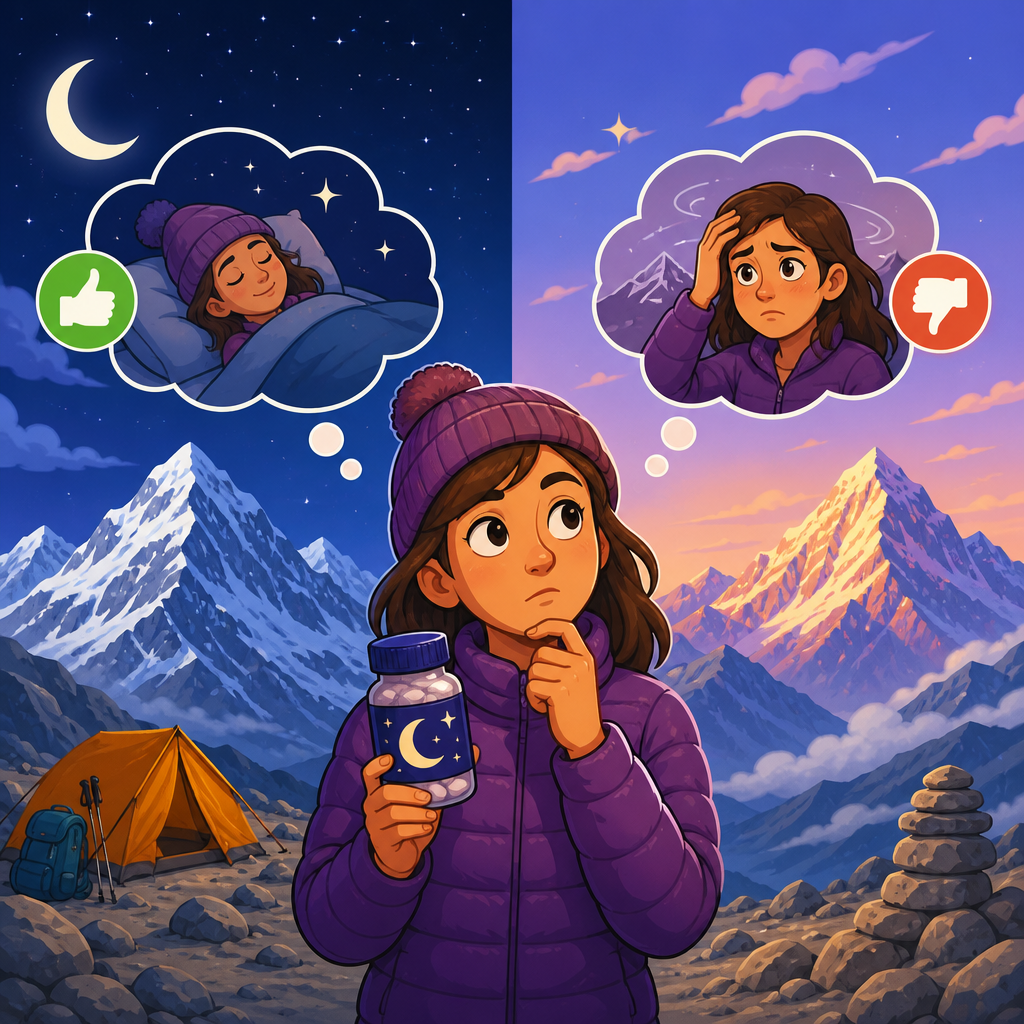
Pre-hike fueling should start before you are standing at the trailhead. The night before, prioritize a familiar dinner with carbohydrate, moderate protein, and enough sodium to support normal hydration. Rice bowls, pasta with lean meat, potatoes with salmon, or burrito-style meals all work well. Avoid treating the meal like a competitive eating event. Overeating at altitude often backfires, especially if sleep is already fragile. On the morning of the hike, choose foods that are easy to digest and easy to finish: oatmeal with dried fruit, a bagel with peanut butter and honey, yogurt with granola, or a breakfast burrito if you tolerate savory foods early.
During the hike, begin eating within the first hour. This matters because hikers who delay intake until they “earn” a snack usually lose the appetite window that exists early in the day. I prefer a timer-based approach: every 30 to 45 minutes, take a few bites or a small item. A full lunch break is still useful, but it should not be the first substantial energy of the day. Soft foods often go down better than dry foods at altitude, so consider fig bars, rice balls, tortillas with nut butter, boiled potatoes with salt, or drinkable calories from a carbohydrate-electrolyte mix.
After the hike, recovery food helps with the next day as much as the current one. Within about an hour, aim for carbohydrate plus protein, then eat a full meal when your stomach settles. Chocolate milk, a recovery shake, instant soup with crackers, or a turkey wrap are practical immediate options. At camp or back in town, add a balanced dinner and continue drinking. Good post-hike intake supports glycogen restoration, muscle repair, better temperature regulation at night, and more stable sleep.
Use appetite-friendly foods and smart packaging to make eating easier
When altitude blunts appetite, texture and flavor matter more than nutrition labels suggest. Dry, crumbly, bland foods can become nearly impossible to choke down, especially in wind or cold. Appetite-friendly foods tend to be moist, salty, sweet-tart, or strongly flavored. Examples include tortillas with almond butter and jam, ramen with extra broth, ginger chews, mashed potato packets, applesauce pouches, quesadillas, cheddar cheese, sour candy, and citrus drink mixes. Many hikers who cannot face another energy bar will happily eat salted boiled potatoes or sip hot soup.
Temperature can help. On cold alpine starts, warm foods are disproportionately appealing. A small stove or insulated bottle can be worth the weight if hot oatmeal, broth, tea, or cocoa consistently improves intake. On warmer climbs, chilled soft flasks or frozen fruit leather can make calories more attractive. Variety is not a luxury on long hikes; it is a compliance tool. Pack multiple flavor profiles so you are not forced into sweetness fatigue by noon.
Packaging determines whether you eat on time. If food requires too many steps, it gets postponed. Repackage daily snacks into accessible pockets, label each hour’s fuel, pre-open wrappers when appropriate, and keep one emergency quick-carb item where you can reach it without removing your pack. On guided trips and personal fastpacks, I have seen the same outcome repeatedly: hikers with easy-access food eat more consistently and finish stronger than hikers carrying technically good food buried deep in a bag.
Practical meal planning for day hikes, backpacking days, and acclimatization
A strong meal plan changes with trip style. For a day hike, you can lean on fresh foods because weight and spoilage matter less. That opens options like hard-boiled eggs, cooked potatoes, fresh sandwiches, fruit, and yogurt. For backpacking, calorie density, shelf stability, and cook simplicity become more important. Tortillas outperform bread because they pack flat and resist crushing. Dehydrated meals save weight, but they should not carry the full burden of your intake if you tend to lose appetite by evening.
Acclimatization days deserve special treatment. If you know the first one to three days at altitude are when your appetite is worst, shift your plan accordingly. Bring your most craveable, easiest foods for those days instead of saving them. Keep breakfast and early snacks especially simple, because many hikers can eat better before altitude stress accumulates through the afternoon. I often advise clients to front-load palatable carbohydrate on early trip days, then transition toward more balanced meals once appetite improves.
Meal planning also depends on effort. A slow scenic hike has different demands than a summit push with 4,000 feet of gain. On harder days, liquid calories become more useful, and chewing-heavy foods become less appealing above treeline. On easier days or rest afternoons, you can emphasize fuller meals with more protein, vegetables, and fats. Thinking in terms of day type, not just total trip length, is one of the clearest signs of a practical nutrition plan.
Common mistakes, troubleshooting, and how this hub connects to the rest of the system
The most common mistake is assuming appetite equals need. At altitude, it does not. The second is overpacking “healthy” foods that look good at home but fail in the field: dry granola, high-fiber wraps, giant bags of raw vegetables, or protein-heavy snacks that become unappetizing on climbs. Another frequent error is neglecting sodium and fluid, then blaming all discomfort on food. Headache, sluggishness, and nausea can reflect several overlapping problems, so troubleshooting must stay broad.
If food sounds disgusting, switch format before forcing volume. Try warm broth, a sports drink, applesauce, or candy, then add more substantial foods when your stomach is receptive. If nausea builds, slow the pace briefly, sip fluid, use ginger, and avoid large fatty portions until symptoms settle. If you repeatedly stop eating after a few bites, reduce portion size and shorten the interval between attempts. Tiny scheduled intake usually beats heroic lunch breaks.
This practical meal planning hub should guide the rest of your system. Pair it with detailed hydration strategy, sleep management before early alpine starts, and recovery planning for back-to-back big days. Food timing affects thirst, sodium affects drinking behavior, and evening meals influence warmth and sleep quality. The best high-altitude hikers do not treat these as separate checkboxes. They build one integrated routine that makes the next choice easier.
Fueling a long hike when altitude kills your appetite is not about finding a magic snack. It is about building a plan that respects physiology, terrain, and behavior. Appetite often drops above 8,000 feet because of lower oxygen, dehydration risk, gastrointestinal stress, and poor sleep, yet energy demand rises as grades steepen and conditions get harsher. That is why successful hikers replace hunger-based eating with a structured approach centered on early carbohydrate, small frequent intake, enough sodium, and foods that are genuinely easy to consume.
The practical meal planning takeaway is clear. Start with familiar, digestible meals before the hike. During movement, aim for steady calories every 30 to 45 minutes, favoring soft, palatable foods and drinkable carbohydrate when chewing feels like work. Use fat to raise total calories, but do not rely on heavy foods when nausea is in play. Plan differently for day hikes, backpacking days, and acclimatization periods, and pack the most appealing foods for the days when altitude will hit hardest.
If you want better energy, steadier pacing, warmer evenings, and stronger recovery on high routes, make meal planning a repeatable system rather than an afterthought. Review your next hike, map out when you will eat, choose foods by texture and timing as much as by macros, and test the plan before a major objective. Practical fueling works best when it is practiced.
Frequently Asked Questions
Why does altitude kill your appetite on a long hike?
Altitude can suppress appetite for several reasons, and the effect is common once you get above roughly 8,000 feet. Lower oxygen levels change how hard your body has to work, and that stress can affect digestion, hunger hormones, and how food feels in your stomach. Many hikers notice they get full faster, feel mildly nauseated, or simply stop thinking about food altogether. At the same time, dry air, increased breathing rate, and dehydration can make thirst cues less obvious and digestion feel even worse. The problem is that your body still needs steady energy to hike, stay warm, think clearly, and recover. So even if you do not feel hungry, your calorie needs often rise while your desire to eat drops. That mismatch is why altitude fueling takes strategy instead of instinct. You cannot always rely on appetite to guide you in the mountains.
What should I eat when I am not hungry at altitude?
When appetite is low, the best foods are usually simple, familiar, easy to chew, and quick to digest. Most hikers do better with carbohydrate-forward foods because they are easier to eat under stress and provide fast energy when climbing. Good options include tortillas, bagels, crackers, pretzels, fruit snacks, applesauce packets, instant oatmeal, mashed potatoes, rice-based meals, energy chews, bars with a soft texture, dried fruit, and nut butter in small amounts. Salty foods can also help because they are often more appealing than rich or sweet foods when you feel slightly nauseated. The key is to avoid forcing down heavy, greasy, overly fibrous, or very protein-dense foods when your stomach is already resistant. Instead of trying to sit down for a big lunch, think in terms of small bites every 30 to 45 minutes. A few mouthfuls taken consistently will usually go down better than a full meal and can prevent the energy crash that happens when you wait too long to eat.
How often should I eat on a long hike if altitude makes normal meals unappealing?
At altitude, grazing usually works better than traditional breakfast-lunch-dinner timing. A practical approach is to eat a little early and a little often, especially before you feel drained. Many hikers do well with a few hundred calories before starting, then small snacks every 30 to 60 minutes depending on pace, elevation gain, temperature, and personal tolerance. Waiting until you are starving is risky because altitude often blunts that signal, and once you start feeling weak, shaky, cold, or mentally foggy, it is harder to recover. Think of fueling as part of your movement routine, like checking your map or adjusting layers. Build it into your schedule with reminders if needed. Even a few bites of a bar, a handful of pretzels, or a couple of chews on a regular interval can keep blood sugar steadier and help you avoid bonking. On long or multi-day hikes, consistency matters more than perfection. You are not trying to eat a textbook meal plan; you are trying to stay functional and strong all day.
How do I stay hydrated when altitude also dulls my thirst?
Dulled thirst is one of the sneakiest altitude problems because many hikers do not realize how much fluid they are losing through breathing, dry air exposure, and exertion. If you are not drinking enough, appetite often gets worse, fatigue hits earlier, and headaches or nausea can become more noticeable. The best solution is to drink proactively instead of waiting to feel thirsty. Sip regularly throughout the day and pair fluids with snacks so both habits reinforce each other. Electrolytes can help, especially if plain water feels unappealing or you are sweating heavily, but they are not a substitute for total fluid intake. Warm drinks can be especially useful in cold conditions because they are often easier to consume than icy water. A good field check is your energy, urine color, and how your mouth feels rather than thirst alone. If you are hiking hard at altitude and your lips are dry, your urine is very dark, or you feel a little lightheaded and food sounds terrible, dehydration may be part of the problem. Staying ahead of it can make eating easier and improve overall performance.
What is the best fueling strategy for a multi-day hike when altitude keeps suppressing appetite?
For multi-day trips, the best strategy is to lower the burden of eating and make fueling as automatic as possible. Start by bringing foods you already know you can tolerate when tired, stressed, or slightly nauseated. Do not build your menu around ideal nutrition on paper if those foods become impossible to stomach on day two. Pack a mix of quick carbs, salty snacks, easy breakfasts, drink mixes, and a few comfort foods you genuinely look forward to. Front-load eating when possible, especially at lower elevations, during easier morning miles, or right after breaks when your stomach is calmer. Keep high-access snacks in hip belt pockets or somewhere you can reach without stopping. Use variety in texture and flavor because altitude can make one-note foods suddenly unappealing. It also helps to separate performance fueling from recovery fueling: eat easy carbs during movement, then add more protein and fat later when you are at camp and can eat more slowly. Finally, pay attention to small warning signs such as irritability, clumsiness, unusually cold hands, fading pace, or indecision. Those often show up before obvious hunger. On a multi-day hike, successful fueling at altitude is less about eating huge amounts and more about preventing long gaps where intake falls too low.